BIOFUEL
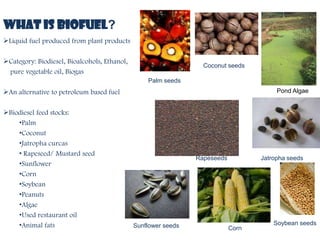
What is biofuel?
Liquid fuel produced from plant products

Category: Biodiesel, Bioalcohols, Ethanol,
                                                                  Coconut seeds
 pure vegetable oil, Biogas
                                                  Palm seeds
An alternative to petroleum based fuel                                                 Pond Algae


Biodiesel feed stocks:
    •Palm
    •Coconut
    •Jatropha curcas
    • Rapeseed/ Mustard seed
                                                                Rapeseeds          Jatropha seeds
    •Sunflower
    •Corn
    •Soybean
    •Peanuts
    •Algae
    •Used restaurant oil
    •Animal fats                              Sunflower seeds                          Soybean seeds
                                                                            Corn
Biofuels derived
  from biomass or
      biowaste

biomass : material which is
  derived from recently
living organism / obtained
   from plants & animals
        byproducts
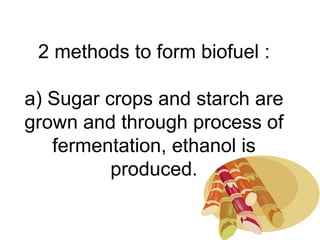
2 methods to form biofuel :

a) Sugar crops and starch are
grown and through process of
   fermentation, ethanol is
          produced.
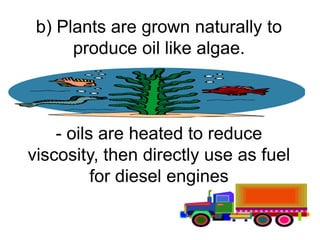
b) Plants are grown naturally to
      produce oil like algae.


    - oils are heated to reduce
viscosity, then directly use as fuel
          for diesel engines
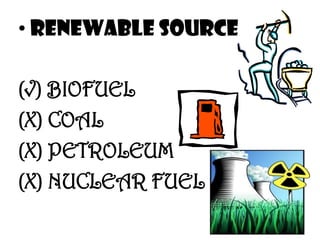
• RENEWABLE SOURCE

(√) BIOFUEL
(X) COAL
(X) PETROLEUM
(X) NUCLEAR FUEL
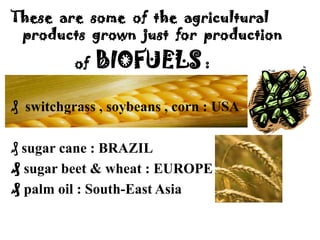
These are some of the agricultural
 products grown just for production

          of   BIOFUELS :

₰ switchgrass , soybeans , corn : USA

₰ sugar cane : BRAZIL
₰ sugar beet & wheat : EUROPE
₰ palm oil : South-East Asia
FIRST
GENERATION
  BIOFUEL
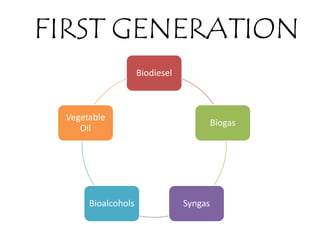
FIRST GENERATION
                    Biodiesel


 Vegetable
                                     Biogas
    Oil


      Bioalcohols               Syngas
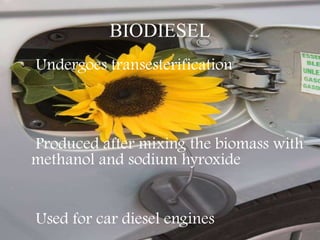
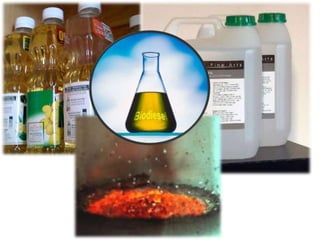
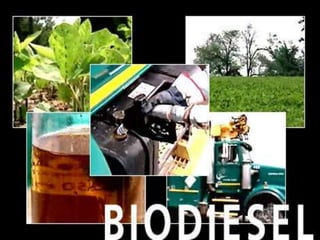
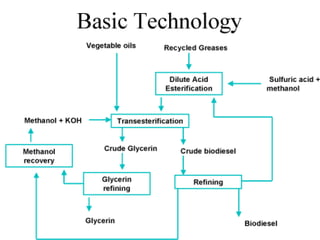
BIODIESEL
Undergoes transesterification


Produced after mixing the biomass with
methanol and sodium hyroxide


Used for car diesel engines
VEGETABLE OIL

Generally use for cooking
purpose

Vegetable oil is mainly used for
 the production of biodiesel
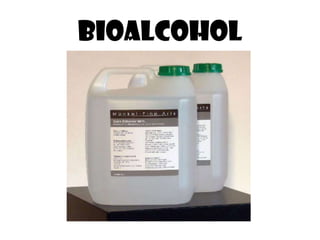
BIOALCOHOLS
 Fermentation process
 Common type of bioalcohol
whereas butanol and propanol
 Butanol is produced using
the process of ABE
fermentation
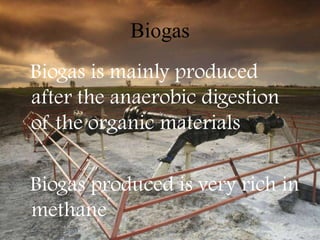
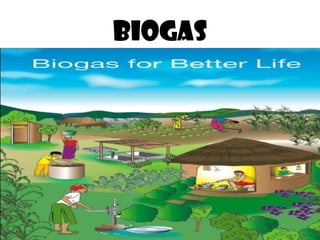
Biogas
Biogas is mainly produced
after the anaerobic digestion
of the organic materials

Biogas produced is very rich in
methane
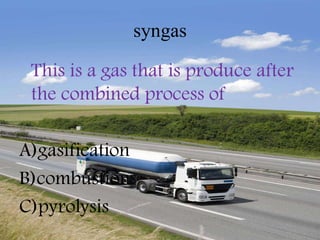
syngas

 This is a gas that is produce after
 the combined process of

A)gasification
B)combustion
C)pyrolysis
.
BIODIESEL
BIOALCOHOL
BIOGAS
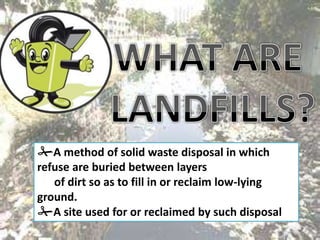
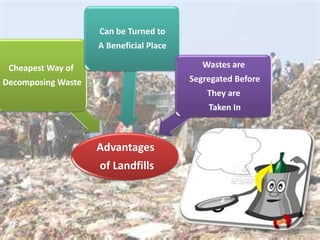
A method of solid waste disposal in which
refuse are buried between layers
   of dirt so as to fill in or reclaim low-lying
ground.
A site used for or reclaimed by such disposal
Can be Turned to
                    A Beneficial Place

 Cheapest Way of                            Wastes are
Decomposing Waste                        Segregated Before
                                             They are
                                             Taken In


                    Advantages
                    of Landfills
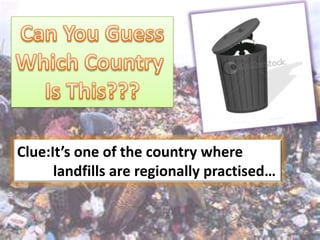
Clue:It’s one of the country where
      landfills are regionally practised…
OTHER
    ALTERNATIVE
         FUELS
• NON- CONVENTIONAL FUELS
• RENEWABLE ENERGY
• NON-CONVENTIONAL OIL
• HYDROGEN
• AIR ENGINE
WHAT IS SYNGAS?
Gas mixture of CO , CO2 and H
C be used as an
  an
i nt er m at e
         edi
C be used as f uel sour ce
 an
C be used t o gener at e
 an
el ect r i ci t y
ADVANTAGES AND
DISADVANTAGES OF BIOMASS
•ADVANTAGES
   Biomass used as a fuel reduces need for fossil fuels for
the production of heat, steam, and electricity for
residential, industrial and agricultural use.

   Biomass is always available and can be produced as a
renewable resource.

   Biomass fuel from agriculture wastes maybe a
secondary product that adds value to agricultural crop.

   Growing Biomass crops produce oxygen and use up
carbon dioxide.
The use of waste materials reduce landfill
disposal and makes more space for everything
else.

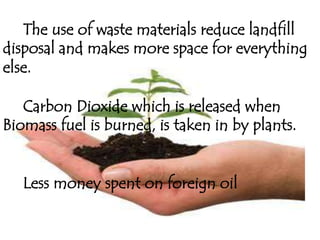
   Carbon Dioxide which is released when
Biomass fuel is burned, is taken in by plants.


   Less money spent on foreign oil
•DISADVANTAGES
 Agricultural wastes will not be available if the
basic crop is no longer grown.

  Additional work is needed in areas such as
harvesting methods .

  Land used for energy crops maybe in demand for
other purposes, such as
faming, conservation, housing, resort or agricultural
use.

   Some Biomass conversion projects are from animal
wastes and are relatively small and therefore are
limited.
Research is needed to reduce the costs
of production of Biomass based fuels.
Its expensive and requires a lot of
resources to convert the raw materials
to an energy source.


 Is in some cases is a major cause of
pollution.
CONCLUSION

Biofuel production has
 lead to :
    rural electrification
     improving agriculture
    job creation
     women empowerment
     power to local community
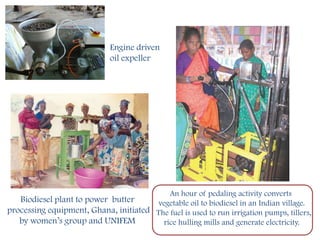
Engine driven
                              oil expeller


                                               An hour of pedaling activity converts
   Biodiesel plant to power butter      vegetable oil to biodiesel in an Indian village.
processing equipment, Ghana, initiated The fuel is used to run irrigation pumps, tillers,
   by women’s group and UNIFEM            rice hulling mills and generate electricity.
Biofuels

Biofuels

  • 1.
  • 2.
    What is biofuel? Liquidfuel produced from plant products Category: Biodiesel, Bioalcohols, Ethanol, Coconut seeds pure vegetable oil, Biogas Palm seeds An alternative to petroleum based fuel Pond Algae Biodiesel feed stocks: •Palm •Coconut •Jatropha curcas • Rapeseed/ Mustard seed Rapeseeds Jatropha seeds •Sunflower •Corn •Soybean •Peanuts •Algae •Used restaurant oil •Animal fats Sunflower seeds Soybean seeds Corn
  • 3.
    Biofuels derived from biomass or biowaste biomass : material which is derived from recently living organism / obtained from plants & animals byproducts
  • 4.
    2 methods toform biofuel : a) Sugar crops and starch are grown and through process of fermentation, ethanol is produced.
  • 5.
    b) Plants aregrown naturally to produce oil like algae. - oils are heated to reduce viscosity, then directly use as fuel for diesel engines
  • 6.
    • RENEWABLE SOURCE (√)BIOFUEL (X) COAL (X) PETROLEUM (X) NUCLEAR FUEL
  • 7.
    These are someof the agricultural products grown just for production of BIOFUELS : ₰ switchgrass , soybeans , corn : USA ₰ sugar cane : BRAZIL ₰ sugar beet & wheat : EUROPE ₰ palm oil : South-East Asia
  • 8.
  • 9.
    FIRST GENERATION Biodiesel Vegetable Biogas Oil Bioalcohols Syngas
  • 10.
    BIODIESEL Undergoes transesterification Produced aftermixing the biomass with methanol and sodium hyroxide Used for car diesel engines
  • 11.
    VEGETABLE OIL Generally usefor cooking purpose Vegetable oil is mainly used for the production of biodiesel
  • 12.
    BIOALCOHOLS Fermentation process Common type of bioalcohol whereas butanol and propanol Butanol is produced using the process of ABE fermentation
  • 13.
    Biogas Biogas is mainlyproduced after the anaerobic digestion of the organic materials Biogas produced is very rich in methane
  • 14.
    syngas This isa gas that is produce after the combined process of A)gasification B)combustion C)pyrolysis
  • 15.
  • 17.
  • 18.
  • 19.
  • 23.
    A method ofsolid waste disposal in which refuse are buried between layers of dirt so as to fill in or reclaim low-lying ground. A site used for or reclaimed by such disposal
  • 24.
    Can be Turnedto A Beneficial Place Cheapest Way of Wastes are Decomposing Waste Segregated Before They are Taken In Advantages of Landfills
  • 26.
    Clue:It’s one ofthe country where landfills are regionally practised…
  • 28.
    OTHER ALTERNATIVE FUELS • NON- CONVENTIONAL FUELS • RENEWABLE ENERGY • NON-CONVENTIONAL OIL • HYDROGEN • AIR ENGINE
  • 29.
    WHAT IS SYNGAS? Gasmixture of CO , CO2 and H C be used as an an i nt er m at e edi C be used as f uel sour ce an C be used t o gener at e an el ect r i ci t y
  • 30.
  • 31.
    •ADVANTAGES Biomass used as a fuel reduces need for fossil fuels for the production of heat, steam, and electricity for residential, industrial and agricultural use. Biomass is always available and can be produced as a renewable resource. Biomass fuel from agriculture wastes maybe a secondary product that adds value to agricultural crop. Growing Biomass crops produce oxygen and use up carbon dioxide.
  • 32.
    The use ofwaste materials reduce landfill disposal and makes more space for everything else. Carbon Dioxide which is released when Biomass fuel is burned, is taken in by plants. Less money spent on foreign oil
  • 33.
    •DISADVANTAGES Agricultural wasteswill not be available if the basic crop is no longer grown. Additional work is needed in areas such as harvesting methods . Land used for energy crops maybe in demand for other purposes, such as faming, conservation, housing, resort or agricultural use. Some Biomass conversion projects are from animal wastes and are relatively small and therefore are limited.
  • 34.
    Research is neededto reduce the costs of production of Biomass based fuels. Its expensive and requires a lot of resources to convert the raw materials to an energy source. Is in some cases is a major cause of pollution.
  • 35.
    CONCLUSION Biofuel production has lead to : rural electrification improving agriculture job creation women empowerment power to local community
  • 36.
    Engine driven oil expeller An hour of pedaling activity converts Biodiesel plant to power butter vegetable oil to biodiesel in an Indian village. processing equipment, Ghana, initiated The fuel is used to run irrigation pumps, tillers, by women’s group and UNIFEM rice hulling mills and generate electricity.