Bio fuels
• Renewable energy
Biofuel
Biomass
Carbon neutral fuel
Geothermal
Hydroelectricity
Solar energy
Tidal power
Wave power
Wind power
• A biofuel is a type of fuel whose energy is
  derived from biological carbon fixation.

  Biofuels include fuels derived
  from biomass conversion, as well as solid
  biomass, liquid fuels and
  various biogases. Biofuels are gaining
  increased public and scientific attention,
  driven by factors such as oil price hikes, the
  need for increased energy security, and
  concern over greenhouse gas emissions
  from fossil fuels.
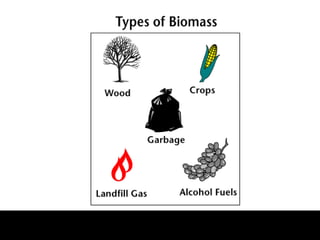
Biomass
Technology
• Biomass technology today serves many markets
  that were developed with fossil fuels and modestly
  reduces their use

• Uses - Industrial process heat and steam, Electrical
  power generation, Transportation fuels (ethanol
  and biodiesel) and other products.

• Primary focus of the Biomass Program –
  development of advanced technologies.
Bio-refinery
• A facility that integrates biomass conversion
  processes and equipment to produce fuels,
  power, and chemicals from biomass.

• Analogous to today's petroleum refineries

• It is based on the “Sugar Platform“ and the
  “Thermochemical Platform“
Bio-diesel


 • Made by transforming animal fat or vegetable
   oil with alcohol .

 • Fuel is made from rapeseed (canola) oil or
   soybean oil or recycled restaurant grease.

 • Directly substituted for diesel either as neat
   fuel or as an oxygenate additive
Modified Waste Vegetable Fat

• Designed for general use in most compression
  ignition engines .

• It can be modified in various ways to make a
  'greener' form of fuel
Jatropha

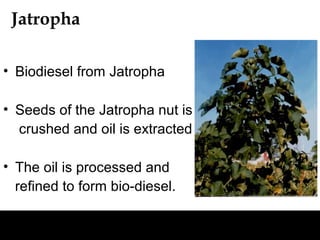
• Biodiesel from Jatropha

• Seeds of the Jatropha nut is
  crushed and oil is extracted

• The oil is processed and
  refined to form bio-diesel.
Gasification Technology

•Gobar gas Production

•Biogas

•Synthesis gas
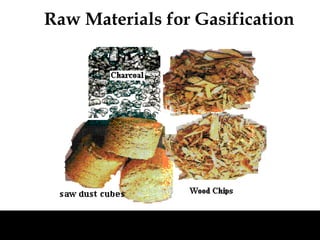
Raw Materials for Gasification
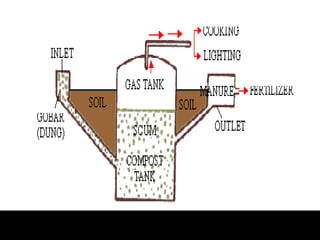
Gobar gas

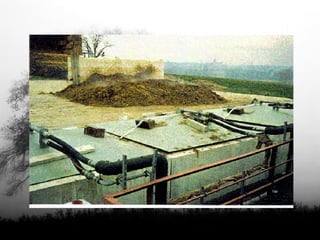
• Gobar gas production is an anaerobic
  process

• Fermentation is carried out in an air tight,
  closed cylindrical concrete tank called a
  digester
Wood
• Domestic heating with wood is still by far
  the largest market for bio-energy
• Dramatic improvements of technology in
  domestic heating equipment
• Improved tiled stoves, advanced logwood
  boilers, woodchip boilers, pellet boilers and
  pellet stoves.
• Pourable wood-based fuel is also available
Environmental Concerns

• Air Pollution


• Soil Deterioration
Air Concerns


  • Biomass processing technologies and biofuels use have the
  potential to increase emissions of ozone precursors
     o Increase in Nox emissions
  •Excessive inhalation of ethanol is harmful
  •Combustion of ethanol would result in increased atmospheric
  concentrations of carcinogens
  • Emission of relatively large sized particulate matter
Soil Concerns


 • Burning biomass deprives local eco-systems of nutrients
 • Production of dedicated energy crops renders land fallow
 • Reduced land availability for cattle grazing
 •Increased use of pesticides and fertilizers to produce energy
 crops contaminate ground and surface water
    o Affects fish and wildlife
Environmental Benefits


 •Reduction of waste
 • Extremely low emission of greenhouse gases compared to
 fossil fuels
 • Ethanol is Carbon neutral and forms a part of the carbon cycle
 • Growing variety of crops increases bio-diversity
Socio-Economic Benefits


 • Helps developing economies by promoting agrarian
 communities
 • Increase in jobs
 • Increase in trade balance (Indian perspective) due to lesser
 dependence on foreign resources
BIO FUELS

THE WORLD SCENARIO
BRAZIL

 •World leader in production and export of
 ethanol.
 •Ethanol produced per day equivalent to
 200,000 barrels of gasoline.
 •24% blend ethanol mandatory.
 •Competitiveness
 •Bio diesel initiatives underway
U.S.A.

 •   Ethanol : a big boost to economy
 •   E85 sells cheaper than gasoline
 •   Currently production aimed at 4.5 Billion gallons/yr
 •   MTBE phased out in many states
 • Soya bean main source of biodiesel
E.U.

•   Rapeseed main source of bio diesel
•   3-15% blended petrol
•   France: Bio diesel exempted from domestic tax
•   Germany: Sales of bio diesel 99 million US gallons
•   Rise of SVO as domestic fuel
The Significant Others
• China: 3rd largest producer of ethanol
  producing 220,000 tons of ethanol, exporting
  90,000 tons in 2000.
• In southeast Asia, the Jatropha tree is used
  as a significant fuel source
• Malaysia and Indonesia are starting pilot-
  scale production from palm oil.
India

• Sources of ethanol:
     • Sugarcane
     • Molasses
     • Agricultural waste
• Low average cost of Rs.18/litre projected
• Annual production capacity of 1.5 Billion
  litres
India (Contd.)
• Sources of biodiesel:
     • Honge
     • Jatropha
• High capital, broad scale production plan initiated
• Cost per liter projected at Rs. 27
Bio Mass
• Biomass already supplies 14 % of the world’s
  primary energy consumption. On average, biomass
  produces 38 % of the primary energy in developing
  countries.

• USA: 4% of total energy from bio mass, around
  9000 MW

• INDIA is short of 15,000 MW of energy and it costs
  about 25,000 crores annually for the government to
  import oil.
• Bio Mass from cattle manure, agricultural waste,
  forest residue and municipal waste.
• Anaerobic digestion of livestock wastes to give bio
  gas
• Digester consumes roughly one third the power it’s
  capable of producing.
• Fertilizers as by product.

• Average electricity generation of 5.5kWh per cow
  per day!!
Thank You
Biofuels

Biofuels

  • 1.
  • 2.
    • Renewable energy Biofuel Biomass Carbonneutral fuel Geothermal Hydroelectricity Solar energy Tidal power Wave power Wind power
  • 3.
    • A biofuelis a type of fuel whose energy is derived from biological carbon fixation. Biofuels include fuels derived from biomass conversion, as well as solid biomass, liquid fuels and various biogases. Biofuels are gaining increased public and scientific attention, driven by factors such as oil price hikes, the need for increased energy security, and concern over greenhouse gas emissions from fossil fuels.
  • 4.
  • 6.
    Technology • Biomass technologytoday serves many markets that were developed with fossil fuels and modestly reduces their use • Uses - Industrial process heat and steam, Electrical power generation, Transportation fuels (ethanol and biodiesel) and other products. • Primary focus of the Biomass Program – development of advanced technologies.
  • 7.
    Bio-refinery • A facilitythat integrates biomass conversion processes and equipment to produce fuels, power, and chemicals from biomass. • Analogous to today's petroleum refineries • It is based on the “Sugar Platform“ and the “Thermochemical Platform“
  • 8.
    Bio-diesel • Madeby transforming animal fat or vegetable oil with alcohol . • Fuel is made from rapeseed (canola) oil or soybean oil or recycled restaurant grease. • Directly substituted for diesel either as neat fuel or as an oxygenate additive
  • 10.
    Modified Waste VegetableFat • Designed for general use in most compression ignition engines . • It can be modified in various ways to make a 'greener' form of fuel
  • 11.
    Jatropha • Biodiesel fromJatropha • Seeds of the Jatropha nut is crushed and oil is extracted • The oil is processed and refined to form bio-diesel.
  • 13.
    Gasification Technology •Gobar gasProduction •Biogas •Synthesis gas
  • 14.
    Raw Materials forGasification
  • 15.
    Gobar gas • Gobargas production is an anaerobic process • Fermentation is carried out in an air tight, closed cylindrical concrete tank called a digester
  • 17.
    Wood • Domestic heatingwith wood is still by far the largest market for bio-energy • Dramatic improvements of technology in domestic heating equipment • Improved tiled stoves, advanced logwood boilers, woodchip boilers, pellet boilers and pellet stoves. • Pourable wood-based fuel is also available
  • 19.
    Environmental Concerns • AirPollution • Soil Deterioration
  • 20.
    Air Concerns • Biomass processing technologies and biofuels use have the potential to increase emissions of ozone precursors o Increase in Nox emissions •Excessive inhalation of ethanol is harmful •Combustion of ethanol would result in increased atmospheric concentrations of carcinogens • Emission of relatively large sized particulate matter
  • 21.
    Soil Concerns •Burning biomass deprives local eco-systems of nutrients • Production of dedicated energy crops renders land fallow • Reduced land availability for cattle grazing •Increased use of pesticides and fertilizers to produce energy crops contaminate ground and surface water o Affects fish and wildlife
  • 22.
    Environmental Benefits •Reductionof waste • Extremely low emission of greenhouse gases compared to fossil fuels • Ethanol is Carbon neutral and forms a part of the carbon cycle • Growing variety of crops increases bio-diversity
  • 23.
    Socio-Economic Benefits •Helps developing economies by promoting agrarian communities • Increase in jobs • Increase in trade balance (Indian perspective) due to lesser dependence on foreign resources
  • 24.
  • 25.
    BRAZIL •World leaderin production and export of ethanol. •Ethanol produced per day equivalent to 200,000 barrels of gasoline. •24% blend ethanol mandatory. •Competitiveness •Bio diesel initiatives underway
  • 26.
    U.S.A. • Ethanol : a big boost to economy • E85 sells cheaper than gasoline • Currently production aimed at 4.5 Billion gallons/yr • MTBE phased out in many states • Soya bean main source of biodiesel
  • 27.
    E.U. • Rapeseed main source of bio diesel • 3-15% blended petrol • France: Bio diesel exempted from domestic tax • Germany: Sales of bio diesel 99 million US gallons • Rise of SVO as domestic fuel
  • 28.
    The Significant Others •China: 3rd largest producer of ethanol producing 220,000 tons of ethanol, exporting 90,000 tons in 2000. • In southeast Asia, the Jatropha tree is used as a significant fuel source • Malaysia and Indonesia are starting pilot- scale production from palm oil.
  • 29.
    India • Sources ofethanol: • Sugarcane • Molasses • Agricultural waste • Low average cost of Rs.18/litre projected • Annual production capacity of 1.5 Billion litres
  • 30.
    India (Contd.) • Sourcesof biodiesel: • Honge • Jatropha • High capital, broad scale production plan initiated • Cost per liter projected at Rs. 27
  • 31.
    Bio Mass • Biomassalready supplies 14 % of the world’s primary energy consumption. On average, biomass produces 38 % of the primary energy in developing countries. • USA: 4% of total energy from bio mass, around 9000 MW • INDIA is short of 15,000 MW of energy and it costs about 25,000 crores annually for the government to import oil.
  • 32.
    • Bio Massfrom cattle manure, agricultural waste, forest residue and municipal waste. • Anaerobic digestion of livestock wastes to give bio gas • Digester consumes roughly one third the power it’s capable of producing. • Fertilizers as by product. • Average electricity generation of 5.5kWh per cow per day!!
  • 33.