Downloaded 36 times



![[6 marks]](https://image.slidesharecdn.com/b1-150524171225-lva1-app6892/85/B1-4-_adaptation_for_survival-8-320.jpg)

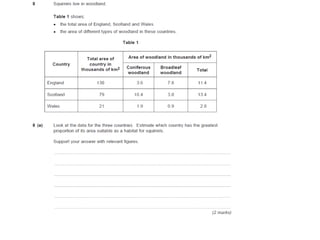



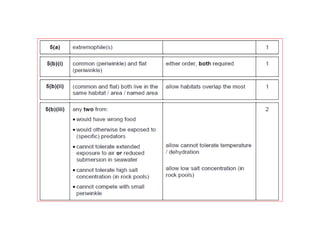

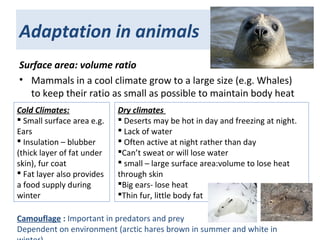
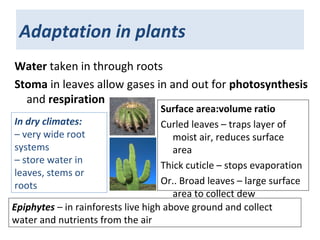
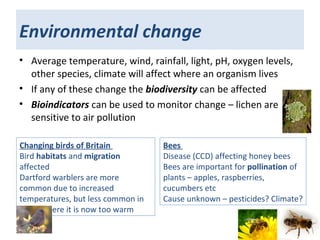
This document discusses various ways that organisms adapt to survive in different environments. It provides several examples: - Fig trees and wasps have adapted to each other through pollination, with each wasp type specially shaped to pollinate its matching fig tree. - Star-nosed moles can react and eat prey within 230 milliseconds due to being blind and needing to consume prey quickly before it escapes. - Venus fly traps attract insects using smell and color and digest them for nutrients to survive in nutrient-poor bogs. - Extremophile bacteria can survive at very high or low temperatures because their enzymes do not denature under extreme conditions. The document then examines environmental adaptations


![谷歌留痕技术 [ 𝙩𝙤𝙥 𝟮𝟯𝟯. 𝙘 𝙤𝙢 ]](https://cdn.slidesharecdn.com/ss_thumbnails/top233-260130174328-3833018c-thumbnail.jpg?width=640&height=640&fit=bounds)


