
Asthisamharaka (Cissus quadrangularis)
Introduction 
Asthisamharaka (Cissus quadrangularis) 
The Sanskrit word asthisamharaka literally means 
that which saves the bones from their 
destruction. Precisely, it is also named as 
asthisandhani, which describes its peculiar quality 
of healing the bone fractures. Denoting the same 
property, is has few synonyms, like vafravati, 
asthisrnkhala, vajrangi, granthimala etc. The plant 
has been mentioned in all ancient scriptures of 
Ayurveda. It is used in folklore medicine to heal 
bone fractures, throughout India. The Sanskrit 
names, mentioned above, also hint at the same 
use by ancient physicians.
Vernacular Names 
• Botanical Name : Cissus quadrangularis linn 
• English Name : Edible stemmed vine 
• Hindi Name : Hadjod, Harjora, Asthisanhari and Woody 
Vine 
• Bengali Name : Harjora 
• Gujrati Name : Hadasankala 
• Kannad Name : Mangroli 
• Malyalam Name : Cannalam Paranta, Piranta 
• Marathi Name : Hadsandhi, Chaudhari 
• Punjabi Name : Haddjor 
• Tamil Name : Perandai, Pirantai 
• Telugu Name : Nalleru 
• Common Name : Hadjora
Synonyms 
• Astisrankala 
• Astisamhari 
• vajravalli
Gana & Kula 
• Not included in any gana by brahttrayas 
• Bhavamisra included it in Guduchyadi varga 
• Kaiyadeva included it in Oushadi varga 
• Kula- Draksha kula 
• Family- Vitaceae
Habitat 
• The plant grows throughout India, especially, 
in dry regions and in Sri Lanka,
Varieties 
The author of Nighantu Ratnakara mentions the 
there are two varieties of this climber, namely, of 
• four – sided and 
• three – sided stems. 
But only one variety of four – sided stem is 
reported; which at times may be seen shooting 
out branches having three sides. A two – sided 
horticultural variety is also grown in gardens.
Morphology 
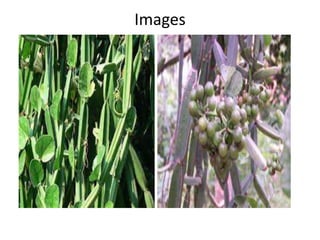
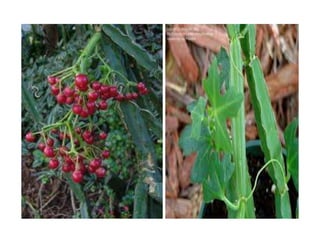
• C. quadrangularis is a fleshy cactus like jointed climber 
with 4-winged internodes and a tendril at some of the 
nodes . C. quadrangularis is a moist shrubby climbers 
reaches a height of 1.5 m. 
• Stems sharply 4-angled, jointed at nodes, internodes 
are 8 to 10 cm long and 1.2 to 1.5 cm wide, tendrils 
simple long and slender emerging from the opposite 
side of the node. 
• Leaves simple, ovate or reniform, ±5 cm wide, serrate, 
cordate; 
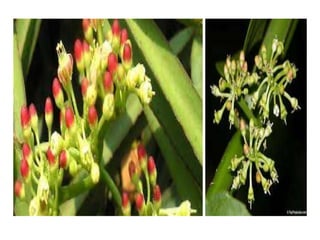
• The flowers are small, greenish white, in short cymes. 
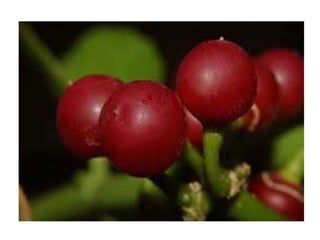
• Berries globose, ±0.7 cm in diameter, red on ripening, 
1- seeded
Images
CHEMICAL CONSTITUENTS 
• Calcium Oxalate, 
• Carotene and 
• Ascorbic Acid
Properties 
• Guna- Lagu , ruksha 
• Rasa – Madura 
• Veerya – Usna 
• Vipaka- Madura
Doshakarma 
• Pittavardhaka 
• Kaphavatashamaka
Therapeutic uses 
Uses of Stem: 
• Stem of Cissus quadrangularis Linn. is very important 
part of the plant and accepted as raw drug of known 
properties in both Ayurvedic and Unani system of 
medicine. Among the parts 
• stem is used for bone fracture. 
• It is useful in piles, bone fracture, pain in joints, 
swelling and asthma. 
• Stem juice is used for the treatment of Scurvy, 
irregular menstruation, disease ofear and nose-bleeding. 
• Stem paste is also useful in bone fracture, swelling, 
muscular pain, asthma, burns, wounds and bites of 
poisonous insects.
• Uses of Root: 
Root powered is used in fractured bone, cuts.
• Uses of Shoots: 
• Dry shoots powder is used for digestive troubles, 
stomachic, scurvy, and asthma. 
• Fresh shoot paste is used in burns and wound. 
Stem and leaf is useful in labour pain at Bihar. 
• Decoction of shoot along with dry ginger and 
black pepper is used in body pain. 
• Shoot is used for the treatment of piles, worm 
infection, stiffness in thigh muscles, chronic ulcer, 
colic, epilepsy, convulsion, anorexia, skin 
diseases, dyspsia, indigestion, rejoin broken 
bones. It is used as aphrodisiac, carminative, 
laxative, digestive and decoction is used as blood 
purifier and immunomodulator.
Useful part 
• Kanda
Matra 
• Swarasa- 10-20ml
Special preparations 
• Asthisamharaka juice 
• Asthisamharaka powder 
• Asthisamharaka decoction of dried stalks 
• Lakshadi Guggulu
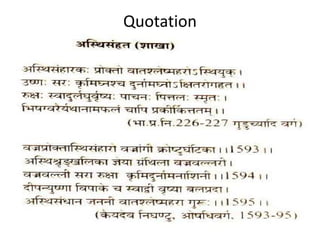
Quotation

Asthisrankala

  • 1.
  • 2.
    Introduction Asthisamharaka (Cissusquadrangularis) The Sanskrit word asthisamharaka literally means that which saves the bones from their destruction. Precisely, it is also named as asthisandhani, which describes its peculiar quality of healing the bone fractures. Denoting the same property, is has few synonyms, like vafravati, asthisrnkhala, vajrangi, granthimala etc. The plant has been mentioned in all ancient scriptures of Ayurveda. It is used in folklore medicine to heal bone fractures, throughout India. The Sanskrit names, mentioned above, also hint at the same use by ancient physicians.
  • 3.
    Vernacular Names •Botanical Name : Cissus quadrangularis linn • English Name : Edible stemmed vine • Hindi Name : Hadjod, Harjora, Asthisanhari and Woody Vine • Bengali Name : Harjora • Gujrati Name : Hadasankala • Kannad Name : Mangroli • Malyalam Name : Cannalam Paranta, Piranta • Marathi Name : Hadsandhi, Chaudhari • Punjabi Name : Haddjor • Tamil Name : Perandai, Pirantai • Telugu Name : Nalleru • Common Name : Hadjora
  • 4.
    Synonyms • Astisrankala • Astisamhari • vajravalli
  • 5.
    Gana & Kula • Not included in any gana by brahttrayas • Bhavamisra included it in Guduchyadi varga • Kaiyadeva included it in Oushadi varga • Kula- Draksha kula • Family- Vitaceae
  • 6.
    Habitat • Theplant grows throughout India, especially, in dry regions and in Sri Lanka,
  • 7.
    Varieties The authorof Nighantu Ratnakara mentions the there are two varieties of this climber, namely, of • four – sided and • three – sided stems. But only one variety of four – sided stem is reported; which at times may be seen shooting out branches having three sides. A two – sided horticultural variety is also grown in gardens.
  • 8.
    Morphology • C.quadrangularis is a fleshy cactus like jointed climber with 4-winged internodes and a tendril at some of the nodes . C. quadrangularis is a moist shrubby climbers reaches a height of 1.5 m. • Stems sharply 4-angled, jointed at nodes, internodes are 8 to 10 cm long and 1.2 to 1.5 cm wide, tendrils simple long and slender emerging from the opposite side of the node. • Leaves simple, ovate or reniform, ±5 cm wide, serrate, cordate; • The flowers are small, greenish white, in short cymes. • Berries globose, ±0.7 cm in diameter, red on ripening, 1- seeded
  • 9.
  • 13.
    CHEMICAL CONSTITUENTS •Calcium Oxalate, • Carotene and • Ascorbic Acid
  • 14.
    Properties • Guna-Lagu , ruksha • Rasa – Madura • Veerya – Usna • Vipaka- Madura
  • 15.
    Doshakarma • Pittavardhaka • Kaphavatashamaka
  • 16.
    Therapeutic uses Usesof Stem: • Stem of Cissus quadrangularis Linn. is very important part of the plant and accepted as raw drug of known properties in both Ayurvedic and Unani system of medicine. Among the parts • stem is used for bone fracture. • It is useful in piles, bone fracture, pain in joints, swelling and asthma. • Stem juice is used for the treatment of Scurvy, irregular menstruation, disease ofear and nose-bleeding. • Stem paste is also useful in bone fracture, swelling, muscular pain, asthma, burns, wounds and bites of poisonous insects.
  • 17.
    • Uses ofRoot: Root powered is used in fractured bone, cuts.
  • 18.
    • Uses ofShoots: • Dry shoots powder is used for digestive troubles, stomachic, scurvy, and asthma. • Fresh shoot paste is used in burns and wound. Stem and leaf is useful in labour pain at Bihar. • Decoction of shoot along with dry ginger and black pepper is used in body pain. • Shoot is used for the treatment of piles, worm infection, stiffness in thigh muscles, chronic ulcer, colic, epilepsy, convulsion, anorexia, skin diseases, dyspsia, indigestion, rejoin broken bones. It is used as aphrodisiac, carminative, laxative, digestive and decoction is used as blood purifier and immunomodulator.
  • 19.
  • 20.
  • 21.
    Special preparations •Asthisamharaka juice • Asthisamharaka powder • Asthisamharaka decoction of dried stalks • Lakshadi Guggulu
  • 22.