MUHAMMAD SHAHRIL BIN YASAR
2 BPD
IJAZAH SARJANA MUDA
PENGURUSAN HARTA
TANAH
LECTURER: PROF. MADYA SR DR WAN
            ZAHARI WAN YUSOFF

GROUP MEMBERS:

1.   SUSIELEEN SUKI                    AP100050
2.   SOH PEI CHENG                AP100153
3.   TAN CHEE YAN                 AP100186
4.   TAN YEE YAN                       AP100217
5.   OOI YEAN HUEY                AP100248
6.   THAM AI EN                        AP100366
7.   THIEN YEE YING               AP100210
8.   TEOH YEN PEI                 AP100360
9.   MUHAMMAD SHAHRIL BIN YASAR   AP100068
WHAT IS ARCHITECT?
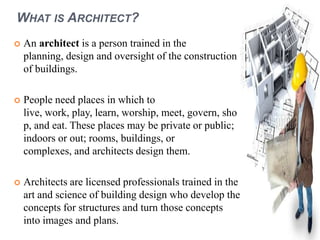
   An architect is a person trained in the
    planning, design and oversight of the construction
    of buildings.

   People need places in which to
    live, work, play, learn, worship, meet, govern, sho
    p, and eat. These places may be private or public;
    indoors or out; rooms, buildings, or
    complexes, and architects design them.

   Architects are licensed professionals trained in the
    art and science of building design who develop the
    concepts for structures and turn those concepts
    into images and plans.
WHAT DOES AN ARCHITECT DO?
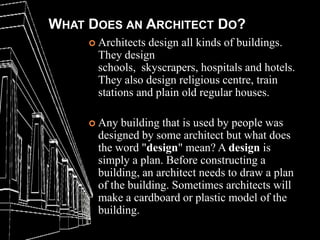
      Architects design all kinds of buildings.
       They design
       schools, skyscrapers, hospitals and hotels.
       They also design religious centre, train
       stations and plain old regular houses.

      Any  building that is used by people was
       designed by some architect but what does
       the word "design" mean? A design is
       simply a plan. Before constructing a
       building, an architect needs to draw a plan
       of the building. Sometimes architects will
       make a cardboard or plastic model of the
       building.
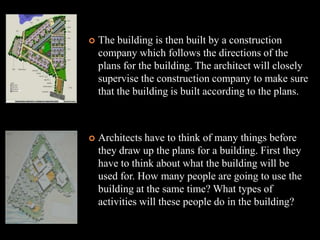
   The building is then built by a construction
    company which follows the directions of the
    plans for the building. The architect will closely
    supervise the construction company to make sure
    that the building is built according to the plans.


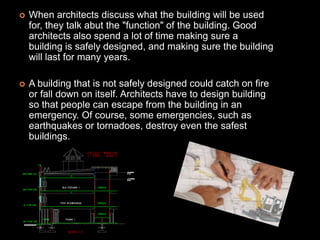
   Architects have to think of many things before
    they draw up the plans for a building. First they
    have to think about what the building will be
    used for. How many people are going to use the
    building at the same time? What types of
    activities will these people do in the building?
   When architects discuss what the building will be used
    for, they talk abut the "function" of the building. Good
    architects also spend a lot of time making sure a
    building is safely designed, and making sure the building
    will last for many years.

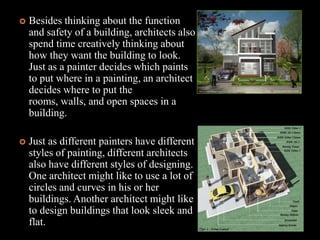
   A building that is not safely designed could catch on fire
    or fall down on itself. Architects have to design building
    so that people can escape from the building in an
    emergency. Of course, some emergencies, such as
    earthquakes or tornadoes, destroy even the safest
    buildings.
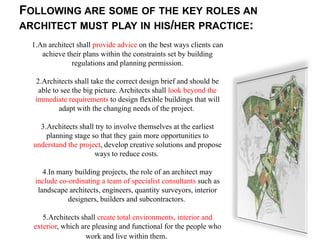
   Besides thinking about the function
    and safety of a building, architects also
    spend time creatively thinking about
    how they want the building to look.
    Just as a painter decides which paints
    to put where in a painting, an architect
    decides where to put the
    rooms, walls, and open spaces in a
    building.

   Just as different painters have different
    styles of painting, different architects
    also have different styles of designing.
    One architect might like to use a lot of
    circles and curves in his or her
    buildings. Another architect might like
    to design buildings that look sleek and
    flat.
FOLLOWING ARE SOME OF THE KEY ROLES AN
ARCHITECT MUST PLAY IN HIS/HER PRACTICE:
  1.An architect shall provide advice on the best ways clients can
     achieve their plans within the constraints set by building
               regulations and planning permission.

   2.Architects shall take the correct design brief and should be
    able to see the big picture. Architects shall look beyond the
   immediate requirements to design flexible buildings that will
           adapt with the changing needs of the project.

    3.Architects shall try to involve themselves at the earliest
      planning stage so that they gain more opportunities to
  understand the project, develop creative solutions and propose
                      ways to reduce costs.

      4.In many building projects, the role of an architect may
   include co-ordinating a team of specialist consultants such as
    landscape architects, engineers, quantity surveyors, interior
              designers, builders and subcontractors.

     5.Architects shall create total environments, interior and
  exterior, which are pleasing and functional for the people who
                   work and live within them.
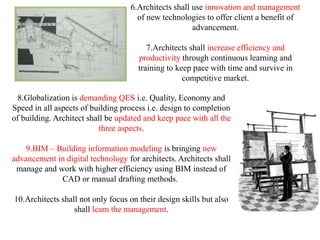
6.Architects shall use innovation and management
                                     of new technologies to offer client a benefit of
                                                      advancement.

                                         7.Architects shall increase efficiency and
                                      productivity through continuous learning and
                                      training to keep pace with time and survive in
                                                    competitive market.

  8.Globalization is demanding QES i.e. Quality, Economy and
Speed in all aspects of building process i.e. design to completion
of building. Architect shall be updated and keep pace with all the
                           three aspects.

    9.BIM – Building information modeling is bringing new
advancement in digital technology for architects. Architects shall
 manage and work with higher efficiency using BIM instead of
             CAD or manual drafting methods.

10.Architects shall not only focus on their design skills but also
                  shall learn the management.
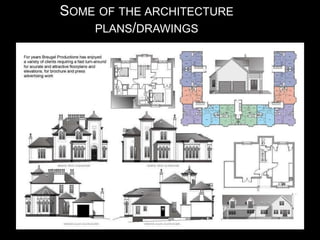
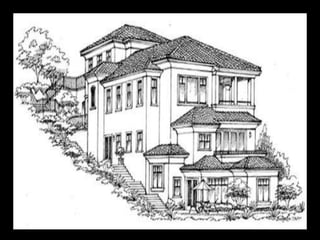
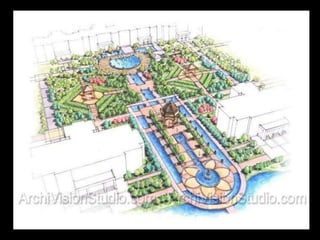
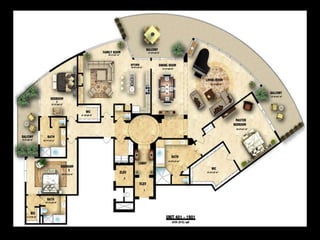
SOME OF THE ARCHITECTURE
    PLANS/DRAWINGS
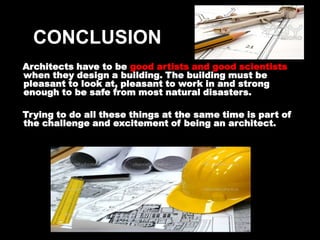
CONCLUSION
Architects have to be good artists and good scientists
when they design a building. The building must be
pleasant to look at, pleasant to work in and strong
enough to be safe from most natural disasters.

Trying to do all these things at the same time is part of
the challenge and excitement of being an architect.

Architect presentation

  • 1.
  • 2.
    2 BPD IJAZAH SARJANAMUDA PENGURUSAN HARTA TANAH
  • 3.
    LECTURER: PROF. MADYASR DR WAN ZAHARI WAN YUSOFF GROUP MEMBERS: 1. SUSIELEEN SUKI AP100050 2. SOH PEI CHENG AP100153 3. TAN CHEE YAN AP100186 4. TAN YEE YAN AP100217 5. OOI YEAN HUEY AP100248 6. THAM AI EN AP100366 7. THIEN YEE YING AP100210 8. TEOH YEN PEI AP100360 9. MUHAMMAD SHAHRIL BIN YASAR AP100068
  • 4.
    WHAT IS ARCHITECT?  An architect is a person trained in the planning, design and oversight of the construction of buildings.  People need places in which to live, work, play, learn, worship, meet, govern, sho p, and eat. These places may be private or public; indoors or out; rooms, buildings, or complexes, and architects design them.  Architects are licensed professionals trained in the art and science of building design who develop the concepts for structures and turn those concepts into images and plans.
  • 5.
    WHAT DOES ANARCHITECT DO?  Architects design all kinds of buildings. They design schools, skyscrapers, hospitals and hotels. They also design religious centre, train stations and plain old regular houses.  Any building that is used by people was designed by some architect but what does the word "design" mean? A design is simply a plan. Before constructing a building, an architect needs to draw a plan of the building. Sometimes architects will make a cardboard or plastic model of the building.
  • 6.
    The building is then built by a construction company which follows the directions of the plans for the building. The architect will closely supervise the construction company to make sure that the building is built according to the plans.  Architects have to think of many things before they draw up the plans for a building. First they have to think about what the building will be used for. How many people are going to use the building at the same time? What types of activities will these people do in the building?
  • 7.
    When architects discuss what the building will be used for, they talk abut the "function" of the building. Good architects also spend a lot of time making sure a building is safely designed, and making sure the building will last for many years.  A building that is not safely designed could catch on fire or fall down on itself. Architects have to design building so that people can escape from the building in an emergency. Of course, some emergencies, such as earthquakes or tornadoes, destroy even the safest buildings.
  • 8.
    Besides thinking about the function and safety of a building, architects also spend time creatively thinking about how they want the building to look. Just as a painter decides which paints to put where in a painting, an architect decides where to put the rooms, walls, and open spaces in a building.  Just as different painters have different styles of painting, different architects also have different styles of designing. One architect might like to use a lot of circles and curves in his or her buildings. Another architect might like to design buildings that look sleek and flat.
  • 9.
    FOLLOWING ARE SOMEOF THE KEY ROLES AN ARCHITECT MUST PLAY IN HIS/HER PRACTICE: 1.An architect shall provide advice on the best ways clients can achieve their plans within the constraints set by building regulations and planning permission. 2.Architects shall take the correct design brief and should be able to see the big picture. Architects shall look beyond the immediate requirements to design flexible buildings that will adapt with the changing needs of the project. 3.Architects shall try to involve themselves at the earliest planning stage so that they gain more opportunities to understand the project, develop creative solutions and propose ways to reduce costs. 4.In many building projects, the role of an architect may include co-ordinating a team of specialist consultants such as landscape architects, engineers, quantity surveyors, interior designers, builders and subcontractors. 5.Architects shall create total environments, interior and exterior, which are pleasing and functional for the people who work and live within them.
  • 10.
    6.Architects shall useinnovation and management of new technologies to offer client a benefit of advancement. 7.Architects shall increase efficiency and productivity through continuous learning and training to keep pace with time and survive in competitive market. 8.Globalization is demanding QES i.e. Quality, Economy and Speed in all aspects of building process i.e. design to completion of building. Architect shall be updated and keep pace with all the three aspects. 9.BIM – Building information modeling is bringing new advancement in digital technology for architects. Architects shall manage and work with higher efficiency using BIM instead of CAD or manual drafting methods. 10.Architects shall not only focus on their design skills but also shall learn the management.
  • 11.
    SOME OF THEARCHITECTURE PLANS/DRAWINGS
  • 15.
    CONCLUSION Architects have tobe good artists and good scientists when they design a building. The building must be pleasant to look at, pleasant to work in and strong enough to be safe from most natural disasters. Trying to do all these things at the same time is part of the challenge and excitement of being an architect.