Downloaded 27 times


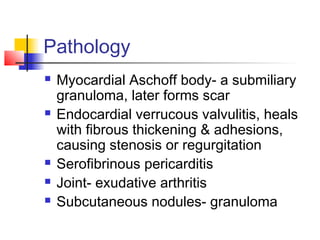




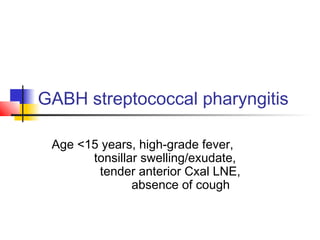



Acute rheumatic fever is an inflammatory disease that occurs 2-3 weeks following a group A streptococcal infection, due to antigenic similarities between the bacteria and heart tissues. It is most common in children ages 5-15. The infection triggers an autoimmune response that causes inflammation in the heart, joints, skin and brain. Long-term complications include rheumatic heart disease. Diagnosis is based on modified Jones criteria of both clinical features and evidence of a preceding streptococcal infection. Treatment involves antibiotics for the initial infection along with medications for symptoms, and long-term antibiotic prophylaxis to prevent recurrences.


