Emergency Cardiac Care includes all responses
necessary to deal with sudden and often life-
threatening events affecting the cardiovascular,
cerebrovascular, and pulmonary systems. It
specifically includes
1. Recognition of early warning signs of heart attack, and
stroke, efforts to prevent complications, reassurance of
the victim, and prompt availability of monitoring
equipment.
2. Provision of immediately BLS at the scene when needed
3. Provision of ACLS at the scene as quickly as possible to
defibrillate, if necessary and stabilize the victim before
transportation
4. Transfer of the stabilized victim to a hospital where
definitive cardiac care can be provided.
Successful resuscitation following cardiac arrest
requires an integrated set of coordinated actions
represented by the links in the Chain of Survival
The links include the following:
Immediate recognition of cardiac arrest and
activation of the emergency response system
Early CPR with an emphasis on chest
compressions
Rapid defibrillation
Effective advanced life support
integrated post– cardiac arrest care
Summary of Key BLS Components for
Adults, Children and Infants
Systemic approach
( BLS primary survey & ACLS secondary survey)
Effective resuscitation team
dynamics
Understanding team roles
helping in anticipate:
• what actions will be performed next
• how to communicate & work as a
member or leader of team
Role of team leader &
members
1. Team leader:
–Organizes the group
–Monitors team members performance
–Backs up team members
–Models excellent team behaviors
–Trains & coaches
–Facilitates understanding
–Focuses on comprehensive
2. Team members: should be
skilled & authorized
clear about role assignments
Prepared to fulfill role
responsibilities
Well practiced in resuscitation
skills
Knowledgeable about the
algorithms
Committed to success
Elements of effective
resuscitation team dynamics
1. Closed loop communication
2. Clear messages
3. Clear roles & responsibilities
4. Knowing one’s limitations
5. Knowledge sharing
6. Constructive intervention
7. Reevaluation & summarizing
8. Mutual respect
Respiratory arrest
1. BLS primary survey:
 First step: scene safety, check response,
Activate EMS
 ABCD assessment:
 Assess & reassess the patient
 Ventilation & pulse check
2. ACLS secondary survey
Management of respiratory
arrest
1. Giving supplementary oxygen
2. Opening the airway
3. Providing basic ventilation
4. Using basic airway adjuncts
5. Suctioning
6. advanced airways
1. Giving supplementary oxygen
2. Opening the airway
3. Providing basic ventilation
• Mouth to mouth ventilation
• Mouth to nose ventilation
• Mouth to barrier device
• Bag mask ventilation
4. Using basic airway
adjuncts
1. Oropharn
geal
Airway
2. Nasophar
yngeal
Airway
Step 1 Step 2 Step 3
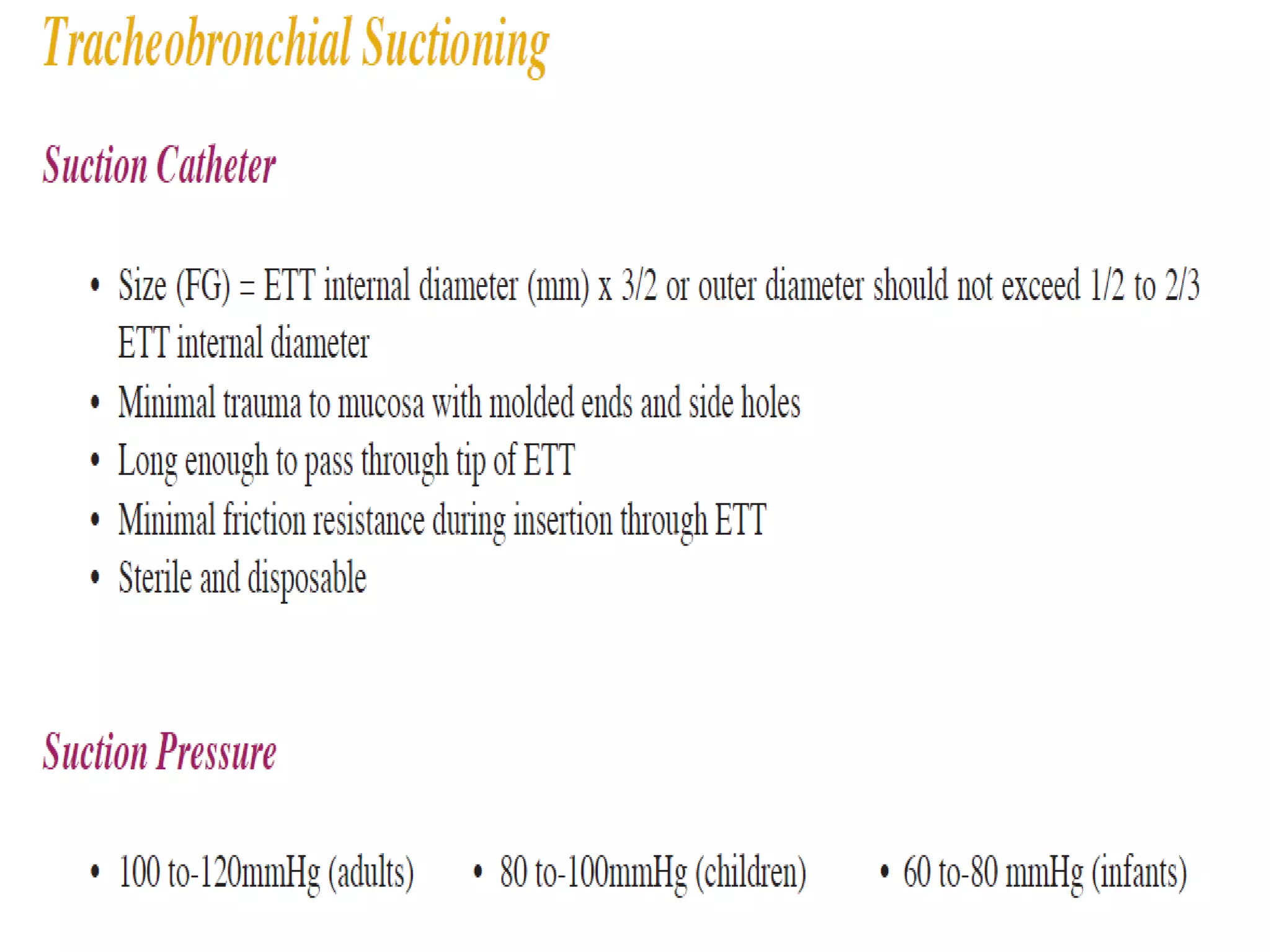
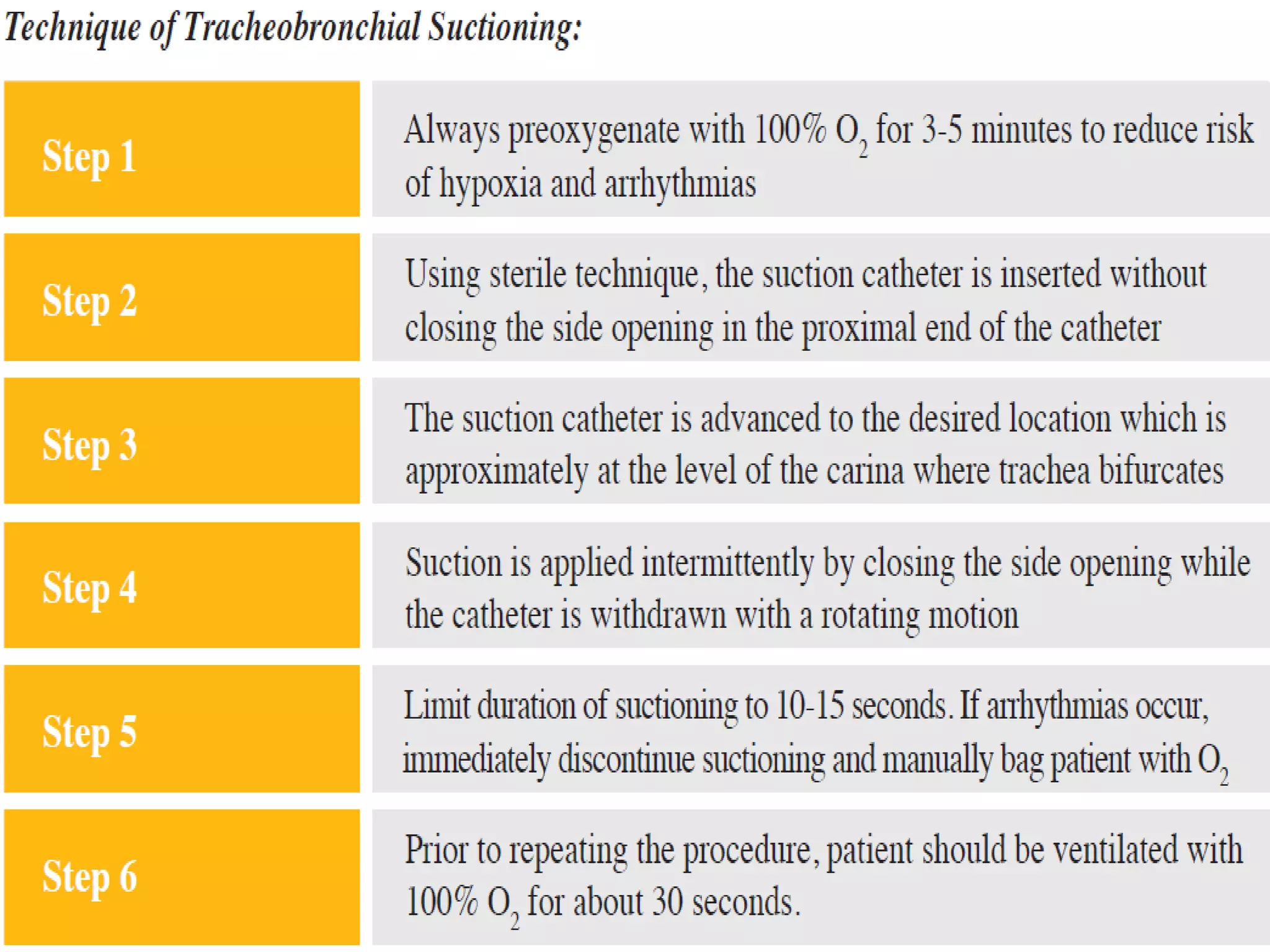
5. Suctioning a Patient’s
Airway
Step 1
Step 2
Step 3
Step 4
6. advanced airways
ET tube
combitube
LMA
ACLS.systemic approach

ACLS.systemic approach

  • 2.
    Emergency Cardiac Careincludes all responses necessary to deal with sudden and often life- threatening events affecting the cardiovascular, cerebrovascular, and pulmonary systems. It specifically includes 1. Recognition of early warning signs of heart attack, and stroke, efforts to prevent complications, reassurance of the victim, and prompt availability of monitoring equipment. 2. Provision of immediately BLS at the scene when needed 3. Provision of ACLS at the scene as quickly as possible to defibrillate, if necessary and stabilize the victim before transportation 4. Transfer of the stabilized victim to a hospital where definitive cardiac care can be provided.
  • 4.
    Successful resuscitation followingcardiac arrest requires an integrated set of coordinated actions represented by the links in the Chain of Survival
  • 5.
    The links includethe following: Immediate recognition of cardiac arrest and activation of the emergency response system Early CPR with an emphasis on chest compressions Rapid defibrillation Effective advanced life support integrated post– cardiac arrest care
  • 6.
    Summary of KeyBLS Components for Adults, Children and Infants
  • 9.
    Systemic approach ( BLSprimary survey & ACLS secondary survey)
  • 17.
    Effective resuscitation team dynamics Understandingteam roles helping in anticipate: • what actions will be performed next • how to communicate & work as a member or leader of team
  • 18.
    Role of teamleader & members 1. Team leader: –Organizes the group –Monitors team members performance –Backs up team members –Models excellent team behaviors –Trains & coaches –Facilitates understanding –Focuses on comprehensive
  • 19.
    2. Team members:should be skilled & authorized clear about role assignments Prepared to fulfill role responsibilities Well practiced in resuscitation skills Knowledgeable about the algorithms Committed to success
  • 20.
    Elements of effective resuscitationteam dynamics 1. Closed loop communication 2. Clear messages 3. Clear roles & responsibilities 4. Knowing one’s limitations 5. Knowledge sharing 6. Constructive intervention 7. Reevaluation & summarizing 8. Mutual respect
  • 21.
    Respiratory arrest 1. BLSprimary survey:  First step: scene safety, check response, Activate EMS  ABCD assessment:  Assess & reassess the patient  Ventilation & pulse check
  • 22.
  • 23.
    Management of respiratory arrest 1.Giving supplementary oxygen 2. Opening the airway 3. Providing basic ventilation 4. Using basic airway adjuncts 5. Suctioning 6. advanced airways
  • 25.
  • 28.
  • 29.
    3. Providing basicventilation • Mouth to mouth ventilation • Mouth to nose ventilation • Mouth to barrier device • Bag mask ventilation
  • 33.
    4. Using basicairway adjuncts 1. Oropharn geal Airway 2. Nasophar yngeal Airway Step 1 Step 2 Step 3
  • 37.
    5. Suctioning aPatient’s Airway Step 1 Step 2 Step 3 Step 4
  • 40.
    6. advanced airways ETtube combitube LMA