
Dr Soumar Dutta
Patient Safety Officer
Narayana Superspeciality Hospital
Guwahati
2
3
What Is An Accident?
4
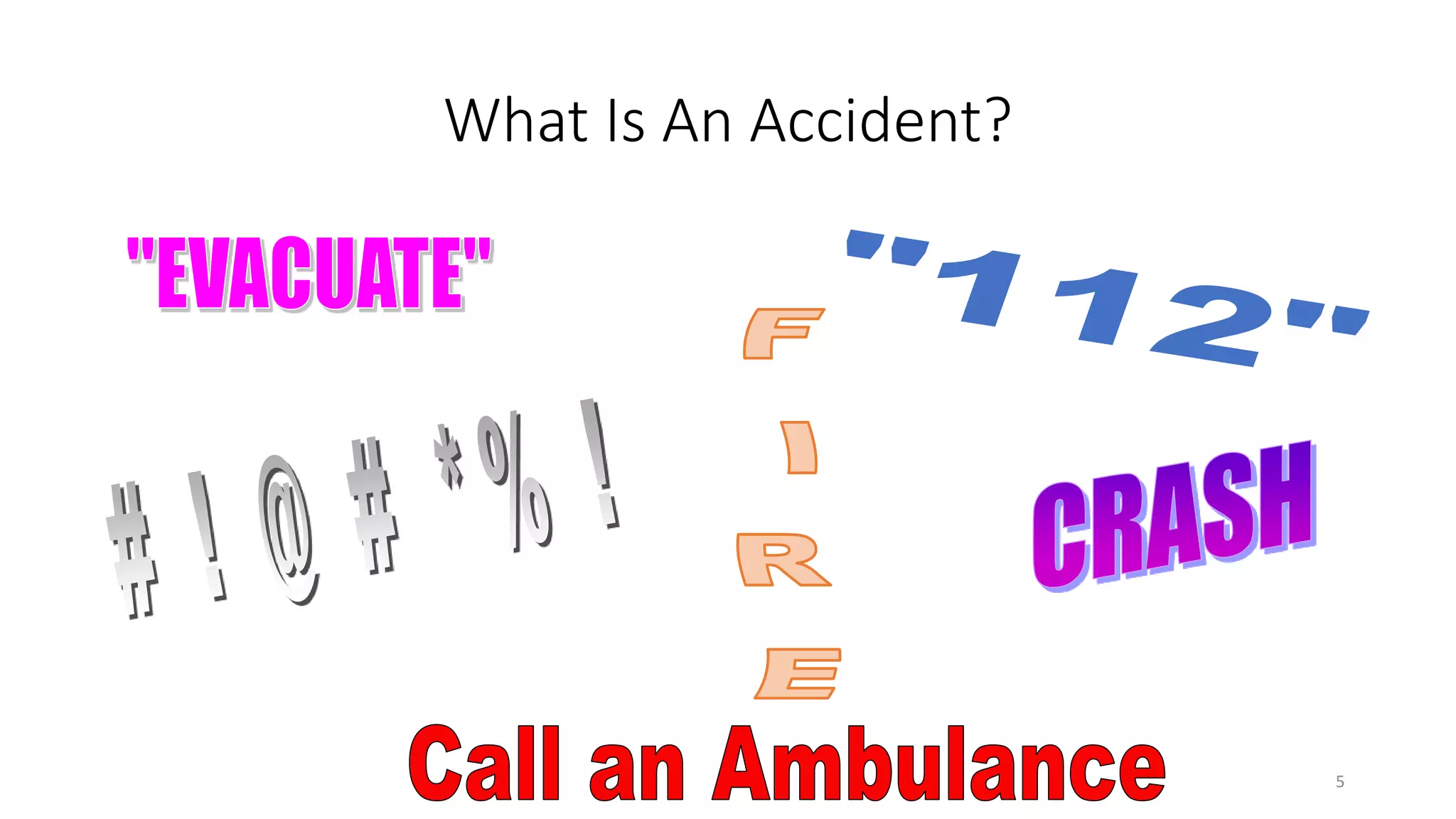
What Is An Accident?
5
Terminologies
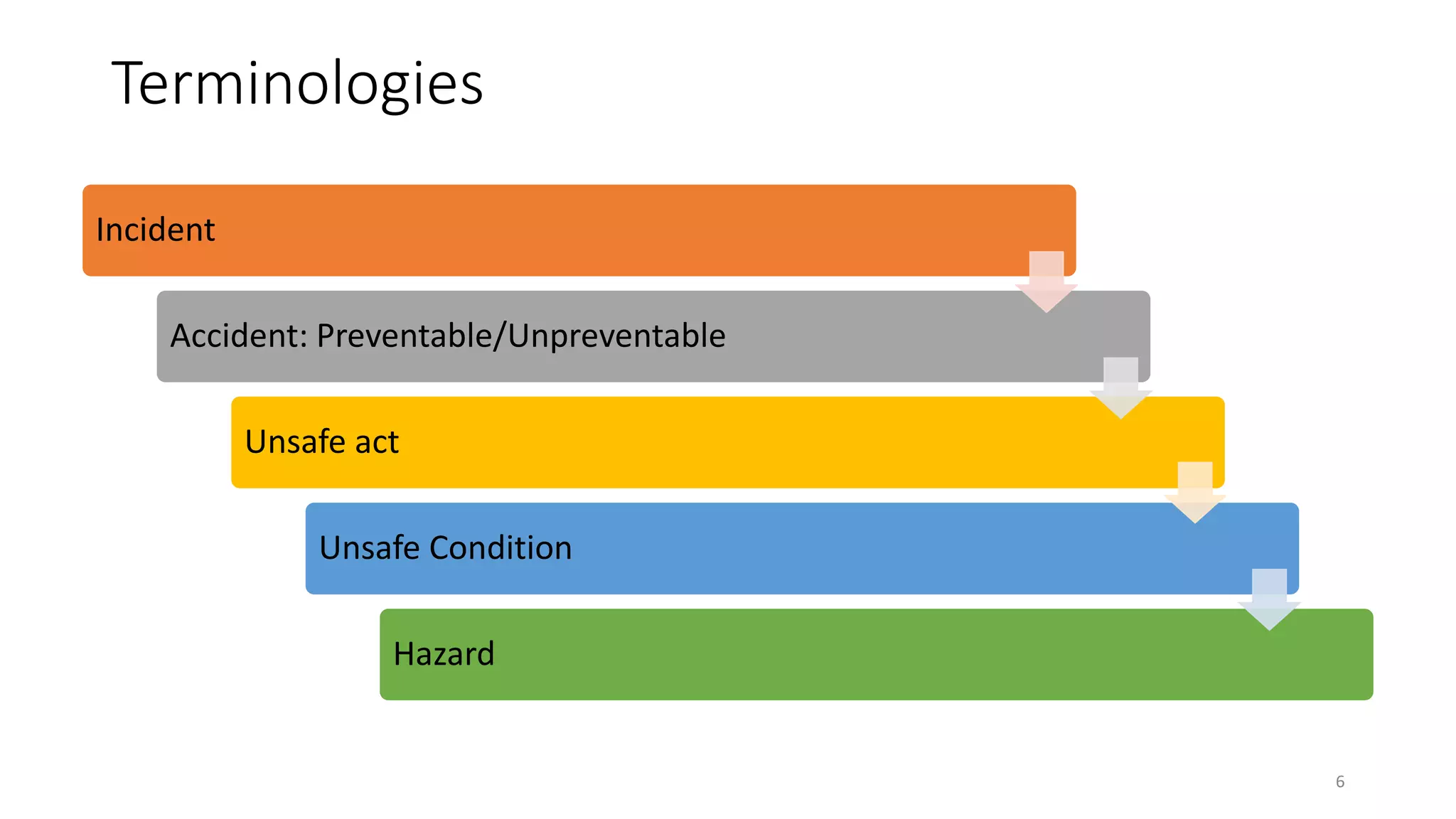
Incident
Accident: Preventable/Unpreventable
Unsafe act
Unsafe Condition
Hazard
6
Incident – An incident is an undesirable occurrence that could, but usually does not,
result in a loss.
Unsafe Act – Any act on the part of a person which increased his or her chances of
having an accident
Unsafe Condition – A condition within the working environment which increases the
worker’s chances of having an accident, or which may cause impairment of health.
Hazard – Any arrangement, equipment, material, object, condition, method or
procedure capable of causing bodily harm or impairment of health or both.
7
Preventable Accident
An accident that occurred as a result
of an act or failure to act on the part
of an employee or the management
or both.
Accident – An accident is an unplanned, unforeseen and undesirable occurrence
which interrupts a normal activity, and which results in either an injury, loss of life,
damage to material, equipment or facility or any combination of these.
Unpreventable Accident
An accident which no act
whatsoever on the part of the
employee could have prevented the
injury or damages to vehicle,
equipment or property.
8
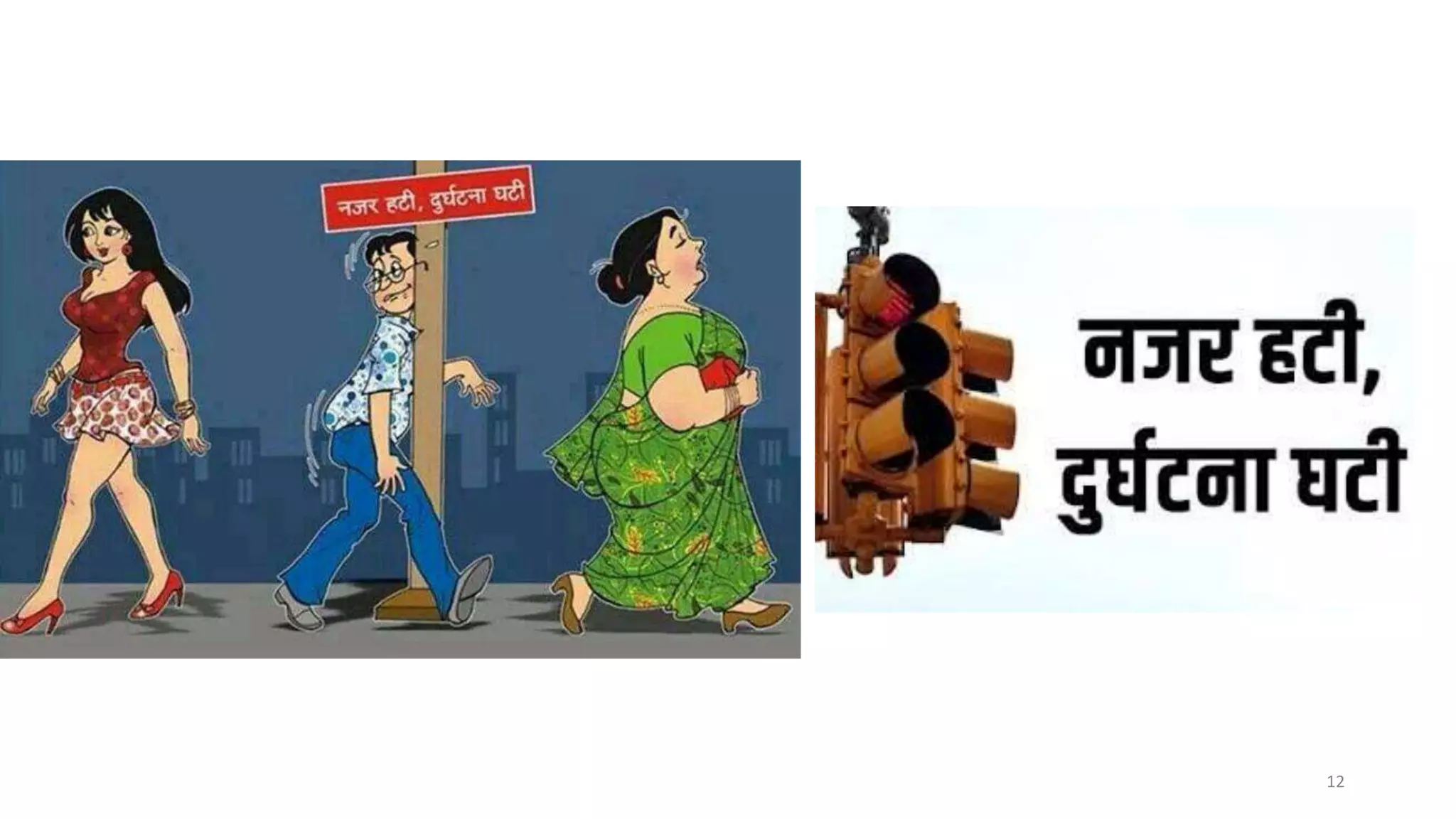
What is the main cause of accidents?
9
10
11
12
Heinrich Theory Of
Accident Causation
1
Social
Environment
2
Fault of the
person
3
Unsafe Action
/ Unsafe
Condition
4
Accident
5
Injury
Accident is the result of
completion of
5 dominos
13
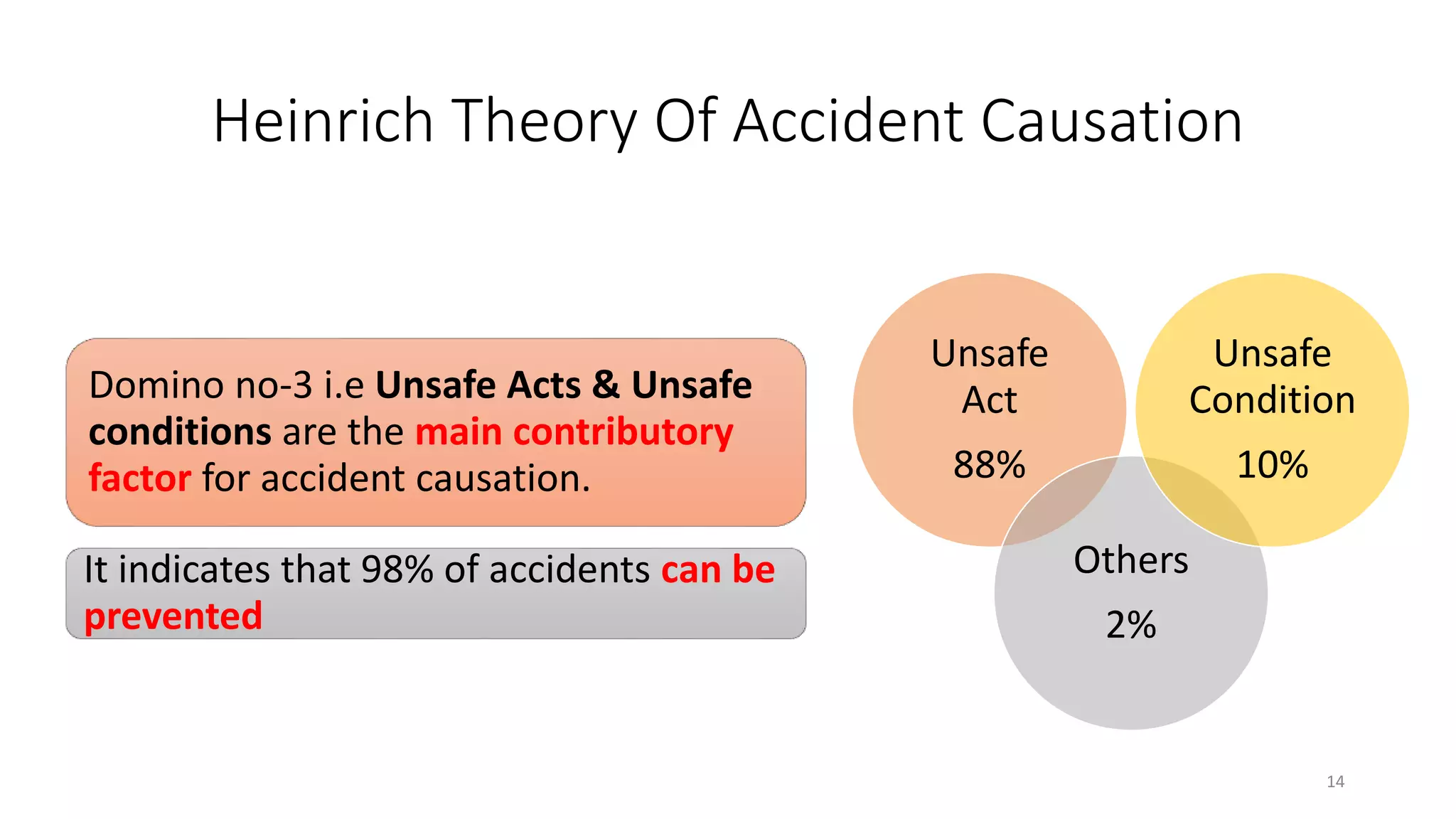
Heinrich Theory Of Accident Causation
Domino no-3 i.e Unsafe Acts & Unsafe
conditions are the main contributory
factor for accident causation.
It indicates that 98% of accidents can be
prevented
Unsafe
Act
88%
Others
2%
Unsafe
Condition
10%
14
Causes of accident
15
Causes of accident
16
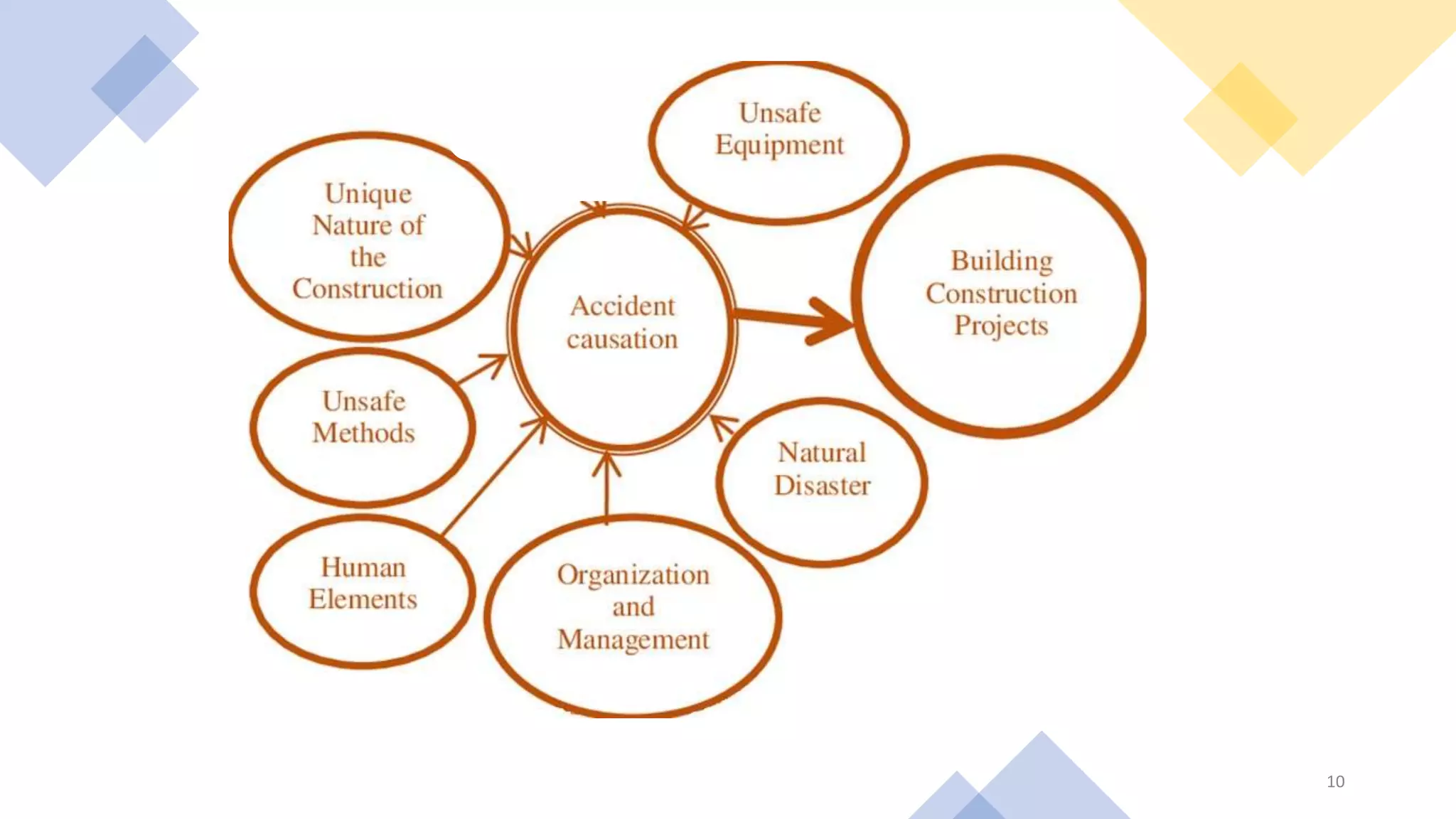
Accidents, ill health and incidents are seldom inevitable random
events. They generally arise from failures in control and often have
multiple causes.
Although the immediate cause of an event may be a human or
technical failure, such events usually arise from organizational
failings which are the responsibility of management.
Successful safety policies place heavy emphasis on achieving
effective control over both people and technology.
They aim to exploit the strengths of employees while minimizing
the influence of human limitations.
17
Successful accident prevention requires a
minimum of four fundamental activities
A study of all
working areas to
detect and
eliminate or
control physical
hazards which
contribute to
accidents.
A study of all
operating
methods and
practices.
Education,
instruction,
training and
discipline to
minimize human
factors which
contribute to
accidents.
Thorough
investigations of
accidents to
determine
contributing
circumstances.
18
Techniques of accident prevention
Accident prevention is relatively simple
19
PROaction versus REaction
“Well, that’s an accident
waiting to happen…”
“Someone ought to do
something…”
That someone is YOU!
20
Identify the Hazard
Physical
• Noise
• Vibration
• Radiation
• Temperature
• Pressure,Velocity,H
eight
• Electricity
• Physical
Characterstics
Chemical
• Explosives
• Flammable liquids
• Corrosives
• Oxidizing materials
• Toxic,carcinogenic
substance
• Gases& air
particles
Biological
• Biological waste
• Drugs
• Viruses,bacteria
• Parasite,insects
• Poisonous or
diseased
plants,animal
Ergonomics
• Physical
• Environmental
• Psycho social
Physical
• Poor work, task design
• Repetitive motion
• Prolonged sitting
• Poor layout
• Poor posture
• Improper lifting and
handling
Environmental
• Poor lighting,glare
• Poor ventilation
• Poor temperature
control
• Poor humidity control
Psycho-social
• Work rest cycles
• Violence,
discrimination
• Extraneous stress
• Uneven workload
• Lack of personnel
space
• Poor inter-staff
relationships
21
Estimate the hazard: Risk estimation
•A measure of the probability and severity of a hazard to harm human
health, property, or the environment
•A measure of how likely harm is to occur and an indication of how
serious the harm might be
Risk  0
22
Examples of hazards and their effects at workplace
23
Eliminate the Hazard completely
24
Hazard Control: Engineering Controls
Hazards exist in every workplace in many different forms.
Engineering controls are anything that is built or installed to separate
people from chemical, biological or physical hazards, and can include fume
hoods, biosafety cabinets, glove boxes, and blast protectors.
Engineering controls involve a physical change to the workplace itself,
rather than relying on workers' behavior or requiring workers to wear
protective clothing.
25
Hazard Control: Engineering Controls
Physical
• Noise
• Vibration
• Radiation
• Temperature
• Pressure,Velocity,H
eight
• Electricity
• Physical
Characterstics
Chemical
• Explosives
• Flammable liquids
• Corrosives
• Oxidizing materials
• Toxic,carcinogenic
substance
• Gases& air
particles
Biological
• Biological waste
• Drugs
• Viruses,bacteria
• Parasite,insects
• Poisonous or
diseased
plants,animal
Ergonomics
• Physical
• Environmental
• Psycho social
26
27
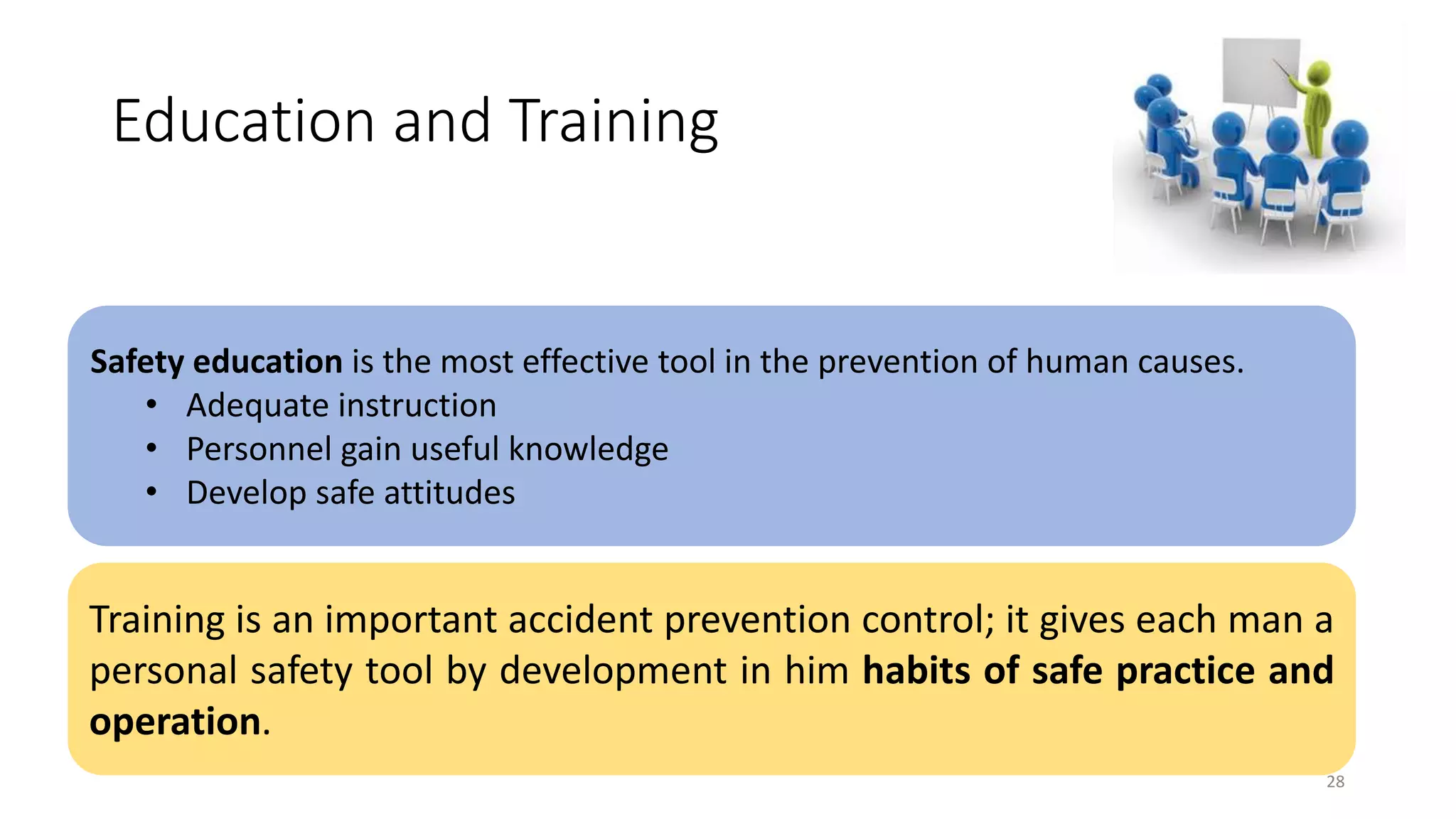
Education and Training
28
Safety education is the most effective tool in the prevention of human causes.
• Adequate instruction
• Personnel gain useful knowledge
• Develop safe attitudes
Training is an important accident prevention control; it gives each man a
personal safety tool by development in him habits of safe practice and
operation.
Enforcement
29
Take home message..............
• Safety Helmet is required but Positive Thoughts are important
• Safety Goggles are required but Conscious Vision is important
• Safety Hand Gloves are required but Righteous Protective Action is important
• Safety Shoes are required but Quick and Safe Steps are important means
• Safety Equipments are required but Trained, Alert & Safe Man is more
important in any Disaster Prevention programme.
30
31

Accident Prevention .ppsx

  • 1.
    Dr Soumar Dutta PatientSafety Officer Narayana Superspeciality Hospital Guwahati
  • 2.
  • 3.
  • 4.
    What Is AnAccident? 4
  • 5.
    What Is AnAccident? 5
  • 6.
  • 7.
    Incident – Anincident is an undesirable occurrence that could, but usually does not, result in a loss. Unsafe Act – Any act on the part of a person which increased his or her chances of having an accident Unsafe Condition – A condition within the working environment which increases the worker’s chances of having an accident, or which may cause impairment of health. Hazard – Any arrangement, equipment, material, object, condition, method or procedure capable of causing bodily harm or impairment of health or both. 7
  • 8.
    Preventable Accident An accidentthat occurred as a result of an act or failure to act on the part of an employee or the management or both. Accident – An accident is an unplanned, unforeseen and undesirable occurrence which interrupts a normal activity, and which results in either an injury, loss of life, damage to material, equipment or facility or any combination of these. Unpreventable Accident An accident which no act whatsoever on the part of the employee could have prevented the injury or damages to vehicle, equipment or property. 8
  • 9.
    What is themain cause of accidents? 9
  • 10.
  • 11.
  • 12.
  • 13.
    Heinrich Theory Of AccidentCausation 1 Social Environment 2 Fault of the person 3 Unsafe Action / Unsafe Condition 4 Accident 5 Injury Accident is the result of completion of 5 dominos 13
  • 14.
    Heinrich Theory OfAccident Causation Domino no-3 i.e Unsafe Acts & Unsafe conditions are the main contributory factor for accident causation. It indicates that 98% of accidents can be prevented Unsafe Act 88% Others 2% Unsafe Condition 10% 14
  • 15.
  • 16.
  • 17.
    Accidents, ill healthand incidents are seldom inevitable random events. They generally arise from failures in control and often have multiple causes. Although the immediate cause of an event may be a human or technical failure, such events usually arise from organizational failings which are the responsibility of management. Successful safety policies place heavy emphasis on achieving effective control over both people and technology. They aim to exploit the strengths of employees while minimizing the influence of human limitations. 17
  • 18.
    Successful accident preventionrequires a minimum of four fundamental activities A study of all working areas to detect and eliminate or control physical hazards which contribute to accidents. A study of all operating methods and practices. Education, instruction, training and discipline to minimize human factors which contribute to accidents. Thorough investigations of accidents to determine contributing circumstances. 18
  • 19.
    Techniques of accidentprevention Accident prevention is relatively simple 19
  • 20.
    PROaction versus REaction “Well,that’s an accident waiting to happen…” “Someone ought to do something…” That someone is YOU! 20
  • 21.
    Identify the Hazard Physical •Noise • Vibration • Radiation • Temperature • Pressure,Velocity,H eight • Electricity • Physical Characterstics Chemical • Explosives • Flammable liquids • Corrosives • Oxidizing materials • Toxic,carcinogenic substance • Gases& air particles Biological • Biological waste • Drugs • Viruses,bacteria • Parasite,insects • Poisonous or diseased plants,animal Ergonomics • Physical • Environmental • Psycho social Physical • Poor work, task design • Repetitive motion • Prolonged sitting • Poor layout • Poor posture • Improper lifting and handling Environmental • Poor lighting,glare • Poor ventilation • Poor temperature control • Poor humidity control Psycho-social • Work rest cycles • Violence, discrimination • Extraneous stress • Uneven workload • Lack of personnel space • Poor inter-staff relationships 21
  • 22.
    Estimate the hazard:Risk estimation •A measure of the probability and severity of a hazard to harm human health, property, or the environment •A measure of how likely harm is to occur and an indication of how serious the harm might be Risk  0 22
  • 23.
    Examples of hazardsand their effects at workplace 23
  • 24.
    Eliminate the Hazardcompletely 24
  • 25.
    Hazard Control: EngineeringControls Hazards exist in every workplace in many different forms. Engineering controls are anything that is built or installed to separate people from chemical, biological or physical hazards, and can include fume hoods, biosafety cabinets, glove boxes, and blast protectors. Engineering controls involve a physical change to the workplace itself, rather than relying on workers' behavior or requiring workers to wear protective clothing. 25
  • 26.
    Hazard Control: EngineeringControls Physical • Noise • Vibration • Radiation • Temperature • Pressure,Velocity,H eight • Electricity • Physical Characterstics Chemical • Explosives • Flammable liquids • Corrosives • Oxidizing materials • Toxic,carcinogenic substance • Gases& air particles Biological • Biological waste • Drugs • Viruses,bacteria • Parasite,insects • Poisonous or diseased plants,animal Ergonomics • Physical • Environmental • Psycho social 26
  • 27.
  • 28.
    Education and Training 28 Safetyeducation is the most effective tool in the prevention of human causes. • Adequate instruction • Personnel gain useful knowledge • Develop safe attitudes Training is an important accident prevention control; it gives each man a personal safety tool by development in him habits of safe practice and operation.
  • 29.
  • 30.
    Take home message.............. •Safety Helmet is required but Positive Thoughts are important • Safety Goggles are required but Conscious Vision is important • Safety Hand Gloves are required but Righteous Protective Action is important • Safety Shoes are required but Quick and Safe Steps are important means • Safety Equipments are required but Trained, Alert & Safe Man is more important in any Disaster Prevention programme. 30
  • 31.