DATE OF THE PRESENTATION-9/4/2021
SUBMITTED BY- SUBMITTED TO-
Ms. Rekha Gurung
Name – Binuka DahaL
Roll no- 11
Level- PCL Nursing , 2nd year 11th batch
Subject- Medical and Surgical Nursing I
IQ QUESTION FOR REFRESHMENT…..
• What is the full form of PH?
• What is the full form of PCO2?
• What is the full form of PO2?
• What is the full form of HCO3?
• What is the full form of SPO2?
• Which artery is best preferred to draw blood
for ABG Analysis?
OBJECTIVES
• Introduction
• Purpose
• Indication
• Contraindication
• ABG Component and their normal value
• Pre-procedure
• Allen’s Test
• Procedure for ABG Analysis
• Complication
• Post procedure intervention
• Technique of interpretation of ABGs results/values
• Type of the acid base imbalance
INTRODUCTION
• ABG Stands for Arterial Blood Gas analysis.
• ABG analysis is the measurement of the
dissolved oxygen and carbon dioxide in the
arterial blood to reveal the acid base balance
and how well the oxygen is being carried to
the body.
• An ABG is the first tests ordered to assess
respiratory status because it helps evaluate
gas exchange in the lungs.
PURPOSES
• To obtain information about patient ventilation(pco2),
Oxygenation(po2) and acid base balance.
• To monitor gas exchange and acid base abnormalities for
patient on mechanical ventilator ( machine that helps a
patient breathe (ventilate) when they are having surgery or
cannot breathe on their own)or not.
• To evaluate response to clinical intervention and diagnostic
evaluation (oxygen therapy).
INDICATION
• Breathing problem and lung disease
• Asthma
• COPD (Chronic Obstructive Pulmonary
Disease)
• Cystic Fibrosis
• Main theme:See how well treatment for lung
diseases is working.
ABG Component and their normal value
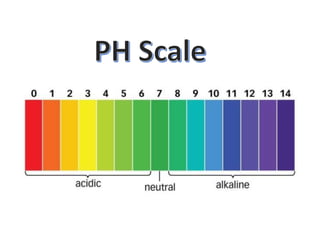
• PH- measures hydrogen ion(H+) concentration in the blood,
it shows blood’s acidity or alkalinity.
• PCO2- It is the partial pressure of CO2 that carried by the
blood for excretion by the lungs, known as respiratory
parameter.
• PO2- It is the partial pressure of O2 that is dissolved in the
blood. It reflects the body ability to pick up oxygen from the
lungs.
• HCO3(bicarbonate ion)- known as metabolic parameter, it
reflects the kidney’s ability to retain and excrete
bicarbonate.
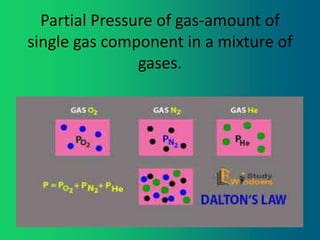
Partial Pressure of gas-amount of
single gas component in a mixture of
gases.
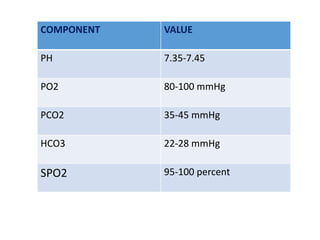
COMPONENT VALUE
PH 7.35-7.45
PO2 80-100 mmHg
PCO2 35-45 mmHg
HCO3 22-28 mmHg
SPO2 95-100 percent
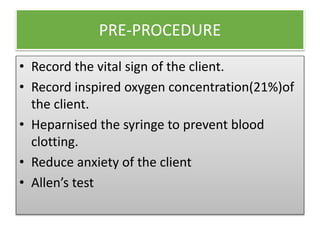
PRE-PROCEDURE
• Record the vital sign of the client.
• Record inspired oxygen concentration(21%)of
the client.
• Heparnised the syringe to prevent blood
clotting.
• Reduce anxiety of the client
• Allen’s test
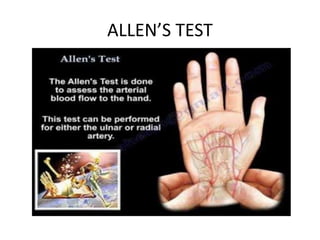
ALLEN’S TEST
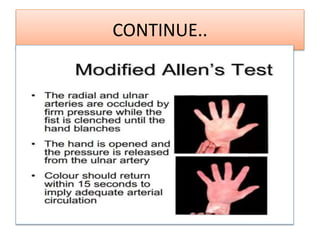
CONTINUE..
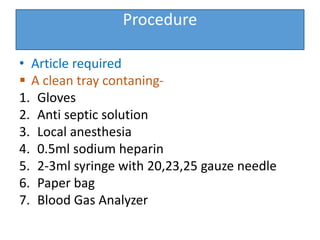
Procedure
• Article required
 A clean tray contaning-
1. Gloves
2. Anti septic solution
3. Local anesthesia
4. 0.5ml sodium heparin
5. 2-3ml syringe with 20,23,25 gauze needle
6. Paper bag
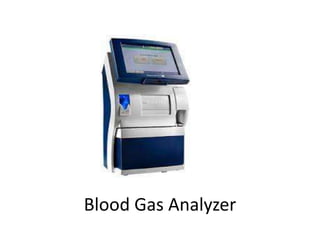
7. Blood Gas Analyzer
Blood Gas Analyzer
PREFERED SITE FOR DRAWAING
BLOOD FOR ABG-
• Several different arteries can be used
for blood collection.
• The first choice is the radial artery, which is located
on the thumb side of the wrist; because of its small
size, use of this artery requires extensive skill in
arterial blood sampling
PROCEDURE FOR ABG ANALYSIS
• Explain the procedure to the patient.
• Provide Privacy.
• If not using heparinized syringe,heparinize the
needle.
• Determine whether the client has an arterial
line ( A line) in place.
CONTINUE
• Perform Allen’s test to determine the presence of
collateral circulation if A line is not present.
• Maintain aseptic technique and insert needle at
45 radial, 60 brachial and 90 femoral.
• Withdraw the needle and apply digital pressure
for 5 minutes, if patient has coagulation
abnormalities apply pressure for 10-15 minutes.
• Check bubbles in syringe and place the capped
syringe in the container of ice immediately.
CONTINUE..
• Wait at least 20 minutes before drawing blood
for ABG after initiating, changing, or
discontinuing oxygen therapy, or setting of
mechanical ventilation, after suctioning the
patient or after extubation.
POST PROCEDURE INTERVENTION
• Send labeled, iced specimen to the lab
immediately.
• Palpate the pulse distal to the puncture site.
• Assess for cold hands,numbness,tingling or
discoloration.
• Documentation include results of Allen’s test,
time the sample was drawn, temperature,
puncture site, time pressure was applied and
if O2 therapy is there.
CONTINUE..
• Make sure it’s noted on the slip whether the
patient is breathing room air oxygen. If oxygen,
document the number of liters. If the patient is
receiving mechanical ventilation, FIO2( Fraction
of inspired oxygen)should be documented.
• Apply pressure to the puncture site for 5-10
minutes and longer if the client is taking
anticoagulant therapy or has a bleeding disorder.
• Transport the specimen to the laboratory within
15 minutes.
COMPLICATION
• Bleeding
• Infection at the puncture site
• Blood accumulating under skin
• Local pain
• Thrombus in artery
• Feeling of faint
• Numbness of hand
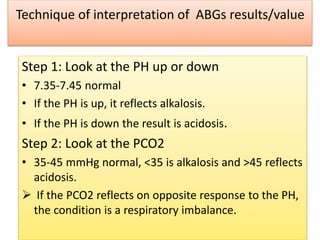
Technique of interpretation of ABGs results/value
Step 1: Look at the PH up or down
• 7.35-7.45 normal
• If the PH is up, it reflects alkalosis.
• If the PH is down the result is acidosis.
Step 2: Look at the PCO2
• 35-45 mmHg normal, <35 is alkalosis and >45 reflects
acidosis.
 If the PCO2 reflects on opposite response to the PH,
the condition is a respiratory imbalance.
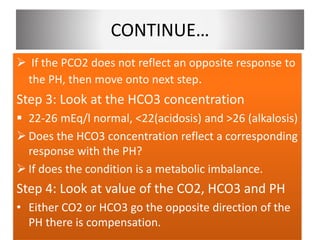
CONTINUE…
 If the PCO2 does not reflect an opposite response to
the PH, then move onto next step.
Step 3: Look at the HCO3 concentration
 22-26 mEq/l normal, <22(acidosis) and >26 (alkalosis)
 Does the HCO3 concentration reflect a corresponding
response with the PH?
 If does the condition is a metabolic imbalance.
Step 4: Look at value of the CO2, HCO3 and PH
• Either CO2 or HCO3 go the opposite direction of the
PH there is compensation.
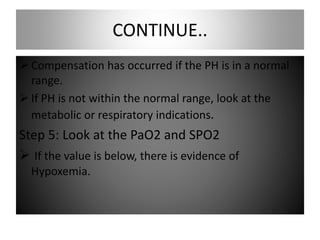
CONTINUE..
 Compensation has occurred if the PH is in a normal
range.
 If PH is not within the normal range, look at the
metabolic or respiratory indications.
Step 5: Look at the PaO2 and SPO2
 If the value is below, there is evidence of
Hypoxemia.
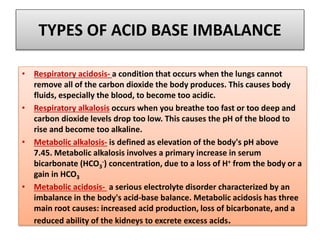
TYPES OF ACID BASE IMBALANCE
• Respiratory acidosis- a condition that occurs when the lungs cannot
remove all of the carbon dioxide the body produces. This causes body
fluids, especially the blood, to become too acidic.
• Respiratory alkalosis occurs when you breathe too fast or too deep and
carbon dioxide levels drop too low. This causes the pH of the blood to
rise and become too alkaline.
• Metabolic alkalosis- is defined as elevation of the body's pH above
7.45. Metabolic alkalosis involves a primary increase in serum
bicarbonate (HCO3
-) concentration, due to a loss of H+ from the body or a
gain in HCO3
• Metabolic acidosis- a serious electrolyte disorder characterized by an
imbalance in the body's acid-base balance. Metabolic acidosis has three
main root causes: increased acid production, loss of bicarbonate, and a
reduced ability of the kidneys to excrete excess acids.
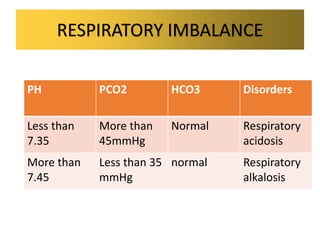
RESPIRATORY IMBALANCE
PH PCO2 HCO3 Disorders
Less than
7.35
More than
45mmHg
Normal Respiratory
acidosis
More than
7.45
Less than 35
mmHg
normal Respiratory
alkalosis
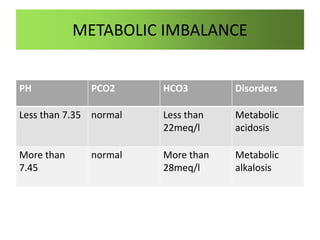
METABOLIC IMBALANCE
PH PCO2 HCO3 Disorders
Less than 7.35 normal Less than
22meq/l
Metabolic
acidosis
More than
7.45
normal More than
28meq/l
Metabolic
alkalosis
REFERENCE
• Rai,L.(2076-2077)Medical and surgical I AND II,(second
edition),Akshav Publication Kathmandu, page (99-101)
• https://www.slideshare.net/mhnsathish/arterial-
• https://www.google.com/search?q=abg+analysis+photos&saf
e
• https://www.google.com/search?q=which+site+is+best+to+dr
aw+blood+for+abg&safe
• https://www.google.com/search?q=abg+definition&safe
https://www.youtube.com/watch?v=zC-7y-
VR7ZM
Abg analysis by binuka

Abg analysis by binuka

  • 2.
    DATE OF THEPRESENTATION-9/4/2021 SUBMITTED BY- SUBMITTED TO- Ms. Rekha Gurung Name – Binuka DahaL Roll no- 11 Level- PCL Nursing , 2nd year 11th batch Subject- Medical and Surgical Nursing I
  • 4.
    IQ QUESTION FORREFRESHMENT….. • What is the full form of PH? • What is the full form of PCO2? • What is the full form of PO2? • What is the full form of HCO3? • What is the full form of SPO2? • Which artery is best preferred to draw blood for ABG Analysis?
  • 6.
    OBJECTIVES • Introduction • Purpose •Indication • Contraindication • ABG Component and their normal value • Pre-procedure • Allen’s Test • Procedure for ABG Analysis • Complication • Post procedure intervention • Technique of interpretation of ABGs results/values • Type of the acid base imbalance
  • 7.
    INTRODUCTION • ABG Standsfor Arterial Blood Gas analysis. • ABG analysis is the measurement of the dissolved oxygen and carbon dioxide in the arterial blood to reveal the acid base balance and how well the oxygen is being carried to the body. • An ABG is the first tests ordered to assess respiratory status because it helps evaluate gas exchange in the lungs.
  • 8.
    PURPOSES • To obtaininformation about patient ventilation(pco2), Oxygenation(po2) and acid base balance. • To monitor gas exchange and acid base abnormalities for patient on mechanical ventilator ( machine that helps a patient breathe (ventilate) when they are having surgery or cannot breathe on their own)or not. • To evaluate response to clinical intervention and diagnostic evaluation (oxygen therapy).
  • 9.
    INDICATION • Breathing problemand lung disease • Asthma • COPD (Chronic Obstructive Pulmonary Disease) • Cystic Fibrosis • Main theme:See how well treatment for lung diseases is working.
  • 10.
    ABG Component andtheir normal value • PH- measures hydrogen ion(H+) concentration in the blood, it shows blood’s acidity or alkalinity. • PCO2- It is the partial pressure of CO2 that carried by the blood for excretion by the lungs, known as respiratory parameter. • PO2- It is the partial pressure of O2 that is dissolved in the blood. It reflects the body ability to pick up oxygen from the lungs. • HCO3(bicarbonate ion)- known as metabolic parameter, it reflects the kidney’s ability to retain and excrete bicarbonate.
  • 11.
    Partial Pressure ofgas-amount of single gas component in a mixture of gases.
  • 13.
    COMPONENT VALUE PH 7.35-7.45 PO280-100 mmHg PCO2 35-45 mmHg HCO3 22-28 mmHg SPO2 95-100 percent
  • 14.
    PRE-PROCEDURE • Record thevital sign of the client. • Record inspired oxygen concentration(21%)of the client. • Heparnised the syringe to prevent blood clotting. • Reduce anxiety of the client • Allen’s test
  • 15.
  • 16.
  • 17.
    Procedure • Article required A clean tray contaning- 1. Gloves 2. Anti septic solution 3. Local anesthesia 4. 0.5ml sodium heparin 5. 2-3ml syringe with 20,23,25 gauze needle 6. Paper bag 7. Blood Gas Analyzer
  • 18.
  • 19.
    PREFERED SITE FORDRAWAING BLOOD FOR ABG- • Several different arteries can be used for blood collection. • The first choice is the radial artery, which is located on the thumb side of the wrist; because of its small size, use of this artery requires extensive skill in arterial blood sampling
  • 20.
    PROCEDURE FOR ABGANALYSIS • Explain the procedure to the patient. • Provide Privacy. • If not using heparinized syringe,heparinize the needle. • Determine whether the client has an arterial line ( A line) in place.
  • 21.
    CONTINUE • Perform Allen’stest to determine the presence of collateral circulation if A line is not present. • Maintain aseptic technique and insert needle at 45 radial, 60 brachial and 90 femoral. • Withdraw the needle and apply digital pressure for 5 minutes, if patient has coagulation abnormalities apply pressure for 10-15 minutes. • Check bubbles in syringe and place the capped syringe in the container of ice immediately.
  • 22.
    CONTINUE.. • Wait atleast 20 minutes before drawing blood for ABG after initiating, changing, or discontinuing oxygen therapy, or setting of mechanical ventilation, after suctioning the patient or after extubation.
  • 23.
    POST PROCEDURE INTERVENTION •Send labeled, iced specimen to the lab immediately. • Palpate the pulse distal to the puncture site. • Assess for cold hands,numbness,tingling or discoloration. • Documentation include results of Allen’s test, time the sample was drawn, temperature, puncture site, time pressure was applied and if O2 therapy is there.
  • 24.
    CONTINUE.. • Make sureit’s noted on the slip whether the patient is breathing room air oxygen. If oxygen, document the number of liters. If the patient is receiving mechanical ventilation, FIO2( Fraction of inspired oxygen)should be documented. • Apply pressure to the puncture site for 5-10 minutes and longer if the client is taking anticoagulant therapy or has a bleeding disorder. • Transport the specimen to the laboratory within 15 minutes.
  • 25.
    COMPLICATION • Bleeding • Infectionat the puncture site • Blood accumulating under skin • Local pain • Thrombus in artery • Feeling of faint • Numbness of hand
  • 26.
    Technique of interpretationof ABGs results/value Step 1: Look at the PH up or down • 7.35-7.45 normal • If the PH is up, it reflects alkalosis. • If the PH is down the result is acidosis. Step 2: Look at the PCO2 • 35-45 mmHg normal, <35 is alkalosis and >45 reflects acidosis.  If the PCO2 reflects on opposite response to the PH, the condition is a respiratory imbalance.
  • 27.
    CONTINUE…  If thePCO2 does not reflect an opposite response to the PH, then move onto next step. Step 3: Look at the HCO3 concentration  22-26 mEq/l normal, <22(acidosis) and >26 (alkalosis)  Does the HCO3 concentration reflect a corresponding response with the PH?  If does the condition is a metabolic imbalance. Step 4: Look at value of the CO2, HCO3 and PH • Either CO2 or HCO3 go the opposite direction of the PH there is compensation.
  • 28.
    CONTINUE..  Compensation hasoccurred if the PH is in a normal range.  If PH is not within the normal range, look at the metabolic or respiratory indications. Step 5: Look at the PaO2 and SPO2  If the value is below, there is evidence of Hypoxemia.
  • 29.
    TYPES OF ACIDBASE IMBALANCE • Respiratory acidosis- a condition that occurs when the lungs cannot remove all of the carbon dioxide the body produces. This causes body fluids, especially the blood, to become too acidic. • Respiratory alkalosis occurs when you breathe too fast or too deep and carbon dioxide levels drop too low. This causes the pH of the blood to rise and become too alkaline. • Metabolic alkalosis- is defined as elevation of the body's pH above 7.45. Metabolic alkalosis involves a primary increase in serum bicarbonate (HCO3 -) concentration, due to a loss of H+ from the body or a gain in HCO3 • Metabolic acidosis- a serious electrolyte disorder characterized by an imbalance in the body's acid-base balance. Metabolic acidosis has three main root causes: increased acid production, loss of bicarbonate, and a reduced ability of the kidneys to excrete excess acids.
  • 30.
    RESPIRATORY IMBALANCE PH PCO2HCO3 Disorders Less than 7.35 More than 45mmHg Normal Respiratory acidosis More than 7.45 Less than 35 mmHg normal Respiratory alkalosis
  • 31.
    METABOLIC IMBALANCE PH PCO2HCO3 Disorders Less than 7.35 normal Less than 22meq/l Metabolic acidosis More than 7.45 normal More than 28meq/l Metabolic alkalosis
  • 32.
    REFERENCE • Rai,L.(2076-2077)Medical andsurgical I AND II,(second edition),Akshav Publication Kathmandu, page (99-101) • https://www.slideshare.net/mhnsathish/arterial- • https://www.google.com/search?q=abg+analysis+photos&saf e • https://www.google.com/search?q=which+site+is+best+to+dr aw+blood+for+abg&safe • https://www.google.com/search?q=abg+definition&safe
  • 33.