ARTERIAL BLOOD GAS
ANALYSIS
Presented by
Mr. B.Kalyan kumar Msc[N]
Dept Of MSN
INTRODUCTION
 The body normally maintains a steady balance between acids
produced during metabolism and bases that neutralize and
promote the excretion of the acids. Many health problems
may lead to acid-base imbalances in addition to fluid and
electrolyte imbalances. Patients with Diabetes mellitus,
chronic obstructive pulmonary disease and kidney disease
frequently develop acid-base imbalances. Vomiting and
diarrhoea may cause loss of acids and bases in addition to
fluids and electrolytes. The kidneys are an essential buffer
system for acids, and in older adult, the kidney are less able
to compensate for an acid load. The nurse must always
consider the possibility of acid-base imbalances in patients
with serious illness.
ELECTROLYTE
 Electrolyte are substances whose molecules split into ions, when
placed in water. Ions are electrically charged particles. Cations
are positively charged particles and Anions are negatively
charged ions.
 Anions:
 Bicarbonate: 22-26 mEq/L
 Chloride : 96-106 mEq/L
 Phosphate: 2.8-4.5 mEq/L
Cations :
 Potassium : 3.5-5.0 mEq/L
 Magnesium: 1.5-2.5 mEq/L
 Sodium: 135-145 mEq/L
 Calcium: (Total) 4.5-5.5 mEq/L
 Calcium(Ionized): 2.25-2.75 mEq/L
PH AND HYDROGEN ION CONCENTRATION
pH and hydrogen ion concentration:
 The acidity or alkalinity of a solution depends on its hydrogen ion
(H+ ) concentration. An increase H+ concentration leads to acidosis,
a decrease leads to alkalinity.
 Despite the fact that acids are produced by the body daily; the H+
concentration of body fluid is small(0.0004mEq/L). Hydrogen ion
concentration is usually expressed as a negative
logarithm(symbolized as pH).
 A solution with a pH of 7 is considered neutral . An acid solution
has a pH less than 7 and an alkaline solution has a pH greater than 7.
Blood is slightly alkaline (pH 7.35-7.45).
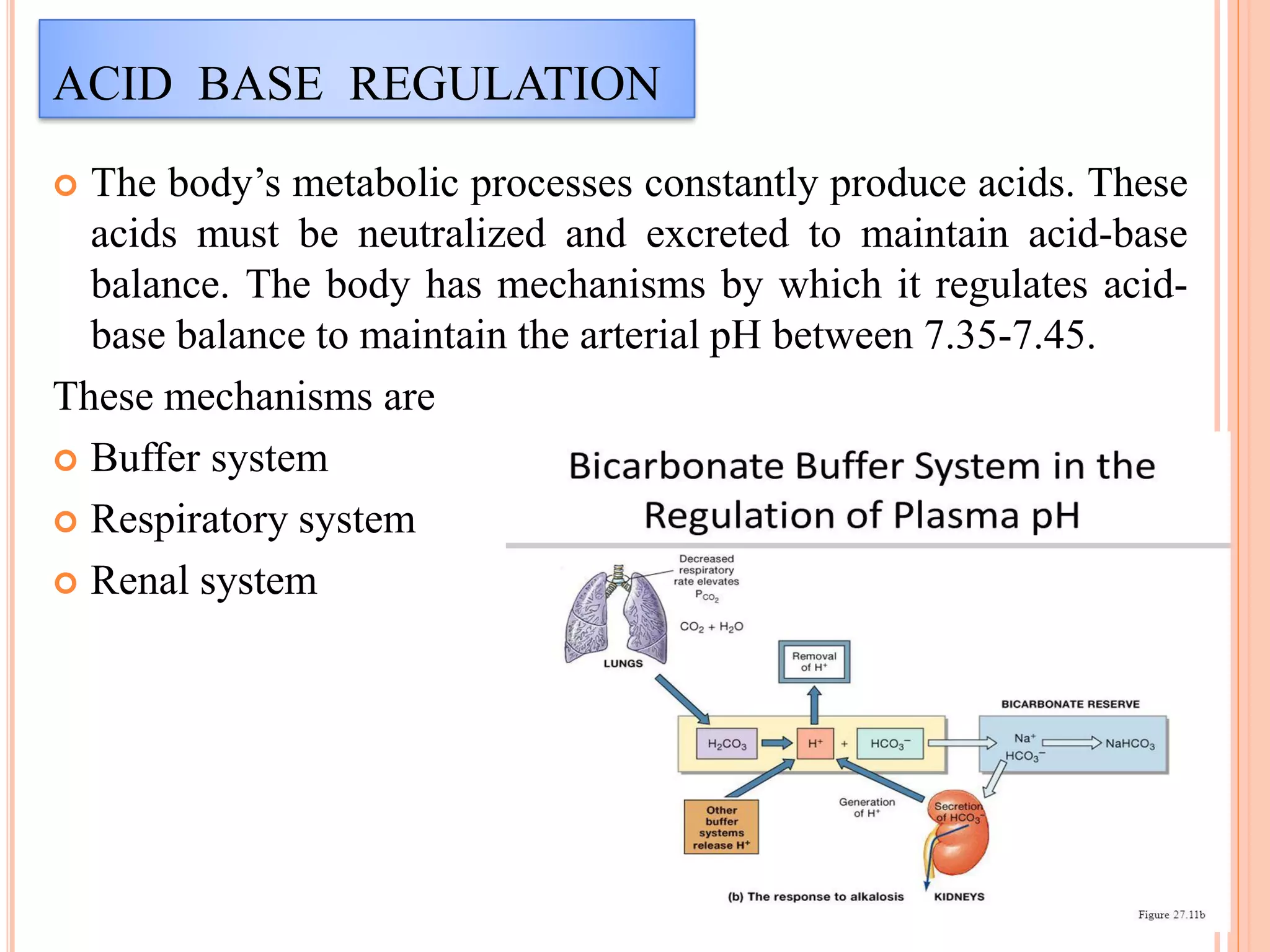
ACID BASE REGULATION
 The body’s metabolic processes constantly produce acids. These
acids must be neutralized and excreted to maintain acid-base
balance. The body has mechanisms by which it regulates acid-
base balance to maintain the arterial pH between 7.35-7.45.
These mechanisms are
 Buffer system
 Respiratory system
 Renal system
The regulatory mechanisms react at different speeds
 Buffer react immediately
 The respiratory system responds in minutes and reaches
maximum effective in hours.
 The renal system response takes 2-3 days to respond
maximally, but kidney can maintain balance indefinitely in
chronic imbalances.
BUFFER SYSTEM
 The buffer system is the fastest acting system and primary
regulatory of acid-base balance. Buffer act chemically to
change strong acids into weaker acids or to bind acids to
neutralize their effect. The buffers in the body include carbonic
acid-bicarbonate, plasma protein and haemoglobin buffers.
 The buffer function to minimize the effect of acids on blood
pH until they can be excreted from the body. Buffers can’t
maintain pH without the adequate functioning of the
respiratory and renal system.
RESPIRATORY SYSTEM
 The lungs maintain a normal Ph by excreting co2 and water,
which are by-products of cellular metabolism.
 The amount of Co2 in the blood directly relates to carbonic
acid concentration and subsequently to H+ concentration. With
increased respirations more Co2 is expelled and less remains in
the blood, this leads to less carbonic acid and less H+.
RENAL SYSTEM
 Under normal conditions, the kidneys reabsorb and conserve
all of the bicarbonate they filter. The kidneys can Generate
additional bicarbonate to eliminate excess H+ as
compensation for acidosis.
The 3 mechanisms of acid elimination are
1) Secretion of small amounts of free hydrogen into the renal
tubule
2) Combination of H+ with ammonia (NH3) to form
ammonium
3) Excretion of weak acids
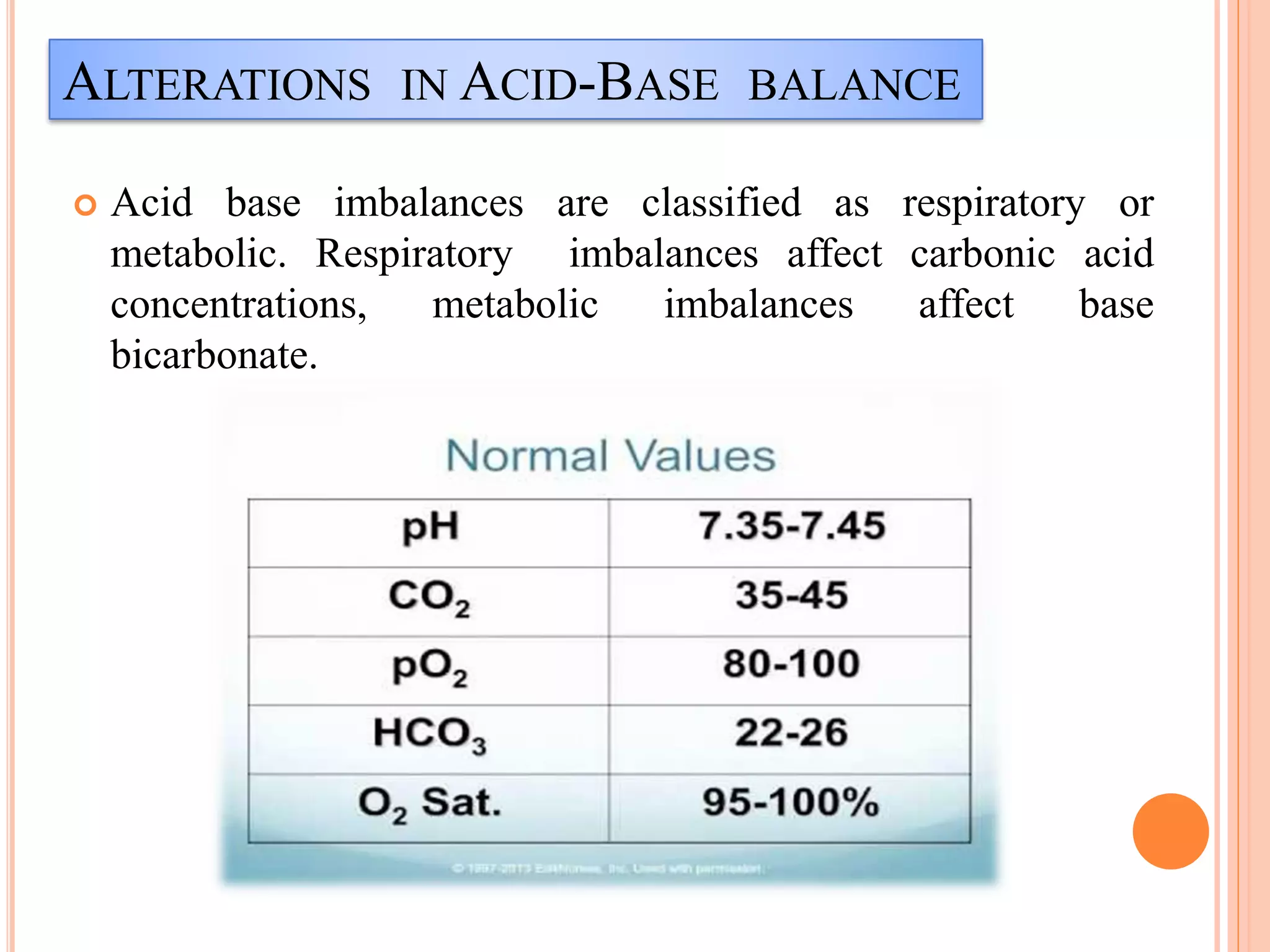
ALTERATIONS IN ACID-BASE BALANCE
 Acid base imbalances are classified as respiratory or
metabolic. Respiratory imbalances affect carbonic acid
concentrations, metabolic imbalances affect base
bicarbonate.
Respiratory acidosis(Pco2): Respiratory acidosis (carbonic acid
excess Pco2 > 45 ) occurs whenever there is hypoventilation.
Hypoventilation results in a build-up of Co2.
 Causes: COPD, sedative over dose, obesity, pneumonia,
atelectasis, mechanical hypoventilation.
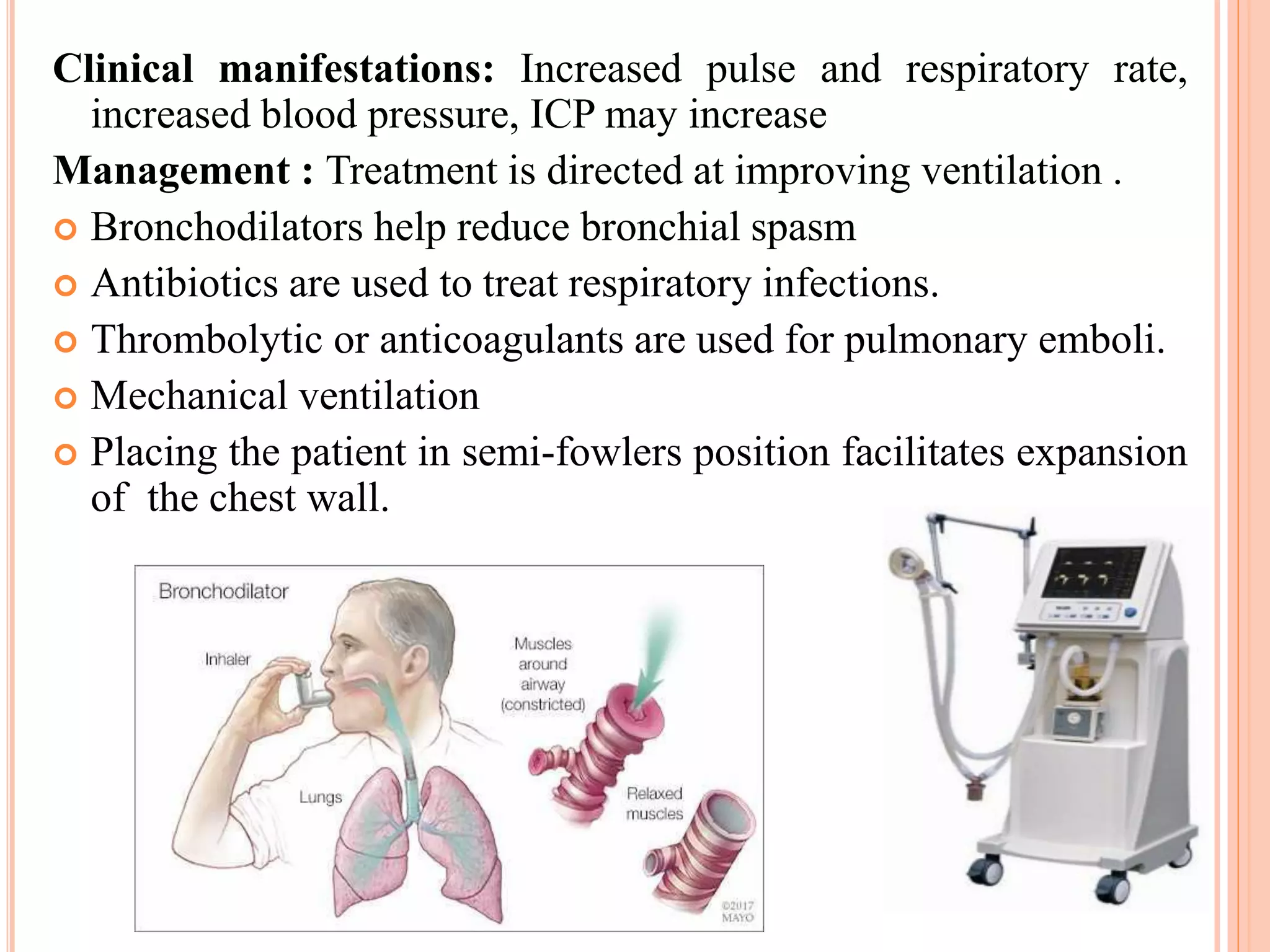
Clinical manifestations: Increased pulse and respiratory rate,
increased blood pressure, ICP may increase
Management : Treatment is directed at improving ventilation .
 Bronchodilators help reduce bronchial spasm
 Antibiotics are used to treat respiratory infections.
 Thrombolytic or anticoagulants are used for pulmonary emboli.
 Mechanical ventilation
 Placing the patient in semi-fowlers position facilitates expansion
of the chest wall.
RESPIRATORY ALKALOSIS (PCO2)
 Respiratory alkalosis( Carbonic acid deficit Pco2 < 35) occurs
with hyperventilation.
 Causes: Hyperventilation (caused by hypoxia, fear, anxiety,
pain,exercise) Mechanical hyperventilation
 Management: If the cause is anxiety, the patient is instructed to
breath more slowly to allow Co2 to accumulate, a sedative may
be required to relieve hyperventilation in very anxious patients
METABOLIC ACIDOSIS (HCO3)
 Bicarbonate deficit Hco3 < 22
Causes: Diabetic ketoacidosis, starvation, severe diarrhoea, renal
failure, shock
Clinical manifestations: Headache, confusion, drowsiness,
increased respiratory rate, nausea and vomiting, peripheral
vasodilation.
Management: Bicarbonate administered
 Treatment modalities may also include hemodialysis or
peritoneal dialysis.
METABOLIC ALKALOSIS (HCO3)
 Bicarbonate excess Hco3 > 26 (occurs when a loss of acid)
Causes: severe vomiting, ingestion of baking soda, Diuretic
therapy, potassium deficit
Clinical manifestations: Dizziness, hypokalemia, decreased
calcium
Management: Restore fluid volume, KCL correction,
H2 receptor antagonist (Cimetidine).
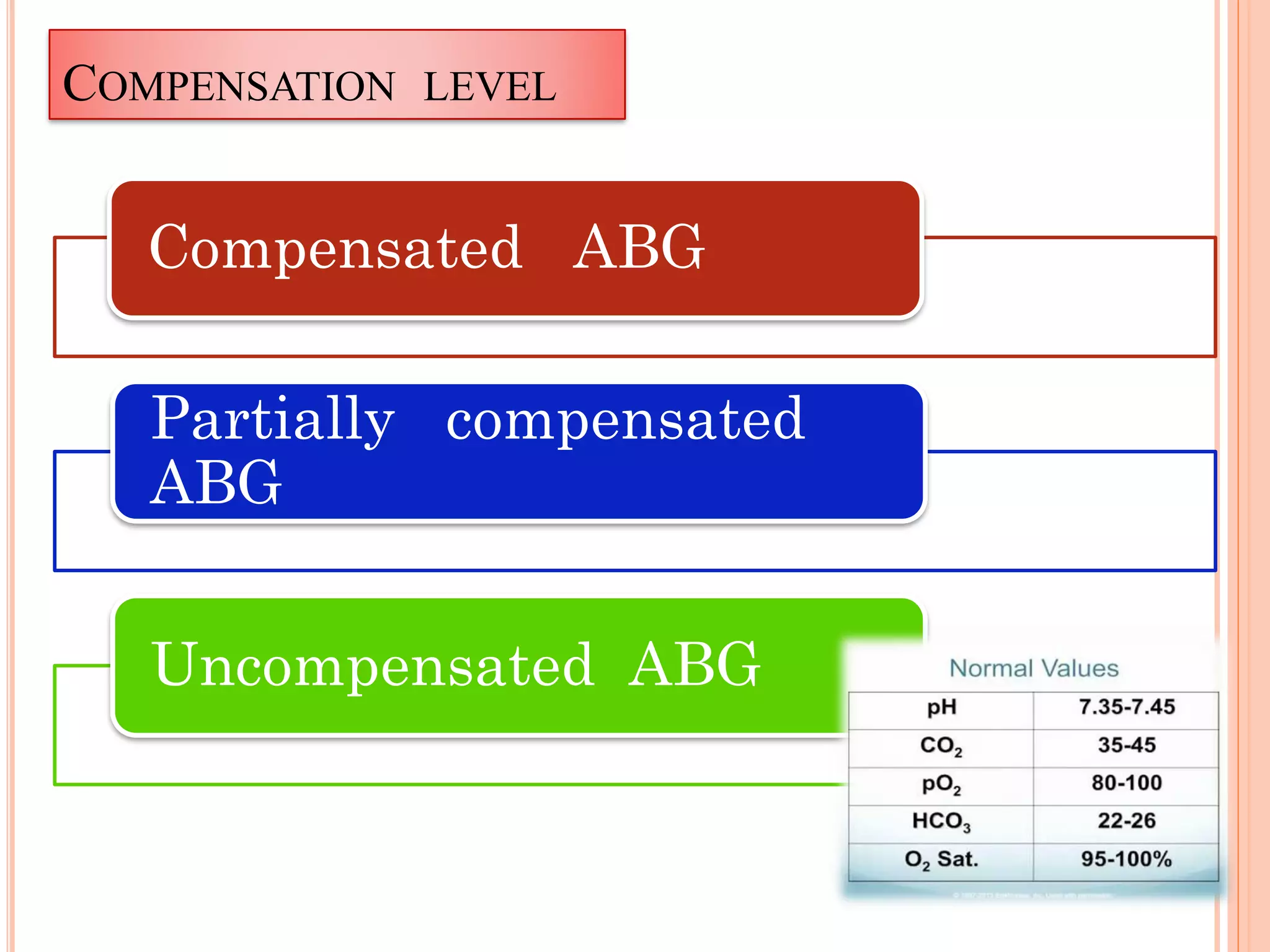
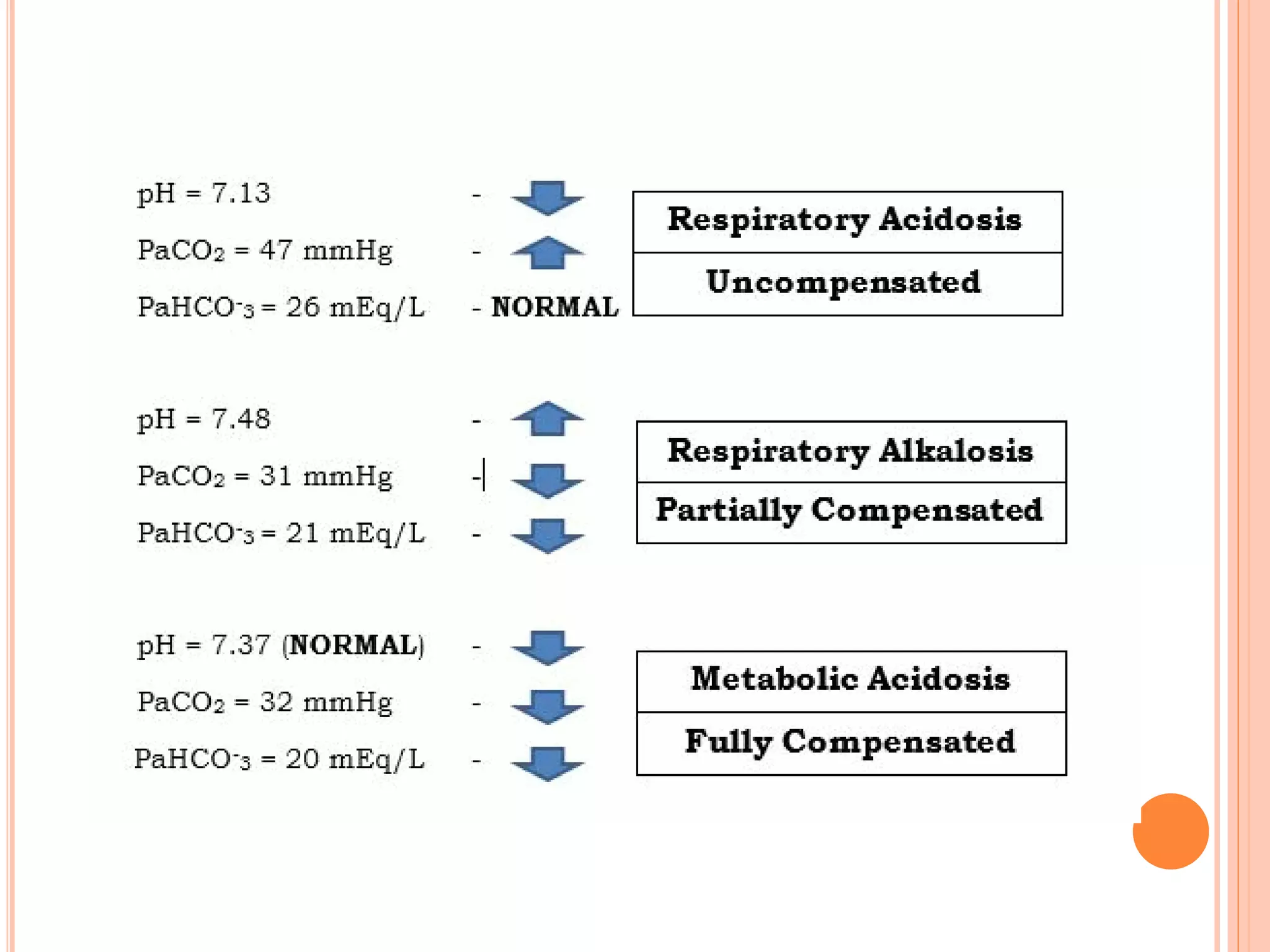
COMPENSATION LEVEL
Compensated ABG
Partially compensated
ABG
Uncompensated ABG
PROCEDURE
INDICATIONS
 Provides a blood specimen for direct measurement of partial
pressure of carbon dioxide (Paco2) and partial pressure of
oxygen (O2)
❖ Hydrogen ion activity (PH)
❖ Total haemoglobin (Hb)
❖ Bicarbonate level ( HCO3)
❖ Base excess.
CONT….
 Through Arterial blood gas analysis can identify Respiratory and
Metabolic conditions of the patient
 For starting continuous arterial blood pressure monitoring in an
emergency
 The need to quanitate patients response to therapeutic intervention
and diagnostic evaluation (Eg. Oxygen therapy) .
 Results of a Allen’s test (collateral circulation test) are
indicative of inadequate blood supply to the hand.
 Arterial puncture should not be performed through a lesion or
distal to a surgical shunt.
 Anti coagulation therapy (Eg- Heparin, streptokinase) may be a
relative contra indication for arterial puncture .
CONTRA INDICATIONS
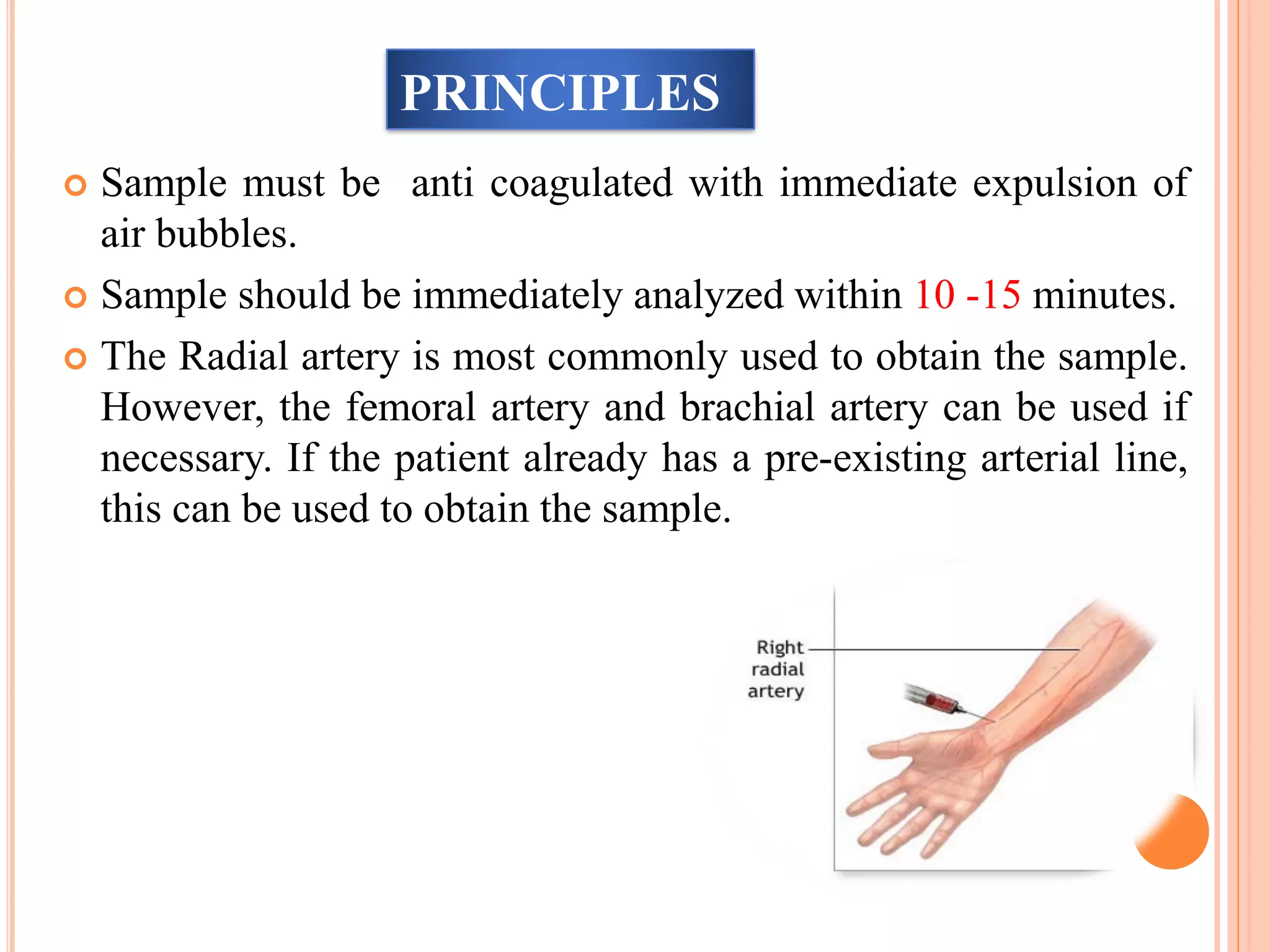
 Sample must be anti coagulated with immediate expulsion of
air bubbles.
 Sample should be immediately analyzed within 10 -15 minutes.
 The Radial artery is most commonly used to obtain the sample.
However, the femoral artery and brachial artery can be used if
necessary. If the patient already has a pre-existing arterial line,
this can be used to obtain the sample.
PRINCIPLES
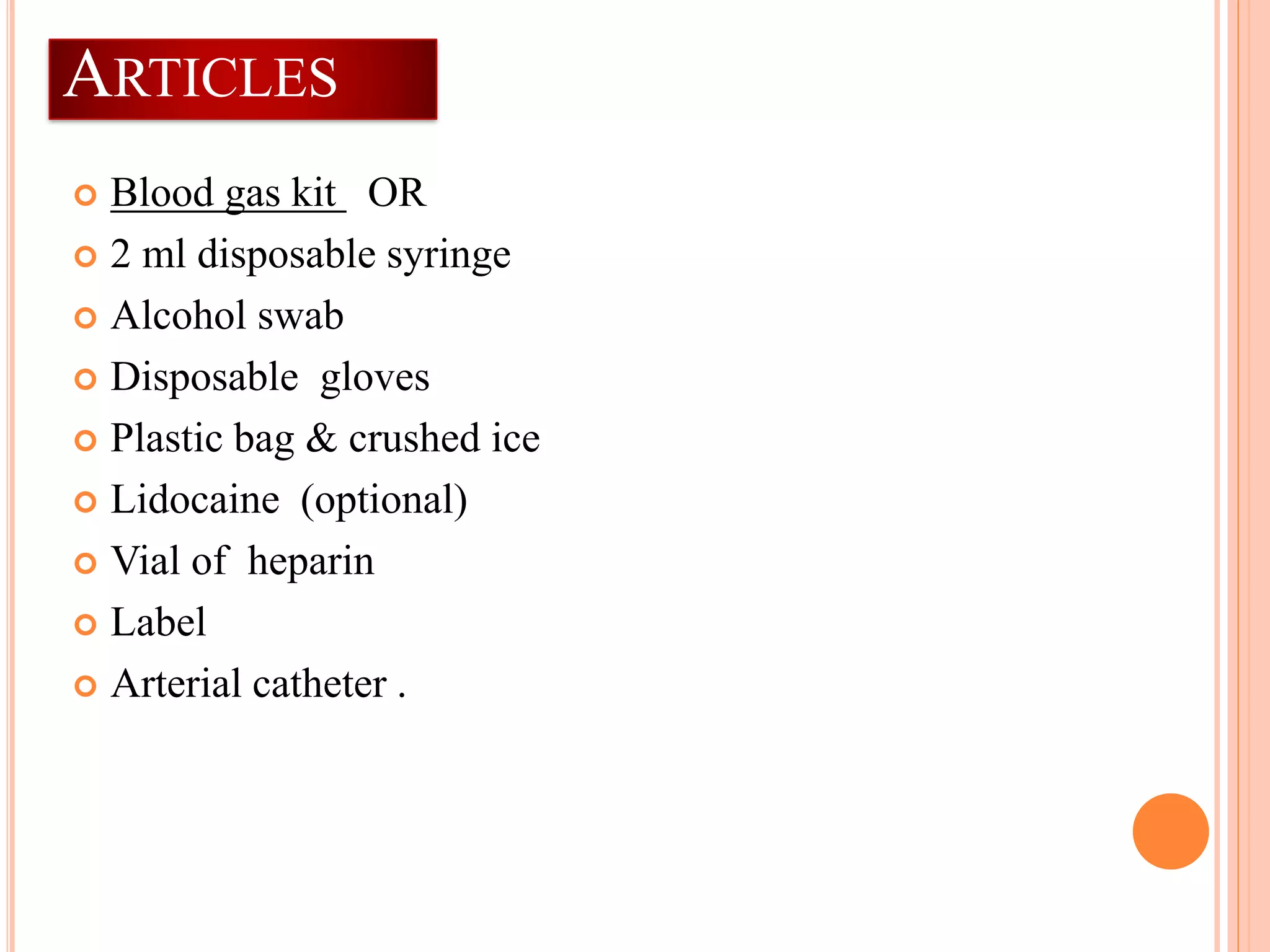
 Blood gas kit OR
 2 ml disposable syringe
 Alcohol swab
 Disposable gloves
 Plastic bag & crushed ice
 Lidocaine (optional)
 Vial of heparin
 Label
 Arterial catheter .
ARTICLES
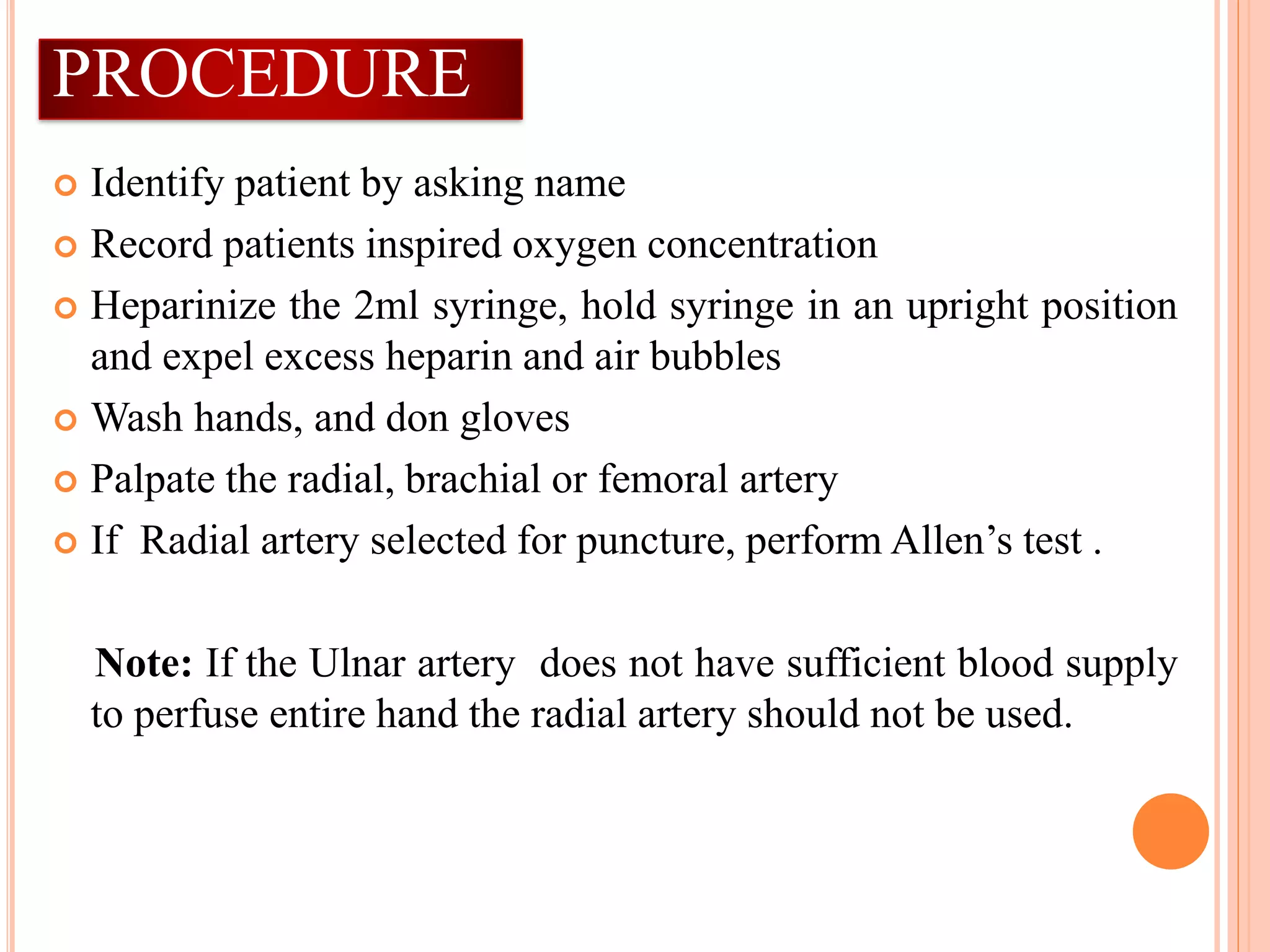
 Identify patient by asking name
 Record patients inspired oxygen concentration
 Heparinize the 2ml syringe, hold syringe in an upright position
and expel excess heparin and air bubbles
 Wash hands, and don gloves
 Palpate the radial, brachial or femoral artery
 If Radial artery selected for puncture, perform Allen’s test .
Note: If the Ulnar artery does not have sufficient blood supply
to perfuse entire hand the radial artery should not be used.
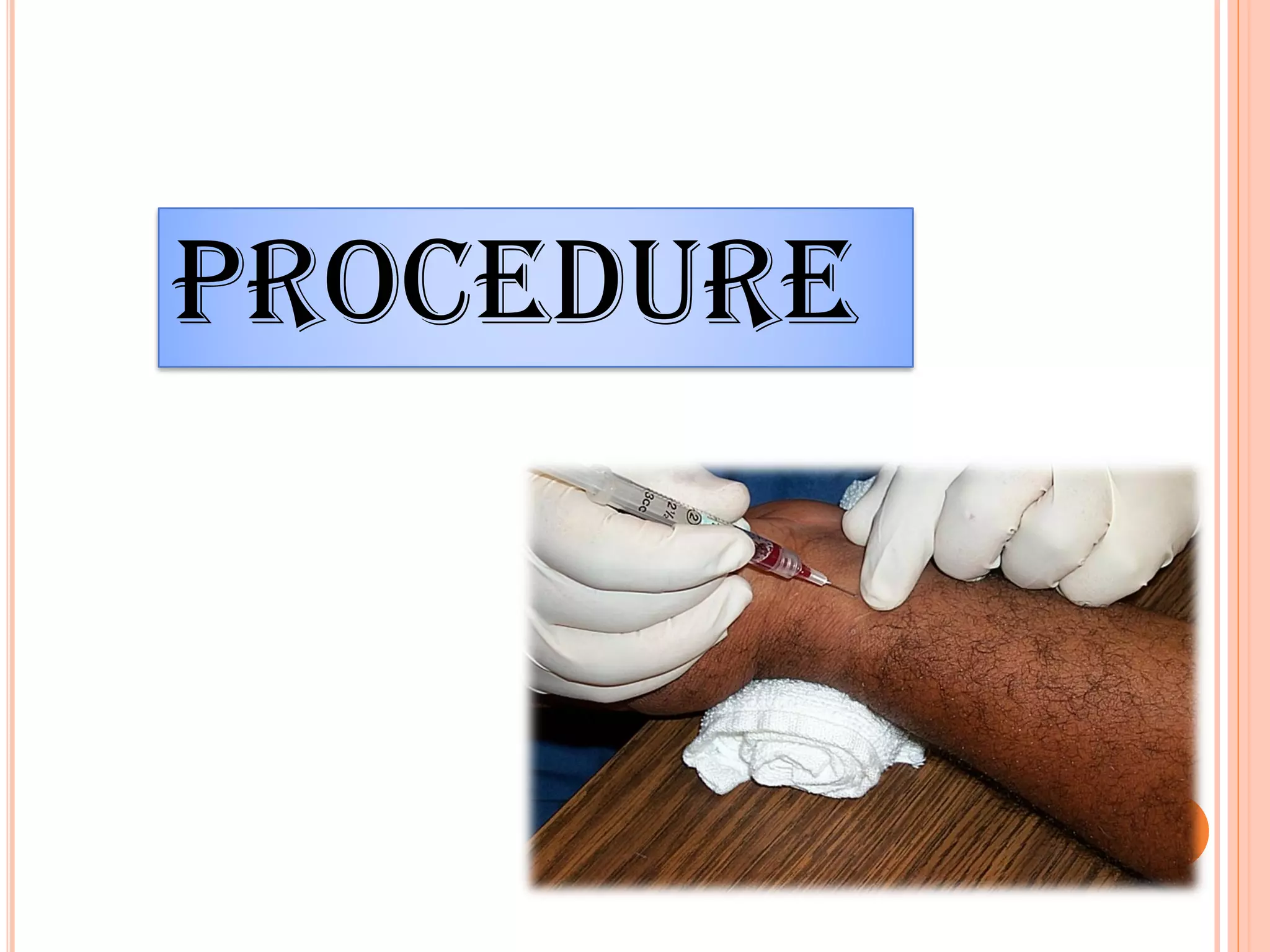
PROCEDURE
ALLEN’S TEST
 Clean with alcohol swab in circular motion
 Skin and subcutaneous tissue may be infiltrated with local
anesthetic agent if needed
 Insert needle at 45 radial ,60 brachial and 90 femoral
 Withdraw the needle and apply pressure
 Check bubbles in syringe
 Place the capped syringe in the container of ice immediately
 Maintain firm pressure on the puncture site for 5 minutes
 Send labeled, iced specimen to the lab immediately
 Documentation include: Time the sample was drawn, puncture
site, time pressure was applied
 If the patient is receiving mechanical ventilation, FIO2 should
be documented.
GOOD TIME WITH YOU

Arterial blood gas analysis (ABG)

  • 1.
    ARTERIAL BLOOD GAS ANALYSIS Presentedby Mr. B.Kalyan kumar Msc[N] Dept Of MSN
  • 2.
    INTRODUCTION  The bodynormally maintains a steady balance between acids produced during metabolism and bases that neutralize and promote the excretion of the acids. Many health problems may lead to acid-base imbalances in addition to fluid and electrolyte imbalances. Patients with Diabetes mellitus, chronic obstructive pulmonary disease and kidney disease frequently develop acid-base imbalances. Vomiting and diarrhoea may cause loss of acids and bases in addition to fluids and electrolytes. The kidneys are an essential buffer system for acids, and in older adult, the kidney are less able to compensate for an acid load. The nurse must always consider the possibility of acid-base imbalances in patients with serious illness.
  • 3.
    ELECTROLYTE  Electrolyte aresubstances whose molecules split into ions, when placed in water. Ions are electrically charged particles. Cations are positively charged particles and Anions are negatively charged ions.  Anions:  Bicarbonate: 22-26 mEq/L  Chloride : 96-106 mEq/L  Phosphate: 2.8-4.5 mEq/L Cations :  Potassium : 3.5-5.0 mEq/L  Magnesium: 1.5-2.5 mEq/L  Sodium: 135-145 mEq/L  Calcium: (Total) 4.5-5.5 mEq/L  Calcium(Ionized): 2.25-2.75 mEq/L
  • 4.
    PH AND HYDROGENION CONCENTRATION pH and hydrogen ion concentration:  The acidity or alkalinity of a solution depends on its hydrogen ion (H+ ) concentration. An increase H+ concentration leads to acidosis, a decrease leads to alkalinity.  Despite the fact that acids are produced by the body daily; the H+ concentration of body fluid is small(0.0004mEq/L). Hydrogen ion concentration is usually expressed as a negative logarithm(symbolized as pH).  A solution with a pH of 7 is considered neutral . An acid solution has a pH less than 7 and an alkaline solution has a pH greater than 7. Blood is slightly alkaline (pH 7.35-7.45).
  • 5.
    ACID BASE REGULATION The body’s metabolic processes constantly produce acids. These acids must be neutralized and excreted to maintain acid-base balance. The body has mechanisms by which it regulates acid- base balance to maintain the arterial pH between 7.35-7.45. These mechanisms are  Buffer system  Respiratory system  Renal system
  • 6.
    The regulatory mechanismsreact at different speeds  Buffer react immediately  The respiratory system responds in minutes and reaches maximum effective in hours.  The renal system response takes 2-3 days to respond maximally, but kidney can maintain balance indefinitely in chronic imbalances.
  • 7.
    BUFFER SYSTEM  Thebuffer system is the fastest acting system and primary regulatory of acid-base balance. Buffer act chemically to change strong acids into weaker acids or to bind acids to neutralize their effect. The buffers in the body include carbonic acid-bicarbonate, plasma protein and haemoglobin buffers.  The buffer function to minimize the effect of acids on blood pH until they can be excreted from the body. Buffers can’t maintain pH without the adequate functioning of the respiratory and renal system.
  • 9.
    RESPIRATORY SYSTEM  Thelungs maintain a normal Ph by excreting co2 and water, which are by-products of cellular metabolism.  The amount of Co2 in the blood directly relates to carbonic acid concentration and subsequently to H+ concentration. With increased respirations more Co2 is expelled and less remains in the blood, this leads to less carbonic acid and less H+.
  • 10.
    RENAL SYSTEM  Undernormal conditions, the kidneys reabsorb and conserve all of the bicarbonate they filter. The kidneys can Generate additional bicarbonate to eliminate excess H+ as compensation for acidosis. The 3 mechanisms of acid elimination are 1) Secretion of small amounts of free hydrogen into the renal tubule 2) Combination of H+ with ammonia (NH3) to form ammonium 3) Excretion of weak acids
  • 11.
    ALTERATIONS IN ACID-BASEBALANCE  Acid base imbalances are classified as respiratory or metabolic. Respiratory imbalances affect carbonic acid concentrations, metabolic imbalances affect base bicarbonate.
  • 12.
    Respiratory acidosis(Pco2): Respiratoryacidosis (carbonic acid excess Pco2 > 45 ) occurs whenever there is hypoventilation. Hypoventilation results in a build-up of Co2.  Causes: COPD, sedative over dose, obesity, pneumonia, atelectasis, mechanical hypoventilation.
  • 13.
    Clinical manifestations: Increasedpulse and respiratory rate, increased blood pressure, ICP may increase Management : Treatment is directed at improving ventilation .  Bronchodilators help reduce bronchial spasm  Antibiotics are used to treat respiratory infections.  Thrombolytic or anticoagulants are used for pulmonary emboli.  Mechanical ventilation  Placing the patient in semi-fowlers position facilitates expansion of the chest wall.
  • 14.
    RESPIRATORY ALKALOSIS (PCO2) Respiratory alkalosis( Carbonic acid deficit Pco2 < 35) occurs with hyperventilation.  Causes: Hyperventilation (caused by hypoxia, fear, anxiety, pain,exercise) Mechanical hyperventilation  Management: If the cause is anxiety, the patient is instructed to breath more slowly to allow Co2 to accumulate, a sedative may be required to relieve hyperventilation in very anxious patients
  • 15.
    METABOLIC ACIDOSIS (HCO3) Bicarbonate deficit Hco3 < 22 Causes: Diabetic ketoacidosis, starvation, severe diarrhoea, renal failure, shock Clinical manifestations: Headache, confusion, drowsiness, increased respiratory rate, nausea and vomiting, peripheral vasodilation.
  • 16.
    Management: Bicarbonate administered Treatment modalities may also include hemodialysis or peritoneal dialysis.
  • 17.
    METABOLIC ALKALOSIS (HCO3) Bicarbonate excess Hco3 > 26 (occurs when a loss of acid) Causes: severe vomiting, ingestion of baking soda, Diuretic therapy, potassium deficit Clinical manifestations: Dizziness, hypokalemia, decreased calcium Management: Restore fluid volume, KCL correction, H2 receptor antagonist (Cimetidine).
  • 18.
    COMPENSATION LEVEL Compensated ABG Partiallycompensated ABG Uncompensated ABG
  • 20.
  • 21.
    INDICATIONS  Provides ablood specimen for direct measurement of partial pressure of carbon dioxide (Paco2) and partial pressure of oxygen (O2) ❖ Hydrogen ion activity (PH) ❖ Total haemoglobin (Hb) ❖ Bicarbonate level ( HCO3) ❖ Base excess.
  • 22.
    CONT….  Through Arterialblood gas analysis can identify Respiratory and Metabolic conditions of the patient  For starting continuous arterial blood pressure monitoring in an emergency  The need to quanitate patients response to therapeutic intervention and diagnostic evaluation (Eg. Oxygen therapy) .
  • 23.
     Results ofa Allen’s test (collateral circulation test) are indicative of inadequate blood supply to the hand.  Arterial puncture should not be performed through a lesion or distal to a surgical shunt.  Anti coagulation therapy (Eg- Heparin, streptokinase) may be a relative contra indication for arterial puncture . CONTRA INDICATIONS
  • 24.
     Sample mustbe anti coagulated with immediate expulsion of air bubbles.  Sample should be immediately analyzed within 10 -15 minutes.  The Radial artery is most commonly used to obtain the sample. However, the femoral artery and brachial artery can be used if necessary. If the patient already has a pre-existing arterial line, this can be used to obtain the sample. PRINCIPLES
  • 25.
     Blood gaskit OR  2 ml disposable syringe  Alcohol swab  Disposable gloves  Plastic bag & crushed ice  Lidocaine (optional)  Vial of heparin  Label  Arterial catheter . ARTICLES
  • 26.
     Identify patientby asking name  Record patients inspired oxygen concentration  Heparinize the 2ml syringe, hold syringe in an upright position and expel excess heparin and air bubbles  Wash hands, and don gloves  Palpate the radial, brachial or femoral artery  If Radial artery selected for puncture, perform Allen’s test . Note: If the Ulnar artery does not have sufficient blood supply to perfuse entire hand the radial artery should not be used. PROCEDURE
  • 27.
  • 28.
     Clean withalcohol swab in circular motion  Skin and subcutaneous tissue may be infiltrated with local anesthetic agent if needed  Insert needle at 45 radial ,60 brachial and 90 femoral  Withdraw the needle and apply pressure  Check bubbles in syringe  Place the capped syringe in the container of ice immediately  Maintain firm pressure on the puncture site for 5 minutes  Send labeled, iced specimen to the lab immediately  Documentation include: Time the sample was drawn, puncture site, time pressure was applied  If the patient is receiving mechanical ventilation, FIO2 should be documented.
  • 30.