Integrated Housing
              Models


                   Holly Denniston
          Senior Program Manager
Corporation for Supportive Housing
                      July 13, 2010
                     www.csh.org
Our Mission


The Corporation for Supportive Housing is a national
nonprofit organization and community development
financial institution that helps communities create
permanent housing with services to prevent and end
homelessness.


2
CSH Products and Services

     Project-Specific Financing and Expertise
     to help create supportive housing.

     Capacity Building
     to strengthen and expand the supportive
     housing industry.

     Public Policy Reform
     to build an efficient system for producing and
     financing supportive housing.


3
Housing Models
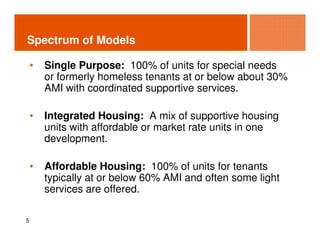
Spectrum of Models

    •   Single Purpose: 100% of units for special needs
        or formerly homeless tenants at or below about 30%
        AMI with coordinated supportive services.

    •   Integrated Housing: A mix of supportive housing
        units with affordable or market rate units in one
        development.

    •   Affordable Housing: 100% of units for tenants
        typically at or below 60% AMI and often some light
        services are offered.

5
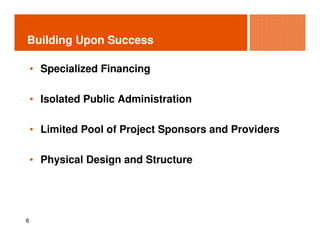
Building Upon Success

    • Specialized Financing

    • Isolated Public Administration

    • Limited Pool of Project Sponsors and Providers

    • Physical Design and Structure


6
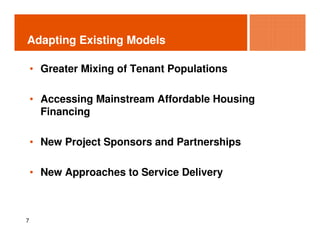
Adapting Existing Models

    • Greater Mixing of Tenant Populations

    • Accessing Mainstream Affordable Housing
      Financing

    • New Project Sponsors and Partnerships

    • New Approaches to Service Delivery


7
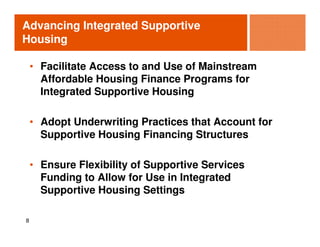
Advancing Integrated Supportive
Housing

    • Facilitate Access to and Use of Mainstream
      Affordable Housing Finance Programs for
      Integrated Supportive Housing

    • Adopt Underwriting Practices that Account for
      Supportive Housing Financing Structures

    • Ensure Flexibility of Supportive Services
      Funding to Allow for Use in Integrated
      Supportive Housing Settings

8
Advancing Integrated Supportive
Housing, continued

    • Implement Processes to Ensure and Improve the
      Quality of Integrated Supportive Housing

    • Create Opportunities for Networking and
      Partnership Formation Between Affordable
      Housing Developers and Supportive Housing or
      Services Providers


9
Partnerships
Development Team Roles


• Owner

• Developer

• Property Manager

• Service Provider


11
Two Key Project Goals:

 • Need to reach homeless tenants
   – Tenant Selection plan must stipulate how potential
     tenants will be recruited to ensure that homeless
     households are reached.

 • Must embrace goal of housing stability
   – Property management plan must recognize
     partnership of property manager and service
     provider to meet the goal of housing stability.


12
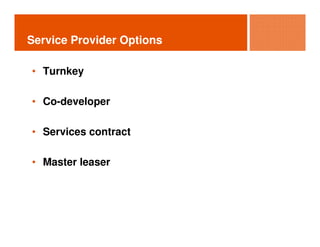
Service Provider Options

• Turnkey

• Co-developer

• Services contract

• Master leaser
Holly Denniston
 Senior Program Manger
holly.denniston@csh.org

5.2 Development and Design: Integrated Housing Models (Denniston)

  • 1.
    Integrated Housing Models Holly Denniston Senior Program Manager Corporation for Supportive Housing July 13, 2010 www.csh.org
  • 2.
    Our Mission The Corporationfor Supportive Housing is a national nonprofit organization and community development financial institution that helps communities create permanent housing with services to prevent and end homelessness. 2
  • 3.
    CSH Products andServices Project-Specific Financing and Expertise to help create supportive housing. Capacity Building to strengthen and expand the supportive housing industry. Public Policy Reform to build an efficient system for producing and financing supportive housing. 3
  • 4.
  • 5.
    Spectrum of Models • Single Purpose: 100% of units for special needs or formerly homeless tenants at or below about 30% AMI with coordinated supportive services. • Integrated Housing: A mix of supportive housing units with affordable or market rate units in one development. • Affordable Housing: 100% of units for tenants typically at or below 60% AMI and often some light services are offered. 5
  • 6.
    Building Upon Success • Specialized Financing • Isolated Public Administration • Limited Pool of Project Sponsors and Providers • Physical Design and Structure 6
  • 7.
    Adapting Existing Models • Greater Mixing of Tenant Populations • Accessing Mainstream Affordable Housing Financing • New Project Sponsors and Partnerships • New Approaches to Service Delivery 7
  • 8.
    Advancing Integrated Supportive Housing • Facilitate Access to and Use of Mainstream Affordable Housing Finance Programs for Integrated Supportive Housing • Adopt Underwriting Practices that Account for Supportive Housing Financing Structures • Ensure Flexibility of Supportive Services Funding to Allow for Use in Integrated Supportive Housing Settings 8
  • 9.
    Advancing Integrated Supportive Housing,continued • Implement Processes to Ensure and Improve the Quality of Integrated Supportive Housing • Create Opportunities for Networking and Partnership Formation Between Affordable Housing Developers and Supportive Housing or Services Providers 9
  • 10.
  • 11.
    Development Team Roles •Owner • Developer • Property Manager • Service Provider 11
  • 12.
    Two Key ProjectGoals: • Need to reach homeless tenants – Tenant Selection plan must stipulate how potential tenants will be recruited to ensure that homeless households are reached. • Must embrace goal of housing stability – Property management plan must recognize partnership of property manager and service provider to meet the goal of housing stability. 12
  • 13.
    Service Provider Options •Turnkey • Co-developer • Services contract • Master leaser
  • 14.
    Holly Denniston SeniorProgram Manger holly.denniston@csh.org