ExternalitiesExternalities
Part IIPart II
• Learn the nature of an externality.
• See why externalities can make market
outcomes inefficient.
• Examine how people can sometimes solve
the problem of externalities on their own.
• Consider why private solutions to
externalities sometimes do not work.
• Examine the various government policies
aimed at solving the problem of
externalities.
• Learn the nature of an externality.
• See why externalities can make market
outcomes inefficient.
• Examine how people can sometimes solve
the problem of externalities on their own.
• Consider why private solutions to
externalities sometimes do not work.
• Examine the various government policies
aimed at solving the problem of
externalities.
In this Topic you will…In this Topic you will…
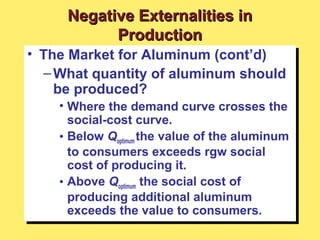
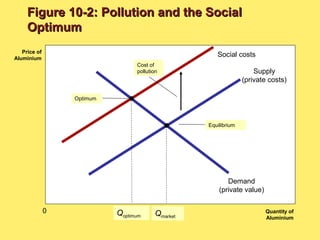
• The Market for Aluminum (cont’d)
–What quantity of aluminum should
be produced?
• Where the demand curve crosses the
social-cost curve.
• Below Qoptimum the value of the aluminum
to consumers exceeds rgw social
cost of producing it.
• Above Qoptimum the social cost of
producing additional aluminum
exceeds the value to consumers.
• The Market for Aluminum (cont’d)
–What quantity of aluminum should
be produced?
• Where the demand curve crosses the
social-cost curve.
• Below Qoptimum the value of the aluminum
to consumers exceeds rgw social
cost of producing it.
• Above Qoptimum the social cost of
producing additional aluminum
exceeds the value to consumers.
Negative Externalities inNegative Externalities in
ProductionProduction
Demand
(private value)
Supply
(private costs)
0
Equilibrium
Qmarket
Quantity of
Aluminium
Price of
Aluminium
Social costs
Qoptimum
Cost of
pollution
Optimum
Figure 10-2: Pollution and the SocialFigure 10-2: Pollution and the Social
OptimumOptimum
• The Market for Aluminum (cont’d)
– Reducing aluminum production and
consumption below the market
equilibrium level raises total economic
well-being.
• The Market for Aluminum (cont’d)
– Reducing aluminum production and
consumption below the market
equilibrium level raises total economic
well-being.
Negative Externalities inNegative Externalities in
ProductionProduction
0 Quantity of
Aluminium
Price of
Aluminium
Social costs
Demand
(private value)
Poptimum
Qoptimum
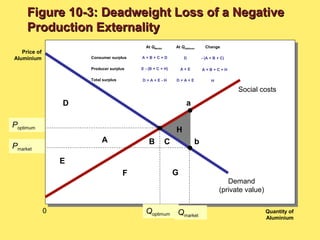
Figure 10-3: Deadweight Loss of a NegativeFigure 10-3: Deadweight Loss of a Negative
Production ExternalityProduction Externality
Pmarket
Qmarket
a
b
HD + A + ED + A + E - H
A + B + C + HA + EE - (B + C + H)
- (A + B + C)DA + B + C + D
Total surplus
Producer surplus
Consumer surplus
ChangeAt QOptimumAt QMarket
D
A B C
E
F G
H
• The Market for Aluminum (cont’d)
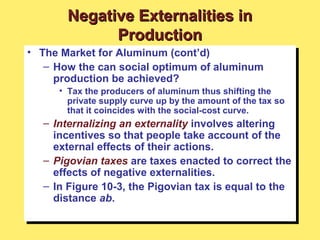
– How the can social optimum of aluminum
production be achieved?
• Tax the producers of aluminum thus shifting the
private supply curve up by the amount of the tax so
that it coincides with the social-cost curve.
– Internalizing an externality involves altering
incentives so that people take account of the
external effects of their actions.
– Pigovian taxes are taxes enacted to correct the
effects of negative externalities.
– In Figure 10-3, the Pigovian tax is equal to the
distance ab.
• The Market for Aluminum (cont’d)
– How the can social optimum of aluminum
production be achieved?
• Tax the producers of aluminum thus shifting the
private supply curve up by the amount of the tax so
that it coincides with the social-cost curve.
– Internalizing an externality involves altering
incentives so that people take account of the
external effects of their actions.
– Pigovian taxes are taxes enacted to correct the
effects of negative externalities.
– In Figure 10-3, the Pigovian tax is equal to the
distance ab.
Negative Externalities inNegative Externalities in
ProductionProduction
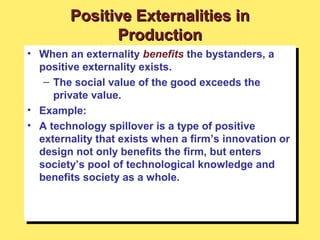
• When an externality benefits the bystanders, a
positive externality exists.
– The social value of the good exceeds the
private value.
• Example:
• A technology spillover is a type of positive
externality that exists when a firm’s innovation or
design not only benefits the firm, but enters
society’s pool of technological knowledge and
benefits society as a whole.
• When an externality benefits the bystanders, a
positive externality exists.
– The social value of the good exceeds the
private value.
• Example:
• A technology spillover is a type of positive
externality that exists when a firm’s innovation or
design not only benefits the firm, but enters
society’s pool of technological knowledge and
benefits society as a whole.
Positive Externalities inPositive Externalities in
ProductionProduction
0
Optimum
Quantity of
Robots
Price of
Robots
Demand
(private value)
Social costs
a
b
Qoptimum
Poptimum
Qmarket
Pmarket Equilibrium
Supply (private costs)Value of
technology
spillover
Deadweight
loss
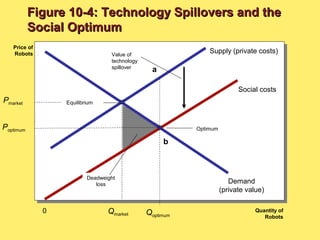
Figure 10-4: Technology Spillovers and theFigure 10-4: Technology Spillovers and the
Social OptimumSocial Optimum
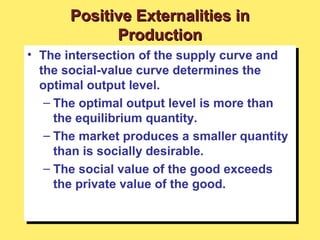
• The intersection of the supply curve and
the social-value curve determines the
optimal output level.
– The optimal output level is more than
the equilibrium quantity.
– The market produces a smaller quantity
than is socially desirable.
– The social value of the good exceeds
the private value of the good.
• The intersection of the supply curve and
the social-value curve determines the
optimal output level.
– The optimal output level is more than
the equilibrium quantity.
– The market produces a smaller quantity
than is socially desirable.
– The social value of the good exceeds
the private value of the good.
Positive Externalities inPositive Externalities in
ProductionProduction
• Internalizing Externalities: Subsidies
– Used as the primary method for
attempting to internalize positive
externalities.
• Internalizing Externalities: Subsidies
– Used as the primary method for
attempting to internalize positive
externalities.
Positive Externalities inPositive Externalities in
ProductionProduction
– Government intervention in the economy that
aims to promote technology-enhancing
industries
• Patent laws are a form of technology policy
that give the individual (or firm) with patent
protection a property right over its
invention.
• The patent is then said to internalize the
externality.
• The patent system gives firms a greater
incentive to engage in research and other
activities that advance technology.
– Government intervention in the economy that
aims to promote technology-enhancing
industries
• Patent laws are a form of technology policy
that give the individual (or firm) with patent
protection a property right over its
invention.
• The patent is then said to internalize the
externality.
• The patent system gives firms a greater
incentive to engage in research and other
activities that advance technology.
CASE STUDY:CASE STUDY: The Debate Over TechnologyThe Debate Over Technology
PolicyPolicy
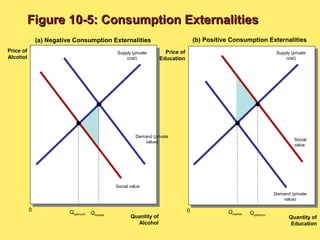
• Some externalities are associated with
consumption.
• Figure 10-5 (a) shows a market with a
negative consumption externality such as
the market for alcoholic beverages.
• Figure 10-5 (b) shows a market with a
positive consumption externality such as
the market for education.
• Some externalities are associated with
consumption.
• Figure 10-5 (a) shows a market with a
negative consumption externality such as
the market for alcoholic beverages.
• Figure 10-5 (b) shows a market with a
positive consumption externality such as
the market for education.
Externalities in ConsumptionExternalities in Consumption
(a) Negative Consumption Externalities (b) Positive Consumption Externalities
Price of
Alcohol
Quantity of
Alcohol
0 0
Social value
Demand (private
value)
Supply (private
cost)
Quantity of
Education
Price of
Education
Social
value
Demand (private
value)
Supply (private
cost)
Qmarket Qoptimum
Qoptimum Qmarket
Figure 10-5: Consumption ExternalitiesFigure 10-5: Consumption Externalities

Externalities Part II

  • 1.
  • 2.
    • Learn thenature of an externality. • See why externalities can make market outcomes inefficient. • Examine how people can sometimes solve the problem of externalities on their own. • Consider why private solutions to externalities sometimes do not work. • Examine the various government policies aimed at solving the problem of externalities. • Learn the nature of an externality. • See why externalities can make market outcomes inefficient. • Examine how people can sometimes solve the problem of externalities on their own. • Consider why private solutions to externalities sometimes do not work. • Examine the various government policies aimed at solving the problem of externalities. In this Topic you will…In this Topic you will…
  • 3.
    • The Marketfor Aluminum (cont’d) –What quantity of aluminum should be produced? • Where the demand curve crosses the social-cost curve. • Below Qoptimum the value of the aluminum to consumers exceeds rgw social cost of producing it. • Above Qoptimum the social cost of producing additional aluminum exceeds the value to consumers. • The Market for Aluminum (cont’d) –What quantity of aluminum should be produced? • Where the demand curve crosses the social-cost curve. • Below Qoptimum the value of the aluminum to consumers exceeds rgw social cost of producing it. • Above Qoptimum the social cost of producing additional aluminum exceeds the value to consumers. Negative Externalities inNegative Externalities in ProductionProduction
  • 4.
    Demand (private value) Supply (private costs) 0 Equilibrium Qmarket Quantityof Aluminium Price of Aluminium Social costs Qoptimum Cost of pollution Optimum Figure 10-2: Pollution and the SocialFigure 10-2: Pollution and the Social OptimumOptimum
  • 5.
    • The Marketfor Aluminum (cont’d) – Reducing aluminum production and consumption below the market equilibrium level raises total economic well-being. • The Market for Aluminum (cont’d) – Reducing aluminum production and consumption below the market equilibrium level raises total economic well-being. Negative Externalities inNegative Externalities in ProductionProduction
  • 6.
    0 Quantity of Aluminium Priceof Aluminium Social costs Demand (private value) Poptimum Qoptimum Figure 10-3: Deadweight Loss of a NegativeFigure 10-3: Deadweight Loss of a Negative Production ExternalityProduction Externality Pmarket Qmarket a b HD + A + ED + A + E - H A + B + C + HA + EE - (B + C + H) - (A + B + C)DA + B + C + D Total surplus Producer surplus Consumer surplus ChangeAt QOptimumAt QMarket D A B C E F G H
  • 7.
    • The Marketfor Aluminum (cont’d) – How the can social optimum of aluminum production be achieved? • Tax the producers of aluminum thus shifting the private supply curve up by the amount of the tax so that it coincides with the social-cost curve. – Internalizing an externality involves altering incentives so that people take account of the external effects of their actions. – Pigovian taxes are taxes enacted to correct the effects of negative externalities. – In Figure 10-3, the Pigovian tax is equal to the distance ab. • The Market for Aluminum (cont’d) – How the can social optimum of aluminum production be achieved? • Tax the producers of aluminum thus shifting the private supply curve up by the amount of the tax so that it coincides with the social-cost curve. – Internalizing an externality involves altering incentives so that people take account of the external effects of their actions. – Pigovian taxes are taxes enacted to correct the effects of negative externalities. – In Figure 10-3, the Pigovian tax is equal to the distance ab. Negative Externalities inNegative Externalities in ProductionProduction
  • 8.
    • When anexternality benefits the bystanders, a positive externality exists. – The social value of the good exceeds the private value. • Example: • A technology spillover is a type of positive externality that exists when a firm’s innovation or design not only benefits the firm, but enters society’s pool of technological knowledge and benefits society as a whole. • When an externality benefits the bystanders, a positive externality exists. – The social value of the good exceeds the private value. • Example: • A technology spillover is a type of positive externality that exists when a firm’s innovation or design not only benefits the firm, but enters society’s pool of technological knowledge and benefits society as a whole. Positive Externalities inPositive Externalities in ProductionProduction
  • 9.
    0 Optimum Quantity of Robots Price of Robots Demand (privatevalue) Social costs a b Qoptimum Poptimum Qmarket Pmarket Equilibrium Supply (private costs)Value of technology spillover Deadweight loss Figure 10-4: Technology Spillovers and theFigure 10-4: Technology Spillovers and the Social OptimumSocial Optimum
  • 10.
    • The intersectionof the supply curve and the social-value curve determines the optimal output level. – The optimal output level is more than the equilibrium quantity. – The market produces a smaller quantity than is socially desirable. – The social value of the good exceeds the private value of the good. • The intersection of the supply curve and the social-value curve determines the optimal output level. – The optimal output level is more than the equilibrium quantity. – The market produces a smaller quantity than is socially desirable. – The social value of the good exceeds the private value of the good. Positive Externalities inPositive Externalities in ProductionProduction
  • 11.
    • Internalizing Externalities:Subsidies – Used as the primary method for attempting to internalize positive externalities. • Internalizing Externalities: Subsidies – Used as the primary method for attempting to internalize positive externalities. Positive Externalities inPositive Externalities in ProductionProduction
  • 12.
    – Government interventionin the economy that aims to promote technology-enhancing industries • Patent laws are a form of technology policy that give the individual (or firm) with patent protection a property right over its invention. • The patent is then said to internalize the externality. • The patent system gives firms a greater incentive to engage in research and other activities that advance technology. – Government intervention in the economy that aims to promote technology-enhancing industries • Patent laws are a form of technology policy that give the individual (or firm) with patent protection a property right over its invention. • The patent is then said to internalize the externality. • The patent system gives firms a greater incentive to engage in research and other activities that advance technology. CASE STUDY:CASE STUDY: The Debate Over TechnologyThe Debate Over Technology PolicyPolicy
  • 13.
    • Some externalitiesare associated with consumption. • Figure 10-5 (a) shows a market with a negative consumption externality such as the market for alcoholic beverages. • Figure 10-5 (b) shows a market with a positive consumption externality such as the market for education. • Some externalities are associated with consumption. • Figure 10-5 (a) shows a market with a negative consumption externality such as the market for alcoholic beverages. • Figure 10-5 (b) shows a market with a positive consumption externality such as the market for education. Externalities in ConsumptionExternalities in Consumption
  • 14.
    (a) Negative ConsumptionExternalities (b) Positive Consumption Externalities Price of Alcohol Quantity of Alcohol 0 0 Social value Demand (private value) Supply (private cost) Quantity of Education Price of Education Social value Demand (private value) Supply (private cost) Qmarket Qoptimum Qoptimum Qmarket Figure 10-5: Consumption ExternalitiesFigure 10-5: Consumption Externalities