Downloaded 794 times

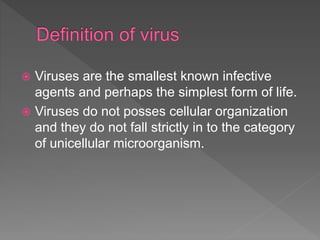
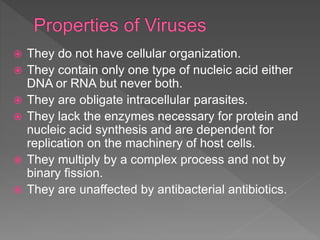
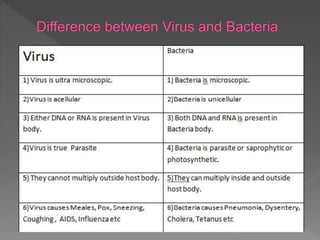
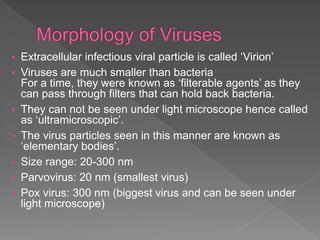
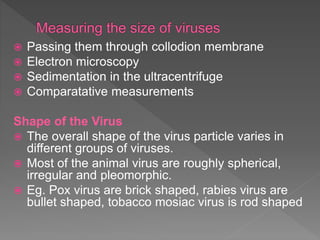
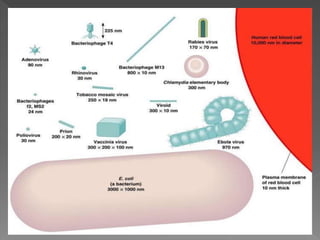
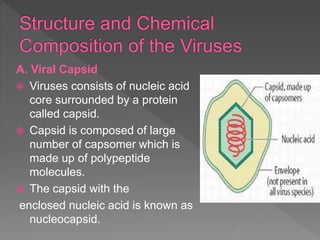
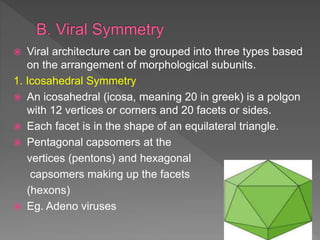
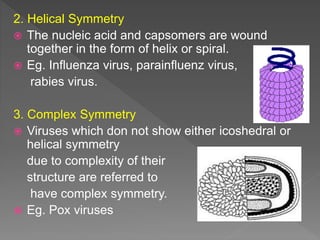
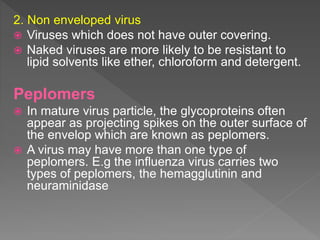
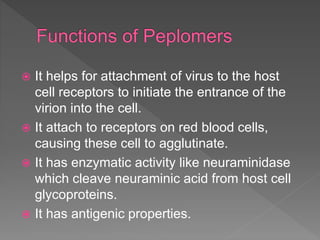
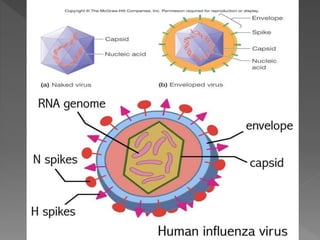
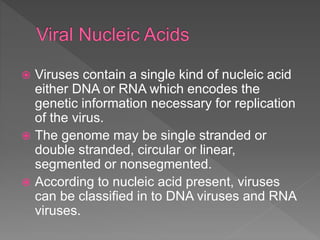
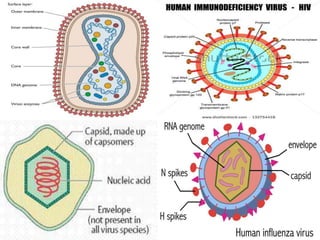
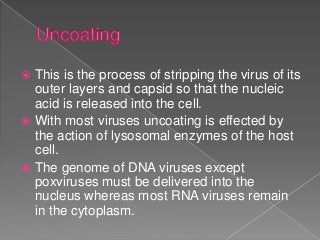
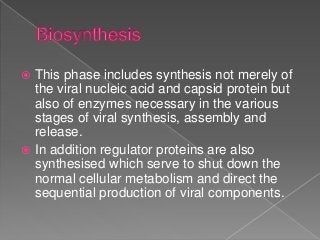
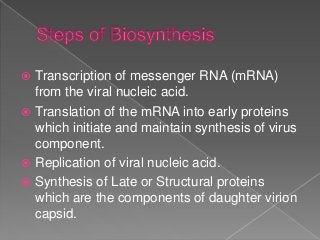
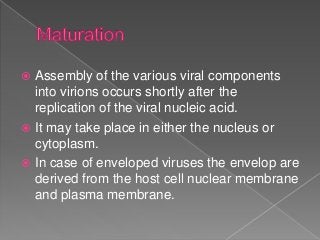
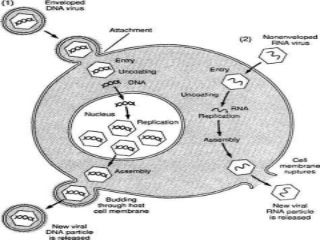

Viruses are the smallest known infectious agents and lack cellular organization. They contain either DNA or RNA, but not both, and are obligate intracellular parasites that depend on host cell machinery for replication. Viruses infect host cells through attachment to receptors and are then uncoated inside the cell. They hijack the host cell to synthesize viral components and assemble new viral particles that are then released to infect other cells.


![Polymer [ बहुलक ] Chemistry Notes PDF - Irfanullah Mehar - JJ Sir Chemistry.pdf](https://cdn.slidesharecdn.com/ss_thumbnails/polymerchemistrynotespdf-irfanullahmehar-jjsirchemistry-260210172118-3f9b37f7-thumbnail.jpg?width=640&height=640&fit=bounds)


![ANIMAL_CELL_,_TISSUE_AND_ORGAN_CULTURE[1].pptx](https://cdn.slidesharecdn.com/ss_thumbnails/animalcelltissueandorganculture1-260204172026-4462b440-thumbnail.jpg?width=640&height=640&fit=bounds)


