Inotropes and Vasopressors for
the ED
20th February 2014
Overview
ED scenarios
Indication for inotropes
Choice of agent
Case 1
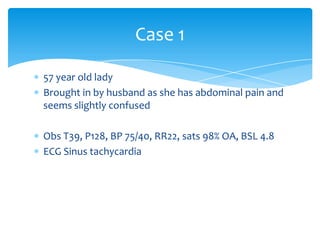
57 year old lady
Brought in by husband as she has abdominal pain and
seems slightly confused
Obs T39, P128, BP 75/40, RR22, sats 98% OA, BSL 4.8
ECG Sinus tachycardia
How would you manage this patient?
Shock
Shock is the failure to adequately oxygenate tissues
to meet metabolic demand, resulting in end organ
failure.
Adjustable factors affecting tissue oxygenation
[Hb]
PaO2
Cardiac output
Systemic vascular resistance
Which drug for this patient?
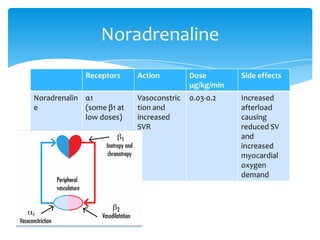
Noradrenaline
Receptors
Noradrenalin α1
e
(some β1 at
low doses)

Action

Dose
μg/kg/min

Side effects

Vasoconstric
tion and
increased
SVR

0.03-0.2

Increased
afterload
causing
reduced SV
and
increased
myocardial
oxygen
demand
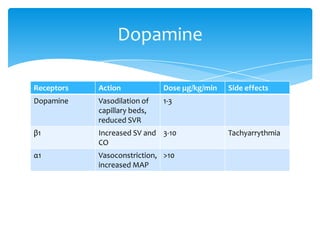
Dopamine
Receptors

Action

Dose μg/kg/min

Dopamine

Vasodilation of
capillary beds,
reduced SVR

1-3

β1

Increased SV and 3-10
CO

α1

Vasoconstriction, >10
increased MAP

Side effects

Tachyarrythmia
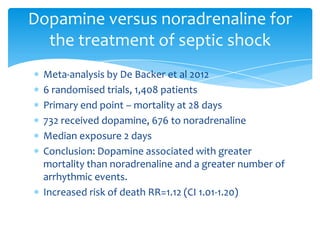
Dopamine versus noradrenaline for
the treatment of septic shock
Meta-analysis by De Backer et al 2012
6 randomised trials, 1,408 patients
Primary end point – mortality at 28 days
732 received dopamine, 676 to noradrenaline
Median exposure 2 days
Conclusion: Dopamine associated with greater
mortality than noradrenaline and a greater number of
arrhythmic events.
Increased risk of death RR=1.12 (CI 1.01-1.20)
Back to the patient..

Access is difficult –just one pink line
USS guided access is also attempted
Peripheral use of inotropes
EMCRIT 107
French RCT where ICU patients were randomised to
peripheral (n=128) or central access (n=135)
Most complication in the peripheral group was
extravasation injury
Most common in CVC group was infectious
Is extravasation an acceptable risk?
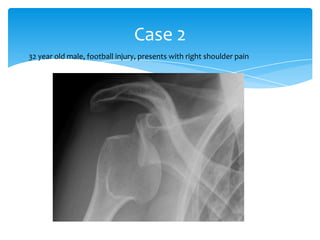
Case 2
32 year old male, football injury, presents with right shoulder pain
Management
Obs Afebrile, P 80, BP 130/80, RR 20, Sats 100% OA,
BSL 5.0
100mcg of fentanyl with the ambulance
Anaesthetic assessment, fasted, no regular
medications, ECG sinus
He is sedated and the shoulder is relocated.
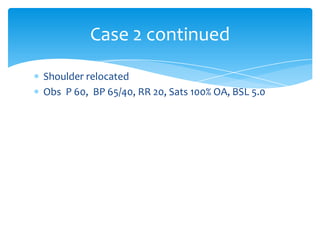
Case 2 continued
Shoulder relocated
Obs P 60, BP 65/40, RR 20, Sats 100% OA, BSL 5.0
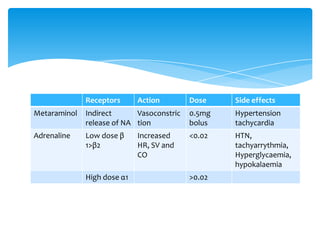
Receptors

Action

Dose

Side effects

Metaraminol

Indirect
Vasoconstric
release of NA tion

0.5mg
bolus

Hypertension
tachycardia

Adrenaline

Low dose β
1>β2

<0.02

HTN,
tachyarrythmia,
Hyperglycaemia,
hypokalaemia

High dose α1

Increased
HR, SV and
CO

>0.02
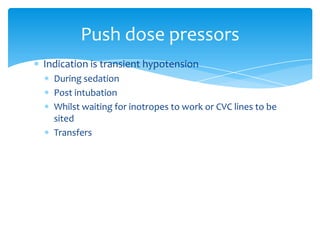
Push dose pressors
Indication is transient hypotension
During sedation
Post intubation
Whilst waiting for inotropes to work or CVC lines to be
sited
Transfers
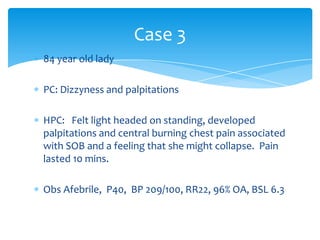
Case 3
84 year old lady
PC: Dizzyness and palpitations
HPC: Felt light headed on standing, developed
palpitations and central burning chest pain associated
with SOB and a feeling that she might collapse. Pain
lasted 10 mins.
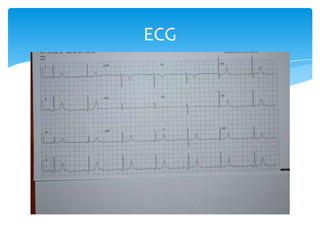
Obs Afebrile, P40, BP 209/100, RR22, 96% OA, BSL 6.3
ECG
Meanwhile..

Called to see the patient who has had a short lived
presyncopal episode
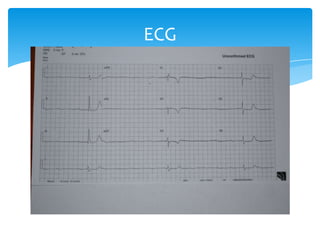
Obs Afeb HR 20, BP 180/90, RR 20, 96%OA
ECG
ECG
What is your management?
Complete heart block
Reversible causes – ischaemia, drugs
Discussed with Cardiology consultant: admit to CCU
for telemetry and isoprenaline
Isoprenaline

Receptors
Isoprenaline

Action

Dose

B1>B2

Positive
Infusion 0.5inotrope and 5 mcg/min
chronotrope,

Side effects
Increases
myocardial
oxygen
demands
Summary
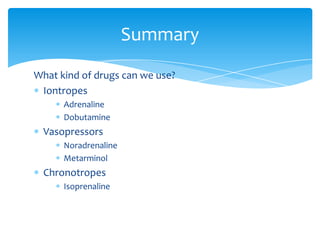
What kind of drugs can we use?
Iontropes
Adrenaline
Dobutamine

Vasopressors
Noradrenaline
Metarminol

Chronotropes
Isoprenaline
Summary
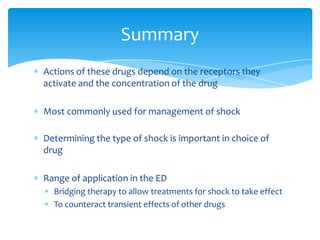
Actions of these drugs depend on the receptors they
activate and the concentration of the drug
Most commonly used for management of shock
Determining the type of shock is important in choice of
drug

Range of application in the ED
Bridging therapy to allow treatments for shock to take effect
To counteract transient effects of other drugs
References
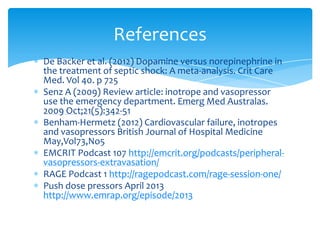
De Backer et al. (2012) Dopamine versus norepinephrine in
the treatment of septic shock: A meta-analysis. Crit Care
Med. Vol 40. p 725
Senz A (2009) Review article: inotrope and vasopressor
use the emergency department. Emerg Med Australas.
2009 Oct;21(5):342-51
Benham-Hermetz (2012) Cardiovascular failure, inotropes
and vasopressors British Journal of Hospital Medicine
May,Vol73,No5
EMCRIT Podcast 107 http://emcrit.org/podcasts/peripheralvasopressors-extravasation/
RAGE Podcast 1 http://ragepodcast.com/rage-session-one/
Push dose pressors April 2013
http://www.emrap.org/episode/2013

Ionotropes and vasopressor use in the ED

  • 1.
    Inotropes and Vasopressorsfor the ED 20th February 2014
  • 2.
    Overview ED scenarios Indication forinotropes Choice of agent
  • 3.
    Case 1 57 yearold lady Brought in by husband as she has abdominal pain and seems slightly confused Obs T39, P128, BP 75/40, RR22, sats 98% OA, BSL 4.8 ECG Sinus tachycardia
  • 4.
    How would youmanage this patient?
  • 5.
    Shock Shock is thefailure to adequately oxygenate tissues to meet metabolic demand, resulting in end organ failure. Adjustable factors affecting tissue oxygenation [Hb] PaO2 Cardiac output Systemic vascular resistance
  • 6.
    Which drug forthis patient?
  • 7.
    Noradrenaline Receptors Noradrenalin α1 e (some β1at low doses) Action Dose μg/kg/min Side effects Vasoconstric tion and increased SVR 0.03-0.2 Increased afterload causing reduced SV and increased myocardial oxygen demand
  • 8.
    Dopamine Receptors Action Dose μg/kg/min Dopamine Vasodilation of capillarybeds, reduced SVR 1-3 β1 Increased SV and 3-10 CO α1 Vasoconstriction, >10 increased MAP Side effects Tachyarrythmia
  • 9.
    Dopamine versus noradrenalinefor the treatment of septic shock Meta-analysis by De Backer et al 2012 6 randomised trials, 1,408 patients Primary end point – mortality at 28 days 732 received dopamine, 676 to noradrenaline Median exposure 2 days Conclusion: Dopamine associated with greater mortality than noradrenaline and a greater number of arrhythmic events. Increased risk of death RR=1.12 (CI 1.01-1.20)
  • 10.
    Back to thepatient.. Access is difficult –just one pink line USS guided access is also attempted
  • 11.
    Peripheral use ofinotropes EMCRIT 107 French RCT where ICU patients were randomised to peripheral (n=128) or central access (n=135) Most complication in the peripheral group was extravasation injury Most common in CVC group was infectious Is extravasation an acceptable risk?
  • 12.
    Case 2 32 yearold male, football injury, presents with right shoulder pain
  • 13.
    Management Obs Afebrile, P80, BP 130/80, RR 20, Sats 100% OA, BSL 5.0 100mcg of fentanyl with the ambulance Anaesthetic assessment, fasted, no regular medications, ECG sinus He is sedated and the shoulder is relocated.
  • 14.
    Case 2 continued Shoulderrelocated Obs P 60, BP 65/40, RR 20, Sats 100% OA, BSL 5.0
  • 15.
    Receptors Action Dose Side effects Metaraminol Indirect Vasoconstric release ofNA tion 0.5mg bolus Hypertension tachycardia Adrenaline Low dose β 1>β2 <0.02 HTN, tachyarrythmia, Hyperglycaemia, hypokalaemia High dose α1 Increased HR, SV and CO >0.02
  • 16.
    Push dose pressors Indicationis transient hypotension During sedation Post intubation Whilst waiting for inotropes to work or CVC lines to be sited Transfers
  • 17.
    Case 3 84 yearold lady PC: Dizzyness and palpitations HPC: Felt light headed on standing, developed palpitations and central burning chest pain associated with SOB and a feeling that she might collapse. Pain lasted 10 mins. Obs Afebrile, P40, BP 209/100, RR22, 96% OA, BSL 6.3
  • 18.
  • 19.
    Meanwhile.. Called to seethe patient who has had a short lived presyncopal episode Obs Afeb HR 20, BP 180/90, RR 20, 96%OA ECG
  • 20.
  • 21.
    What is yourmanagement?
  • 22.
    Complete heart block Reversiblecauses – ischaemia, drugs Discussed with Cardiology consultant: admit to CCU for telemetry and isoprenaline
  • 23.
    Isoprenaline Receptors Isoprenaline Action Dose B1>B2 Positive Infusion 0.5inotrope and5 mcg/min chronotrope, Side effects Increases myocardial oxygen demands
  • 24.
    Summary What kind ofdrugs can we use? Iontropes Adrenaline Dobutamine Vasopressors Noradrenaline Metarminol Chronotropes Isoprenaline
  • 25.
    Summary Actions of thesedrugs depend on the receptors they activate and the concentration of the drug Most commonly used for management of shock Determining the type of shock is important in choice of drug Range of application in the ED Bridging therapy to allow treatments for shock to take effect To counteract transient effects of other drugs
  • 26.
    References De Backer etal. (2012) Dopamine versus norepinephrine in the treatment of septic shock: A meta-analysis. Crit Care Med. Vol 40. p 725 Senz A (2009) Review article: inotrope and vasopressor use the emergency department. Emerg Med Australas. 2009 Oct;21(5):342-51 Benham-Hermetz (2012) Cardiovascular failure, inotropes and vasopressors British Journal of Hospital Medicine May,Vol73,No5 EMCRIT Podcast 107 http://emcrit.org/podcasts/peripheralvasopressors-extravasation/ RAGE Podcast 1 http://ragepodcast.com/rage-session-one/ Push dose pressors April 2013 http://www.emrap.org/episode/2013

Editor's Notes

  • #5 ‘Give fluids’ How much fluid are you going to give? How are you going to measure the response?‘Give Abx’ – He needs these – treat a cause‘Give pressors’ – ok sure. Let’s talk about that and but before that, just to be clear what clinical state are we dealing with?
  • #6 We think this patient is in shock not just because of the numbers, his BP, but because he is demonstrating one of the clinical signs of shock.Clinical signs of shock: oliguria, confusion or agitation, tachycardia, acidosisWe have already tried to increase the tissue oxygenation for this patient – they probably got some oxygen, we have tried to improve their cardiac output with fluids but the clinical state of the patient hasn’t improved.
  • #7 What drug and why?
  • #8 NA the main neurotransmitter at adrenergic post synaptic receptors.Noradrenaline acts on alpha 1 receptors causing vasoconstriction and has some effect on cardiac contractilityGenerally thought that the B1 activity does not no manifest in raised HR due to reflex bradycardia resulting from the vasoconstriction and increased BP.
  • #9 The choice of vasoactive agent to use in sepsis has been studies and if anything the answer is probably getting more complicated. These drugs as we know have multiple actions and predicting their effects on tissue perfusion in a body under stress is not simple. However that doesn’t mean people haven’t studied it.
  • #10 This was done I think because the surviving sepsis guidelines 2008 had noradrenaline as first line and then dopamine as second line.
  • #12 Podcast suggests that it is, provided that we have good management plans for these injuriesPotentially useful for ED because it may allow us to start infusions peripherally through a good IV whilst we are setting up the CVC.
  • #16 Metarminol is a vasopressor and an inotrope – make to 10mg in 20mls of normal saline and can be given at 0.5mg bolus.Adrenaline more potent , having a higher affinity for beta receptors at lower doses and for alpha receptors at higher doses.Adrenaline – 1mg ampoule (1 in 10,000) and add to 9mls of Nsaline. You then have 10mcg/ml and can be given in 5mcg-20mcg boluses.In terms of side effects, adrenaline infusions are often stopped in ICU due to the metabolic effects of uncontrollable hyperglycaemia.Use which ever you have most experience with
  • #17 Using them to balance the side effects of another drug
  • #19 Comment on ECG – any signs of ischaemia?
  • #24 B2 side effects: bronchodilaton
  • #25 Some of these drugs are naturally occurring catecholamine and some are synthetic versions of them.We can then further divide these drugs by there mechanism.Inotropes increase the contractility and the force of contractionVasopressors increase vascular tone and therefore systemic vascular resistance.