Downloaded 58 times
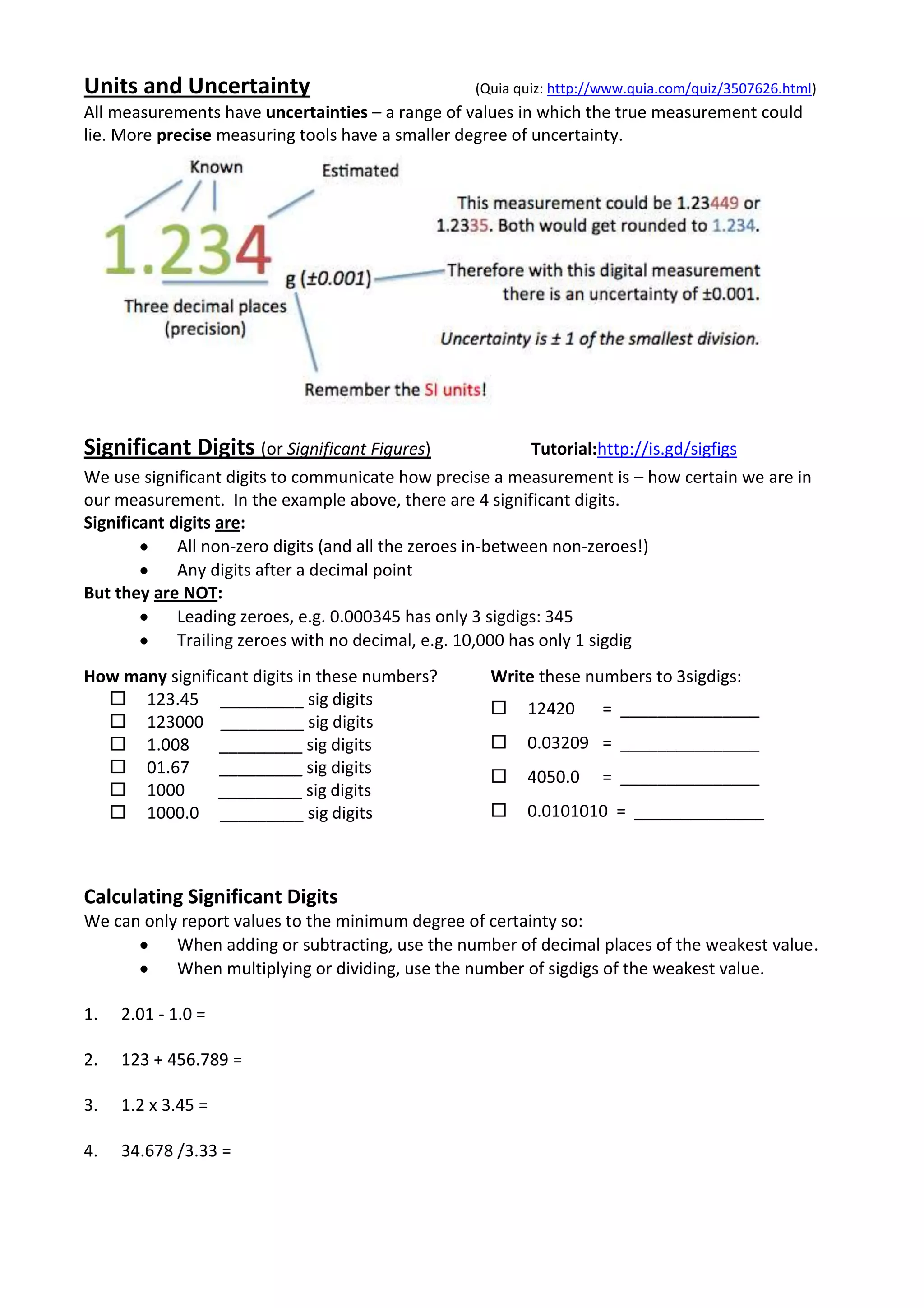
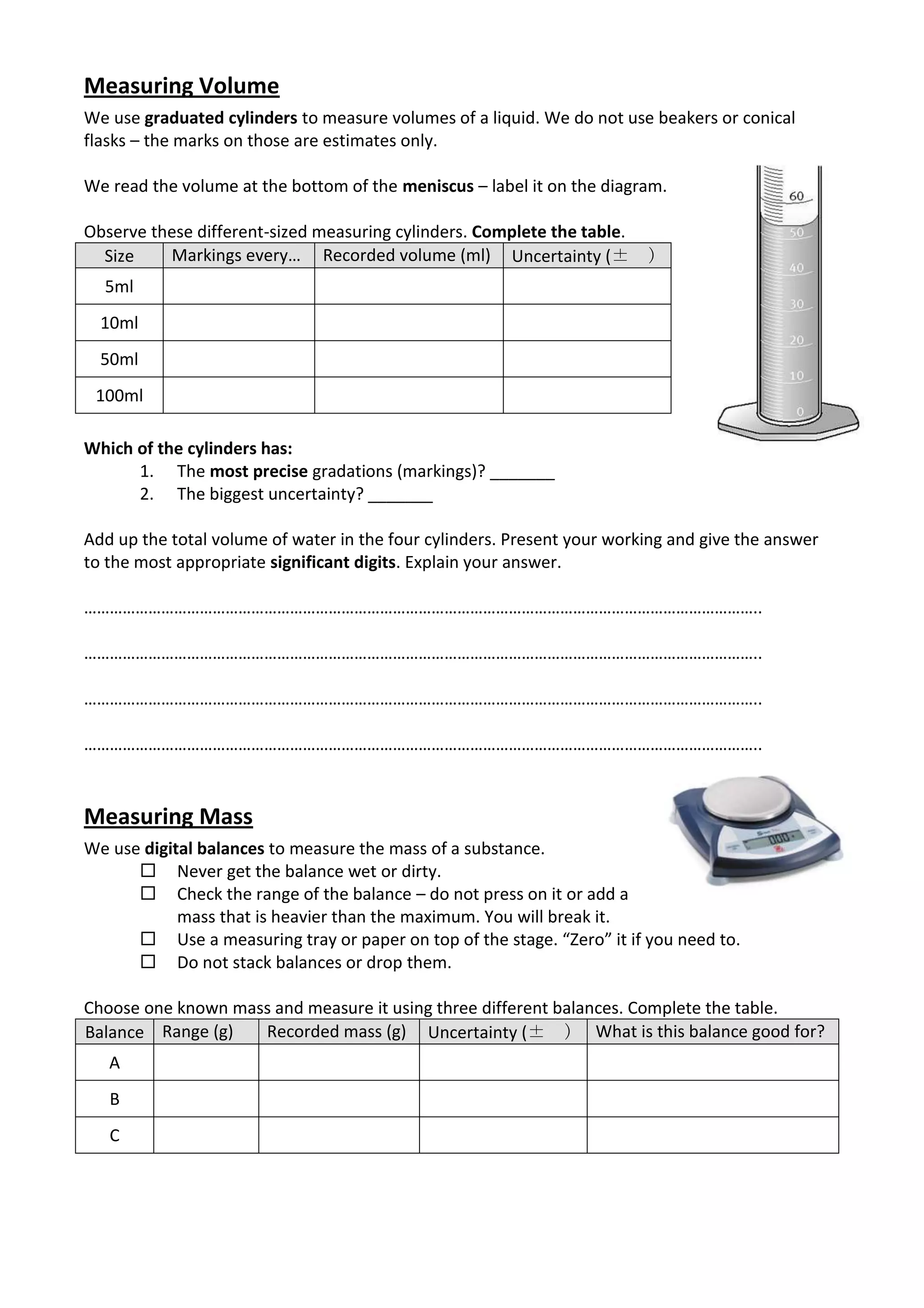
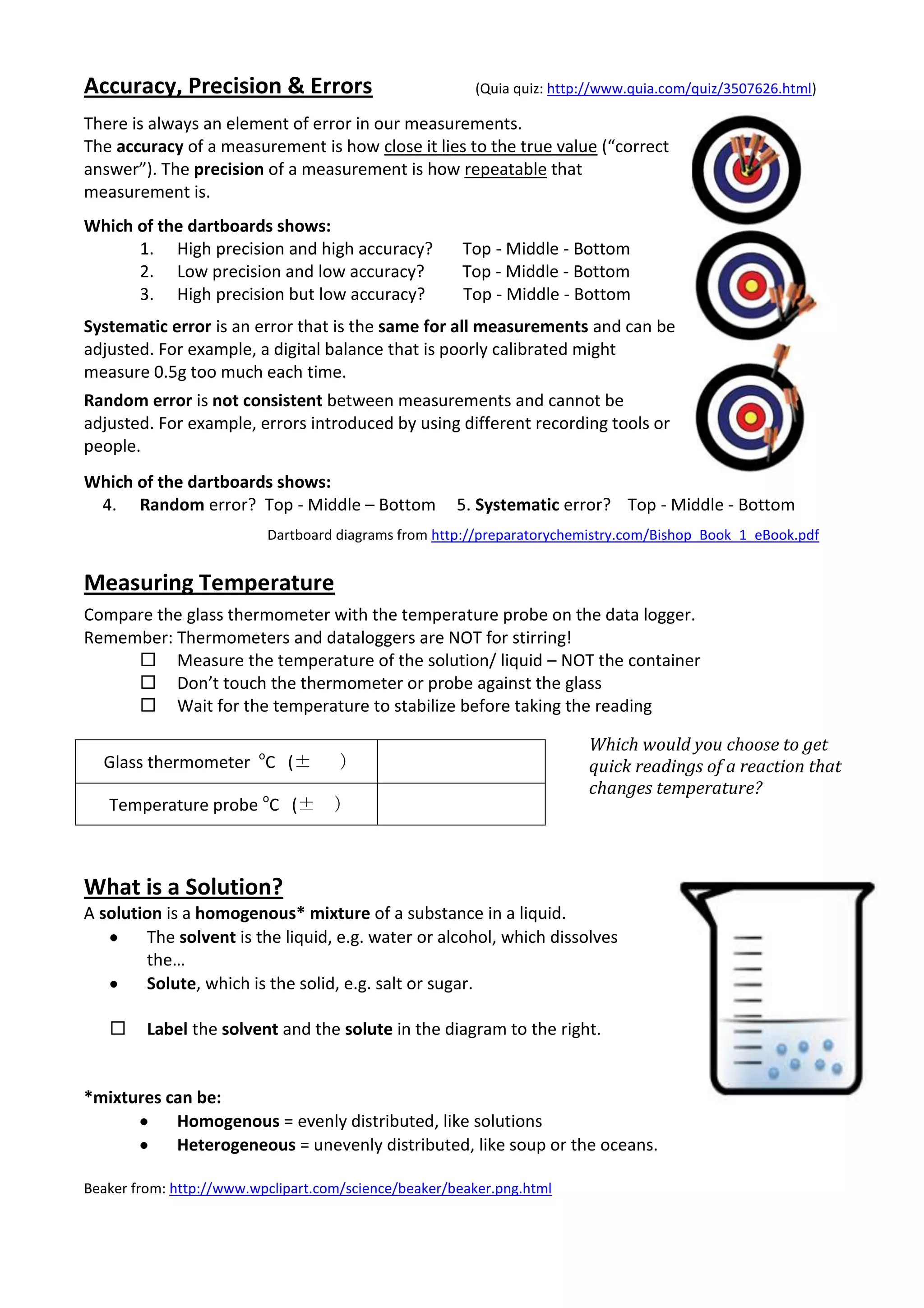
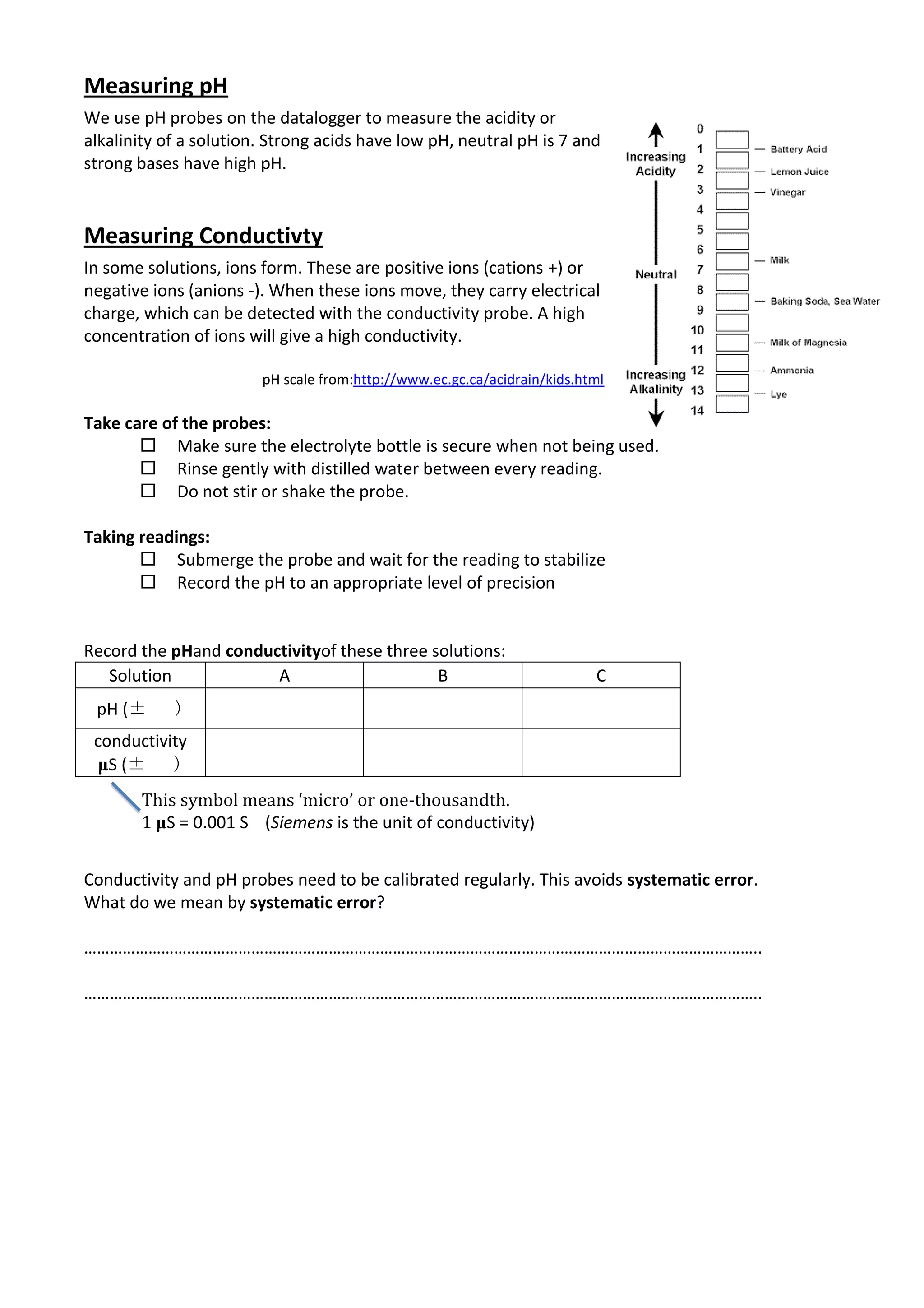
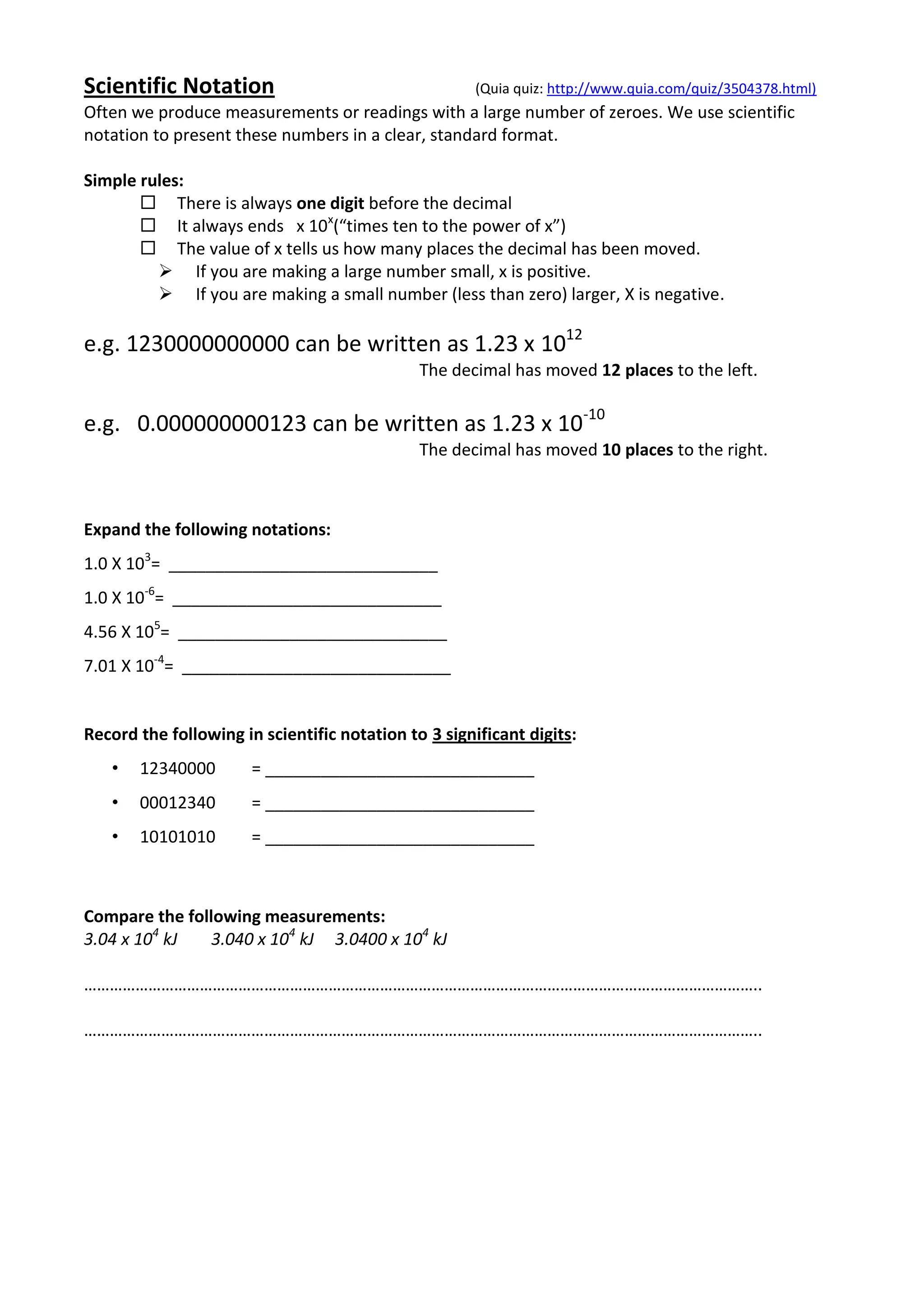

Here are the steps to improve the accuracy and precision of measurements: 1. Calibrate equipment regularly using standard samples of known mass/volume. This reduces systematic error. 2. Use appropriate precision tools - e.g. measuring cylinders for liquids, not beakers. This reduces random error. 3. Take multiple measurements and report the average. This reduces the effect of random error. 4. Record measurements to an appropriate number of significant figures based on the precision of the tool. This communicates the level of uncertainty. 5. Consider and report possible sources of error, both systematic and random. This provides full context for the results. Following these steps helps produce measurements that are both accurate to


![MYP: Mind The Gap [MA Assignment]](https://cdn.slidesharecdn.com/ss_thumbnails/taylorunderstandinglearnersandlearning-140319225723-phpapp01-thumbnail.jpg?width=640&height=640&fit=bounds)


