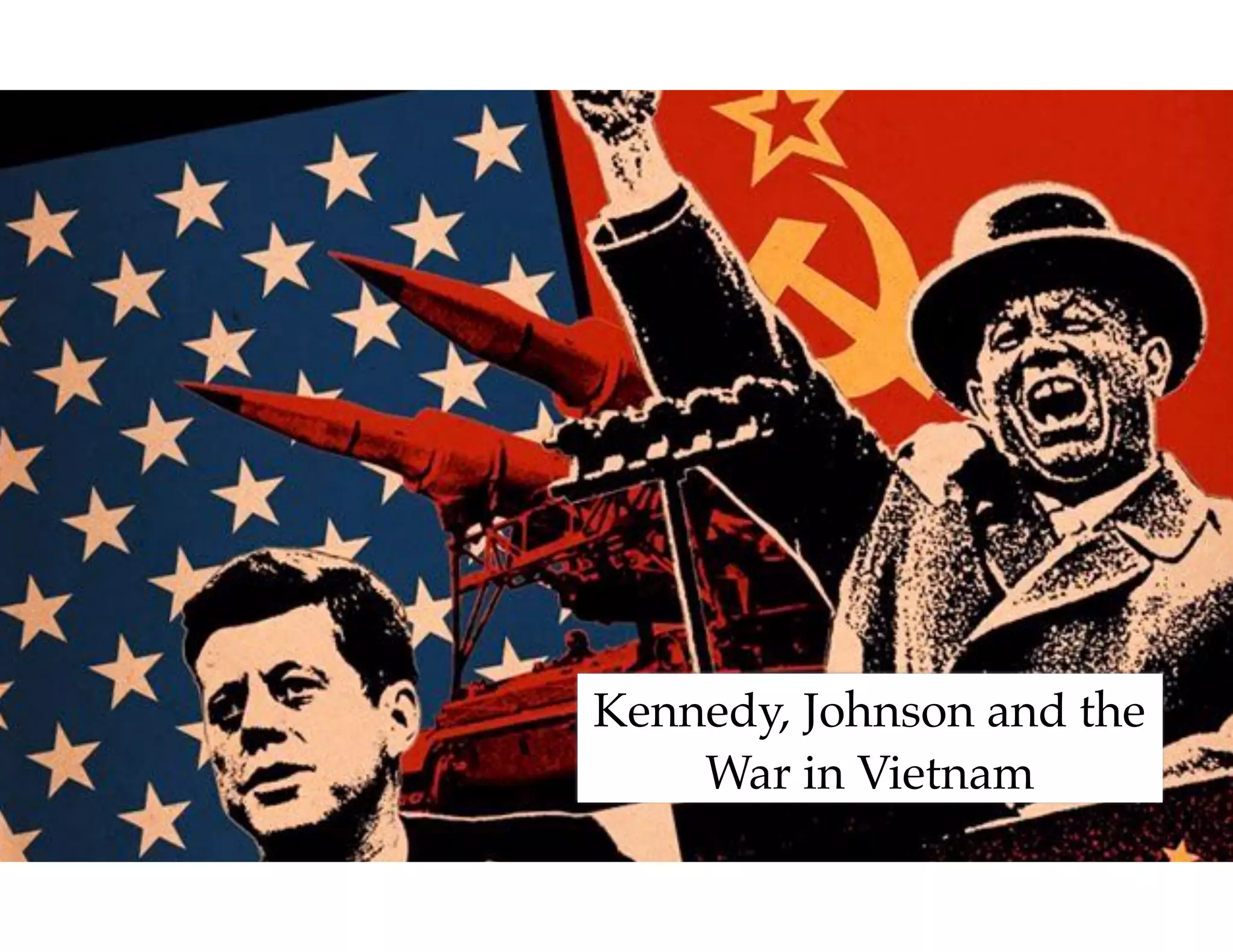
Kennedy, Johnson and the
War in Vietnam
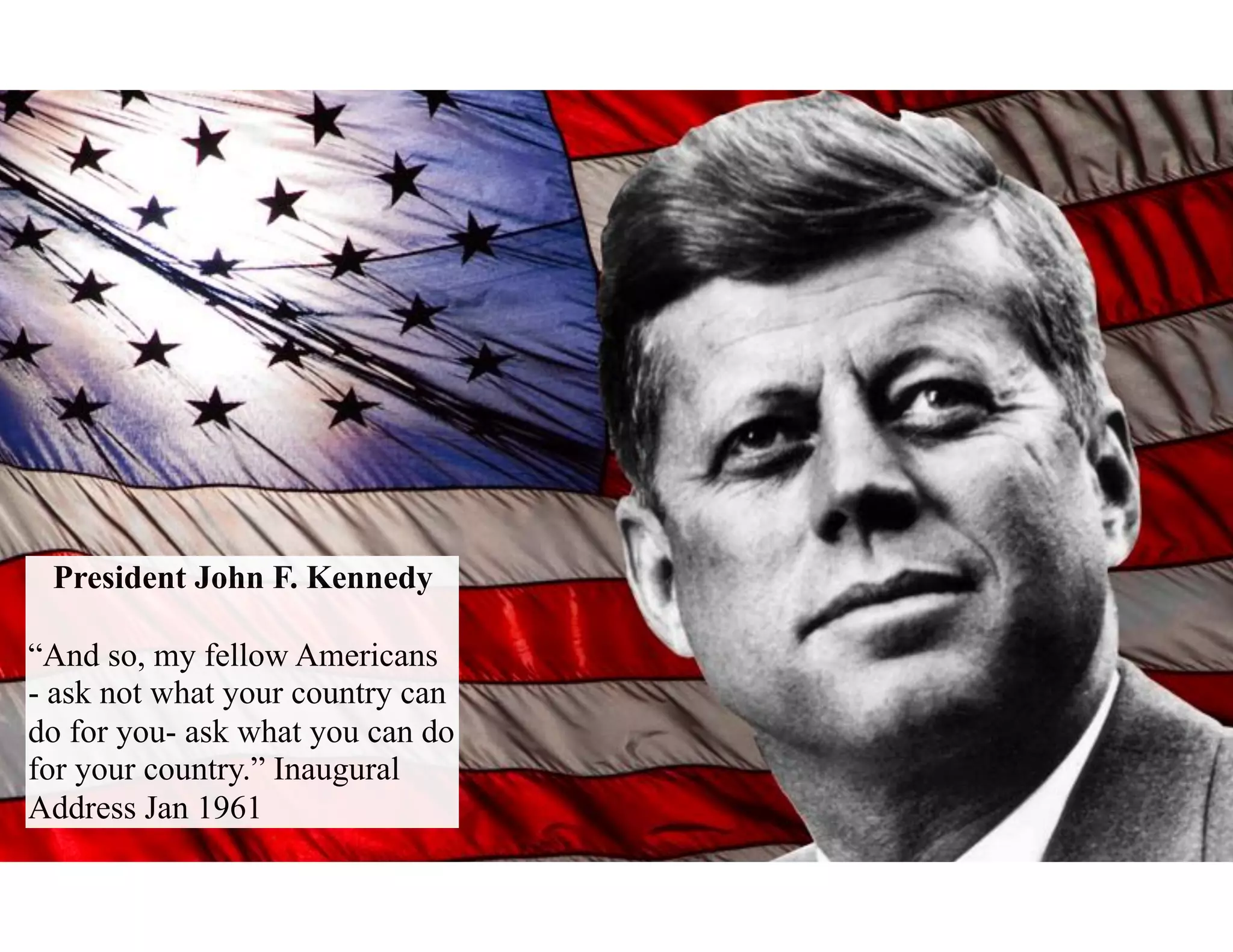
President John F. Kennedy
“And so, my fellow Americans
- ask not what your country can
do for you- ask what you can do
for your country.” Inaugural
Address Jan 1961
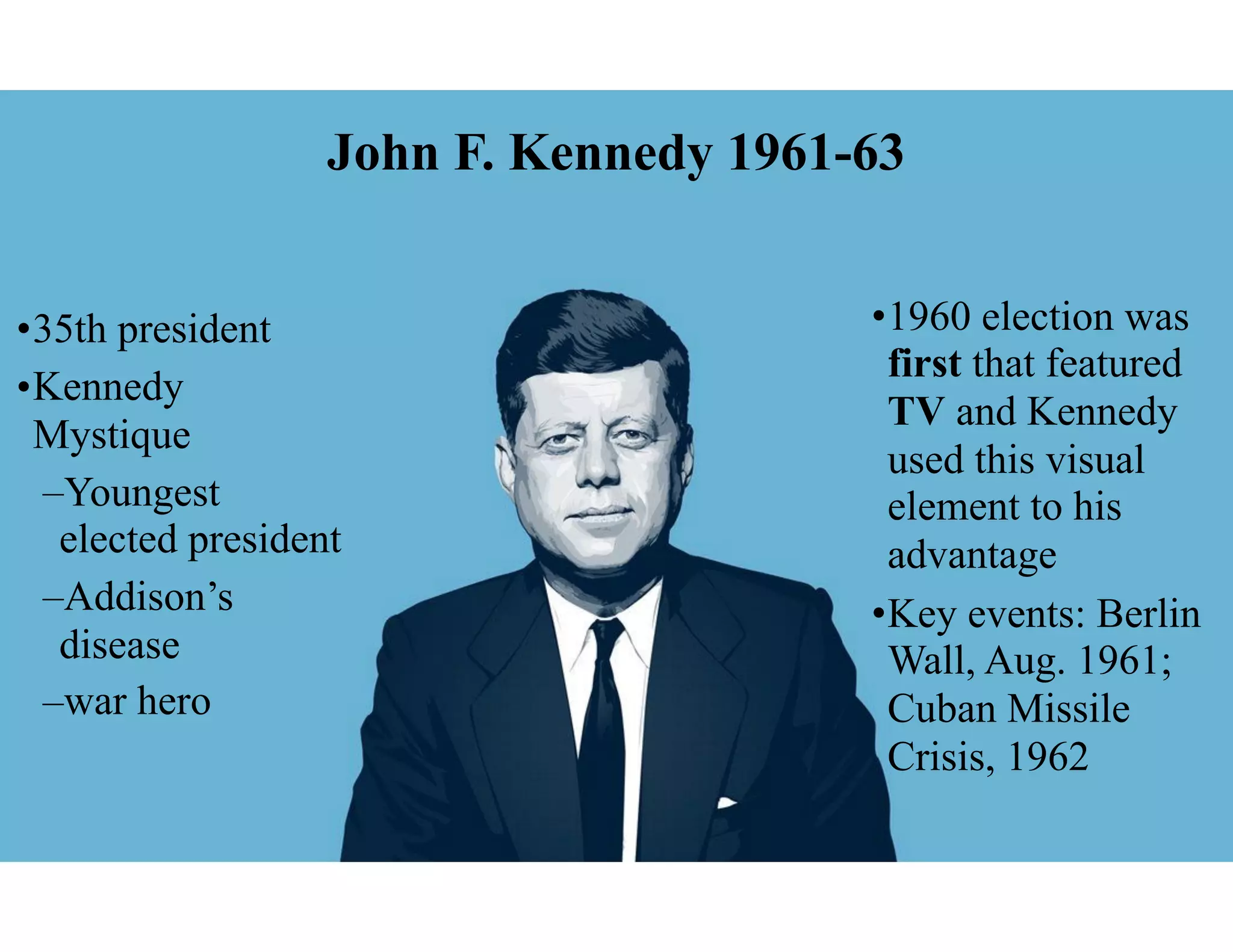
John F. Kennedy 1961-63
•35th president
•Kennedy
Mystique
–Youngest
elected president
–Addison’s
disease
–war hero
•1960 election was
first that featured
TV and Kennedy
used this visual
element to his
advantage
•Key events: Berlin
Wall, Aug. 1961;
Cuban Missile
Crisis, 1962
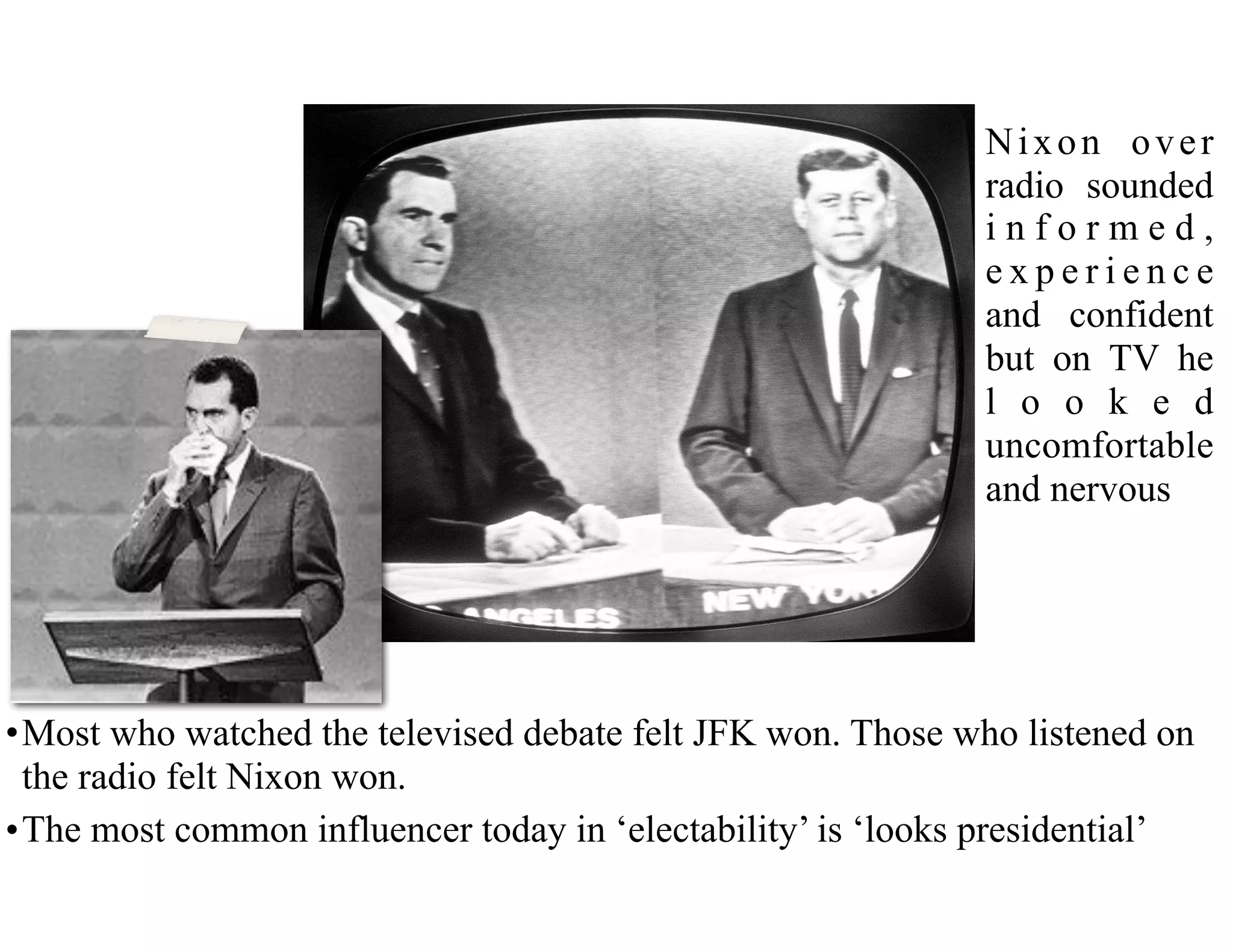
•Most who watched the televised debate felt JFK won. Those who listened on
the radio felt Nixon won.
•The most common influencer today in ‘electability’ is ‘looks presidential’
Nixon over
radio sounded
i n f o r m e d ,
e x p e r i e n c e
and confident
but on TV he
l o o k e d
uncomfortable
and nervous
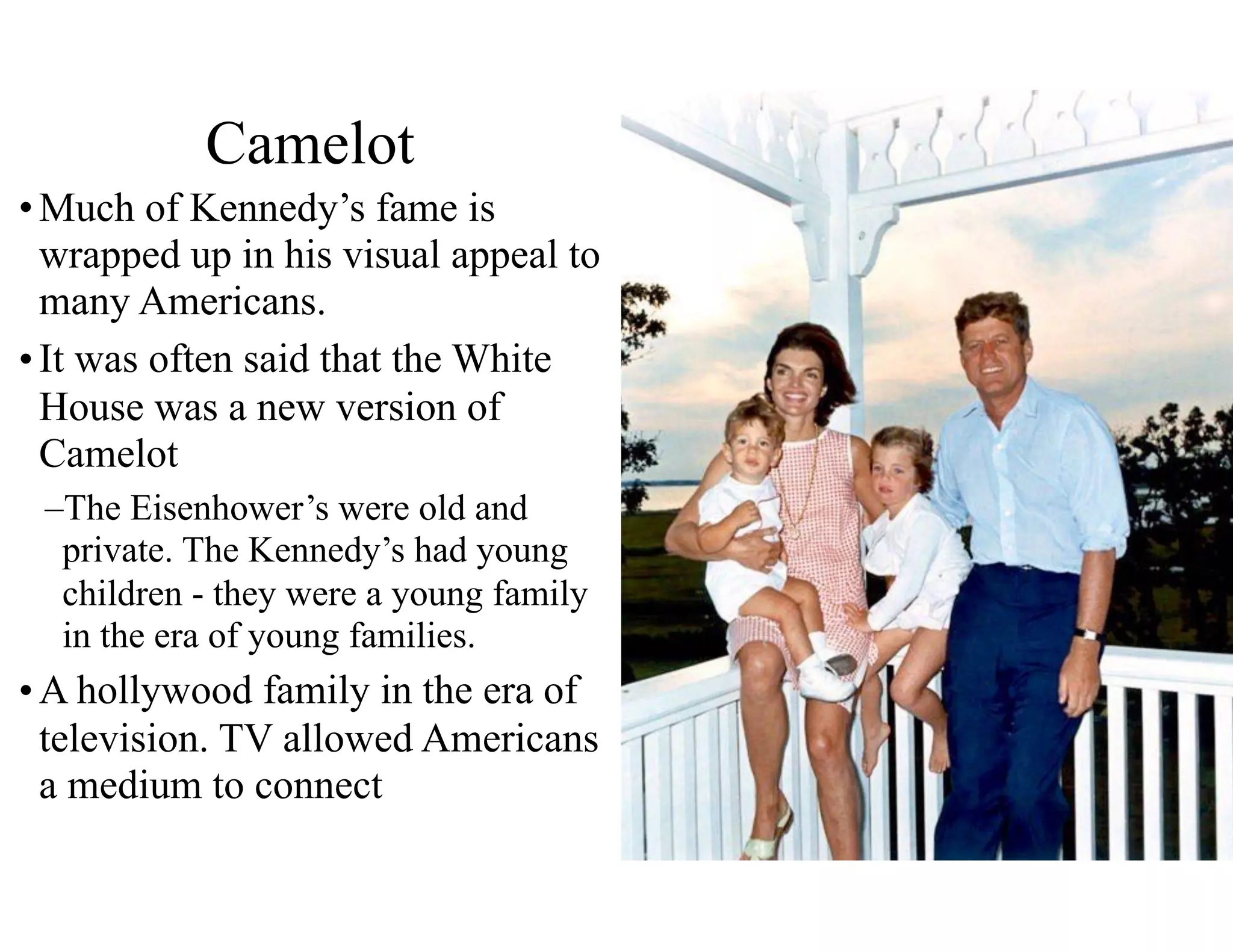
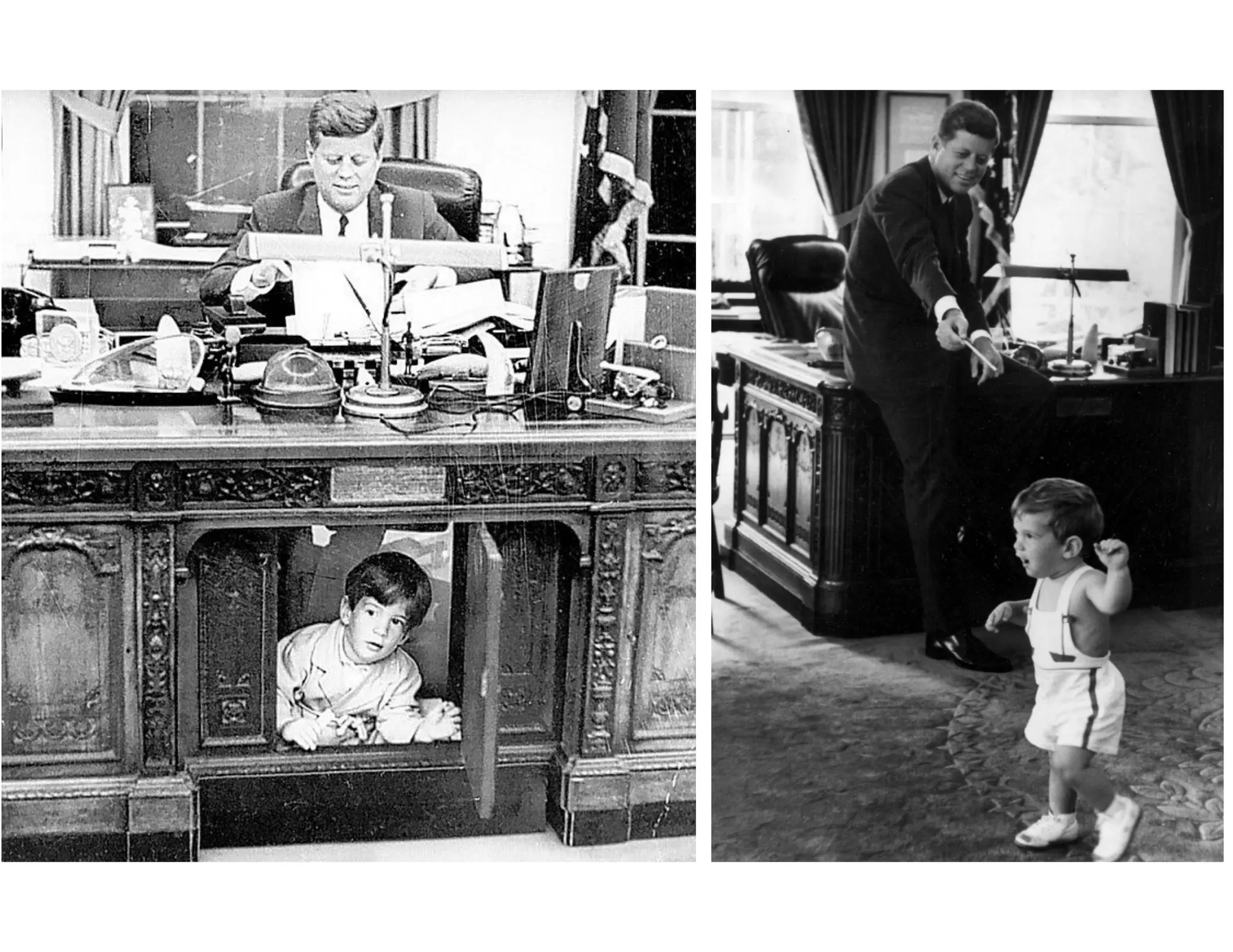
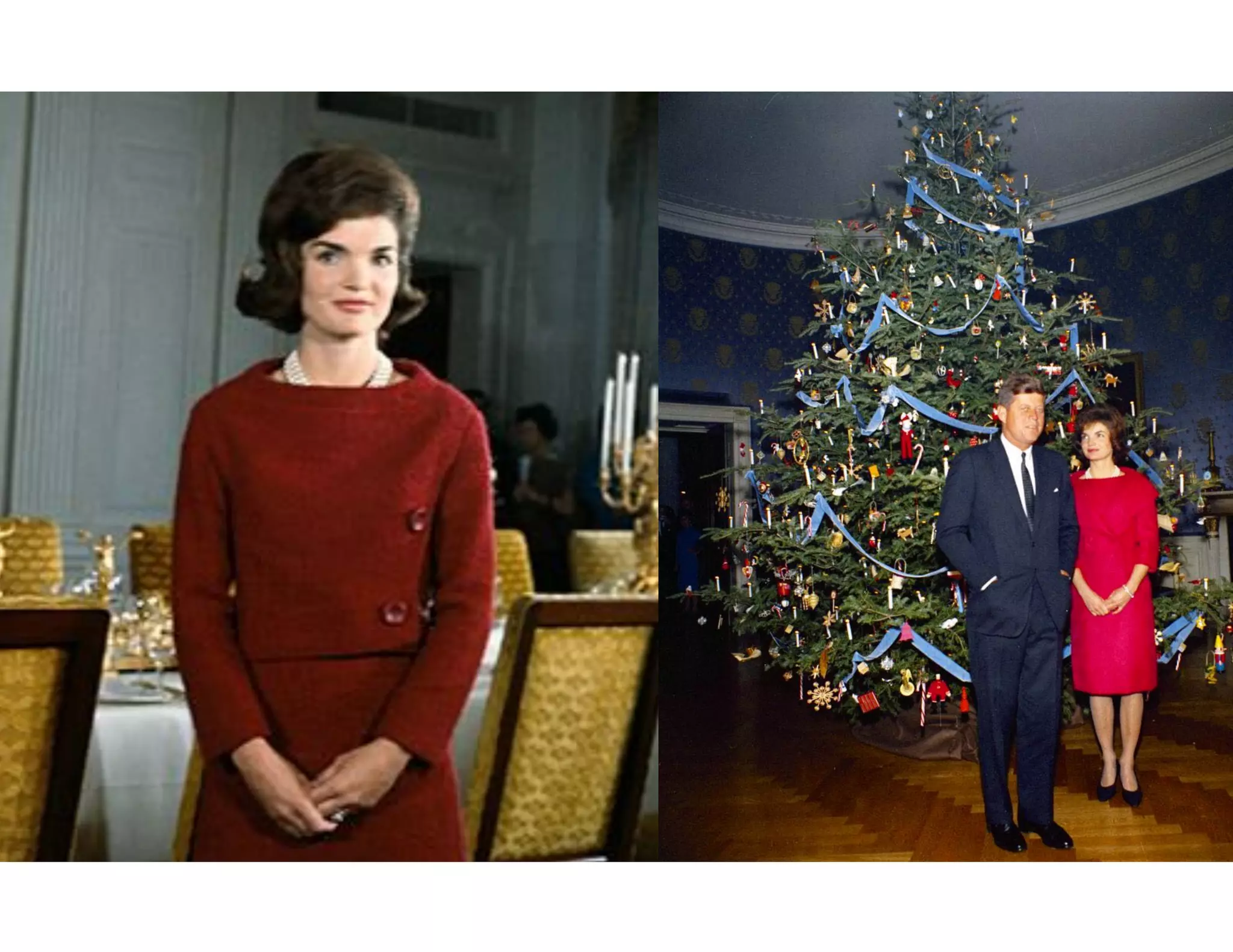
Camelot
•Much of Kennedy’s fame is
wrapped up in his visual appeal to
many Americans.
•It was often said that the White
House was a new version of
Camelot
–The Eisenhower’s were old and
private. The Kennedy’s had young
children - they were a young family
in the era of young families.
•A hollywood family in the era of
television. TV allowed Americans
a medium to connect
Space Program
•Oct. 4,1957 - Sputnik launches from USSR
–only 184 lbs but it orbited the globe every 92 mins.
•Nov, 1957 - Sputnik II (which weighed 1,120 lbs) carried
measuring equipment and Laika - the world’s first astro-
mutt?
•The Kennedy Administration concentrated on trying to
close the aerospace gap that emerged during the 1950s
between the US and USSR. Funding for NASA would
establish the Apollo program with astronaut training
•1958 - NASA is formed
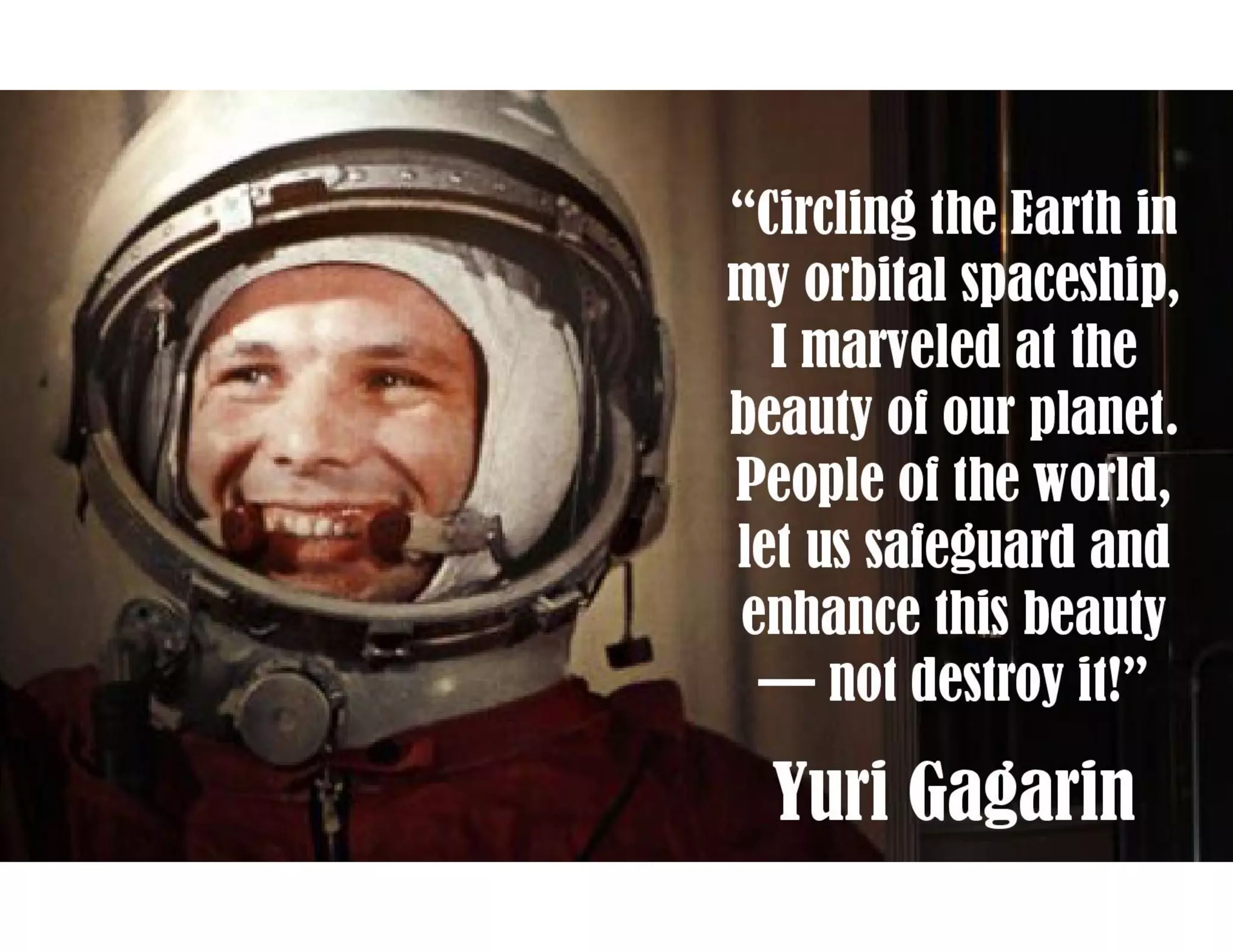
•1961 - Yuri Gagarin first person to orbit Earth
•1963 Apollo program started
•Results in six moon walks (starting 1969)
Oh little Sputnik
With made-in-Moscow beep,
You tell the world it’s a Commie sky
And Uncle Sam’s asleep
Space Program
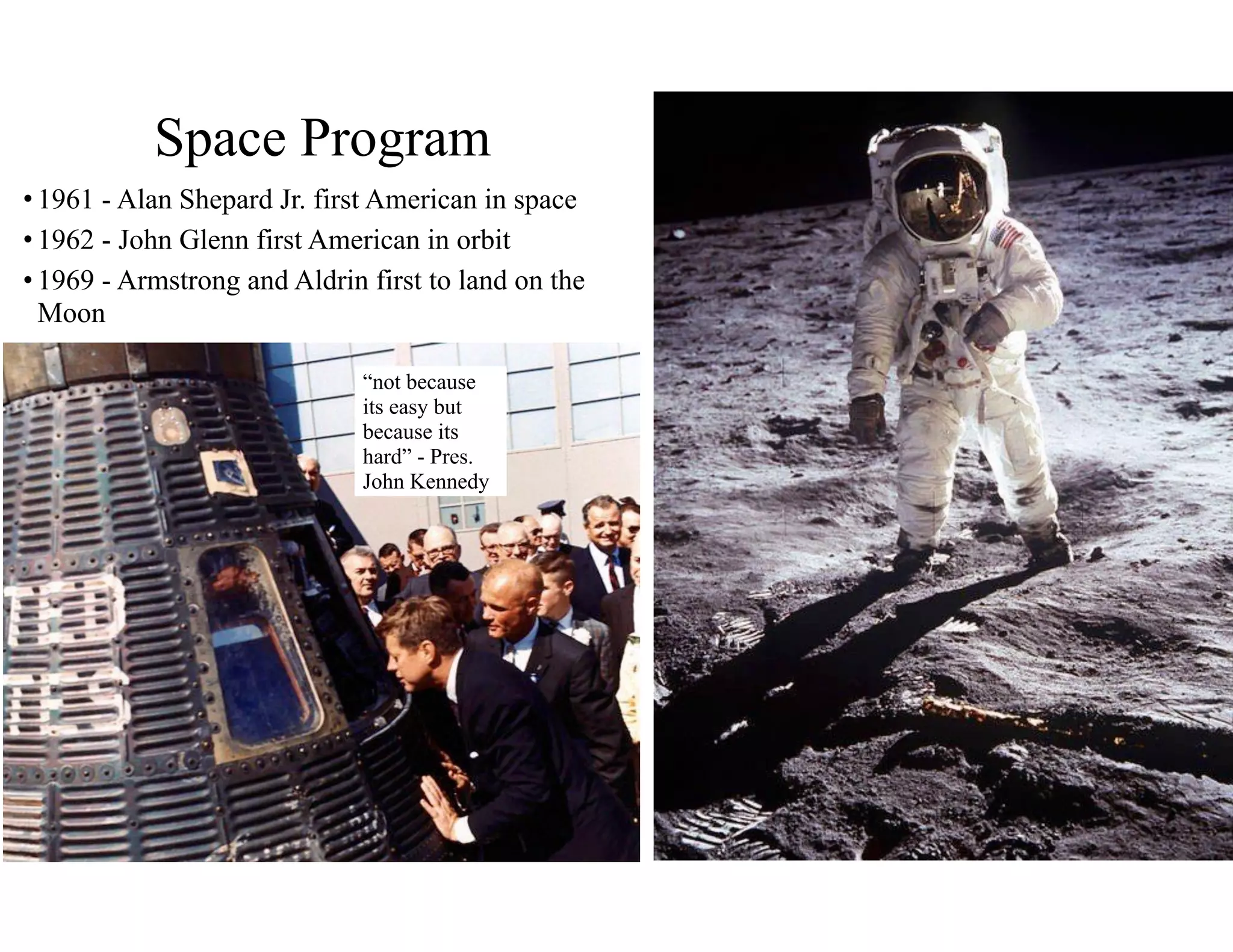
• 1961 - Alan Shepard Jr. first American in space
• 1962 - John Glenn first American in orbit
• 1969 - Armstrong and Aldrin first to land on the
Moon
“not because
its easy but
because its
hard” - Pres.
John Kennedy
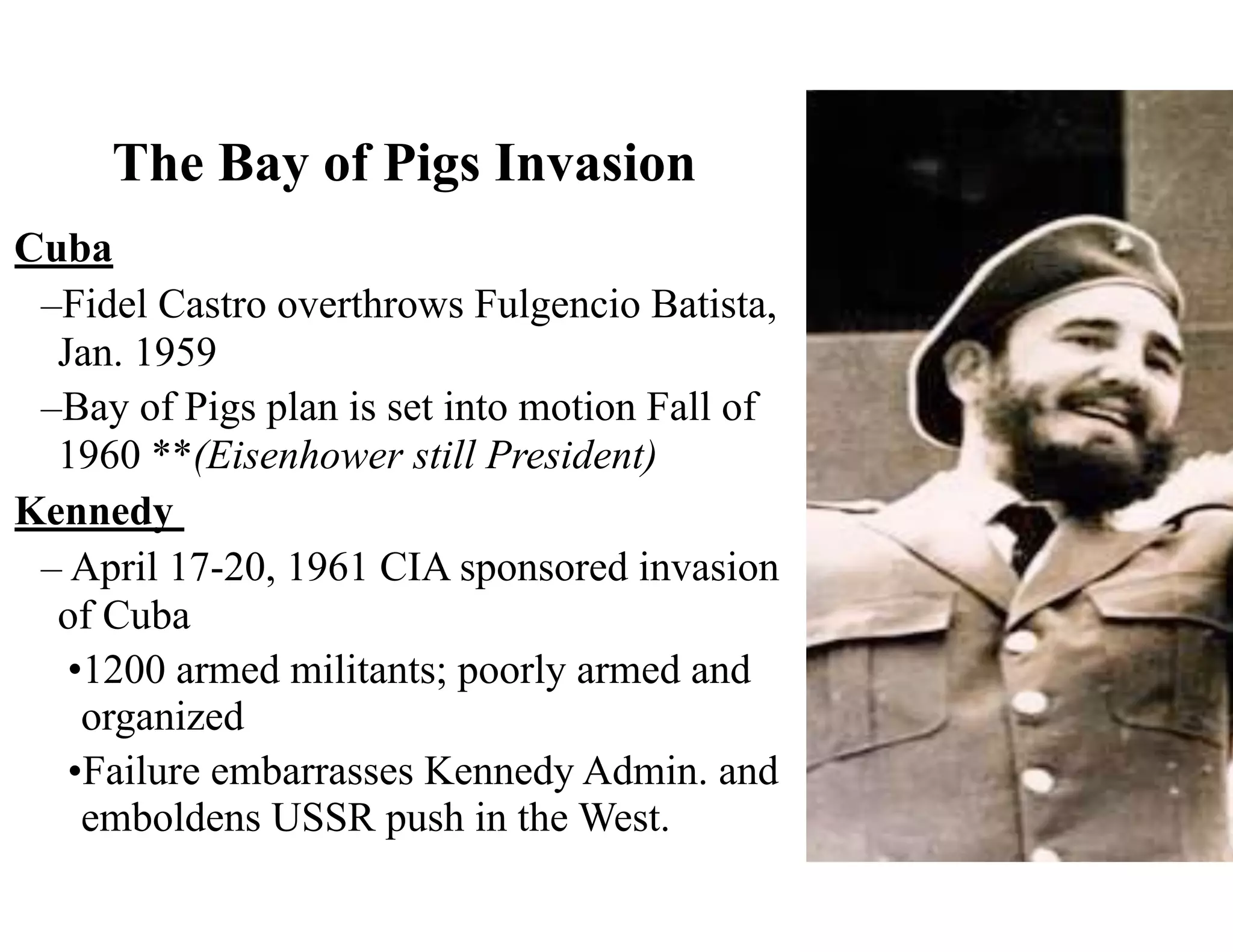
The Bay of Pigs Invasion
Cuba
–Fidel Castro overthrows Fulgencio Batista,
Jan. 1959
–Bay of Pigs plan is set into motion Fall of
1960 **(Eisenhower still President)
Kennedy
– April 17-20, 1961 CIA sponsored invasion
of Cuba
•1200 armed militants; poorly armed and
organized
•Failure embarrasses Kennedy Admin. and
emboldens USSR push in the West.
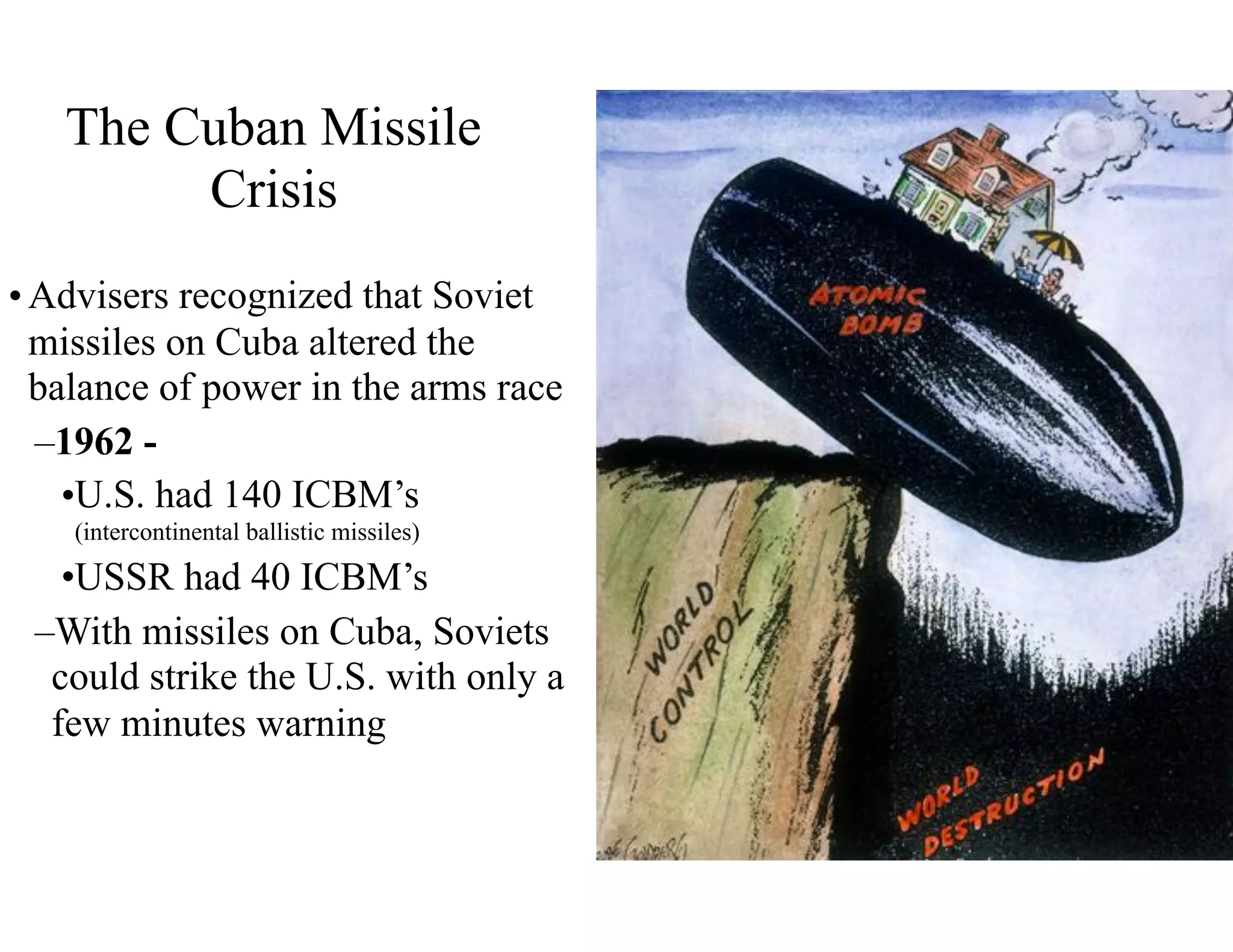
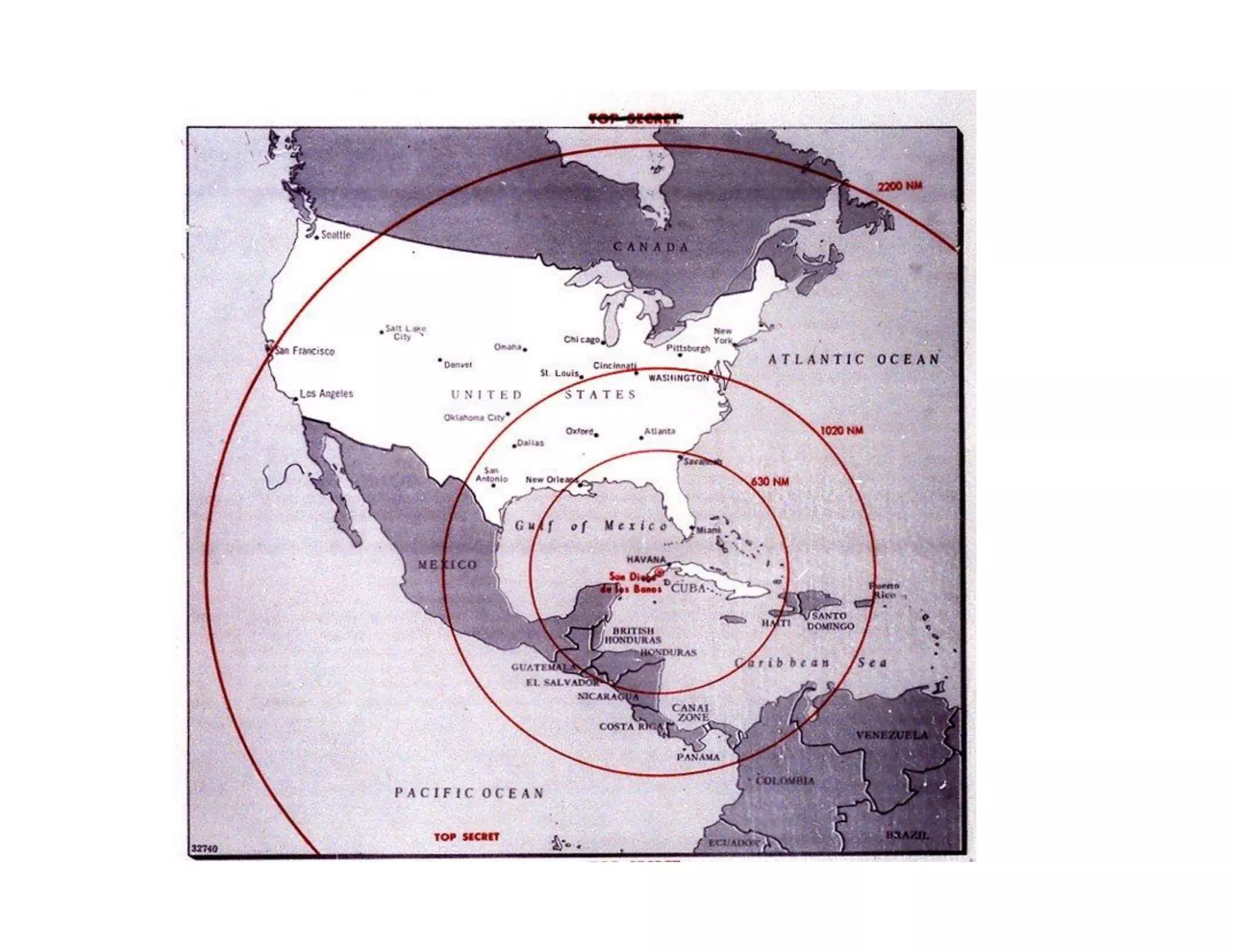
The Cuban Missile
Crisis
•Advisers recognized that Soviet
missiles on Cuba altered the
balance of power in the arms race
–1962 -
•U.S. had 140 ICBM’s
(intercontinental ballistic missiles)
•USSR had 40 ICBM’s
–With missiles on Cuba, Soviets
could strike the U.S. with only a
few minutes warning
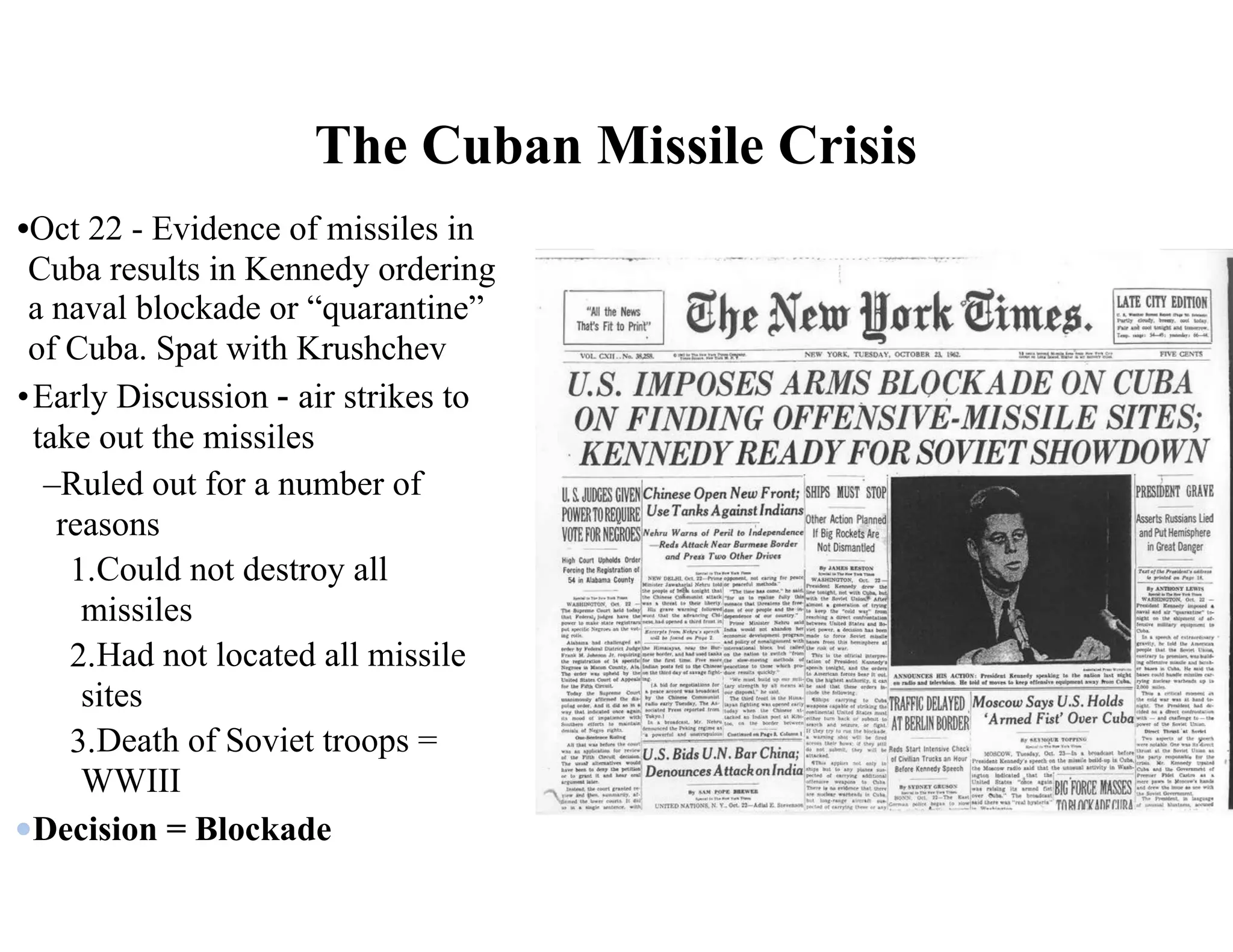
•Oct 22 - Evidence of missiles in
Cuba results in Kennedy ordering
a naval blockade or “quarantine”
of Cuba. Spat with Krushchev
•Early Discussion - air strikes to
take out the missiles
–Ruled out for a number of
reasons
1.Could not destroy all
missiles
2.Had not located all missile
sites
3.Death of Soviet troops =
WWIII
Decision = Blockade
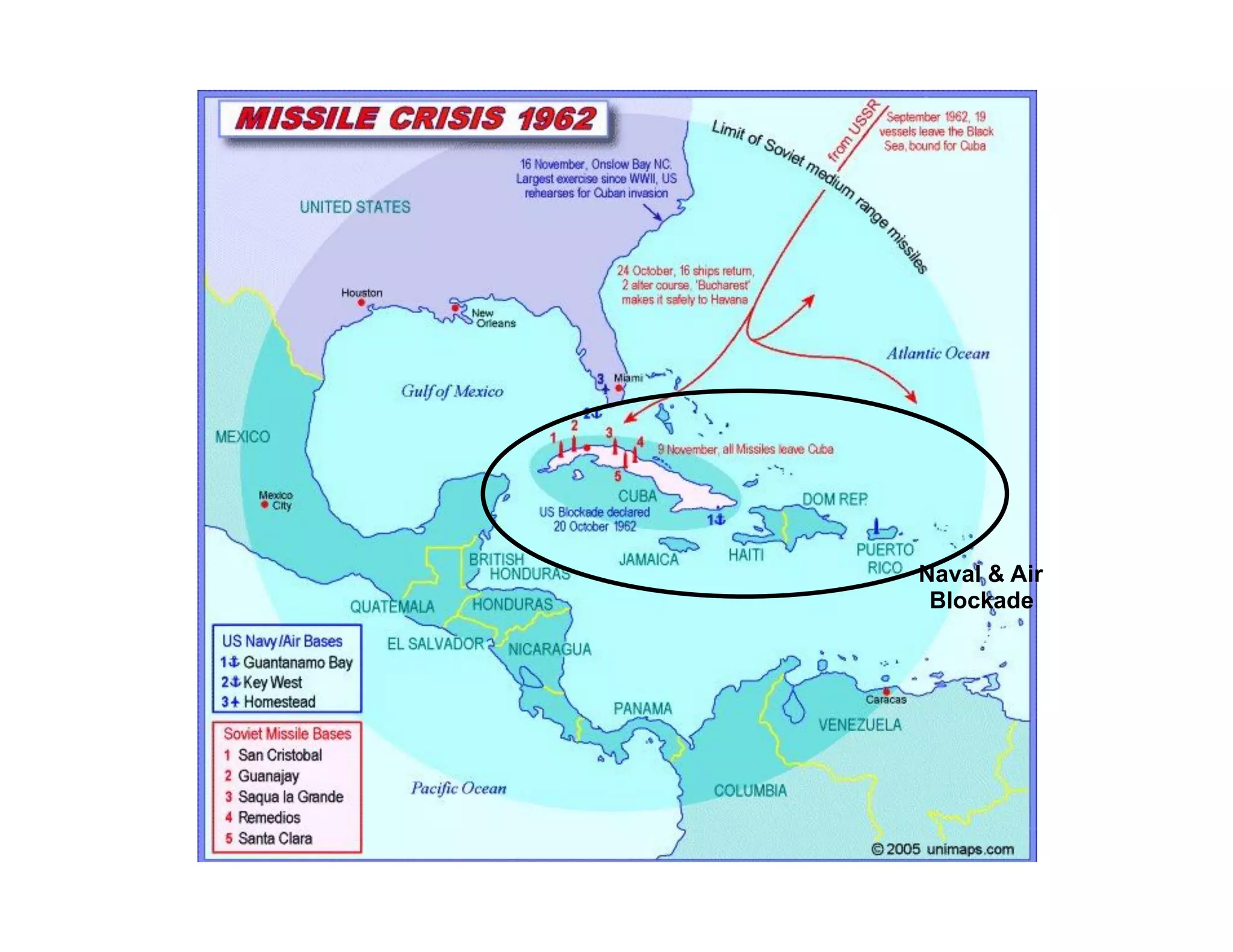
The Cuban Missile Crisis
Naval & Air
Blockade
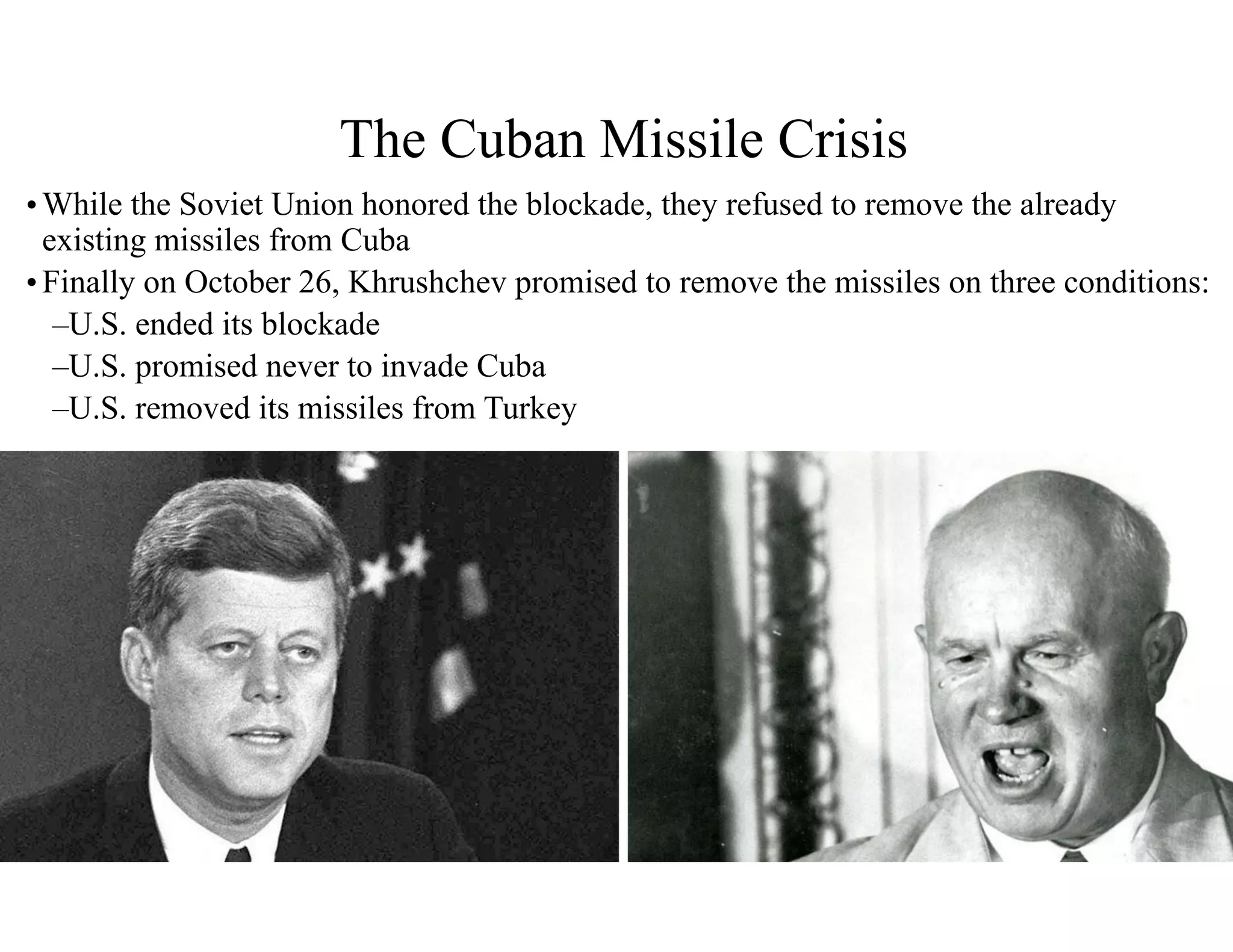
•While the Soviet Union honored the blockade, they refused to remove the already
existing missiles from Cuba
•Finally on October 26, Khrushchev promised to remove the missiles on three conditions:
–U.S. ended its blockade
–U.S. promised never to invade Cuba
–U.S. removed its missiles from Turkey
The Cuban Missile Crisis
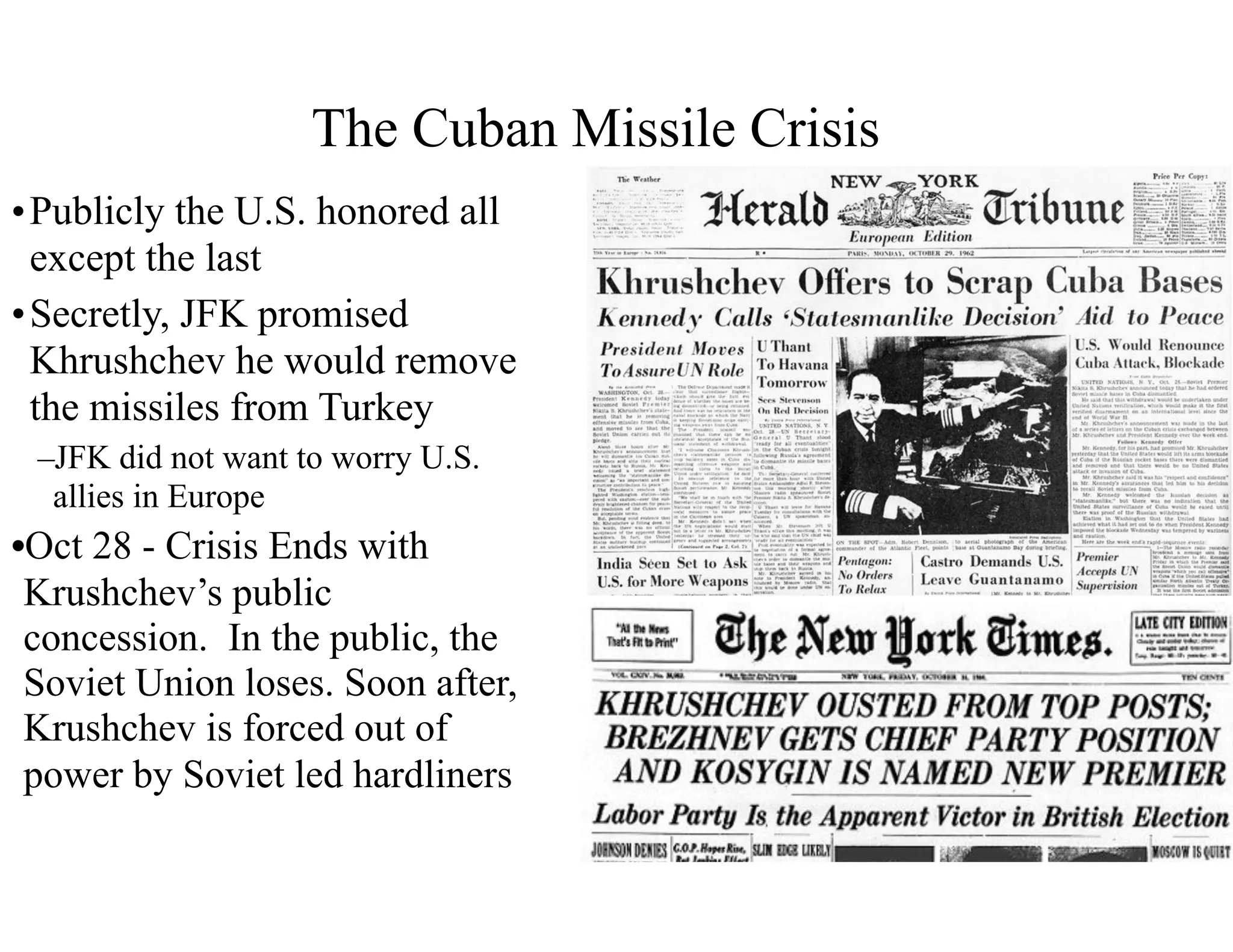
•Publicly the U.S. honored all
except the last
•Secretly, JFK promised
Khrushchev he would remove
the missiles from Turkey
–JFK did not want to worry U.S.
allies in Europe
•Oct 28 - Crisis Ends with
Krushchev’s public
concession. In the public, the
Soviet Union loses. Soon after,
Krushchev is forced out of
power by Soviet led hardliners
The Cuban Missile Crisis
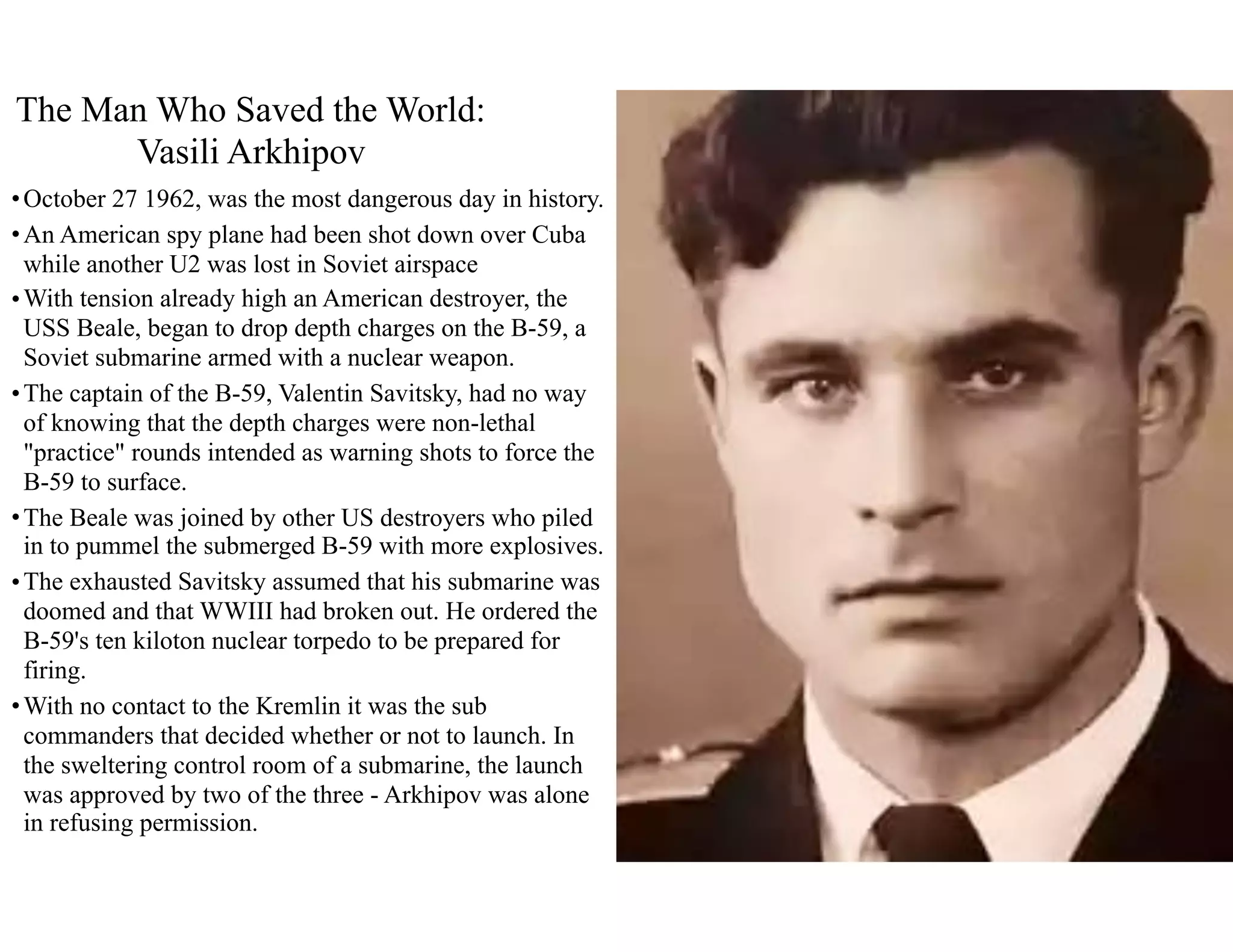
•October 27 1962, was the most dangerous day in history.
•An American spy plane had been shot down over Cuba
while another U2 was lost in Soviet airspace
•With tension already high an American destroyer, the
USS Beale, began to drop depth charges on the B-59, a
Soviet submarine armed with a nuclear weapon.
•The captain of the B-59, Valentin Savitsky, had no way
of knowing that the depth charges were non-lethal
"practice" rounds intended as warning shots to force the
B-59 to surface.
•The Beale was joined by other US destroyers who piled
in to pummel the submerged B-59 with more explosives.
•The exhausted Savitsky assumed that his submarine was
doomed and that WWIII had broken out. He ordered the
B-59's ten kiloton nuclear torpedo to be prepared for
firing.
•With no contact to the Kremlin it was the sub
commanders that decided whether or not to launch. In
the sweltering control room of a submarine, the launch
was approved by two of the three - Arkhipov was alone
in refusing permission.
The Man Who Saved the World:
Vasili Arkhipov
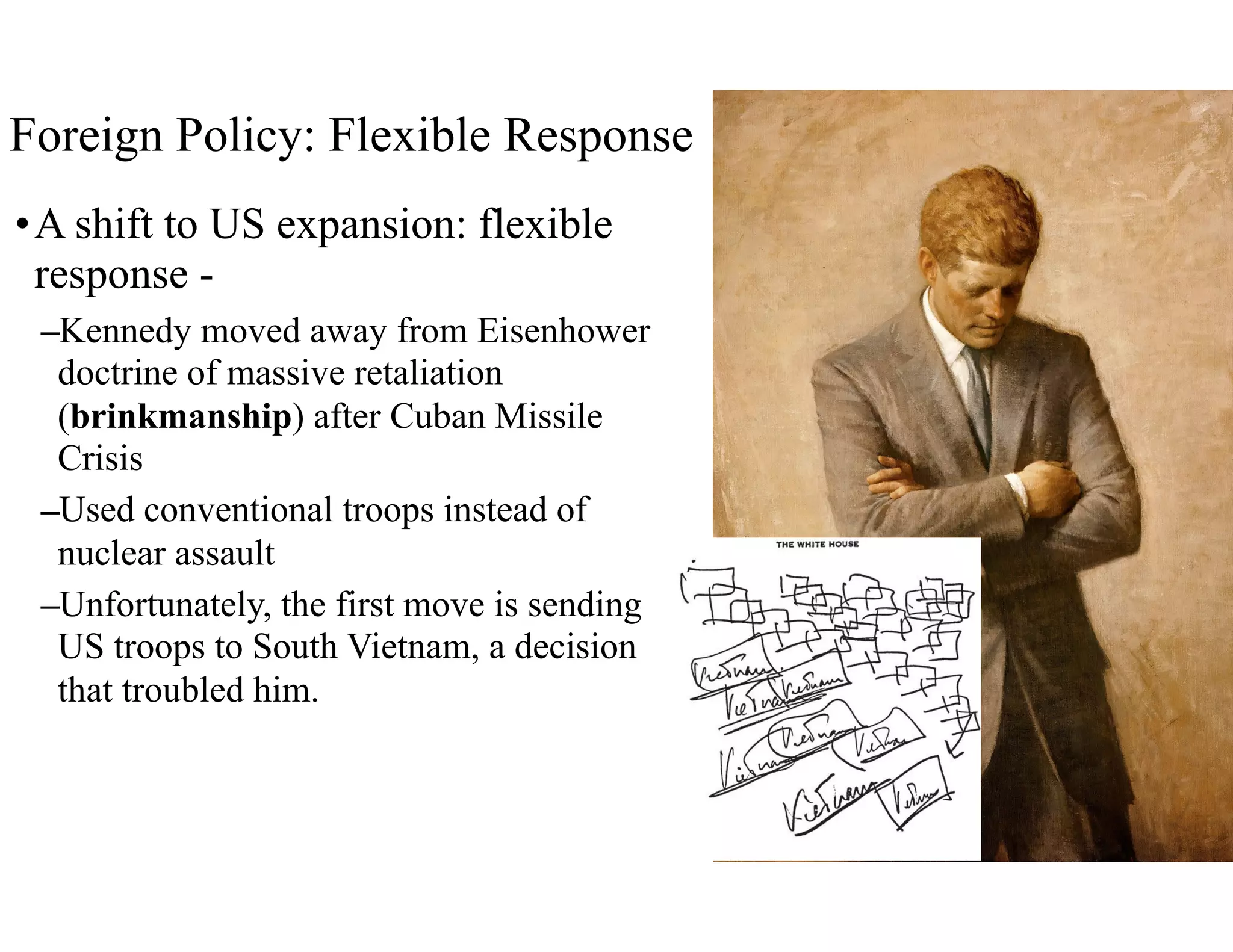
Foreign Policy: Flexible Response
•A shift to US expansion: flexible
response -
–Kennedy moved away from Eisenhower
doctrine of massive retaliation
(brinkmanship) after Cuban Missile
Crisis
–Used conventional troops instead of
nuclear assault
–Unfortunately, the first move is sending
US troops to South Vietnam, a decision
that troubled him.
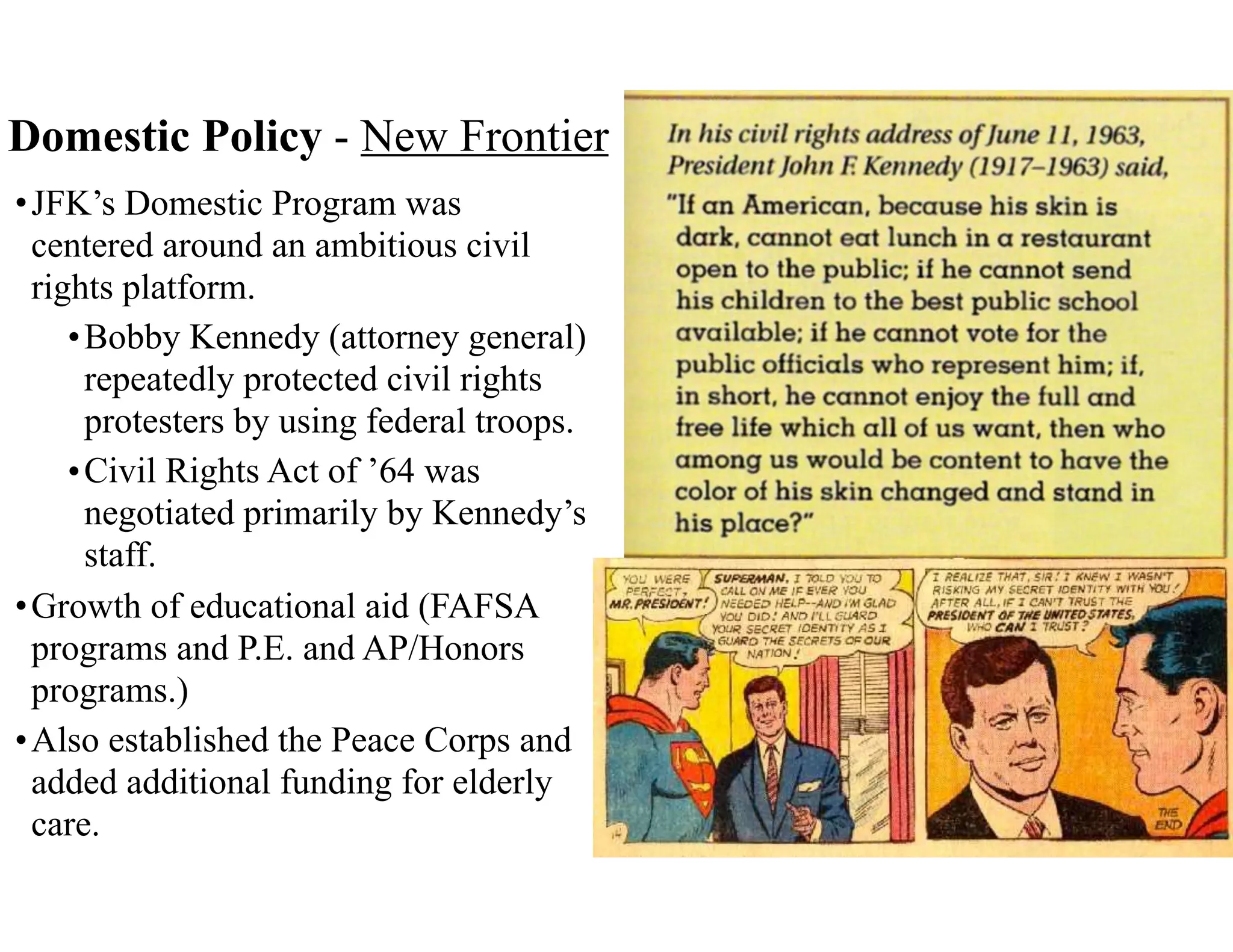
Domestic Policy - New Frontier
•JFK’s Domestic Program was
centered around an ambitious civil
rights platform.
•Bobby Kennedy (attorney general)
repeatedly protected civil rights
protesters by using federal troops.
•Civil Rights Act of ’64 was
negotiated primarily by Kennedy’s
staff.
•Growth of educational aid (FAFSA
programs and P.E. and AP/Honors
programs.)
•Also established the Peace Corps and
added additional funding for elderly
care.
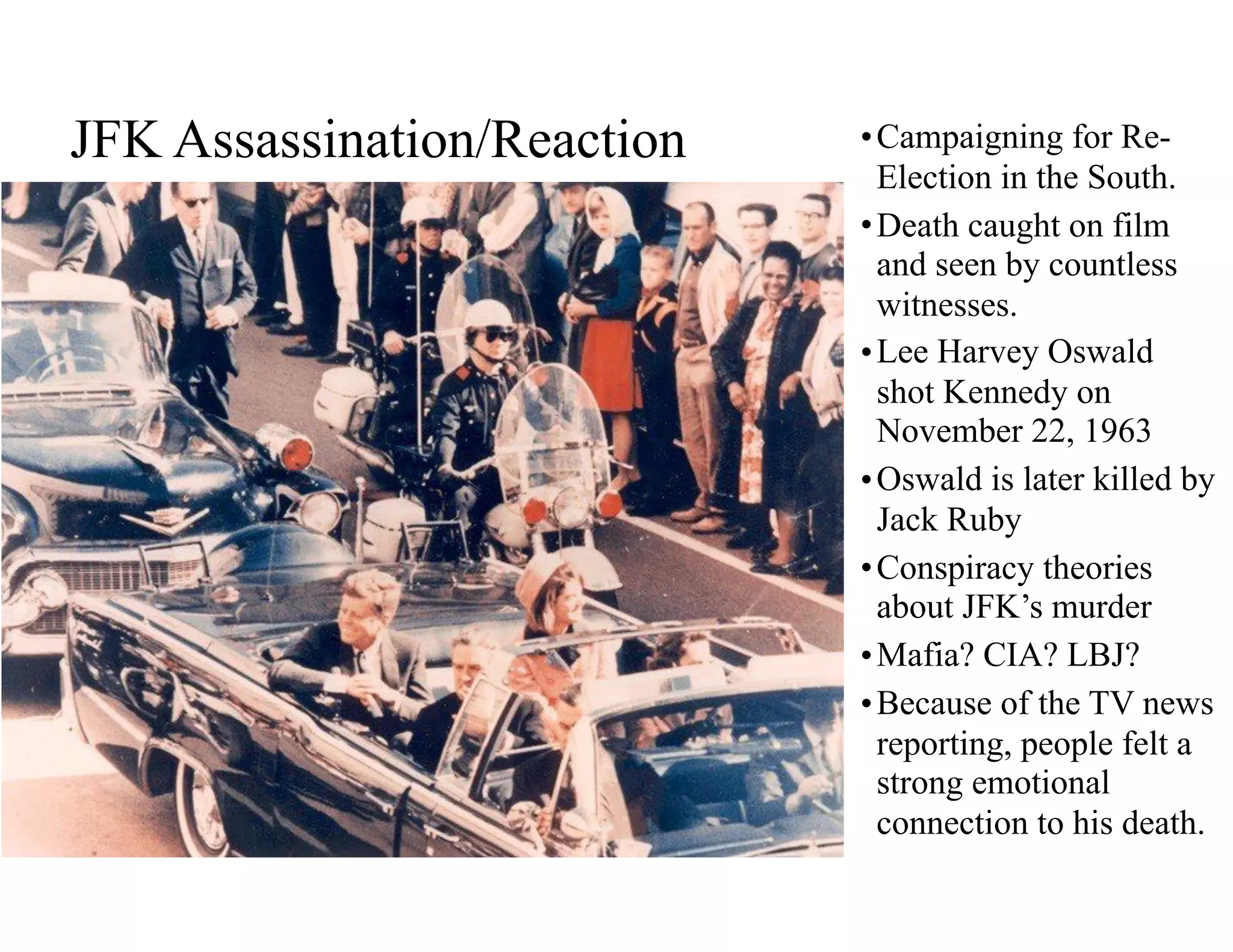
JFK Assassination/Reaction •Campaigning for Re-
Election in the South.
•Death caught on film
and seen by countless
witnesses.
•Lee Harvey Oswald
shot Kennedy on
November 22, 1963
•Oswald is later killed by
Jack Ruby
•Conspiracy theories
about JFK’s murder
•Mafia? CIA? LBJ?
•Because of the TV news
reporting, people felt a
strong emotional
connection to his death.
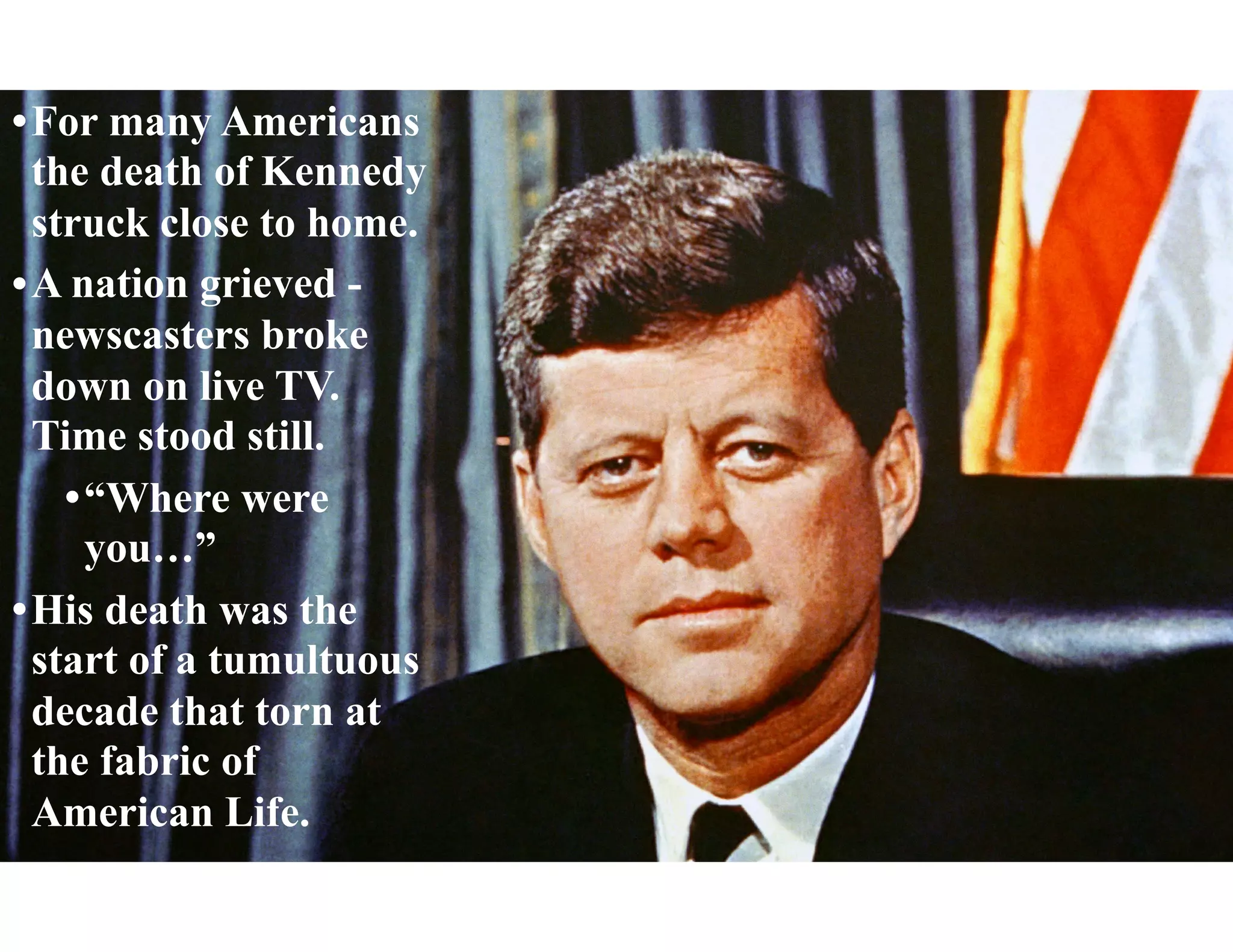
•For many Americans
the death of Kennedy
struck close to home.
•A nation grieved -
newscasters broke
down on live TV.
Time stood still.
•“Where were
you…”
•His death was the
start of a tumultuous
decade that torn at
the fabric of
American Life.
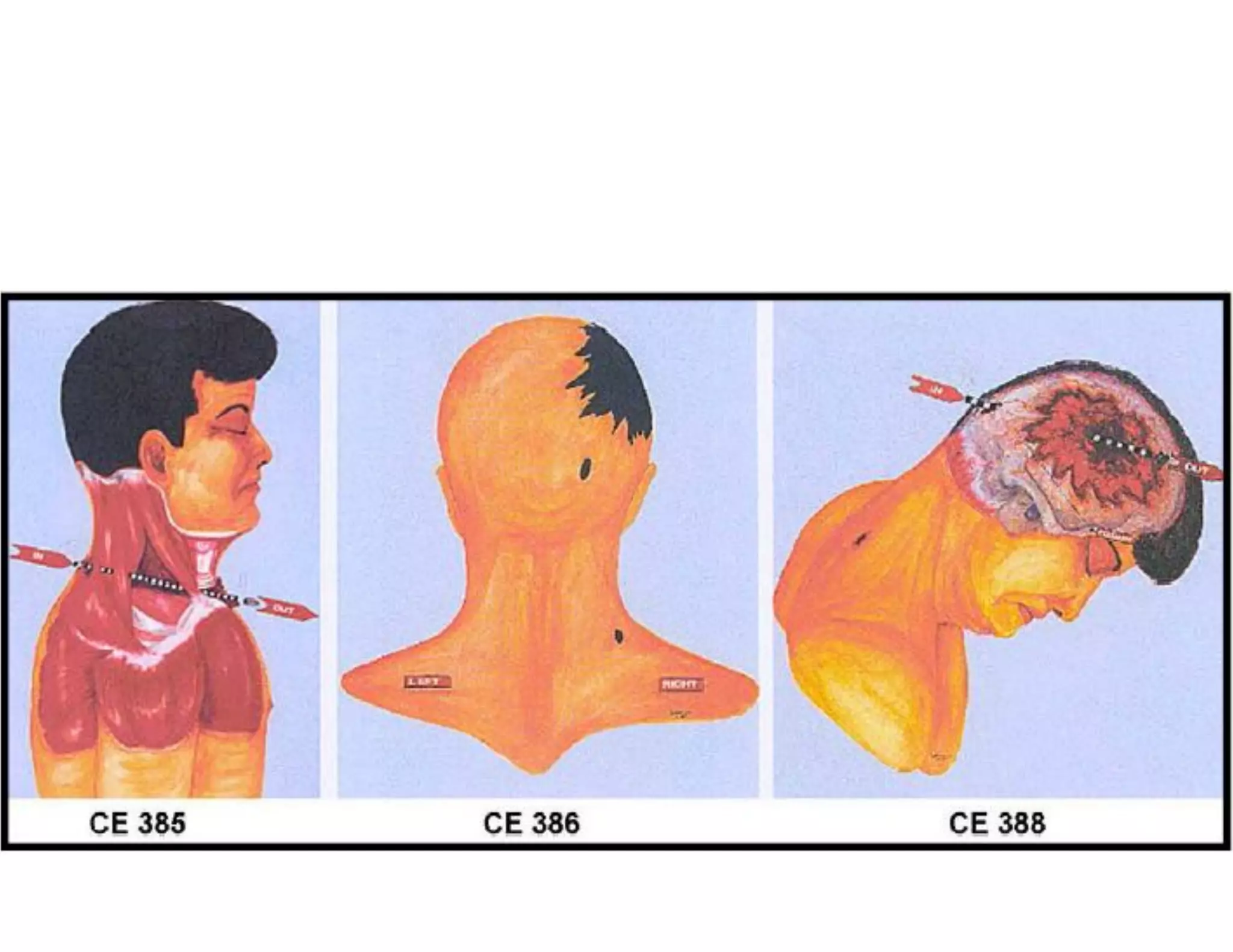
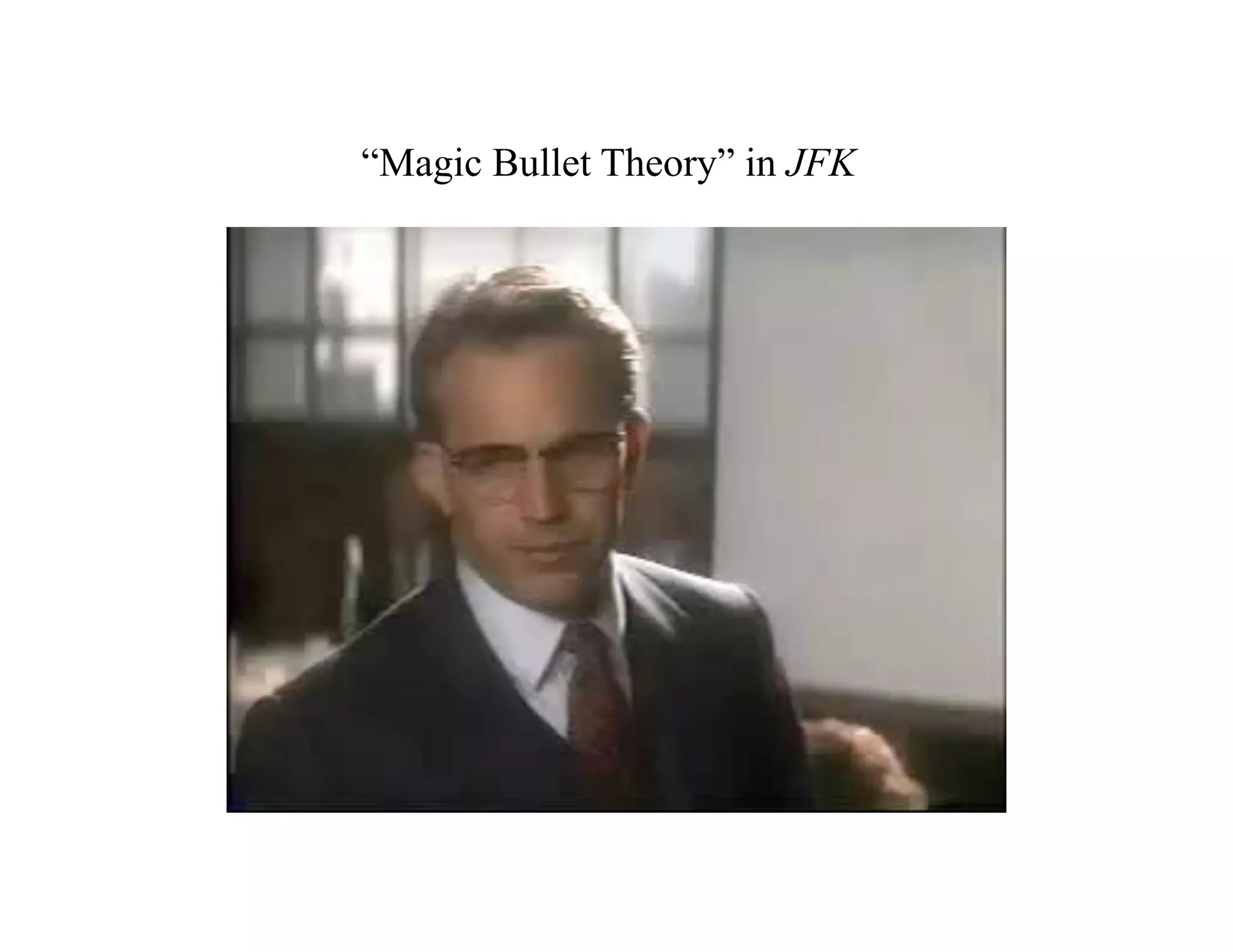
“Magic Bullet Theory” in JFK
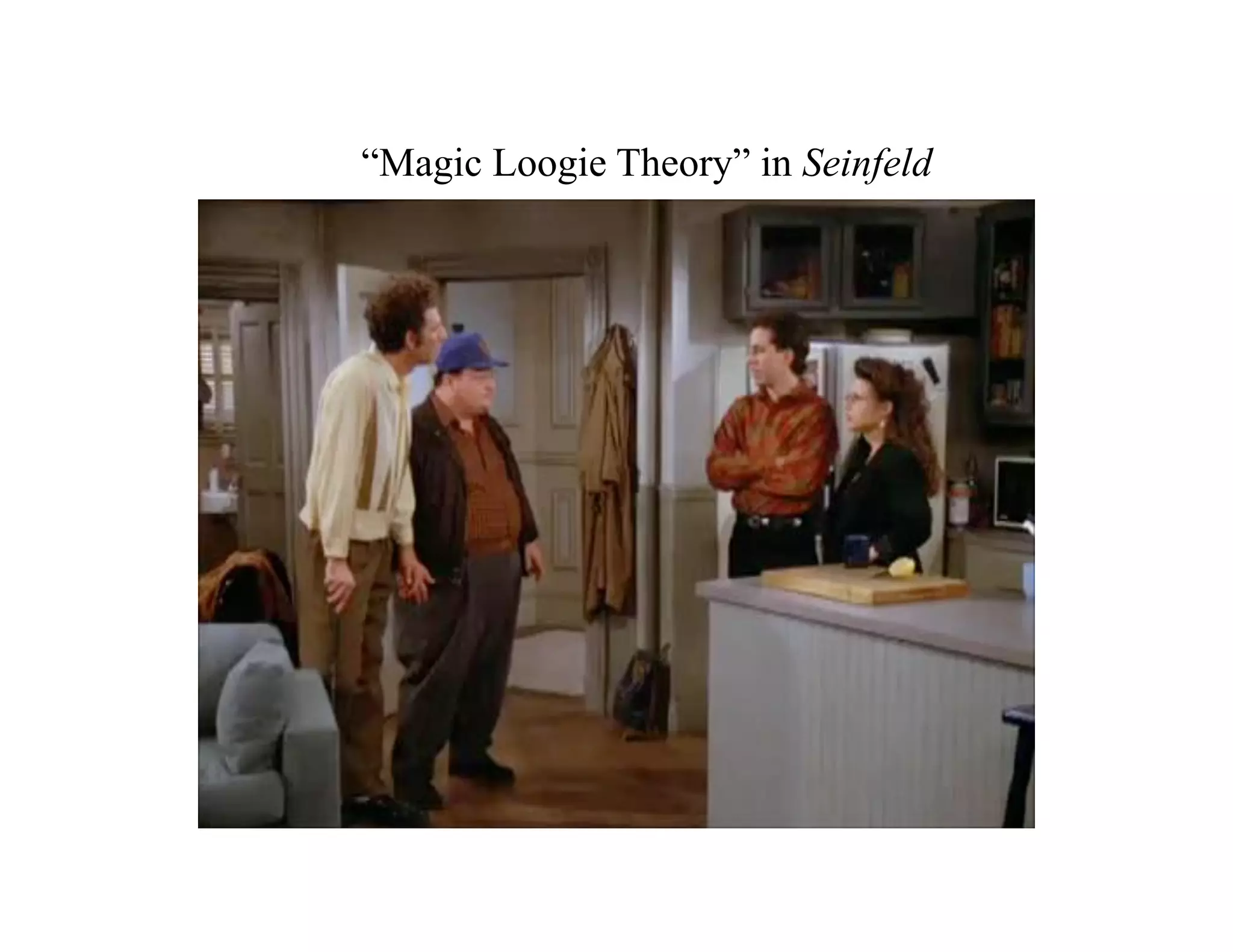
“Magic Loogie Theory” in Seinfeld
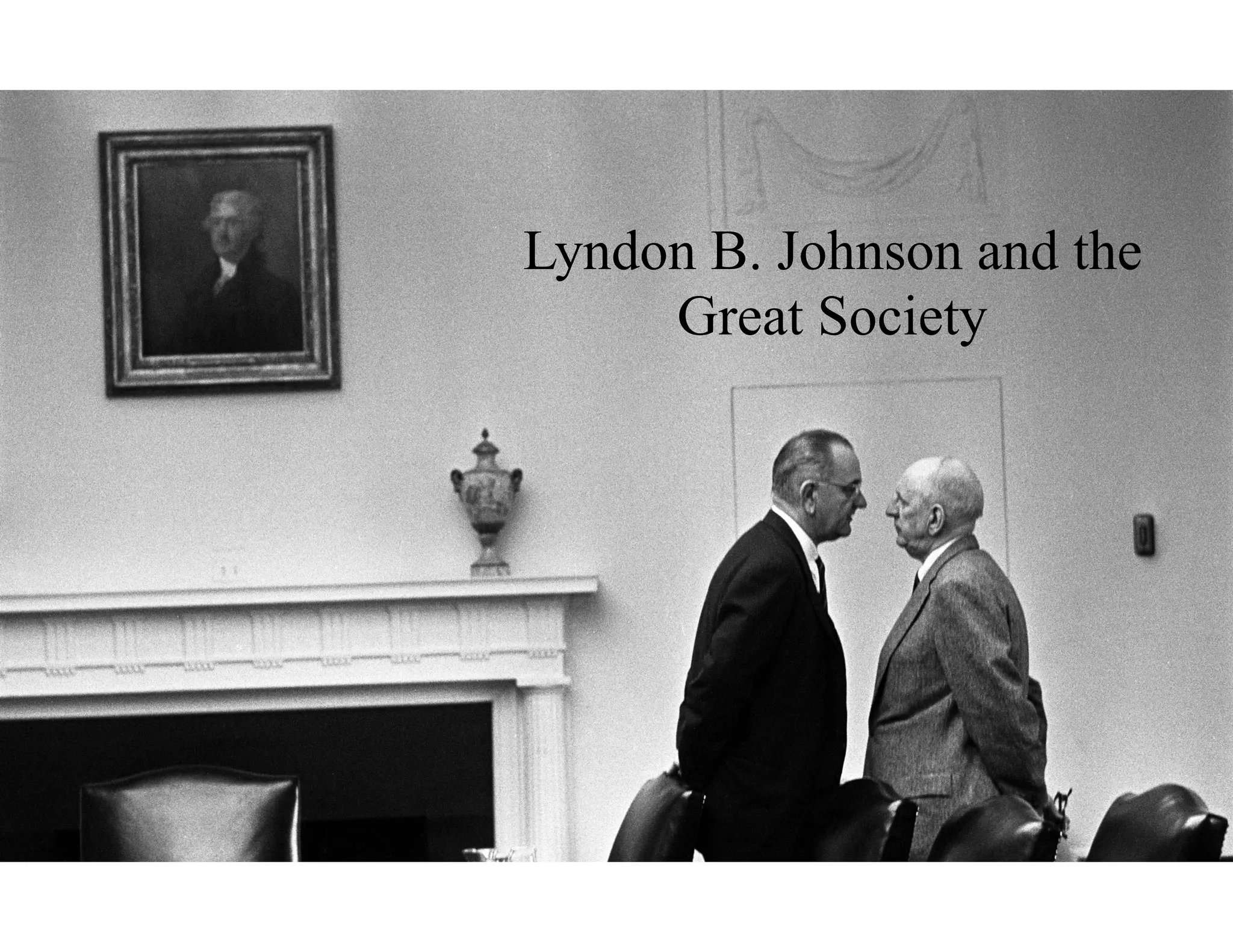
Lyndon B. Johnson and the
Great Society
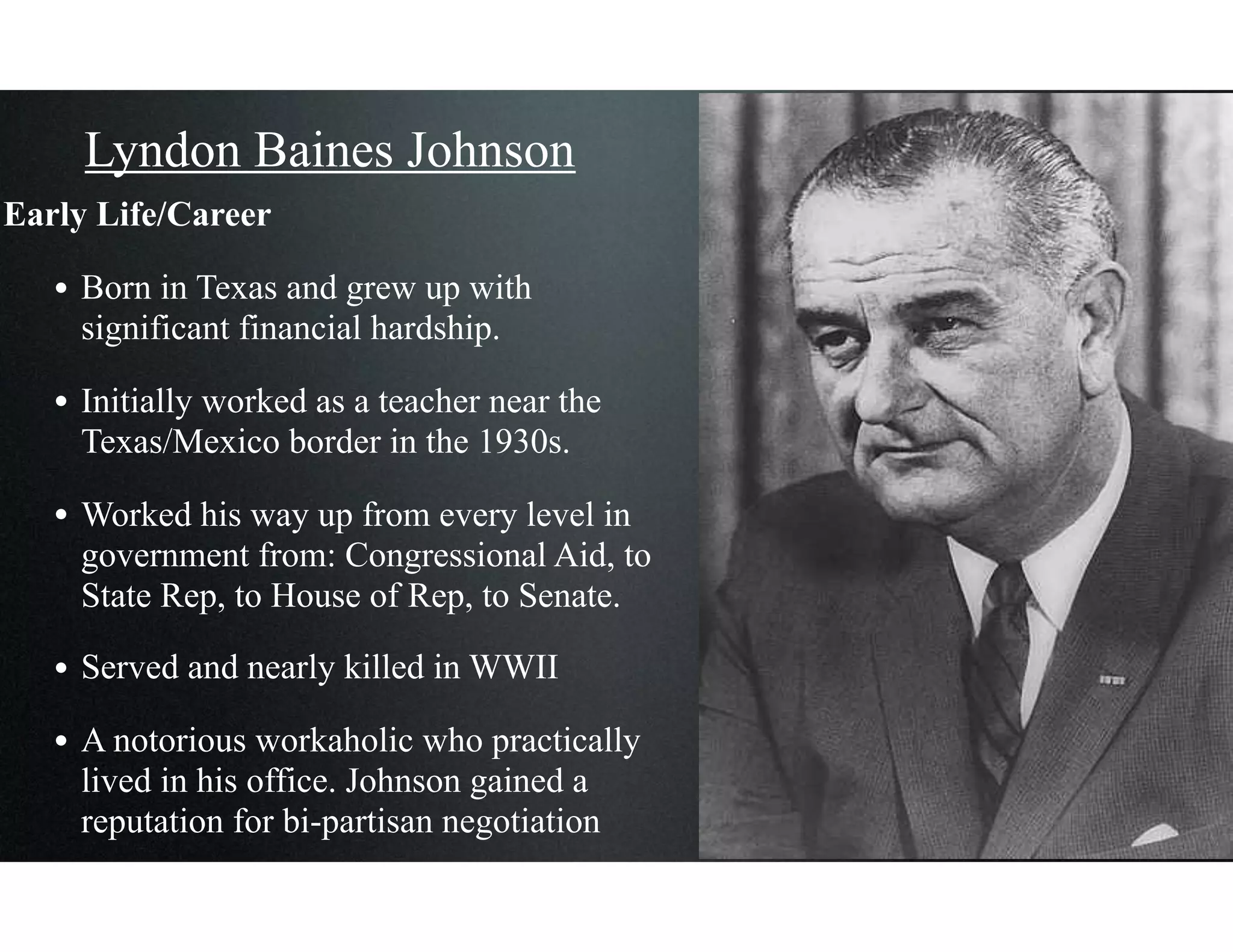
Lyndon Baines Johnson
Early Life/Career
• Born in Texas and grew up with
significant financial hardship.
• Initially worked as a teacher near the
Texas/Mexico border in the 1930s.
• Worked his way up from every level in
government from: Congressional Aid, to
State Rep, to House of Rep, to Senate.
• Served and nearly killed in WWII
• A notorious workaholic who practically
lived in his office. Johnson gained a
reputation for bi-partisan negotiation
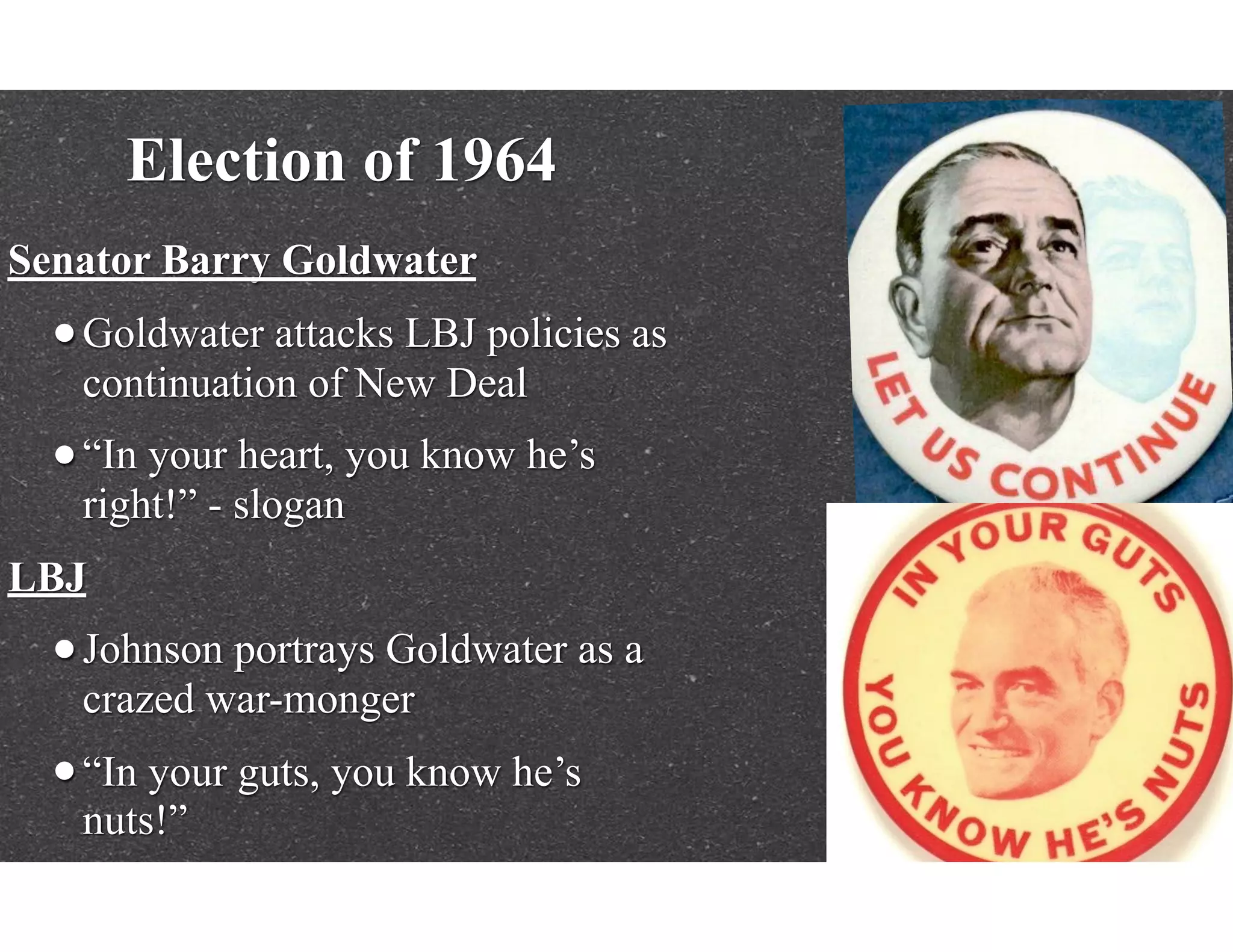
Election of 1964
Senator Barry Goldwater
•Goldwater attacks LBJ policies as
continuation of New Deal
•“In your heart, you know he’s
right!” - slogan
LBJ
•Johnson portrays Goldwater as a
crazed war-monger
•“In your guts, you know he’s
nuts!”
Daisy Ad - 1964
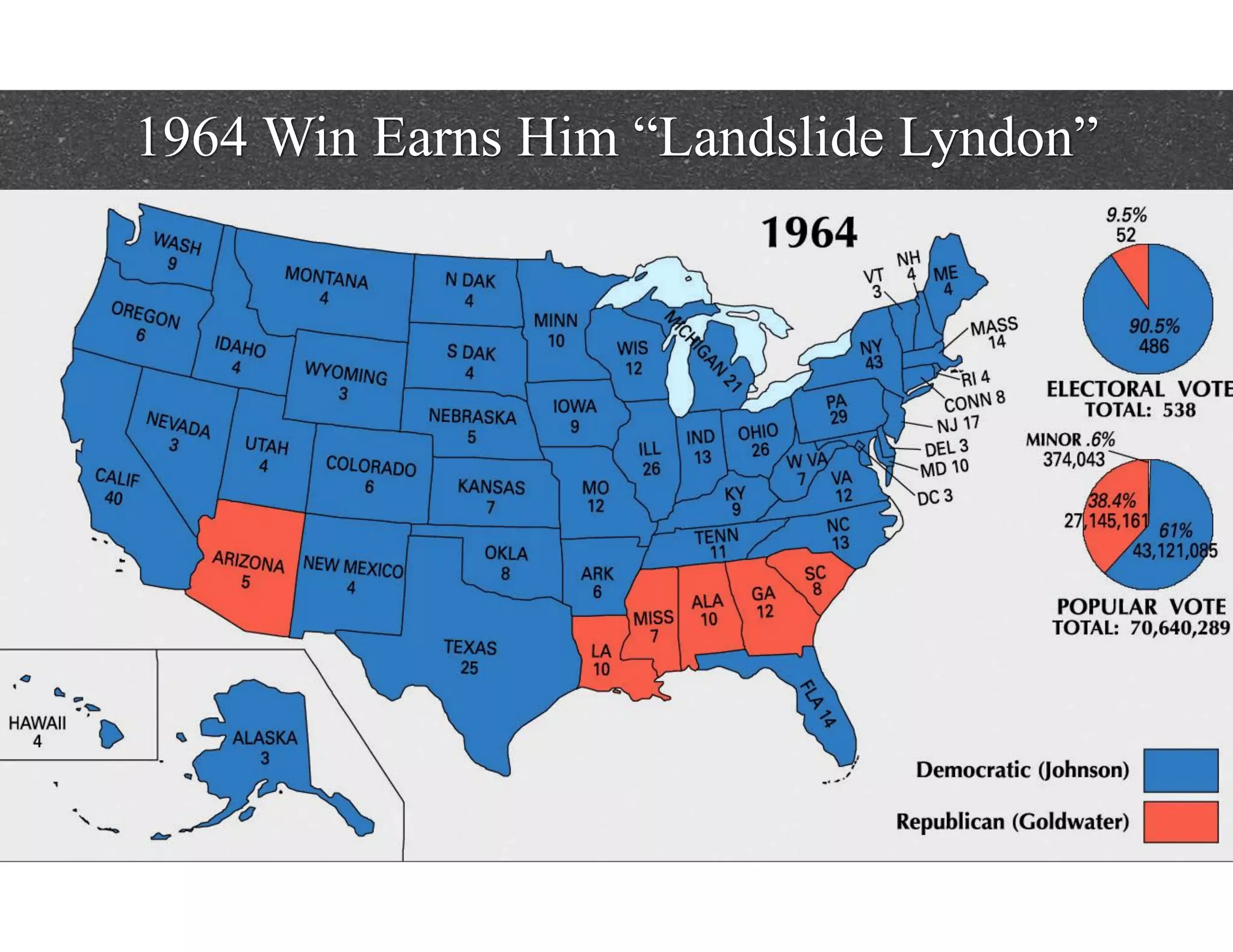
1964 Win Earns Him “Landslide Lyndon”
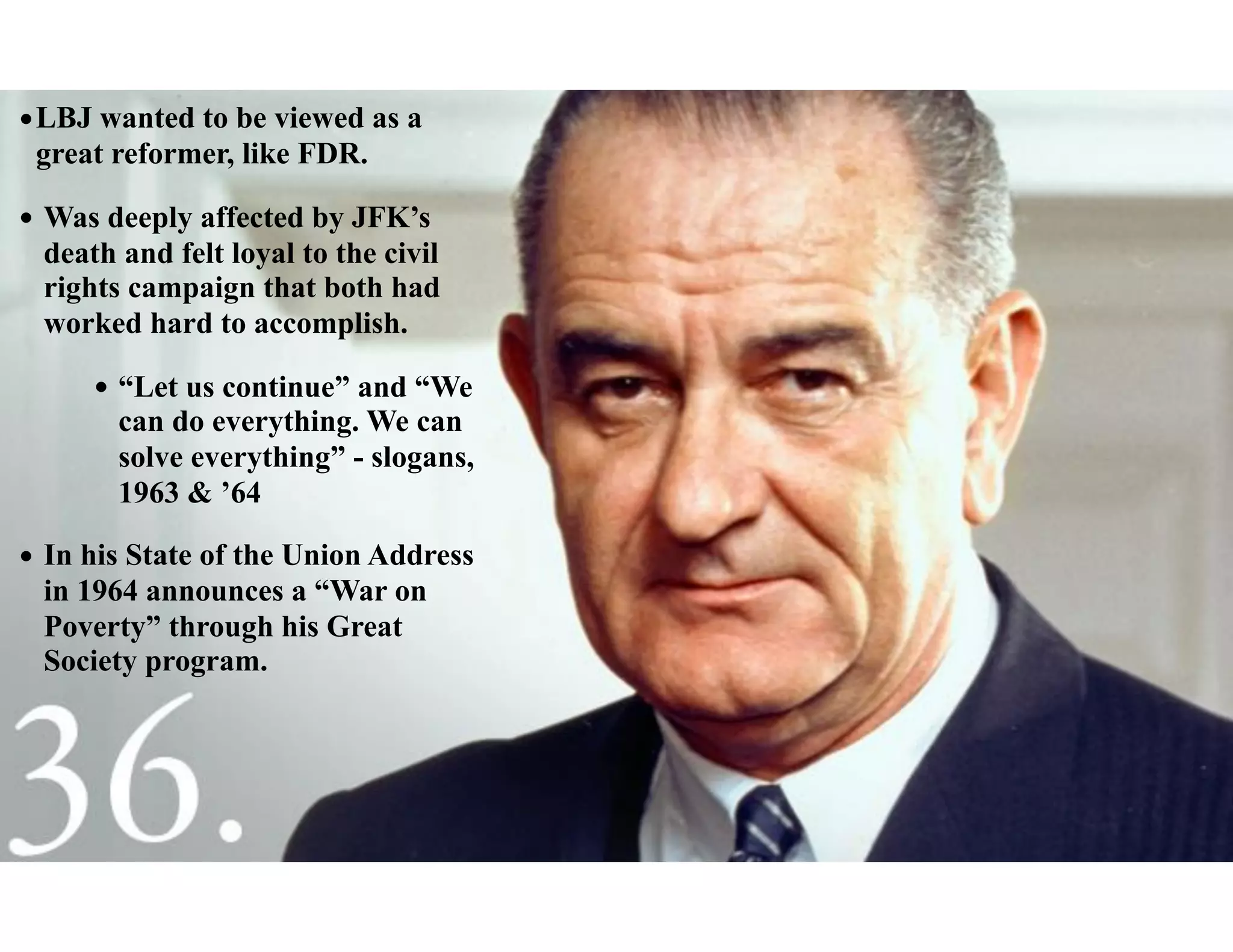
•LBJ wanted to be viewed as a
great reformer, like FDR.
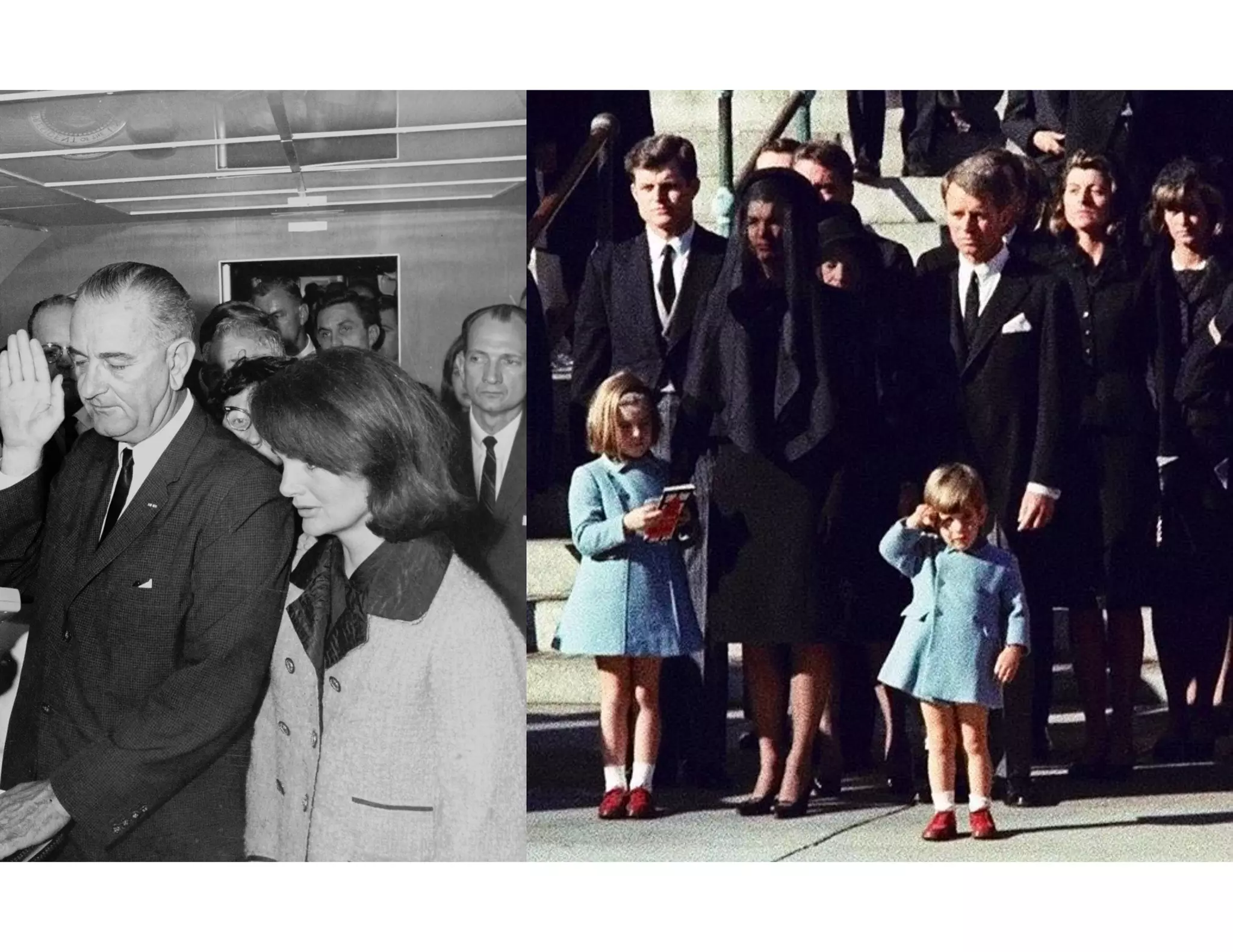
• Was deeply affected by JFK’s
death and felt loyal to the civil
rights campaign that both had
worked hard to accomplish.
• “Let us continue” and “We
can do everything. We can
solve everything” - slogans,
1963 & ’64
• In his State of the Union Address
in 1964 announces a “War on
Poverty” through his Great
Society program.
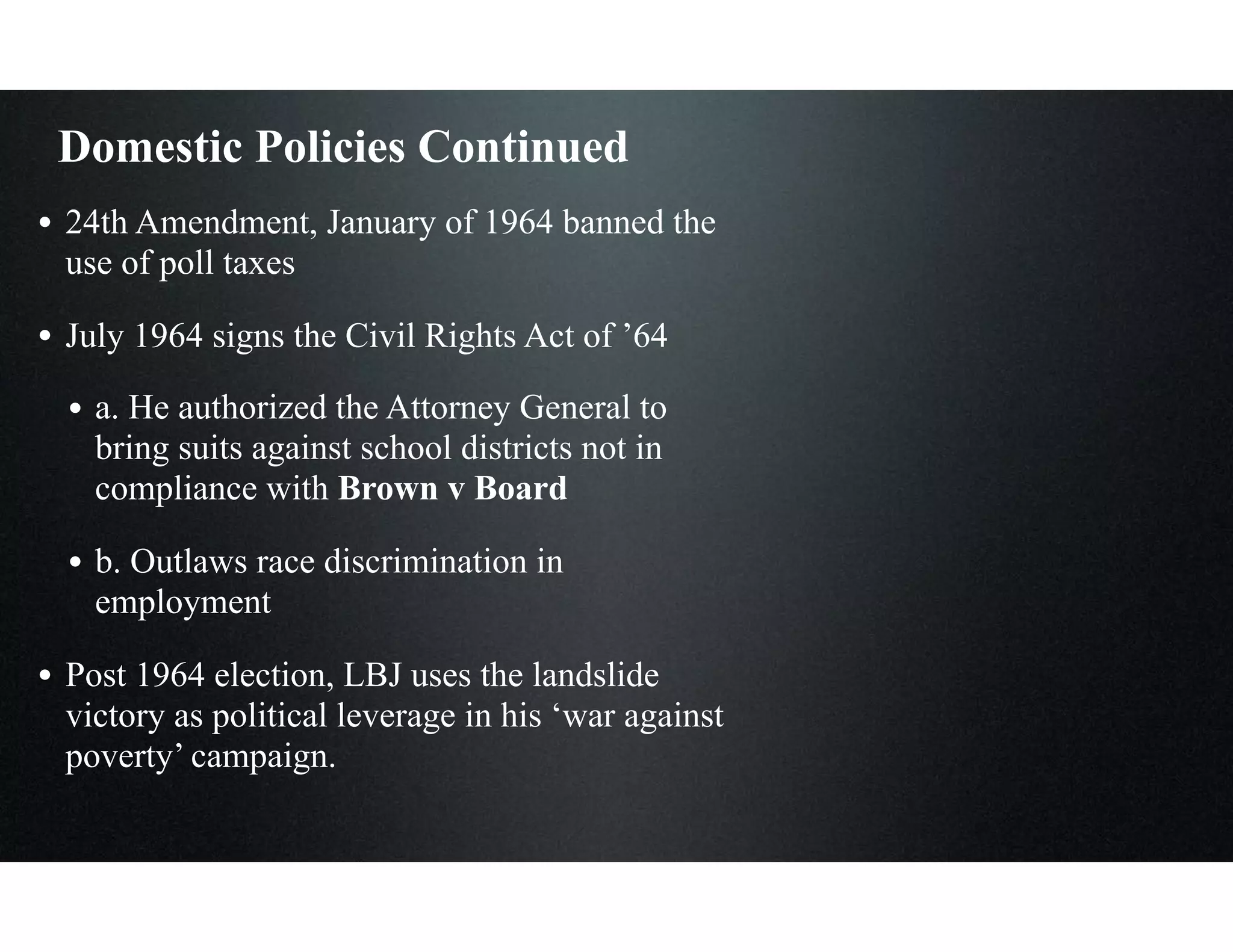
Domestic Policies Continued
• 24th Amendment, January of 1964 banned the
use of poll taxes
• July 1964 signs the Civil Rights Act of ’64
• a. He authorized the Attorney General to
bring suits against school districts not in
compliance with Brown v Board
• b. Outlaws race discrimination in
employment
• Post 1964 election, LBJ uses the landslide
victory as political leverage in his ‘war against
poverty’ campaign.
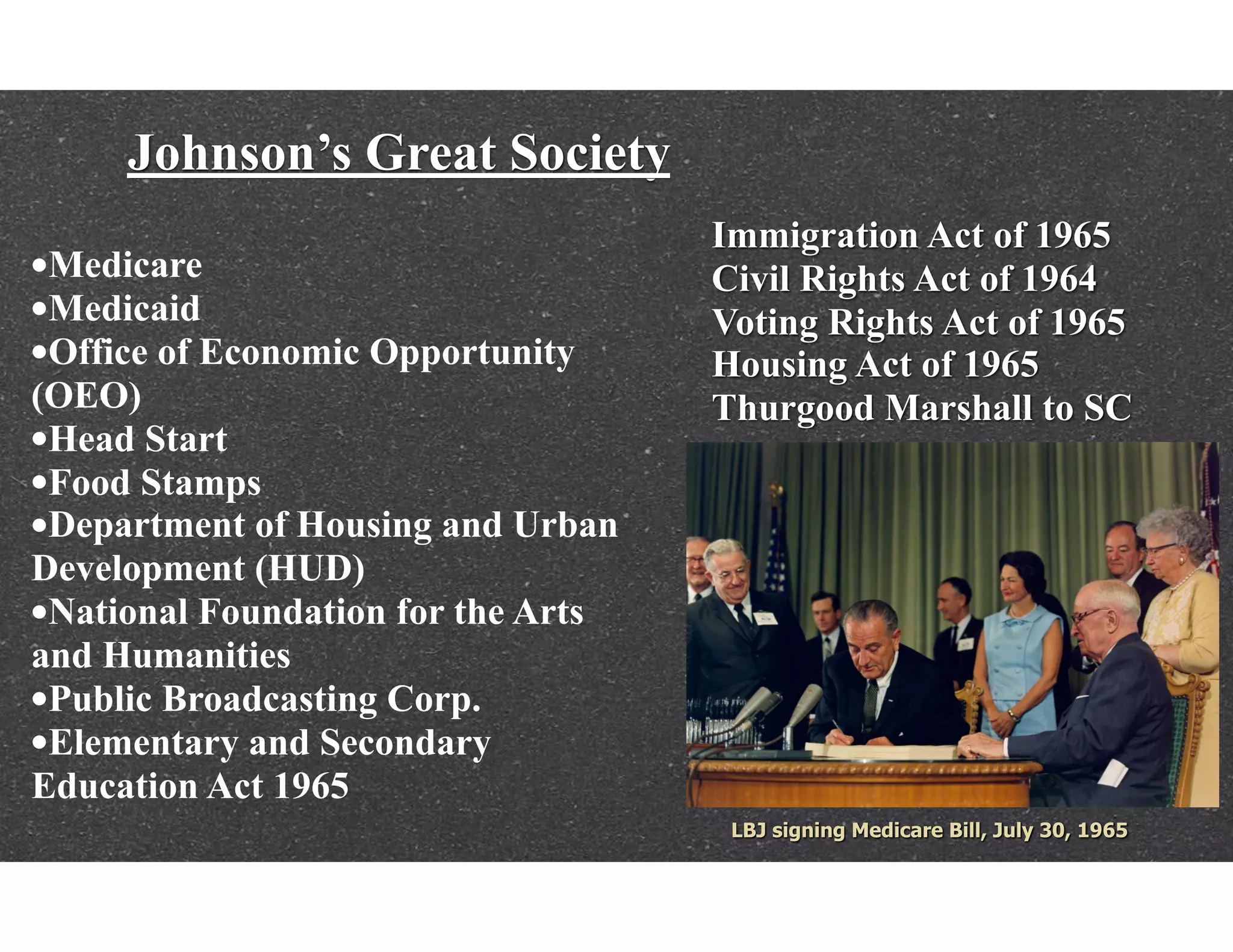
Johnson’s Great Society
Immigration Act of 1965
Civil Rights Act of 1964
Voting Rights Act of 1965
Housing Act of 1965
Thurgood Marshall to SC
•Medicare
•Medicaid
•Office of Economic Opportunity
(OEO)
•Head Start
•Food Stamps
•Department of Housing and Urban
Development (HUD)
•National Foundation for the Arts
and Humanities
•Public Broadcasting Corp.
•Elementary and Secondary
Education Act 1965
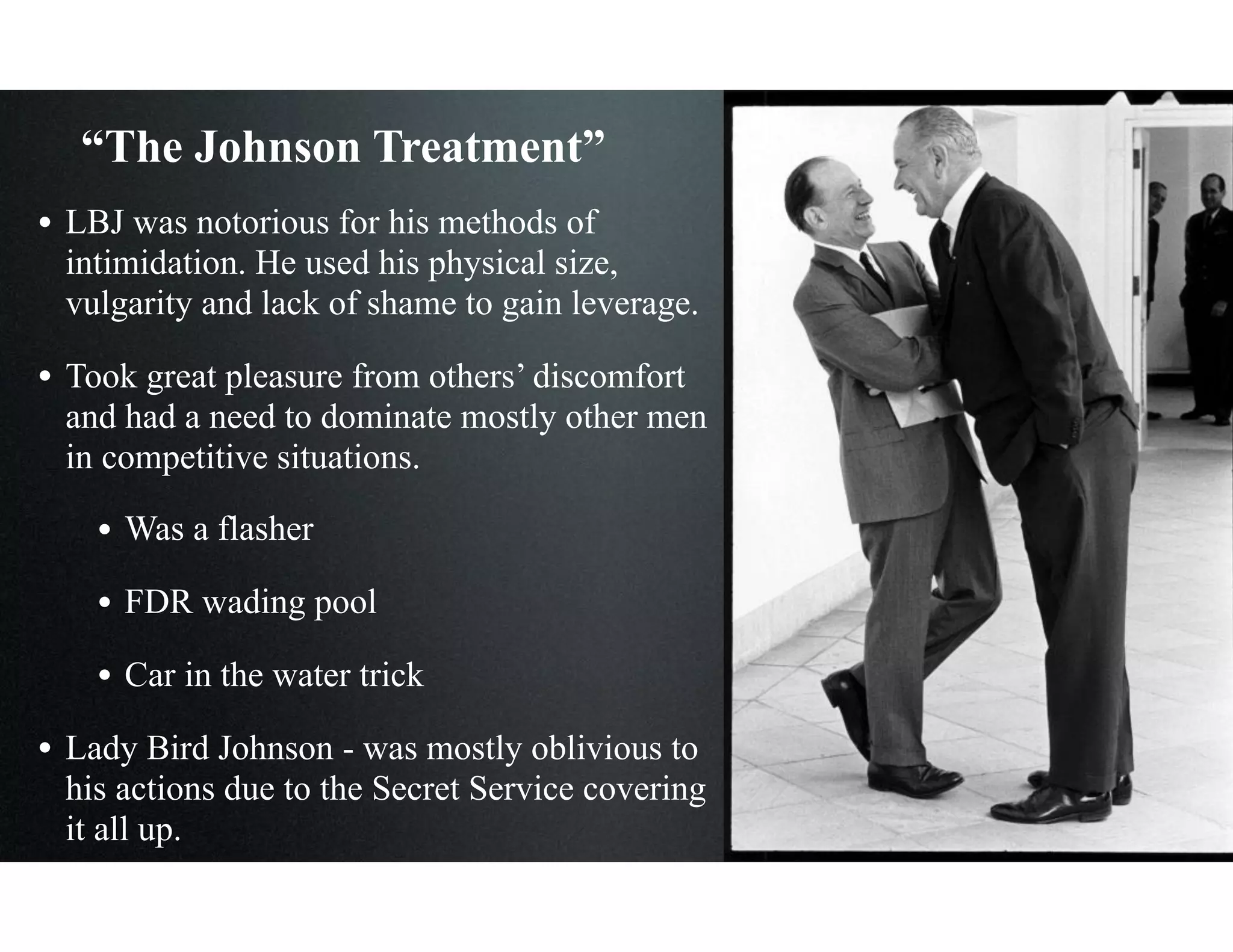
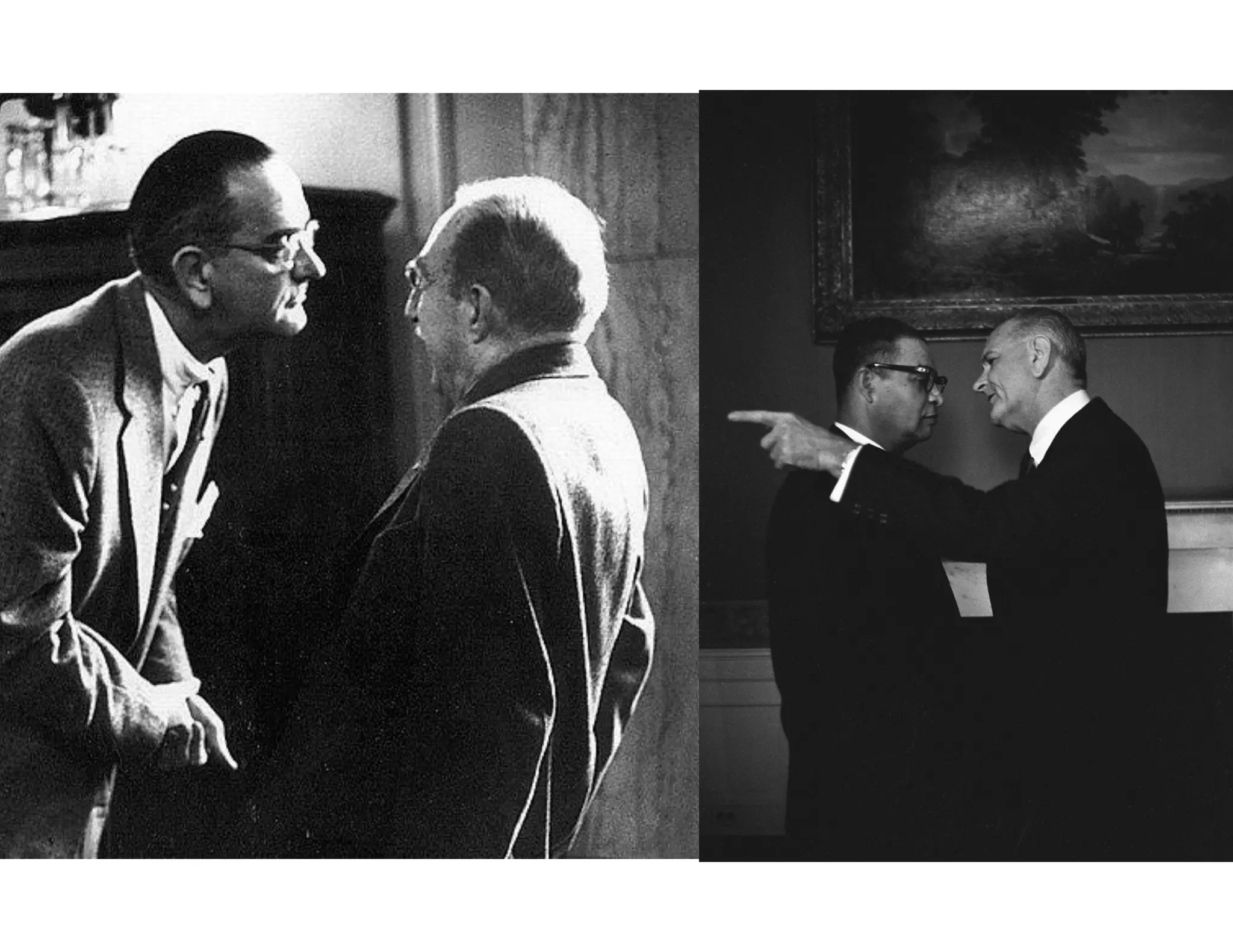
“The Johnson Treatment”
• LBJ was notorious for his methods of
intimidation. He used his physical size,
vulgarity and lack of shame to gain leverage.
• Took great pleasure from others’ discomfort
and had a need to dominate mostly other men
in competitive situations.
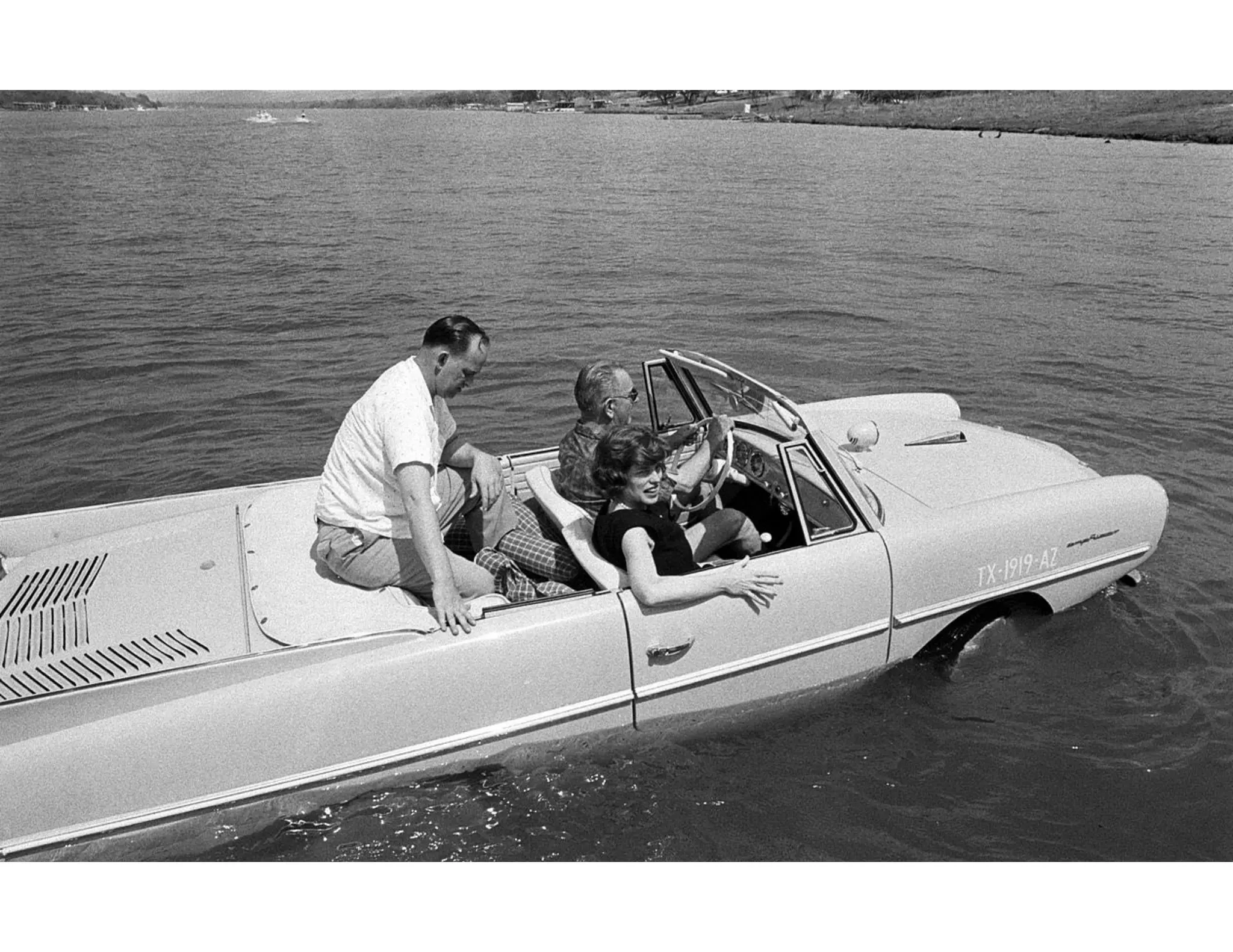
• Was a flasher
• FDR wading pool
• Car in the water trick
• Lady Bird Johnson - was mostly oblivious to
his actions due to the Secret Service covering
it all up.
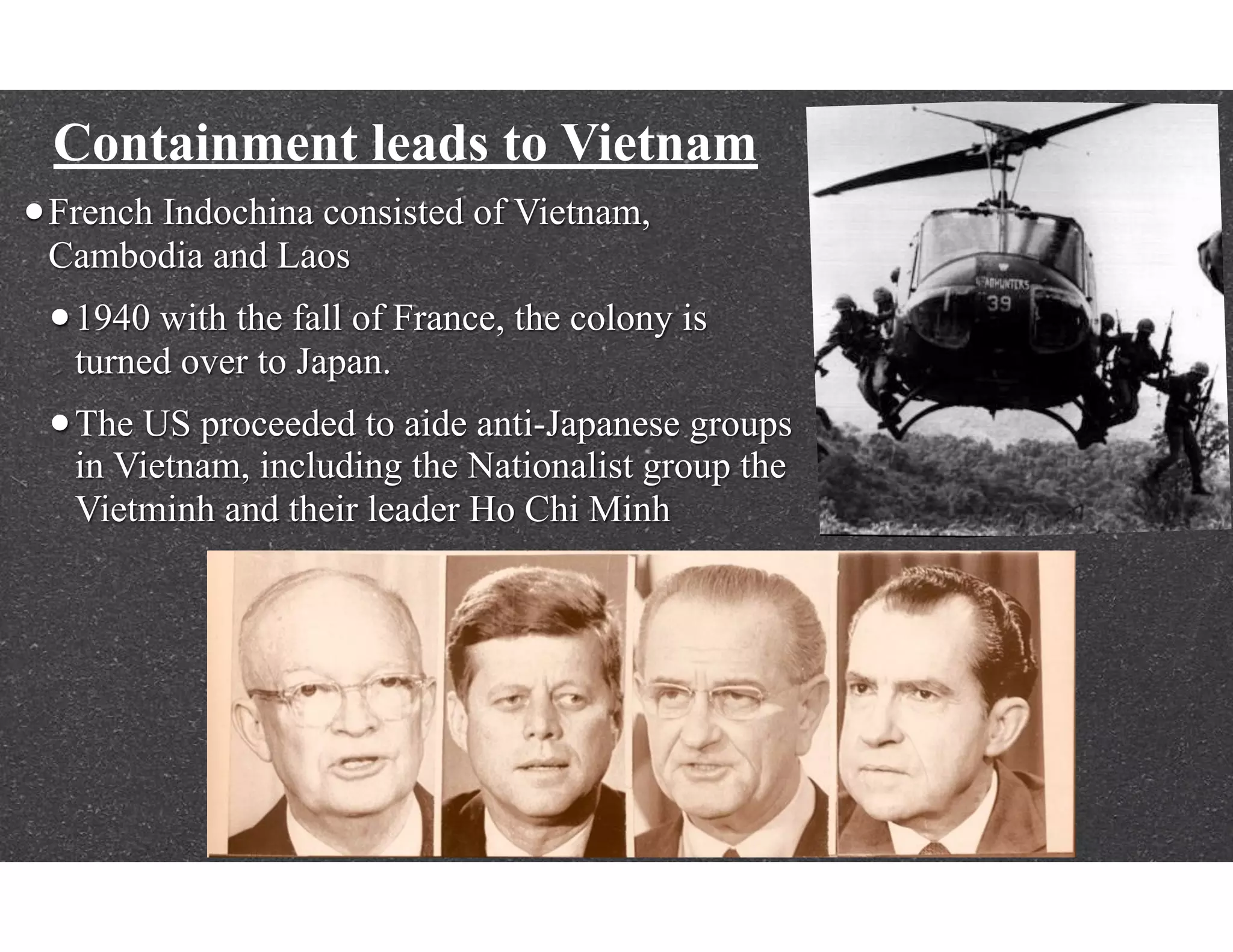
Containment leads to Vietnam
•French Indochina consisted of Vietnam,
Cambodia and Laos
•1940 with the fall of France, the colony is
turned over to Japan.
•The US proceeded to aide anti-Japanese groups
in Vietnam, including the Nationalist group the
Vietminh and their leader Ho Chi Minh
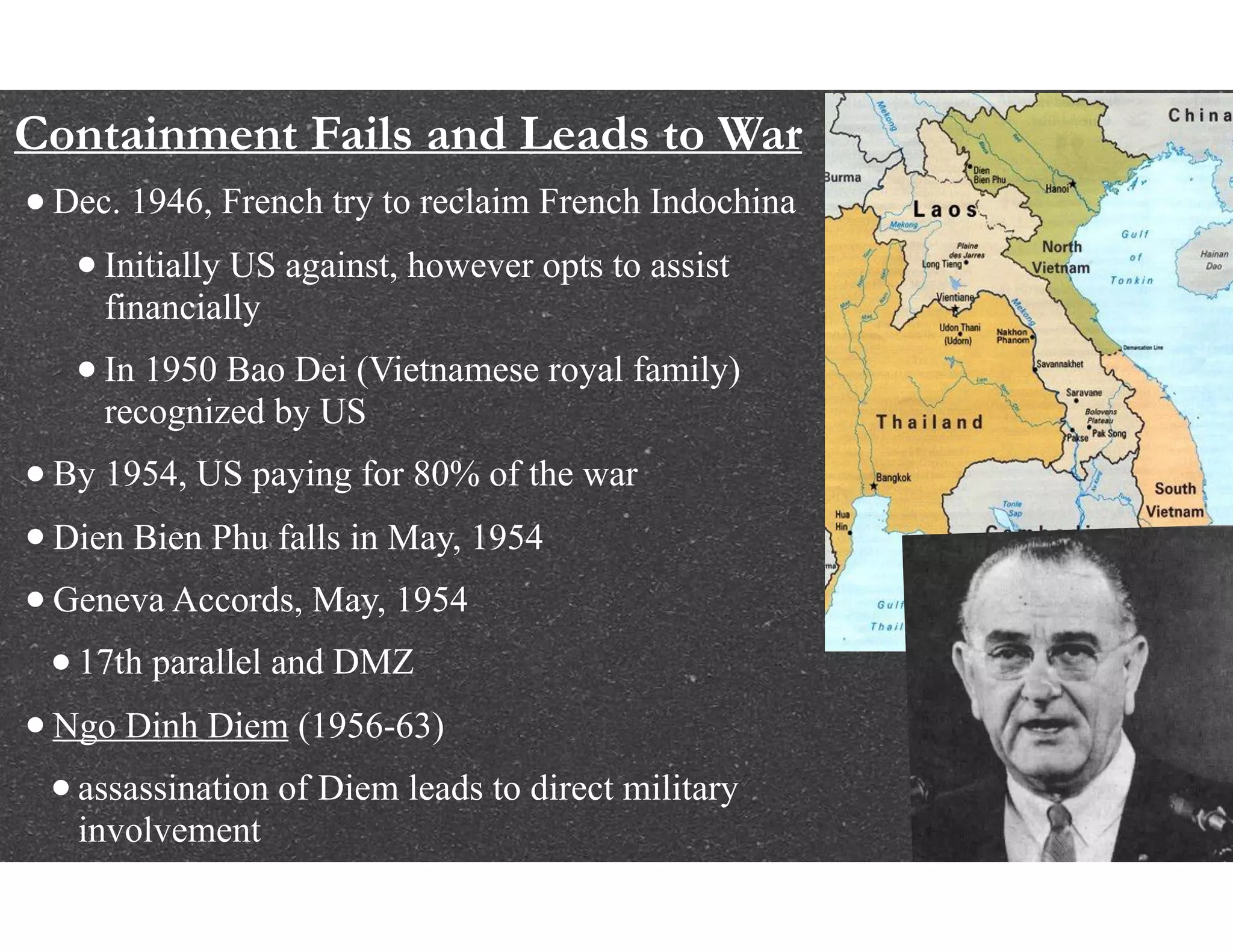
Containment Fails and Leads to War
•Dec. 1946, French try to reclaim French Indochina
•Initially US against, however opts to assist
financially
•In 1950 Bao Dei (Vietnamese royal family)
recognized by US
•By 1954, US paying for 80% of the war
•Dien Bien Phu falls in May, 1954
•Geneva Accords, May, 1954
•17th parallel and DMZ
•Ngo Dinh Diem (1956-63)
•assassination of Diem leads to direct military
involvement
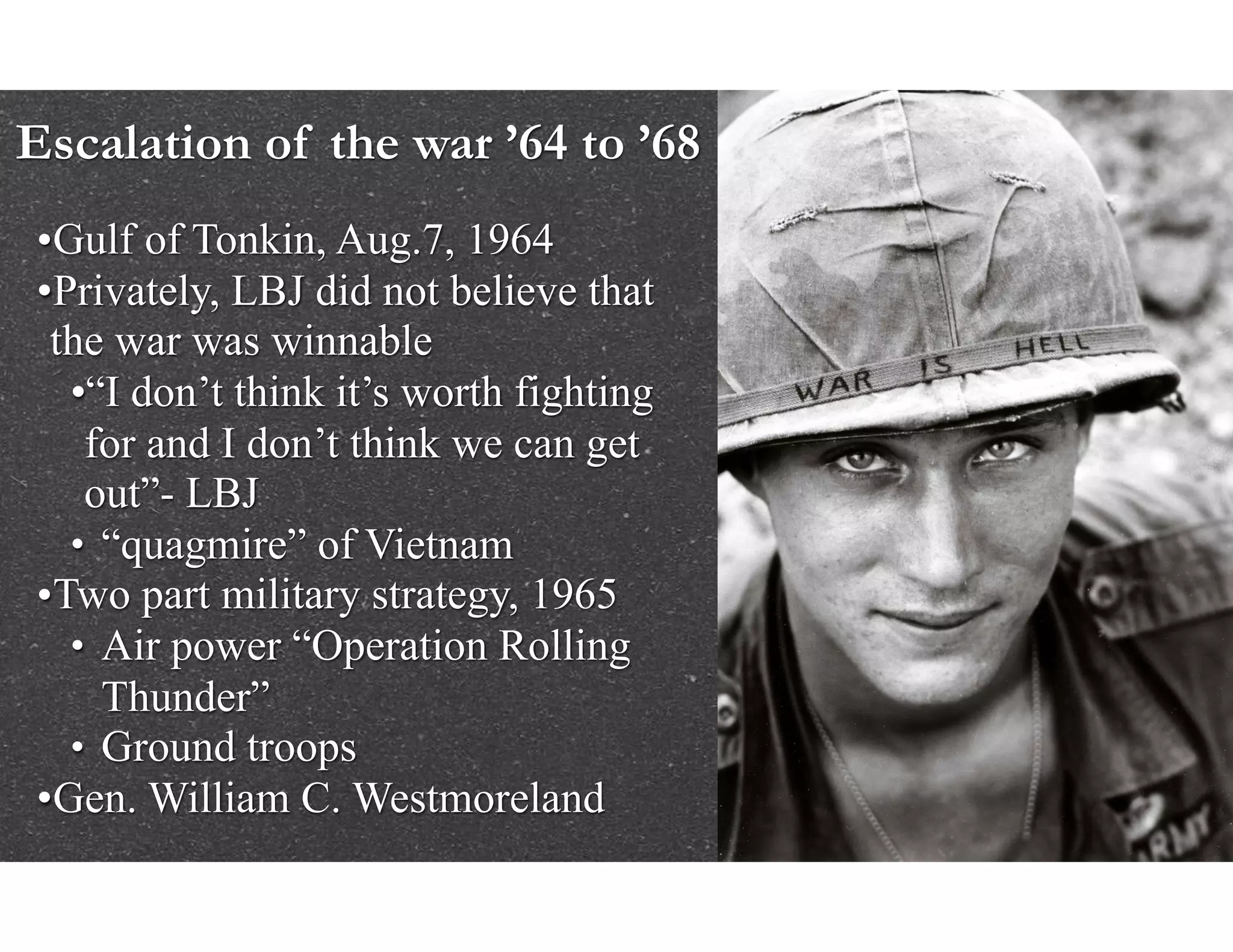
Escalation of the war ’64 to ’68
•Gulf of Tonkin, Aug.7, 1964
•Privately, LBJ did not believe that
the war was winnable
•“I don’t think it’s worth fighting
for and I don’t think we can get
out”- LBJ
• “quagmire” of Vietnam
•Two part military strategy, 1965
• Air power “Operation Rolling
Thunder”
• Ground troops
•Gen. William C. Westmoreland
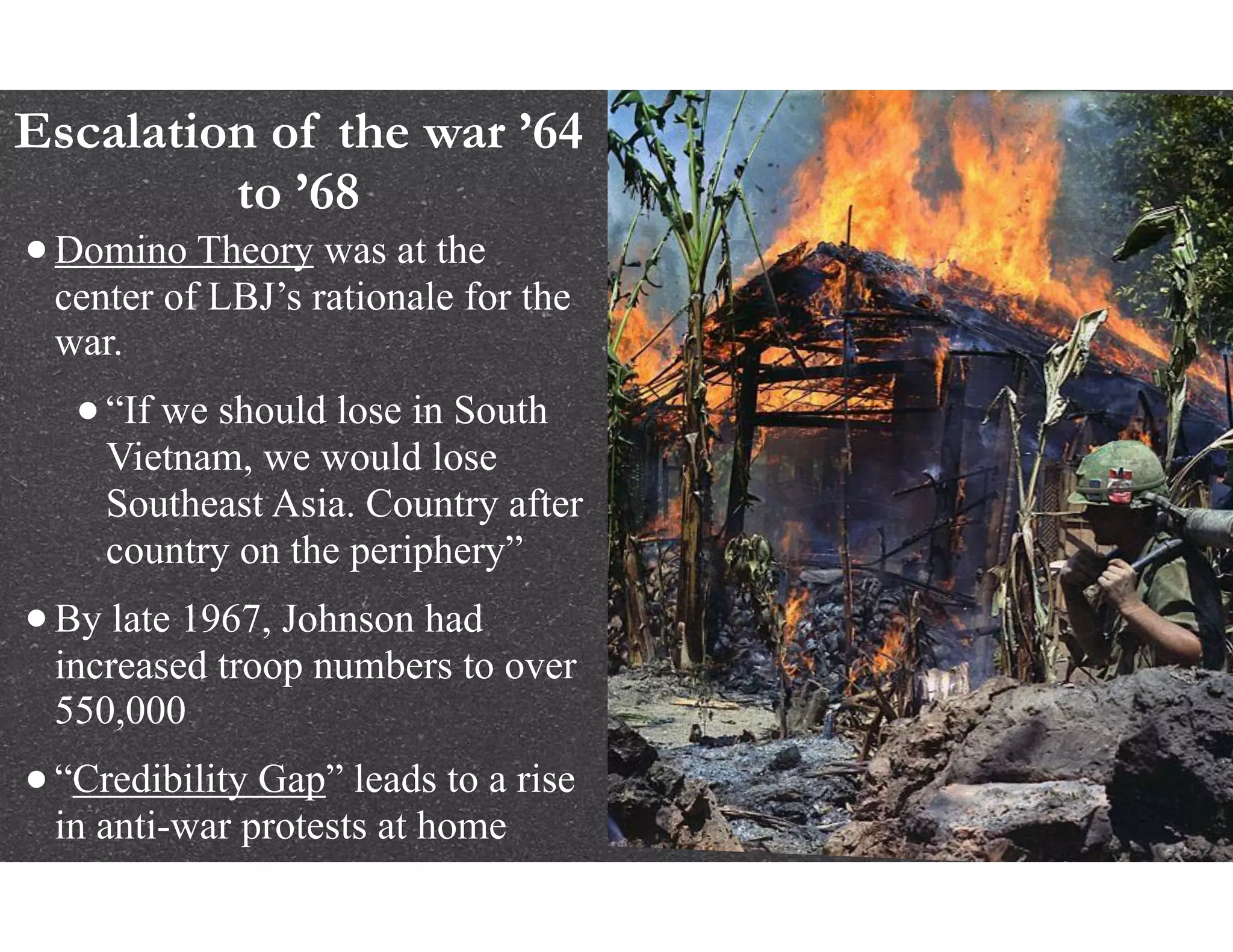
Escalation of the war ’64
to ’68
•Domino Theory was at the
center of LBJ’s rationale for the
war.
•“If we should lose in South
Vietnam, we would lose
Southeast Asia. Country after
country on the periphery”
•By late 1967, Johnson had
increased troop numbers to over
550,000
•“Credibility Gap” leads to a rise
in anti-war protests at home
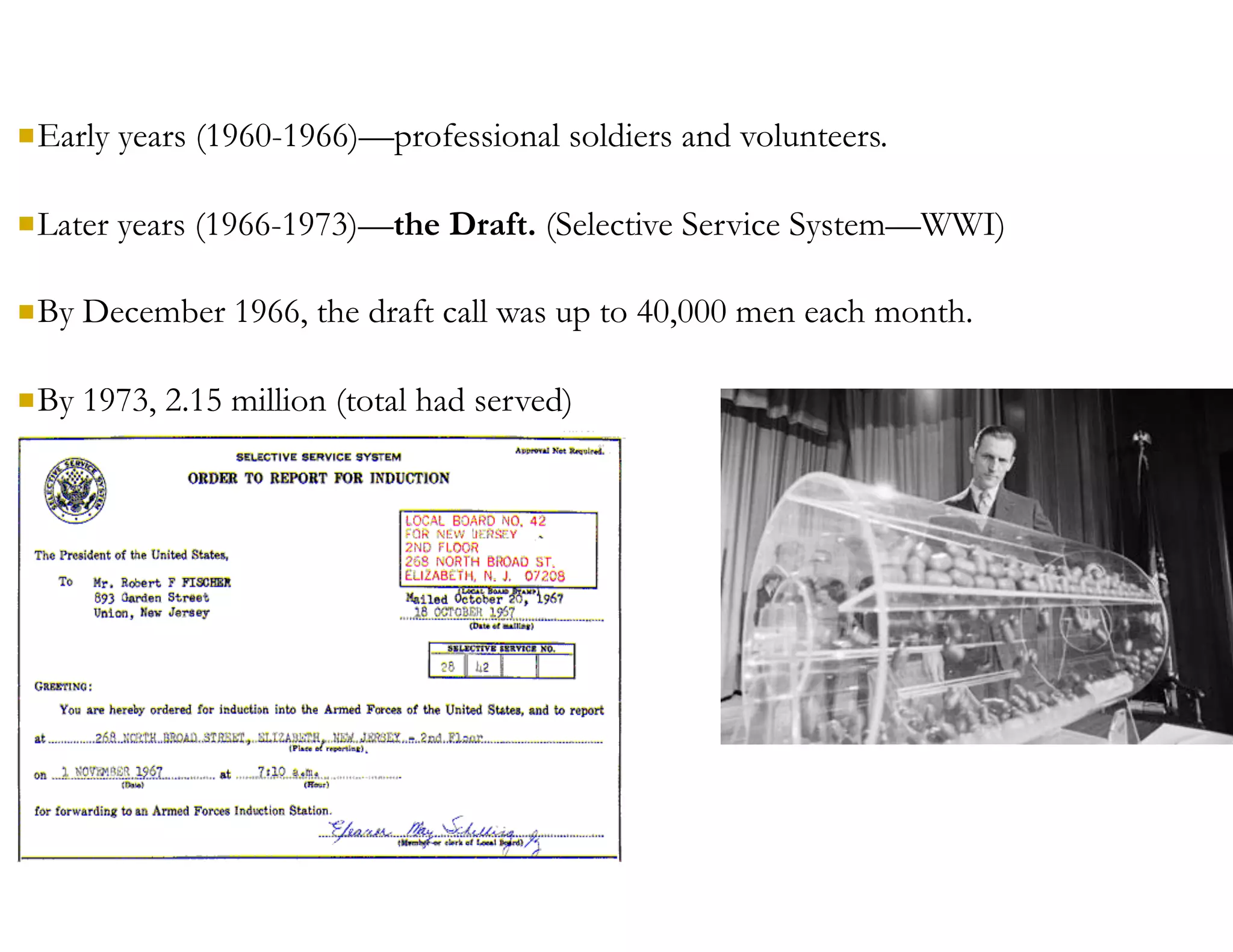
nEarly years (1960-1966)—professional soldiers and volunteers.
nLater years (1966-1973)—the Draft. (Selective Service System—WWI)
nBy December 1966, the draft call was up to 40,000 men each month.
nBy 1973, 2.15 million (total had served)
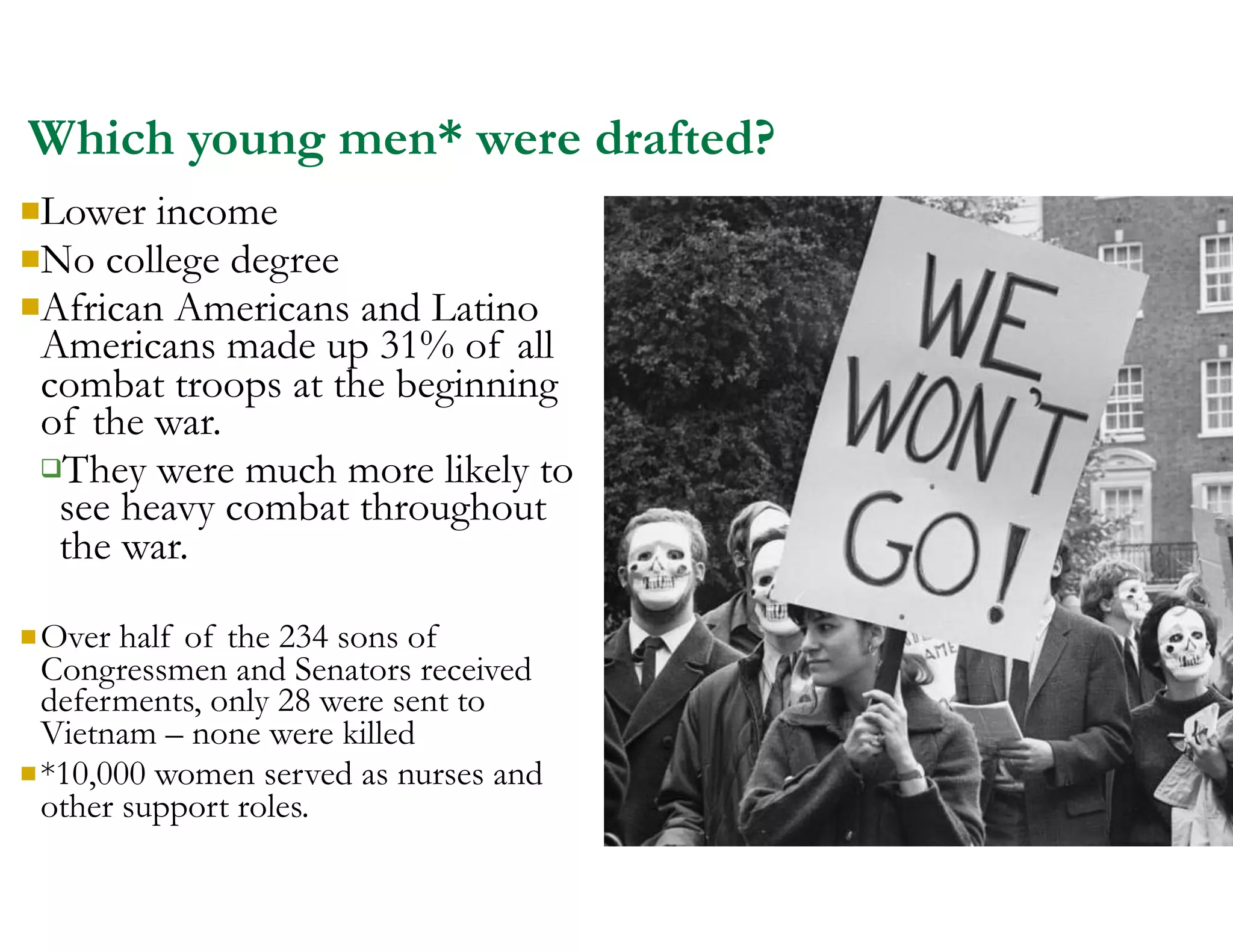
Which young men* were drafted?
nLower income
nNo college degree
nAfrican Americans and Latino
Americans made up 31% of all
combat troops at the beginning
of the war.
qThey were much more likely to
see heavy combat throughout
the war.
nOver half of the 234 sons of
Congressmen and Senators received
deferments, only 28 were sent to
Vietnam – none were killed
n*10,000 women served as nurses and
other support roles.
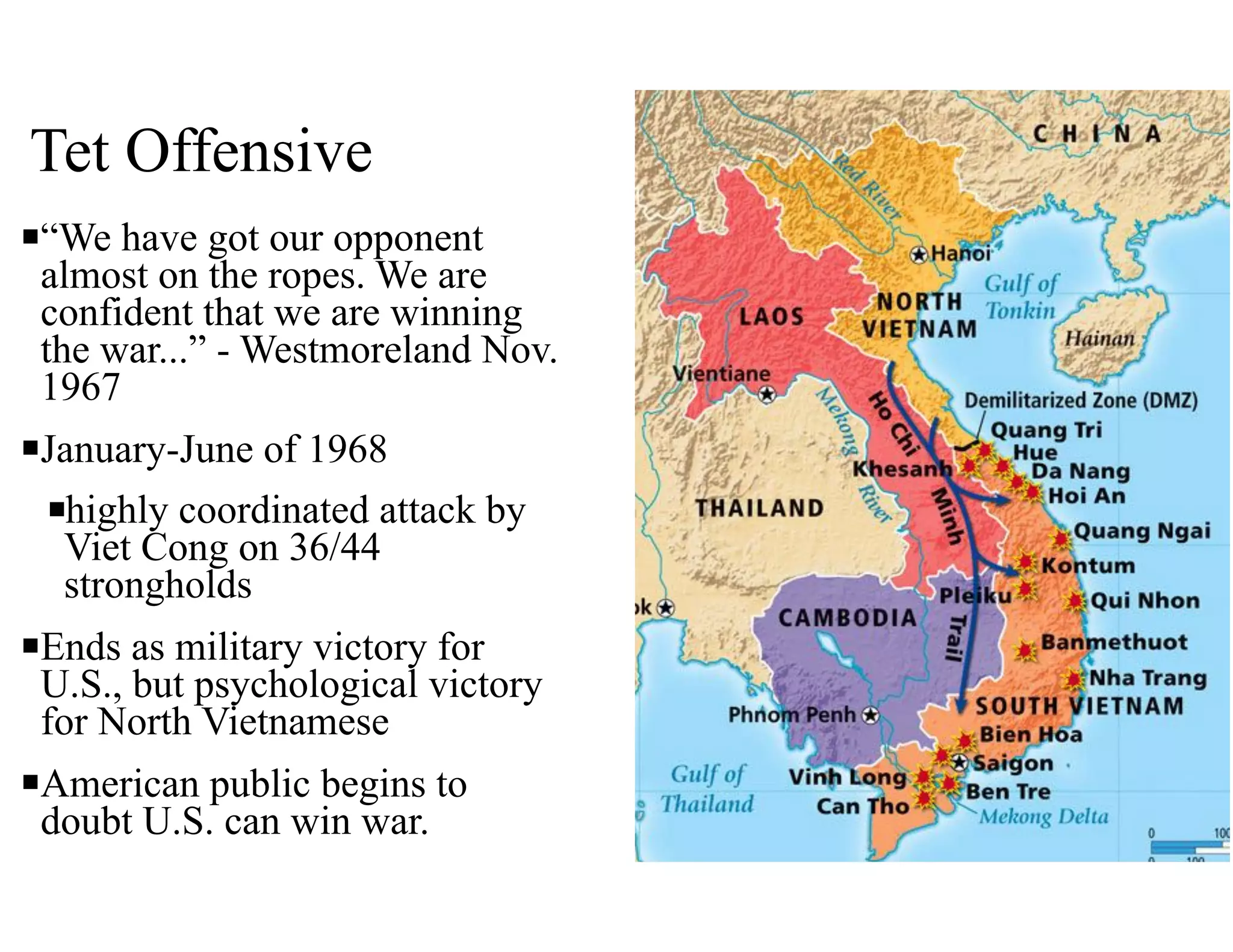
Tet Offensive
n“We have got our opponent
almost on the ropes. We are
confident that we are winning
the war...” - Westmoreland Nov.
1967
nJanuary-June of 1968
nhighly coordinated attack by
Viet Cong on 36/44
strongholds
nEnds as military victory for
U.S., but psychological victory
for North Vietnamese
nAmerican public begins to
doubt U.S. can win war.
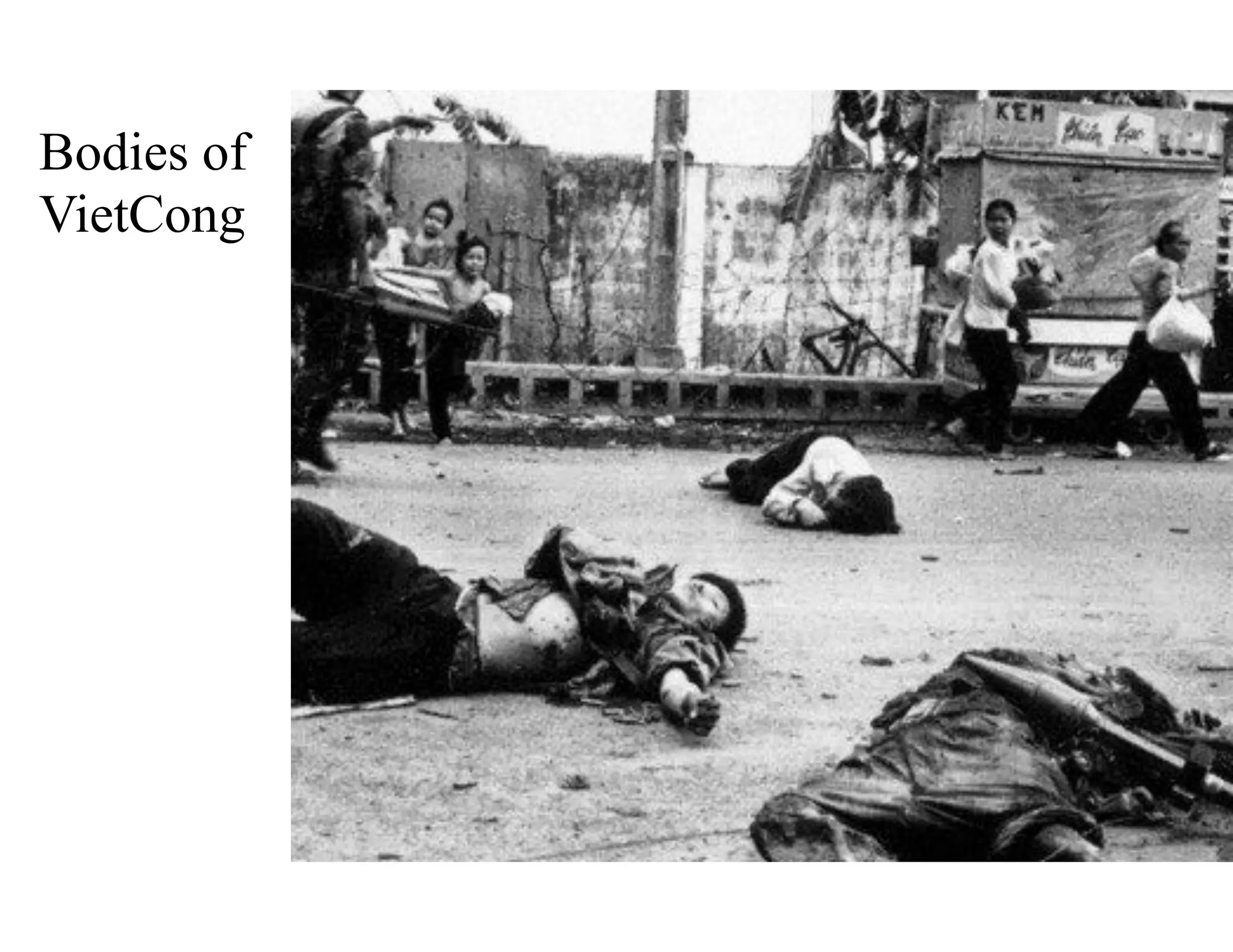
Bodies of
VietCong
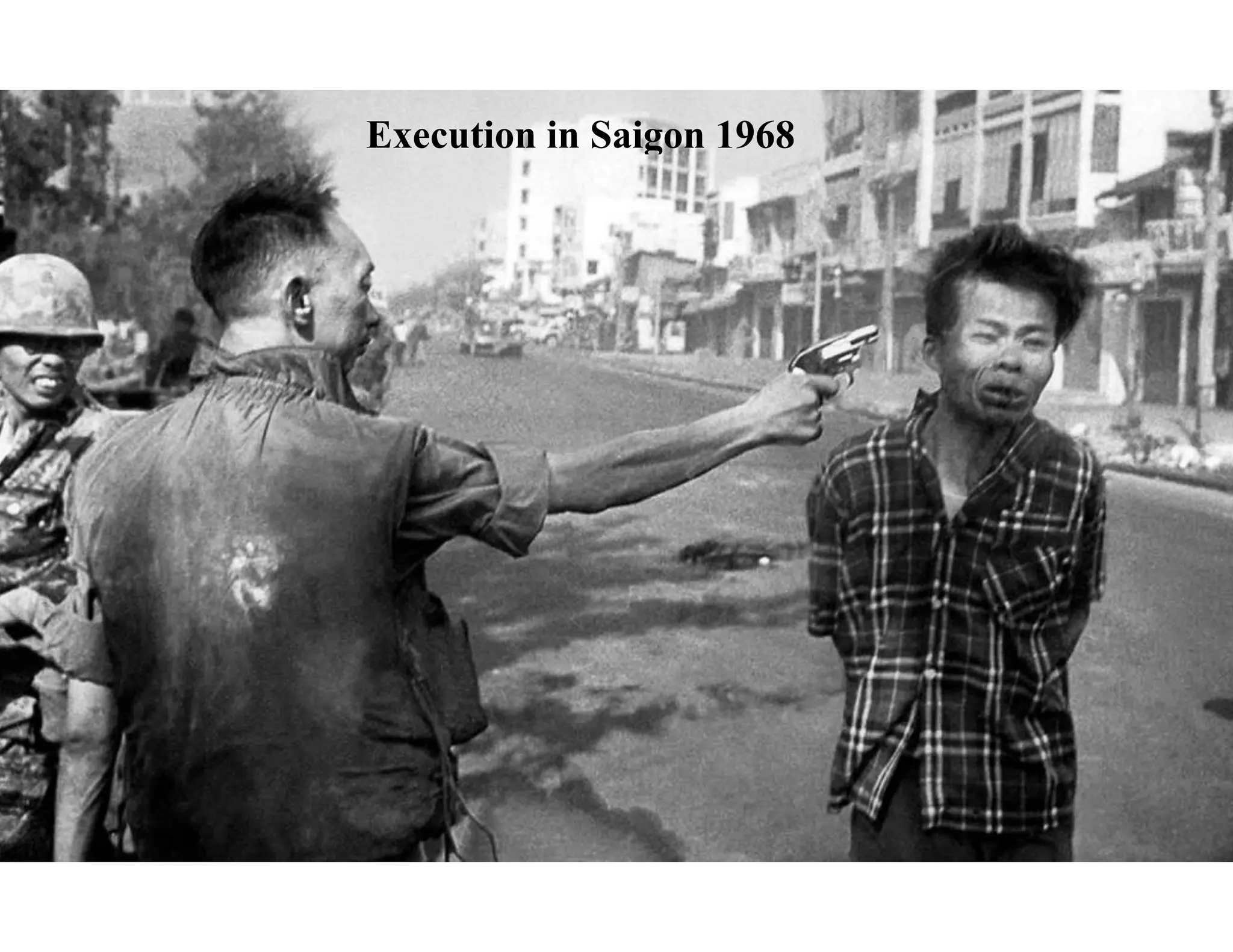
Execution in Saigon 1968
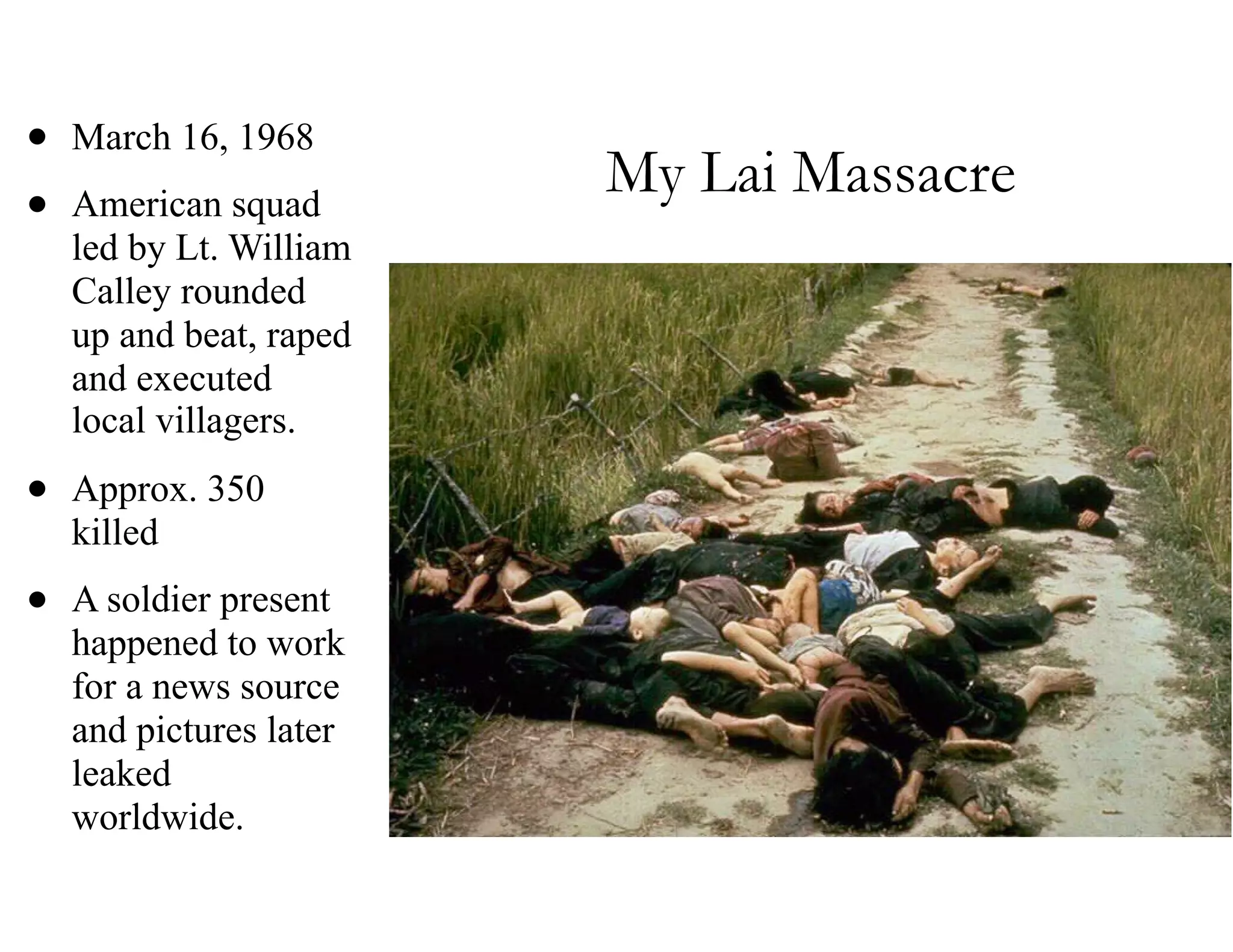
My Lai Massacre
• March 16, 1968
• American squad
led by Lt. William
Calley rounded
up and beat, raped
and executed
local villagers.
• Approx. 350
killed
• A soldier present
happened to work
for a news source
and pictures later
leaked
worldwide.
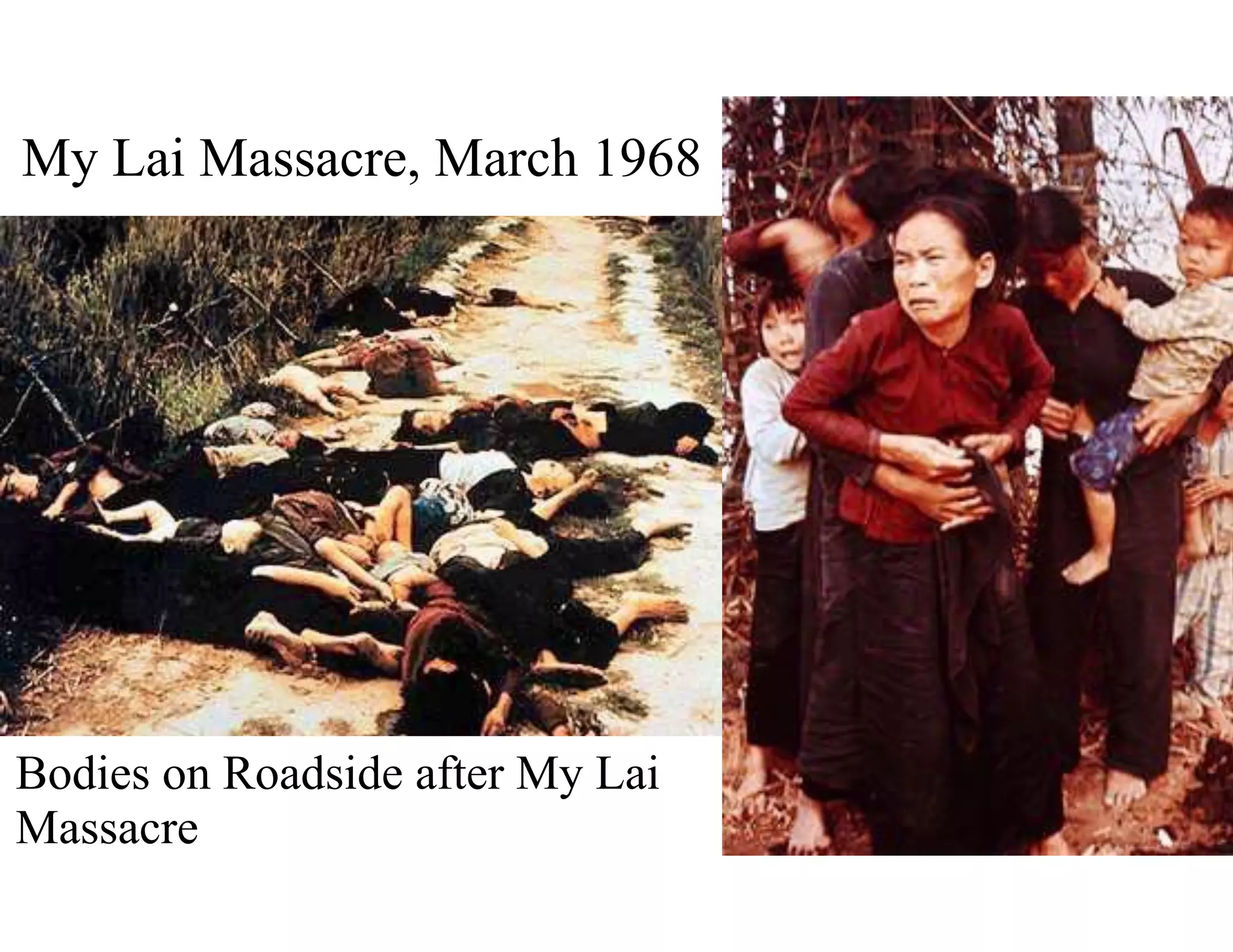
My Lai Massacre, March 1968
Bodies on Roadside after My Lai
Massacre
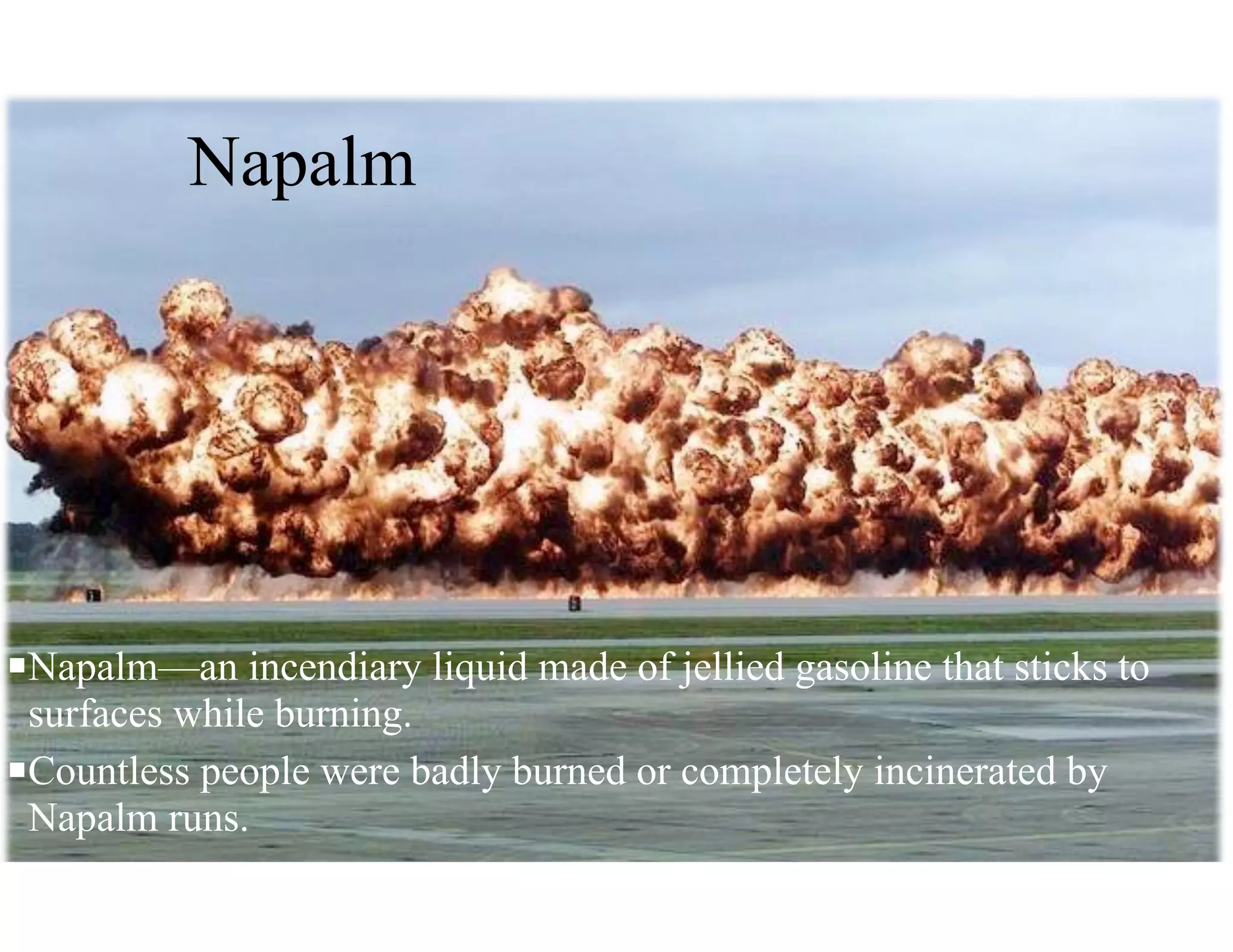
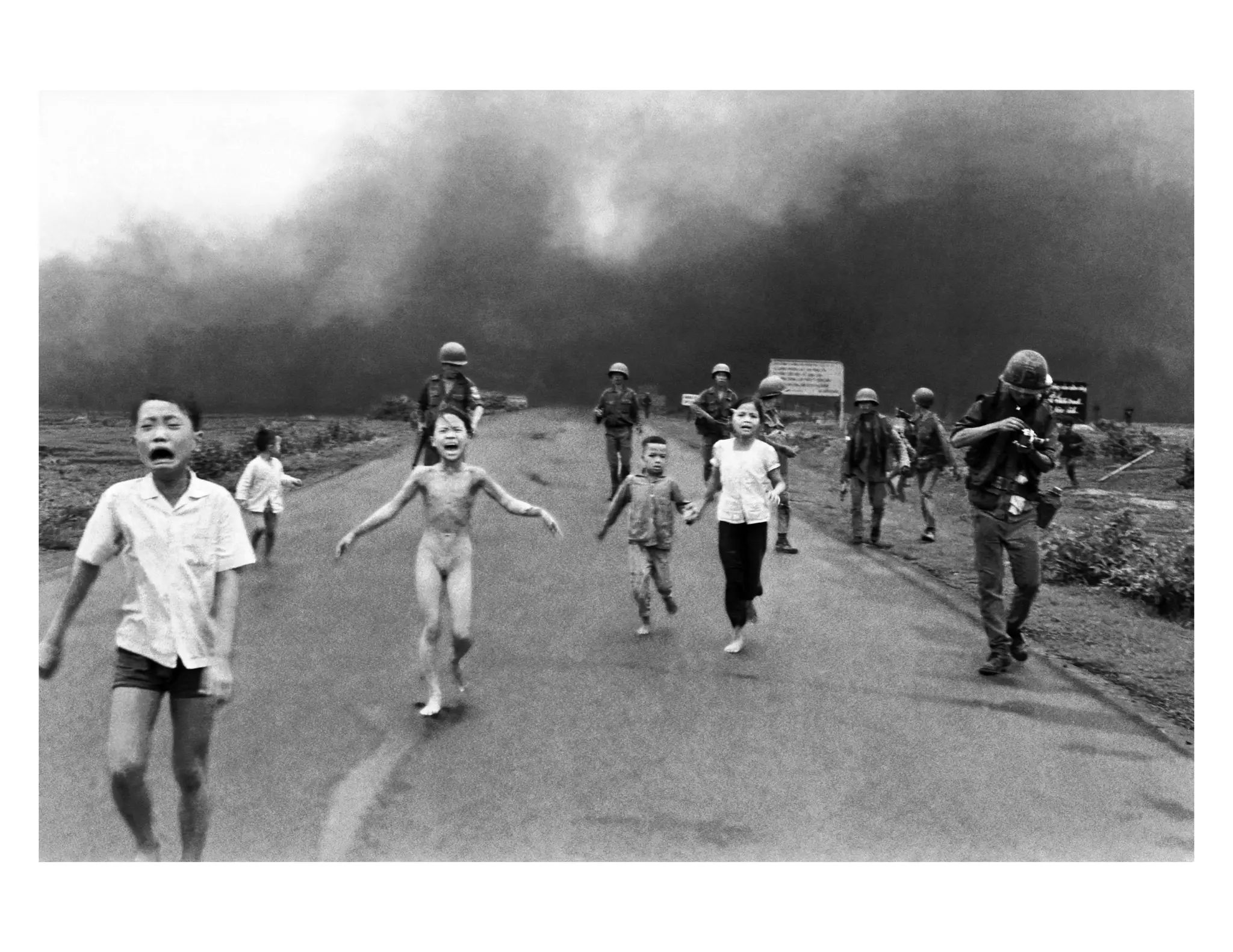
Napalm
nNapalm—an incendiary liquid made of jellied gasoline that sticks to
surfaces while burning.
nCountless people were badly burned or completely incinerated by
Napalm runs.
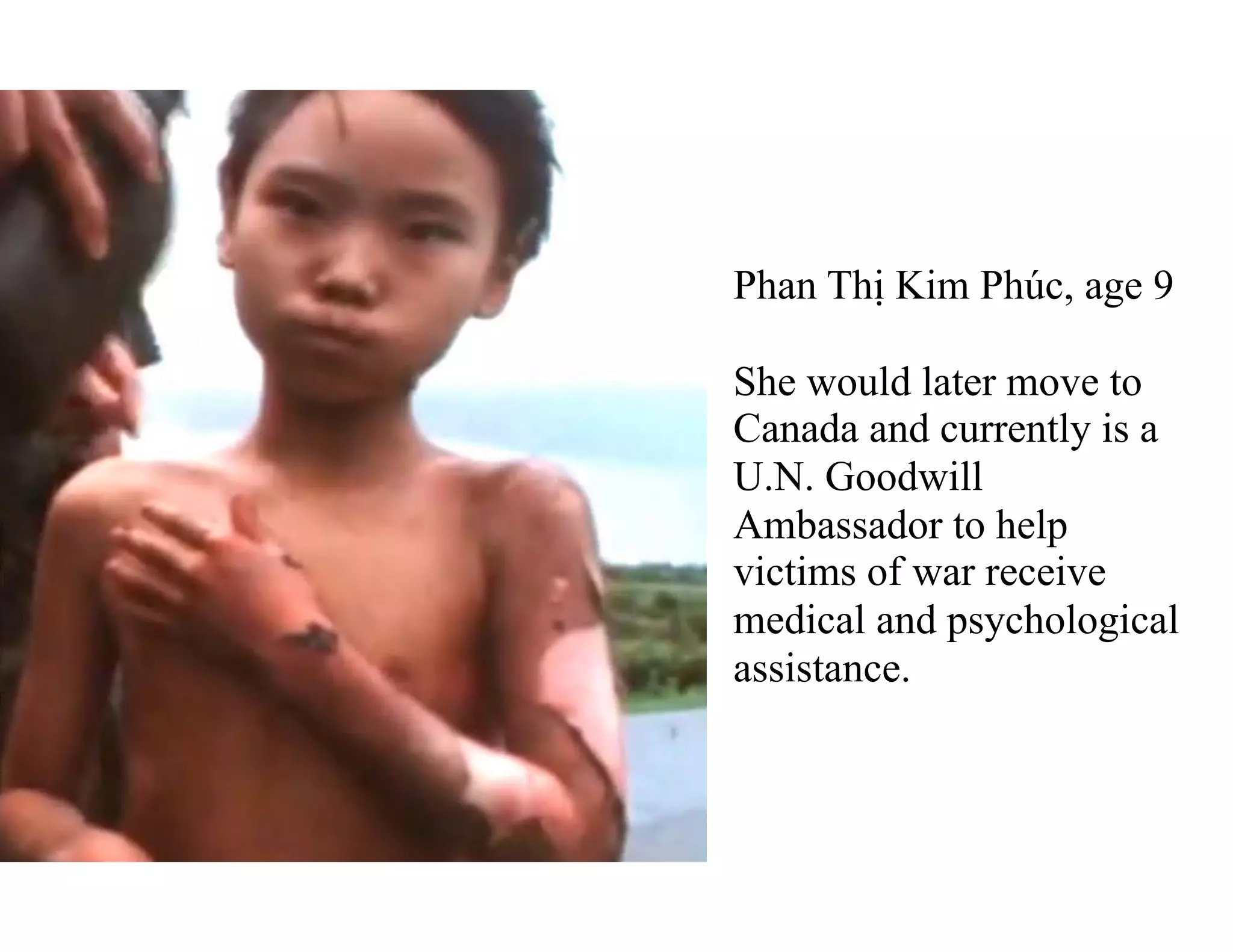
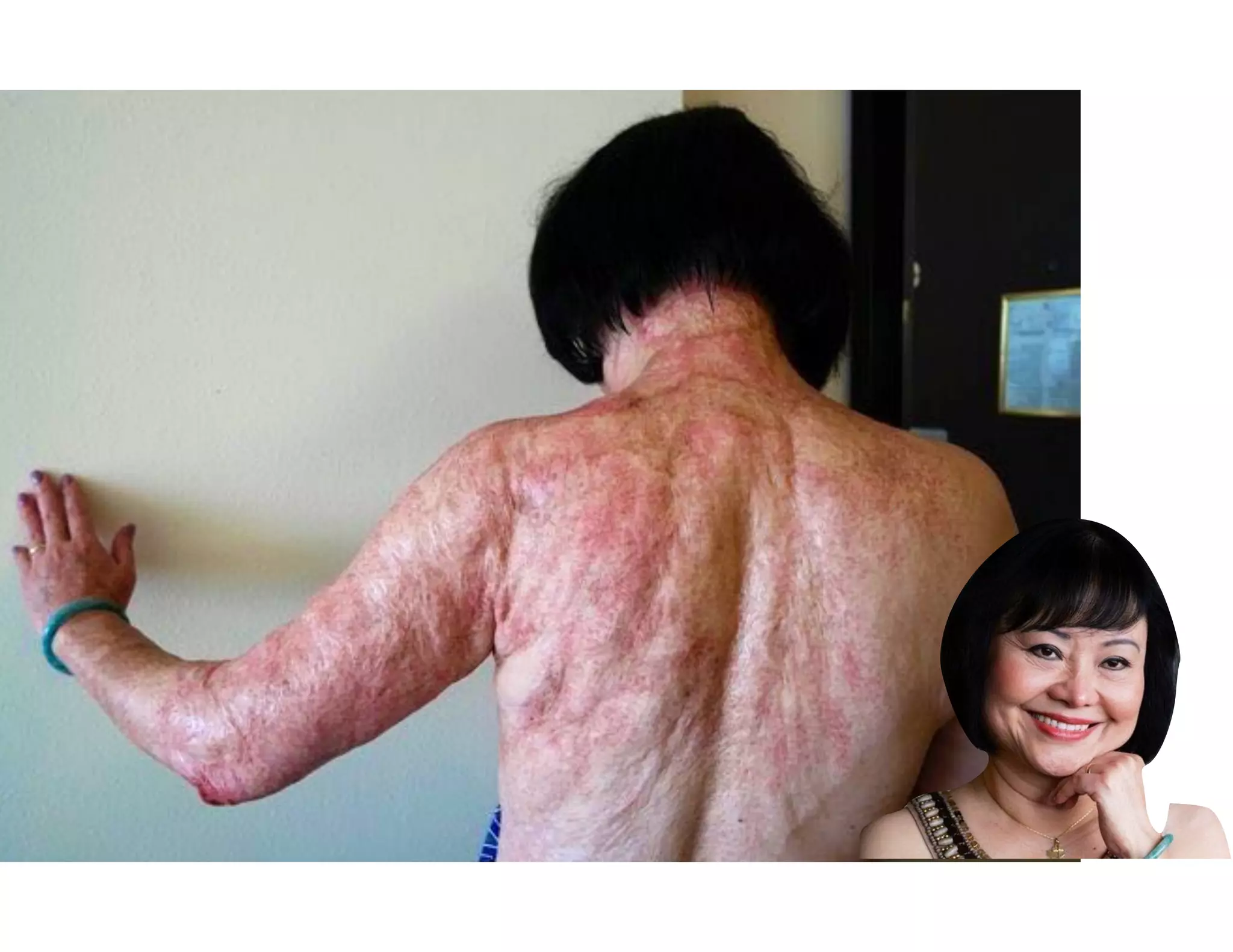
Phan Thị Kim Phúc, age 9
She would later move to
Canada and currently is a
U.N. Goodwill
Ambassador to help
victims of war receive
medical and psychological
assistance.
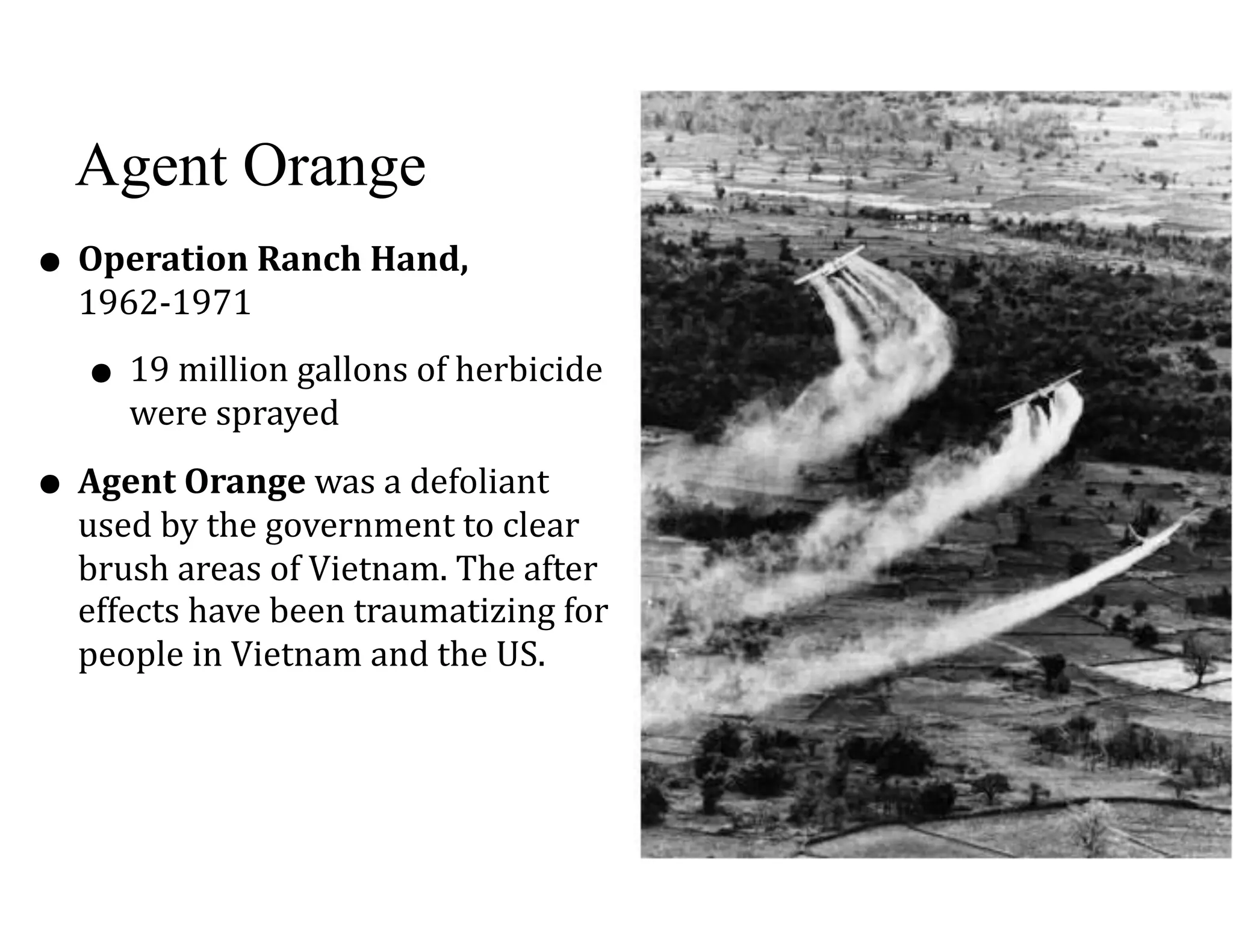
Agent Orange
• Operation	Ranch	Hand,	
1962-1971	
• 19	million	gallons	of	herbicide	
were	sprayed	
• Agent	Orange	was	a	defoliant	
used	by	the	government	to	clear	
brush	areas	of	Vietnam.	The	after	
effects	have	been	traumatizing	for	
people	in	Vietnam	and	the	US.
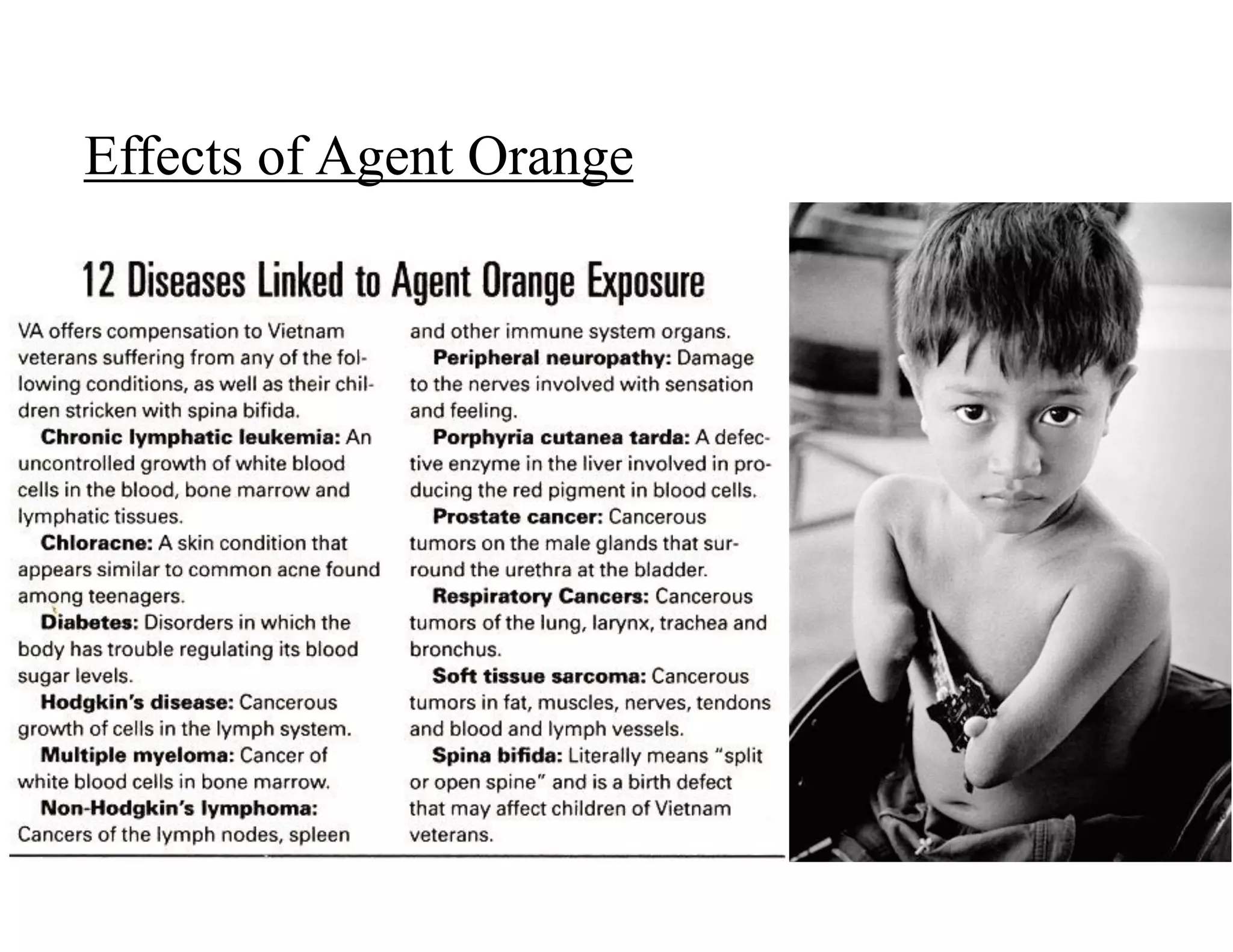
Effects of Agent Orange
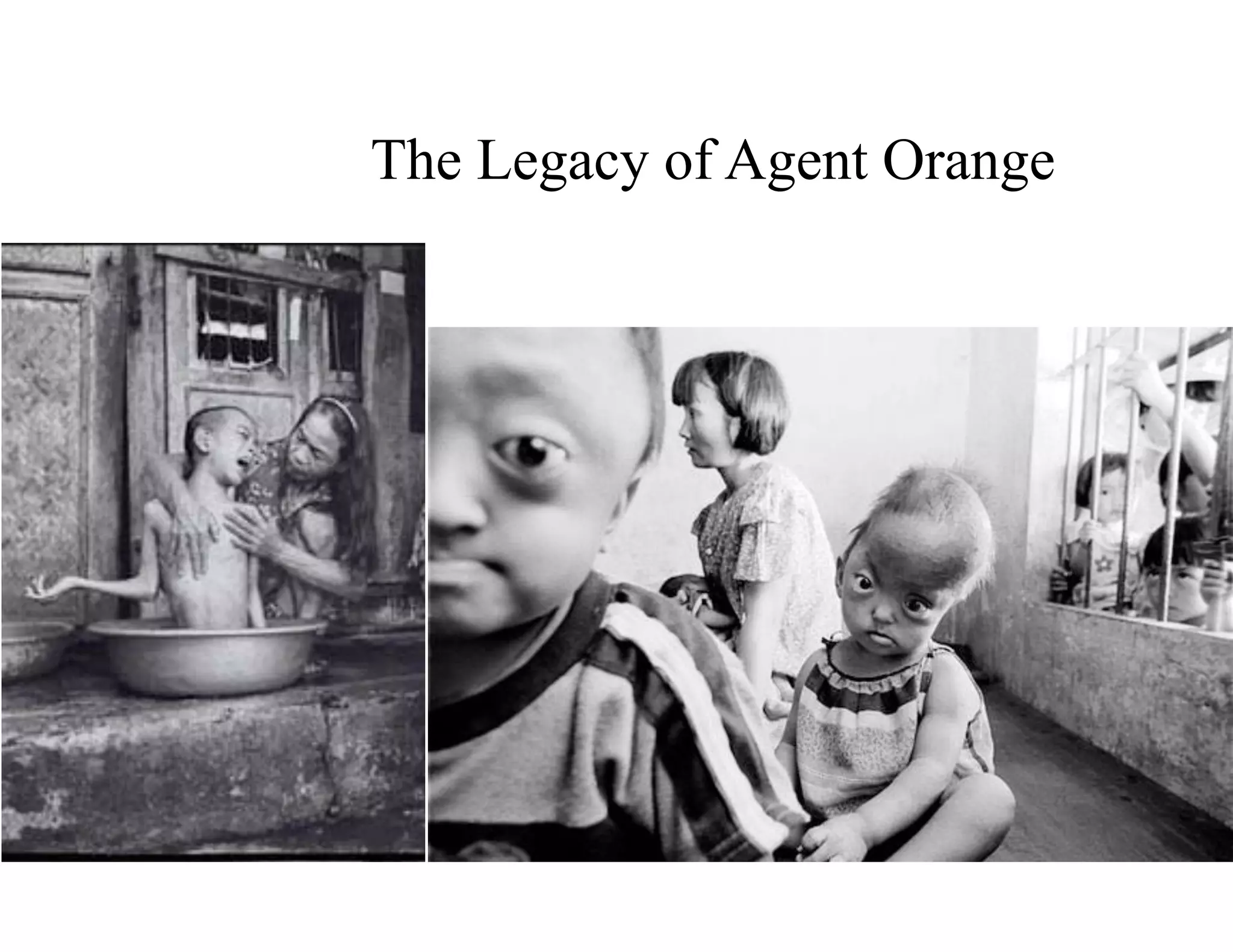
The Legacy of Agent Orange

APUSH Lecture Ch. 29 pt 1

  • 1.
    Kennedy, Johnson andthe War in Vietnam
  • 2.
    President John F.Kennedy “And so, my fellow Americans - ask not what your country can do for you- ask what you can do for your country.” Inaugural Address Jan 1961
  • 3.
    John F. Kennedy1961-63 •35th president •Kennedy Mystique –Youngest elected president –Addison’s disease –war hero •1960 election was first that featured TV and Kennedy used this visual element to his advantage •Key events: Berlin Wall, Aug. 1961; Cuban Missile Crisis, 1962
  • 4.
    •Most who watchedthe televised debate felt JFK won. Those who listened on the radio felt Nixon won. •The most common influencer today in ‘electability’ is ‘looks presidential’ Nixon over radio sounded i n f o r m e d , e x p e r i e n c e and confident but on TV he l o o k e d uncomfortable and nervous
  • 5.
    Camelot •Much of Kennedy’sfame is wrapped up in his visual appeal to many Americans. •It was often said that the White House was a new version of Camelot –The Eisenhower’s were old and private. The Kennedy’s had young children - they were a young family in the era of young families. •A hollywood family in the era of television. TV allowed Americans a medium to connect
  • 8.
    Space Program •Oct. 4,1957- Sputnik launches from USSR –only 184 lbs but it orbited the globe every 92 mins. •Nov, 1957 - Sputnik II (which weighed 1,120 lbs) carried measuring equipment and Laika - the world’s first astro- mutt? •The Kennedy Administration concentrated on trying to close the aerospace gap that emerged during the 1950s between the US and USSR. Funding for NASA would establish the Apollo program with astronaut training •1958 - NASA is formed •1961 - Yuri Gagarin first person to orbit Earth •1963 Apollo program started •Results in six moon walks (starting 1969) Oh little Sputnik With made-in-Moscow beep, You tell the world it’s a Commie sky And Uncle Sam’s asleep
  • 10.
    Space Program • 1961- Alan Shepard Jr. first American in space • 1962 - John Glenn first American in orbit • 1969 - Armstrong and Aldrin first to land on the Moon “not because its easy but because its hard” - Pres. John Kennedy
  • 12.
    The Bay ofPigs Invasion Cuba –Fidel Castro overthrows Fulgencio Batista, Jan. 1959 –Bay of Pigs plan is set into motion Fall of 1960 **(Eisenhower still President) Kennedy – April 17-20, 1961 CIA sponsored invasion of Cuba •1200 armed militants; poorly armed and organized •Failure embarrasses Kennedy Admin. and emboldens USSR push in the West.
  • 13.
    The Cuban Missile Crisis •Advisersrecognized that Soviet missiles on Cuba altered the balance of power in the arms race –1962 - •U.S. had 140 ICBM’s (intercontinental ballistic missiles) •USSR had 40 ICBM’s –With missiles on Cuba, Soviets could strike the U.S. with only a few minutes warning
  • 14.
    •Oct 22 -Evidence of missiles in Cuba results in Kennedy ordering a naval blockade or “quarantine” of Cuba. Spat with Krushchev •Early Discussion - air strikes to take out the missiles –Ruled out for a number of reasons 1.Could not destroy all missiles 2.Had not located all missile sites 3.Death of Soviet troops = WWIII Decision = Blockade The Cuban Missile Crisis
  • 15.
  • 16.
    •While the SovietUnion honored the blockade, they refused to remove the already existing missiles from Cuba •Finally on October 26, Khrushchev promised to remove the missiles on three conditions: –U.S. ended its blockade –U.S. promised never to invade Cuba –U.S. removed its missiles from Turkey The Cuban Missile Crisis
  • 17.
    •Publicly the U.S.honored all except the last •Secretly, JFK promised Khrushchev he would remove the missiles from Turkey –JFK did not want to worry U.S. allies in Europe •Oct 28 - Crisis Ends with Krushchev’s public concession. In the public, the Soviet Union loses. Soon after, Krushchev is forced out of power by Soviet led hardliners The Cuban Missile Crisis
  • 19.
    •October 27 1962,was the most dangerous day in history. •An American spy plane had been shot down over Cuba while another U2 was lost in Soviet airspace •With tension already high an American destroyer, the USS Beale, began to drop depth charges on the B-59, a Soviet submarine armed with a nuclear weapon. •The captain of the B-59, Valentin Savitsky, had no way of knowing that the depth charges were non-lethal "practice" rounds intended as warning shots to force the B-59 to surface. •The Beale was joined by other US destroyers who piled in to pummel the submerged B-59 with more explosives. •The exhausted Savitsky assumed that his submarine was doomed and that WWIII had broken out. He ordered the B-59's ten kiloton nuclear torpedo to be prepared for firing. •With no contact to the Kremlin it was the sub commanders that decided whether or not to launch. In the sweltering control room of a submarine, the launch was approved by two of the three - Arkhipov was alone in refusing permission. The Man Who Saved the World: Vasili Arkhipov
  • 20.
    Foreign Policy: FlexibleResponse •A shift to US expansion: flexible response - –Kennedy moved away from Eisenhower doctrine of massive retaliation (brinkmanship) after Cuban Missile Crisis –Used conventional troops instead of nuclear assault –Unfortunately, the first move is sending US troops to South Vietnam, a decision that troubled him.
  • 21.
    Domestic Policy -New Frontier •JFK’s Domestic Program was centered around an ambitious civil rights platform. •Bobby Kennedy (attorney general) repeatedly protected civil rights protesters by using federal troops. •Civil Rights Act of ’64 was negotiated primarily by Kennedy’s staff. •Growth of educational aid (FAFSA programs and P.E. and AP/Honors programs.) •Also established the Peace Corps and added additional funding for elderly care.
  • 22.
    JFK Assassination/Reaction •Campaigningfor Re- Election in the South. •Death caught on film and seen by countless witnesses. •Lee Harvey Oswald shot Kennedy on November 22, 1963 •Oswald is later killed by Jack Ruby •Conspiracy theories about JFK’s murder •Mafia? CIA? LBJ? •Because of the TV news reporting, people felt a strong emotional connection to his death.
  • 23.
    •For many Americans thedeath of Kennedy struck close to home. •A nation grieved - newscasters broke down on live TV. Time stood still. •“Where were you…” •His death was the start of a tumultuous decade that torn at the fabric of American Life.
  • 26.
  • 27.
  • 28.
    Lyndon B. Johnsonand the Great Society
  • 29.
    Lyndon Baines Johnson EarlyLife/Career • Born in Texas and grew up with significant financial hardship. • Initially worked as a teacher near the Texas/Mexico border in the 1930s. • Worked his way up from every level in government from: Congressional Aid, to State Rep, to House of Rep, to Senate. • Served and nearly killed in WWII • A notorious workaholic who practically lived in his office. Johnson gained a reputation for bi-partisan negotiation
  • 30.
    Election of 1964 SenatorBarry Goldwater •Goldwater attacks LBJ policies as continuation of New Deal •“In your heart, you know he’s right!” - slogan LBJ •Johnson portrays Goldwater as a crazed war-monger •“In your guts, you know he’s nuts!”
  • 31.
  • 32.
    1964 Win EarnsHim “Landslide Lyndon”
  • 33.
    •LBJ wanted tobe viewed as a great reformer, like FDR. • Was deeply affected by JFK’s death and felt loyal to the civil rights campaign that both had worked hard to accomplish. • “Let us continue” and “We can do everything. We can solve everything” - slogans, 1963 & ’64 • In his State of the Union Address in 1964 announces a “War on Poverty” through his Great Society program.
  • 34.
    Domestic Policies Continued •24th Amendment, January of 1964 banned the use of poll taxes • July 1964 signs the Civil Rights Act of ’64 • a. He authorized the Attorney General to bring suits against school districts not in compliance with Brown v Board • b. Outlaws race discrimination in employment • Post 1964 election, LBJ uses the landslide victory as political leverage in his ‘war against poverty’ campaign.
  • 35.
    Johnson’s Great Society ImmigrationAct of 1965 Civil Rights Act of 1964 Voting Rights Act of 1965 Housing Act of 1965 Thurgood Marshall to SC •Medicare •Medicaid •Office of Economic Opportunity (OEO) •Head Start •Food Stamps •Department of Housing and Urban Development (HUD) •National Foundation for the Arts and Humanities •Public Broadcasting Corp. •Elementary and Secondary Education Act 1965
  • 36.
    “The Johnson Treatment” •LBJ was notorious for his methods of intimidation. He used his physical size, vulgarity and lack of shame to gain leverage. • Took great pleasure from others’ discomfort and had a need to dominate mostly other men in competitive situations. • Was a flasher • FDR wading pool • Car in the water trick • Lady Bird Johnson - was mostly oblivious to his actions due to the Secret Service covering it all up.
  • 39.
    Containment leads toVietnam •French Indochina consisted of Vietnam, Cambodia and Laos •1940 with the fall of France, the colony is turned over to Japan. •The US proceeded to aide anti-Japanese groups in Vietnam, including the Nationalist group the Vietminh and their leader Ho Chi Minh
  • 40.
    Containment Fails andLeads to War •Dec. 1946, French try to reclaim French Indochina •Initially US against, however opts to assist financially •In 1950 Bao Dei (Vietnamese royal family) recognized by US •By 1954, US paying for 80% of the war •Dien Bien Phu falls in May, 1954 •Geneva Accords, May, 1954 •17th parallel and DMZ •Ngo Dinh Diem (1956-63) •assassination of Diem leads to direct military involvement
  • 41.
    Escalation of thewar ’64 to ’68 •Gulf of Tonkin, Aug.7, 1964 •Privately, LBJ did not believe that the war was winnable •“I don’t think it’s worth fighting for and I don’t think we can get out”- LBJ • “quagmire” of Vietnam •Two part military strategy, 1965 • Air power “Operation Rolling Thunder” • Ground troops •Gen. William C. Westmoreland
  • 42.
    Escalation of thewar ’64 to ’68 •Domino Theory was at the center of LBJ’s rationale for the war. •“If we should lose in South Vietnam, we would lose Southeast Asia. Country after country on the periphery” •By late 1967, Johnson had increased troop numbers to over 550,000 •“Credibility Gap” leads to a rise in anti-war protests at home
  • 44.
    nEarly years (1960-1966)—professionalsoldiers and volunteers. nLater years (1966-1973)—the Draft. (Selective Service System—WWI) nBy December 1966, the draft call was up to 40,000 men each month. nBy 1973, 2.15 million (total had served)
  • 45.
    Which young men*were drafted? nLower income nNo college degree nAfrican Americans and Latino Americans made up 31% of all combat troops at the beginning of the war. qThey were much more likely to see heavy combat throughout the war. nOver half of the 234 sons of Congressmen and Senators received deferments, only 28 were sent to Vietnam – none were killed n*10,000 women served as nurses and other support roles.
  • 46.
    Tet Offensive n“We havegot our opponent almost on the ropes. We are confident that we are winning the war...” - Westmoreland Nov. 1967 nJanuary-June of 1968 nhighly coordinated attack by Viet Cong on 36/44 strongholds nEnds as military victory for U.S., but psychological victory for North Vietnamese nAmerican public begins to doubt U.S. can win war.
  • 47.
  • 48.
  • 49.
    My Lai Massacre •March 16, 1968 • American squad led by Lt. William Calley rounded up and beat, raped and executed local villagers. • Approx. 350 killed • A soldier present happened to work for a news source and pictures later leaked worldwide.
  • 50.
    My Lai Massacre,March 1968 Bodies on Roadside after My Lai Massacre
  • 51.
    Napalm nNapalm—an incendiary liquidmade of jellied gasoline that sticks to surfaces while burning. nCountless people were badly burned or completely incinerated by Napalm runs.
  • 53.
    Phan Thị KimPhúc, age 9 She would later move to Canada and currently is a U.N. Goodwill Ambassador to help victims of war receive medical and psychological assistance.
  • 55.
    Agent Orange • Operation Ranch Hand, 1962-1971 •19 million gallons of herbicide were sprayed • Agent Orange was a defoliant used by the government to clear brush areas of Vietnam. The after effects have been traumatizing for people in Vietnam and the US.
  • 56.
  • 57.
    The Legacy ofAgent Orange