Team
Five
Star
Who are we?
•
•
•
•

Jacinta Browne
Paul Ebbs
María-José González
Damian Gordon
W H AT T O P I C ?

Critical
Thinking
WHO IS OUR
AUDIENCE?
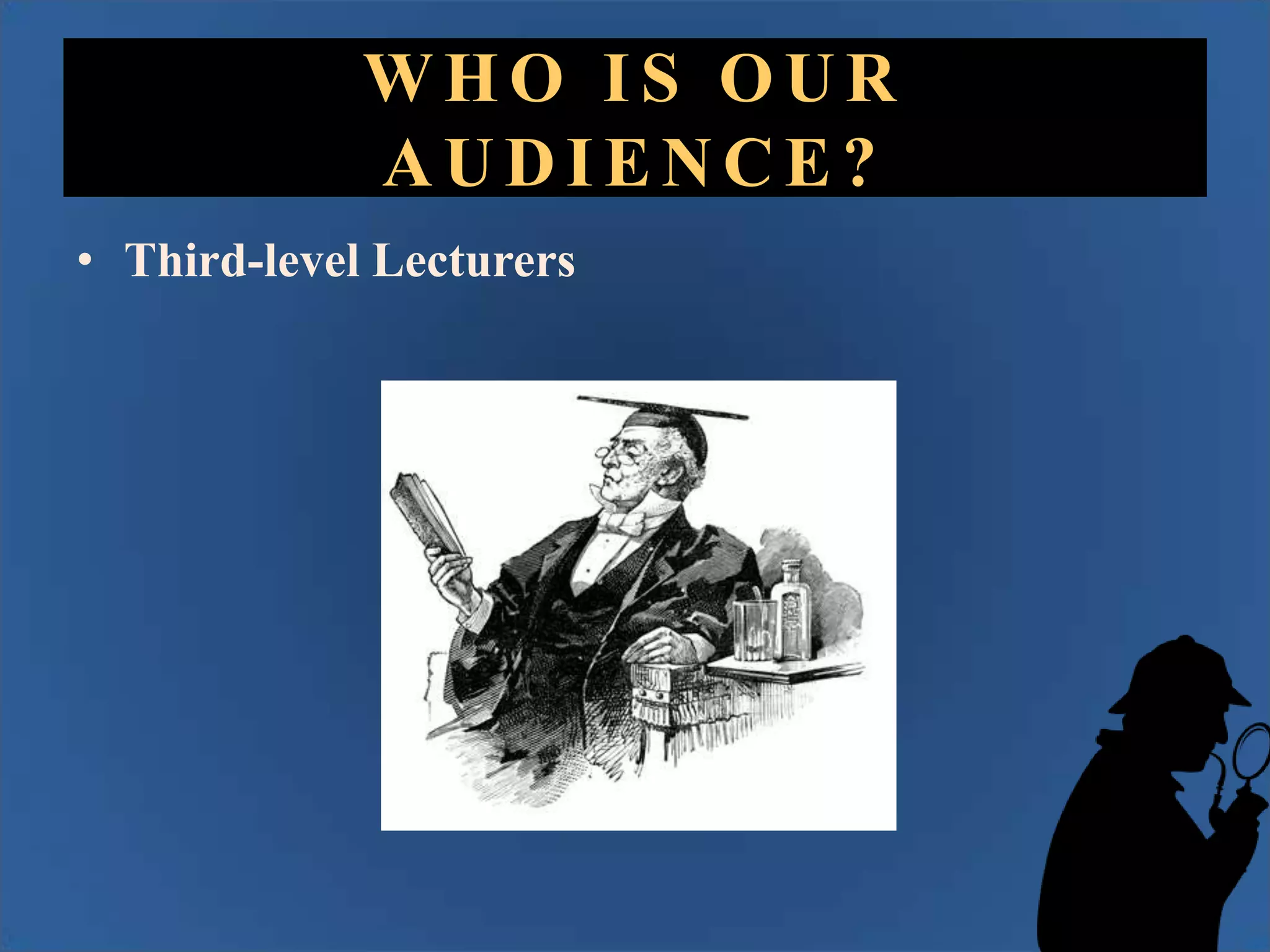
• Third-level Lecturers
What is the purpose?
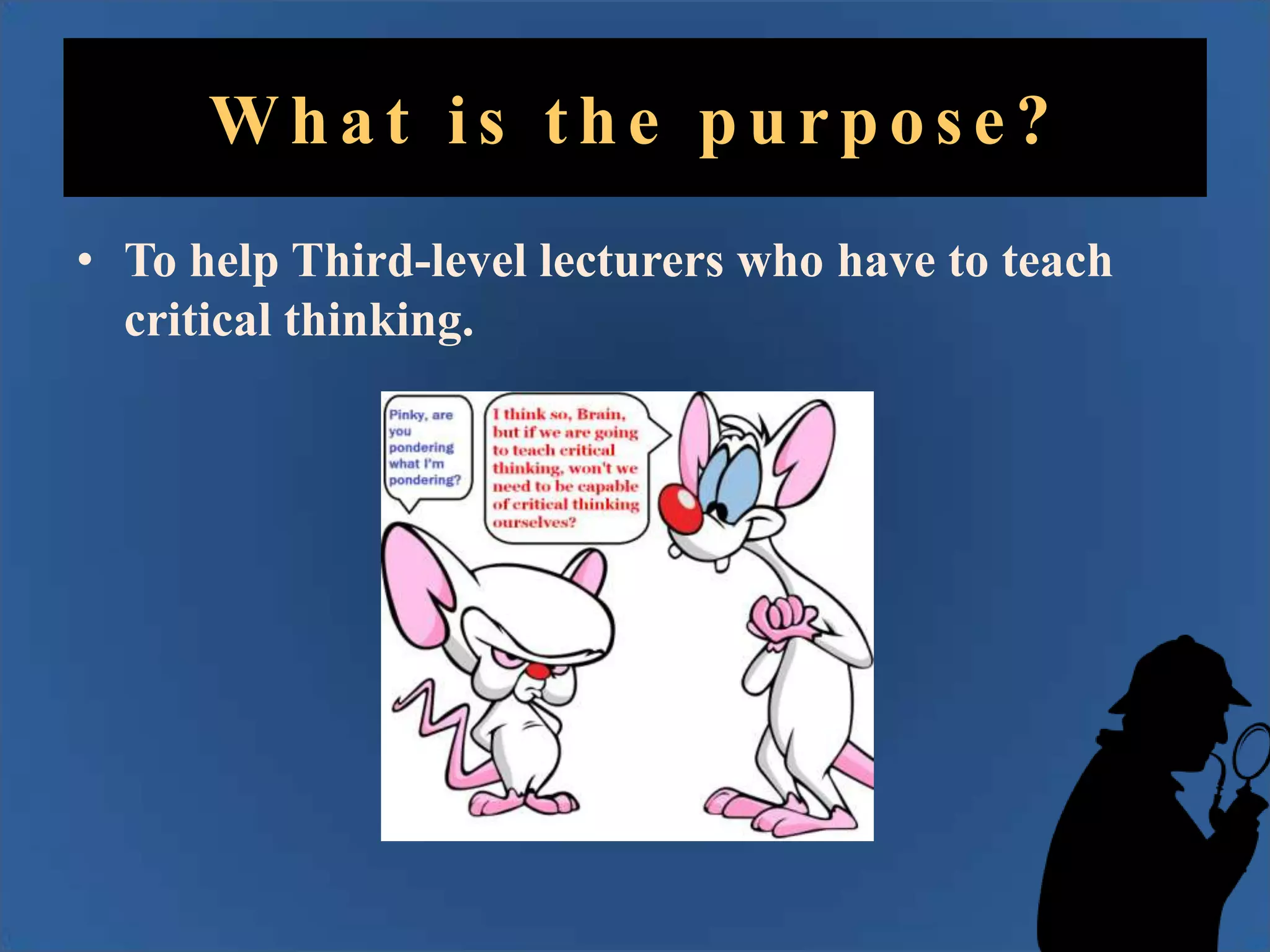
• To help Third-level lecturers who have to teach
critical thinking.
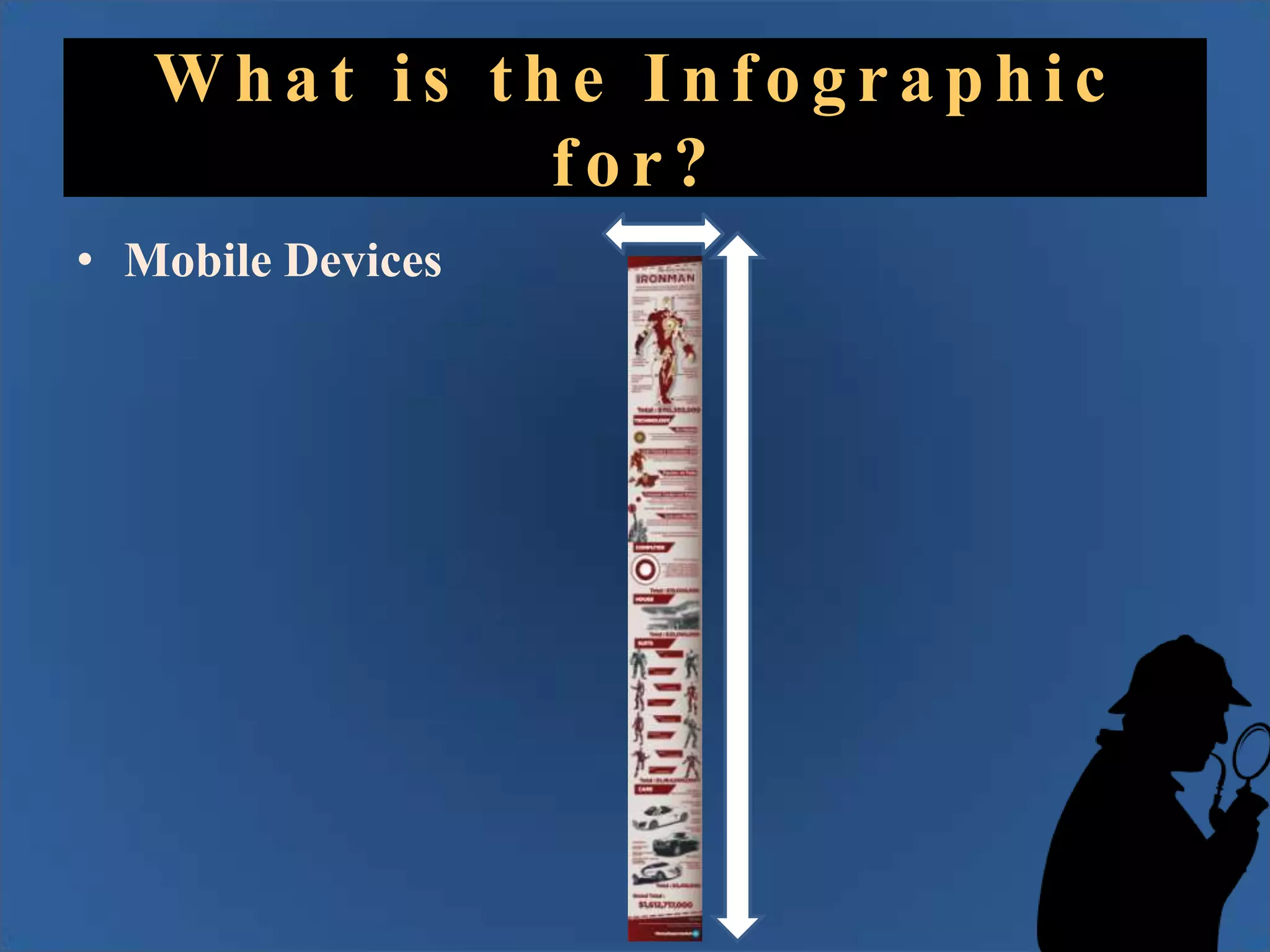
What is the Infographic
for?
• Mobile Devices
D ATA f o r I n f o g r a p h i c
•
•
•
•
•
•
•
•

Critical Thinking research
------------------------------------------Critical Thinking definitions
Critical Thinking tools
Critical Learning styles
Leading critical thinkers
------------------------------------------Critical Thinking timeline
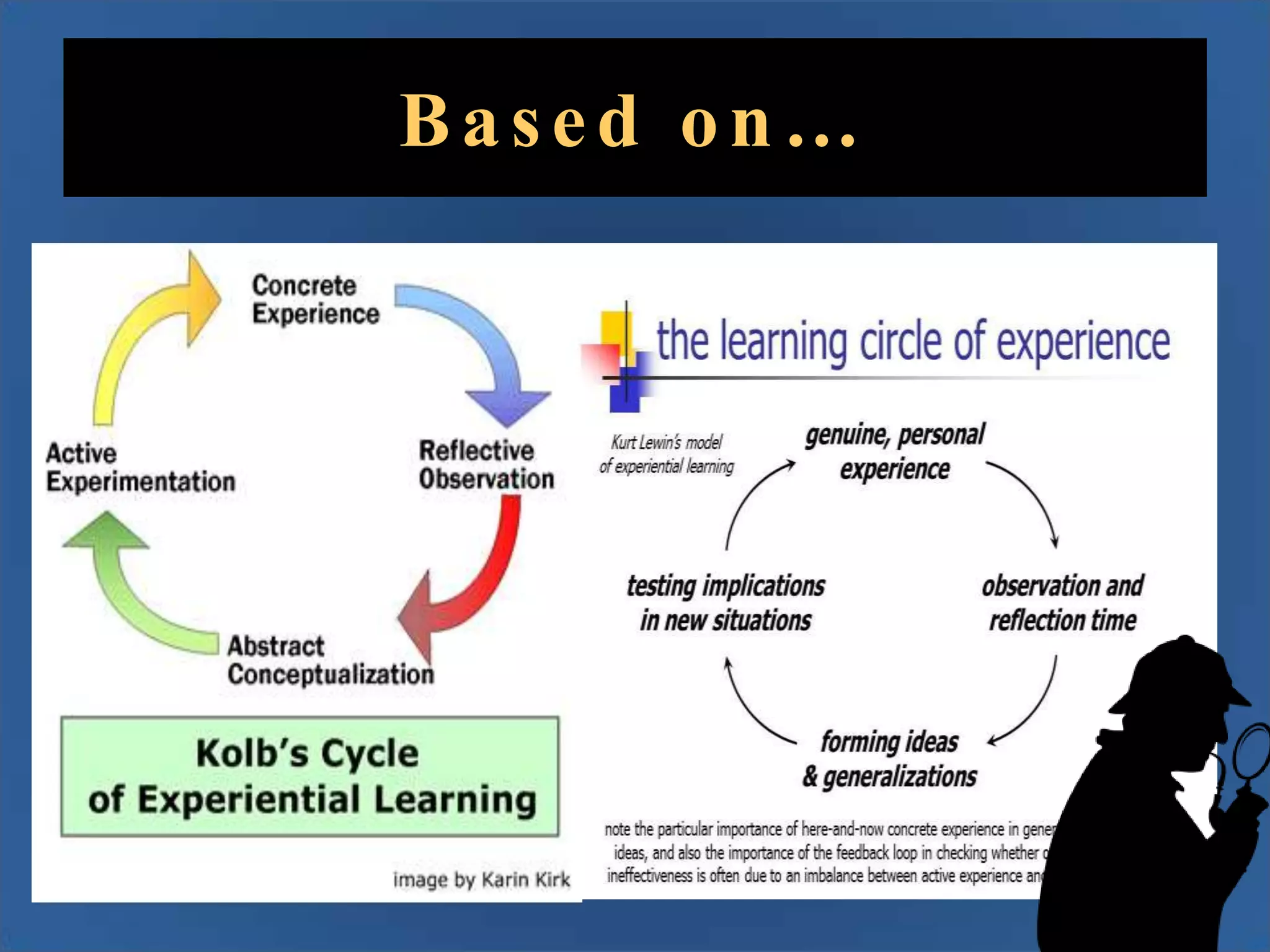
Based on…
Based on…
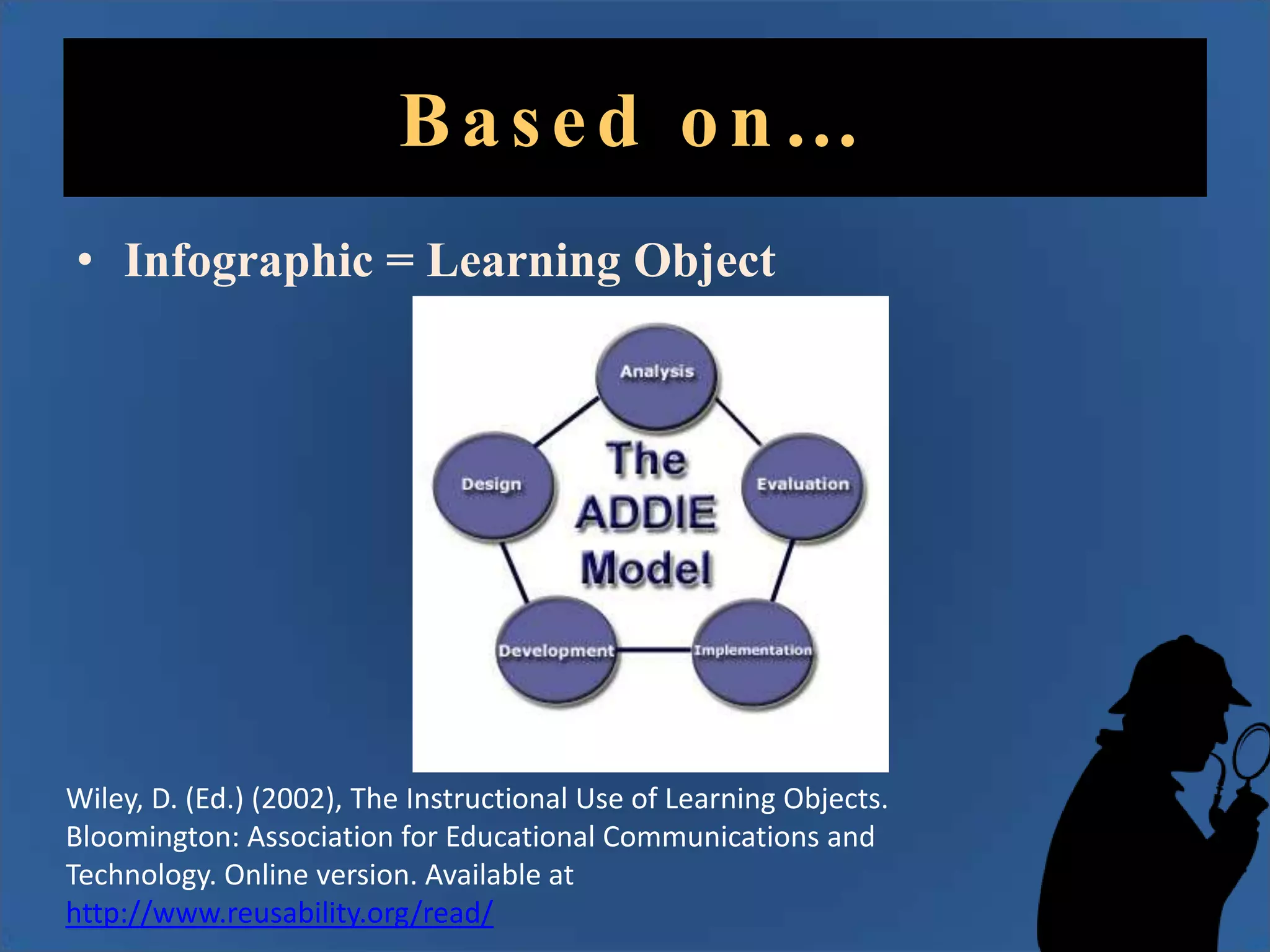
• Infographic = Learning Object

Wiley, D. (Ed.) (2002), The Instructional Use of Learning Objects.
Bloomington: Association for Educational Communications and
Technology. Online version. Available at
http://www.reusability.org/read/
Based on…
• Infographic = Learning Object

Wiley, D. (Ed.) (2002), The Instructional Use of Learning Objects.
Bloomington: Association for Educational Communications and
Technology. Online version. Available at
http://www.reusability.org/read/
Considering…
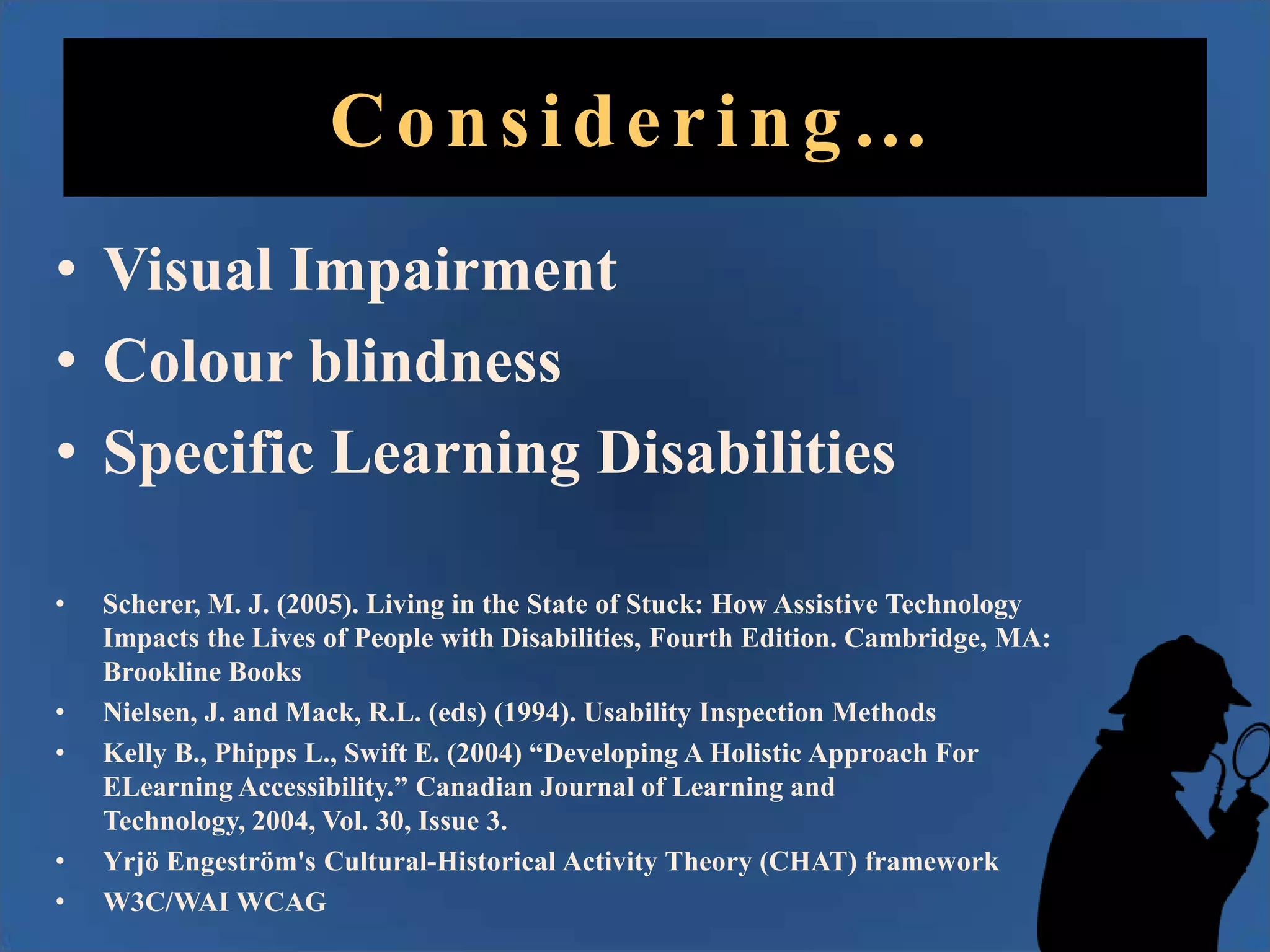
• Visual Impairment
• Colour blindness
• Specific Learning Disabilities
Considering…
• Visual Impairment
• Colour blindness
• Specific Learning Disabilities
•

•
•

•
•

Scherer, M. J. (2005). Living in the State of Stuck: How Assistive Technology
Impacts the Lives of People with Disabilities, Fourth Edition. Cambridge, MA:
Brookline Books
Nielsen, J. and Mack, R.L. (eds) (1994). Usability Inspection Methods
Kelly B., Phipps L., Swift E. (2004) “Developing A Holistic Approach For
ELearning Accessibility.” Canadian Journal of Learning and
Technology, 2004, Vol. 30, Issue 3.
Yrjö Engeström's Cultural-Historical Activity Theory (CHAT) framework
W3C/WAI WCAG
LOOK and FEEL
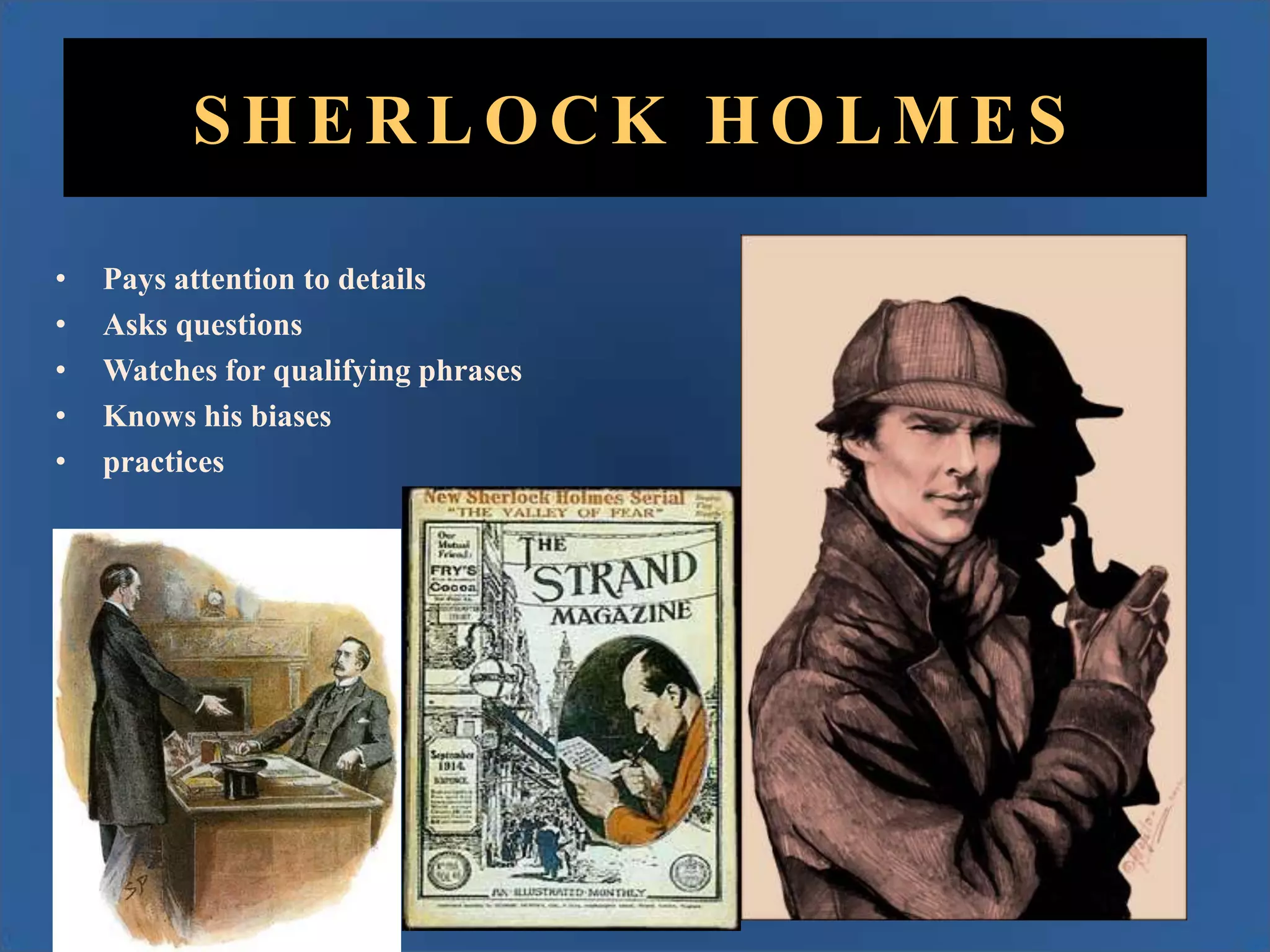
SHERLOCK HOLMES
•
•
•
•
•

Pays attention to details
Asks questions
Watches for qualifying phrases
Knows his biases
practices
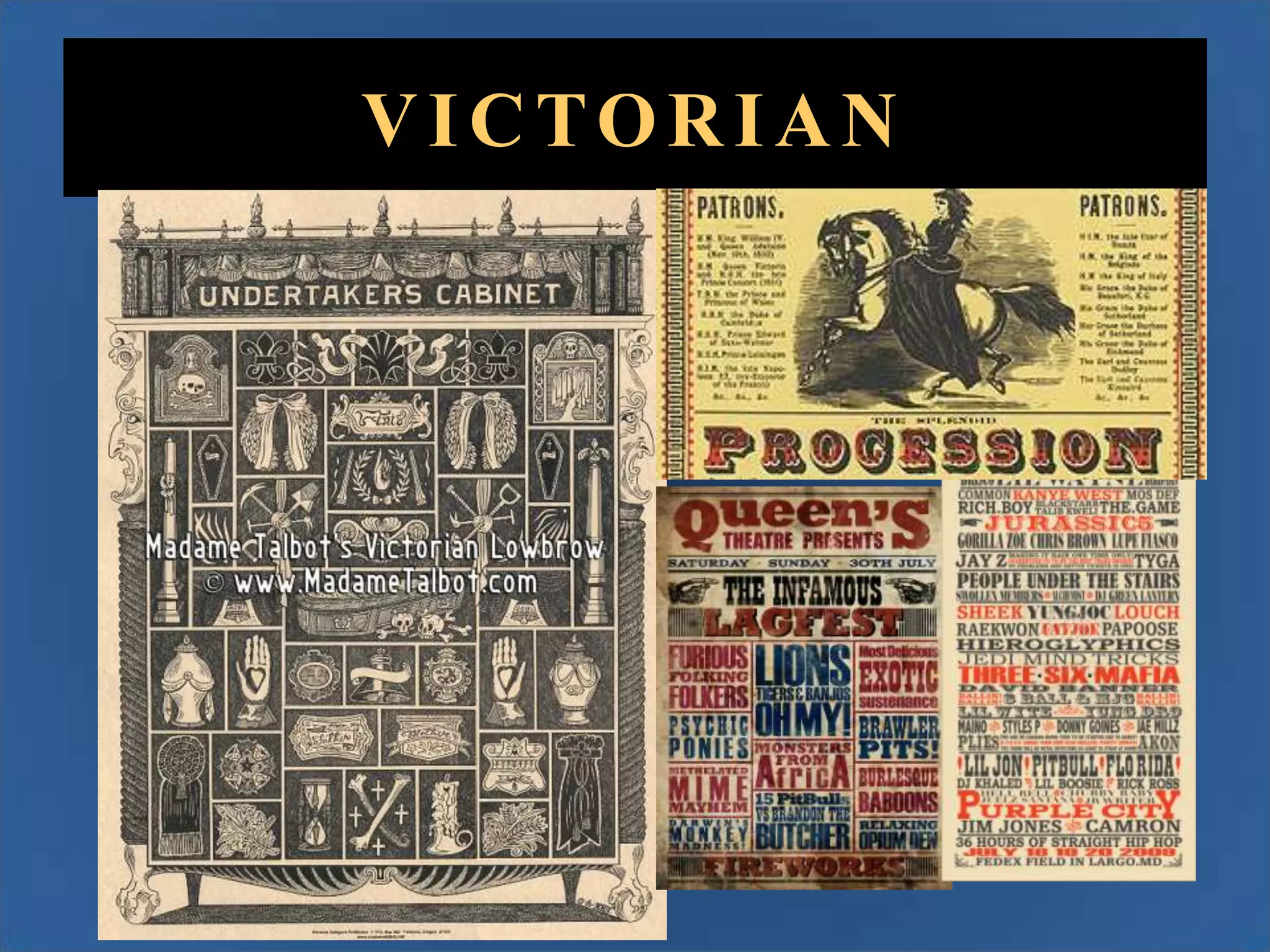
VICTORIAN
STEAMPUNK
Infographic
TOOL

Edited and toolified
And added to a website.
C r i t i c a l Te a c h i n g / L e a r n i n g
styles
Teaching & Learning Styles
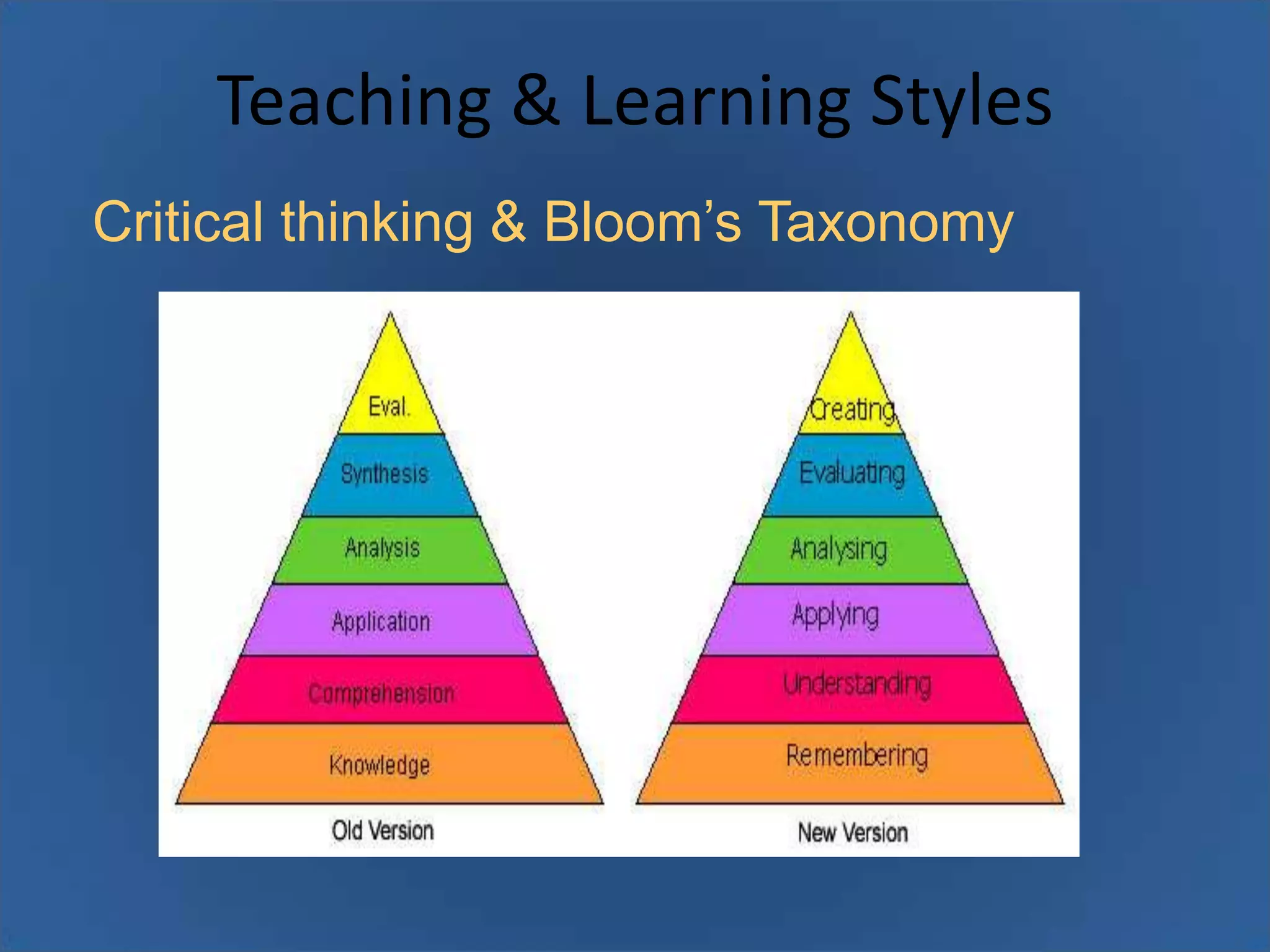
Critical thinking & Bloom’s Taxonomy
• Higher-order skills classified in the Taxonomy such as
analysis, synthesis and evaluation.
• It may be thought that all that needs to be done to
incorporate critical thinking in the classroom is to call for
analysis, synthesis and evaluation of problems.[1]
• However, this would not be sufficient for example the
process of learning is not a linear process for example the
acquisition of knowledge does not merely rely on the
acquisition of facts but rather it requires an
analysis, synthesis and evaluation of the facts in order for it
to become knowledge.
• Critical thinking in the classroom - foster a learning
environment which combines the presenting of facts for the
learner to examine and question and use in order to construct
their knowledge.
Teaching & Learning Styles
Critical thinking & Bloom’s Taxonomy
Teaching & Learning Styles
• Behaviourism
Behaviourism concentrates on observable behaviour without
considering motivation or other mental processes. With this
teaching style the main implication is that the learner is
completely passive, and the teacher holds the key to
learning success, so how can critical thinking be considered
with this approach. Taking a behaviourism approach the
goal is to change a behaviour and to measure that
change, so the change is critical thinking.
Using this approach the material presented should be
presented in (1) chunks and (2) questioning of the material
should be introduced at the beginning. (3) Frequent
feedback should be provided to the learner.[2]
Teaching & Learning Styles
• Cognitivism
Cognitivism focuses on the way in which the learner gains
and organises their knowledge. This approach to learning
develops strategies for thinking and so aligns well with critical
thinking. With this approach facts are presented to the
learner and the learner encodes these facts in their long-term
and due to the encoding the information can be retrieved.
This approach of encoding information involved the learners
analysis, synthesis and evaluation of the material thus a
process of developing their critical thinking.

Using this approach the use of (1) mind-maps as a
presentation of the facts aligns well with developing critical
thinking skills through cognitive approaches of learning.[2]
Teaching & Learning Styles
• Social Constructivism
Social constructivism involves learning based on the
interaction with others. It is believed that thinking
does not exist independently of the world, nor of other
people.

Using this approach the use of (1) peer tutoring is very
valuable as the learner has to construct their and then
present it to their peer, this presentation of the facts to
the peer in then challenged, encouraging a deeper
level of learning and could be used to promote critical
thinking.[2]

Team Project work on Critical Thinking Infographic

  • 1.
  • 2.
    Who are we? • • • • JacintaBrowne Paul Ebbs María-José González Damian Gordon
  • 3.
    W H ATT O P I C ? Critical Thinking
  • 4.
    WHO IS OUR AUDIENCE? •Third-level Lecturers
  • 5.
    What is thepurpose? • To help Third-level lecturers who have to teach critical thinking.
  • 6.
    What is theInfographic for? • Mobile Devices
  • 7.
    D ATA fo r I n f o g r a p h i c • • • • • • • • Critical Thinking research ------------------------------------------Critical Thinking definitions Critical Thinking tools Critical Learning styles Leading critical thinkers ------------------------------------------Critical Thinking timeline
  • 8.
  • 9.
    Based on… • Infographic= Learning Object Wiley, D. (Ed.) (2002), The Instructional Use of Learning Objects. Bloomington: Association for Educational Communications and Technology. Online version. Available at http://www.reusability.org/read/
  • 10.
    Based on… • Infographic= Learning Object Wiley, D. (Ed.) (2002), The Instructional Use of Learning Objects. Bloomington: Association for Educational Communications and Technology. Online version. Available at http://www.reusability.org/read/
  • 11.
    Considering… • Visual Impairment •Colour blindness • Specific Learning Disabilities
  • 12.
    Considering… • Visual Impairment •Colour blindness • Specific Learning Disabilities • • • • • Scherer, M. J. (2005). Living in the State of Stuck: How Assistive Technology Impacts the Lives of People with Disabilities, Fourth Edition. Cambridge, MA: Brookline Books Nielsen, J. and Mack, R.L. (eds) (1994). Usability Inspection Methods Kelly B., Phipps L., Swift E. (2004) “Developing A Holistic Approach For ELearning Accessibility.” Canadian Journal of Learning and Technology, 2004, Vol. 30, Issue 3. Yrjö Engeström's Cultural-Historical Activity Theory (CHAT) framework W3C/WAI WCAG
  • 13.
  • 14.
    SHERLOCK HOLMES • • • • • Pays attentionto details Asks questions Watches for qualifying phrases Knows his biases practices
  • 15.
  • 16.
  • 17.
  • 18.
    C r it i c a l Te a c h i n g / L e a r n i n g styles
  • 19.
    Teaching & LearningStyles Critical thinking & Bloom’s Taxonomy • Higher-order skills classified in the Taxonomy such as analysis, synthesis and evaluation. • It may be thought that all that needs to be done to incorporate critical thinking in the classroom is to call for analysis, synthesis and evaluation of problems.[1] • However, this would not be sufficient for example the process of learning is not a linear process for example the acquisition of knowledge does not merely rely on the acquisition of facts but rather it requires an analysis, synthesis and evaluation of the facts in order for it to become knowledge. • Critical thinking in the classroom - foster a learning environment which combines the presenting of facts for the learner to examine and question and use in order to construct their knowledge.
  • 20.
    Teaching & LearningStyles Critical thinking & Bloom’s Taxonomy
  • 21.
    Teaching & LearningStyles • Behaviourism Behaviourism concentrates on observable behaviour without considering motivation or other mental processes. With this teaching style the main implication is that the learner is completely passive, and the teacher holds the key to learning success, so how can critical thinking be considered with this approach. Taking a behaviourism approach the goal is to change a behaviour and to measure that change, so the change is critical thinking. Using this approach the material presented should be presented in (1) chunks and (2) questioning of the material should be introduced at the beginning. (3) Frequent feedback should be provided to the learner.[2]
  • 22.
    Teaching & LearningStyles • Cognitivism Cognitivism focuses on the way in which the learner gains and organises their knowledge. This approach to learning develops strategies for thinking and so aligns well with critical thinking. With this approach facts are presented to the learner and the learner encodes these facts in their long-term and due to the encoding the information can be retrieved. This approach of encoding information involved the learners analysis, synthesis and evaluation of the material thus a process of developing their critical thinking. Using this approach the use of (1) mind-maps as a presentation of the facts aligns well with developing critical thinking skills through cognitive approaches of learning.[2]
  • 23.
    Teaching & LearningStyles • Social Constructivism Social constructivism involves learning based on the interaction with others. It is believed that thinking does not exist independently of the world, nor of other people. Using this approach the use of (1) peer tutoring is very valuable as the learner has to construct their and then present it to their peer, this presentation of the facts to the peer in then challenged, encouraging a deeper level of learning and could be used to promote critical thinking.[2]

Editor's Notes

  • #13 http://99designs.com/designer-blog/2013/04/17/designers-need-to-understand-color-blindness/