






↓↓ ↓↓ ↓↓ !!
By
Dr.Ahmed Alsherbiny
MSc. Ophth , FICO , FRCS Ophth (Glasg(
Lower
In Basal Cell Carcinoma, It most frequently
arises from the lower eyelid
In Squamous Cell Carcinoma, The tumour has a
predilection for the lower eyelid and the lid
margin
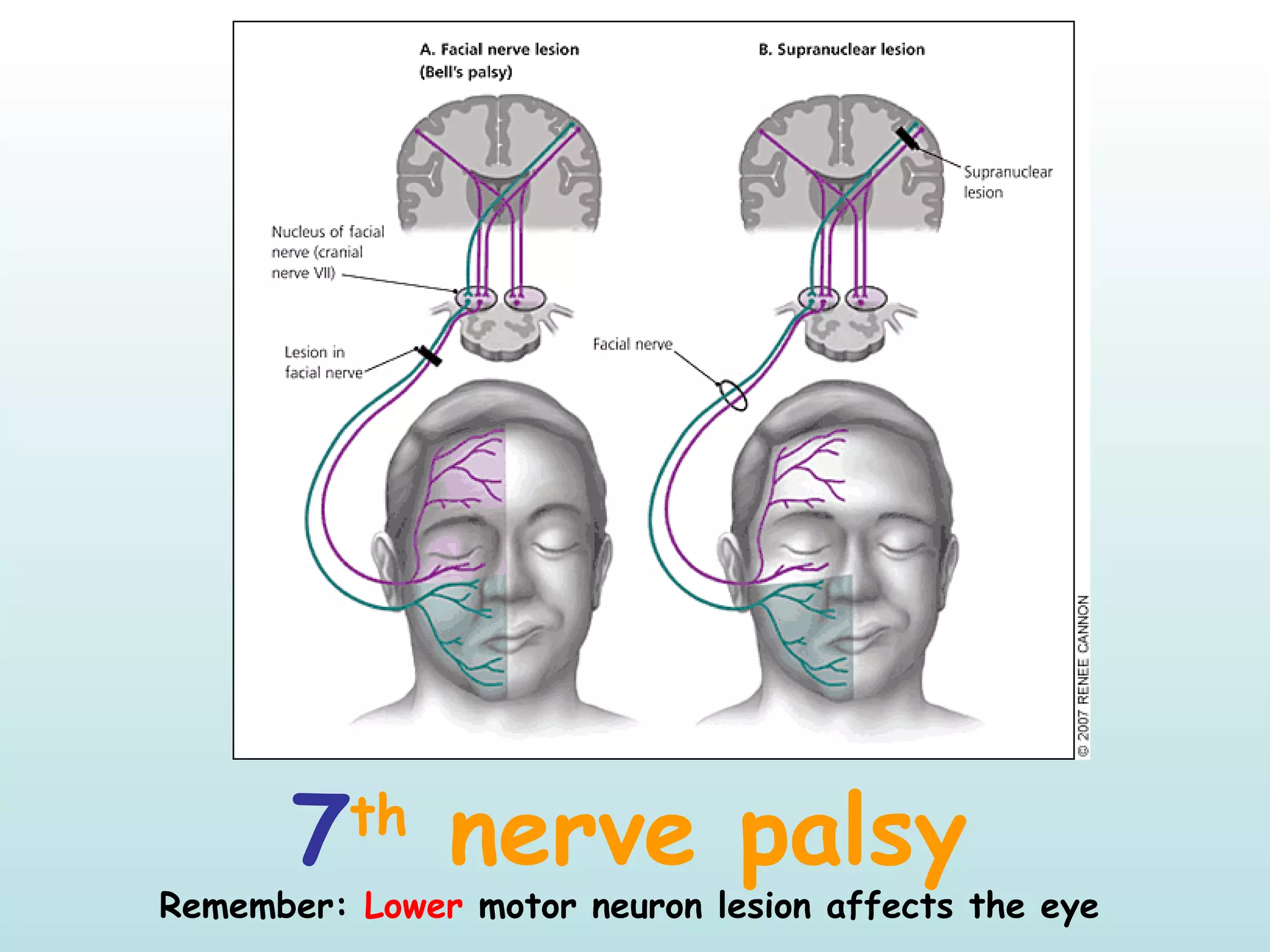
7th
nerve palsy
Remember: Lower motor neuron lesion affects the eye
Keratoacanthoma, A pink dome-shaped
hyperkeratotic lesion develops, often
on the lower lid
In keratoconus, Bulging of the lower
lid in downgaze (Munson sign).
In Congenital Glauoma, Evaluation
under general anaesthesia is generally
required; intravenous ketamine lowers
IOP less than other agents.
Vortex keratopathy (cornea verticillata) (to the   
Left): Fine golden-brown opacities form an
irregular horizontal line in the lower corneal
epithelium of both eyes, similar to that of the
common age-related Hudson–Stähli iron line(to
the Right).
Low
In Choroidal Melanoma,the
characteristic findings are internal
homogeneity with low to medium
reflectivity
Infra
Orbital floor fracture
Infraorbital nerve
anaesthesia involving
the lower lid, cheek,
side of nose, upper
lip, upper teeth and
gums is very common
as the fracture
frequently involves
the infraorbital canal.
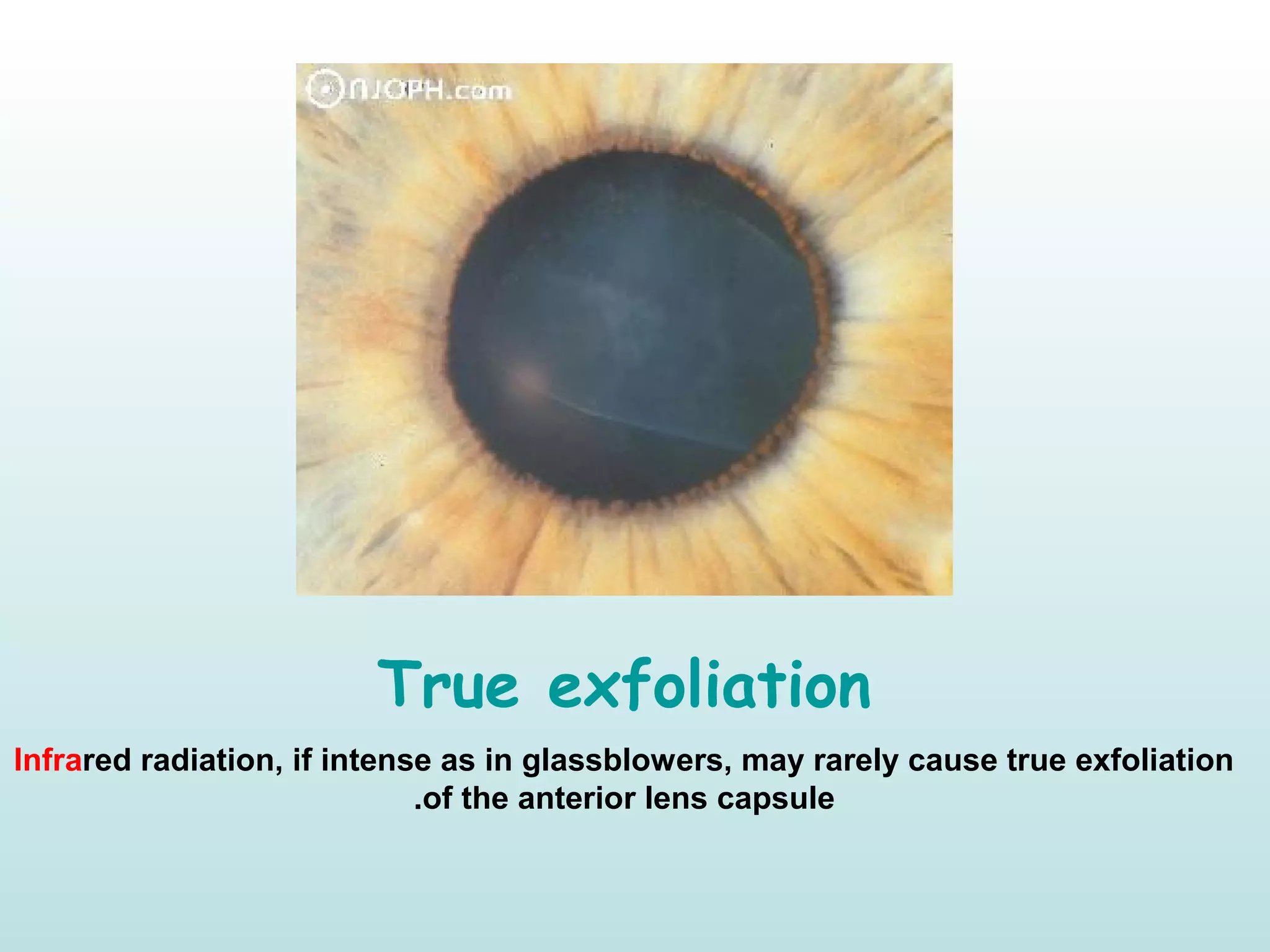
True exfoliation
Infrared radiation, if intense as in glassblowers, may rarely cause true exfoliation
of the anterior lens capsule.
Inferior
Iridoschisis is a rare condition typically affecting both eyes of an
older patient; glaucoma, particularly angle-closure, is associated in
up to 90%. The mechanism is incompletely understood, but it has
been proposed that in many cases intermittent substantial elevation
of IOP results in iris atrophy, with severity ranging from stromal
atrophy to fibrillar disintegration of the anterior layer; changes are
more marked inferiorly
Inferior involvement rosacea. (A) Eyelid margin         
telangiectasia; (B) peripheral corneal       
vascularization; (C) focal corneal thinning; (D)           
severe scarring and vascularization     
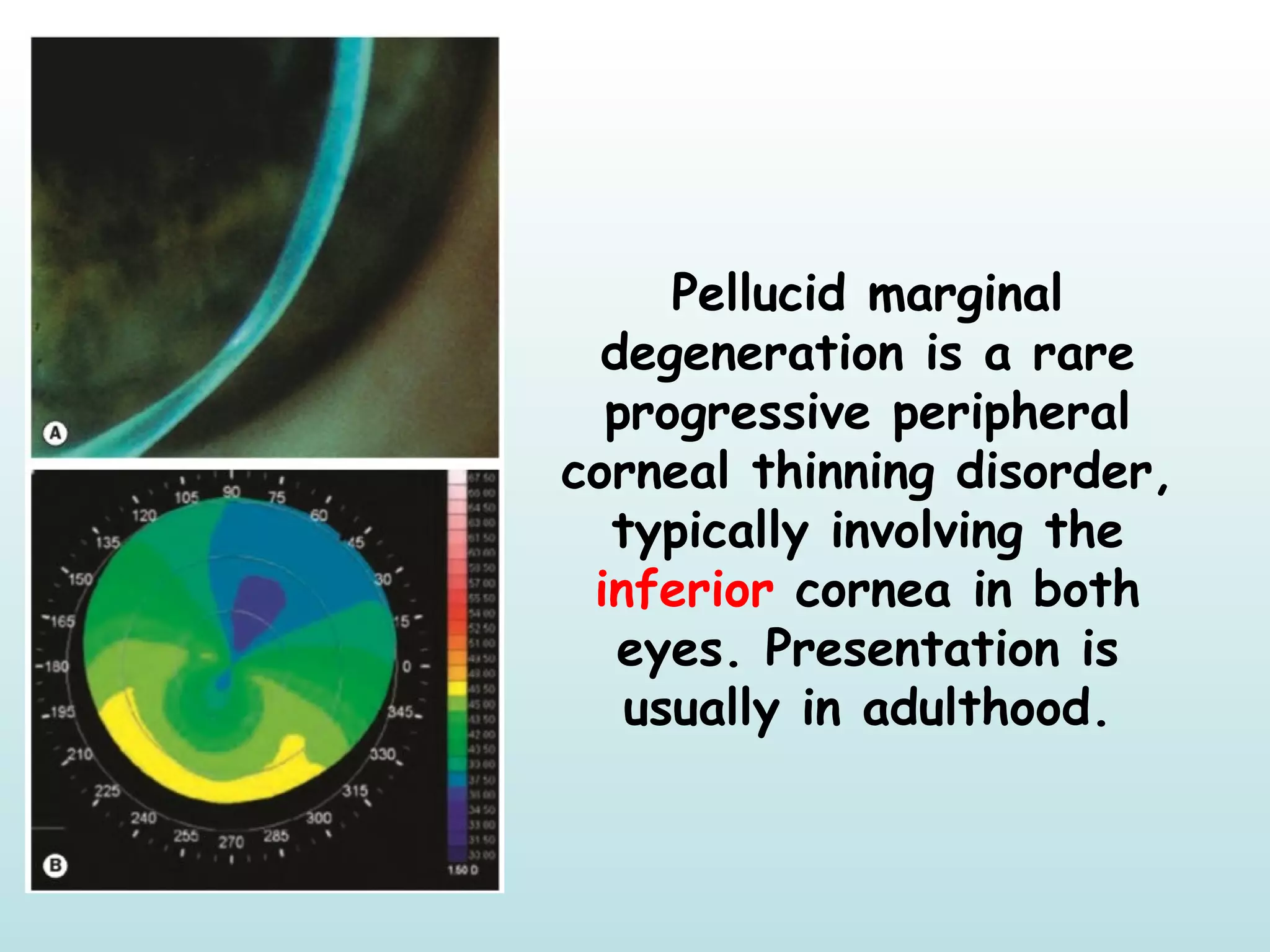
Pellucid marginal
degeneration is a rare
progressive peripheral
corneal thinning disorder,
typically involving the
inferior cornea in both
eyes. Presentation is
usually in adulthood.
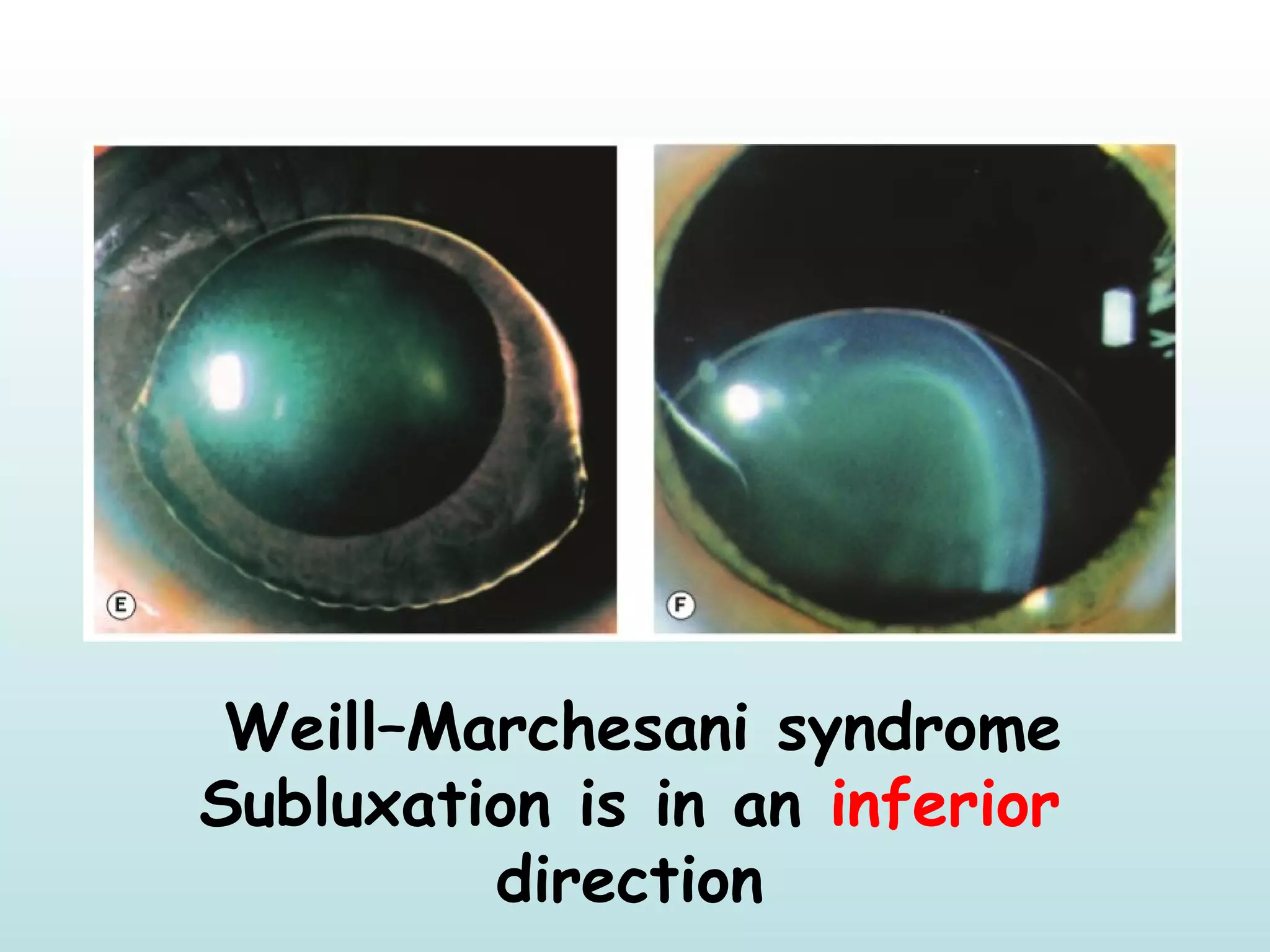
Weill–Marchesani syndrome
Subluxation is in an inferior
direction
Iris melanoma; A pigmented or non-
pigmented nodule at least 3 mm in
diameter and 1 mm thick, typically located
in the inferior half of the iris and often
associated with surface blood vessels.
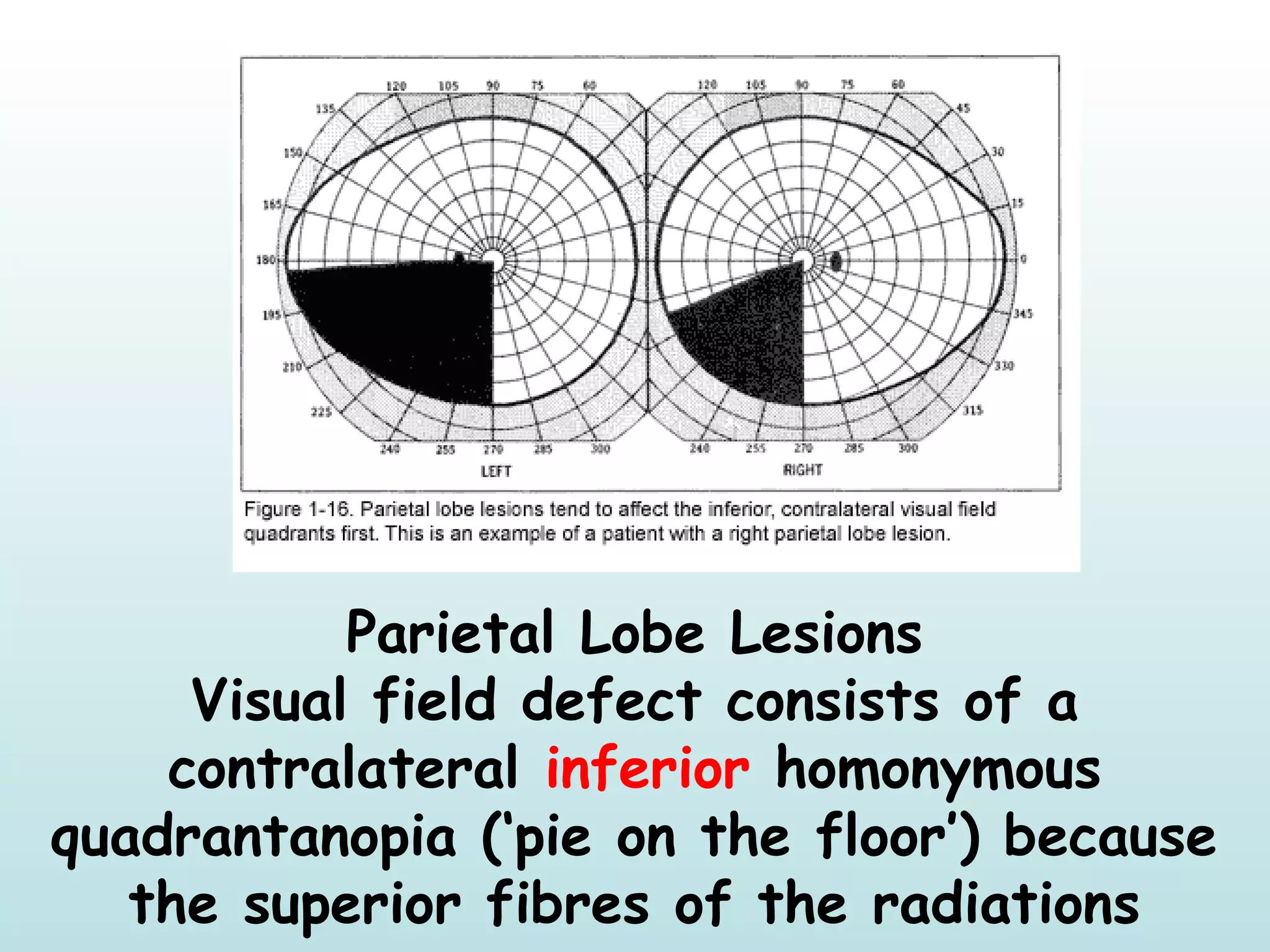
Parietal Lobe Lesions
Visual field defect consists of a
contralateral inferior homonymous
quadrantanopia (‘pie on the floor’) because
the superior fibres of the radiations
In TED restrictive myopathy, Elevation
defect caused by fibrotic contracture of
the inferior rectus, may mimic superior
rectus palsy and is the most common
motility deficit.
The inferior orbital fissure lies between the greater wing
of the sphenoid and the maxilla, connecting the orbit to
the pterygopalatine and infratemporal fossae. Through it
run the maxillary nerve, the zygomatic nerve and branches
of the pterygopalatine ganglion, as well as the inferior
ophthalmic vein.
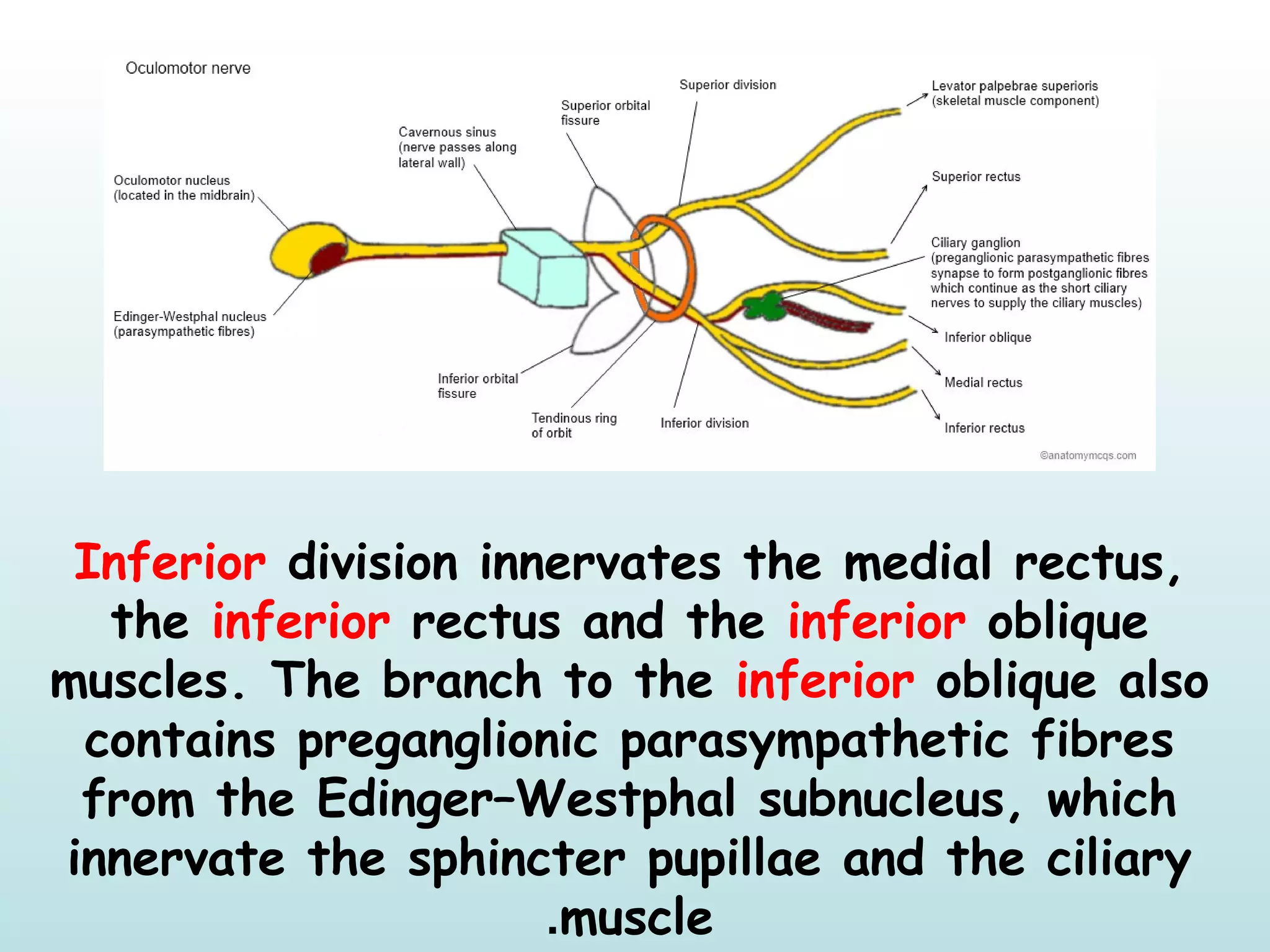
Inferior division innervates the medial rectus,
the inferior rectus and the inferior oblique
muscles. The branch to the inferior oblique also
contains preganglionic parasympathetic fibres
from the Edinger–Westphal subnucleus, which
innervate the sphincter pupillae and the ciliary
muscle.
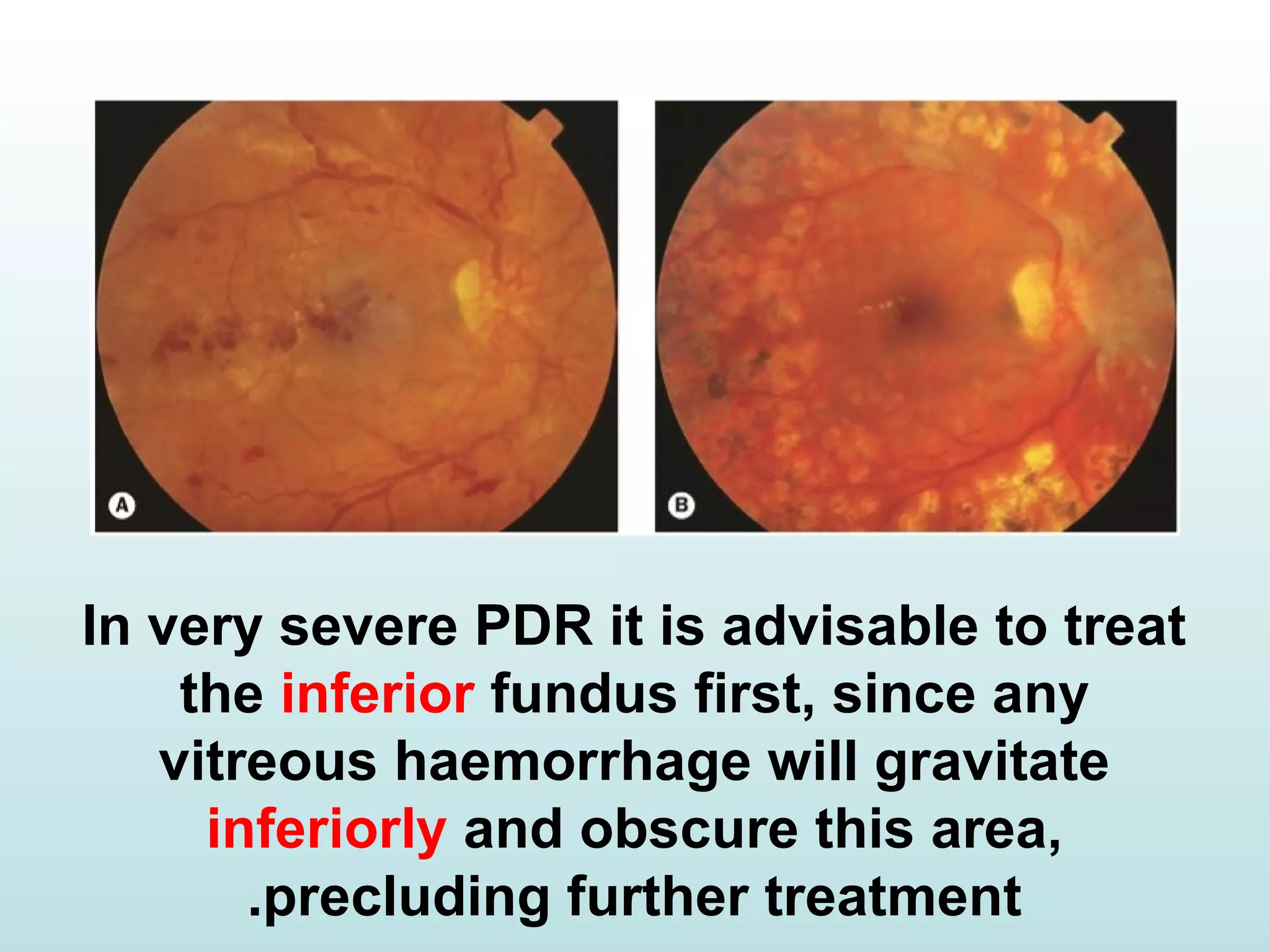
In very severe PDR it is advisable to treat
the inferior fundus first, since any
vitreous haemorrhage will gravitate
inferiorly and obscure this area,
precluding further treatment.
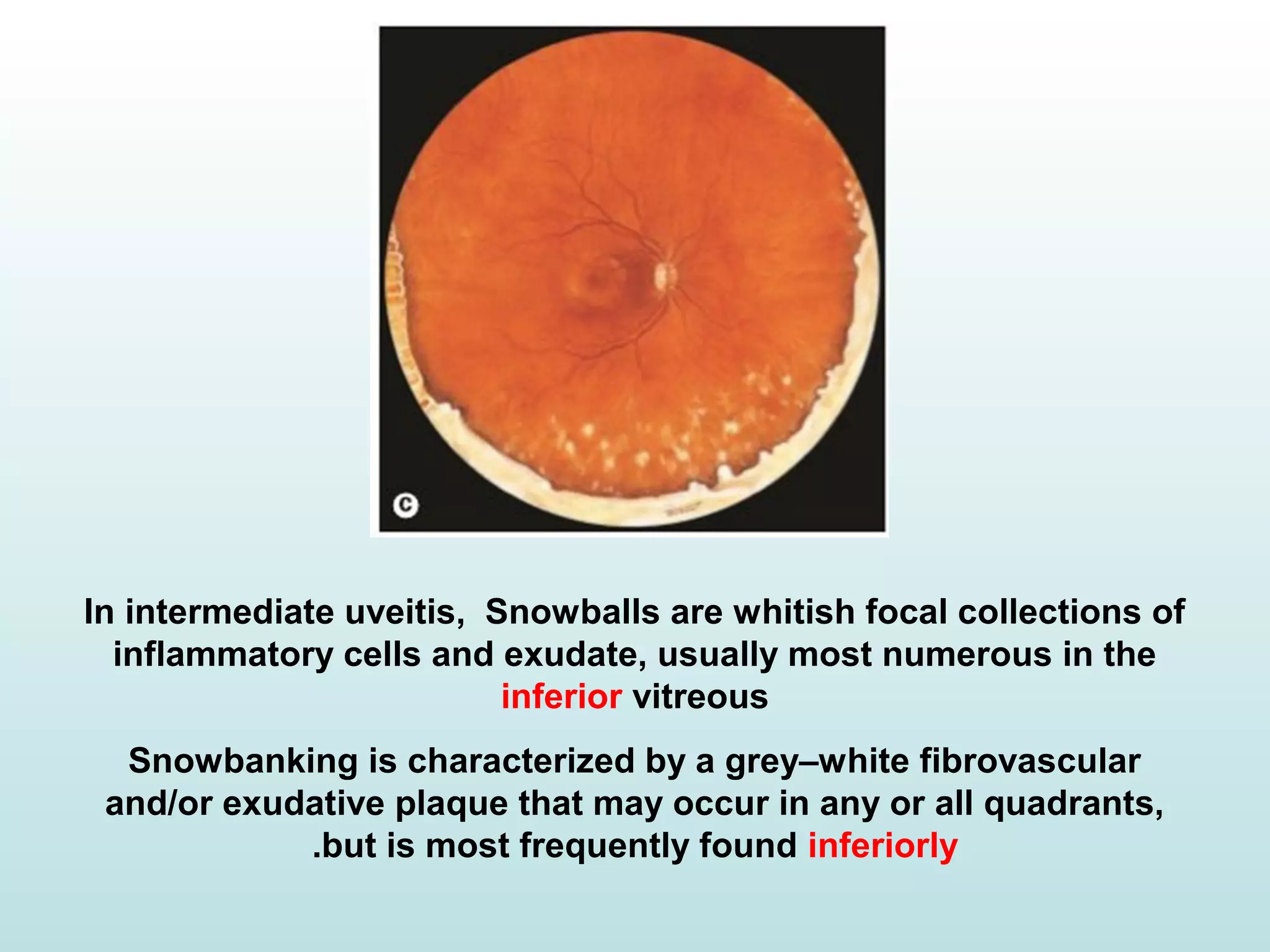
In intermediate uveitis, Snowballs are whitish focal collections of
inflammatory cells and exudate, usually most numerous in the
inferior vitreous
Snowbanking is characterized by a grey–white fibrovascular
and/or exudative plaque that may occur in any or all quadrants,
but is most frequently found inferiorly.
Down
Downbeat nystagmus,This is a vertical nystagmus with the fast phase
beating downwards
Remember : Arnold–Chiari malformation
Hypo
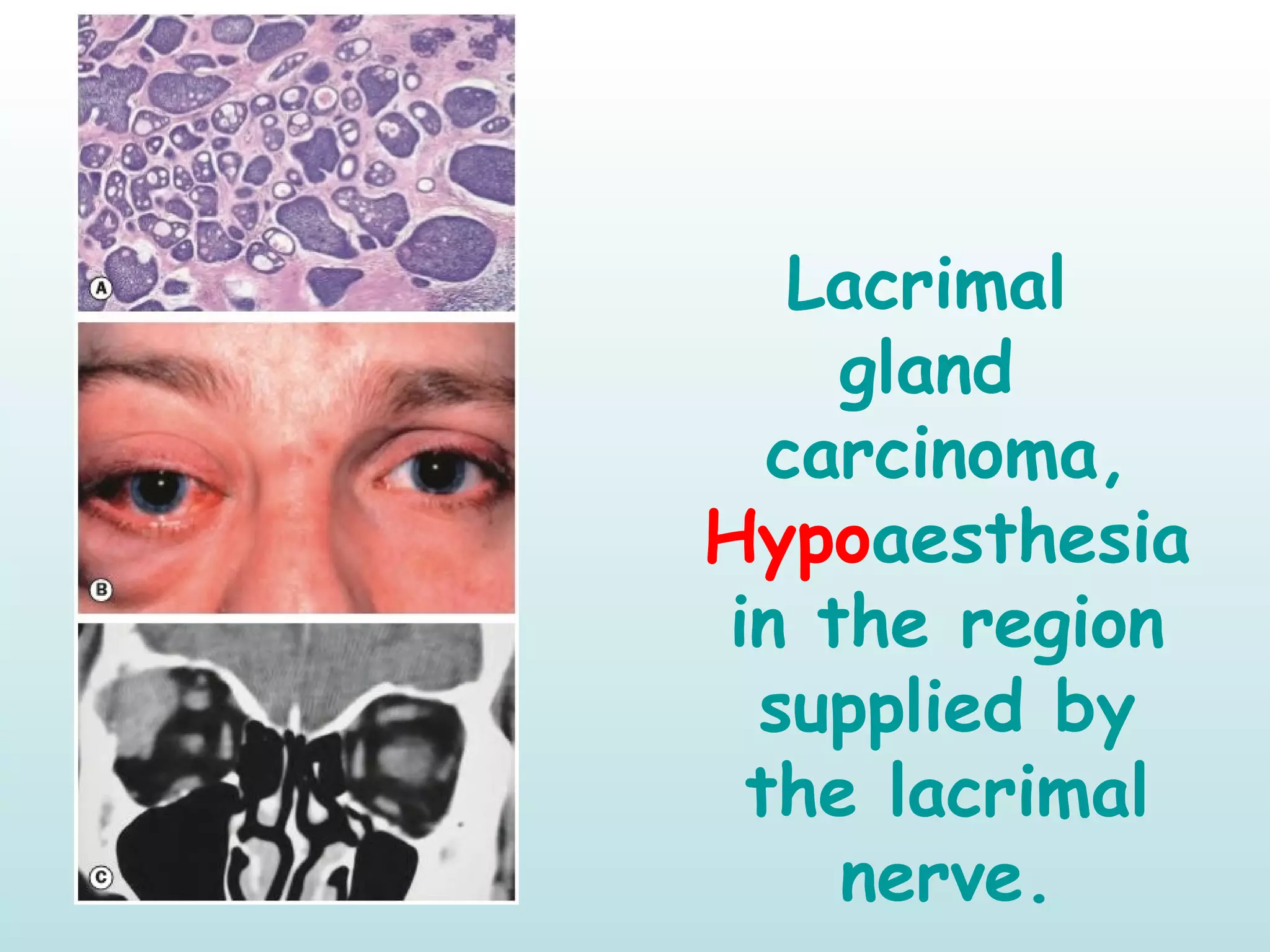
Lacrimal 
gland 
carcinoma,
Hypoaesthesia
in the region
supplied by
the lacrimal
nerve.
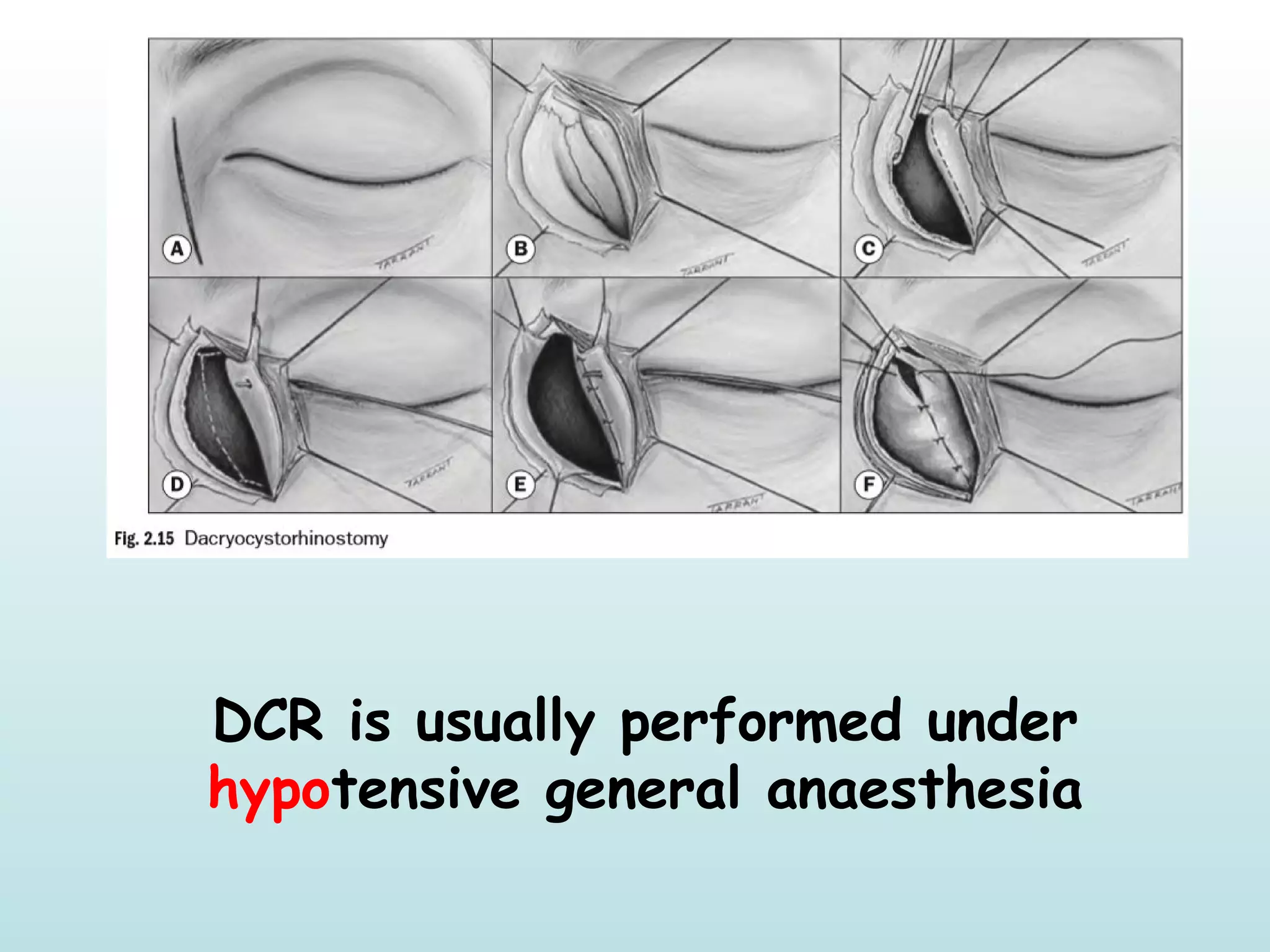
DCR is usually performed under
hypotensive general anaesthesia
  
Hypochromia
TED can also, though less commonly,
occur in euthyroid and hypothyroid
(including treated hyperthyroid) patients.
It can sometimes be the presenting
manifestation of thyroid-related disease
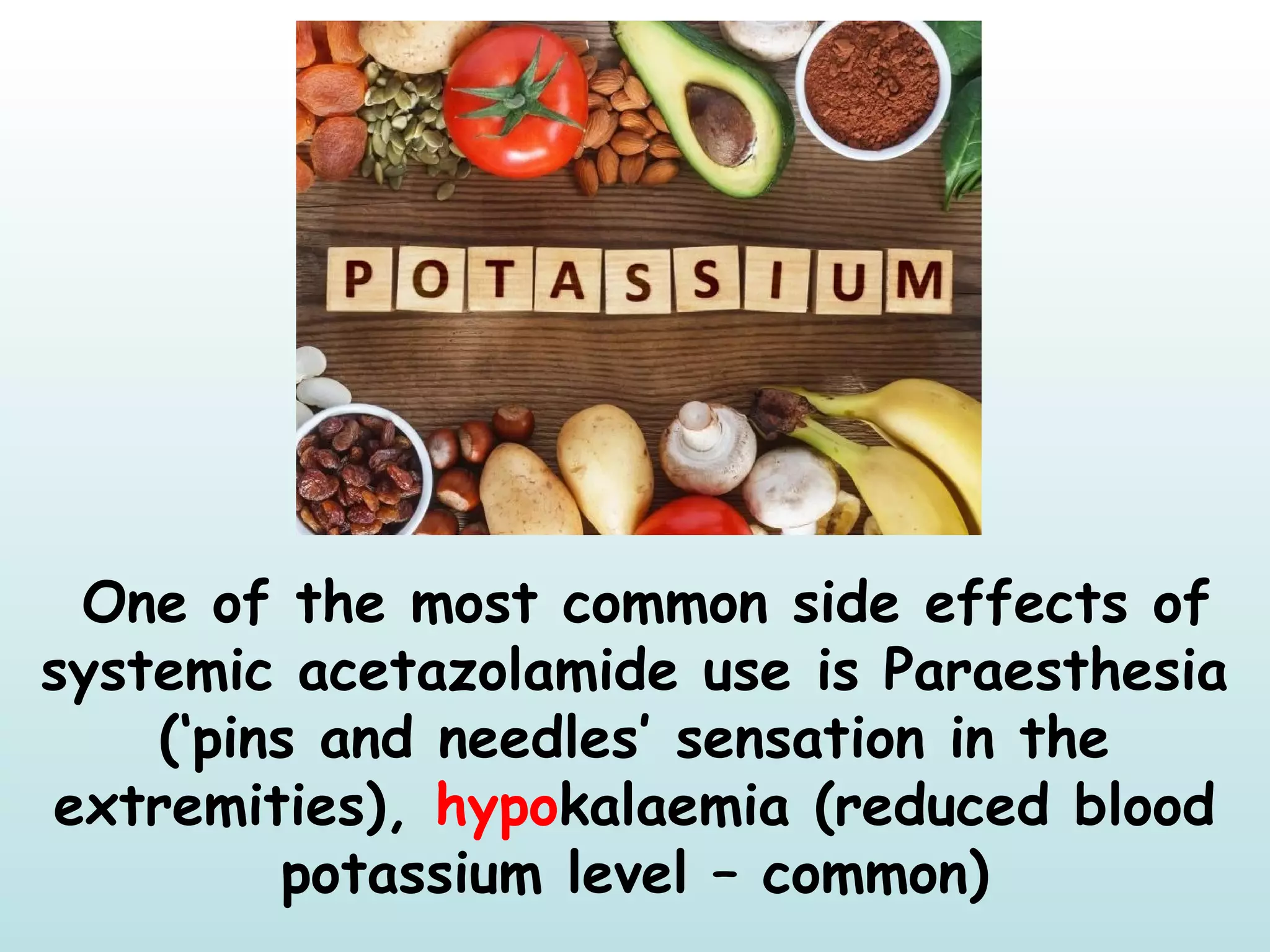
One of the most common side effects of
systemic acetazolamide use is Paraesthesia
(‘pins and needles’ sensation in the
extremities), hypokalaemia (reduced blood
potassium level – common)
Optic disc hypoplasia is associated
with a wide variety of developmental
midline brain defects; pituitary and
hypothalamic deficits are common.
Historically, the most frequent
association has been considered to be
‘septo-optic dysplasia’ (de Morsier
syndrome) – bilateral optic nerve
hypoplasia, absent septum pellucidum,
corpus callosum dysgenesis and
hypopituitarism
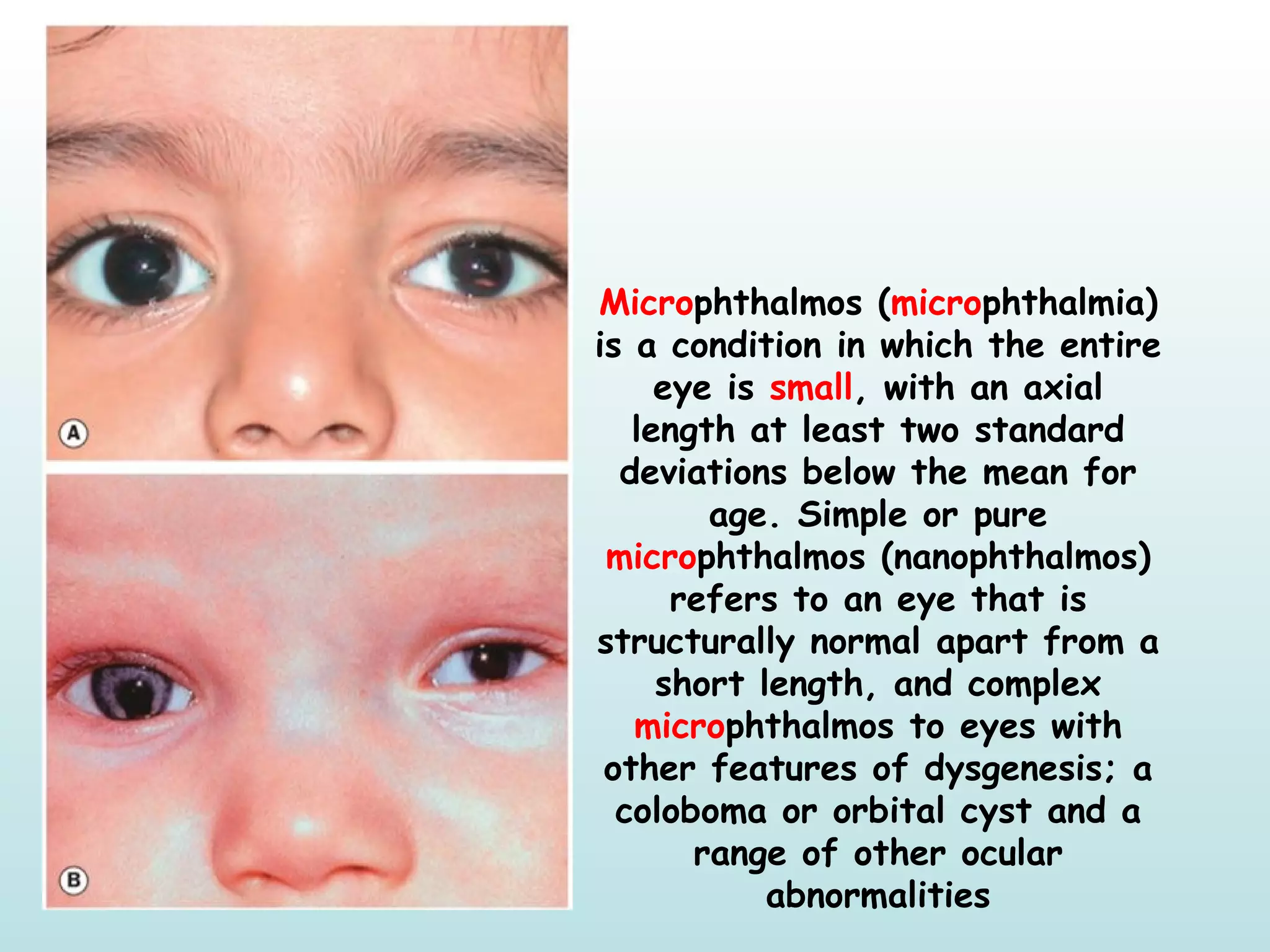
Micro
Microphthalmos (microphthalmia)
is a condition in which the entire
eye is small, with an axial
length at least two standard
deviations below the mean for
age. Simple or pure
microphthalmos (nanophthalmos)
refers to an eye that is
structurally normal apart from a
short length, and complex
microphthalmos to eyes with
other features of dysgenesis; a
coloboma or orbital cyst and a
range of other ocular
abnormalities
microtropia
3 A's 
Anisometropia
Angle small 
Absent central field (Central suppression scotoma)
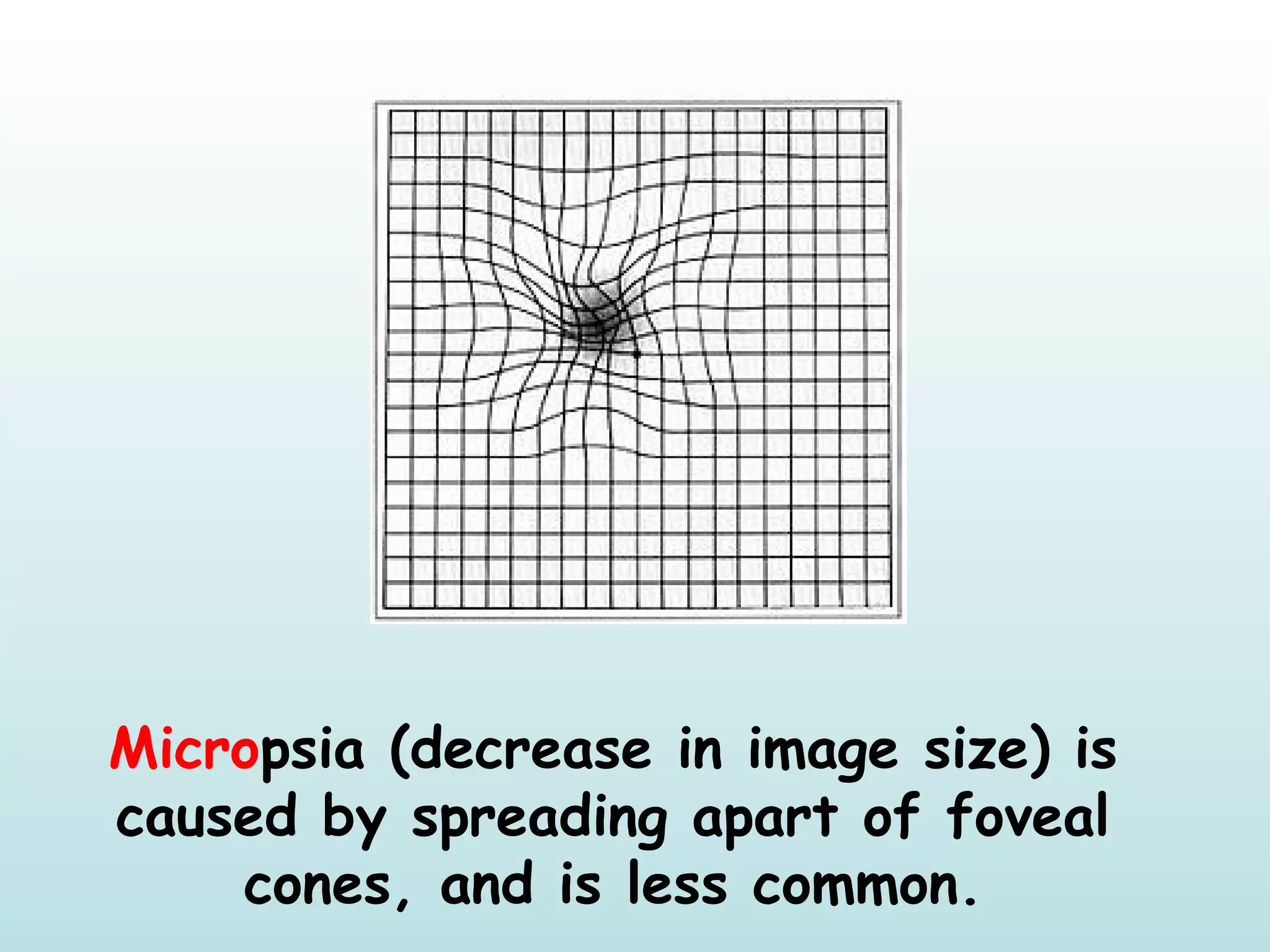
Micropsia (decrease in image size) is
caused by spreading apart of foveal
cones, and is less common.
Microaneurysms are localized
outpouchings, mainly saccular, of the
capillary wall that may form either by
focal dilatation of the capillary wall
where pericytes are absent, or by
fusion of two arms of a capillary loop
Thank You

↓ ↓ ↓ !

  • 1.
    ↓↓ ↓↓ ↓↓!! By Dr.Ahmed Alsherbiny MSc. Ophth , FICO , FRCS Ophth (Glasg(
  • 2.
  • 3.
    In Basal CellCarcinoma, It most frequently arises from the lower eyelid In Squamous Cell Carcinoma, The tumour has a predilection for the lower eyelid and the lid margin
  • 4.
    7th nerve palsy Remember: Lowermotor neuron lesion affects the eye
  • 5.
    Keratoacanthoma, A pinkdome-shaped hyperkeratotic lesion develops, often on the lower lid
  • 6.
    In keratoconus, Bulgingof the lower lid in downgaze (Munson sign).
  • 7.
    In Congenital Glauoma,Evaluation under general anaesthesia is generally required; intravenous ketamine lowers IOP less than other agents.
  • 8.
    Vortex keratopathy (corneaverticillata) (to the    Left): Fine golden-brown opacities form an irregular horizontal line in the lower corneal epithelium of both eyes, similar to that of the common age-related Hudson–Stähli iron line(to the Right).
  • 9.
  • 10.
    In Choroidal Melanoma,the characteristicfindings are internal homogeneity with low to medium reflectivity
  • 11.
  • 12.
    Orbital floor fracture Infraorbitalnerve anaesthesia involving the lower lid, cheek, side of nose, upper lip, upper teeth and gums is very common as the fracture frequently involves the infraorbital canal.
  • 13.
    True exfoliation Infrared radiation,if intense as in glassblowers, may rarely cause true exfoliation of the anterior lens capsule.
  • 14.
  • 15.
    Iridoschisis is arare condition typically affecting both eyes of an older patient; glaucoma, particularly angle-closure, is associated in up to 90%. The mechanism is incompletely understood, but it has been proposed that in many cases intermittent substantial elevation of IOP results in iris atrophy, with severity ranging from stromal atrophy to fibrillar disintegration of the anterior layer; changes are more marked inferiorly
  • 16.
    Inferior involvement rosacea.(A) Eyelid margin          telangiectasia; (B) peripheral corneal        vascularization; (C) focal corneal thinning; (D)            severe scarring and vascularization     
  • 17.
    Pellucid marginal degeneration isa rare progressive peripheral corneal thinning disorder, typically involving the inferior cornea in both eyes. Presentation is usually in adulthood.
  • 18.
  • 19.
    Iris melanoma; Apigmented or non- pigmented nodule at least 3 mm in diameter and 1 mm thick, typically located in the inferior half of the iris and often associated with surface blood vessels.
  • 20.
    Parietal Lobe Lesions Visualfield defect consists of a contralateral inferior homonymous quadrantanopia (‘pie on the floor’) because the superior fibres of the radiations
  • 21.
    In TED restrictivemyopathy, Elevation defect caused by fibrotic contracture of the inferior rectus, may mimic superior rectus palsy and is the most common motility deficit.
  • 22.
    The inferior orbitalfissure lies between the greater wing of the sphenoid and the maxilla, connecting the orbit to the pterygopalatine and infratemporal fossae. Through it run the maxillary nerve, the zygomatic nerve and branches of the pterygopalatine ganglion, as well as the inferior ophthalmic vein.
  • 23.
    Inferior division innervatesthe medial rectus, the inferior rectus and the inferior oblique muscles. The branch to the inferior oblique also contains preganglionic parasympathetic fibres from the Edinger–Westphal subnucleus, which innervate the sphincter pupillae and the ciliary muscle.
  • 24.
    In very severePDR it is advisable to treat the inferior fundus first, since any vitreous haemorrhage will gravitate inferiorly and obscure this area, precluding further treatment.
  • 25.
    In intermediate uveitis,Snowballs are whitish focal collections of inflammatory cells and exudate, usually most numerous in the inferior vitreous Snowbanking is characterized by a grey–white fibrovascular and/or exudative plaque that may occur in any or all quadrants, but is most frequently found inferiorly.
  • 26.
  • 27.
    Downbeat nystagmus,This isa vertical nystagmus with the fast phase beating downwards Remember : Arnold–Chiari malformation
  • 28.
  • 29.
  • 30.
    DCR is usuallyperformed under hypotensive general anaesthesia
  • 31.
  • 32.
    TED can also,though less commonly, occur in euthyroid and hypothyroid (including treated hyperthyroid) patients. It can sometimes be the presenting manifestation of thyroid-related disease
  • 33.
    One of themost common side effects of systemic acetazolamide use is Paraesthesia (‘pins and needles’ sensation in the extremities), hypokalaemia (reduced blood potassium level – common)
  • 34.
    Optic disc hypoplasiais associated with a wide variety of developmental midline brain defects; pituitary and hypothalamic deficits are common. Historically, the most frequent association has been considered to be ‘septo-optic dysplasia’ (de Morsier syndrome) – bilateral optic nerve hypoplasia, absent septum pellucidum, corpus callosum dysgenesis and hypopituitarism
  • 35.
  • 36.
    Microphthalmos (microphthalmia) is acondition in which the entire eye is small, with an axial length at least two standard deviations below the mean for age. Simple or pure microphthalmos (nanophthalmos) refers to an eye that is structurally normal apart from a short length, and complex microphthalmos to eyes with other features of dysgenesis; a coloboma or orbital cyst and a range of other ocular abnormalities
  • 37.
  • 38.
    Micropsia (decrease inimage size) is caused by spreading apart of foveal cones, and is less common.
  • 39.
    Microaneurysms are localized outpouchings,mainly saccular, of the capillary wall that may form either by focal dilatation of the capillary wall where pericytes are absent, or by fusion of two arms of a capillary loop
  • 40.