Cloning Dr. Abdelsalam Talafha, DVM Diplomate, American College of Theriogenologists
Cloning Production of genetically identical individuals that have identical nuclear DNA
Cloning Technologies Recombinant DNA technology DNA cloning Molecular cloning Gene cloning Reproductive cloning Therapeutic cloning Embryo cloning
DNA Cloning Transfer of a DNA fragment of interest from one organism to a self-replicating genetic element such as a bacterial plasmid Plasmids Self-replicating extra-chromosomal circular DNA molecules, distinct from normal bacterial genome
DNA Cloning - Uses Gene therapy Genetic engineering of organisms Genome sequencing
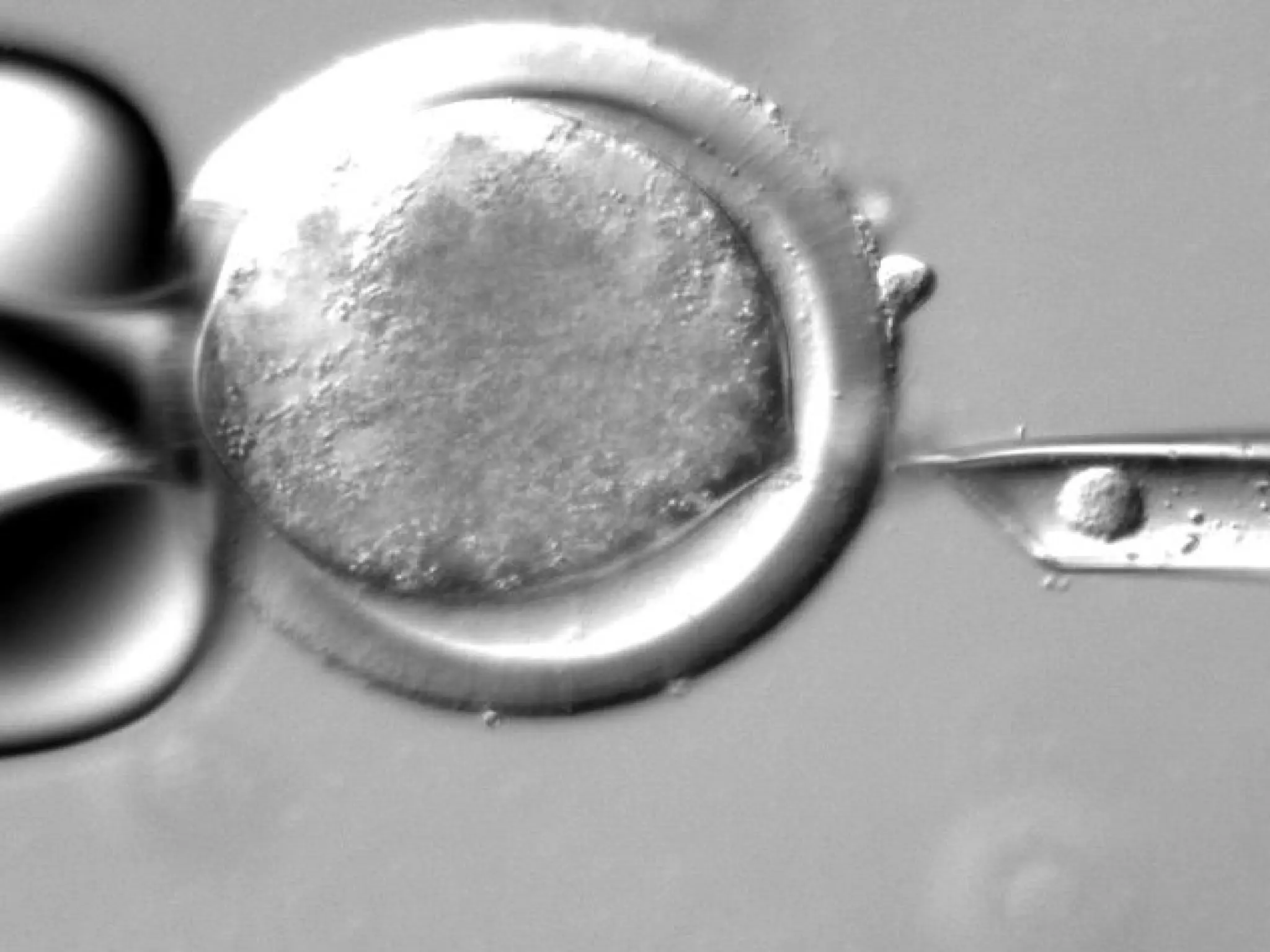
Reproductive Cloning  A technology used to generate an animal that has same nuclear DNA as another currently or previously existing animal Dolly How Is Reproductive Cloning Done? Somatic cell nuclear transfer (SCNT)
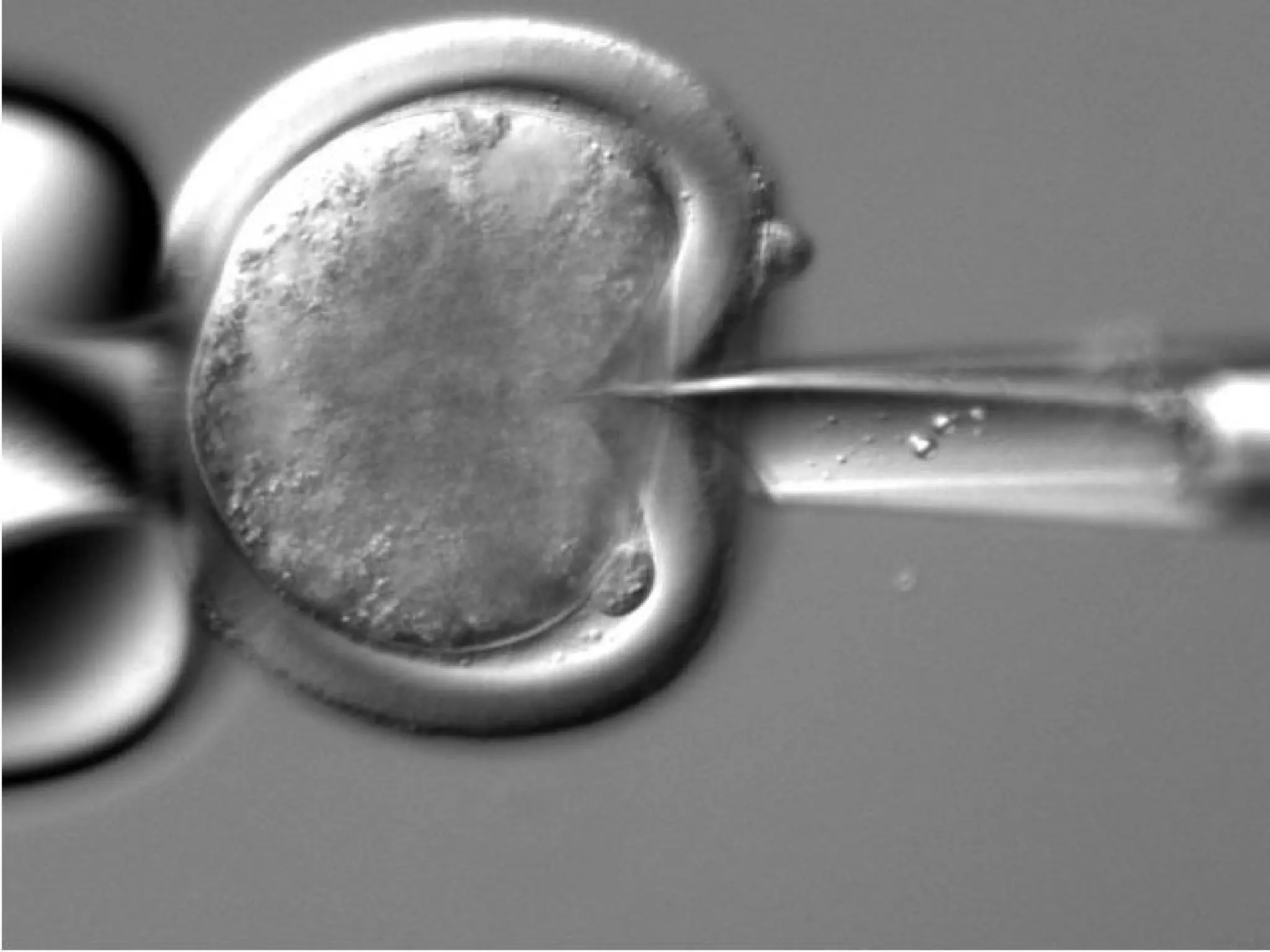
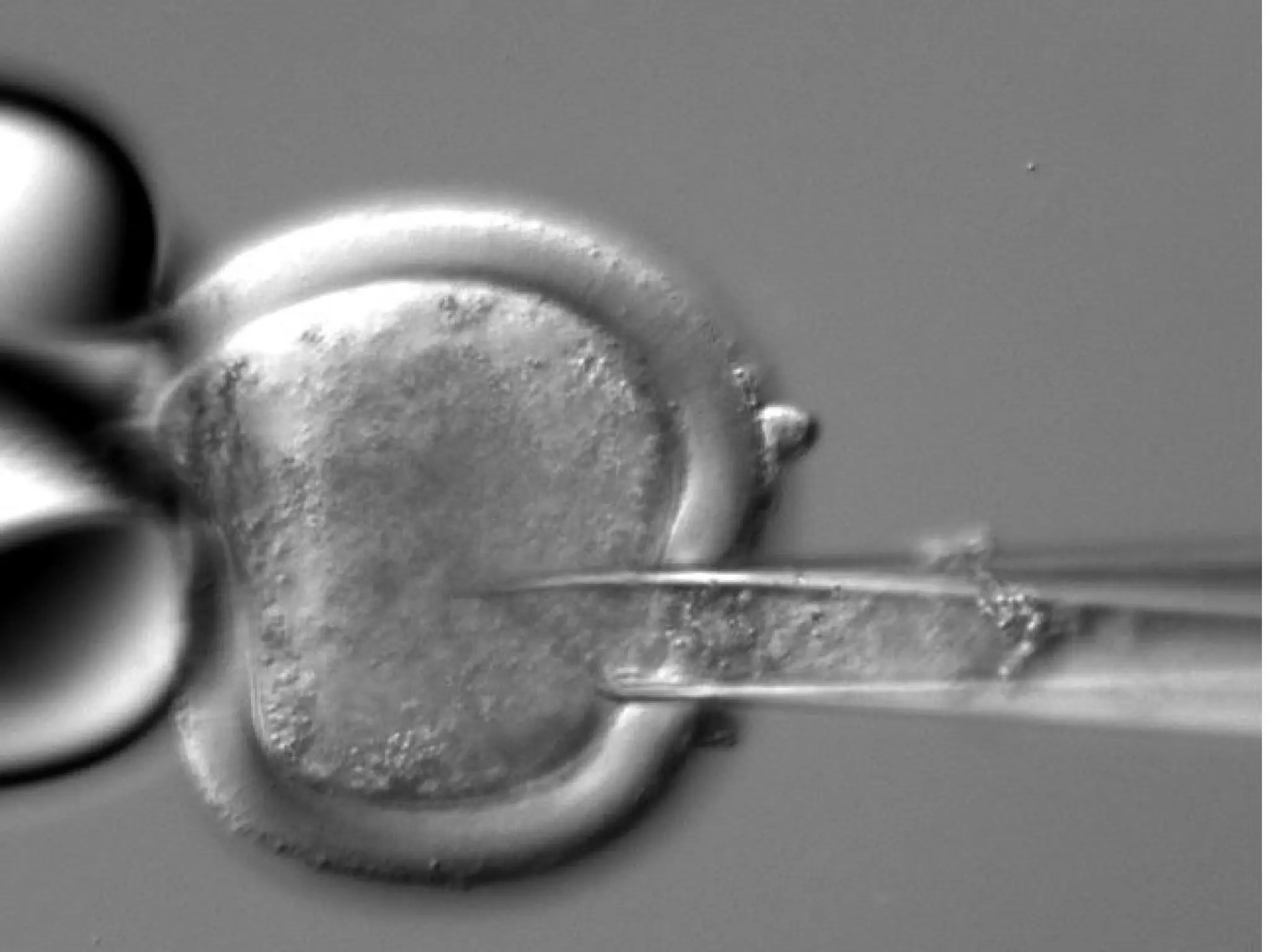
SCNT Starts with removal of polar body and chromosomes from an oocyte  Enucleated oocyte  Donor cell then inserted into perivitelline space of enucleated oocyte
SCNT Oocyte and donor cell are fused and activated by an electric pulse to begin cell division Developed embryos transferred to surrogate females Birth of an individual


SCNT Sources of somatic cells Cell from individual Cells grown in culture Frozen tissue
Therapeutic Cloning Production of human embryos for use in research Goal  To harvest stem cells that can be used to study human development and to treat disease
Therapeutic Cloning Stem cells  Cells have ability to divide and give rise to both specialized cells and more stem cells Derived from  Adults  Preimplantation embryos (Embryonic stem cells)
Stem Cells Replacement cells to treat  Heart disease Alzheimer's Cancer Diabetes Parkinson's disease Spinal cord injury
SCNT- Potential Biotechnological Applications Harvesting donor cells from transgenic animal Genetic modification of cultured donor cells prior to nuclear transfer Producing genetically modified cloned offspring
Genetically Modified Cloned Offspring Biotechnological applications  Production of pharmaceuticals Xenotransplantation Study and eradication of human disease Improvement of livestock
Production Of Pharmaceuticals Gene expressing human coagulation factor IX introduced into ovine fetal fibroblasts  linked to another gene with a high level of expression in mammary gland Protein expressed in milk
Production Of Pharmaceuticals Insulin for diabetes Interferon for viral infections Tissue plasminogen activator (which dissolves blood clots)
Xenotransplantation Aim: To develop animals whose organs will not cause an immunological response and destroy transplanted tissue when transferred to humans
Xenotransplantation Pig organs Hearts, lungs, kidneys, liver  Neural tissue for Parkinson's  Islets cells for diabetes patients
Study Human Disease Sheep model to investigate human cystic fibrosis  Cloned sheep used for drug testing and to evaluate new therapies
Improvement Of Livestock Cloning animal with excellent traits Production of a large number of clones from high quality animals  Allow overall genetic improvement of herd Repopulate endangered animals
Animal Cloning Sheep, cattle, goats, pigs, and mice Cloning efforts in rabbits, rats, cats, dogs, and horses are ongoing
Risks Of Cloning Reproductive cloning expensive and highly inefficient > 90% of cloning attempts fail to produce viable offspring
Risks Of Cloning High rate of fetal loss during pregnancy  Compromised immune function  Higher rates of infection Tumor growth Early neonatal death  Abnormally large at birth Die mysteriously
Risks Of Cloning Cloned fetuses have abnormalities Abnormal placentation Pregnancy toxemia Hydroallantois
Should Humans Be Cloned? Due to Inefficiency of animal cloning  Lack of understanding about reproductive cloning Risks of cloning
Should Humans Be Cloned? Unethical to attempt to clone humans Same problems would be expected in human cloning We do not know how cloning could impact mental development
Should Humans Be Cloned? High risk to health of fetus or infant and mother Psychological risks for mother as a result of  Late spontaneous abortions  Birth of a stillborn child  Birth of a child with severe health problems

Cloning

  • 1.
    Cloning Dr. AbdelsalamTalafha, DVM Diplomate, American College of Theriogenologists
  • 2.
    Cloning Production ofgenetically identical individuals that have identical nuclear DNA
  • 3.
    Cloning Technologies RecombinantDNA technology DNA cloning Molecular cloning Gene cloning Reproductive cloning Therapeutic cloning Embryo cloning
  • 4.
    DNA Cloning Transferof a DNA fragment of interest from one organism to a self-replicating genetic element such as a bacterial plasmid Plasmids Self-replicating extra-chromosomal circular DNA molecules, distinct from normal bacterial genome
  • 5.
    DNA Cloning -Uses Gene therapy Genetic engineering of organisms Genome sequencing
  • 6.
    Reproductive Cloning A technology used to generate an animal that has same nuclear DNA as another currently or previously existing animal Dolly How Is Reproductive Cloning Done? Somatic cell nuclear transfer (SCNT)
  • 7.
    SCNT Starts withremoval of polar body and chromosomes from an oocyte Enucleated oocyte Donor cell then inserted into perivitelline space of enucleated oocyte
  • 8.
    SCNT Oocyte anddonor cell are fused and activated by an electric pulse to begin cell division Developed embryos transferred to surrogate females Birth of an individual
  • 9.
  • 10.
  • 11.
  • 12.
  • 13.
  • 14.
  • 15.
  • 16.
  • 17.
    SCNT Sources ofsomatic cells Cell from individual Cells grown in culture Frozen tissue
  • 18.
    Therapeutic Cloning Productionof human embryos for use in research Goal To harvest stem cells that can be used to study human development and to treat disease
  • 19.
    Therapeutic Cloning Stemcells Cells have ability to divide and give rise to both specialized cells and more stem cells Derived from Adults Preimplantation embryos (Embryonic stem cells)
  • 20.
    Stem Cells Replacementcells to treat Heart disease Alzheimer's Cancer Diabetes Parkinson's disease Spinal cord injury
  • 21.
    SCNT- Potential BiotechnologicalApplications Harvesting donor cells from transgenic animal Genetic modification of cultured donor cells prior to nuclear transfer Producing genetically modified cloned offspring
  • 22.
    Genetically Modified ClonedOffspring Biotechnological applications Production of pharmaceuticals Xenotransplantation Study and eradication of human disease Improvement of livestock
  • 23.
    Production Of PharmaceuticalsGene expressing human coagulation factor IX introduced into ovine fetal fibroblasts linked to another gene with a high level of expression in mammary gland Protein expressed in milk
  • 24.
    Production Of PharmaceuticalsInsulin for diabetes Interferon for viral infections Tissue plasminogen activator (which dissolves blood clots)
  • 25.
    Xenotransplantation Aim: Todevelop animals whose organs will not cause an immunological response and destroy transplanted tissue when transferred to humans
  • 26.
    Xenotransplantation Pig organsHearts, lungs, kidneys, liver Neural tissue for Parkinson's Islets cells for diabetes patients
  • 27.
    Study Human DiseaseSheep model to investigate human cystic fibrosis Cloned sheep used for drug testing and to evaluate new therapies
  • 28.
    Improvement Of LivestockCloning animal with excellent traits Production of a large number of clones from high quality animals Allow overall genetic improvement of herd Repopulate endangered animals
  • 29.
    Animal Cloning Sheep,cattle, goats, pigs, and mice Cloning efforts in rabbits, rats, cats, dogs, and horses are ongoing
  • 30.
    Risks Of CloningReproductive cloning expensive and highly inefficient > 90% of cloning attempts fail to produce viable offspring
  • 31.
    Risks Of CloningHigh rate of fetal loss during pregnancy Compromised immune function Higher rates of infection Tumor growth Early neonatal death Abnormally large at birth Die mysteriously
  • 32.
    Risks Of CloningCloned fetuses have abnormalities Abnormal placentation Pregnancy toxemia Hydroallantois
  • 33.
    Should Humans BeCloned? Due to Inefficiency of animal cloning Lack of understanding about reproductive cloning Risks of cloning
  • 34.
    Should Humans BeCloned? Unethical to attempt to clone humans Same problems would be expected in human cloning We do not know how cloning could impact mental development
  • 35.
    Should Humans BeCloned? High risk to health of fetus or infant and mother Psychological risks for mother as a result of Late spontaneous abortions Birth of a stillborn child Birth of a child with severe health problems