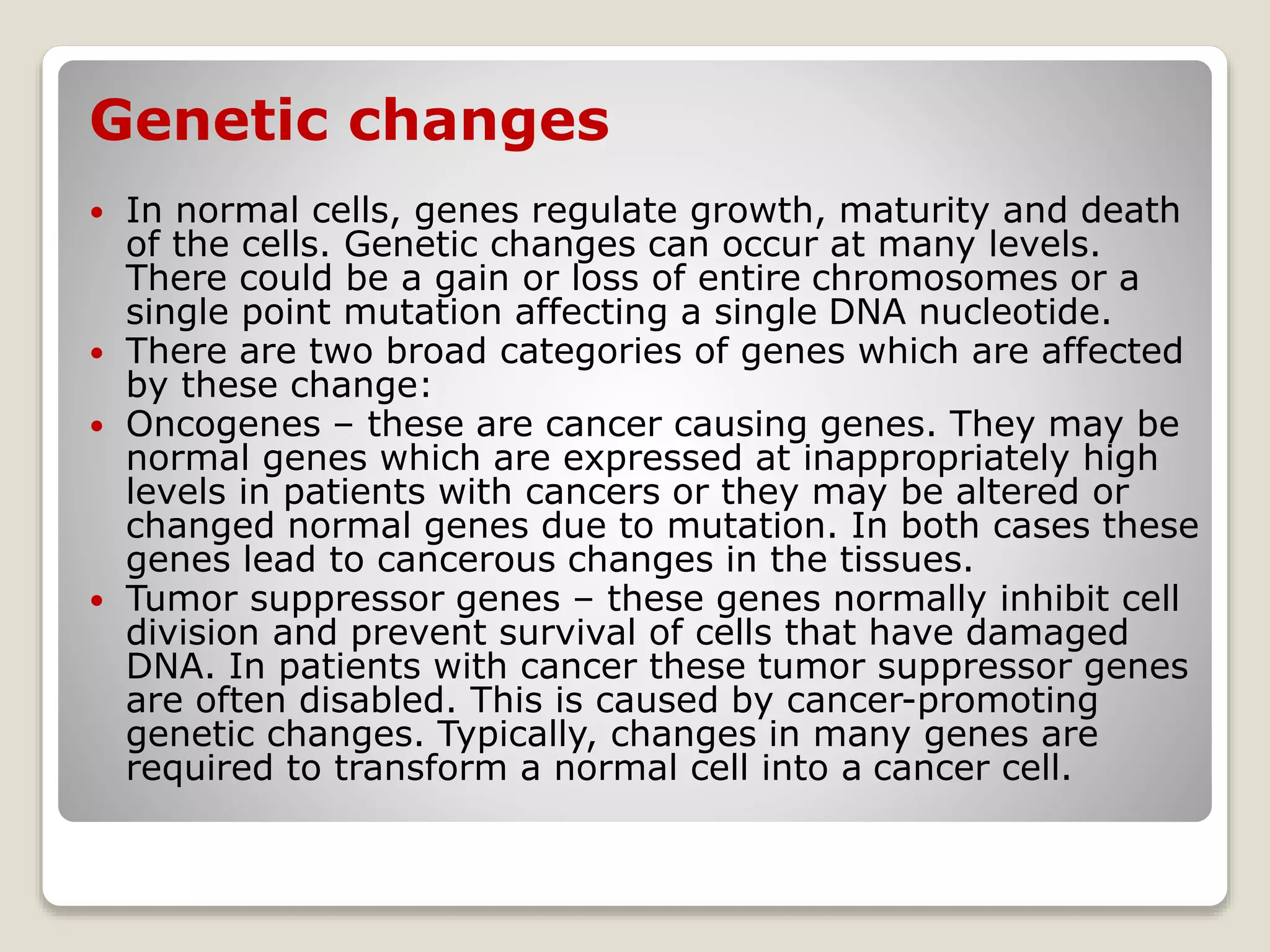
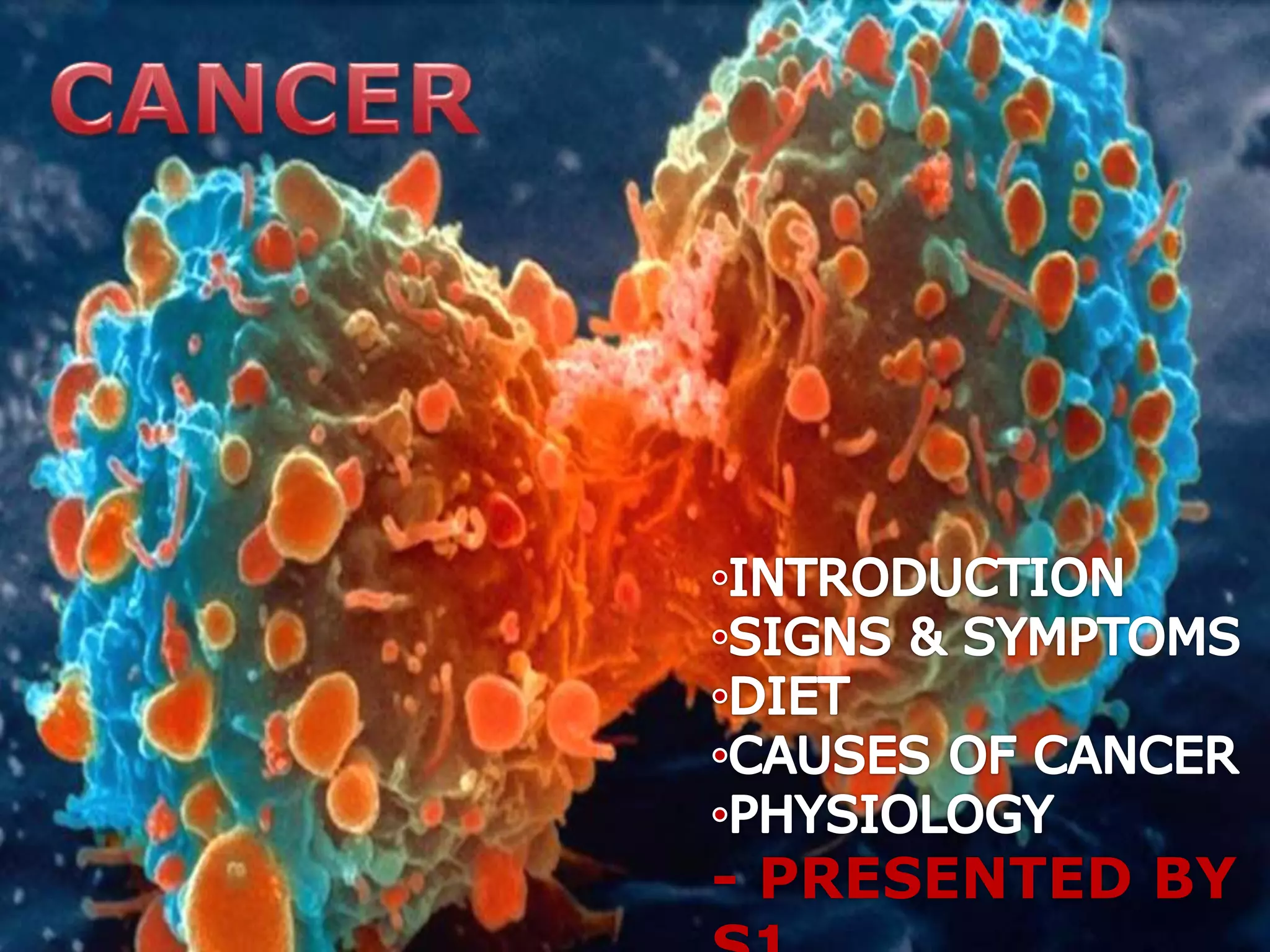
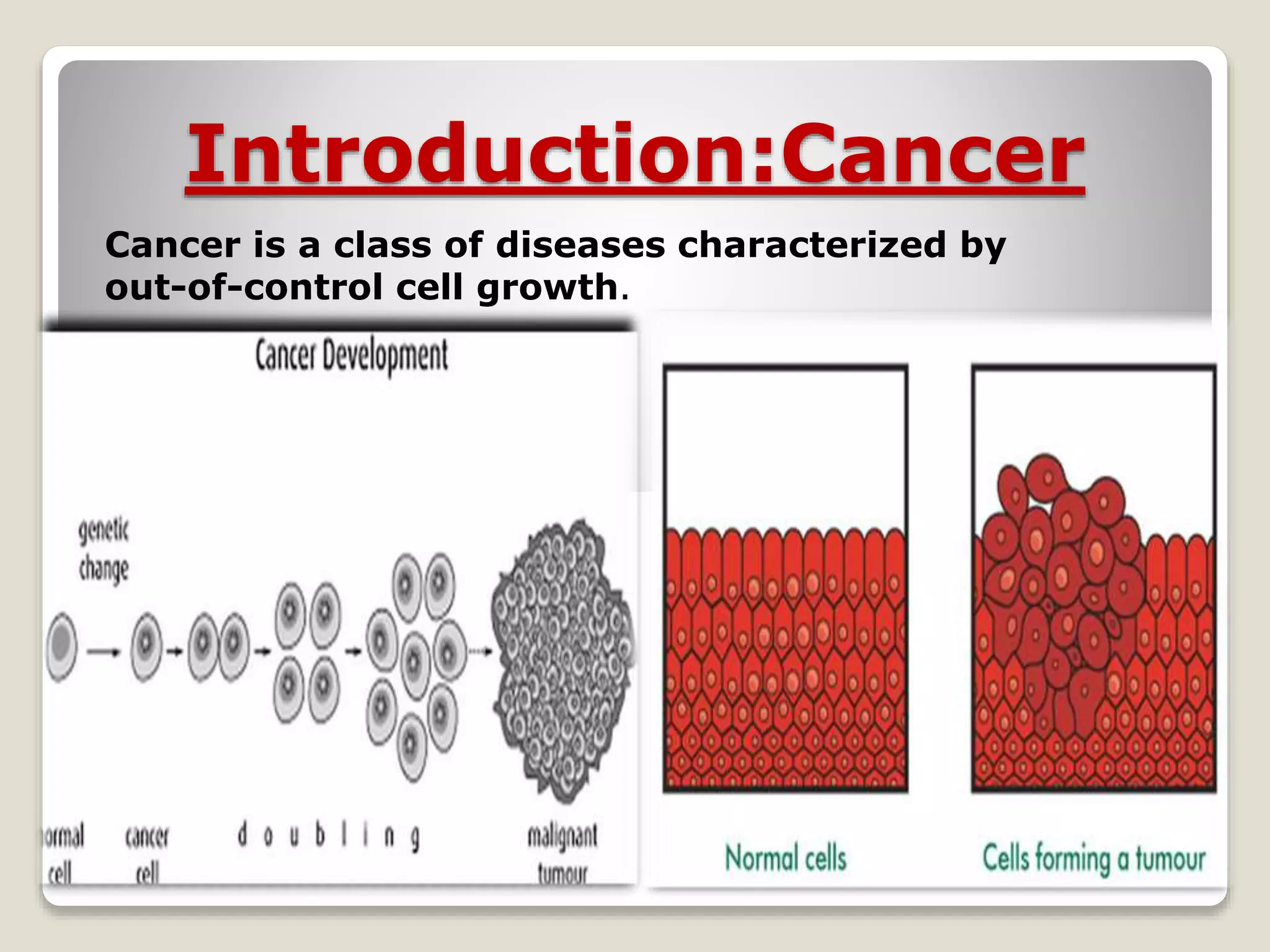
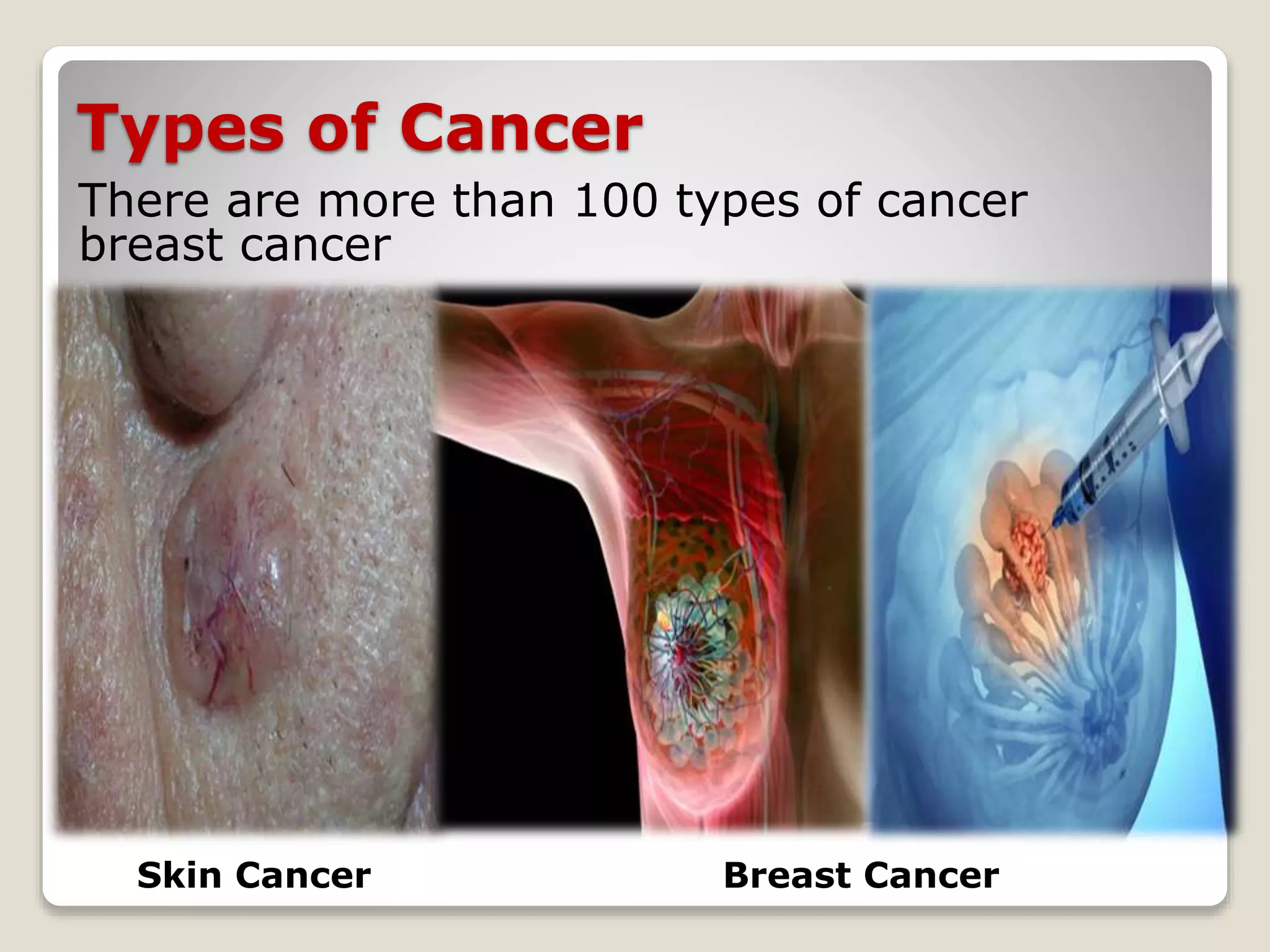
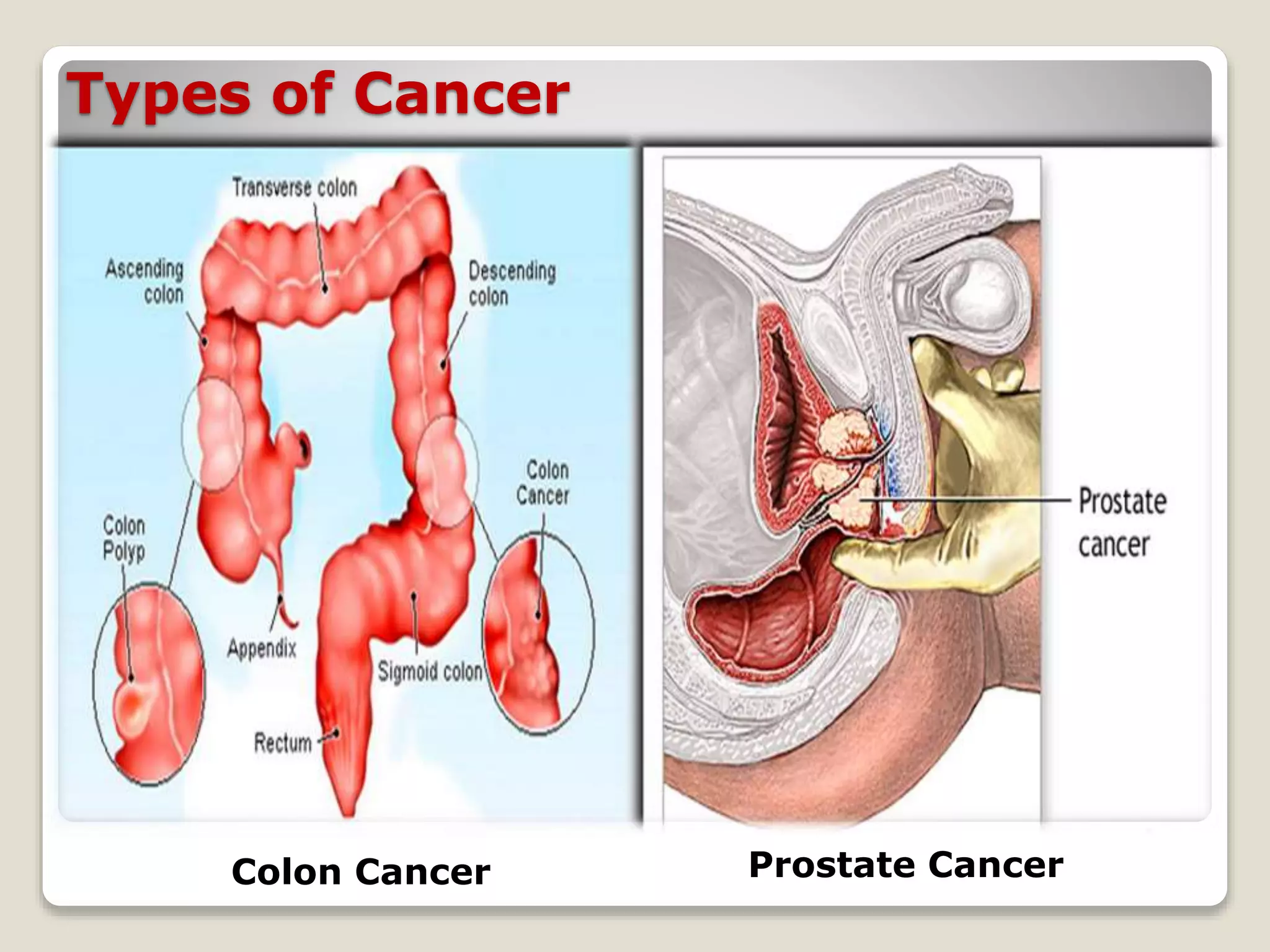
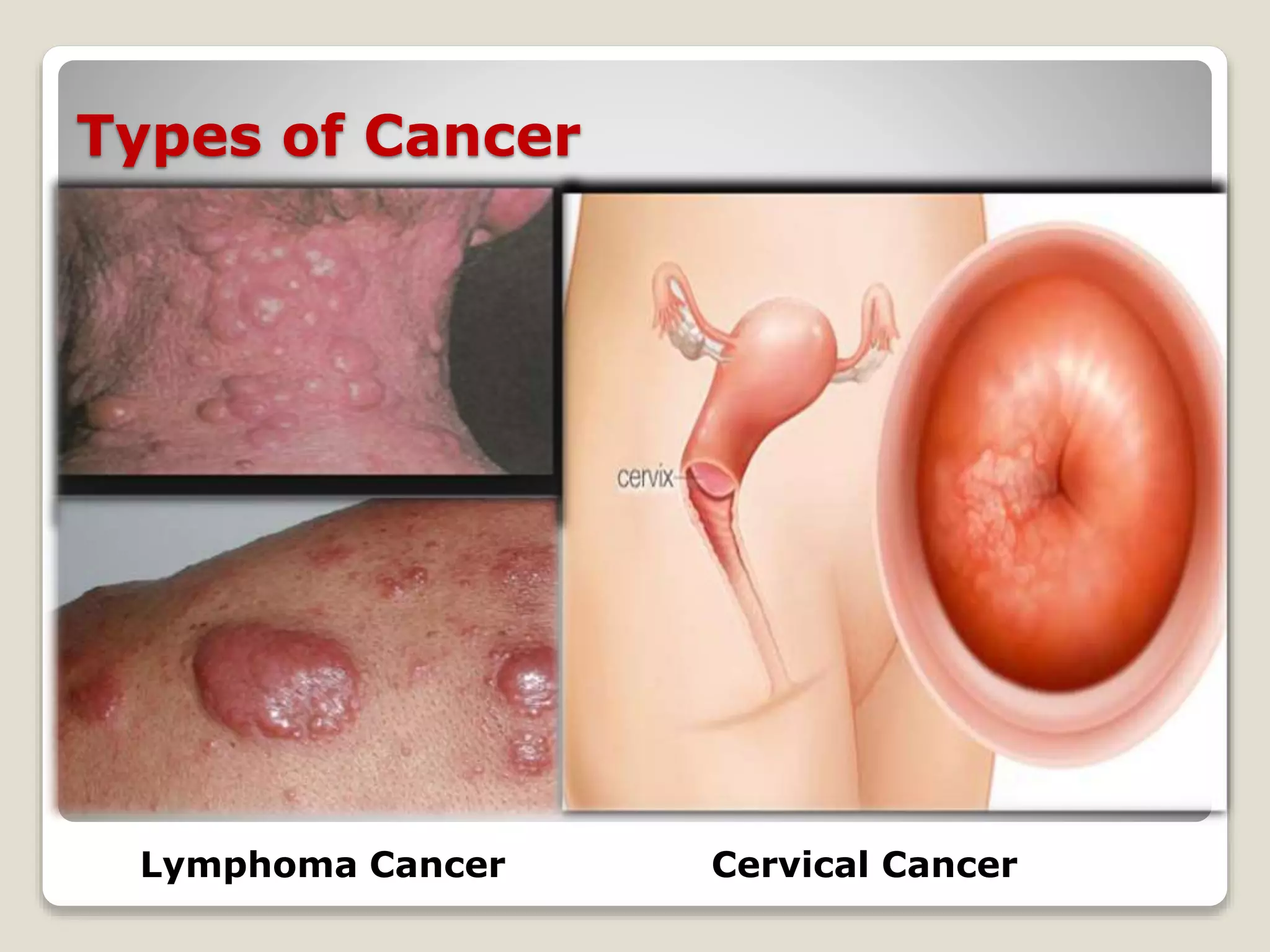
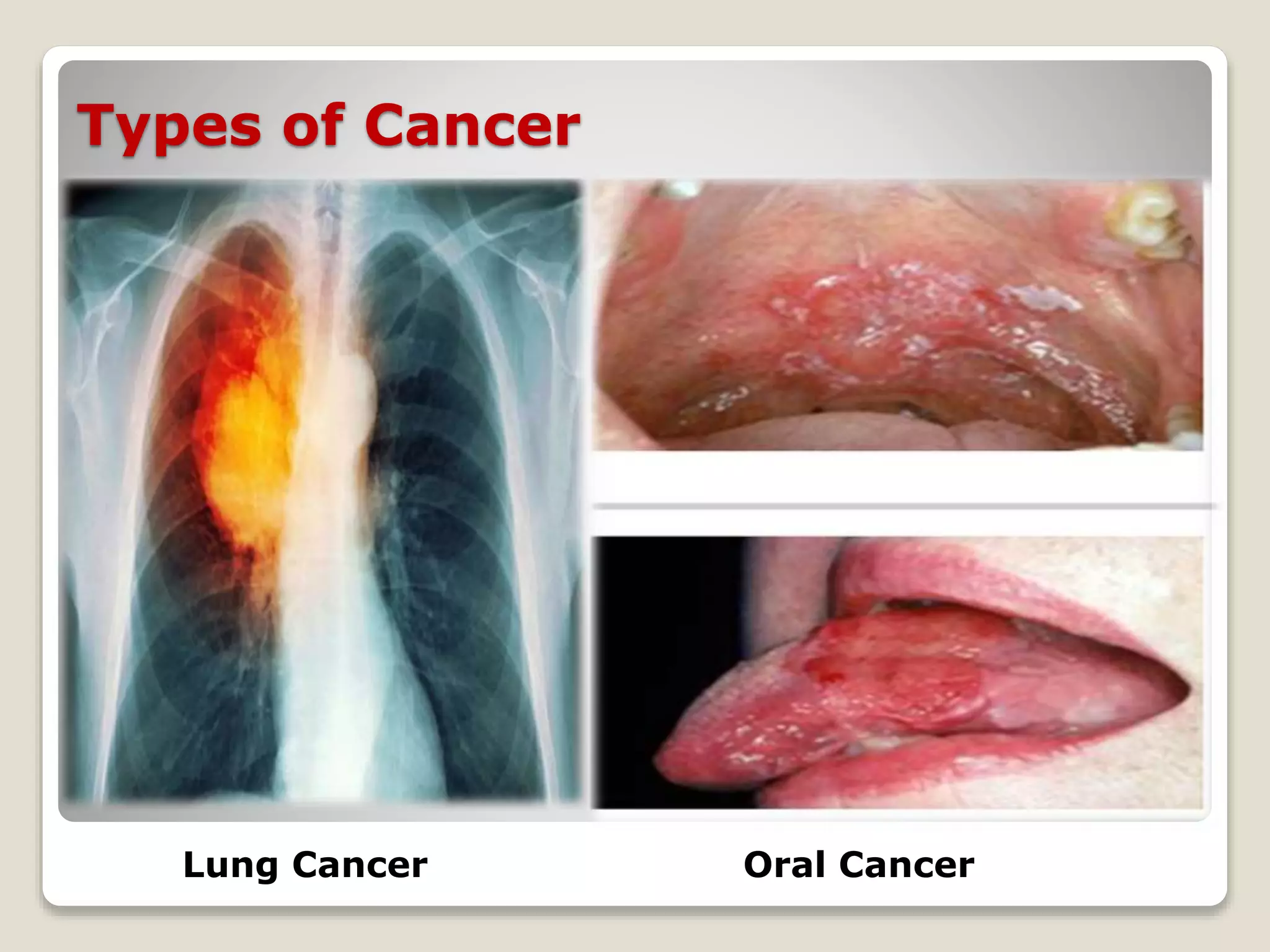
Cancer is characterized by uncontrolled cell growth. There are over 100 types of cancer including breast, skin, colon, prostate, lymphoma, lung, cervical, and oral cancer. Globally in 2012, 8.2 million people died from cancer. Common causes of cancer include tobacco use, alcohol consumption, unhealthy diet, pollution, certain infections, and genetic factors. Signs and symptoms vary depending on the cancer type but may include lumps, unexplained weight loss, changes in bowel or bladder habits, and persistent coughing or difficulty swallowing. Diet and lifestyle factors can both increase and decrease cancer risk.
Overview of cancer as a disease characterized by uncontrolled cell growth.
Discussion on various cancer types including breast, skin, colon, prostate, lymphoma, cervical, lung, and oral cancer.Global cancer mortality data; India-specific statistics on cancer cases and survivability.
List of cancer causes including tobacco, alcohol, diet, pollution, genetics, and radiation exposure.
WHO identified common risk factors for cancer such as tobacco, obesity, and infections.Discussion on weight loss, energy balance, increased expenditure, and genetic changes that contribute to cancer.
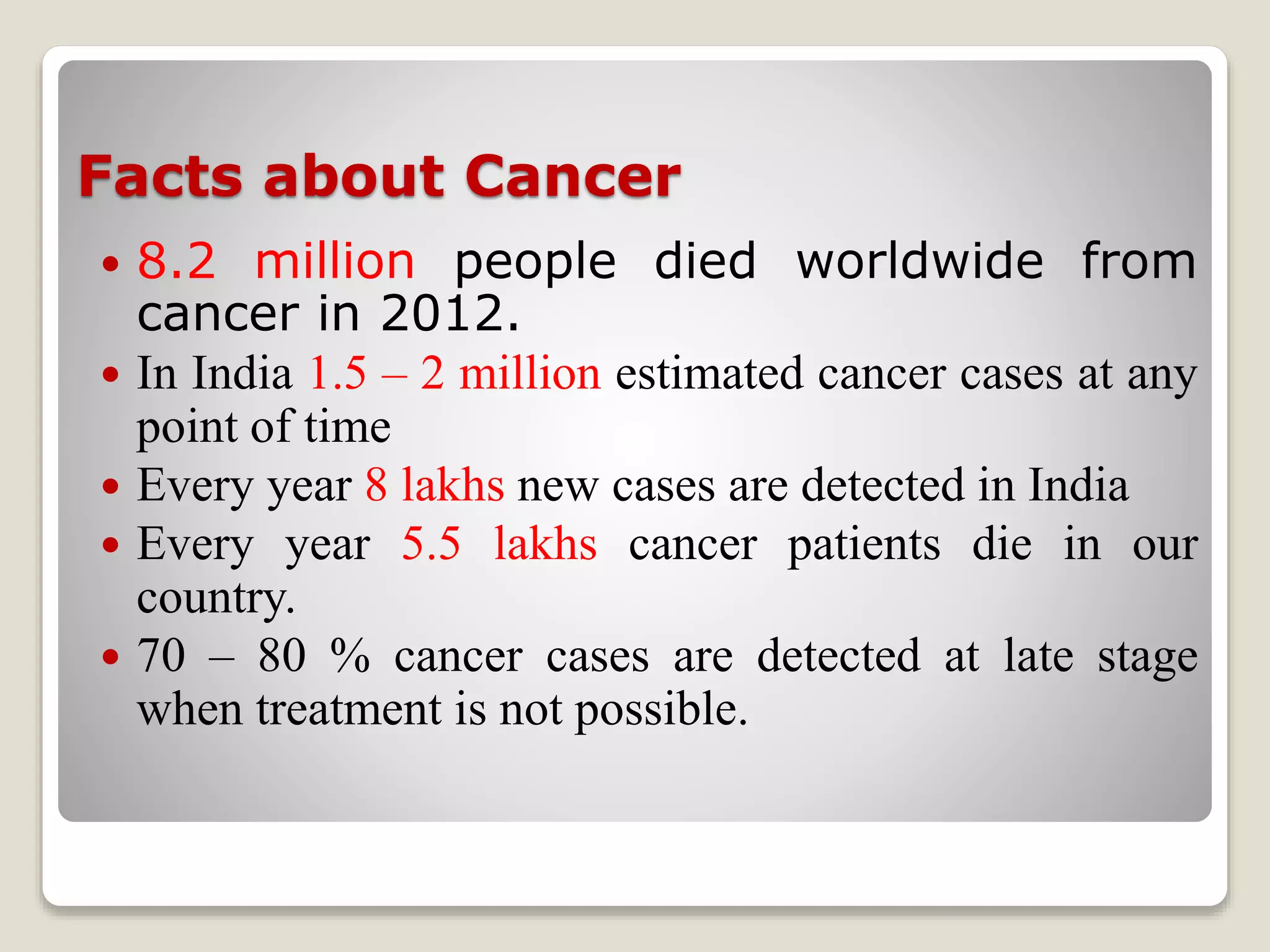
Facts about Cancer
8.2 million people died worldwide from
cancer in 2012.
In India 1.5 – 2 million estimated cancer cases at any
point of time
Every year 8 lakhs new cases are detected in India
Every year 5.5 lakhs cancer patients die in our
country.
70 – 80 % cancer cases are detected at late stage
when treatment is not possible.
9.
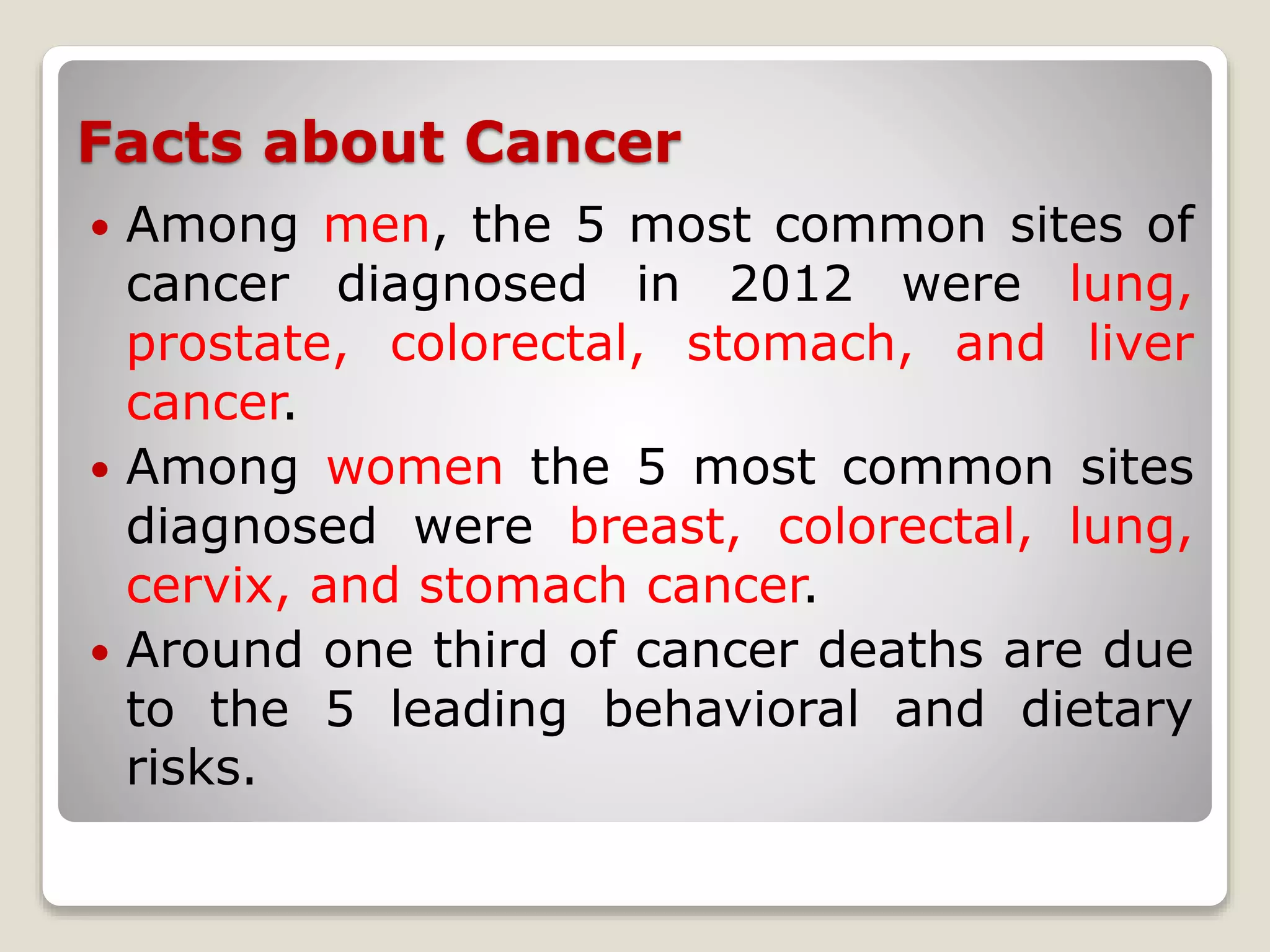
Facts about Cancer
Among men, the 5 most common sites of
cancer diagnosed in 2012 were lung,
prostate, colorectal, stomach, and liver
cancer.
Among women the 5 most common sites
diagnosed were breast, colorectal, lung,
cervix, and stomach cancer.
Around one third of cancer deaths are due
to the 5 leading behavioral and dietary
risks.
10.
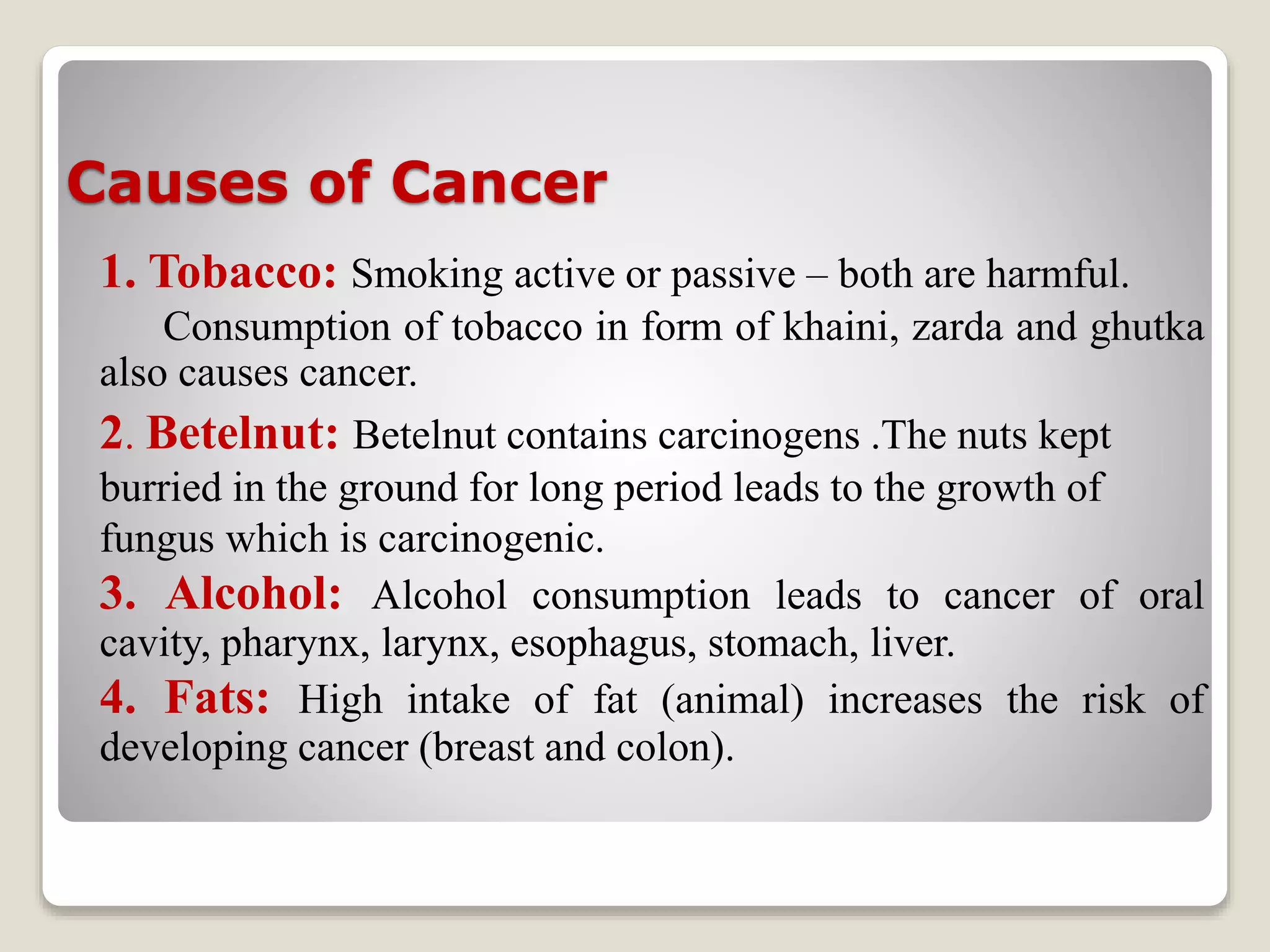
Causes of Cancer
1.Tobacco: Smoking active or passive – both are harmful.
Consumption of tobacco in form of khaini, zarda and ghutka
also causes cancer.
2. Betelnut: Betelnut contains carcinogens .The nuts kept
burried in the ground for long period leads to the growth of
fungus which is carcinogenic.
3. Alcohol: Alcohol consumption leads to cancer of oral
cavity, pharynx, larynx, esophagus, stomach, liver.
4. Fats: High intake of fat (animal) increases the risk of
developing cancer (breast and colon).
11.
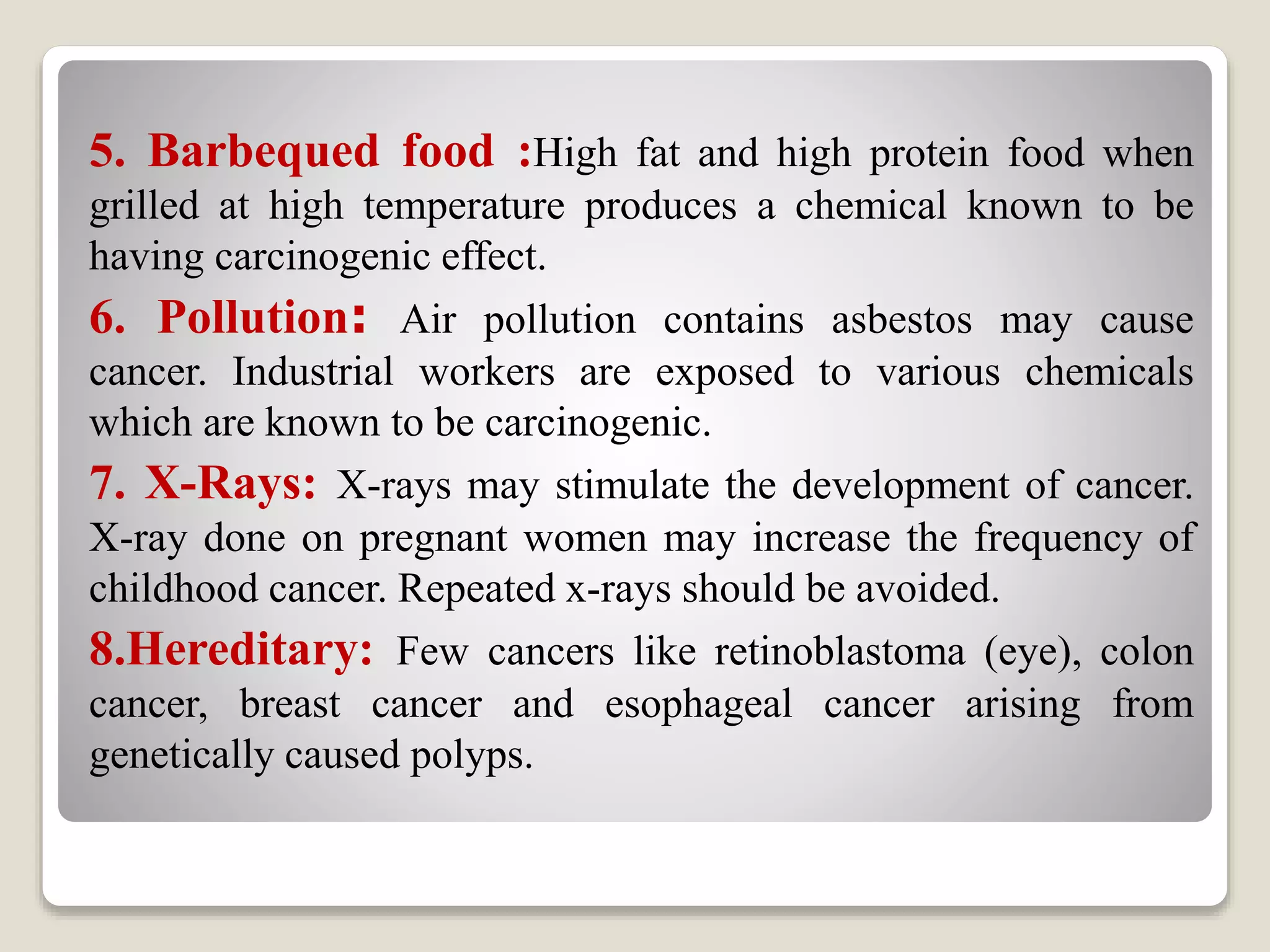
5. Barbequed food:High fat and high protein food when
grilled at high temperature produces a chemical known to be
having carcinogenic effect.
6. Pollution: Air pollution contains asbestos may cause
cancer. Industrial workers are exposed to various chemicals
which are known to be carcinogenic.
7. X-Rays: X-rays may stimulate the development of cancer.
X-ray done on pregnant women may increase the frequency of
childhood cancer. Repeated x-rays should be avoided.
8.Hereditary: Few cancers like retinoblastoma (eye), colon
cancer, breast cancer and esophageal cancer arising from
genetically caused polyps.
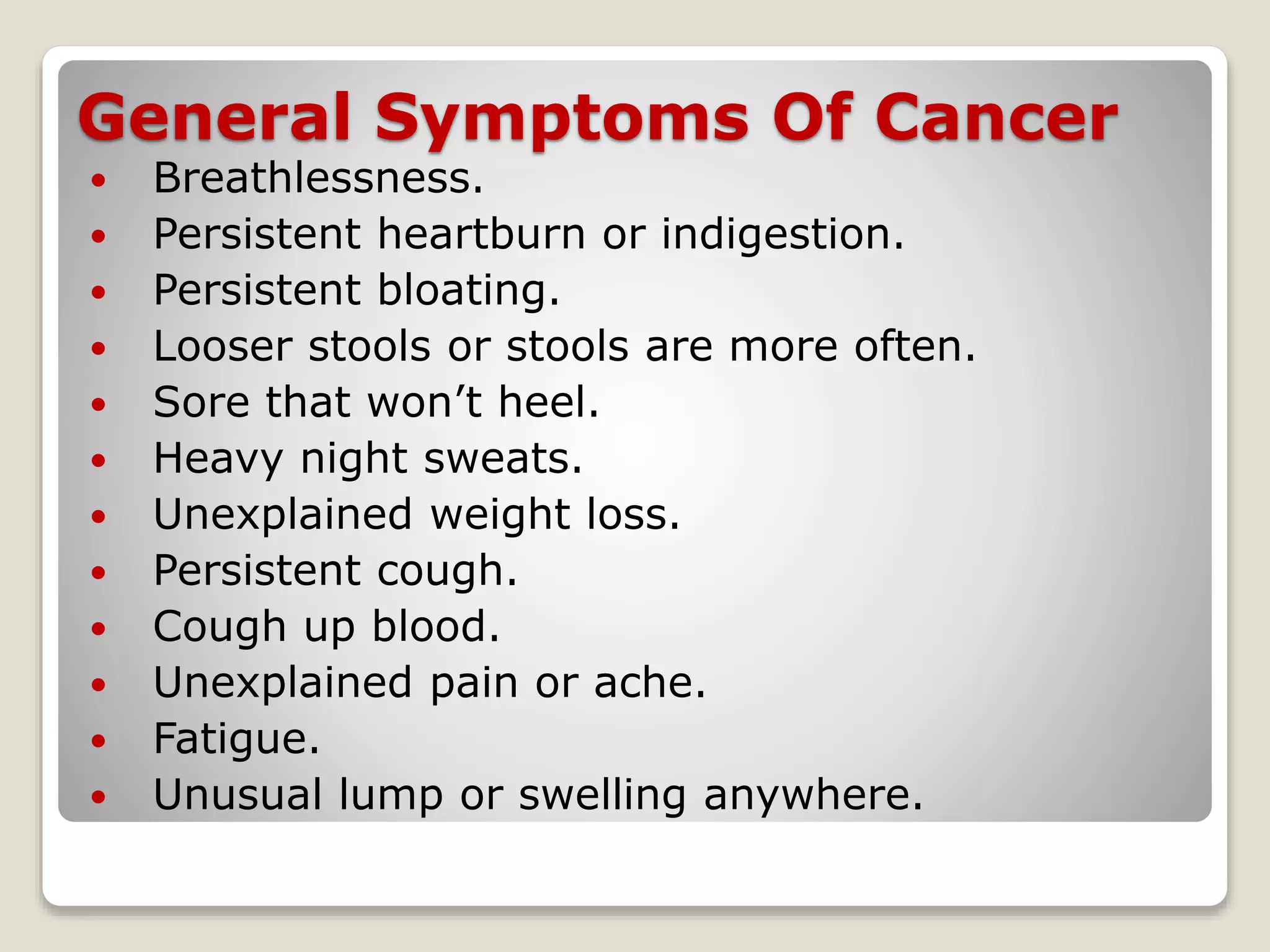
General Symptoms OfCancer
Breathlessness.
Persistent heartburn or indigestion.
Persistent bloating.
Looser stools or stools are more often.
Sore that won’t heel.
Heavy night sweats.
Unexplained weight loss.
Persistent cough.
Cough up blood.
Unexplained pain or ache.
Fatigue.
Unusual lump or swelling anywhere.
14.
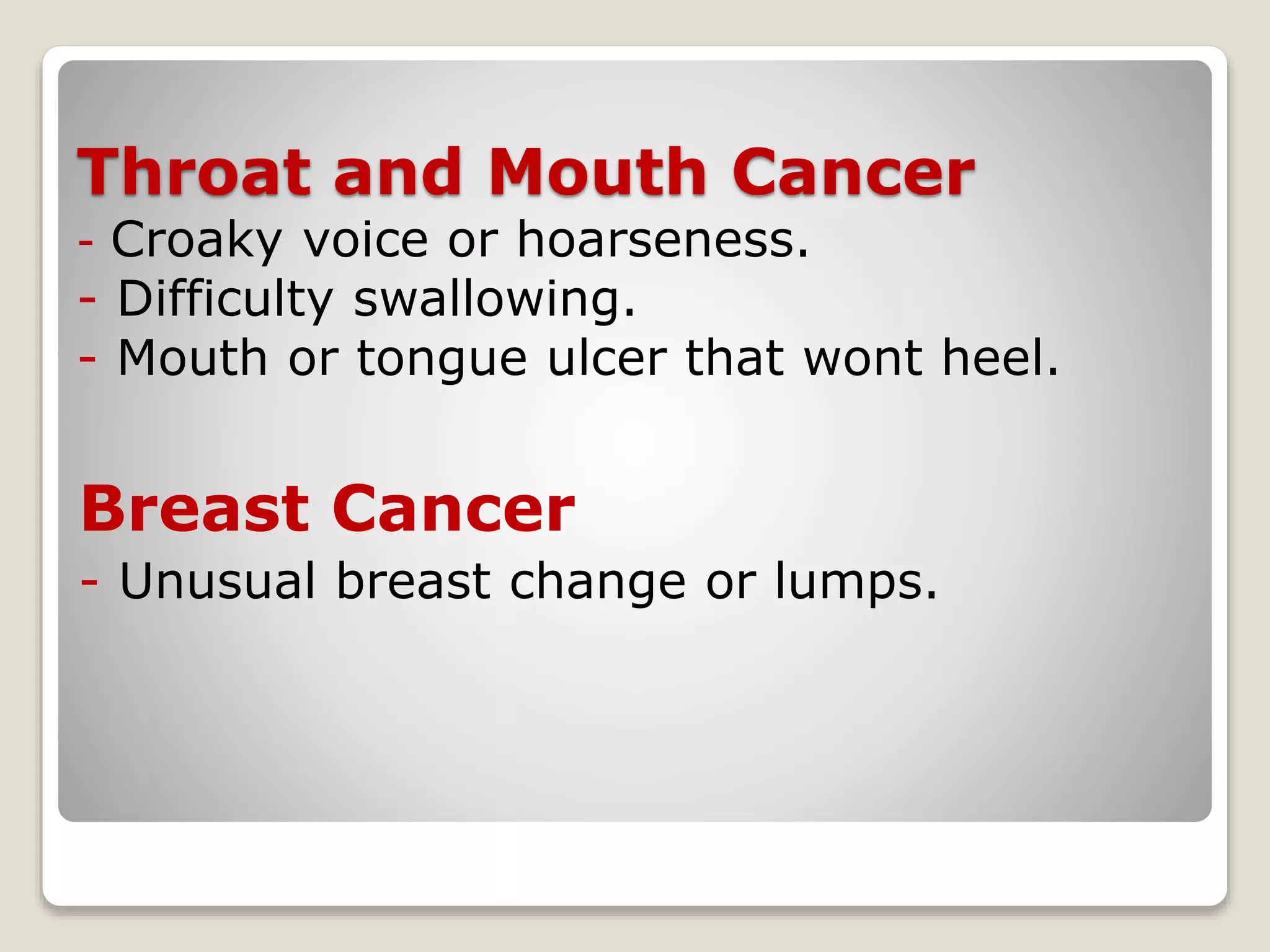
Throat and MouthCancer
- Croaky voice or hoarseness.
- Difficulty swallowing.
- Mouth or tongue ulcer that wont heel.
Breast Cancer
- Unusual breast change or lumps.
15.
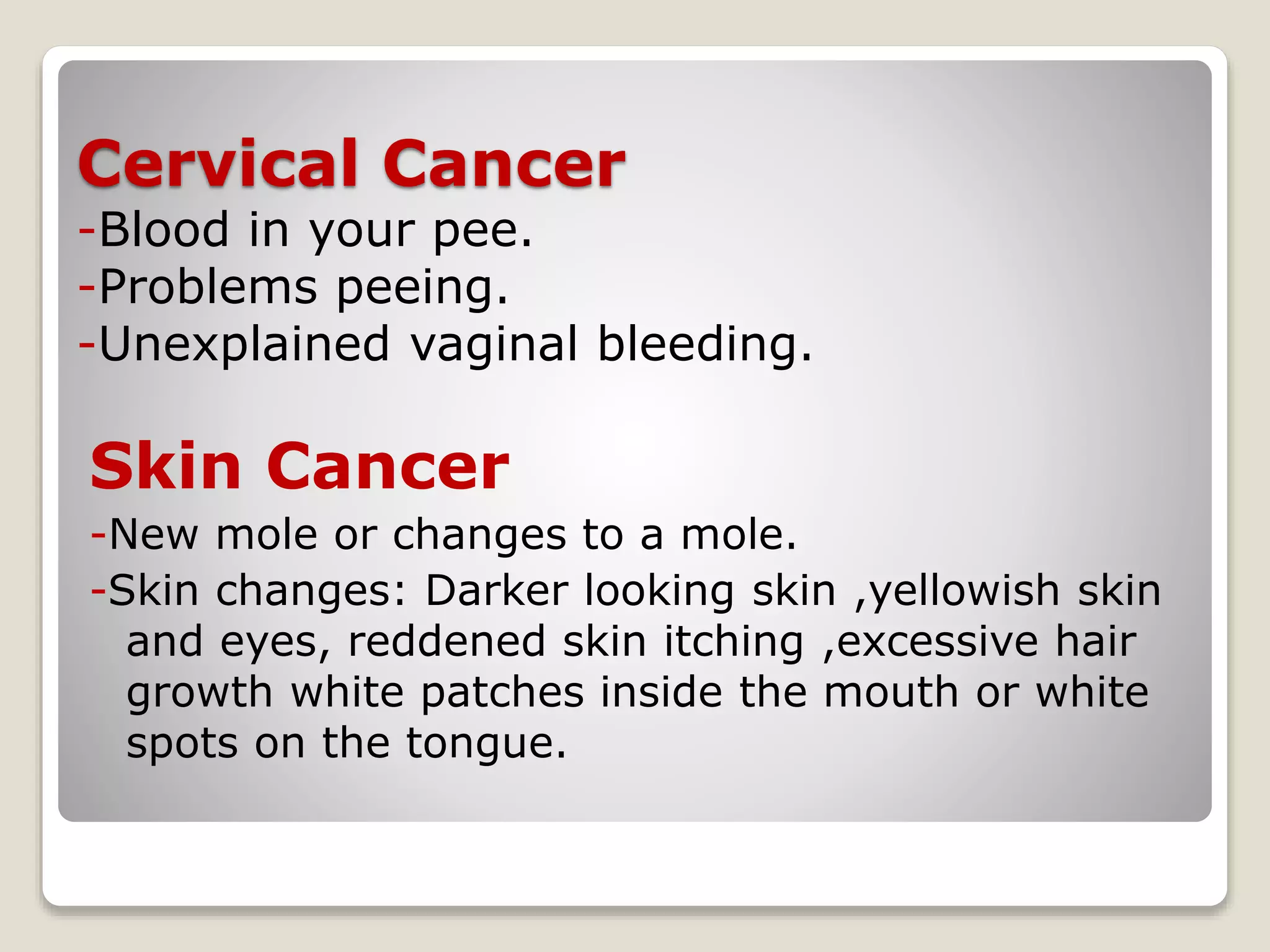
Cervical Cancer
-Blood inyour pee.
-Problems peeing.
-Unexplained vaginal bleeding.
Skin Cancer
-New mole or changes to a mole.
-Skin changes: Darker looking skin ,yellowish skin
and eyes, reddened skin itching ,excessive hair
growth white patches inside the mouth or white
spots on the tongue.
16.
Dietary factorsare recognized as having a significant
effect on the risk of cancers, with different dietary
elements both increasing and reducing risk. Diet,
physical inactivity, and obesity may be related to up
to 30–35% of cancer deaths. By far the most
significant dietary cause of cancer is overnutrition
(eating too much).
Dietary recommendations for cancer prevention
typically include weight management and eating
"mainly vegetables, fruit, whole grains and fish, and a
reduced intake of red meat, animal fat, and refined
sugar."
Dietary sources that increase the
risk of cancer
17.
Cancer causing foods
Alcohol is associated with an increased risk of a number of
cancers. 3.6% of all cancer cases and 3.5% of cancer
deaths worldwide are attributable to drinking of
alcohol.Breast cancer in women is linked with alcohol
intake.[2][18] Alcohol also increases the risk of cancers of
the mouth, esophagus, pharynx and larynx, colorectal
cancer, liver cancer, stomach and ovaries.
Processed meats. Most processed meat products,
including lunch meats, bacon, sausage, and hot dogs,
contain chemical preservatives and are generally high in fat
and salt, that make them appear fresh and appealing, but
that can also cause cancer. Both sodium nitrite and sodium
nitrate have been linked to significantly increasing the risk
of colon and other forms of cancer.
18.
Refined 'white'flours. Refined flour is a common ingredient
in processed foods, but its excess carbohydrate content is a
serious cause for concern. Regular consumption of refined
carbohydrates was linked to a 220 percent increase in breast
cancer among women. High-glycemic foods in general have
also been shown to rapidly raise blood sugar levels in the body,
which directly feeds cancer cell growth and spread
Refined sugars. The same goes for refined sugars, which tend
to rapidly spike insulin levels and feed the growth of cancer
cells. Fructose-rich sweeteners like high-fructose corn syrup
(HFCS) are particularly offensive, as cancer cells have been
shown to quickly and easily metabolize them in order to
proliferate. And since cookies, cakes, pies, sodas, juices,
sauces, cereals, and many other popular, mostly processed,
food items are loaded with HFCS and other refined sugars, this
helps explain why cancer rates are on the rise these days
Hydrogenated oils. They are commonly used to preserve
processed foods and keep them shelf-stable. But hydrogenated
oils alter the structure and flexibility of cell membranes
throughout the body, which can lead to a host of debilitating
diseases such as cancer.
19.
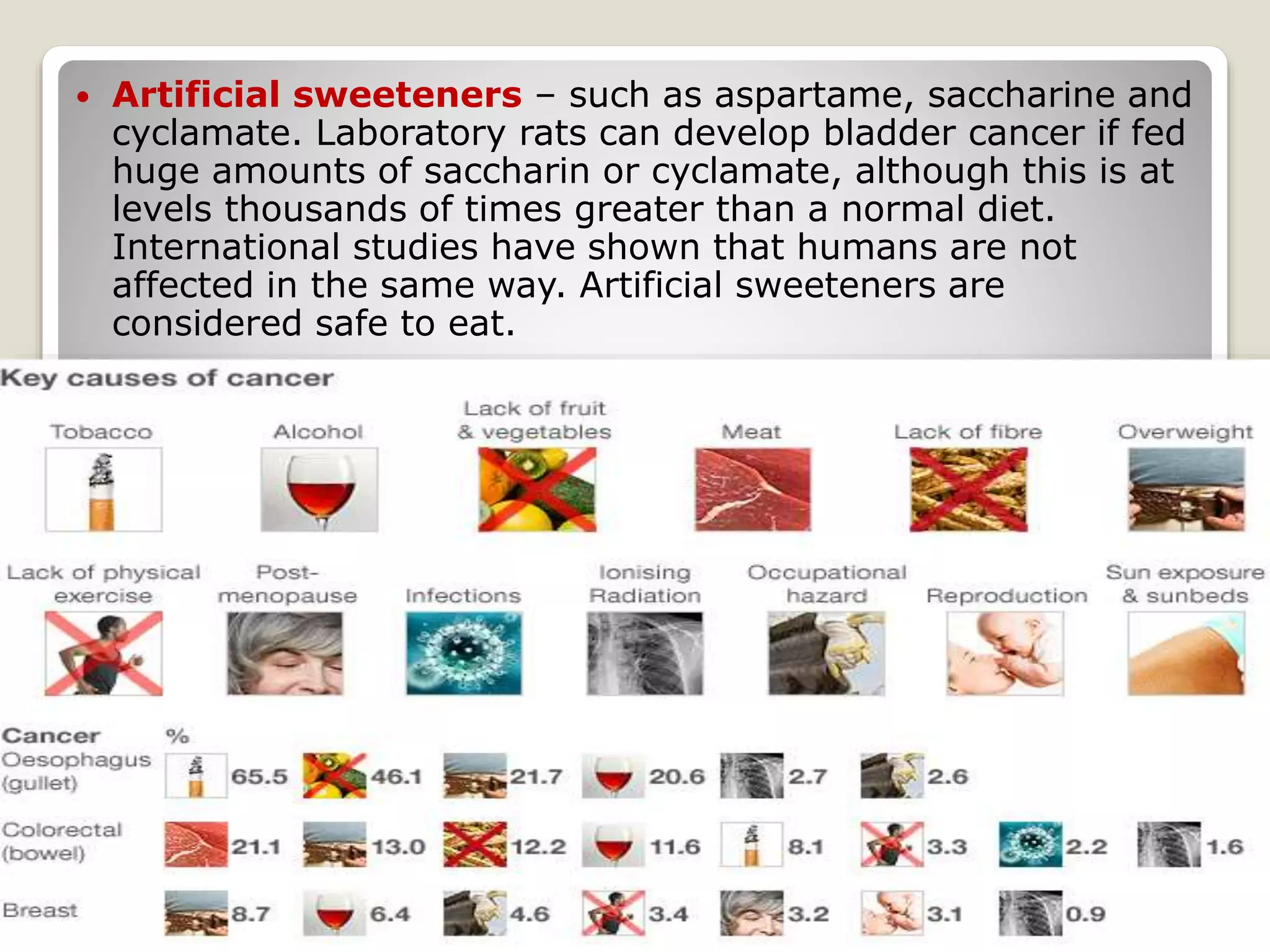
Artificial sweeteners– such as aspartame, saccharine and
cyclamate. Laboratory rats can develop bladder cancer if fed
huge amounts of saccharin or cyclamate, although this is at
levels thousands of times greater than a normal diet.
International studies have shown that humans are not
affected in the same way. Artificial sweeteners are
considered safe to eat.
20.
Foods to ‘eatmore’
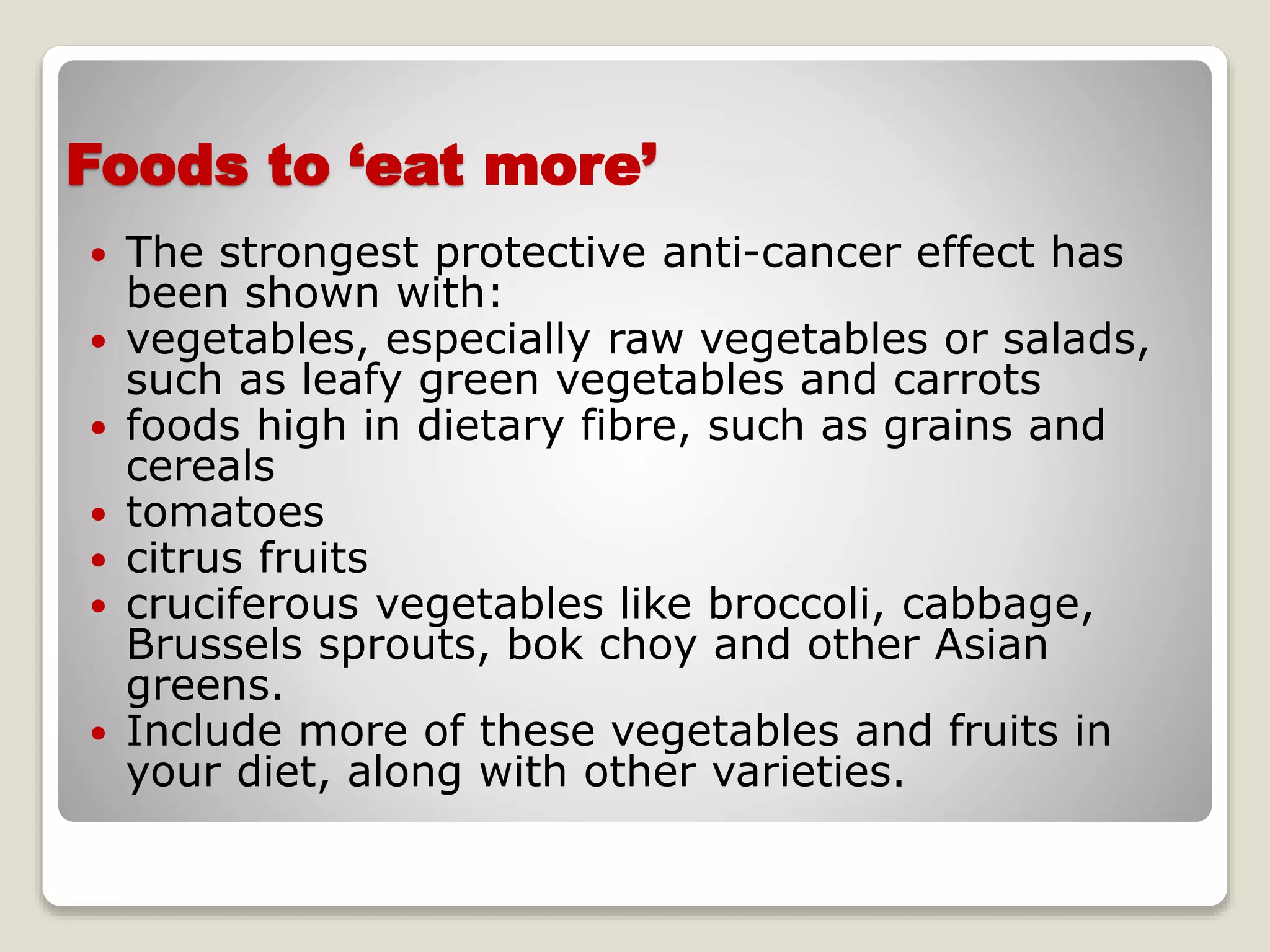
The strongest protective anti-cancer effect has
been shown with:
vegetables, especially raw vegetables or salads,
such as leafy green vegetables and carrots
foods high in dietary fibre, such as grains and
cereals
tomatoes
citrus fruits
cruciferous vegetables like broccoli, cabbage,
Brussels sprouts, bok choy and other Asian
greens.
Include more of these vegetables and fruits in
your diet, along with other varieties.
22.
Causes of cancer
WhatCauses Cancer?
Cancer is a complex group of diseases with many possible
causes. In this section you can learn more about the known
causes of cancer, including genetic factors; lifestyle factors such
as tobacco use, diet, and physical activity; certain types of
infections; and environmental exposures to different types of
chemicals and radiation
23.
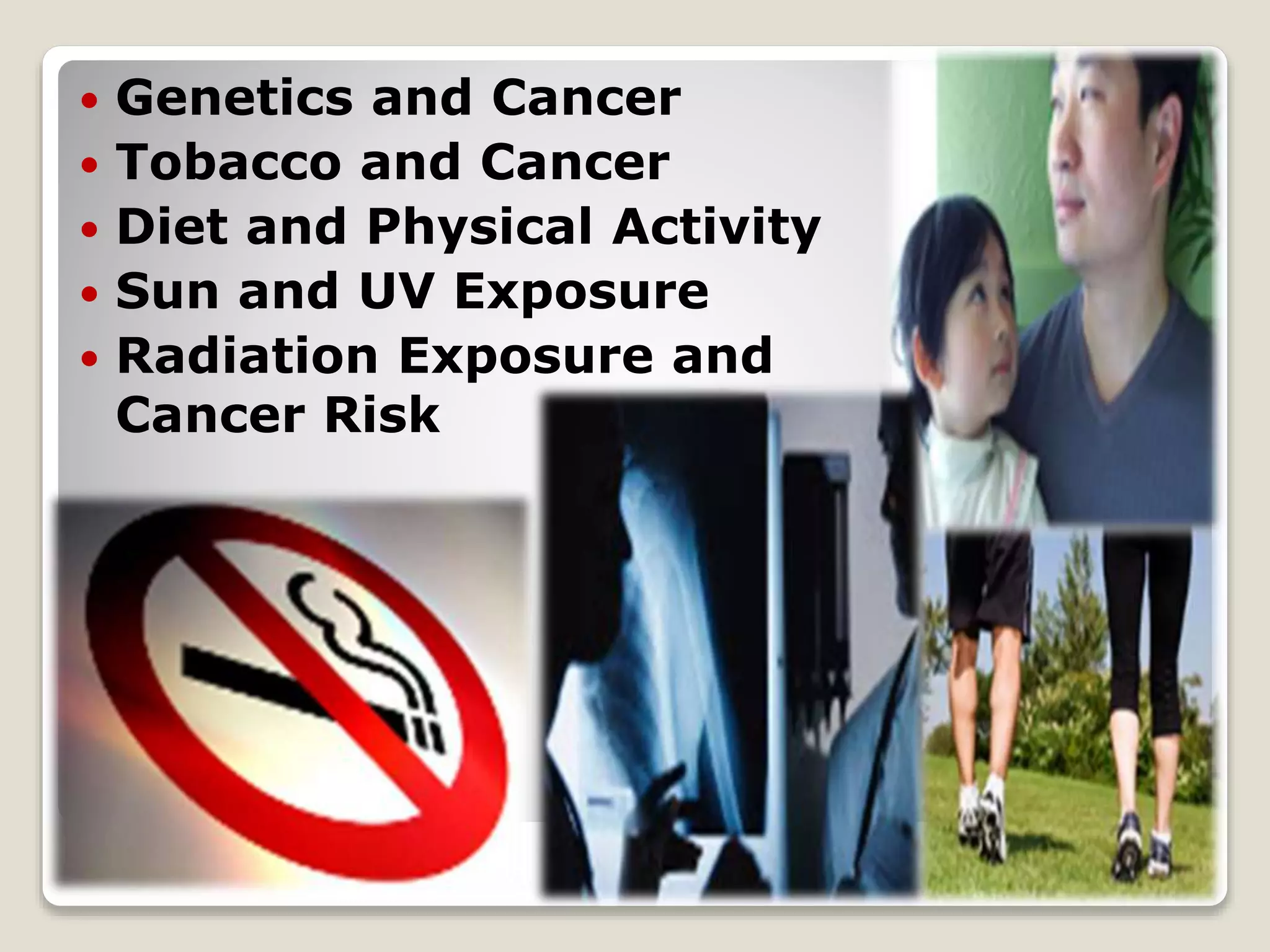
Genetics andCancer
Tobacco and Cancer
Diet and Physical Activity
Sun and UV Exposure
Radiation Exposure and
Cancer Risk
24.
What causes themost cancer?
The fundamental cause of cancer is damaged
or faulty genes – the instructions that tell our
cells what to do. Genes are encoded within DNA,
so anything that damages DNA can increase the
risk of cancer.
But a number of genes in the same cell need to
be damaged before it becomes cancerous.
25.
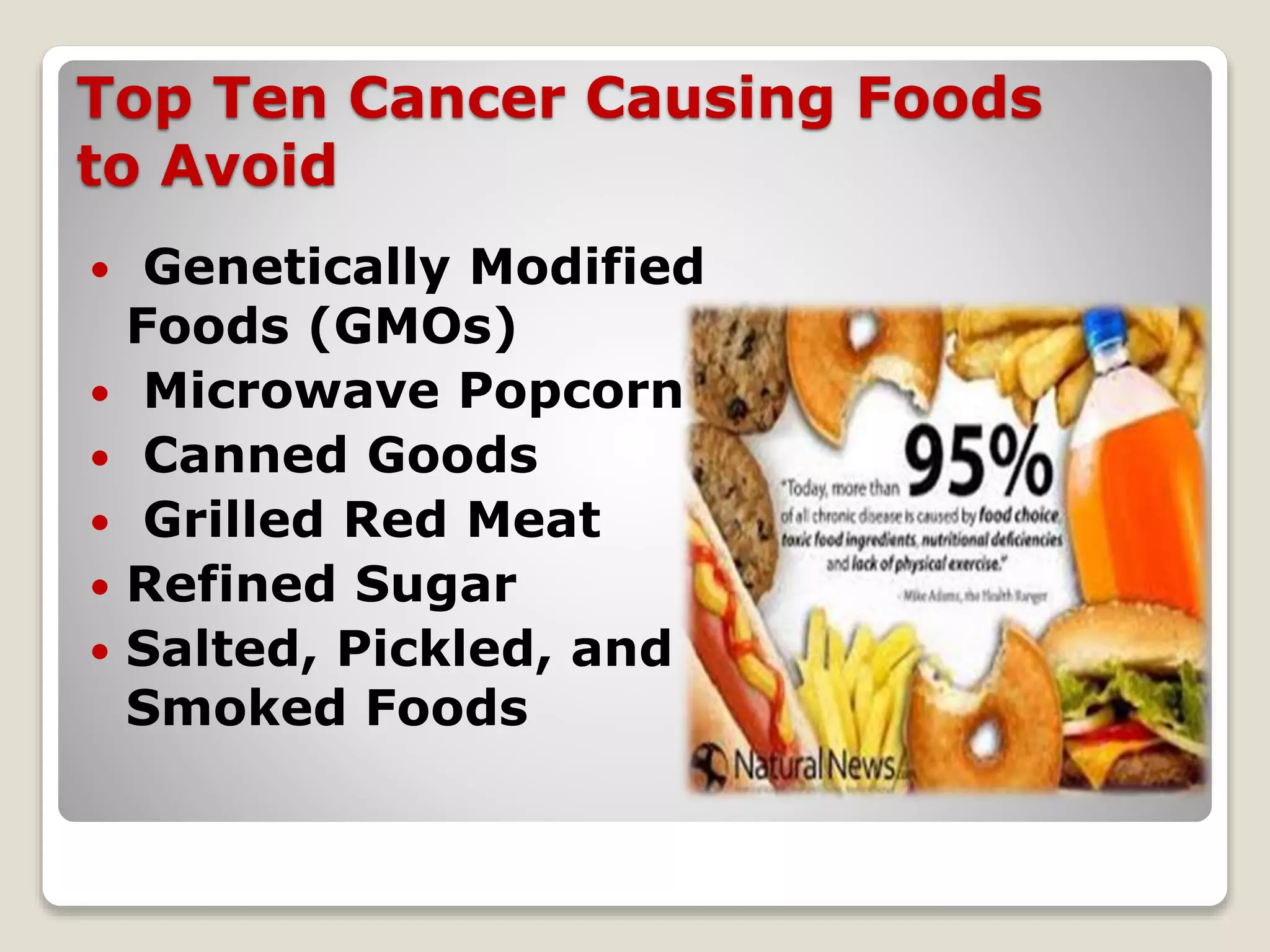
Top Ten CancerCausing Foods
to Avoid
Genetically Modified
Foods (GMOs)
Microwave Popcorn
Canned Goods
Grilled Red Meat
Refined Sugar
Salted, Pickled, and
Smoked Foods
26.
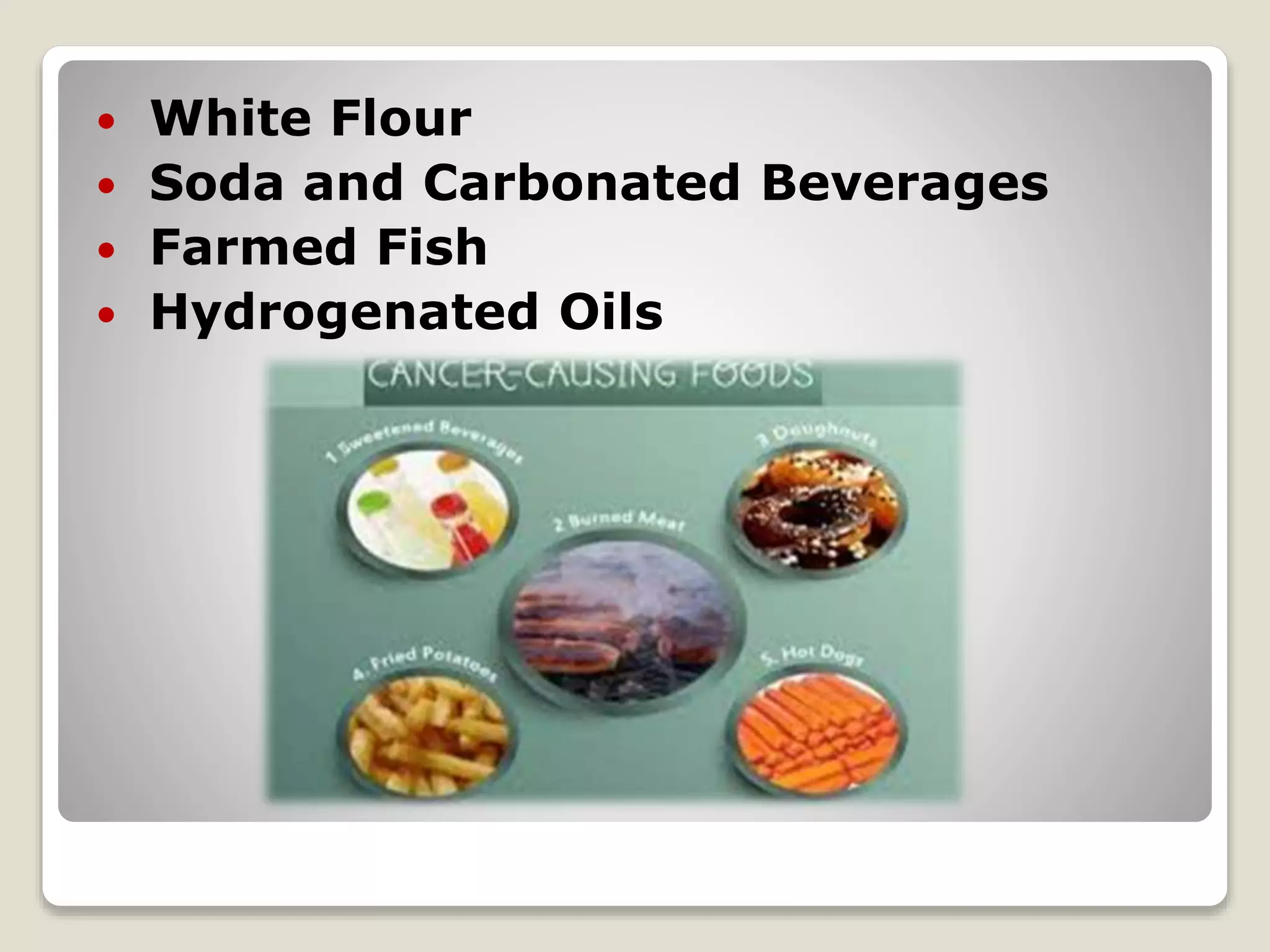
White Flour
Soda and Carbonated Beverages
Farmed Fish
Hydrogenated Oils
27.
Risk factors forcancer
According to World Health Organization (WHO),
common risk factors for cancer include:
Tobacco use
Alcohol use
Overweight and obesity
Dietary factors, including insufficient fruit and
vegetable intake
Physical inactivity
Chronic infections from helicobacter pylori,
hepatitis B virus (HBV), hepatitis C virus (HCV)
and some types of human papilloma virus (HPV)
Environmental and occupational risks including
ionizing and non-ionizing radiation
28.
Pathophysiology
Weight lossand failure to gain weight
normally in cancer patients are
attributable to negative energy balance
and altered metabolism
In cancer patients,either reduced caloric
intake or increased caloric expenditure or
a combination of the 2 results in negative
energy balance
29.
Energy balance
Therole of insufficient food consumption
as a cause of weight loss or growth failure
in a cancer
The energy balance in an cancer patient is
studied under the conditions of,activity
level of the patient,etc
Results has shown that increased
carbohydrate intakeresults in a furture
increase in lactate production
30.
Pathophysiology of cancer
inducedbone pain
• Cancer induced bone pain(CIBP)is a common
clinical problem.Although treatment has been
revolutionised in the past 10years with the
introduction of bisphosphonates,pain arising
spontaneosly of a movement,remaining a leading
cause of unresolved pain in many patients.
• Immunocytochemical markers of neurotransmitter
and recepters indicate that CIBP has a unique
characterictics,unlike neuropathy or inflammation
31.
Increased energy expenditure
The increased energy expenditure of
cancer patients includes energy
expenditure within tumor and energy
demand
Circulation of blood through tumor may
increase energy utilization by heart
When energy expenditure exceeds energy
intake,body fat and body protien are then
mobilized to meet the energy
requirements.
32.
Genetic changes
Innormal cells, genes regulate growth, maturity and death
of the cells. Genetic changes can occur at many levels.
There could be a gain or loss of entire chromosomes or a
single point mutation affecting a single DNA nucleotide.
There are two broad categories of genes which are affected
by these change:
Oncogenes – these are cancer causing genes. They may be
normal genes which are expressed at inappropriately high
levels in patients with cancers or they may be altered or
changed normal genes due to mutation. In both cases these
genes lead to cancerous changes in the tissues.
Tumor suppressor genes – these genes normally inhibit cell
division and prevent survival of cells that have damaged
DNA. In patients with cancer these tumor suppressor genes
are often disabled. This is caused by cancer-promoting
genetic changes. Typically, changes in many genes are
required to transform a normal cell into a cancer cell.
![Cancer causing foods
Alcohol is associated with an increased risk of a number of
cancers. 3.6% of all cancer cases and 3.5% of cancer
deaths worldwide are attributable to drinking of
alcohol.Breast cancer in women is linked with alcohol
intake.[2][18] Alcohol also increases the risk of cancers of
the mouth, esophagus, pharynx and larynx, colorectal
cancer, liver cancer, stomach and ovaries.
Processed meats. Most processed meat products,
including lunch meats, bacon, sausage, and hot dogs,
contain chemical preservatives and are generally high in fat
and salt, that make them appear fresh and appealing, but
that can also cause cancer. Both sodium nitrite and sodium
nitrate have been linked to significantly increasing the risk
of colon and other forms of cancer.](https://image.slidesharecdn.com/introduction-cancer-160207100831/75/Introduction-Cancer-17-2048.jpg)