Persistent Pulmonary Hypertension of
Newborn-PPHN
Etiopathogenesis and Clinical features
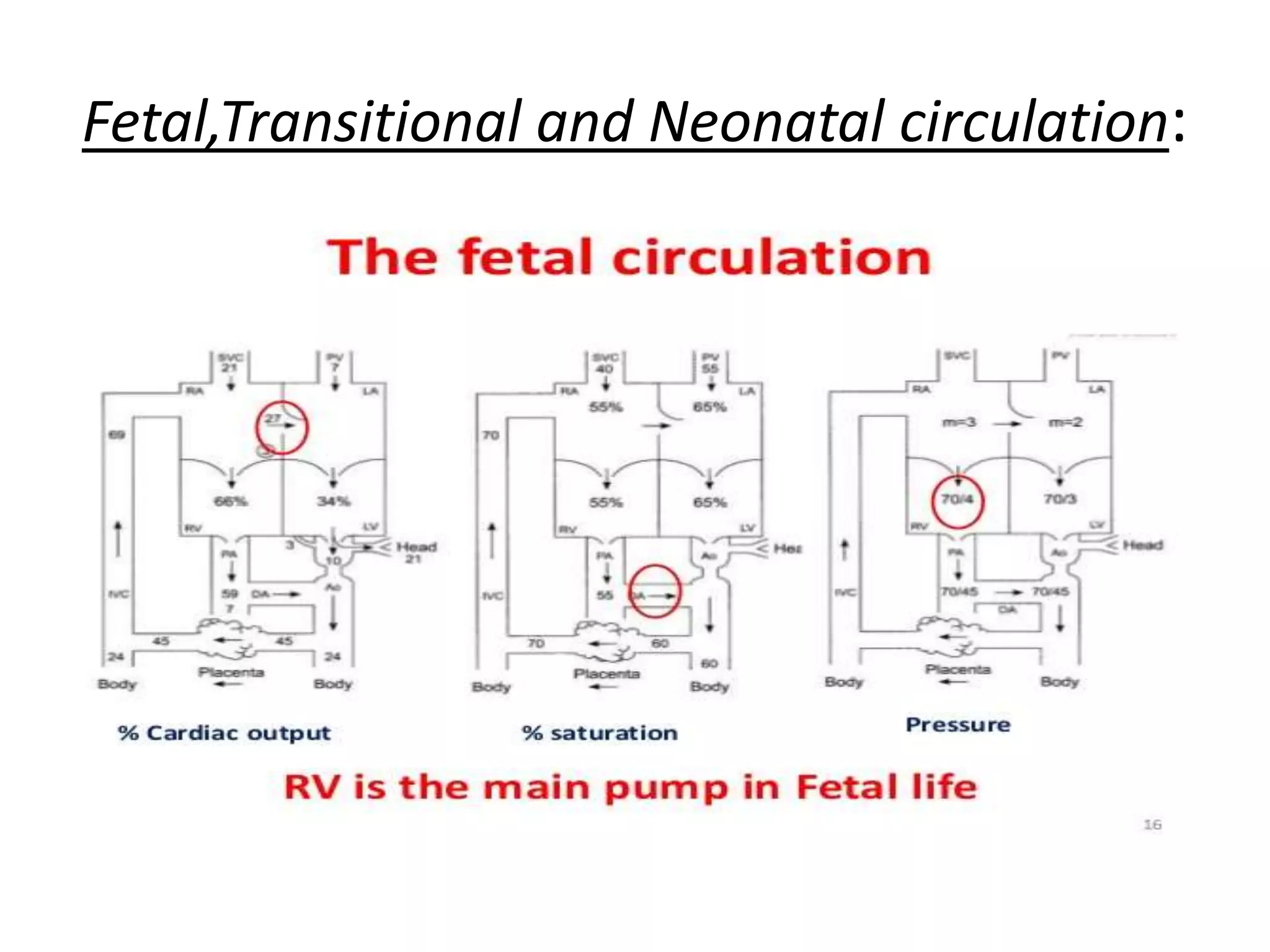
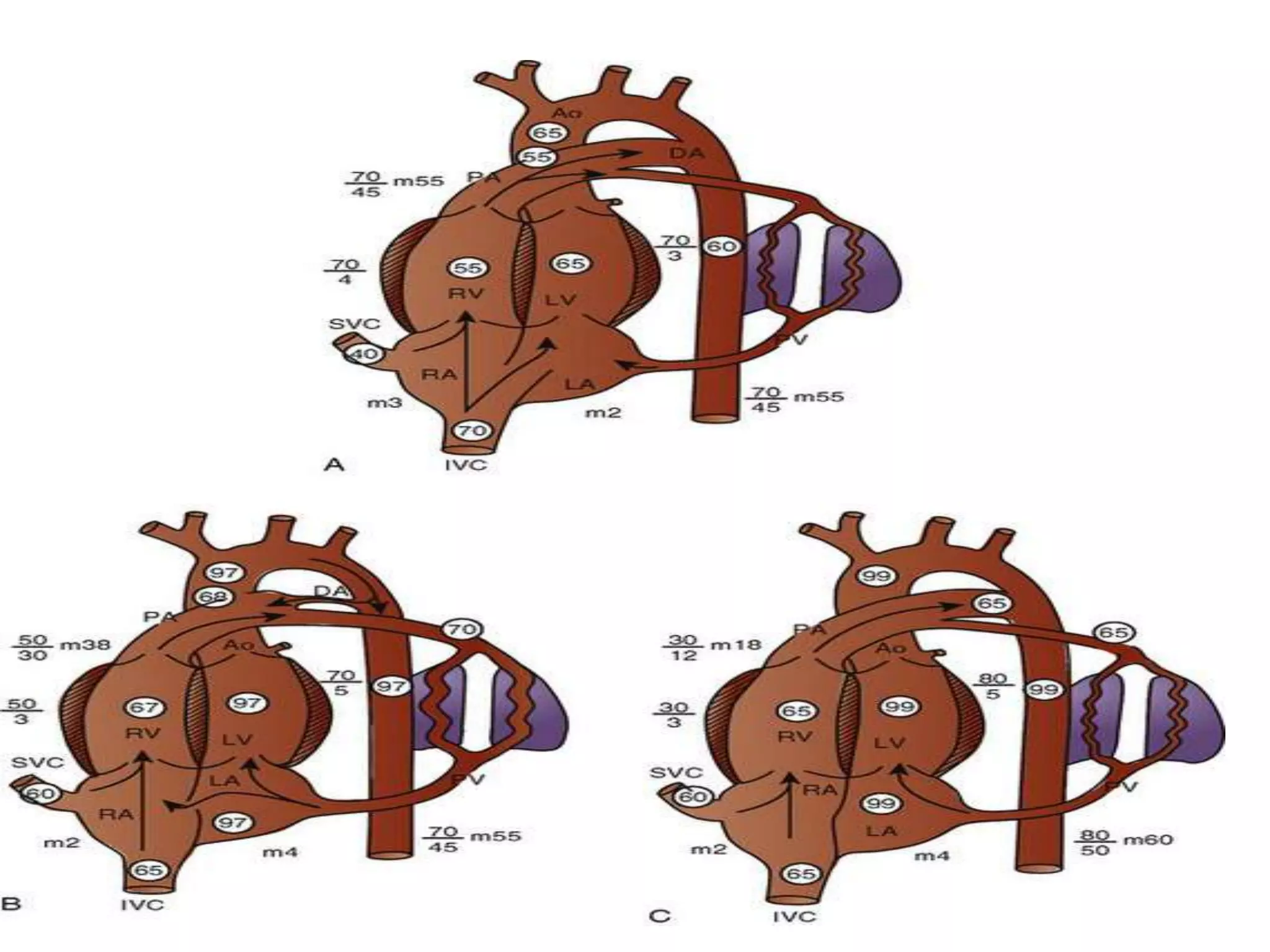
Fetal,Transitional and Neonatal circulation:
• The placenta provides for gas and meatbolite
exchange.
• Rt and Lt ventricle exist in parallel circuit.
• Three structures maintaining parallel circln.
1. Ductus venosus
2. Foramen ovale
3. Ductus arteriosus
• Pulmonary vasculature are constricted diverting
blood away from pul.circulation
 Pulmonary vascular resistance decreases due to mechanical expansion
of lungs and increase in arterial Po2
 Systemic vascular resistance increases due to removal of low
resistance placental circulation.shunt through ductus arteriosus
becomes L to R.
High Po2 eventually closes ductus arteriosus over days and becomes
ligamentum arteriosum.
 Increase in volume of Lt atrium closes flap of foramen ovale
functionally.
 Removal of the placenta from the circulation also in results in closure
of ductus venosus
 Over few weeks pumonary vascular resistance further decreases
secondary to remodelling of pulmonary vasculature i.e thinning of
vascular smooth muscle and recruitment of new vessels.
Pulmonary Blood flow and PVR:
• Most fundamental and critical transition
necessary for postnatal life is the establishment of
breathing, accompanied by a fall in PVR.
• At midgestation, PVR is tenfold higher , last
trimester, PVR seven- to eightfold greater than it
is 24 hours after delivery .
• PVR reduction results from the physical growth of
the pulmonary vasculature that increases the
cross-sectional area.
• Mechanical and biochemical factors lead to the abrupt fall in
PVR at delivery.
1. Aeration of the previously fluid-filled lungs removes the external
compressive force on the pulmonary vasculature.
2. Responding to the sudden rise in oxygen tension, the endothelium
secretes potent vasodilators, nitric oxide and prostacyclin.
3. Luminal diameter increases as endothelial and smooth muscle cells
become thinner.
4. The increase in blood flow further recruits small lumen vessels- increase in
the cross-sectional area of the pulmonary vascular bed.
• This first, rapid phase of pulmonary vasodilation is followed by a period of
remodeling that lasts for months.
• PVR approximates adult values by about 2 months of age, and the
remodeling process is usually complete by 6 months of age.
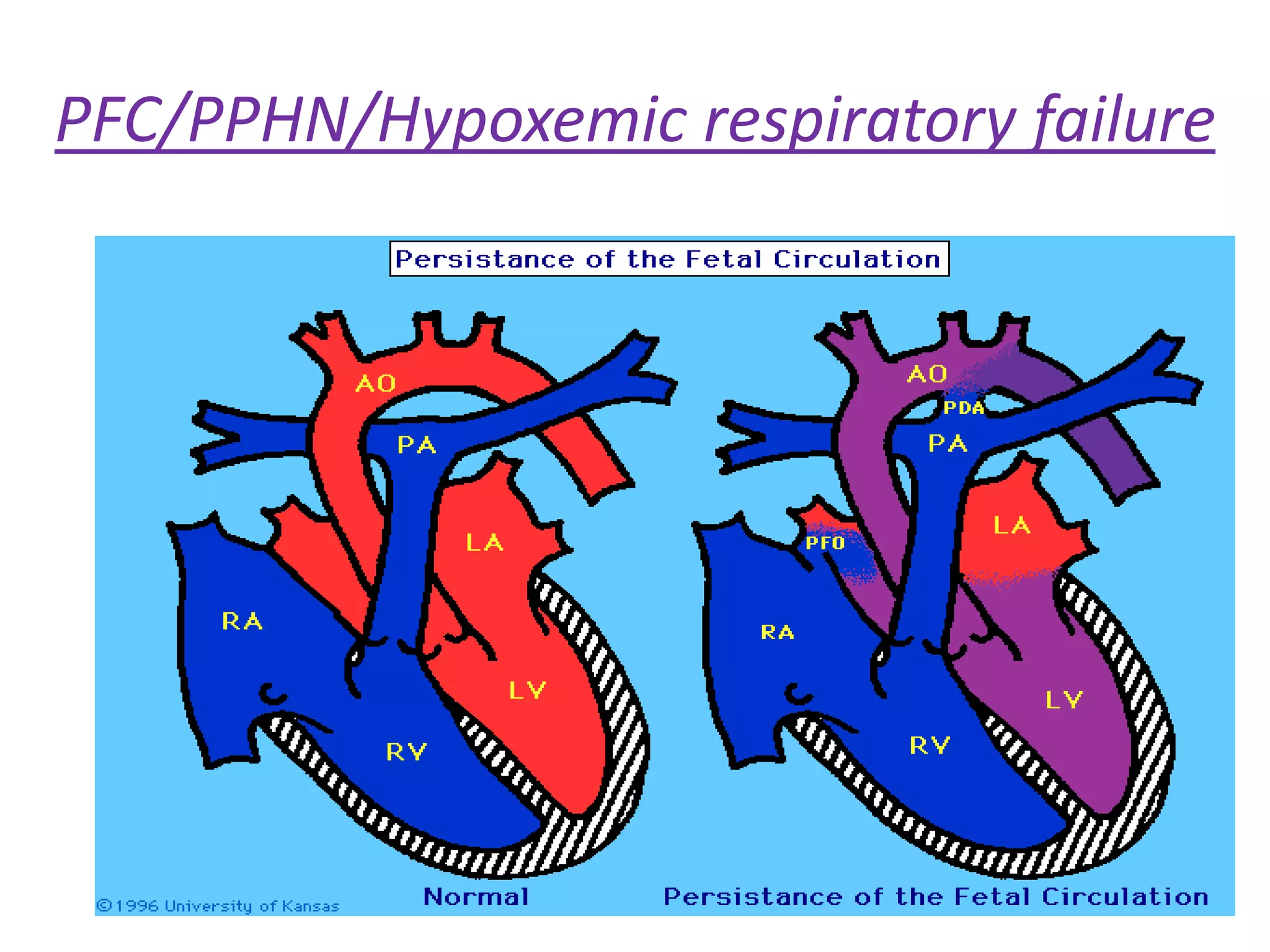
PFC/PPHN/Hypoxemic respiratory failure
• PPHN reflects disruption of the normal
perinatal fetal to neonatal circulatory
transition
-characterized by sustained elevation in
pulmonary vascular resistance (PVR) rather
than the decrease in PVR that normally occurs
at birth, resulting in right-to-left shunting of
blood through fetal circulatory pathways
Epidemology:
Population based study Steurer MA, Jelliffe-Pawlowski LL, Baer RJ, et al.
Persistent Pulmonary Hypertension of the Newborn in Late Preterm and Term
Infants in California. Pediatrics 2017; 139.
• 1 -2/1,000 live births and is most common among full-term
and post-term infants.
• Risk factors for PPHN:
- Gestational age 34 to <37 weeks (ie, late preterm infants)
- Black maternal race,
-Large or small for gestational age.
-Mothers with pre-existing and gestational diabetes, obesity, and
advanced age.
• Factors associated with a lower risk of PPHN included female
sex, Hispanic ethnicity, and multiple gestation.
Pathogenesis:
Three types of abnormalities of the pulmonary
vasculature underlie the disorder:
1. Underdevelopment
2. Maldevelopment
3. Maladaptation
Underdevelopment:
• Cross sectional area of the pulmonary vasculature is
reduced.
• Resulting in a relatively fixed elevation of pulmonary
vascular resistance (PVR).
• Occurs with pulmonary hypoplasia .
 Congenital diaphragmatic hernia (CDH),
 Congenital pulmonary (cystic adenomatoid) malformation,
 Renal agenesis
 Oligohydramnios accompanying obstructive uropathy.
&Fetal growth restriction.
• Postnatal pulmonary vasodilatation is limited.
• Mortality risk is greatest in this category of patients.
Maldevelopment:
• Lungs that are normally developed and have a
normal number of pulmonary vessels
• Abnormal thickening of the muscle layer of the
pulmonary arterioles, and extension of this layer
into small vessels that normally have thin walls
and no muscle cells .
• The extracellular matrix that surrounds the
pulmonary vessels also is excessive.
• Pulmonary vasculature responds poorly to stimuli
that normally result in a decrease in PVR.
• Vascular mediators appear to play a role-
endothelin-1 , cGMP, arginine.
Maldevelopment:
• Conditions associated with PPHN caused by
vascular maldevelopment include
 Post term delivery.
 Meconium staining & meconium aspiration
syndrome (MAS)
IU exposure to SSRI.
• Excessive perfusion of the fetal lung also may
predispose to vascular maldevelopment.
Premature closure of the ductus arteriosus
[NSAIDs]
 High placental vascular resistance
 TAPVC
Maladaptation :
• The pulmonary vascular bed is normally developed.
• Adverse perinatal conditions cause active
vasoconstriction and interfere with the normal
postnatal fall in PVR.
• These conditions include
-Perinatal depression
-Pulmonary parenchymal diseases
-Bacterial infections-GBS.
• GBS &PPHN - activation of vasoactive mediators by
bacterial phospholipid components- cardiolipin and
phosphatidylglycerol.
Idiopathic Pulmonary HTN(Black lung)
• No asssociated respiratory condition.
• Pathogenesis –maldevelopment-smooth
muscle hyperplasia.
• Chronic IU hypoxia,exposure to NSAIDS and
SSRI have been implicated,unknown genetic
factors.
• Chest X ray-hyperlucent lung fields(Black lung)
Secondary PPHN:
• Respiratory diagnoses associated with PPHN
MAS, 41 %
Pneumonia 14%
RDS, 13 %
Pneumonia and/or RDS, when they could not
be distinguished (14%)
CDH, 10 %
Pulmonary hypoplasia (4 %)
Clinical features:
• Prenatal findings in PPHN - signs of
intrauterine and perinatal asphyxia-fetal heart
rate abnormalities (ie, bradycardia and
tachycardia) and MSAF.
• PPHN is rare in VLBW preterm infants, PPROM
appears to be a common feature.
Clinical features:
• Most PPHN present within the first 24 hours of life
with signs of respiratory distress and cyanosis.
• More than 50% have low apgar scores and received
delivery room interventions .
• Physical examination is cyanosis and signs of
respiratory distress.
• Meconium staining of skin and nails, which may be
indicative of intrauterine stress.
• The cardiac examination.
- Prominent precordial impulse,
- Narrowly split and accentuated second heart sound.
- Harsh systolic murmur consistent with tricuspid
insufficiency lower left sternal border.
Initial laboratory tests
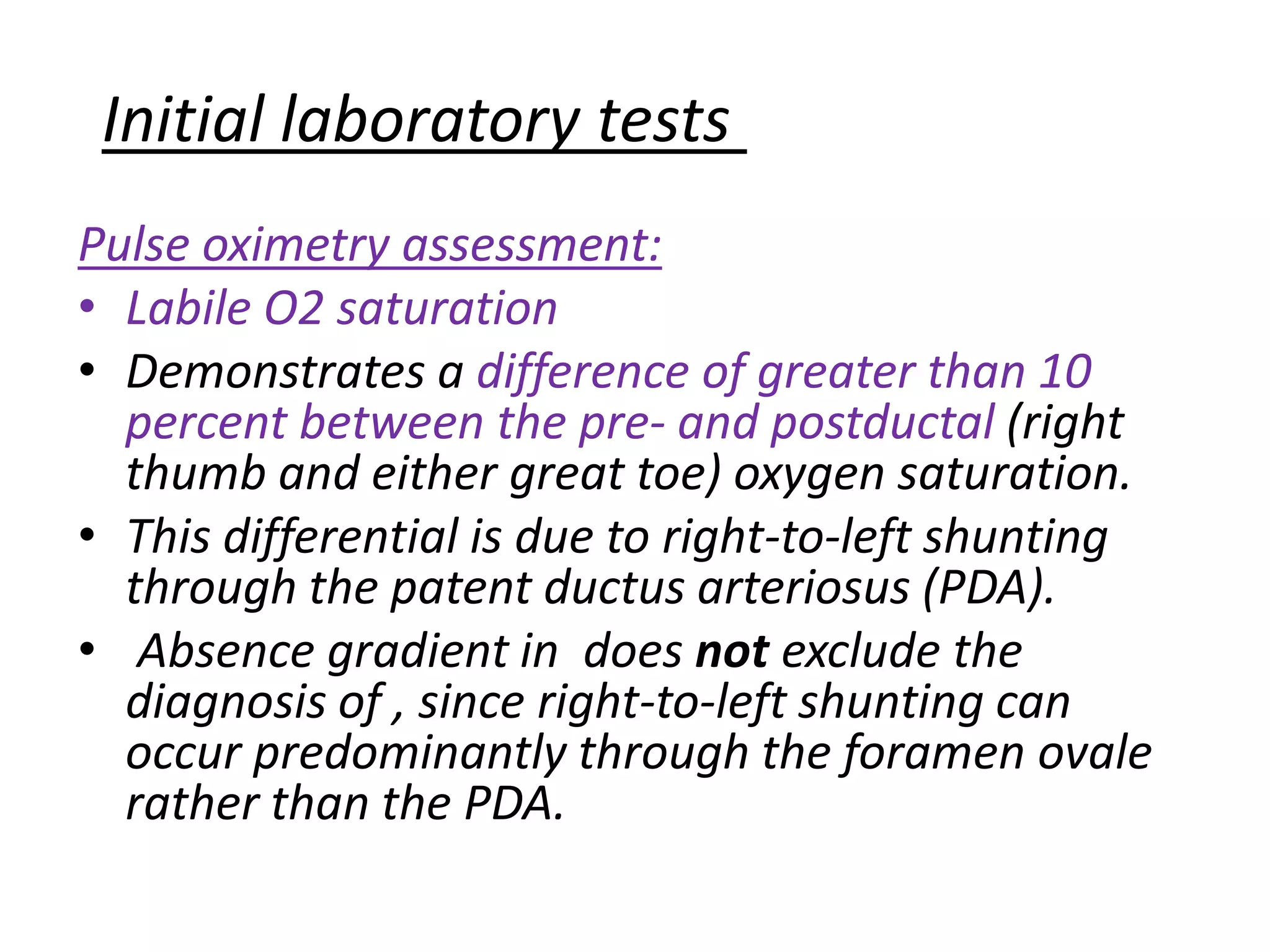
Pulse oximetry assessment:
• Labile O2 saturation
• Demonstrates a difference of greater than 10
percent between the pre- and postductal (right
thumb and either great toe) oxygen saturation.
• This differential is due to right-to-left shunting
through the patent ductus arteriosus (PDA).
• Absence gradient in does not exclude the
diagnosis of , since right-to-left shunting can
occur predominantly through the foramen ovale
rather than the PDA.
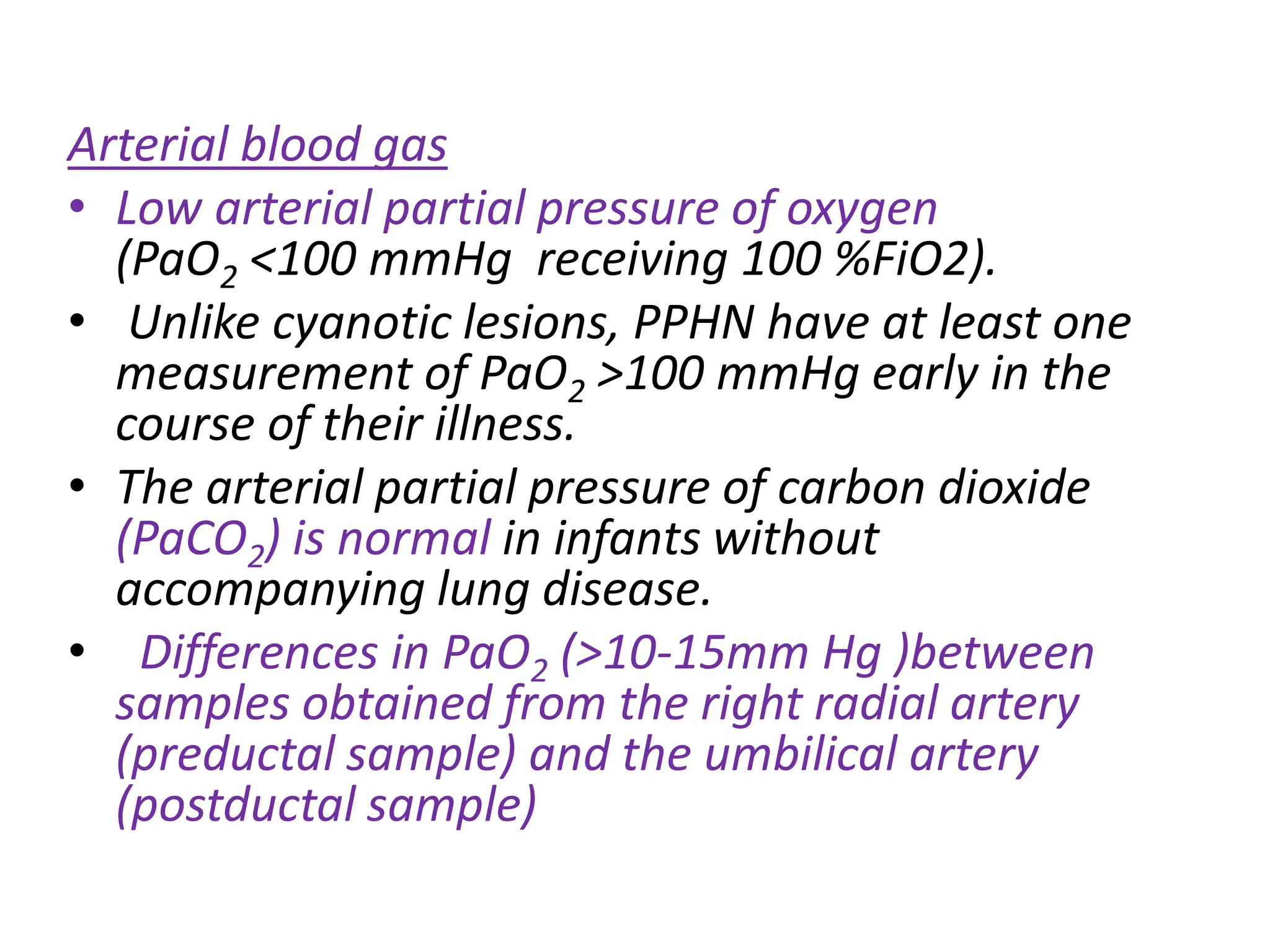
Arterial blood gas
• Low arterial partial pressure of oxygen
(PaO2 <100 mmHg receiving 100 %FiO2).
• Unlike cyanotic lesions, PPHN have at least one
measurement of PaO2 >100 mmHg early in the
course of their illness.
• The arterial partial pressure of carbon dioxide
(PaCO2) is normal in infants without
accompanying lung disease.
• Differences in PaO2 (>10-15mm Hg )between
samples obtained from the right radial artery
(preductal sample) and the umbilical artery
(postductal sample)
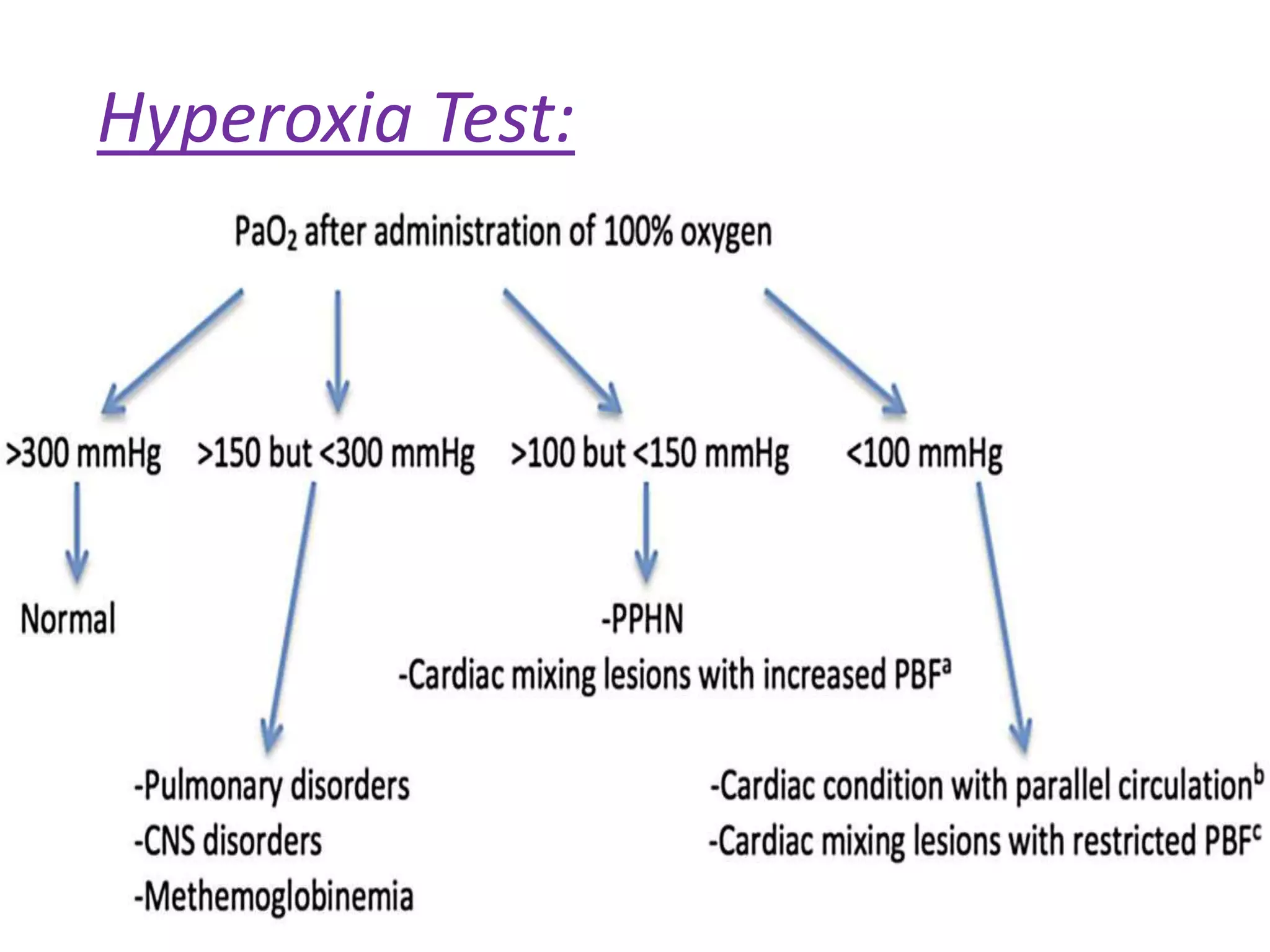
Hyperoxia Test:
Hyperoxia-hyperventilation test.
• Manually ventilated at a rate of 100-150 bpm
for 10 minutes.
• Result in a decrease in PaCO2 to 25 mmHg
and a concomitant increase in the arterial PH.
• In PPHN, an increase of PaO2 by at least
30 mmHg is considered a positive response
and little or no response is seen in infants with
cyanotic CHD.
40 – mortality risk > 80-90%
25-40 – Moratlity risk 50-60%
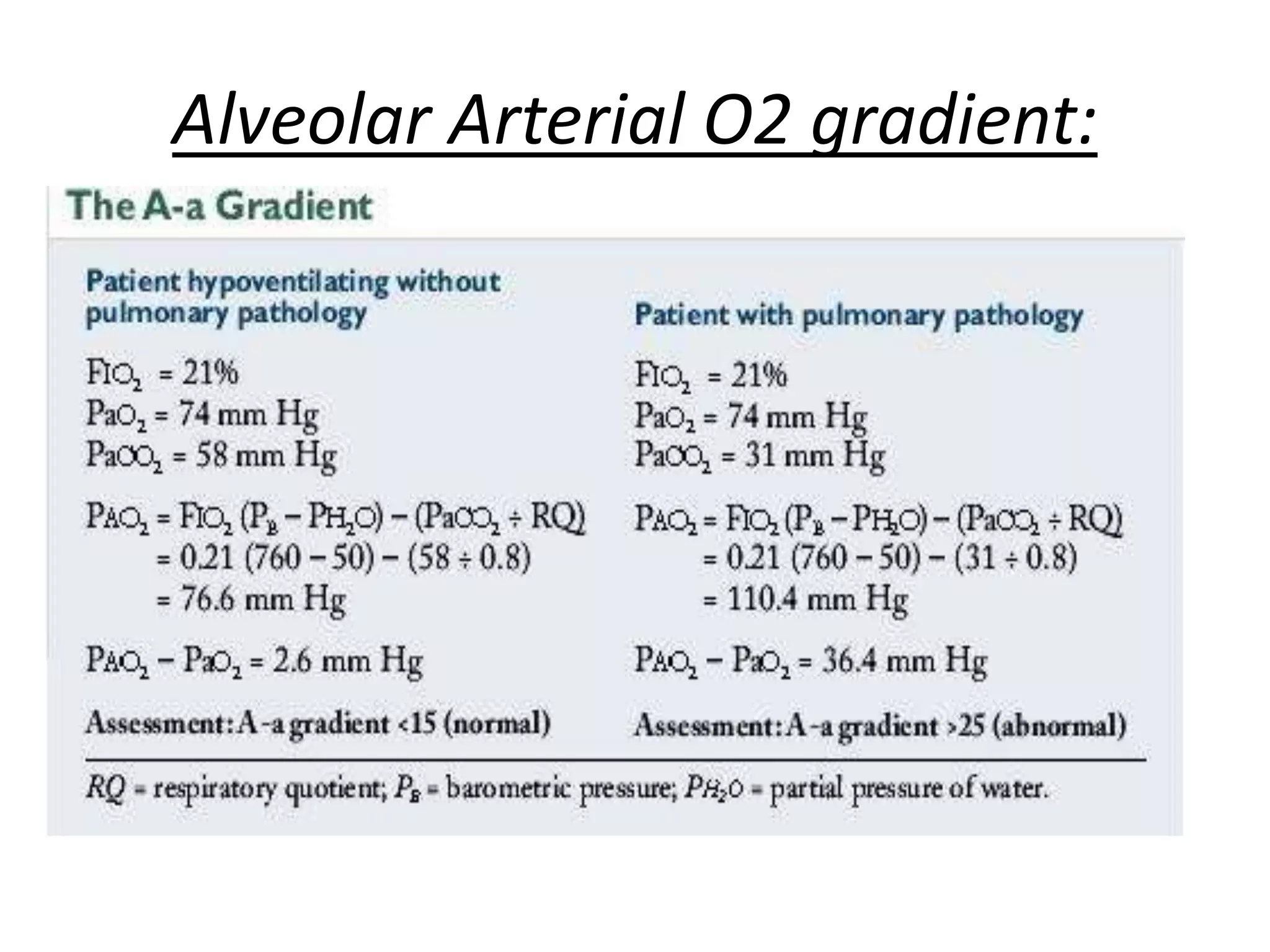
Alveolar Arterial O2 gradient:
• In normal person breathing room air, the
AaDO2 is less than 10 mmHg.
• In a neonate due to higher physiological dead
space , this may be upto 25-35 mm of Hg .
• Large gradients (high AaDO2) are noted in
CCHD, MAS and PPHN.
• AaDO2 > 620 for 12 hr on FiO2 100% is an
indication for ECMO in West, because risk of
mortality is > 80%
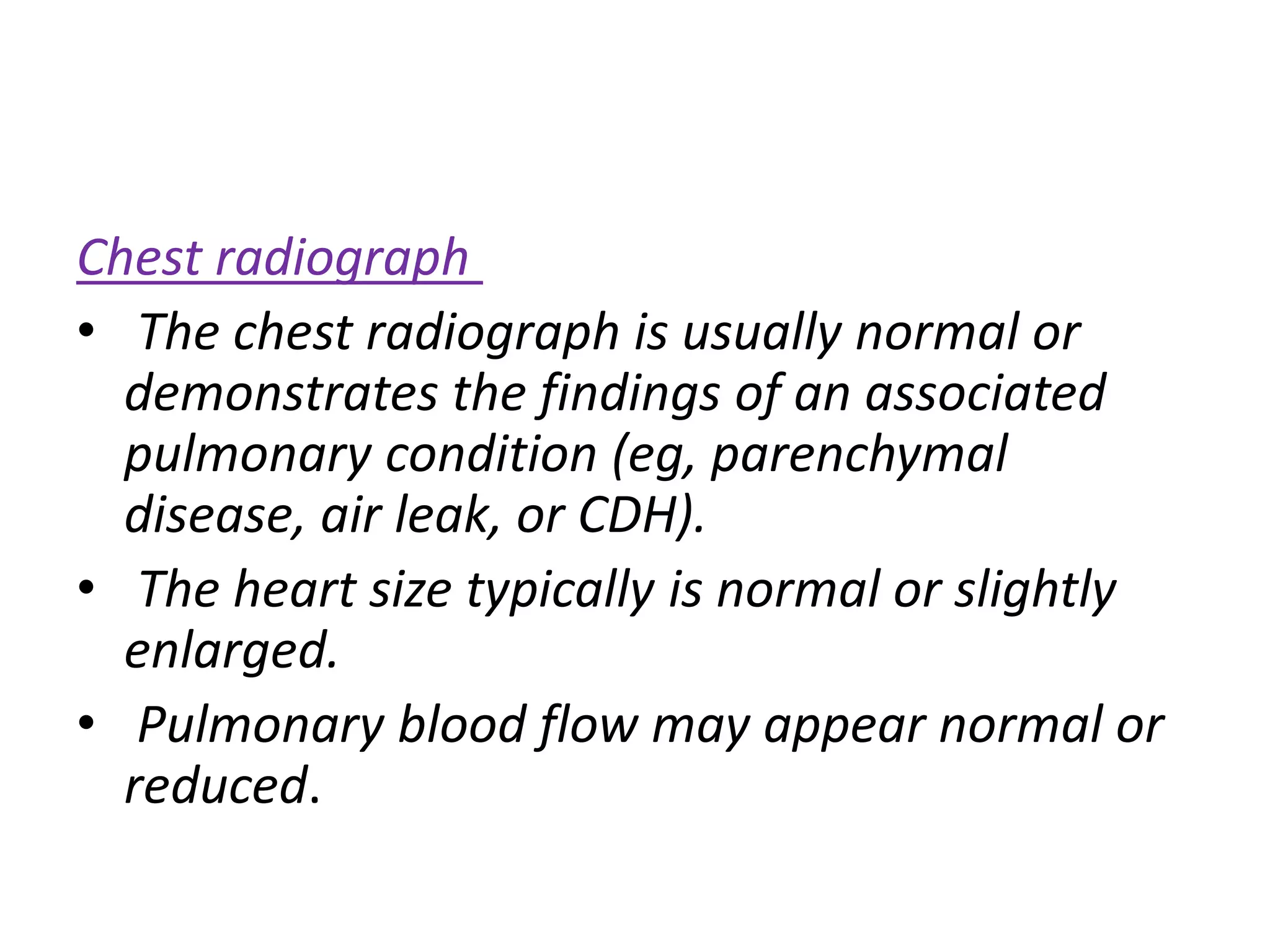
Chest radiograph
• The chest radiograph is usually normal or
demonstrates the findings of an associated
pulmonary condition (eg, parenchymal
disease, air leak, or CDH).
• The heart size typically is normal or slightly
enlarged.
• Pulmonary blood flow may appear normal or
reduced.
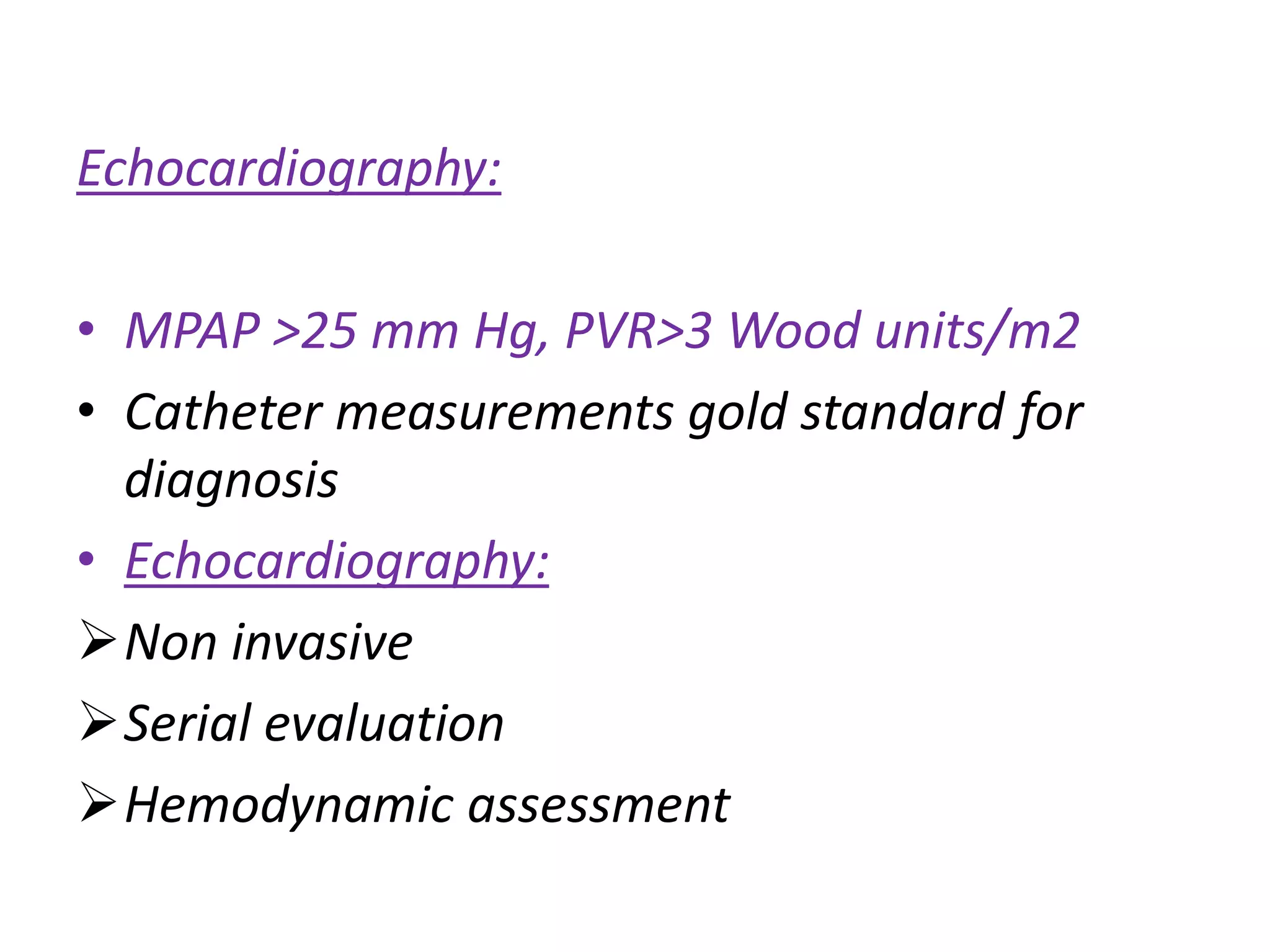
Echocardiography:
• MPAP >25 mm Hg, PVR>3 Wood units/m2
• Catheter measurements gold standard for
diagnosis
• Echocardiography:
Non invasive
Serial evaluation
Hemodynamic assessment
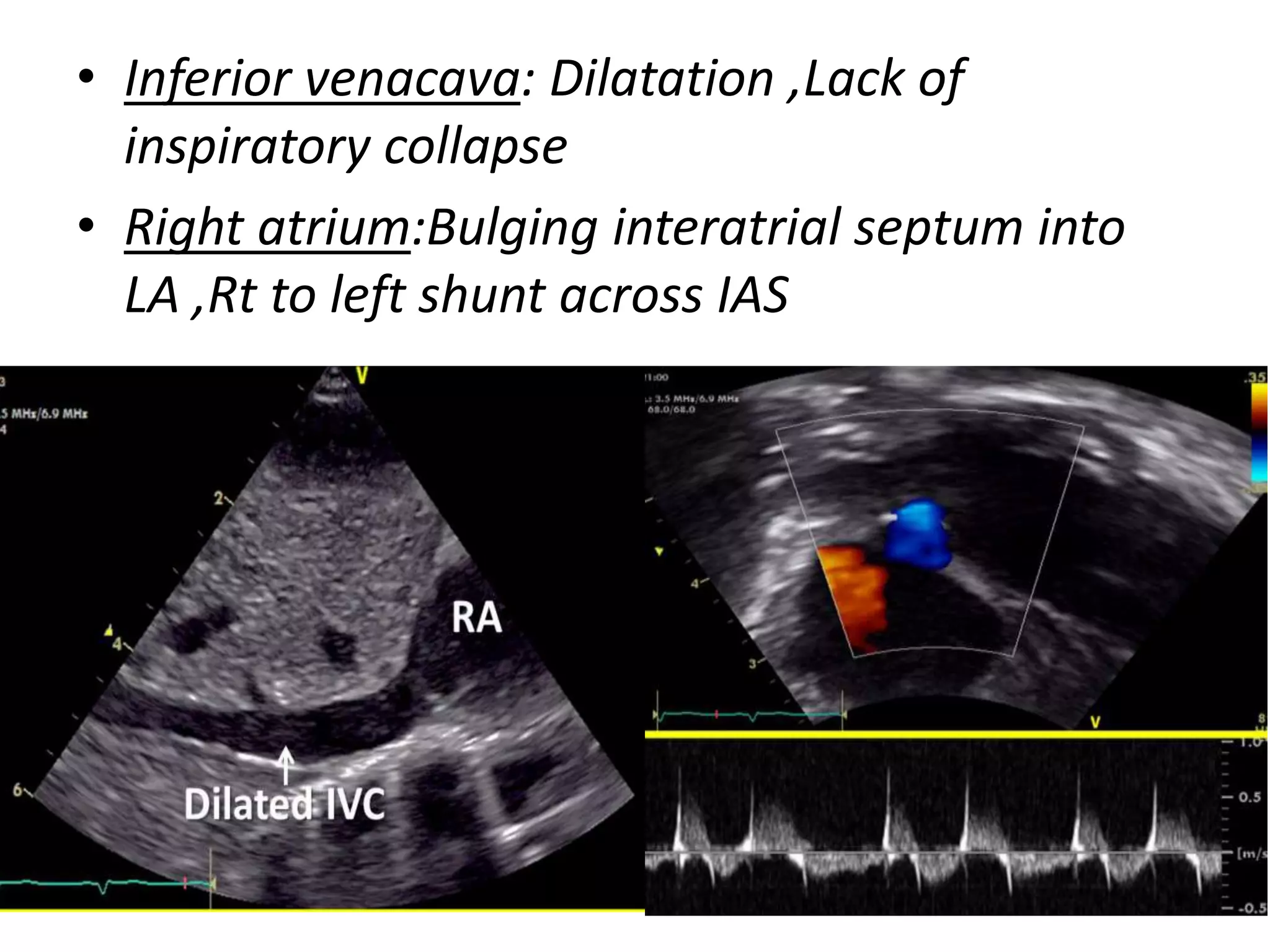
• Inferior venacava: Dilatation ,Lack of
inspiratory collapse
• Right atrium:Bulging interatrial septum into
LA ,Rt to left shunt across IAS
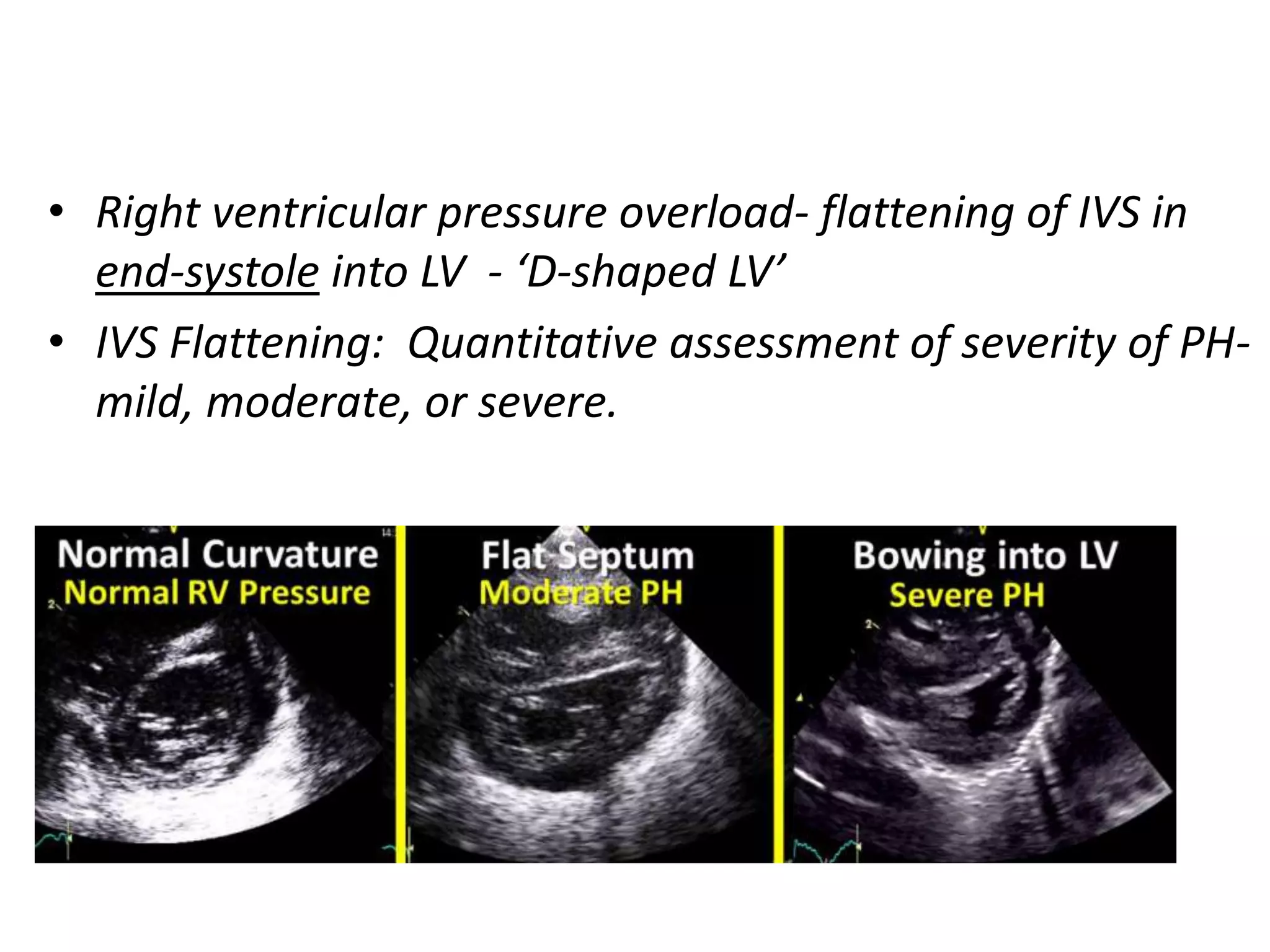
• Right ventricular pressure overload- flattening of IVS in
end-systole into LV - ‘D-shaped LV’
• IVS Flattening: Quantitative assessment of severity of PH-
mild, moderate, or severe.
• Maximal TR jet velocity (CW Doppler)
Modified Bernoulli equation
RVSP = SPAP = 4 (TR Vmax)² + mean RAPe
Differentials:
• Cyanotic congenital heart disease (CHD), which is
distinguished from PPHN by echocardiography.
• Primary isolated parenchymal lung disease -
pneumonia, TTN, and RDS differentiated clinical
setting and chest radiography.
- most patients with PPHN will also have an associated
lung disorder echocardiography confirms the diagnosis
of PPHN.
• Sepsis distinguished by the clinical setting, positive
blood cultures, and echocardiography.
• Alveolar capillary dysplasia with misalignment of the
pulmonary veins (ACD-MPV) ,have initial period of
stability and develop severe hypoxemia later than
PPHN , further evaluation including catheterization
and lung biopsy are needed to confirm the diagnosis.
Summary:
• Persistent high PVR,with Rt to Lt shunt.
• Incidence 2/1000 live births.
• Etiological classification-Primary(idiopathic) and
secondary
• Pathological classifiction-
Underdevelopment,maldevelopment,maladaptation.
• C/F:Cyanosis and Respiratory distress.
• CVS:Narrowly split & accentuated S2,systolic murmur in L
parasternal area
• Spo2 and Pao2 gradient btw pre and post ductal artery.
• Hyperoxia –hyperventilation test.
• Echo-structurally N heart,PASP>25mm Hg.
References:
• Steurer MA, Jelliffe-Pawlowski LL, Baer RJ, et al. Persistent
Pulmonary Hypertension of the Newborn in Late Preterm
and Term Infants in California. Pediatrics 2017; 139.
• Ann R Stark, MD et al.Persistent pulmonary hypertension of
the newborn.Uptodate April 2017.
• Abman SH, Hansmann G, Archer SL, et al. Pediatric
Pulmonary Hypertension: Guidelines From the American
Heart Association and American Thoracic Society.
Circulation 2015; 132:2037.
• Robin H. Steinhorn and Steven H. Abman. Persistent
Pulmonary Hypertension of the Newborn .Avery Diseases
of Newborn 2014;732-740.
• Linda J. Van Marte,Christopher C. McPherson. Persistent
Pulmonary Hypertension of the Newborn.Cloherty and
Stark’s Manual of Neonatal care 2017;468-480
• Update on PPHN: mechanisms and treatment. Nair J,
Lakshminrusimha S, Semin Perinatol. 2014 Mar;38(2):78-
91
THANK YOU

Persistent pulmonary hypertension of newborn PPHN

  • 1.
    Persistent Pulmonary Hypertensionof Newborn-PPHN Etiopathogenesis and Clinical features
  • 2.
    Fetal,Transitional and Neonatalcirculation: • The placenta provides for gas and meatbolite exchange. • Rt and Lt ventricle exist in parallel circuit. • Three structures maintaining parallel circln. 1. Ductus venosus 2. Foramen ovale 3. Ductus arteriosus • Pulmonary vasculature are constricted diverting blood away from pul.circulation
  • 3.
     Pulmonary vascularresistance decreases due to mechanical expansion of lungs and increase in arterial Po2  Systemic vascular resistance increases due to removal of low resistance placental circulation.shunt through ductus arteriosus becomes L to R. High Po2 eventually closes ductus arteriosus over days and becomes ligamentum arteriosum.  Increase in volume of Lt atrium closes flap of foramen ovale functionally.  Removal of the placenta from the circulation also in results in closure of ductus venosus  Over few weeks pumonary vascular resistance further decreases secondary to remodelling of pulmonary vasculature i.e thinning of vascular smooth muscle and recruitment of new vessels.
  • 4.
    Pulmonary Blood flowand PVR: • Most fundamental and critical transition necessary for postnatal life is the establishment of breathing, accompanied by a fall in PVR. • At midgestation, PVR is tenfold higher , last trimester, PVR seven- to eightfold greater than it is 24 hours after delivery . • PVR reduction results from the physical growth of the pulmonary vasculature that increases the cross-sectional area.
  • 5.
    • Mechanical andbiochemical factors lead to the abrupt fall in PVR at delivery. 1. Aeration of the previously fluid-filled lungs removes the external compressive force on the pulmonary vasculature. 2. Responding to the sudden rise in oxygen tension, the endothelium secretes potent vasodilators, nitric oxide and prostacyclin. 3. Luminal diameter increases as endothelial and smooth muscle cells become thinner. 4. The increase in blood flow further recruits small lumen vessels- increase in the cross-sectional area of the pulmonary vascular bed. • This first, rapid phase of pulmonary vasodilation is followed by a period of remodeling that lasts for months. • PVR approximates adult values by about 2 months of age, and the remodeling process is usually complete by 6 months of age.
  • 6.
  • 7.
    • PPHN reflectsdisruption of the normal perinatal fetal to neonatal circulatory transition -characterized by sustained elevation in pulmonary vascular resistance (PVR) rather than the decrease in PVR that normally occurs at birth, resulting in right-to-left shunting of blood through fetal circulatory pathways
  • 8.
    Epidemology: Population based studySteurer MA, Jelliffe-Pawlowski LL, Baer RJ, et al. Persistent Pulmonary Hypertension of the Newborn in Late Preterm and Term Infants in California. Pediatrics 2017; 139. • 1 -2/1,000 live births and is most common among full-term and post-term infants. • Risk factors for PPHN: - Gestational age 34 to <37 weeks (ie, late preterm infants) - Black maternal race, -Large or small for gestational age. -Mothers with pre-existing and gestational diabetes, obesity, and advanced age. • Factors associated with a lower risk of PPHN included female sex, Hispanic ethnicity, and multiple gestation.
  • 9.
    Pathogenesis: Three types ofabnormalities of the pulmonary vasculature underlie the disorder: 1. Underdevelopment 2. Maldevelopment 3. Maladaptation
  • 10.
    Underdevelopment: • Cross sectionalarea of the pulmonary vasculature is reduced. • Resulting in a relatively fixed elevation of pulmonary vascular resistance (PVR). • Occurs with pulmonary hypoplasia .  Congenital diaphragmatic hernia (CDH),  Congenital pulmonary (cystic adenomatoid) malformation,  Renal agenesis  Oligohydramnios accompanying obstructive uropathy. &Fetal growth restriction. • Postnatal pulmonary vasodilatation is limited. • Mortality risk is greatest in this category of patients.
  • 11.
    Maldevelopment: • Lungs thatare normally developed and have a normal number of pulmonary vessels • Abnormal thickening of the muscle layer of the pulmonary arterioles, and extension of this layer into small vessels that normally have thin walls and no muscle cells . • The extracellular matrix that surrounds the pulmonary vessels also is excessive. • Pulmonary vasculature responds poorly to stimuli that normally result in a decrease in PVR. • Vascular mediators appear to play a role- endothelin-1 , cGMP, arginine.
  • 12.
    Maldevelopment: • Conditions associatedwith PPHN caused by vascular maldevelopment include  Post term delivery.  Meconium staining & meconium aspiration syndrome (MAS) IU exposure to SSRI. • Excessive perfusion of the fetal lung also may predispose to vascular maldevelopment. Premature closure of the ductus arteriosus [NSAIDs]  High placental vascular resistance  TAPVC
  • 13.
    Maladaptation : • Thepulmonary vascular bed is normally developed. • Adverse perinatal conditions cause active vasoconstriction and interfere with the normal postnatal fall in PVR. • These conditions include -Perinatal depression -Pulmonary parenchymal diseases -Bacterial infections-GBS. • GBS &PPHN - activation of vasoactive mediators by bacterial phospholipid components- cardiolipin and phosphatidylglycerol.
  • 14.
    Idiopathic Pulmonary HTN(Blacklung) • No asssociated respiratory condition. • Pathogenesis –maldevelopment-smooth muscle hyperplasia. • Chronic IU hypoxia,exposure to NSAIDS and SSRI have been implicated,unknown genetic factors. • Chest X ray-hyperlucent lung fields(Black lung)
  • 15.
    Secondary PPHN: • Respiratorydiagnoses associated with PPHN MAS, 41 % Pneumonia 14% RDS, 13 % Pneumonia and/or RDS, when they could not be distinguished (14%) CDH, 10 % Pulmonary hypoplasia (4 %)
  • 16.
    Clinical features: • Prenatalfindings in PPHN - signs of intrauterine and perinatal asphyxia-fetal heart rate abnormalities (ie, bradycardia and tachycardia) and MSAF. • PPHN is rare in VLBW preterm infants, PPROM appears to be a common feature.
  • 17.
    Clinical features: • MostPPHN present within the first 24 hours of life with signs of respiratory distress and cyanosis. • More than 50% have low apgar scores and received delivery room interventions . • Physical examination is cyanosis and signs of respiratory distress. • Meconium staining of skin and nails, which may be indicative of intrauterine stress. • The cardiac examination. - Prominent precordial impulse, - Narrowly split and accentuated second heart sound. - Harsh systolic murmur consistent with tricuspid insufficiency lower left sternal border.
  • 18.
    Initial laboratory tests Pulseoximetry assessment: • Labile O2 saturation • Demonstrates a difference of greater than 10 percent between the pre- and postductal (right thumb and either great toe) oxygen saturation. • This differential is due to right-to-left shunting through the patent ductus arteriosus (PDA). • Absence gradient in does not exclude the diagnosis of , since right-to-left shunting can occur predominantly through the foramen ovale rather than the PDA.
  • 19.
    Arterial blood gas •Low arterial partial pressure of oxygen (PaO2 <100 mmHg receiving 100 %FiO2). • Unlike cyanotic lesions, PPHN have at least one measurement of PaO2 >100 mmHg early in the course of their illness. • The arterial partial pressure of carbon dioxide (PaCO2) is normal in infants without accompanying lung disease. • Differences in PaO2 (>10-15mm Hg )between samples obtained from the right radial artery (preductal sample) and the umbilical artery (postductal sample)
  • 20.
  • 21.
    Hyperoxia-hyperventilation test. • Manuallyventilated at a rate of 100-150 bpm for 10 minutes. • Result in a decrease in PaCO2 to 25 mmHg and a concomitant increase in the arterial PH. • In PPHN, an increase of PaO2 by at least 30 mmHg is considered a positive response and little or no response is seen in infants with cyanotic CHD.
  • 22.
    40 – mortalityrisk > 80-90% 25-40 – Moratlity risk 50-60%
  • 23.
  • 24.
    Alveolar Arterial O2gradient: • In normal person breathing room air, the AaDO2 is less than 10 mmHg. • In a neonate due to higher physiological dead space , this may be upto 25-35 mm of Hg . • Large gradients (high AaDO2) are noted in CCHD, MAS and PPHN. • AaDO2 > 620 for 12 hr on FiO2 100% is an indication for ECMO in West, because risk of mortality is > 80%
  • 25.
    Chest radiograph • Thechest radiograph is usually normal or demonstrates the findings of an associated pulmonary condition (eg, parenchymal disease, air leak, or CDH). • The heart size typically is normal or slightly enlarged. • Pulmonary blood flow may appear normal or reduced.
  • 26.
    Echocardiography: • MPAP >25mm Hg, PVR>3 Wood units/m2 • Catheter measurements gold standard for diagnosis • Echocardiography: Non invasive Serial evaluation Hemodynamic assessment
  • 27.
    • Inferior venacava:Dilatation ,Lack of inspiratory collapse • Right atrium:Bulging interatrial septum into LA ,Rt to left shunt across IAS
  • 28.
    • Right ventricularpressure overload- flattening of IVS in end-systole into LV - ‘D-shaped LV’ • IVS Flattening: Quantitative assessment of severity of PH- mild, moderate, or severe.
  • 29.
    • Maximal TRjet velocity (CW Doppler) Modified Bernoulli equation RVSP = SPAP = 4 (TR Vmax)² + mean RAPe
  • 30.
    Differentials: • Cyanotic congenitalheart disease (CHD), which is distinguished from PPHN by echocardiography. • Primary isolated parenchymal lung disease - pneumonia, TTN, and RDS differentiated clinical setting and chest radiography. - most patients with PPHN will also have an associated lung disorder echocardiography confirms the diagnosis of PPHN. • Sepsis distinguished by the clinical setting, positive blood cultures, and echocardiography. • Alveolar capillary dysplasia with misalignment of the pulmonary veins (ACD-MPV) ,have initial period of stability and develop severe hypoxemia later than PPHN , further evaluation including catheterization and lung biopsy are needed to confirm the diagnosis.
  • 31.
    Summary: • Persistent highPVR,with Rt to Lt shunt. • Incidence 2/1000 live births. • Etiological classification-Primary(idiopathic) and secondary • Pathological classifiction- Underdevelopment,maldevelopment,maladaptation. • C/F:Cyanosis and Respiratory distress. • CVS:Narrowly split & accentuated S2,systolic murmur in L parasternal area • Spo2 and Pao2 gradient btw pre and post ductal artery. • Hyperoxia –hyperventilation test. • Echo-structurally N heart,PASP>25mm Hg.
  • 32.
    References: • Steurer MA,Jelliffe-Pawlowski LL, Baer RJ, et al. Persistent Pulmonary Hypertension of the Newborn in Late Preterm and Term Infants in California. Pediatrics 2017; 139. • Ann R Stark, MD et al.Persistent pulmonary hypertension of the newborn.Uptodate April 2017. • Abman SH, Hansmann G, Archer SL, et al. Pediatric Pulmonary Hypertension: Guidelines From the American Heart Association and American Thoracic Society. Circulation 2015; 132:2037. • Robin H. Steinhorn and Steven H. Abman. Persistent Pulmonary Hypertension of the Newborn .Avery Diseases of Newborn 2014;732-740. • Linda J. Van Marte,Christopher C. McPherson. Persistent Pulmonary Hypertension of the Newborn.Cloherty and Stark’s Manual of Neonatal care 2017;468-480 • Update on PPHN: mechanisms and treatment. Nair J, Lakshminrusimha S, Semin Perinatol. 2014 Mar;38(2):78- 91
  • 33.