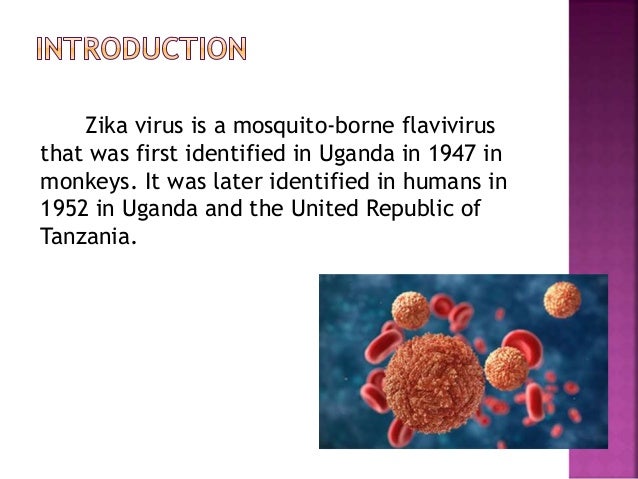
Zika virus is a mosquito-borne flavivirus
that was first identified in Uganda in 1947 in
monkeys. It was later identified in humans in
1952 in Uganda and the United Republic of
Tanzania.
zika virus is a vector borne disease that
is transmitted to humans through the bites
of infected Aedes mosquitoes
Same virus family as dengue and
chikungunya(Flavivirus)
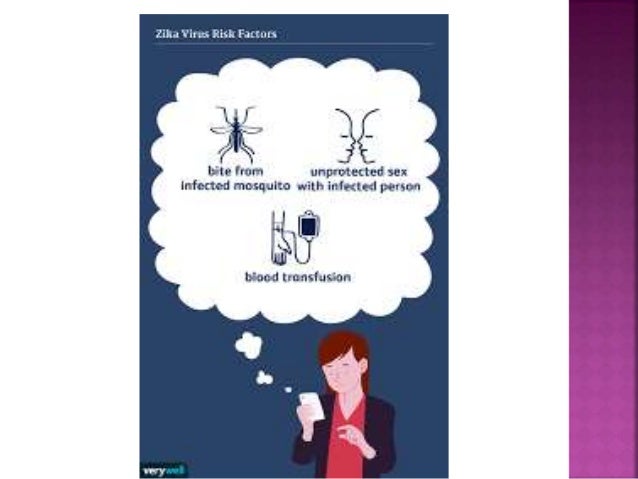
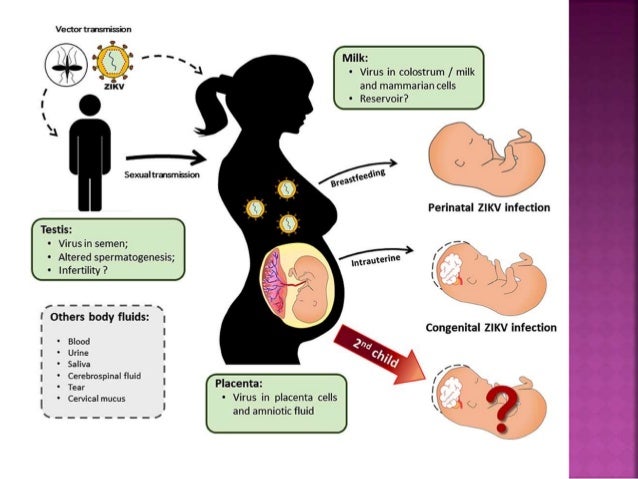
Zika virus infections have also been
documented through
intrauterine,intrapartum ,sexual ,and blood
transmission
Zika virus is primarily transmitted by the bite of an
infected mosquito from the Aedes genus, mainly Aedes
aegypti, in tropical and subtropical regions.
Aedes mosquitoes usually bite during the day,
peaking during early morning and late afternoon/evening.
This is the same mosquito that transmits dengue,
chikungunya and yellow fever.
Zika virus is also transmitted from mother to fetus
during pregnancy, through sexual contact, transfusion of
blood and blood products, and organ transplantation.
The incubation period (the time from exposure to
symptoms) of Zika virus disease is estimated to be 3–14
days. The majority of people infected with Zika virus do
not develop symptoms.
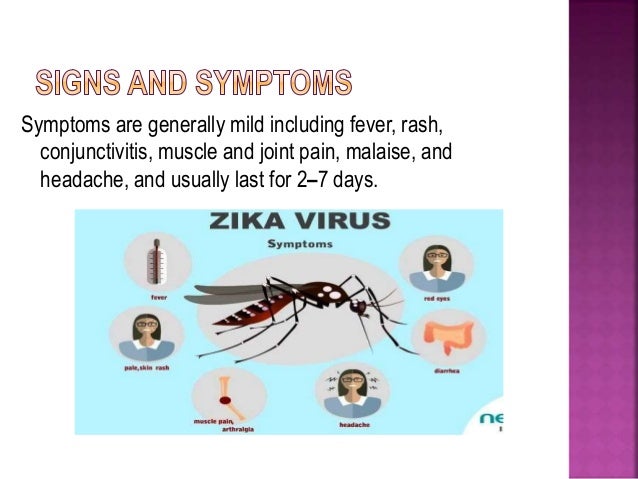
Symptoms are generally mild including fever, rash,
conjunctivitis, muscle and joint pain, malaise, and
headache, and usually last for 2–7 days.
Infection with Zika virus may be
suspected based on symptoms of persons
living in or visiting areas with Zika virus
transmission and/or Aedes mosquito vectors.
A diagnosis of Zika virus infection can
only be confirmed by laboratory tests of
blood or other body fluids, such as urine or
semen.
Laboratory testing for Zika virus infection
Treatment
 There is no treatment available for Zika virus
infection or its associated diseases.
 Symptoms of Zika virus infection are usually mild.
People with symptoms such as fever, rash, or
arthralgia should get plenty of rest, drink fluids,
and treat pain and fever with common medicines.
If symptoms worsen, they should seek medical
care and advice.
 Pregnant women living in areas with Zika
transmission or who develop symptoms of Zika
virus infection should seek medical attention for
laboratory testing and other clinical care.
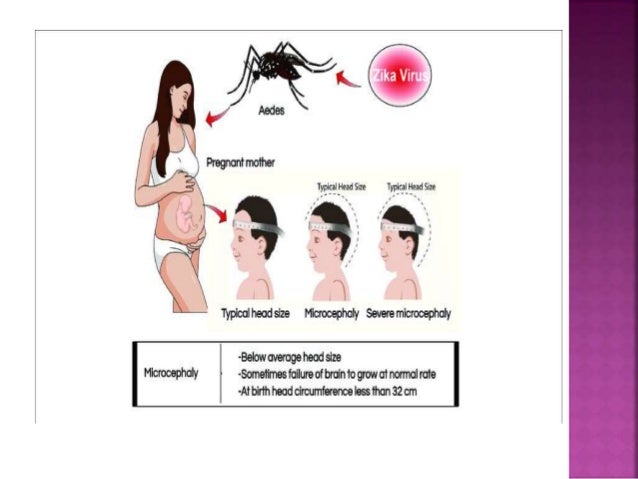
 Zika virus infection during pregnancy is a
cause of microcephaly and other congenital
abnormalities in the developing fetus and
newborn.
 Zika infection in pregnancy also results in
pregnancy complications such as fetal loss,
stillbirth, and preterm birth.
 Zika virus infection is also a trigger of
Guillain-Barré syndrome, neuropathy and
myelitis, particularly in adults and older
children.
Zika virus

Zika virus

  • 2.
    Zika virus isa mosquito-borne flavivirus that was first identified in Uganda in 1947 in monkeys. It was later identified in humans in 1952 in Uganda and the United Republic of Tanzania.
  • 3.
    zika virus isa vector borne disease that is transmitted to humans through the bites of infected Aedes mosquitoes Same virus family as dengue and chikungunya(Flavivirus) Zika virus infections have also been documented through intrauterine,intrapartum ,sexual ,and blood transmission
  • 5.
    Zika virus isprimarily transmitted by the bite of an infected mosquito from the Aedes genus, mainly Aedes aegypti, in tropical and subtropical regions. Aedes mosquitoes usually bite during the day, peaking during early morning and late afternoon/evening. This is the same mosquito that transmits dengue, chikungunya and yellow fever. Zika virus is also transmitted from mother to fetus during pregnancy, through sexual contact, transfusion of blood and blood products, and organ transplantation.
  • 8.
    The incubation period(the time from exposure to symptoms) of Zika virus disease is estimated to be 3–14 days. The majority of people infected with Zika virus do not develop symptoms.
  • 9.
    Symptoms are generallymild including fever, rash, conjunctivitis, muscle and joint pain, malaise, and headache, and usually last for 2–7 days.
  • 10.
    Infection with Zikavirus may be suspected based on symptoms of persons living in or visiting areas with Zika virus transmission and/or Aedes mosquito vectors. A diagnosis of Zika virus infection can only be confirmed by laboratory tests of blood or other body fluids, such as urine or semen. Laboratory testing for Zika virus infection
  • 11.
    Treatment  There isno treatment available for Zika virus infection or its associated diseases.  Symptoms of Zika virus infection are usually mild. People with symptoms such as fever, rash, or arthralgia should get plenty of rest, drink fluids, and treat pain and fever with common medicines. If symptoms worsen, they should seek medical care and advice.  Pregnant women living in areas with Zika transmission or who develop symptoms of Zika virus infection should seek medical attention for laboratory testing and other clinical care.
  • 13.
     Zika virusinfection during pregnancy is a cause of microcephaly and other congenital abnormalities in the developing fetus and newborn.  Zika infection in pregnancy also results in pregnancy complications such as fetal loss, stillbirth, and preterm birth.  Zika virus infection is also a trigger of Guillain-Barré syndrome, neuropathy and myelitis, particularly in adults and older children.