Unit1:
IntrotoParagraphs
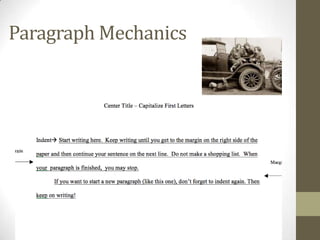
Paragraph Mechanics
Page 1:
What’s a Paragraph
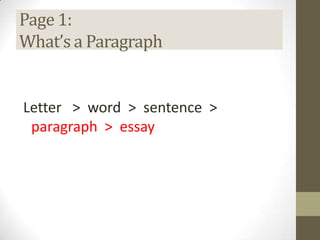
Letter > word > sentence >
paragraph > essay
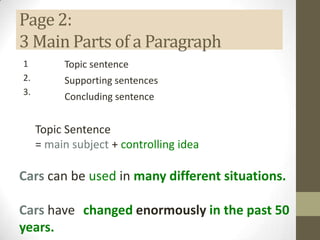
Page 2:
3 Main Parts of a Paragraph
1
2.
3.
Topic sentence
Supporting sentences
Concluding sentence
Topic Sentence
= main subject + controlling idea
Cars can be used in many different situations.
Cars have changed enormously in the past 50
years.
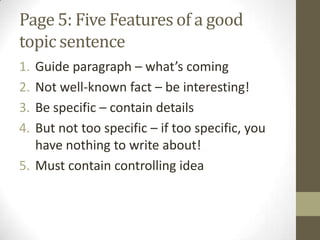
Page 5: Five Features of a good
topic sentence
1. Guide paragraph – what’s coming
2. Not well-known fact – be interesting!
3. Be specific – contain details
4. But not too specific – if too specific, you
have nothing to write about!
5. Must contain controlling idea
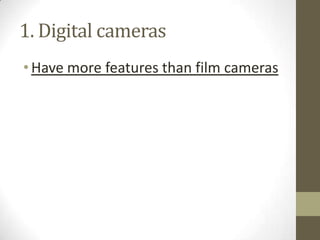
1. Digital cameras
•Have more features than film cameras
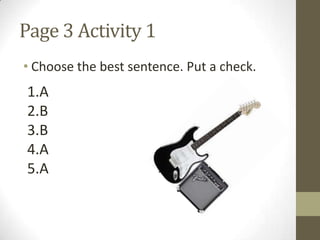
Page 3 Activity 1
• Choose the best sentence. Put a check.
1.A
2.B
3.B
4.A
5.A
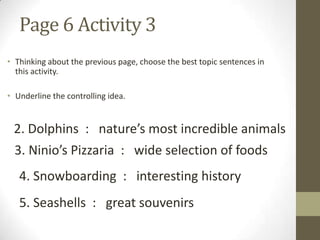
Page 6 Activity 3
• Thinking about the previous page, choose the best topic sentences in
this activity.
• Underline the controlling idea.
2. Dolphins : nature’s most incredible animals
3. Ninio’s Pizzaria : wide selection of foods
4. Snowboarding : interesting history
5. Seashells : great souvenirs
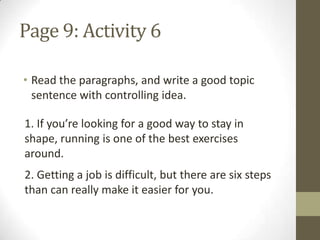
Page 9: Activity 6
• Read the paragraphs, and write a good topic
sentence with controlling idea.
1. If you’re looking for a good way to stay in
shape, running is one of the best exercises
around.
2. Getting a job is difficult, but there are six steps
than can really make it easier for you.
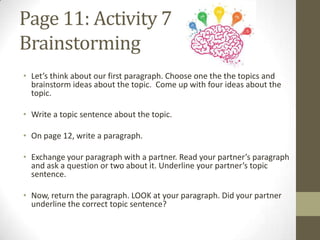
Page 11: Activity 7
Brainstorming
• Let’s think about our first paragraph. Choose one the the topics and
brainstorm ideas about the topic. Come up with four ideas about the
topic.
• Write a topic sentence about the topic.
• On page 12, write a paragraph.
• Exchange your paragraph with a partner. Read your partner’s paragraph
and ask a question or two about it. Underline your partner’s topic
sentence.
• Now, return the paragraph. LOOK at your paragraph. Did your partner
underline the correct topic sentence?
Homework
•Page 17 Activity 12
•(Look at internet practice icons in
book)
these are related:
•Page 18 Activity 13
•Page 20 Activity 15 (supporting
sentences. Study page 12-13)
•Page 21 Activity 16
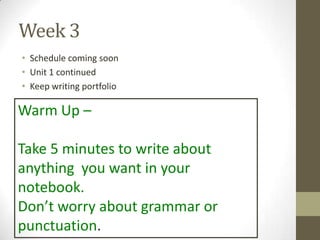
Week 3
• Schedule coming soon
• Unit 1 continued
• Keep writing portfolio
Warm Up –
Take 5 minutes to write about
anything you want in your
notebook.
Don’t worry about grammar or
punctuation.
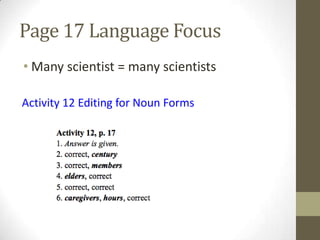
Page 17 Language Focus
• Many scientist = many scientists
Activity 12 Editing for Noun Forms
ConcludingSentences:Page22
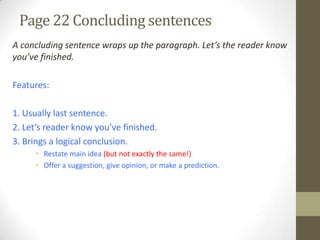
Page 22 Concluding sentences
A concluding sentence wraps up the paragraph. Let’s the reader know
you’ve finished.
Features:
1. Usually last sentence.
2. Let’s reader know you’ve finished.
3. Brings a logical conclusion.
• Restate main idea (but not exactly the same!)
• Offer a suggestion, give opinion, or make a prediction.
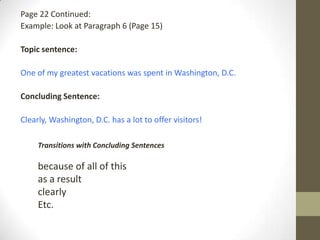
Page 22 Continued:
Example: Look at Paragraph 6 (Page 15)
Topic sentence:
One of my greatest vacations was spent in Washington, D.C.
Concluding Sentence:
Clearly, Washington, D.C. has a lot to offer visitors!
Transitions with Concluding Sentences
because of all of this
as a result
clearly
Etc.
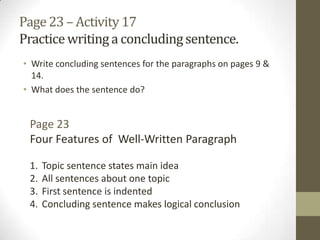
Page23 – Activity 17
Practicewritinga concludingsentence.
• Write concluding sentences for the paragraphs on pages 9 &
14.
• What does the sentence do?
Page 23
Four Features of Well-Written Paragraph
1. Topic sentence states main idea
2. All sentences about one topic
3. First sentence is indented
4. Concluding sentence makes logical conclusion
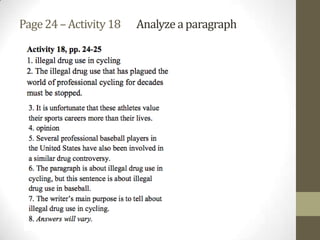
Page24–Activity18 Analyze aparagraph
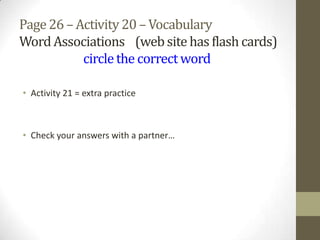
• Activity 21 = extra practice
• Check your answers with a partner…
Page26 – Activity 20 – Vocabulary
WordAssociations (website has flash cards)
circlethe correctword
• First Draft
• Brainstorm for ideas
• Follow the guidelines on page 28
• Bring all to class
• Paragraph should be In book, notebook or printed
Assignment1 (Start with Activity22 Page28)
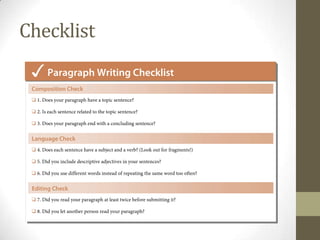
Checklist
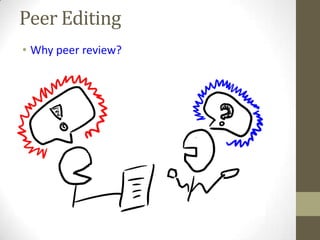
Peer Editing
• Why peer review?
Also….
• Learn how to read carefully, with attention to the details of
a piece of writing (whether their own or another writer's);
• Learn how to strengthen their writing by taking into
account the responses of actual and anticipated readers;
• Make the transition from writing primarily for themselves
or for an instructor to writing for a broader audience-a key
transition for students as they learn to write university-
level papers and as they prepare for post-graduate work;
• Learn how to formulate and communicate constructive
feedback on a peer's work;
• Learn how to gather and respond to feedback on their own
work.
Source:
http://teachingcenter.wustl.edu/strategies/Pages/peer-review.aspx#.UyvG662Sxqs
Tips for peer editing: Page 30
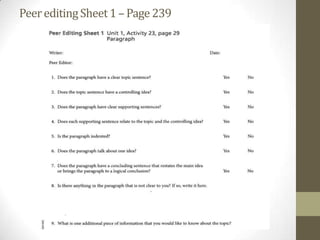
PeereditingSheet1–Page239
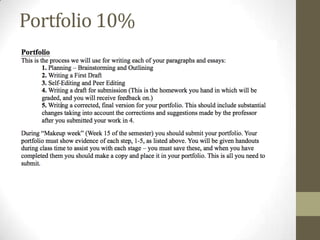
Portfolio 10%

Great Writing 3 Unit 1 Lecture

  • 1.
  • 2.
  • 3.
    Page 1: What’s aParagraph Letter > word > sentence > paragraph > essay
  • 4.
    Page 2: 3 MainParts of a Paragraph 1 2. 3. Topic sentence Supporting sentences Concluding sentence Topic Sentence = main subject + controlling idea Cars can be used in many different situations. Cars have changed enormously in the past 50 years.
  • 5.
    Page 5: FiveFeatures of a good topic sentence 1. Guide paragraph – what’s coming 2. Not well-known fact – be interesting! 3. Be specific – contain details 4. But not too specific – if too specific, you have nothing to write about! 5. Must contain controlling idea
  • 6.
    1. Digital cameras •Havemore features than film cameras
  • 7.
    Page 3 Activity1 • Choose the best sentence. Put a check. 1.A 2.B 3.B 4.A 5.A
  • 8.
    Page 6 Activity3 • Thinking about the previous page, choose the best topic sentences in this activity. • Underline the controlling idea. 2. Dolphins : nature’s most incredible animals 3. Ninio’s Pizzaria : wide selection of foods 4. Snowboarding : interesting history 5. Seashells : great souvenirs
  • 9.
    Page 9: Activity6 • Read the paragraphs, and write a good topic sentence with controlling idea. 1. If you’re looking for a good way to stay in shape, running is one of the best exercises around. 2. Getting a job is difficult, but there are six steps than can really make it easier for you.
  • 10.
    Page 11: Activity7 Brainstorming • Let’s think about our first paragraph. Choose one the the topics and brainstorm ideas about the topic. Come up with four ideas about the topic. • Write a topic sentence about the topic. • On page 12, write a paragraph. • Exchange your paragraph with a partner. Read your partner’s paragraph and ask a question or two about it. Underline your partner’s topic sentence. • Now, return the paragraph. LOOK at your paragraph. Did your partner underline the correct topic sentence?
  • 11.
    Homework •Page 17 Activity12 •(Look at internet practice icons in book) these are related: •Page 18 Activity 13 •Page 20 Activity 15 (supporting sentences. Study page 12-13) •Page 21 Activity 16
  • 12.
    Week 3 • Schedulecoming soon • Unit 1 continued • Keep writing portfolio Warm Up – Take 5 minutes to write about anything you want in your notebook. Don’t worry about grammar or punctuation.
  • 13.
    Page 17 LanguageFocus • Many scientist = many scientists Activity 12 Editing for Noun Forms
  • 14.
  • 15.
    Page 22 Concludingsentences A concluding sentence wraps up the paragraph. Let’s the reader know you’ve finished. Features: 1. Usually last sentence. 2. Let’s reader know you’ve finished. 3. Brings a logical conclusion. • Restate main idea (but not exactly the same!) • Offer a suggestion, give opinion, or make a prediction.
  • 16.
    Page 22 Continued: Example:Look at Paragraph 6 (Page 15) Topic sentence: One of my greatest vacations was spent in Washington, D.C. Concluding Sentence: Clearly, Washington, D.C. has a lot to offer visitors! Transitions with Concluding Sentences because of all of this as a result clearly Etc.
  • 17.
    Page23 – Activity17 Practicewritinga concludingsentence. • Write concluding sentences for the paragraphs on pages 9 & 14. • What does the sentence do? Page 23 Four Features of Well-Written Paragraph 1. Topic sentence states main idea 2. All sentences about one topic 3. First sentence is indented 4. Concluding sentence makes logical conclusion
  • 18.
  • 19.
    • Activity 21= extra practice • Check your answers with a partner… Page26 – Activity 20 – Vocabulary WordAssociations (website has flash cards) circlethe correctword
  • 20.
    • First Draft •Brainstorm for ideas • Follow the guidelines on page 28 • Bring all to class • Paragraph should be In book, notebook or printed Assignment1 (Start with Activity22 Page28)
  • 21.
  • 22.
  • 23.
    Also…. • Learn howto read carefully, with attention to the details of a piece of writing (whether their own or another writer's); • Learn how to strengthen their writing by taking into account the responses of actual and anticipated readers; • Make the transition from writing primarily for themselves or for an instructor to writing for a broader audience-a key transition for students as they learn to write university- level papers and as they prepare for post-graduate work; • Learn how to formulate and communicate constructive feedback on a peer's work; • Learn how to gather and respond to feedback on their own work. Source: http://teachingcenter.wustl.edu/strategies/Pages/peer-review.aspx#.UyvG662Sxqs
  • 24.
    Tips for peerediting: Page 30
  • 25.
  • 26.