Mosby items and derived items © 2012 Mosby, Inc., an imprint of Elsevier Inc. 1
Biology, Clinical Manifestations,
and Treatment of Cancer
Mosby items and derived items © 2012 Mosby, Inc., an imprint of Elsevier Inc. 2
Cancer
 Derived from Greek word for crab,
karkinoma
 Malignant tumor
 Tumor
 Also referred to as a neoplasm—new growth
 Let’s review the two different types:
Mosby items and derived items © 2012 Mosby, Inc., an imprint of Elsevier Inc. 3
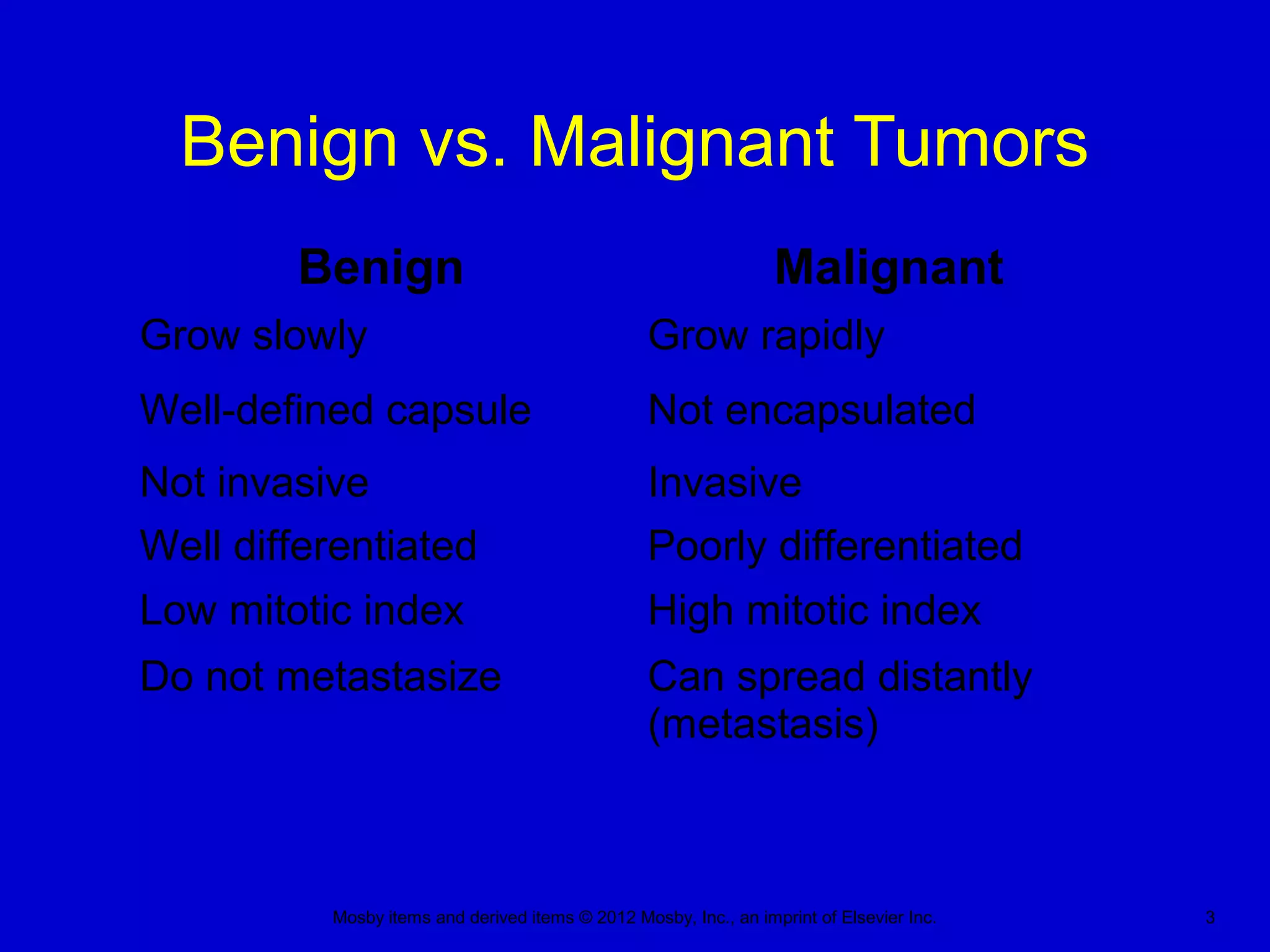
Benign vs. Malignant Tumors
Benign Malignant
Grow slowly Grow rapidly
Well-defined capsule Not encapsulated
Not invasive Invasive
Well differentiated Poorly differentiated
Low mitotic index High mitotic index
Do not metastasize Can spread distantly
(metastasis)
Mosby items and derived items © 2012 Mosby, Inc., an imprint of Elsevier Inc. 4
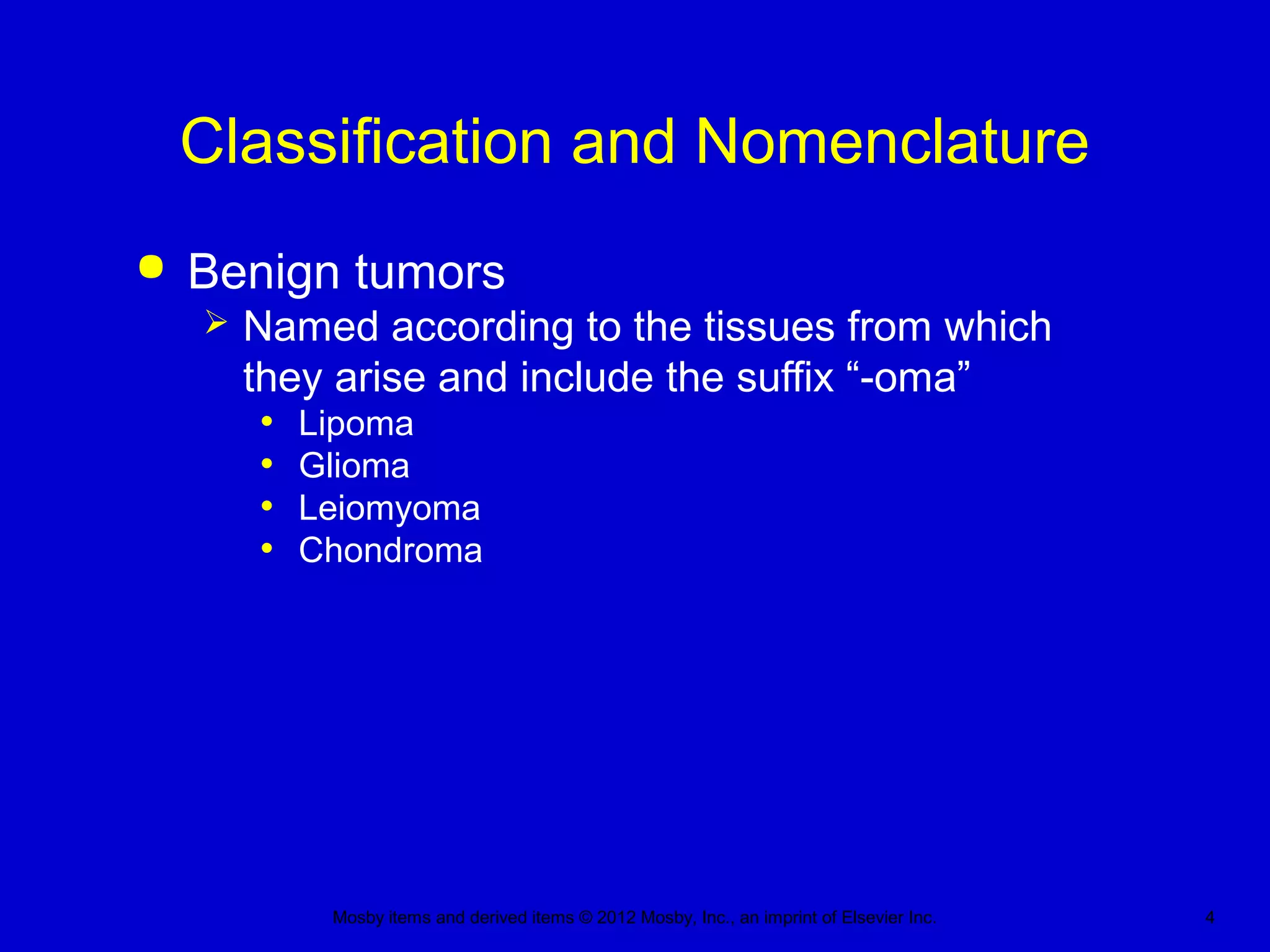
Classification and Nomenclature
 Benign tumors
 Named according to the tissues from which
they arise and include the suffix “-oma”
• Lipoma
• Glioma
• Leiomyoma
• Chondroma
Mosby items and derived items © 2012 Mosby, Inc., an imprint of Elsevier Inc. 5
Classification and Nomenclature
(cont’d)
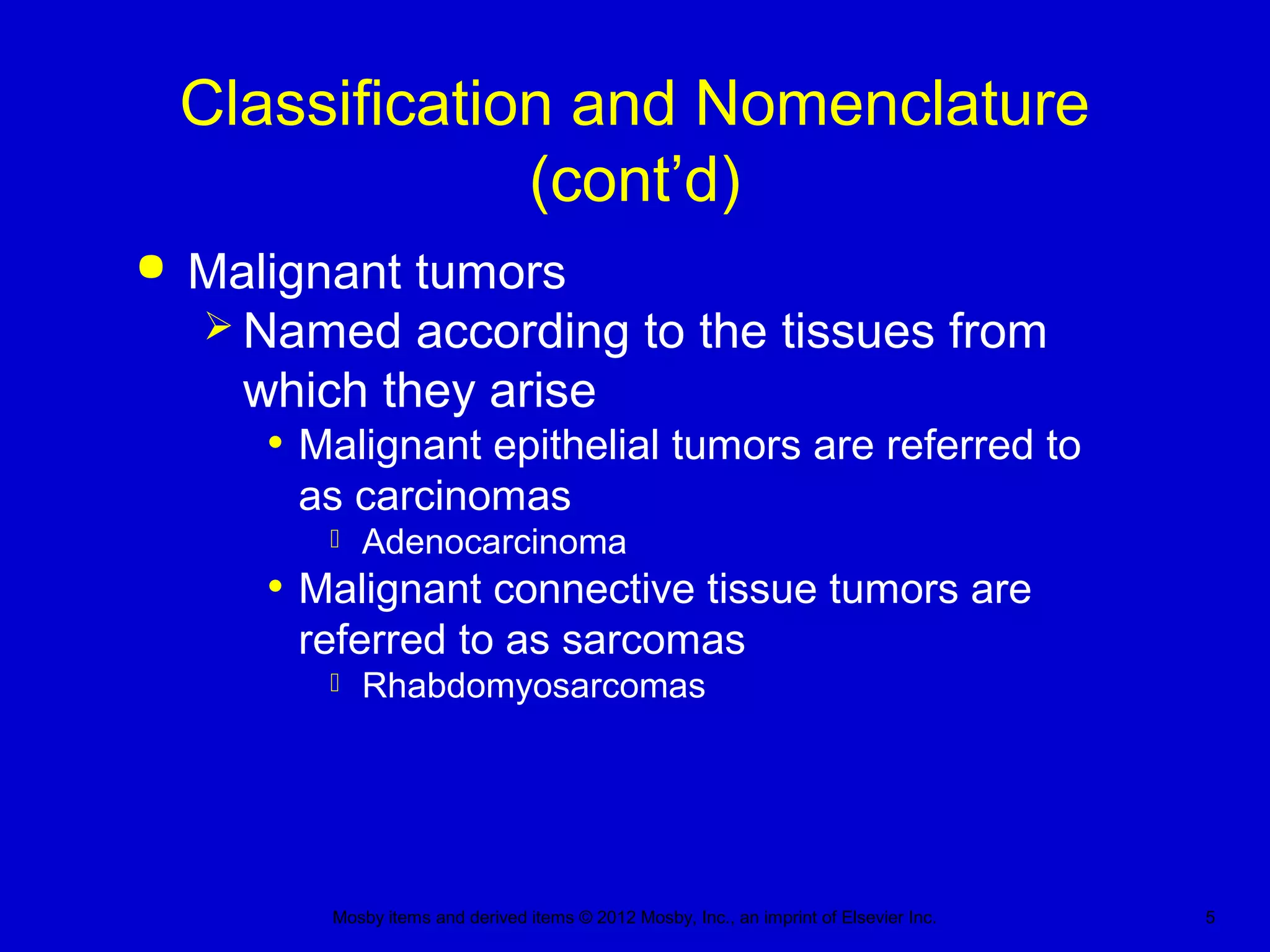
 Malignant tumors
 Named according to the tissues from
which they arise
• Malignant epithelial tumors are referred to
as carcinomas
 Adenocarcinoma
• Malignant connective tissue tumors are
referred to as sarcomas
 Rhabdomyosarcomas
Mosby items and derived items © 2012 Mosby, Inc., an imprint of Elsevier Inc. 6
Classification and Nomenclature
(cont’d)
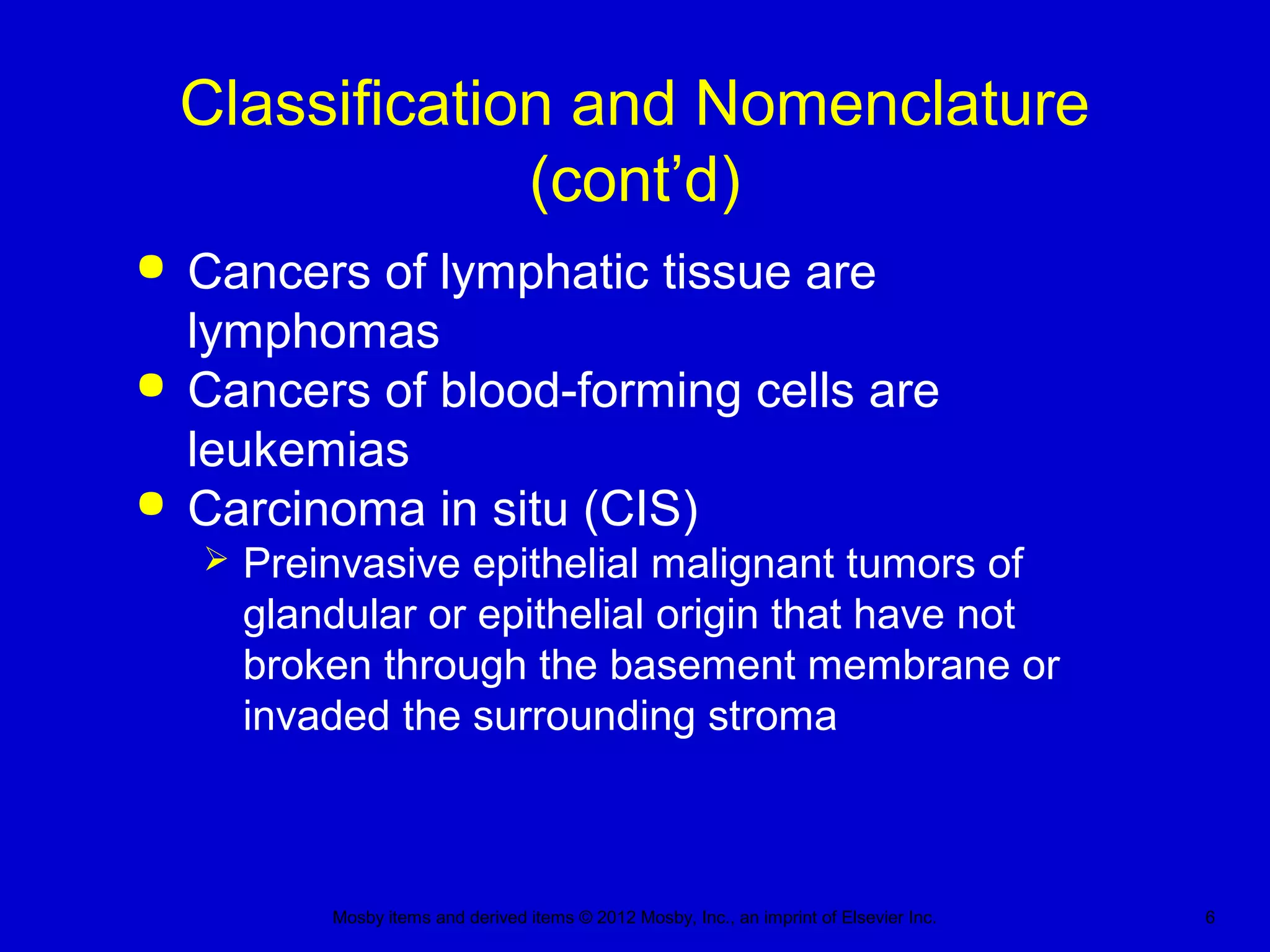
 Cancers of lymphatic tissue are
lymphomas
 Cancers of blood-forming cells are
leukemias
 Carcinoma in situ (CIS)
 Preinvasive epithelial malignant tumors of
glandular or epithelial origin that have not
broken through the basement membrane or
invaded the surrounding stroma
Mosby items and derived items © 2012 Mosby, Inc., an imprint of Elsevier Inc. 7
Histology and Genetics
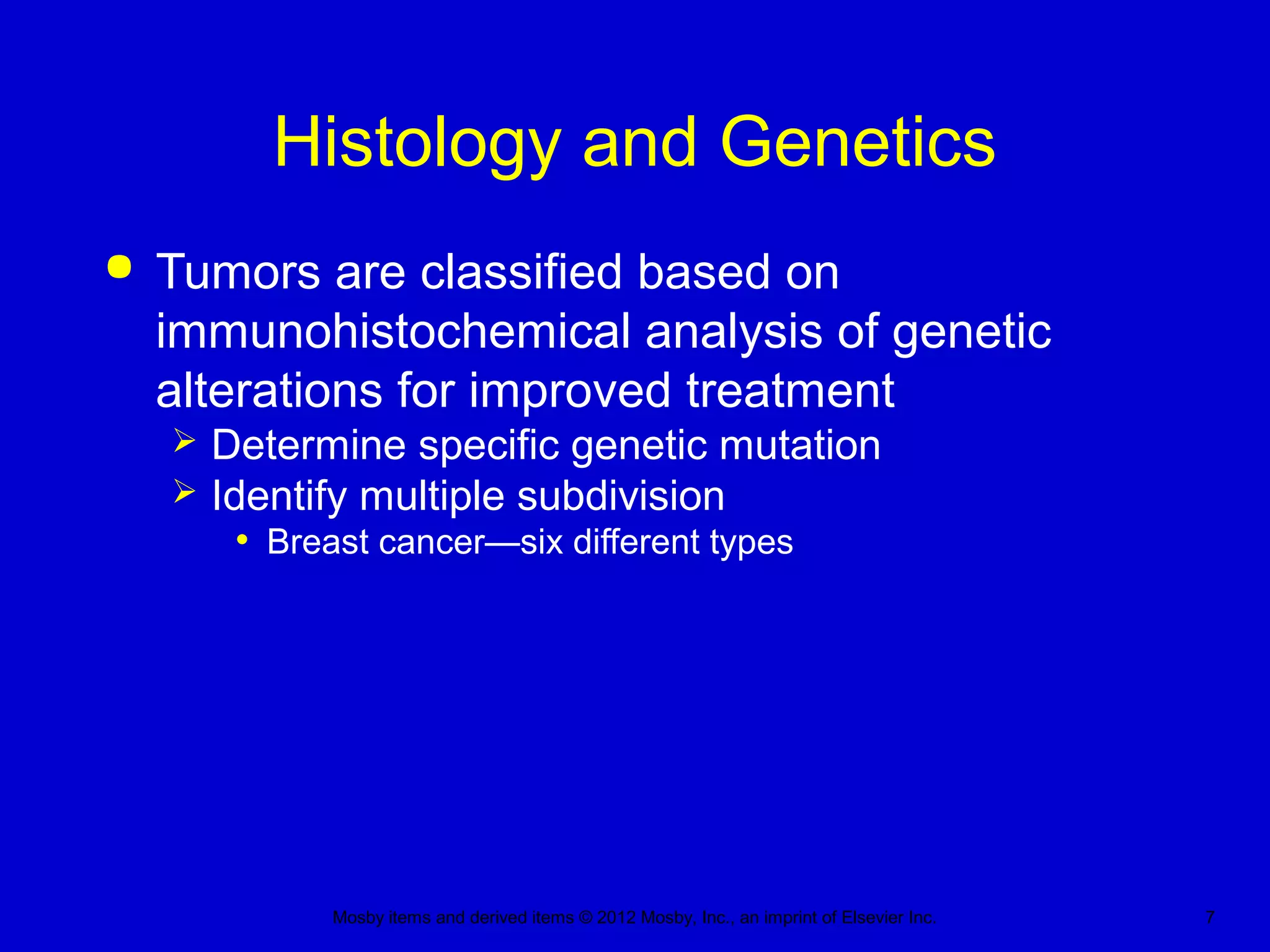
 Tumors are classified based on
immunohistochemical analysis of genetic
alterations for improved treatment
 Determine specific genetic mutation
 Identify multiple subdivision
• Breast cancer—six different types
Mosby items and derived items © 2012 Mosby, Inc., an imprint of Elsevier Inc. 8
Tumor Markers
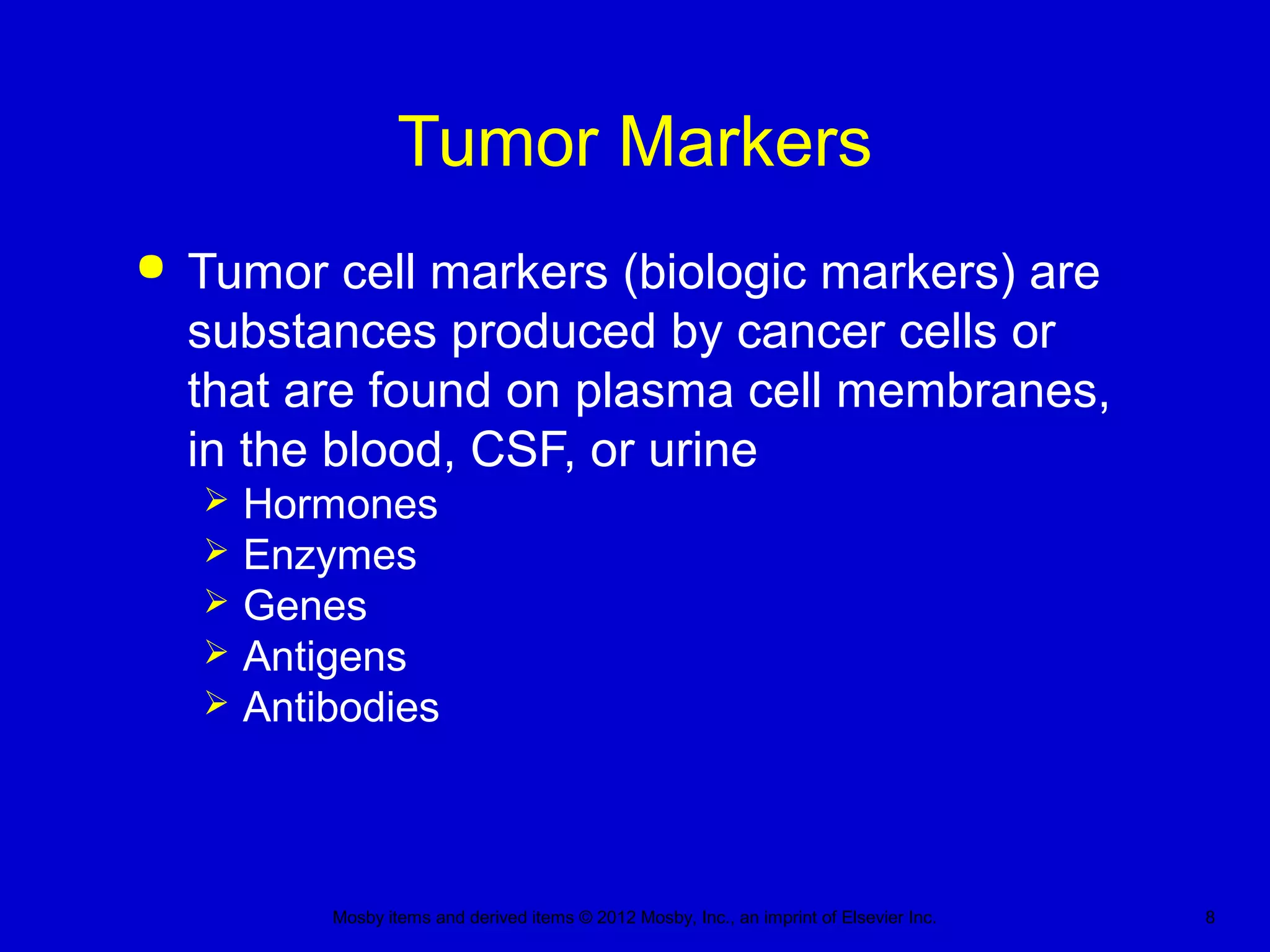
 Tumor cell markers (biologic markers) are
substances produced by cancer cells or
that are found on plasma cell membranes,
in the blood, CSF, or urine
 Hormones
 Enzymes
 Genes
 Antigens
 Antibodies
Mosby items and derived items © 2012 Mosby, Inc., an imprint of Elsevier Inc. 9
Tumor Markers (cont’d)
 Tumor markers are used to:
 Screen and identify individuals at high risk for
cancer
 Diagnose specific types of tumors
 Observe clinical course of cancer
 Problem: false positives and negatives
 What tumor markers can you state?
 What are the values?
Mosby items and derived items © 2012 Mosby, Inc., an imprint of Elsevier Inc. 10
Cancer Stem Cells
New Research
 Stem cells self-renew
 Cell divisions create new stem cells
 Stem cells are pluripotent
 Ability to differentiate into multiple different cell
types
 Current cancer chemotherapy does not kill
cancer stem cells
Mosby items and derived items © 2012 Mosby, Inc., an imprint of Elsevier Inc. 11
Inflammation and Cancer
 Chronic inflammation is an important factor
in the development of cancer
 Cytokine release from inflammatory cells
 Free radicals
 Mutation promotion
 Decreased response to DNA damage
 Examples: ulcerative colitis, chronic viral
hepatitis
Mosby items and derived items © 2012 Mosby, Inc., an imprint of Elsevier Inc. 12
Immune System and Cancer
 Normal immune system protects against
cancer
 Immunosuppression fosters cancer
 Non-Hodgkin lymphoma (10X)
 Kaposi sarcoma (1000X)
 In some cases cancer promotes secretion of
cytokines that foster cancer
Mosby items and derived items © 2012 Mosby, Inc., an imprint of Elsevier Inc. 13
Viruses and Cancer
 Implicated
 Hepatitis B and C viruses
 Epstein-Barr virus (EBV)
 Kaposi sarcoma herpesvirus (KSHV)
 Human papillomavirus (HPV)
 Human T cell leukemia–lymphoma virus
(HTLV)
Mosby items and derived items © 2012 Mosby, Inc., an imprint of Elsevier Inc. 14
Bacterial Cause of Cancer
 Helicobacter pylori
 Chronic infections are associated with:
• Peptic ulcer disease
• Stomach carcinoma
• Mucosa-associated lymphoid tissue lymphomas
Mosby items and derived items © 2012 Mosby, Inc., an imprint of Elsevier Inc. 15
Three-Step Theory of Invasion
 Tumor cell attachment
 Fibronectin and laminin
 Degradation or dissolution of the matrix
 Enzymes
 Locomotion into the matrix
 Invadopodia (pseudopodia)
Mosby items and derived items © 2012 Mosby, Inc., an imprint of Elsevier Inc. 16
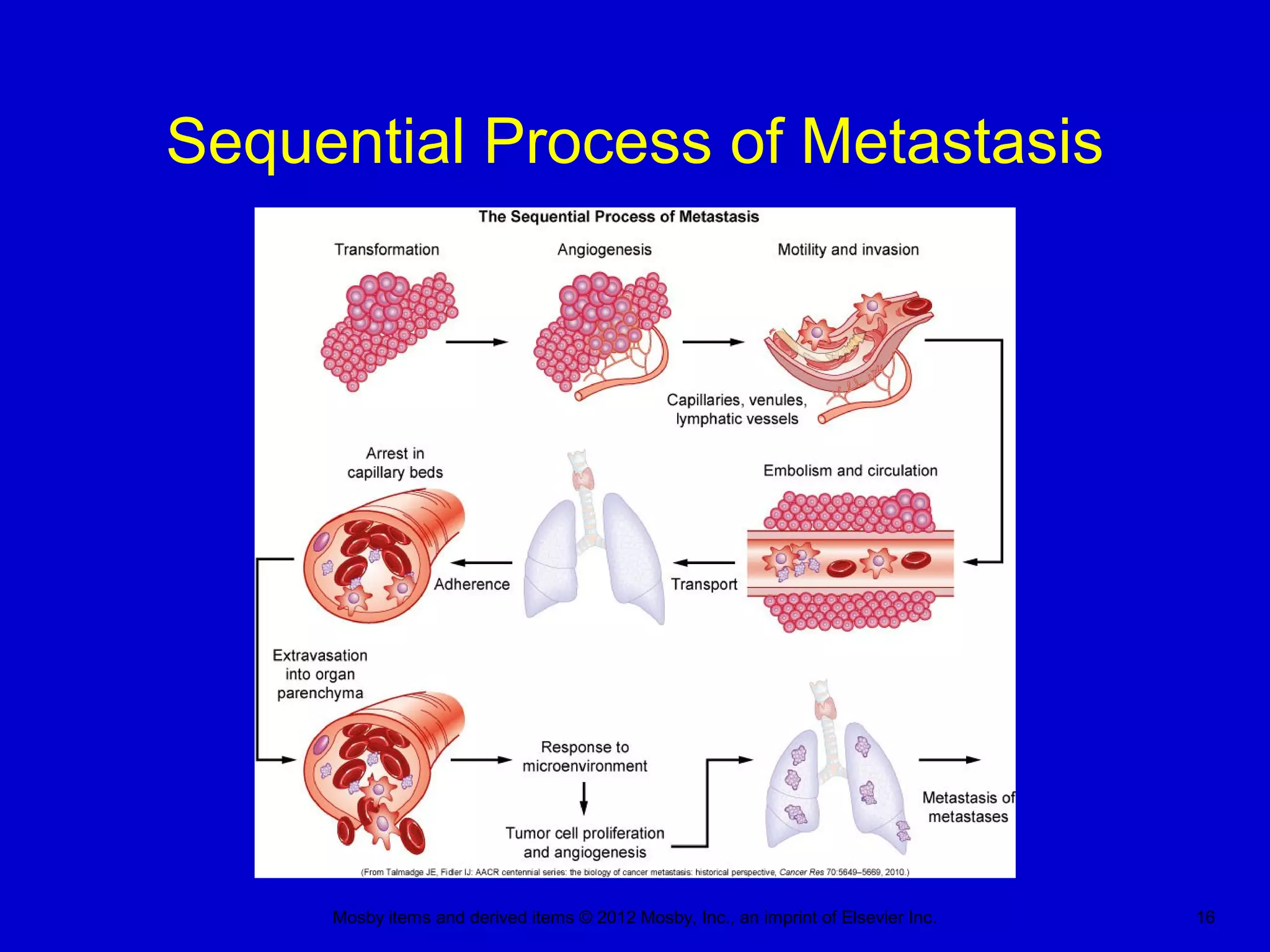
Sequential Process of Metastasis
Mosby items and derived items © 2012 Mosby, Inc., an imprint of Elsevier Inc. 17
Clinical Manifestations
 Many Different clinical manifestations occur:
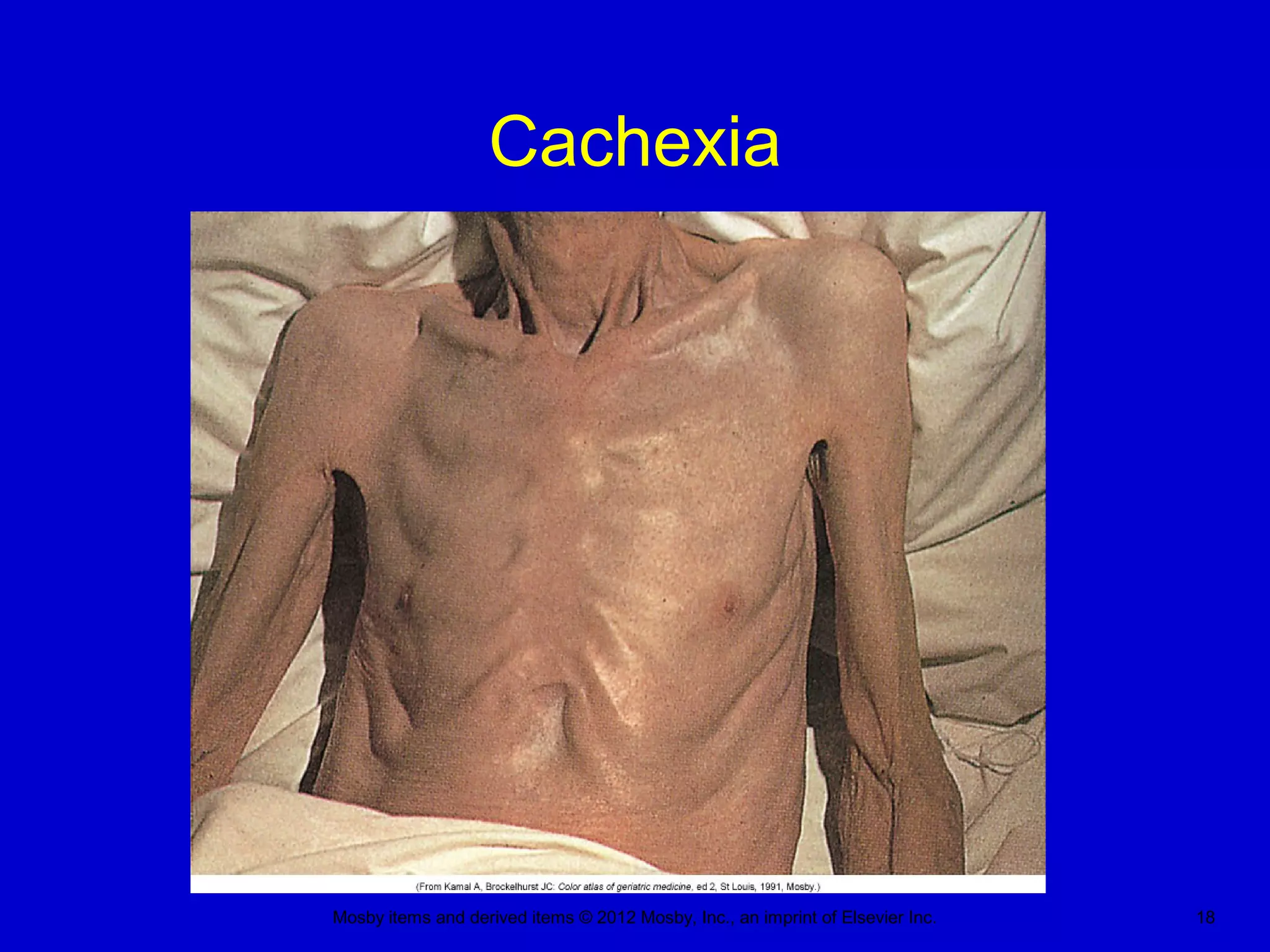
 Syndrome of cachexia
 Most severe form of malnutrition
 Present in 80% of cancer patients at death
 Includes anorexia, early satiety, weight loss,
anemia, asthenia, taste alterations, and altered
protein, lipid, and carbohydrate metabolism
Mosby items and derived items © 2012 Mosby, Inc., an imprint of Elsevier Inc. 18
Cachexia
Mosby items and derived items © 2012 Mosby, Inc., an imprint of Elsevier Inc. 19
Clinical Manifestations
 Anemia
 A decrease of hemoglobin in the blood
 Mechanisms:
• Chronic bleeding resulting in iron deficiency
• Severe malnutrition
• Medical therapies
• Malignancy in blood-forming organs
Mosby items and derived items © 2012 Mosby, Inc., an imprint of Elsevier Inc. 20
Clinical Manifestations (cont’d)
 Leukopenia and thrombocytopenia
 Direct tumor invasion to the bone marrow causes
leukopenia and thrombocytopenia
 Chemotherapy drugs are toxic to the bone marrow
 Infection
 Risk increases when the absolute neutrophil and
lymphocyte counts fall
Mosby items and derived items © 2012 Mosby, Inc., an imprint of Elsevier Inc. 21
Clinical Manifestations (cont’d)
 Paraneoplastic syndromes
 Symptom complexes that cannot be explained by
the local or distant spread of the tumor or by the
effects of hormones released by the tissue from
which the tumor arose
Mosby items and derived items © 2012 Mosby, Inc., an imprint of Elsevier Inc. 22
Environmental Risk Factors
 Tobacco
 Multipotent carcinogenic mixture
 Linked to cancers of the lung, lower urinary tract,
upper aerodigestive tract, liver, kidney, pancreas,
cervix uterus
 Linked to myeloid leukemia
 Secondhand smoke (ETS) contains many toxic
chemicals
 Cigar and pipe smoking equally harmful
Mosby items and derived items © 2012 Mosby, Inc., an imprint of Elsevier Inc. 23
Environmental Risk Factors
 Diet
 May account for 30% of the overall risk factors for
cancer
 Xenobiotics
• Hydrocarbons and amines produced during cooking of meat
protein
• Toxic, mutagenic, and carcinogenic chemicals in food
• Examples:
– Compounds produced in the cooking of fat, meat, or
proteins
– Alkaloids or mold by-products
• May influence epigenetics
 Research ongoing regarding vitamin influe
Mosby items and derived items © 2012 Mosby, Inc., an imprint of Elsevier Inc. 24
Cancer in Children
 Incidence
 Rare but is leading cause of death from disease in
children
 In 2004, mortality rate was 2.4 per 100,000 cases
 Survival rates have dramatically improved over
past 30 years
Mosby items and derived items © 2012 Mosby, Inc., an imprint of Elsevier Inc. 25
Cancer in Children
 Most originate from the mesodermal germ
layer
 Layer gives rise to connective tissue, bone,
cartilage, muscle, blood, blood vessels, gonads,
kidneys, and the lymphatic system
 Most sarcomas vs. carcinomas in adults
 Diagnosed during vs. peak growth periods
 Fast growing and without early signs
Mosby items and derived items © 2012 Mosby, Inc., an imprint of Elsevier Inc. 26
Etiology with Children
 Most do not demonstrate predisposing
environmental factors
 Genetic factors:
 Chromosome abnormalities
• Aneuploidy, amplifications, deletions, translocations, and
fragility
• Certain congenital syndromes and cancers occur
together
 Wilms tumor and urogenital abnormalities
 Down syndrome and leukemia
 Oncogenes and tumor-suppressor genes
• Fanconi anemia, Bloom syndrome
Mosby items and derived items © 2012 Mosby, Inc., an imprint of Elsevier Inc. 27
Prognosis
 More than 70% of children cured
 Survival rates higher in children under 15
years
 Younger are more likely to be enrolled in
clinical trials
 Survivors have increased risk of cancer later
in life
 Residual and long-term effects of treatment
 Psychologic sequelae
Mosby items and derived items © 2012 Mosby, Inc., an imprint of Elsevier Inc. 28
Components of the hematologic
system
 Chief functions:
 Delivery of substances needed for cellular
metabolism
 Removal of wastes
 Defense against microorganisms and injury
 Maintenance of acid-base balance
Mosby items and derived items © 2012 Mosby, Inc., an imprint of Elsevier Inc. 29
Components of the hematologic
system
 As a review remember what the following
functions are:
 Bone Marrow
 Lymphoid Organs
 Platelets
 RBC
 WBC
Mosby items and derived items © 2012 Mosby, Inc., an imprint of Elsevier Inc. 30
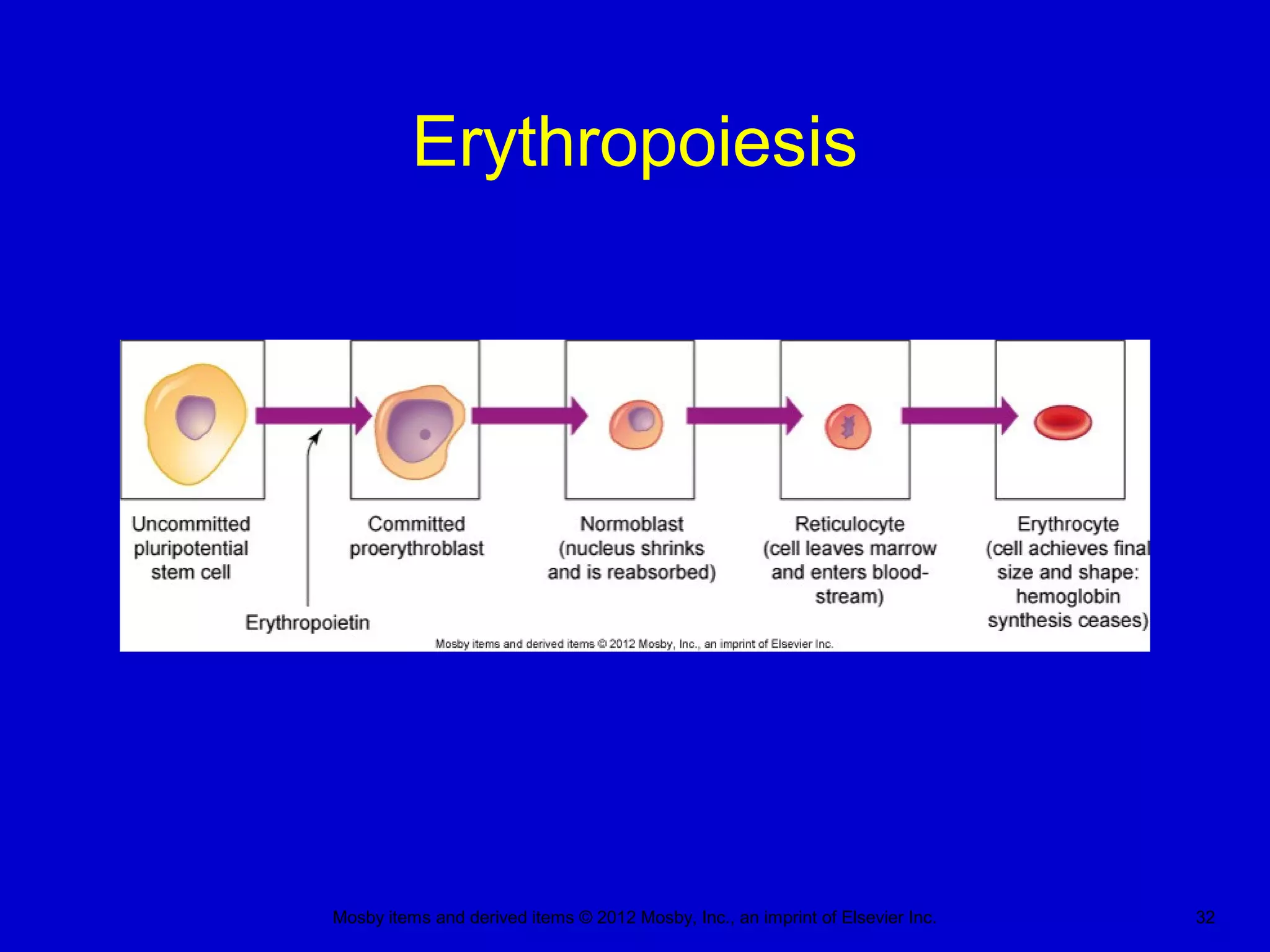
Erythropoiesis
 Erythrocytes are derived from erythroblasts
(normoblasts)
 Maturation is stimulated by erythropoietin
 Erythropoietin causes an increase in red cell
production and release from bone marrow
Mosby items and derived items © 2012 Mosby, Inc., an imprint of Elsevier Inc. 31
Regulation
 Numbers of circulating red cells in healthy
individuals remain constant
 The peritubular cells of the kidney produce
erythropoietin
 Hypoxia stimulates the production and
release of erythropoietin
Mosby items and derived items © 2012 Mosby, Inc., an imprint of Elsevier Inc. 32
Erythropoiesis
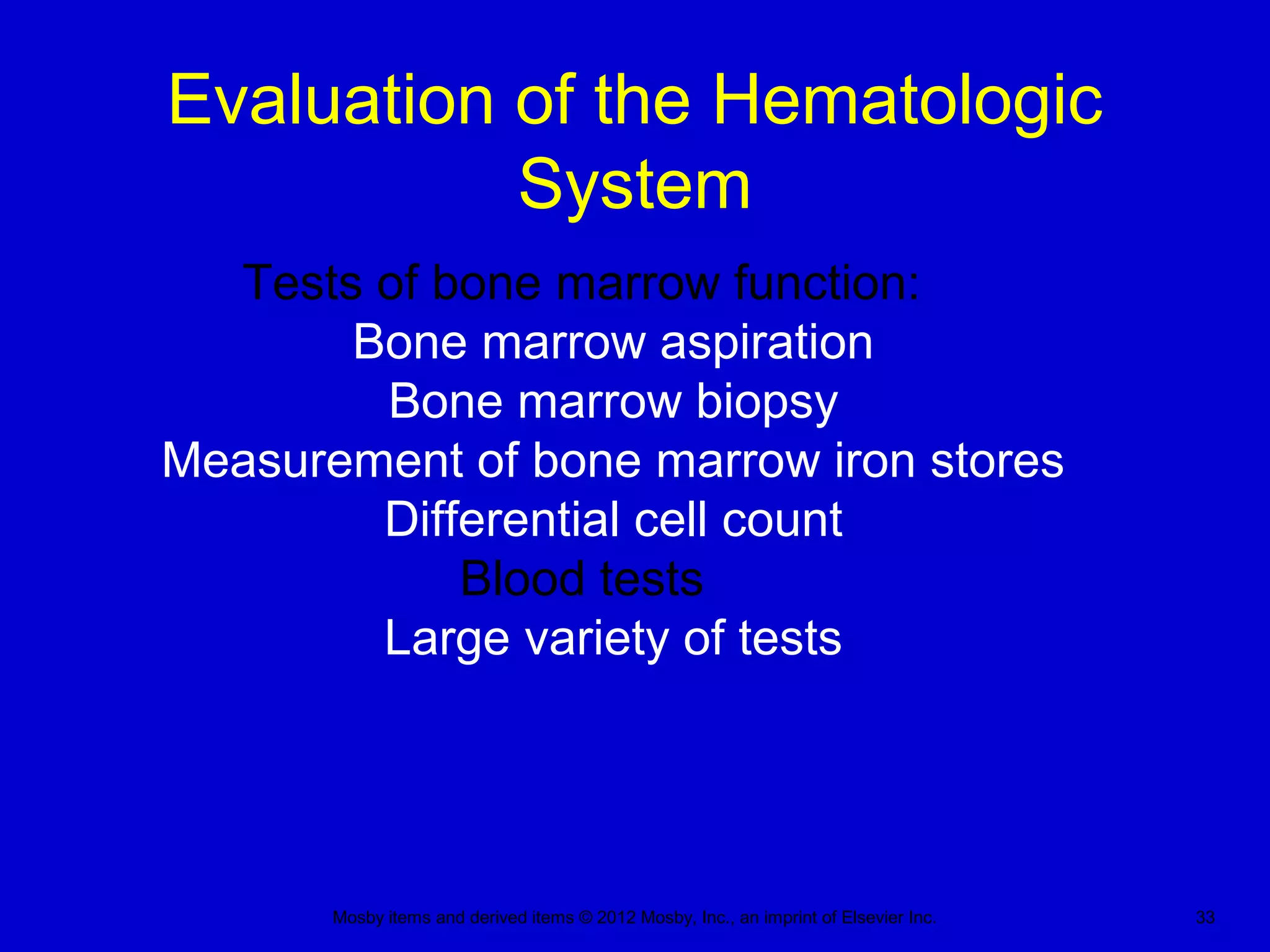
Mosby items and derived items © 2012 Mosby, Inc., an imprint of Elsevier Inc. 33
Evaluation of the Hematologic
System
Tests of bone marrow function:
Bone marrow aspiration
Bone marrow biopsy
Measurement of bone marrow iron stores
Differential cell count
Blood tests
Large variety of tests
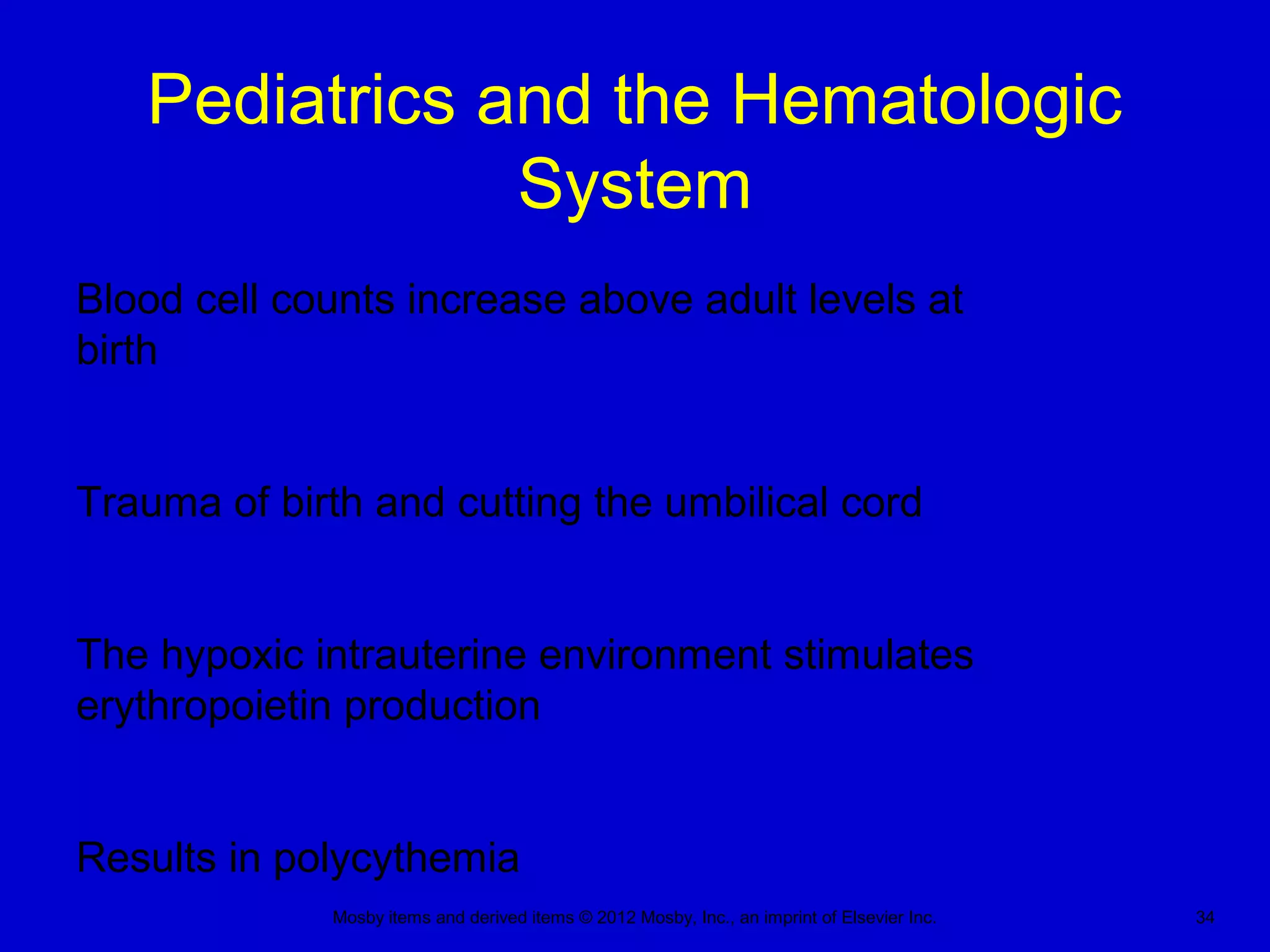
Mosby items and derived items © 2012 Mosby, Inc., an imprint of Elsevier Inc. 34
Pediatrics and the Hematologic
System
Blood cell counts increase above adult levels at
birth
Trauma of birth and cutting the umbilical cord
The hypoxic intrauterine environment stimulates
erythropoietin production
Results in polycythemia
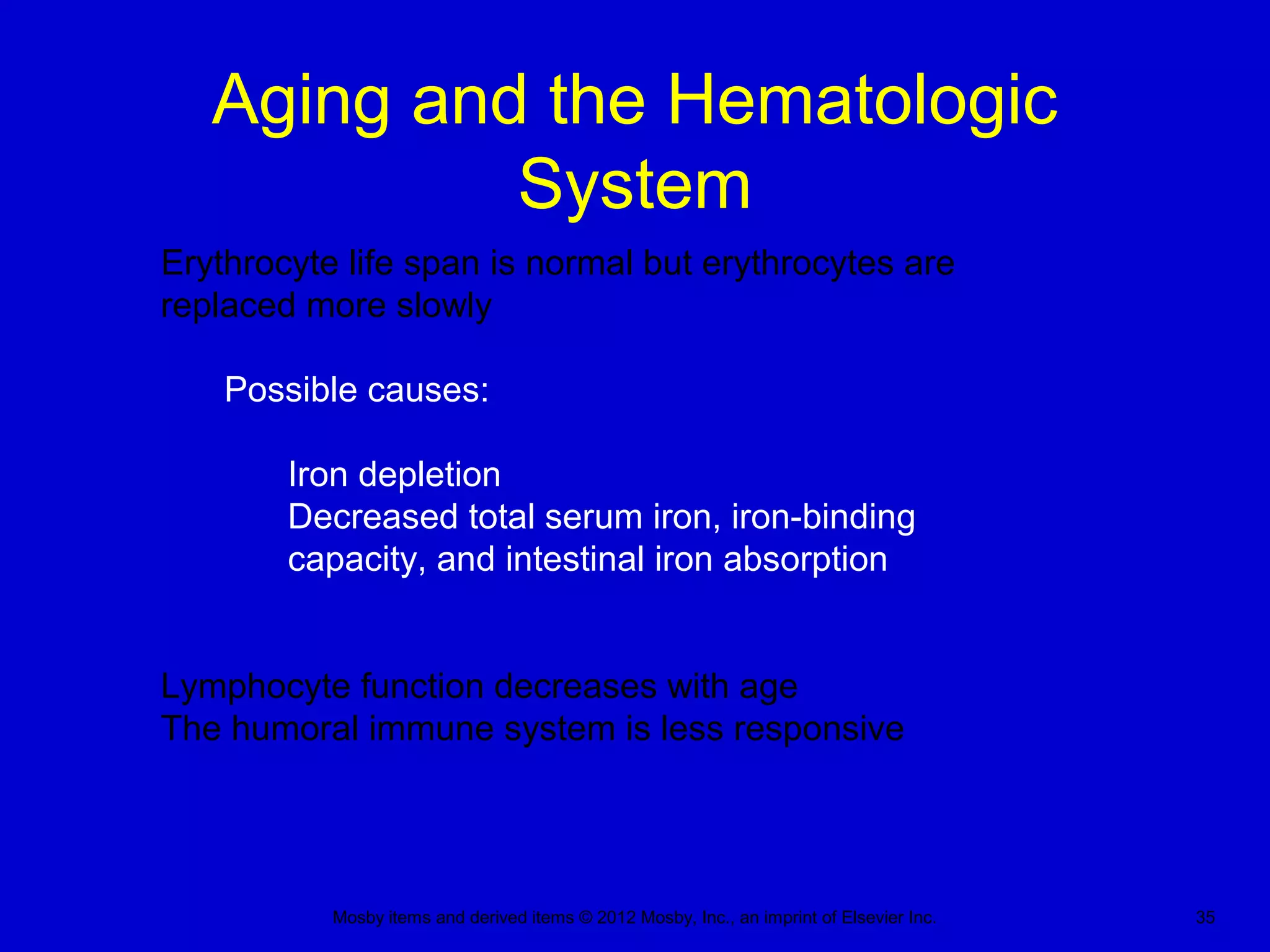
Mosby items and derived items © 2012 Mosby, Inc., an imprint of Elsevier Inc. 35
Aging and the Hematologic
System
Erythrocyte life span is normal but erythrocytes are
replaced more slowly
Possible causes:
Iron depletion
Decreased total serum iron, iron-binding
capacity, and intestinal iron absorption
Lymphocyte function decreases with age
The humoral immune system is less responsive
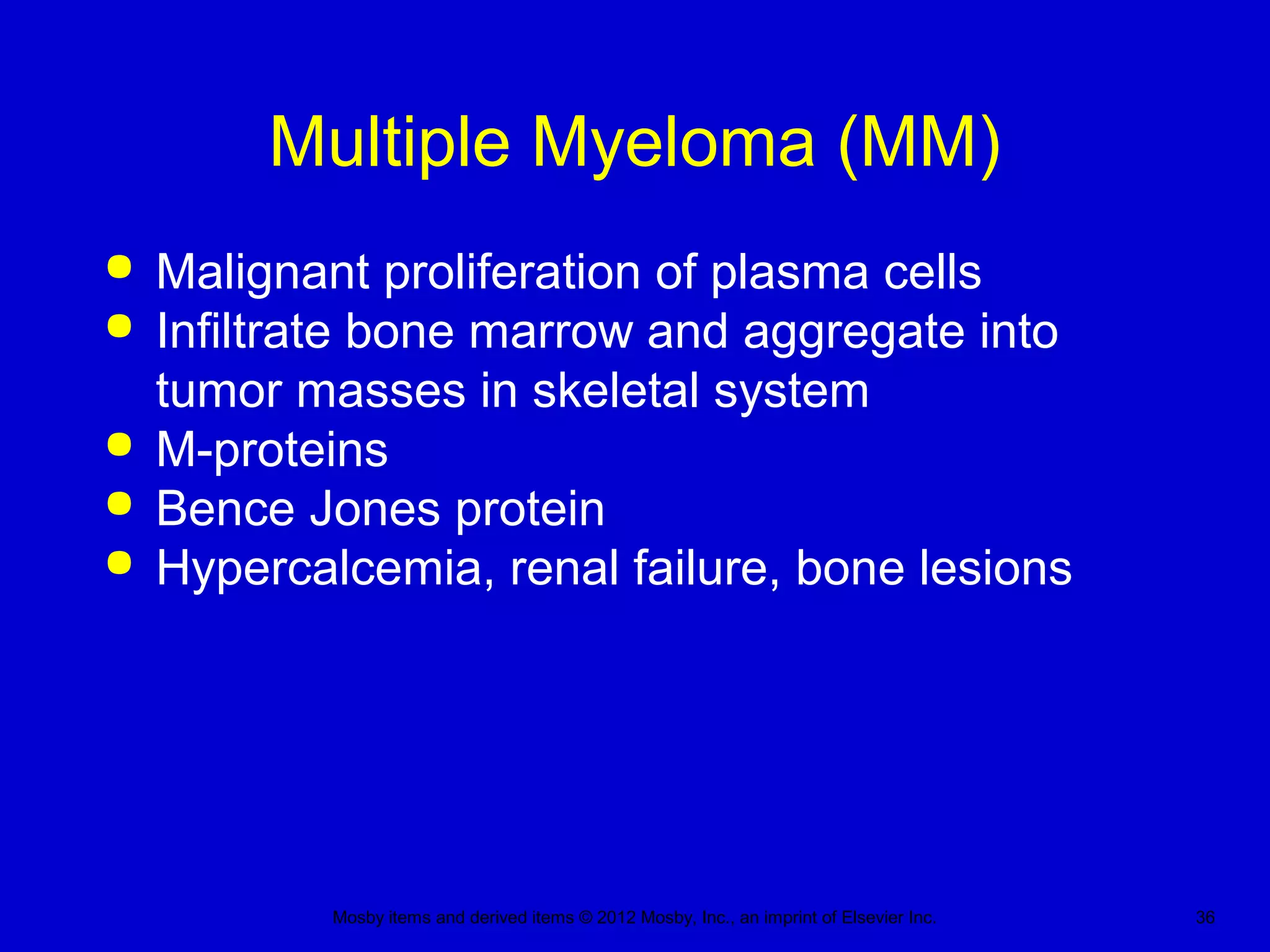
Mosby items and derived items © 2012 Mosby, Inc., an imprint of Elsevier Inc. 36
Multiple Myeloma (MM)
 Malignant proliferation of plasma cells
 Infiltrate bone marrow and aggregate into
tumor masses in skeletal system
 M-proteins
 Bence Jones protein
 Hypercalcemia, renal failure, bone lesions
Mosby items and derived items © 2012 Mosby, Inc., an imprint of Elsevier Inc. 37
Multiple Myeloma

Week two notes

  • 1.
    Mosby items andderived items © 2012 Mosby, Inc., an imprint of Elsevier Inc. 1 Biology, Clinical Manifestations, and Treatment of Cancer
  • 2.
    Mosby items andderived items © 2012 Mosby, Inc., an imprint of Elsevier Inc. 2 Cancer  Derived from Greek word for crab, karkinoma  Malignant tumor  Tumor  Also referred to as a neoplasm—new growth  Let’s review the two different types:
  • 3.
    Mosby items andderived items © 2012 Mosby, Inc., an imprint of Elsevier Inc. 3 Benign vs. Malignant Tumors Benign Malignant Grow slowly Grow rapidly Well-defined capsule Not encapsulated Not invasive Invasive Well differentiated Poorly differentiated Low mitotic index High mitotic index Do not metastasize Can spread distantly (metastasis)
  • 4.
    Mosby items andderived items © 2012 Mosby, Inc., an imprint of Elsevier Inc. 4 Classification and Nomenclature  Benign tumors  Named according to the tissues from which they arise and include the suffix “-oma” • Lipoma • Glioma • Leiomyoma • Chondroma
  • 5.
    Mosby items andderived items © 2012 Mosby, Inc., an imprint of Elsevier Inc. 5 Classification and Nomenclature (cont’d)  Malignant tumors  Named according to the tissues from which they arise • Malignant epithelial tumors are referred to as carcinomas  Adenocarcinoma • Malignant connective tissue tumors are referred to as sarcomas  Rhabdomyosarcomas
  • 6.
    Mosby items andderived items © 2012 Mosby, Inc., an imprint of Elsevier Inc. 6 Classification and Nomenclature (cont’d)  Cancers of lymphatic tissue are lymphomas  Cancers of blood-forming cells are leukemias  Carcinoma in situ (CIS)  Preinvasive epithelial malignant tumors of glandular or epithelial origin that have not broken through the basement membrane or invaded the surrounding stroma
  • 7.
    Mosby items andderived items © 2012 Mosby, Inc., an imprint of Elsevier Inc. 7 Histology and Genetics  Tumors are classified based on immunohistochemical analysis of genetic alterations for improved treatment  Determine specific genetic mutation  Identify multiple subdivision • Breast cancer—six different types
  • 8.
    Mosby items andderived items © 2012 Mosby, Inc., an imprint of Elsevier Inc. 8 Tumor Markers  Tumor cell markers (biologic markers) are substances produced by cancer cells or that are found on plasma cell membranes, in the blood, CSF, or urine  Hormones  Enzymes  Genes  Antigens  Antibodies
  • 9.
    Mosby items andderived items © 2012 Mosby, Inc., an imprint of Elsevier Inc. 9 Tumor Markers (cont’d)  Tumor markers are used to:  Screen and identify individuals at high risk for cancer  Diagnose specific types of tumors  Observe clinical course of cancer  Problem: false positives and negatives  What tumor markers can you state?  What are the values?
  • 10.
    Mosby items andderived items © 2012 Mosby, Inc., an imprint of Elsevier Inc. 10 Cancer Stem Cells New Research  Stem cells self-renew  Cell divisions create new stem cells  Stem cells are pluripotent  Ability to differentiate into multiple different cell types  Current cancer chemotherapy does not kill cancer stem cells
  • 11.
    Mosby items andderived items © 2012 Mosby, Inc., an imprint of Elsevier Inc. 11 Inflammation and Cancer  Chronic inflammation is an important factor in the development of cancer  Cytokine release from inflammatory cells  Free radicals  Mutation promotion  Decreased response to DNA damage  Examples: ulcerative colitis, chronic viral hepatitis
  • 12.
    Mosby items andderived items © 2012 Mosby, Inc., an imprint of Elsevier Inc. 12 Immune System and Cancer  Normal immune system protects against cancer  Immunosuppression fosters cancer  Non-Hodgkin lymphoma (10X)  Kaposi sarcoma (1000X)  In some cases cancer promotes secretion of cytokines that foster cancer
  • 13.
    Mosby items andderived items © 2012 Mosby, Inc., an imprint of Elsevier Inc. 13 Viruses and Cancer  Implicated  Hepatitis B and C viruses  Epstein-Barr virus (EBV)  Kaposi sarcoma herpesvirus (KSHV)  Human papillomavirus (HPV)  Human T cell leukemia–lymphoma virus (HTLV)
  • 14.
    Mosby items andderived items © 2012 Mosby, Inc., an imprint of Elsevier Inc. 14 Bacterial Cause of Cancer  Helicobacter pylori  Chronic infections are associated with: • Peptic ulcer disease • Stomach carcinoma • Mucosa-associated lymphoid tissue lymphomas
  • 15.
    Mosby items andderived items © 2012 Mosby, Inc., an imprint of Elsevier Inc. 15 Three-Step Theory of Invasion  Tumor cell attachment  Fibronectin and laminin  Degradation or dissolution of the matrix  Enzymes  Locomotion into the matrix  Invadopodia (pseudopodia)
  • 16.
    Mosby items andderived items © 2012 Mosby, Inc., an imprint of Elsevier Inc. 16 Sequential Process of Metastasis
  • 17.
    Mosby items andderived items © 2012 Mosby, Inc., an imprint of Elsevier Inc. 17 Clinical Manifestations  Many Different clinical manifestations occur:  Syndrome of cachexia  Most severe form of malnutrition  Present in 80% of cancer patients at death  Includes anorexia, early satiety, weight loss, anemia, asthenia, taste alterations, and altered protein, lipid, and carbohydrate metabolism
  • 18.
    Mosby items andderived items © 2012 Mosby, Inc., an imprint of Elsevier Inc. 18 Cachexia
  • 19.
    Mosby items andderived items © 2012 Mosby, Inc., an imprint of Elsevier Inc. 19 Clinical Manifestations  Anemia  A decrease of hemoglobin in the blood  Mechanisms: • Chronic bleeding resulting in iron deficiency • Severe malnutrition • Medical therapies • Malignancy in blood-forming organs
  • 20.
    Mosby items andderived items © 2012 Mosby, Inc., an imprint of Elsevier Inc. 20 Clinical Manifestations (cont’d)  Leukopenia and thrombocytopenia  Direct tumor invasion to the bone marrow causes leukopenia and thrombocytopenia  Chemotherapy drugs are toxic to the bone marrow  Infection  Risk increases when the absolute neutrophil and lymphocyte counts fall
  • 21.
    Mosby items andderived items © 2012 Mosby, Inc., an imprint of Elsevier Inc. 21 Clinical Manifestations (cont’d)  Paraneoplastic syndromes  Symptom complexes that cannot be explained by the local or distant spread of the tumor or by the effects of hormones released by the tissue from which the tumor arose
  • 22.
    Mosby items andderived items © 2012 Mosby, Inc., an imprint of Elsevier Inc. 22 Environmental Risk Factors  Tobacco  Multipotent carcinogenic mixture  Linked to cancers of the lung, lower urinary tract, upper aerodigestive tract, liver, kidney, pancreas, cervix uterus  Linked to myeloid leukemia  Secondhand smoke (ETS) contains many toxic chemicals  Cigar and pipe smoking equally harmful
  • 23.
    Mosby items andderived items © 2012 Mosby, Inc., an imprint of Elsevier Inc. 23 Environmental Risk Factors  Diet  May account for 30% of the overall risk factors for cancer  Xenobiotics • Hydrocarbons and amines produced during cooking of meat protein • Toxic, mutagenic, and carcinogenic chemicals in food • Examples: – Compounds produced in the cooking of fat, meat, or proteins – Alkaloids or mold by-products • May influence epigenetics  Research ongoing regarding vitamin influe
  • 24.
    Mosby items andderived items © 2012 Mosby, Inc., an imprint of Elsevier Inc. 24 Cancer in Children  Incidence  Rare but is leading cause of death from disease in children  In 2004, mortality rate was 2.4 per 100,000 cases  Survival rates have dramatically improved over past 30 years
  • 25.
    Mosby items andderived items © 2012 Mosby, Inc., an imprint of Elsevier Inc. 25 Cancer in Children  Most originate from the mesodermal germ layer  Layer gives rise to connective tissue, bone, cartilage, muscle, blood, blood vessels, gonads, kidneys, and the lymphatic system  Most sarcomas vs. carcinomas in adults  Diagnosed during vs. peak growth periods  Fast growing and without early signs
  • 26.
    Mosby items andderived items © 2012 Mosby, Inc., an imprint of Elsevier Inc. 26 Etiology with Children  Most do not demonstrate predisposing environmental factors  Genetic factors:  Chromosome abnormalities • Aneuploidy, amplifications, deletions, translocations, and fragility • Certain congenital syndromes and cancers occur together  Wilms tumor and urogenital abnormalities  Down syndrome and leukemia  Oncogenes and tumor-suppressor genes • Fanconi anemia, Bloom syndrome
  • 27.
    Mosby items andderived items © 2012 Mosby, Inc., an imprint of Elsevier Inc. 27 Prognosis  More than 70% of children cured  Survival rates higher in children under 15 years  Younger are more likely to be enrolled in clinical trials  Survivors have increased risk of cancer later in life  Residual and long-term effects of treatment  Psychologic sequelae
  • 28.
    Mosby items andderived items © 2012 Mosby, Inc., an imprint of Elsevier Inc. 28 Components of the hematologic system  Chief functions:  Delivery of substances needed for cellular metabolism  Removal of wastes  Defense against microorganisms and injury  Maintenance of acid-base balance
  • 29.
    Mosby items andderived items © 2012 Mosby, Inc., an imprint of Elsevier Inc. 29 Components of the hematologic system  As a review remember what the following functions are:  Bone Marrow  Lymphoid Organs  Platelets  RBC  WBC
  • 30.
    Mosby items andderived items © 2012 Mosby, Inc., an imprint of Elsevier Inc. 30 Erythropoiesis  Erythrocytes are derived from erythroblasts (normoblasts)  Maturation is stimulated by erythropoietin  Erythropoietin causes an increase in red cell production and release from bone marrow
  • 31.
    Mosby items andderived items © 2012 Mosby, Inc., an imprint of Elsevier Inc. 31 Regulation  Numbers of circulating red cells in healthy individuals remain constant  The peritubular cells of the kidney produce erythropoietin  Hypoxia stimulates the production and release of erythropoietin
  • 32.
    Mosby items andderived items © 2012 Mosby, Inc., an imprint of Elsevier Inc. 32 Erythropoiesis
  • 33.
    Mosby items andderived items © 2012 Mosby, Inc., an imprint of Elsevier Inc. 33 Evaluation of the Hematologic System Tests of bone marrow function: Bone marrow aspiration Bone marrow biopsy Measurement of bone marrow iron stores Differential cell count Blood tests Large variety of tests
  • 34.
    Mosby items andderived items © 2012 Mosby, Inc., an imprint of Elsevier Inc. 34 Pediatrics and the Hematologic System Blood cell counts increase above adult levels at birth Trauma of birth and cutting the umbilical cord The hypoxic intrauterine environment stimulates erythropoietin production Results in polycythemia
  • 35.
    Mosby items andderived items © 2012 Mosby, Inc., an imprint of Elsevier Inc. 35 Aging and the Hematologic System Erythrocyte life span is normal but erythrocytes are replaced more slowly Possible causes: Iron depletion Decreased total serum iron, iron-binding capacity, and intestinal iron absorption Lymphocyte function decreases with age The humoral immune system is less responsive
  • 36.
    Mosby items andderived items © 2012 Mosby, Inc., an imprint of Elsevier Inc. 36 Multiple Myeloma (MM)  Malignant proliferation of plasma cells  Infiltrate bone marrow and aggregate into tumor masses in skeletal system  M-proteins  Bence Jones protein  Hypercalcemia, renal failure, bone lesions
  • 37.
    Mosby items andderived items © 2012 Mosby, Inc., an imprint of Elsevier Inc. 37 Multiple Myeloma