Download to read offline
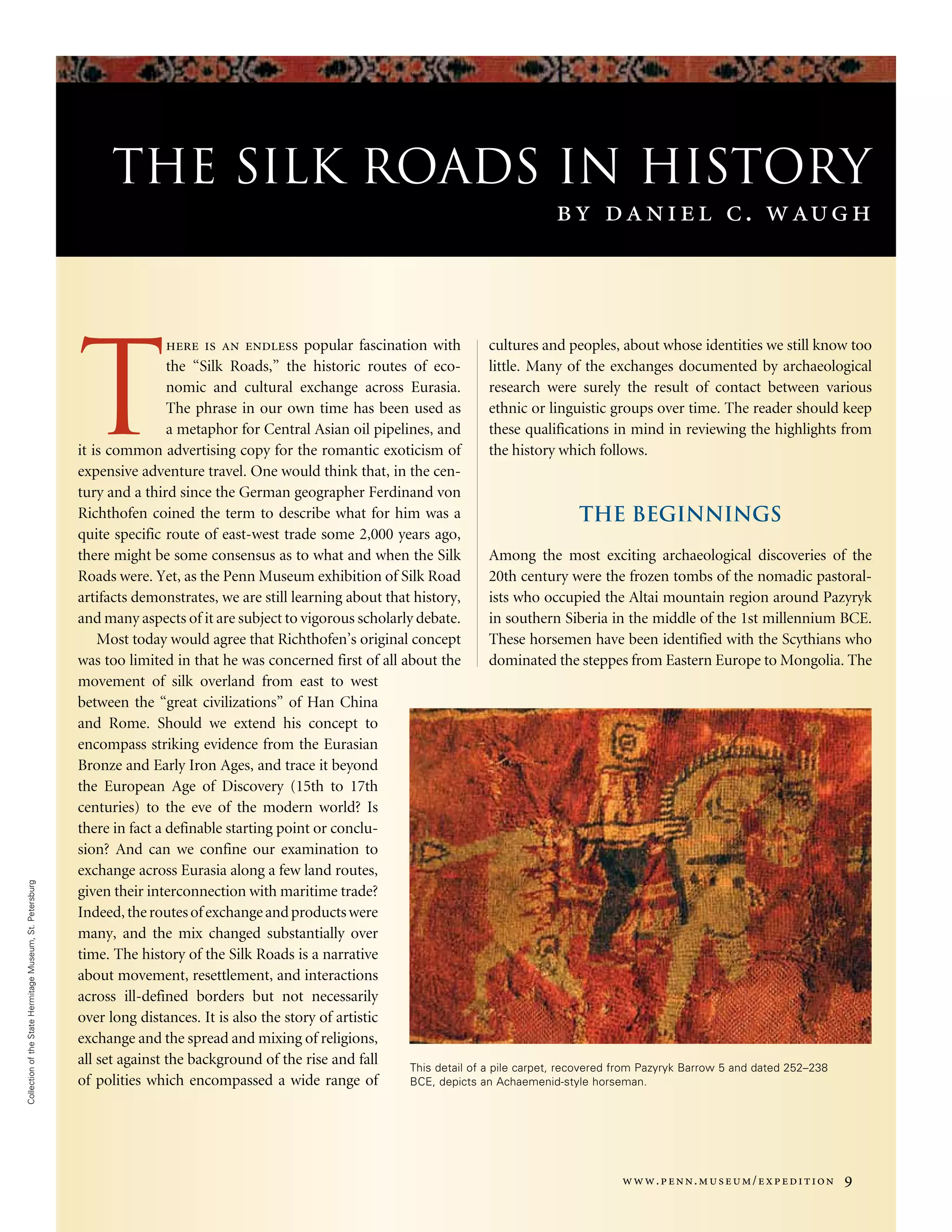
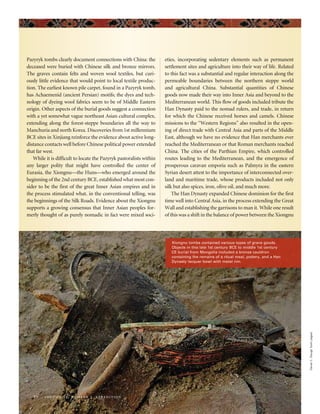
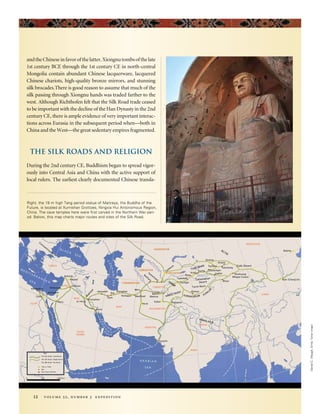
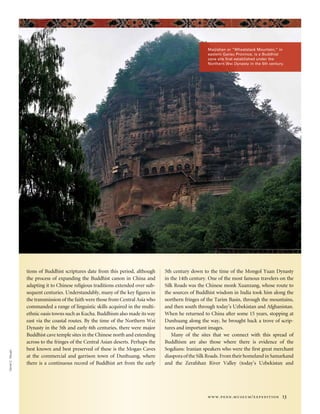
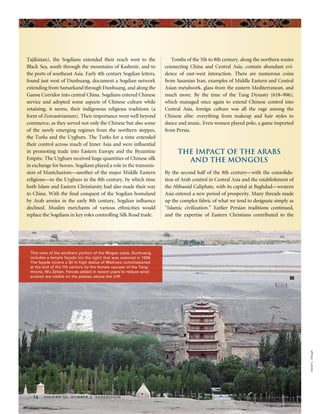
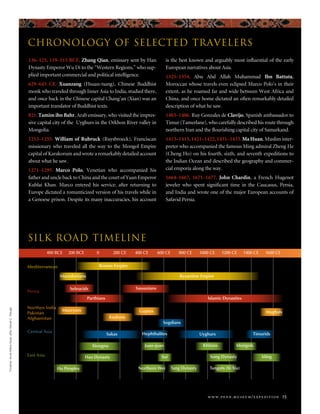
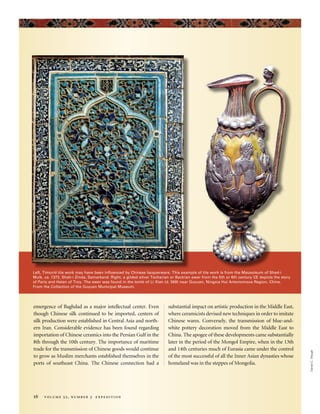
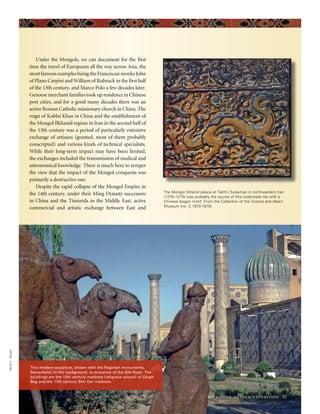
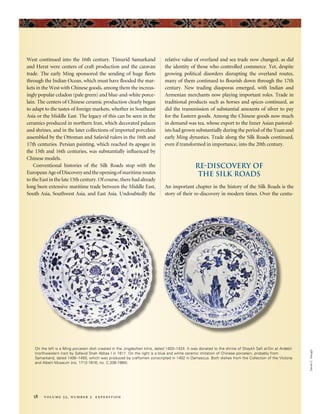
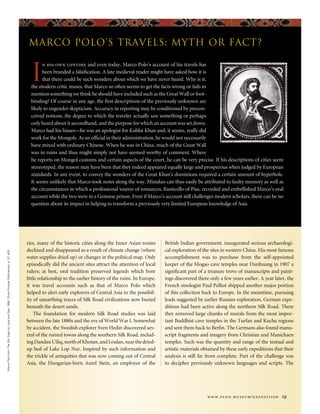
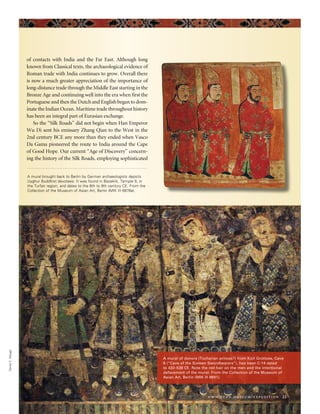
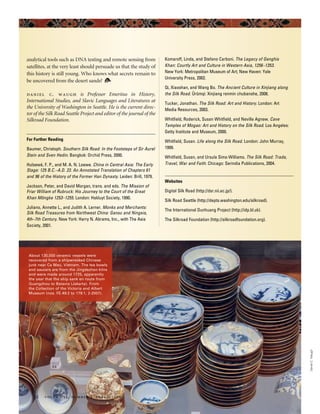

The Silk Roads were complex networks of trade routes across Eurasia that connected China with Central Asia and the Mediterranean world from around 200 BCE to 1400 CE. They facilitated the exchange of goods, ideas, technologies and religions between civilizations. While silk was an important trade good, many other products like spices, metals, glass and ceramics were also exchanged. The routes were used by nomadic pastoralists, merchants from places like Sogdiana, and travelers like Buddhist monks to transmit Buddhism and other faiths. Over time, different groups like the Xiongnu, Sogdians, Turks, Arabs and Mongols rose to power in Central Asia and controlled sections of the routes, shaping patterns of trade and cultural exchange


