Vitamin D
Spikes in testing and miracle cures
PFC Eaker
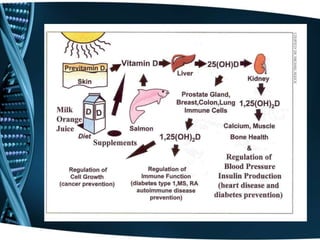
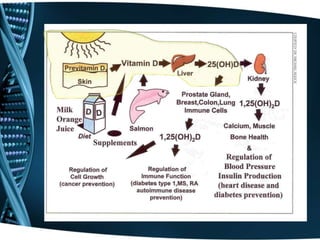
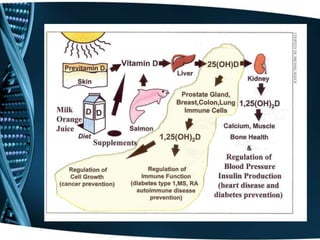
What is Vitamin D?
• Fat Soluble Vitamin
• Found in food
• Absorbed through sunlight exposure
• Converted to hormone form through liver and
kidney
Two Major Forms of Vitamin D
• Vitamin D2, ergocalciferol
• Vitamin D3, cholecalciferol
Other Forms of Vitamin D
• Vitamin D1: molecular compound of
ergocalciferol with lumisterol, 1:1
• Vitamin D4: 22-dihydroergocalciferol
• Vitamin D5: sitocalciferol (made from 7-
dehydrosisterol)
What are the sources?
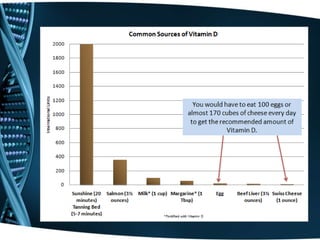
• Cod Liver Oil, 1 Tbs: 1,360 IU
• Salmon, cooked, 3 1/2 oz: 360 IU
• Mackerel, cooked, 3 1/2 oz: 345 IU
• Sardines, canned in oil, drained, 3 1/2 oz: 270 IU
• Milk, nonfat, reduced fat, and whole, vitamin D fortified, 1 c: 98
IU
• Margarine, fortified, 1 Tbs: 60 IU
• Pudding, 1/2 c prepared from mix and made with vitamin D
fortified milk: 50 IU
• Dry cereal, Vitamin D fortified w/10% of the recommended
daily value, 3/4 c: 40-50 IU (other cereals may be fortified with
more or less vitamin D)
• Liver, beef, cooked, 3 1/2 oz: 30 IU
• Egg, 1 whole (vitamin D is present in the yolk): 25 IU
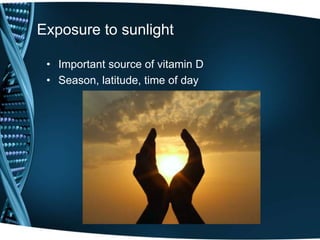
Exposure to sunlight
• Important source of vitamin D
• Season, latitude, time of day
What does Vitamin D do?
• Maintain normal blood levels of Calcium and
Phosphorus
• Aids in absorption of calcium
• Promotes bone mineralization
• Prevents rickets in children and Osteomalacia in
adults
Role in immunomodulation
• Binds to nuclear Vitamin D receptors (VDR)
• Immune enhancing and immunosuppressive
effects
• Increase activity of NKCs
• Increased production of cathelicidin
• Therepeutic Clinical Applications
How much Vitamin D do we need?
• Ages 19-50: 200 International Units (IU)
• Ages 51-69: 400 IU
• Age 70 and older: 600 IU
When can vitamin D deficiency occur?
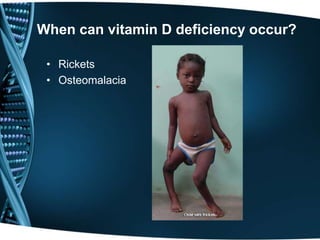
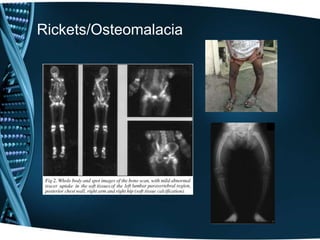
• Rickets
• Osteomalacia
Rickets/Osteomalacia
Who may need extra vitamin D to
prevent a deficiency?
• Older Americans (greater than age 50)
• individuals with limited sun exposure
• occupations that prevent exposure to sunlight
• reduced ability to absorb dietary fat
• exclusively breast-fed infants
What is the health risk of too much
vitamin D?
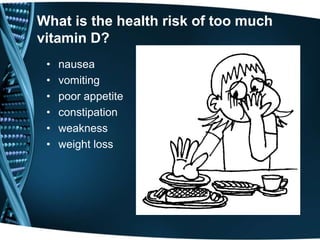
• nausea
• vomiting
• poor appetite
• constipation
• weakness
• weight loss
When is it ordered?
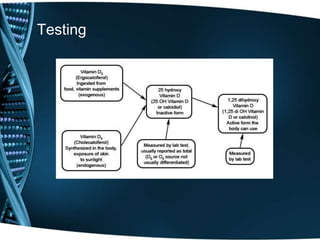
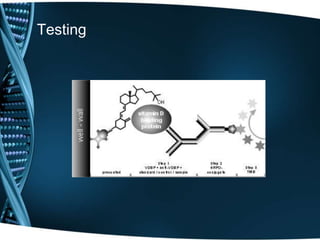
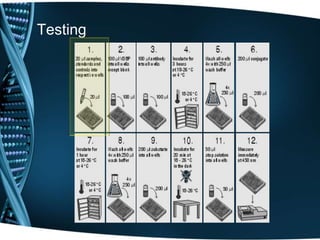
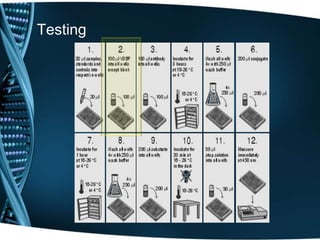
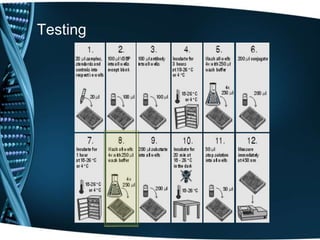
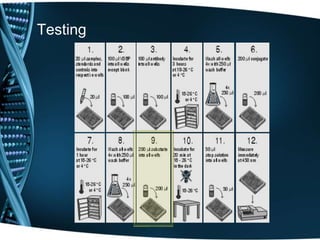
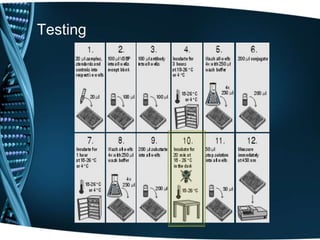
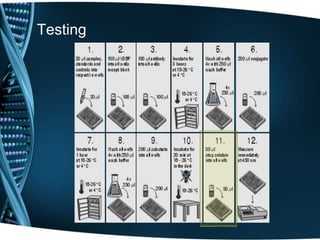
• 25 OH Vitamin D test
• 1,25 di OH Vitamin D test
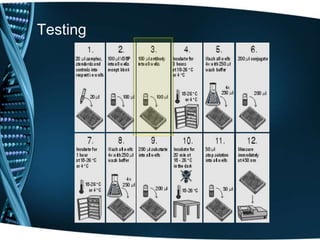
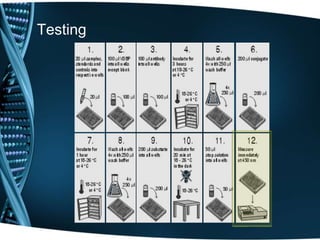
Testing
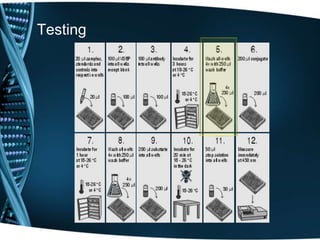
Testing
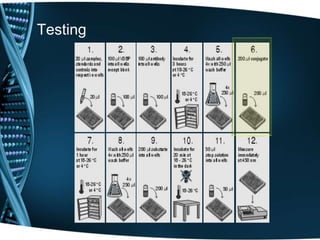
Testing
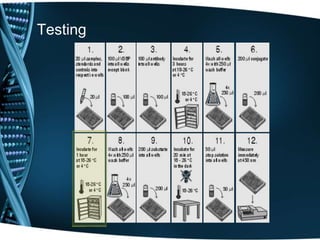
Testing
Testing
Testing
Testing
Testing
Testing
Testing
Testing
Testing
Testing
Testing
Testing
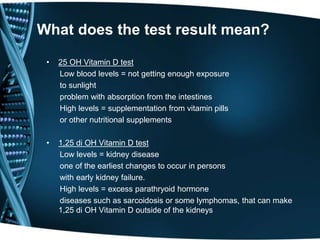
What does the test result mean?
• 25 OH Vitamin D test
Low blood levels = not getting enough exposure
to sunlight
problem with absorption from the intestines
High levels = supplementation from vitamin pills
or other nutritional supplements
• 1,25 di OH Vitamin D test
Low levels = kidney disease
one of the earliest changes to occur in persons
with early kidney failure.
High levels = excess parathryoid hormone
diseases such as sarcoidosis or some lymphomas, that can make
1,25 di OH Vitamin D outside of the kidneys
Spike in Vitamin D testing
• ABC NEWS - NEW YORK, NY, USA
“Sunshine Vitamin May Cut Death Risk”
• BBC NEWS - UNITED KINGDOM
“Pain Linked With Low Vitamin D”
• BLOOMBERG.COM
“Death May Be Nearer For People Who lack
Vitamin D”
• BRITTANIA RADIO
“Vitamin D Can Heal Tuberculosis?”
Current Research
• Cancers
• Heart Disease
• Stroke
• Diabetes
• Depression
• Muscle Weakness
• Birth Defects
• Obesity
Role in cancer prevention and
recovery
• Calcitriol – Induces
death of cancer cells
• Regulates Cell growth,
Differentiation etc.
• Daily intake of 1,000IU/day
reduces risks
Vitamin D and Obesity
• Seasons
• Altitude
• Calcium
• Link between other
diseases
• Treatable
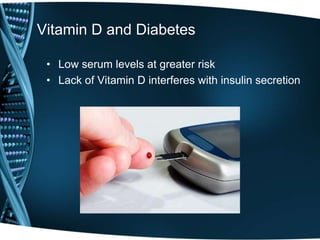
Vitamin D and Diabetes
• Low serum levels at greater risk
• Lack of Vitamin D interferes with insulin secretion
Vitamin D and depression
• SAD
• 130 patients
• 600 or 4,000 IU supplements
• Re-evaluated 1 year later
Conclusion
• Vitamin D – The wonder drug?
• LabCorp – Testing volume doubled every ear for
the past four years
• Quest Diagnostics – Testing volume tripled
between May 2006 and May 2008
Questions?

Vitamin d presentation

  • 1.
    Vitamin D Spikes intesting and miracle cures PFC Eaker
  • 2.
    What is VitaminD? • Fat Soluble Vitamin • Found in food • Absorbed through sunlight exposure • Converted to hormone form through liver and kidney
  • 3.
    Two Major Formsof Vitamin D • Vitamin D2, ergocalciferol • Vitamin D3, cholecalciferol
  • 4.
    Other Forms ofVitamin D • Vitamin D1: molecular compound of ergocalciferol with lumisterol, 1:1 • Vitamin D4: 22-dihydroergocalciferol • Vitamin D5: sitocalciferol (made from 7- dehydrosisterol)
  • 9.
    What are thesources? • Cod Liver Oil, 1 Tbs: 1,360 IU • Salmon, cooked, 3 1/2 oz: 360 IU • Mackerel, cooked, 3 1/2 oz: 345 IU • Sardines, canned in oil, drained, 3 1/2 oz: 270 IU • Milk, nonfat, reduced fat, and whole, vitamin D fortified, 1 c: 98 IU • Margarine, fortified, 1 Tbs: 60 IU • Pudding, 1/2 c prepared from mix and made with vitamin D fortified milk: 50 IU • Dry cereal, Vitamin D fortified w/10% of the recommended daily value, 3/4 c: 40-50 IU (other cereals may be fortified with more or less vitamin D) • Liver, beef, cooked, 3 1/2 oz: 30 IU • Egg, 1 whole (vitamin D is present in the yolk): 25 IU
  • 10.
    Exposure to sunlight •Important source of vitamin D • Season, latitude, time of day
  • 11.
    What does VitaminD do? • Maintain normal blood levels of Calcium and Phosphorus • Aids in absorption of calcium • Promotes bone mineralization • Prevents rickets in children and Osteomalacia in adults
  • 12.
    Role in immunomodulation •Binds to nuclear Vitamin D receptors (VDR) • Immune enhancing and immunosuppressive effects • Increase activity of NKCs • Increased production of cathelicidin • Therepeutic Clinical Applications
  • 13.
    How much VitaminD do we need? • Ages 19-50: 200 International Units (IU) • Ages 51-69: 400 IU • Age 70 and older: 600 IU
  • 15.
    When can vitaminD deficiency occur? • Rickets • Osteomalacia
  • 16.
  • 17.
    Who may needextra vitamin D to prevent a deficiency? • Older Americans (greater than age 50) • individuals with limited sun exposure • occupations that prevent exposure to sunlight • reduced ability to absorb dietary fat • exclusively breast-fed infants
  • 18.
    What is thehealth risk of too much vitamin D? • nausea • vomiting • poor appetite • constipation • weakness • weight loss
  • 19.
    When is itordered? • 25 OH Vitamin D test • 1,25 di OH Vitamin D test
  • 20.
  • 21.
  • 22.
  • 23.
  • 24.
  • 25.
  • 26.
  • 27.
  • 28.
  • 29.
  • 30.
  • 31.
  • 32.
  • 33.
  • 34.
  • 35.
    What does thetest result mean? • 25 OH Vitamin D test Low blood levels = not getting enough exposure to sunlight problem with absorption from the intestines High levels = supplementation from vitamin pills or other nutritional supplements • 1,25 di OH Vitamin D test Low levels = kidney disease one of the earliest changes to occur in persons with early kidney failure. High levels = excess parathryoid hormone diseases such as sarcoidosis or some lymphomas, that can make 1,25 di OH Vitamin D outside of the kidneys
  • 36.
    Spike in VitaminD testing • ABC NEWS - NEW YORK, NY, USA “Sunshine Vitamin May Cut Death Risk” • BBC NEWS - UNITED KINGDOM “Pain Linked With Low Vitamin D” • BLOOMBERG.COM “Death May Be Nearer For People Who lack Vitamin D” • BRITTANIA RADIO “Vitamin D Can Heal Tuberculosis?”
  • 37.
    Current Research • Cancers •Heart Disease • Stroke • Diabetes • Depression • Muscle Weakness • Birth Defects • Obesity
  • 38.
    Role in cancerprevention and recovery • Calcitriol – Induces death of cancer cells • Regulates Cell growth, Differentiation etc. • Daily intake of 1,000IU/day reduces risks
  • 39.
    Vitamin D andObesity • Seasons • Altitude • Calcium • Link between other diseases • Treatable
  • 40.
    Vitamin D andDiabetes • Low serum levels at greater risk • Lack of Vitamin D interferes with insulin secretion
  • 41.
    Vitamin D anddepression • SAD • 130 patients • 600 or 4,000 IU supplements • Re-evaluated 1 year later
  • 42.
    Conclusion • Vitamin D– The wonder drug? • LabCorp – Testing volume doubled every ear for the past four years • Quest Diagnostics – Testing volume tripled between May 2006 and May 2008
  • 43.

Editor's Notes

  • #43 Thanks to these studies and national headlines praising its apparent cancer-fighting properties it appears many people now consider vitamin d their wonder drug and are rushing to labs to have their levels tested. The patients requesting these tests through their physicains represent an increasingly health conscious-public. These patients want greater control over managing their own health, they have greater access to information related to health promotion and illness prevention, and there are a growing number of media stores that address their demand for news and information about personal health issues. Spikes are often seen when these three drivers come together – as in the case of vitamin d There is no count on how many people get their vitamin d checked. But at testing giant LabCorp, the volume of vitamin D tests doctors order has, on average, doubled every year for the past four. So far this year, test orders are up another 90%. At competitor Quest Diagnostics, the volume of D tests approximately tripled between may 2006 and last may. http://www.virginiahopkinstestkits.com/vitamindtest.html http://abcnews.go.com/video/playerIndex?id=5563319 Vitamin D video