



Usability Testing: 
Gaining people’s insight 
DX Toronto Workshop 2014
Adie 
Linn 
Dale 
Nick
Topics 
• What is user experience? 
• What is usability? 
• Why is usability important? 
• How do we evaluate usability? 
• Things to keep in mind 
• The workshop
User Experience (UX) 
User experience is how 
useful and usable a product, 
system or service is and how 
people feel about it.
What is usability? 
• Learnability 
• Efficiency 
• Memorability 
• Recoverability 
• Satisfaction 
Nielsen Norman Group
Why is usability important 
People will leave… 
…If it’s difficult 
…If they get lost 
…If they find it hard to read
How do we evaluate 
Usability? 
• Recruit some representative 
users 
• Ask users to perform tasks 
• Observe users successes and 
failures
Types of 
Usability Testing 
• Low fidelity 
• Formal 
• Remote 
• Intercept 
• Accessibility
Accessibility vs Usability 
• An accessible website will 
benefit all users 
• Websites aren’t usable until 
they’re accessible 
• Usability implies accessibility, 
not always in reverse
Accessibility Testing vs 
Usability Testing 
• Methodology is the same 
• Recruiting is more specific 
• Tech set up is often very 
personal to the user
Overview 
• Recruiting 
• Preparing 
• Logistics (what and where) 
• Facilitating 
• Capturing 
• Analyzing 
• Reporting
Be sure to… 
• Test users individually 
• Run several small tests 
• User testing is NOT 
a focus group
Remember to… 
• Recruit correctly 
• Think about privacy 
• Incentive 
• Thank you!
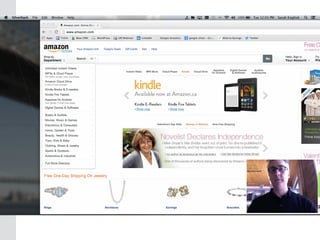
Devices & Recording 
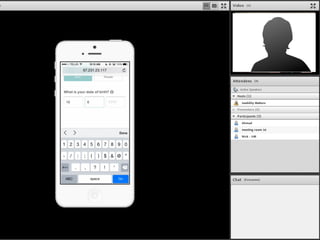
• Mobile 
• Desktop 
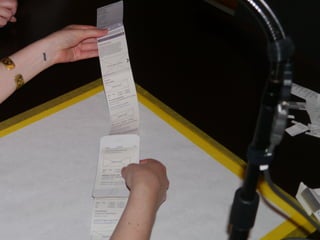
• Paper prototype 
• Smart watch
Time for some drama!
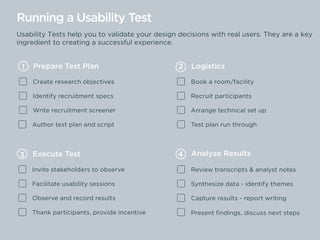
Running a Usability Test 
Usability Tests help you to validate your design decisions with real users. They are a key 
ingredient to creating a successful experience. 
The Tip Sheet 
• Create research objectives 
• Identify recruitment specs 
• Write recruitment screener 
• Test plan and script 
Prepare Test Plan 
1 
.!0!ƫ.!/!.$ƫ+!0%2!/ 
Identify recruitment specs 
.%0!ƫ.!.1%0)!*0ƫ/.!!*!. 
10$+.ƫ0!/0ƫ,(*ƫ* ƫ/.%,0 
2 Logistics 
++'ƫƫ.++)ĥ%(%05 
Recruit participants 
..*#!ƫ0!$*%(ƫ/!0ƫ1, 
Test plan run through 
3 Execute Test 
Invite stakeholders to observe 
Facilitate usability sessions 
Observe and record results 
$*'ƫ,.0%%,*0/Čƫ,.+2% !ƫ%*!*0%2! 
Analyze Results 
Review transcripts  analyst notes 
Synthesize data - identify themes 
,01.!ƫ.!/1(0/ƫġƫ.!,+.0ƫ3.%0%*# 
.!/!*0ƫü* %*#/Čƫ %/1//ƫ*!40ƫ/0!,/ 
4
The workshop!
Usability Test Roles 
• Facilitator 
• Note taker 
• Analyst 
• Participant
Workshop Steps 
1) Define research objectives 
2) Define the tasks 
3) Create the test script 
4) Conduct the usability test 
5) Analysis and report 
6) Discuss findings and 
recommendations
About objectives 
• The client 
• Define research objectives 
• Examples
Step 1: 
Define 3 research objectives: 
“What do we want to learn about this site 
and how participants are using it?” 
Example: 
“How easily can the participant locate the 
search field in its current position?”
About tasks 
• Based on objectives 
• Specific 
• Examples
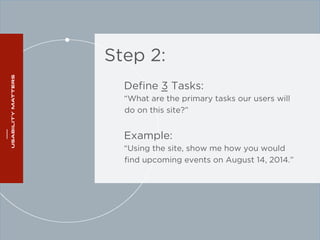
Step 2: 
Define 3 Tasks: 
“What are the primary tasks our users will 
do on this site?” 
Example: 
“Using the site, show me how you would 
find upcoming events on August 14, 2014.”
About the script 
• Intro 
• Tasks 
• Wrap up
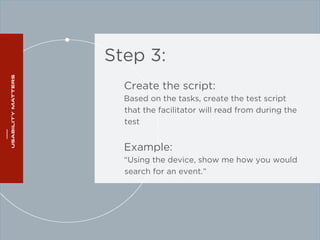
Step 3: 
Create the script: 
Based on the tasks, create the test script 
that the facilitator will read from during the 
test 
Example: 
“Using the device, show me how you would 
search for an event.”
Facilitating 
• Observation not conversation 
• Don’t stay completely silent 
• Don’t give away the answer 
• Think aloud protocol
Probing Techniques 
• Echo 
• Boomerang 
• Columbo
Capturing 
• Recordings – screen, room 
• Notes/transcripts 
• Type of material needed – 
Quotes? Video clips?
Step 4: 
Conduct the test: 
The facilitator will read the script and walk 
the participant through the each task 
Example: 
“Using the device, show me how you would 
search for an event.”
Analysis 
• Carefully review data 
• Qualitative data 
• Recommendations
Reporting 
• Detailed report 
• Direct implementation 
• Video reel
Step 5: 
Analysis and Report: 
The group will discuss findings and how to 
present. 
Example: 
During our usability test we discovered this 
and this. Here is our recommendation *think 
back to the various reporting methods*
Thank you!

UsabilityMatters_Usability_Testing_Introduction_Workshop

  • 1.
    Usability Testing: Gainingpeople’s insight DX Toronto Workshop 2014
  • 3.
  • 4.
    Topics • Whatis user experience? • What is usability? • Why is usability important? • How do we evaluate usability? • Things to keep in mind • The workshop
  • 5.
    User Experience (UX) User experience is how useful and usable a product, system or service is and how people feel about it.
  • 6.
    What is usability? • Learnability • Efficiency • Memorability • Recoverability • Satisfaction Nielsen Norman Group
  • 7.
    Why is usabilityimportant People will leave… …If it’s difficult …If they get lost …If they find it hard to read
  • 8.
    How do weevaluate Usability? • Recruit some representative users • Ask users to perform tasks • Observe users successes and failures
  • 9.
    Types of UsabilityTesting • Low fidelity • Formal • Remote • Intercept • Accessibility
  • 10.
    Accessibility vs Usability • An accessible website will benefit all users • Websites aren’t usable until they’re accessible • Usability implies accessibility, not always in reverse
  • 11.
    Accessibility Testing vs Usability Testing • Methodology is the same • Recruiting is more specific • Tech set up is often very personal to the user
  • 16.
    Overview • Recruiting • Preparing • Logistics (what and where) • Facilitating • Capturing • Analyzing • Reporting
  • 17.
    Be sure to… • Test users individually • Run several small tests • User testing is NOT a focus group
  • 18.
    Remember to… •Recruit correctly • Think about privacy • Incentive • Thank you!
  • 19.
    Devices & Recording • Mobile • Desktop • Paper prototype • Smart watch
  • 20.
  • 22.
    Running a UsabilityTest Usability Tests help you to validate your design decisions with real users. They are a key ingredient to creating a successful experience. The Tip Sheet • Create research objectives • Identify recruitment specs • Write recruitment screener • Test plan and script Prepare Test Plan 1 .!0!ƫ.!/!.$ƫ+!0%2!/ Identify recruitment specs .%0!ƫ.!.1%0)!*0ƫ/.!!*!. 10$+.ƫ0!/0ƫ,(*ƫ* ƫ/.%,0 2 Logistics ++'ƫƫ.++)ĥ%(%05 Recruit participants ..*#!ƫ0!$*%(ƫ/!0ƫ1, Test plan run through 3 Execute Test Invite stakeholders to observe Facilitate usability sessions Observe and record results $*'ƫ,.0%%,*0/Čƫ,.+2% !ƫ%*!*0%2! Analyze Results Review transcripts analyst notes Synthesize data - identify themes ,01.!ƫ.!/1(0/ƫġƫ.!,+.0ƫ3.%0%*# .!/!*0ƫü* %*#/Čƫ %/1//ƫ*!40ƫ/0!,/ 4
  • 23.
  • 24.
    Usability Test Roles • Facilitator • Note taker • Analyst • Participant
  • 25.
    Workshop Steps 1)Define research objectives 2) Define the tasks 3) Create the test script 4) Conduct the usability test 5) Analysis and report 6) Discuss findings and recommendations
  • 26.
    About objectives •The client • Define research objectives • Examples
  • 27.
    Step 1: Define3 research objectives: “What do we want to learn about this site and how participants are using it?” Example: “How easily can the participant locate the search field in its current position?”
  • 28.
    About tasks •Based on objectives • Specific • Examples
  • 29.
    Step 2: Define3 Tasks: “What are the primary tasks our users will do on this site?” Example: “Using the site, show me how you would find upcoming events on August 14, 2014.”
  • 30.
    About the script • Intro • Tasks • Wrap up
  • 31.
    Step 3: Createthe script: Based on the tasks, create the test script that the facilitator will read from during the test Example: “Using the device, show me how you would search for an event.”
  • 32.
    Facilitating • Observationnot conversation • Don’t stay completely silent • Don’t give away the answer • Think aloud protocol
  • 33.
    Probing Techniques •Echo • Boomerang • Columbo
  • 34.
    Capturing • Recordings– screen, room • Notes/transcripts • Type of material needed – Quotes? Video clips?
  • 35.
    Step 4: Conductthe test: The facilitator will read the script and walk the participant through the each task Example: “Using the device, show me how you would search for an event.”
  • 36.
    Analysis • Carefullyreview data • Qualitative data • Recommendations
  • 37.
    Reporting • Detailedreport • Direct implementation • Video reel
  • 38.
    Step 5: Analysisand Report: The group will discuss findings and how to present. Example: During our usability test we discovered this and this. Here is our recommendation *think back to the various reporting methods*
  • 39.