TRENDING
IN IT
Reflections from ISTE 2017
ByTracy Heath
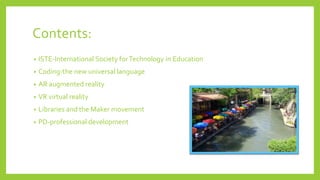
Contents:
• ISTE-International Society forTechnology in Education
• Coding-the new universal language
• AR augmented reality
• VR virtual reality
• Libraries and the Maker movement
• PD-professional development
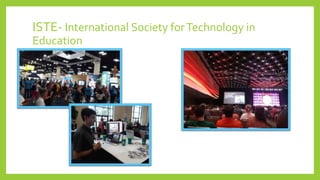
ISTE- International Society forTechnology in
Education
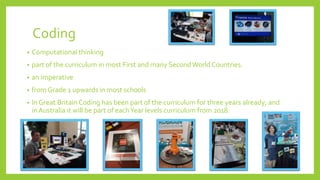
Coding
• Computational thinking
• part of the curriculum in most First and many SecondWorld Countries.
• an imperative
• from Grade 1 upwards in most schools
• In Great Britain Coding has been part of the curriculum for three years already; and
in Australia it will be part of eachYear levels curriculum from 2018.
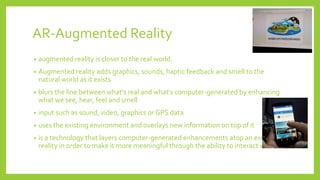
AR-Augmented Reality
• augmented reality is closer to the real world.
• Augmented reality adds graphics, sounds, haptic feedback and smell to the
natural world as it exists
• blurs the line between what's real and what's computer-generated by enhancing
what we see, hear, feel and smell
• input such as sound, video, graphics or GPS data
• uses the existing environment and overlays new information on top of it
• is a technology that layers computer-generated enhancements atop an existing
reality in order to make it more meaningful through the ability to interact with it.
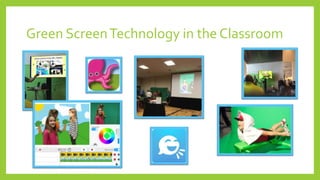
Green ScreenTechnology in the Classroom
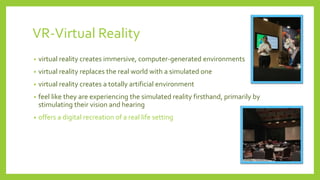
VR-Virtual Reality
• virtual reality creates immersive, computer-generated environments
• virtual reality replaces the real world with a simulated one
• virtual reality creates a totally artificial environment
• feel like they are experiencing the simulated reality firsthand, primarily by
stimulating their vision and hearing
• offers a digital recreation of a real life setting
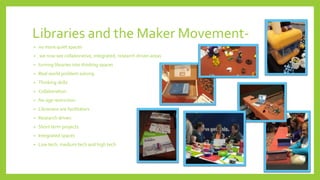
Libraries and the Maker Movement-
• no more quiet spaces
• we now see collaborative, integrated, research driven areas
• turning libraries into thinking spaces
• Real world problem solving
• Thinking skills
• Collaboration
• No age restriction
• Librarians are facilitators
• Research driven
• Short term projects
• Integrated spaces
• Low tech, medium tech and high tech
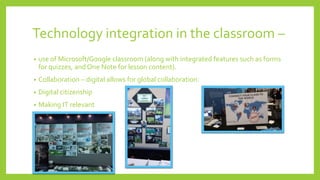
Technology integration in the classroom –
• use of Microsoft/Google classroom (along with integrated features such as forms
for quizzes, and One Note for lesson content).
• Collaboration – digital allows for global collaboration.
• Digital citizenship
• Making IT relevant
PD-Professional Development
• All teachers need take responsibility for their own training
• forming your tribe
• keep informed of evolving teaching strategies by making use of all different ways of
learning
• including individual and collaborative learning
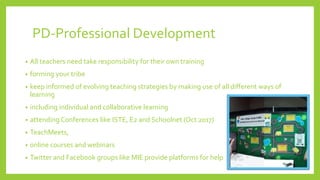
• attending Conferences like ISTE, E2 and Schoolnet (Oct 2017)
• TeachMeets,
• online courses and webinars
• Twitter and Facebook groups like MIE provide platforms for help

Trending in I.T - Reflections from ISTE2017

  • 1.
    TRENDING IN IT Reflections fromISTE 2017 ByTracy Heath
  • 2.
    Contents: • ISTE-International SocietyforTechnology in Education • Coding-the new universal language • AR augmented reality • VR virtual reality • Libraries and the Maker movement • PD-professional development
  • 3.
    ISTE- International SocietyforTechnology in Education
  • 4.
    Coding • Computational thinking •part of the curriculum in most First and many SecondWorld Countries. • an imperative • from Grade 1 upwards in most schools • In Great Britain Coding has been part of the curriculum for three years already; and in Australia it will be part of eachYear levels curriculum from 2018.
  • 5.
    AR-Augmented Reality • augmentedreality is closer to the real world. • Augmented reality adds graphics, sounds, haptic feedback and smell to the natural world as it exists • blurs the line between what's real and what's computer-generated by enhancing what we see, hear, feel and smell • input such as sound, video, graphics or GPS data • uses the existing environment and overlays new information on top of it • is a technology that layers computer-generated enhancements atop an existing reality in order to make it more meaningful through the ability to interact with it.
  • 6.
  • 7.
    VR-Virtual Reality • virtualreality creates immersive, computer-generated environments • virtual reality replaces the real world with a simulated one • virtual reality creates a totally artificial environment • feel like they are experiencing the simulated reality firsthand, primarily by stimulating their vision and hearing • offers a digital recreation of a real life setting
  • 8.
    Libraries and theMaker Movement- • no more quiet spaces • we now see collaborative, integrated, research driven areas • turning libraries into thinking spaces • Real world problem solving • Thinking skills • Collaboration • No age restriction • Librarians are facilitators • Research driven • Short term projects • Integrated spaces • Low tech, medium tech and high tech
  • 9.
    Technology integration inthe classroom – • use of Microsoft/Google classroom (along with integrated features such as forms for quizzes, and One Note for lesson content). • Collaboration – digital allows for global collaboration. • Digital citizenship • Making IT relevant
  • 10.
    PD-Professional Development • Allteachers need take responsibility for their own training • forming your tribe • keep informed of evolving teaching strategies by making use of all different ways of learning • including individual and collaborative learning • attending Conferences like ISTE, E2 and Schoolnet (Oct 2017) • TeachMeets, • online courses and webinars • Twitter and Facebook groups like MIE provide platforms for help