Principles of Treating Infectious Illnesses in Critical Care: Focus on Antibiotic Resistance and Choice Slide Sub-Title Robert Owens, PharmD Gil Fraser, PharmD, FCCM University of Vermont College of Medicine and Maine Medical Center, Portland โ€œ We shall now discuss in a little more detail the struggle for existence.โ€ C Darwin 1859
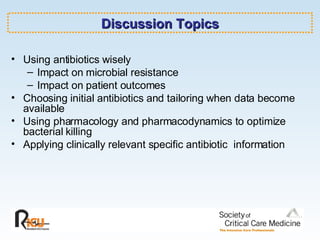
Discussion Topics Using antibiotics wisely Impact on microbial resistance Impact on patient outcomes  Choosing initial antibiotics and tailoring when data become available Using pharmacology and pharmacodynamics to optimize bacterial killing Applying clinically relevant specific antibiotic  information
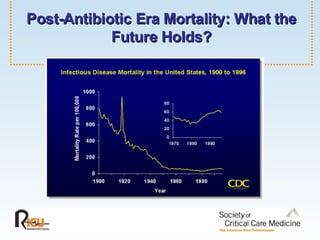
Post-Antibiotic Era Mortality: What the Future Holds?
Clinical Relevance of Resistance   Ann Intern Med 2001; 134:298 Increased morbidity/mortality  60-80,000 deaths Increased hospitalization Transmission to others Influences antibiotic choices Direct/indirect costs 2 million pts suffer nosocomial  infections/yr; 50-60% involve resistant  pathogens Cost = <$30 billion/yr at $24K per case
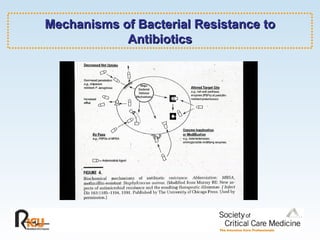
Mechanisms of Bacterial Resistance to Antibiotics
ย 
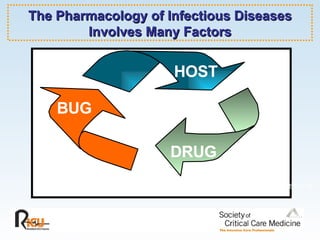
The Pharmacology of Infectious Diseases Involves Many Factors HOST BUG DRUG Nicolau DP Am J Man Care 1998:4(10 Suppl) S525-30
Selection of Antimicrobial Therapy: Host Factors Allergies, age, pregnancy, hepatic and renal function,  concomitant drug therapy, immunocompentence, and co-morbidities Site of infection Must cover common pathogens for specific infectious diagnosis until culture results return Must consider temporal relationships Organisms differ with early vs late onset hospital-acquired pneumonia Organisms may reflect selective pressure if antibiotics previously administered  (Antimicrobial history taking is extremely important!)
Selection of Antimicrobial Therapy:  Drug Factors Variable antibiotic tissue penetration Protected sites: pulmonary secretions, the central nervous system, eye, prostate, abscess, bone Drug clearance: many are renally cleared Exceptions: the macrolides, amphotericin, caspofungin, voriconazole, clindamycin,  tetracyclines, moxifloxacin, linezolid, ceftriaxone, and the antistaphylococcal penicillins Bioavailability  Good absorption for most quinolones, linezolid, cotrimoxazole, metronidazole, fluconazole, voriconazole, clindamycin, cephalexin, doxycycline, minocycline Toxicity profile Cost truths: generic cheaper than brand name and oral/enteral cheaper than parenteral, BUT: antimicrobial costs represent a small fraction of infection treatment
Selection of Antimicrobial Therapy: Pathogen Factors Susceptibility patterns Vary from institution to institution and even among nursing units Change quickly if resistant clone becomes established and spreads Antibiograms are available from the laboratory at most hospitals and updated regularly, and are essential to choose appropriate empirical therapy Using MIC (minimum inhibitory concentration) data Requires knowledge of achievable drug concentrations at the site of infection Comparisons  within a class of antibiotics  can be helpful; example = Tobramycin with an MIC of <1mcg/ml for P aeruginosa is preferred over gentamicin with MIC of 4 for that organism
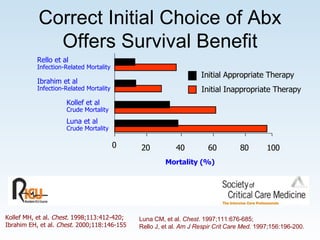
Correct Initial Choice of Abx Offers Survival Benefit Kollef MH, et al.  Chest.  1998;113:412-420;  Ibrahim EH, et al.  Chest.  2000;118:146-155   Mortality (%) Initial Appropriate Therapy Luna et al Crude Mortality 0 20 40 60 80 100 Ibrahim et al Infection-Related Mortality Kollef et al Crude Mortality Rello et al Infection-Related Mortality Initial Inappropriate Therapy Luna CM, et al.  Chest.  1997;111:676-685;  Rello J, et al.  Am J Respir Crit Care Med.  1997;156:196-200.
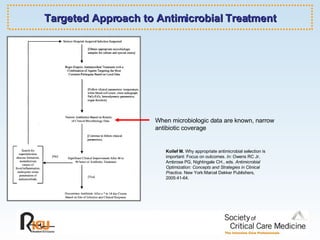
Targeted Approach to Antimicrobial Treatment When microbiologic data are known, narrow antibiotic coverage Kollef M.  Why appropriate antimicrobial selection is important: Focus on outcomes.  In:  Owens RC Jr, Ambrose PG, Nightingale CH., eds.  Antimicrobial Optimization: Concepts and Strategies in Clinical Practice . New York:Marcel Dekker Publishers, 2005:41-64.
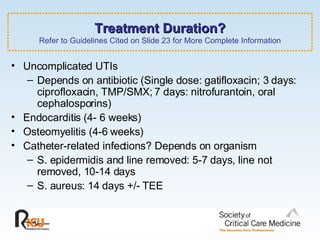
Treatment Duration? Refer to Guidelines Cited on Slide 23 for More Complete Information Uncomplicated UTIs  Depends on antibiotic (Single dose: gatifloxacin; 3 days: ciprofloxacin, TMP/SMX; 7 days: nitrofurantoin, oral cephalosporins)  Endocarditis (4- 6 weeks)  Osteomyelitis (4-6 weeks) Catheter-related infections? Depends on organism S. epidermidis and line removed: 5-7 days, line not removed, 10-14 days S. aureus: 14 days +/- TEE
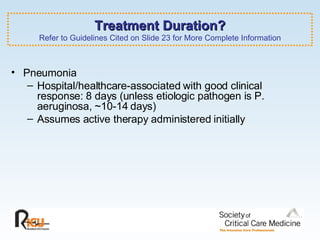
Treatment Duration? Refer to Guidelines Cited on Slide 23 for More Complete Information Pneumonia Hospital/healthcare-associated with good clinical response: 8 days (unless etiologic pathogen is P. aeruginosa, ~10-14 days) Assumes active therapy administered initially
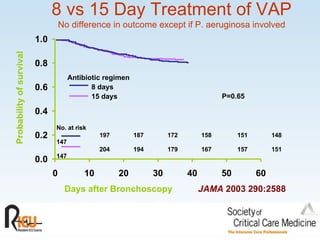
8   vs 15 Day Treatment of VAP No difference in outcome except if P. aeruginosa involved No. at risk 197 187 172 158 151 148 147 204 194 179 167 157 151 147 Probability of survival Days after Bronchoscopy P=0.65 JAMA  2003 290:2588 Antibiotic regimen 8 days 15 days
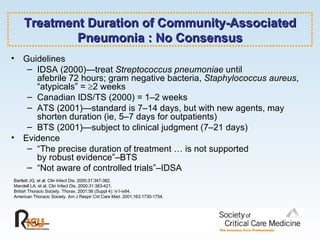
Treatment Duration of Community-Associated Pneumonia : No Consensus Guidelines IDSA (2000)โ€”treat  Streptococcus pneumoniae  until  afebrile 72 hours; gram negative bacteria,  Staphylococcus aureus , โ€œatypicalsโ€ =  ๏‚ณ 2 weeks Canadian IDS/TS (2000) = 1โ€“2 weeks ATS (2001)โ€”standard is 7โ€“14 days, but with new agents, may shorten duration (ie, 5โ€“7 days for outpatients) BTS (2001)โ€”subject to clinical judgment (7โ€“21 days) Evidence โ€œ The precise duration of treatment โ€ฆ is not supported  by robust evidenceโ€โ€“BTS โ€œ Not aware of controlled trialsโ€โ€“IDSA Bartlett JG, et al. Clin Infect Dis. 2000;31:347-382. Mandell LA, et al. Clin Infect Dis. 2000;31:383-421. British Thoracic Society. Thorax. 2001;56 (Suppl 4): iv1-iv64. American Thoracic Society. Am J Respir Crit Care Med. 2001;163:1730-1754.
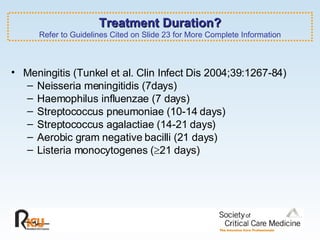
Treatment Duration? Refer to Guidelines Cited on Slide 23 for More Complete Information Meningitis (Tunkel et al. Clin Infect Dis 2004;39:1267-84) Neisseria meningitidis (7days) Haemophilus influenzae (7 days) Streptococcus pneumoniae (10-14 days) Streptococcus agalactiae (14-21 days) Aerobic gram negative bacilli (21 days) Listeria monocytogenes ( ๏‚ณ 21 days)
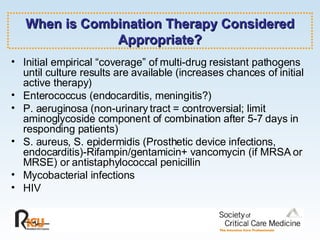
When is Combination Therapy Considered Appropriate? Initial empirical โ€œcoverageโ€ of multi-drug resistant pathogens until culture results are available (increases chances of initial active therapy) Enterococcus (endocarditis, meningitis?) P. aeruginosa (non-urinary tract = controversial; limit aminoglycoside component of combination after 5-7 days in responding patients) S. aureus, S. epidermidis (Prosthetic device infections, endocarditis)-Rifampin/gentamicin+ vancomycin (if MRSA or MRSE) or antistaphylococcal penicillin Mycobacterial infections HIV
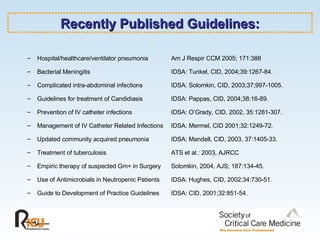
Recently Published Guidelines: Hospital/healthcare/ventilator pneumonia Am J Respir CCM 2005; 171:388 Bacterial Meningitis IDSA: Tunkel, CID, 2004;39:1267-84. Complicated intra-abdominal infections  IDSA: Solomkin, CID, 2003;37;997-1005. Guidelines for treatment of Candidiasis  IDSA: Pappas, CID, 2004;38:16-89.  Prevention of IV catheter infections    IDSA: Oโ€™Grady, CID, 2002, 35:1281-307. Management of IV Catheter Related Infections IDSA: Mermel, CID 2001;32:1249-72.  Updated community acquired pneumonia  IDSA: Mandell, CID, 2003, 37:1405-33. Treatment of tuberculosis  ATS et al.: 2003, AJRCC Empiric therapy of suspected Gm+ in Surgery  Solomkin, 2004, AJS; 187:134-45. Use of Antimicrobials in Neutropenic Patients IDSA: Hughes, CID, 2002;34:730-51. Guide to Development of Practice Guidelines IDSA: CID, 2001;32:851-54.
Antibiotic Pharmacology and the Pharmacodynamics of Bacterial Killing
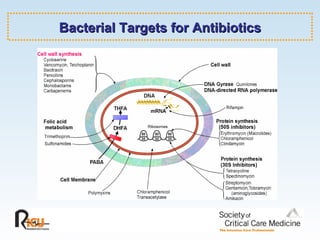
Bacterial Targets for Antibiotics
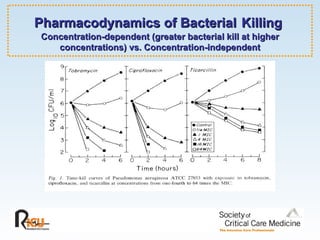
Pharmacodynamics of Bacterial   Killing  Concentration-dependent (greater bacterial kill at higher concentrations) vs. Concentration-independent
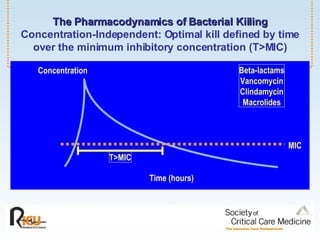
The Pharmacodynamics of Bacterial Killing Concentration-Independent: Optimal kill defined by time over the minimum inhibitory concentration (T>MIC) T>MIC Concentration Time (hours) MIC Beta-lactams Vancomycin Clindamycin Macrolides
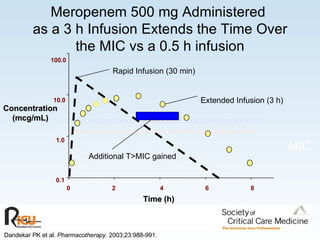
Meropenem 500 mg Administered  as a 3 h Infusion Extends the Time Over the MIC vs a 0.5 h infusion Dandekar PK et al.  Pharmacotherapy.  2003;23:988-991. MIC 0 2 4 6 8 0.1 1.0 10.0 100.0 Concentration (mcg/mL) Time (h) Rapid Infusion (30 min) Extended Infusion (3 h) Additional T>MIC gained
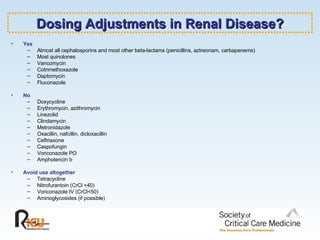
Dosing Adjustments in Renal Disease? Yes Almost all cephalosporins and most other beta-lactams (penicillins, aztreonam, carbapenems) Most quinolones Vancomycin Cotrimethoxazole Daptomycin Fluconazole No Doxycycline Erythromycin, azithromycin Linezolid Clindamycin Metronidazole Oxacillin, nafcillin, dicloxacillin Ceftriaxone Caspofungin Voriconazole PO Amphotericin b Avoid use altogether Tetracycline Nitrofurantoin (CrCl <40) Voriconazole IV (CrCl<50) Aminoglycosides (if possible)
Selected Review of Specific Agents
Penicillin Mechanism of activity Interferes with cell wall synthesis Adverse reactions CNS toxicityโ€”encephalopathy and seizures with high doses and renal dysfunction Allergic reactions Treatment of choice for susceptible enterococcal and streptococcal pathogens as well as Treponema pallidum (syphilis)
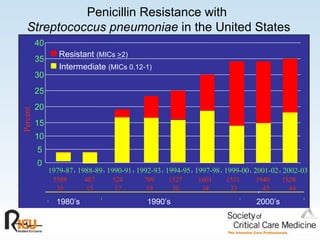
Penicillin Resistance with  Streptococcus pneumoniae  in the United States 0 5 10 15 20 25 30 35 40 1979-87 1988-89 1990-91 1992-93 1994-95 1997-98 1999-00 Percent 5589  487  524  799  1527  1601  1531  1940  1828 35  15  17  19  30  34  33   45  44 2001-02 1980โ€™s 1990โ€™s 2002-03 2000โ€™s Resistant  (MICs  > 2) Intermediate  (MICs 0.12-1)
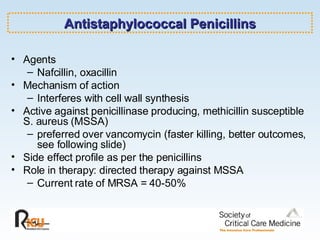
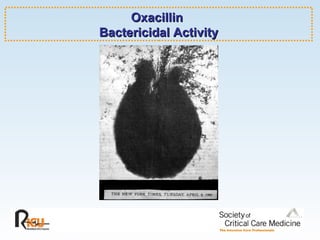
Antistaphylococcal Penicillins Agents Nafcillin, oxacillin Mechanism of action Interferes with cell wall synthesis Active against penicillinase producing, methicillin susceptible S. aureus (MSSA) preferred over vancomycin (faster killing, better outcomes, see following slide) Side effect profile as per the penicillins Role in therapy: directed therapy against MSSA Current rate of MRSA = 40-50%
Oxacillin  Bactericidal Activity
Broad-Spectrum Penicillins Ampicillin, piperacillin, with and without beta-lactamase inhibitors Interferes with cell wall synthesis Adds additional gram negative activity and with beta-lactamase inhibitor adds anaerobic and antistaphylococcal activity Adjust dosing for renal dysfunction
Are there any beta-lactams that can be used in a true beta-lactam allergic patient? Aztreonam active against gram negative enterics, but remember, NO activity against gram positive nor anaerobic organisms What is the rate of cross-reactivity in patients with history of anaphylaxis to penicillin? Cephalosporins (2-18%) Opportunity for x-reaction decreases as generations increase Carbapenems (50%) Imipenem, meropenem, ertapenem
Cephalosporins Prototypical agents First generation: cefazolin Second generation: limited utility Third generation: ceftazidime, ceftriaxone Fourth generation: cefepime Mech of action: interferes with cell wall synthesis Microbiologic activity dependent on generation and specific agent (see next slides) None are effective against enterococci nor listeria monocytogenes Toxicity Seizures, bone marrow depression
Cephalosporin Specifics First gen: cefazolin Good activity against gram positive organisms, and commonly effective against E. coli, P. mirabilis, K. pneumoniaeโ€”NO CNS PENETRATION Second gen: cefuroxime and cefoxitin Limited utility: cefoxitin for GI surgery prophylaxis Third gen: ceftriaxone Good activity against gram positives and gram negative enterics, not for P. aeruginosa Adequate CNS concentrations achieved  Third gen: ceftazidime Little activity against gram positive organisms, good activity against enterics and P. aeruginosa
Cephalosporin Specifics Fourth gen: cefepime Good activity against gram positive and gram negative organisms including P. aeruginosa Does not induce beta-lactamase production Good CNS penetration
Carbapenems Prototypical agents: imipenem/cilastatin, meropenem, ertapenem Mech action Interferes with cell wall synthesis Spectrum of activity Gram positive, gram negative, and anaerobic organisms Not active against methicillin resistant S. aureus and epidermidis, S. maltophilia  Commonly results in candida overgrowth Side effect profile Nausea and vomiting with rapid administration Seizures (imipenem > meropenem = ertapenem) Risk factors: underlying CNS pathology and decreased renal function
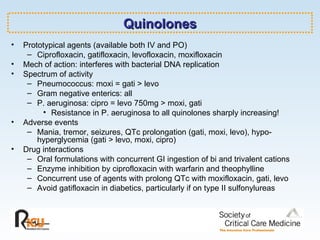
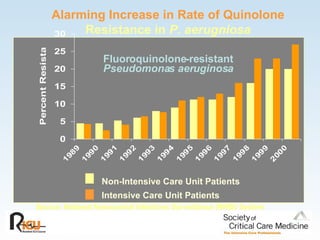
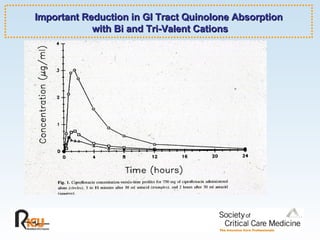
Quinolones Prototypical agents (available both IV and PO) Ciprofloxacin, gatifloxacin, levofloxacin, moxifloxacin Mech of action: interferes with bacterial DNA replication Spectrum of activity Pneumococcus: moxi = gati > levo Gram negative enterics: all P. aeruginosa: cipro = levo 750mg > moxi, gati Resistance in P. aeruginosa to all quinolones sharply increasing! Adverse events Mania, tremor, seizures, QTc prolongation (gati, moxi, levo), hypo- hyperglycemia (gati > levo, moxi, cipro) Drug interactions Oral formulations with concurrent GI ingestion of bi and trivalent cations Enzyme inhibition by ciprofloxacin with warfarin and theophylline Concurrent use of agents with prolong QTc with moxifloxacin, gati, levo Avoid gatifloxacin in diabetics, particularly if on type II sulfonylureas
Alarming Increase in Rate of Quinolone  Resistance in  P. aerugniosa Fluoroquinolone-resistant  Pseudomonas aeruginosa Non-Intensive Care Unit Patients Intensive Care Unit Patients Source: National Nosocomial Infections Surveillance (NNIS) System
Important Reduction in GI Tract Quinolone Absorption  with Bi and Tri-Valent Cations
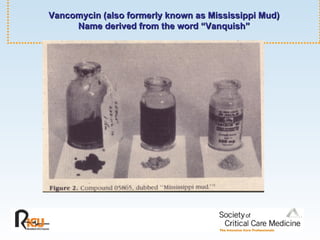
Vancomycin (also formerly known as Mississippi Mud) Name derived from the word โ€œVanquishโ€
Vancomycin Mech of action Interferes with cell wall synthesis Spectrum of activity All common gram positive pathogens except Enterococcus faecium (VRE) Enteral formulation effective against Clostridium difficile (after failing metronidazole) Not active against gram negative organisms
Vancomycin Toxicity Ototoxicity? Rare, if at all Nephrotoxicity? Only when combined with aminoglycosides Red man syndrome: local histamine release Slow infusion, pretreat with antihistamines Bone marrow depression after long-term use Dosing: 10-20mg/kg at an interval determined by CrCl initially and subsequently by trough determinations  Target trough serum levels = 5-15 mg/dL for line infections and 15-20 mg/dL for pulmonary, CNS or deep seated infections (ie endocarditis, osteomyelitis)
Linezolid (Zyvox) Novel class; oxazolidinone Inhibits protein synthesis Activity: virtually all gram positive organisms Resistance already seen (during long term use and in patients with indwelling prosthetic devices) Favorable pharmacokinetics; IV = po (600mg every 12 hours) Bone marrow depression (usually >2wks tx), GI
Linezolid Potential roles in therapy Infections caused by vancomycin-resistant enterococci Infections caused by staphylococci in patients who cannot tolerate beta-lactam agents or vancomycin Use in patients who have failed initial treatment for staphylococci infections? As a vancomycin alternative in patients receiving concurrent aminoglycosides  As an enteral dosing formulation alternative for parenteral vancomycin treatment for MRSA infections
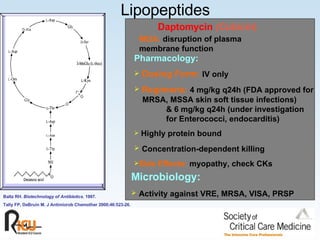
Lipopeptides Pharmacology:   Dosing Form:   IV only Regimens:   4 mg/kg q24h   (FDA approved for  MRSA, MSSA skin soft tissue infections)  & 6 mg/kg q24h (under investigation  for Enterococci, endocarditis) Highly protein bound Concentration-dependent killing Side Effects:   myopathy, check CKs Microbiology:   Activity against VRE, MRSA, VISA, PRSP Baltz RH.  Biotechnology of Antibiotics.  1997. Tally FP, DeBruin M. J Antimicrob Chemother 2000;46:523-26. MOA:   disruption of plasma membrane function Daptomycin   (Cubicin )
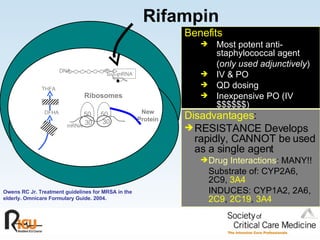
Rifampin 50 50 30 30 Ribosomes DFHA THFA DNA mRNA mRNA New Protein Benefits :  Most potent anti-staphylococcal agent  ( only used adjunctively ) IV & PO QD dosing Inexpensive PO (IV $$$$$$) Disadvantages :  RESISTANCE Develops rapidly, CANNOT be used as a single agent Drug Interactions : MANY!! Substrate of: CYP2A6, 2C9,  3A4 INDUCES: CYP1A2, 2A6,  2C9 ,  2C19 ,  3A4 Owens RC Jr. Treatment guidelines for MRSA in the elderly. Omnicare Formulary Guide. 2004.
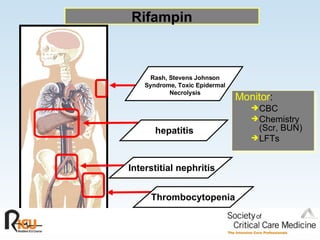
Interstitial nephritis Rifampin Monitor :  CBC Chemistry (Scr, BUN) LFTs hepatitis Rash, Stevens Johnson Syndrome, Toxic Epidermal Necrolysis Thrombocytopenia
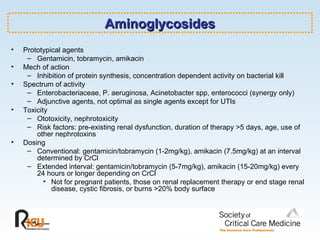
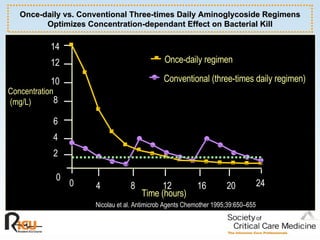
Aminoglycosides Prototypical agents Gentamicin, tobramycin, amikacin Mech of action Inhibition of protein synthesis, concentration dependent activity on bacterial kill Spectrum of activity Enterobacteriaceae, P. aeruginosa, Acinetobacter spp, enterococci (synergy only) Adjunctive agents, not optimal as single agents except for UTIs Toxicity Ototoxicity, nephrotoxicity Risk factors: pre-existing renal dysfunction, duration of therapy >5 days, age, use of other nephrotoxins Dosing Conventional: gentamicin/tobramycin (1-2mg/kg), amikacin (7.5mg/kg) at an interval determined by CrCl Extended interval: gentamicin/tobramycin (5-7mg/kg), amikacin (15-20mg/kg) every 24 hours or longer depending on CrCl Not for pregnant patients, those on renal replacement therapy or end stage renal disease, cystic fibrosis, or burns >20% body surface
Once-daily vs. Conventional Three-times Daily Aminoglycoside Regimens Optimizes Concentration-dependant Effect on Bacterial Kill Conventional (three-times daily regimen) Nicolau et al. Antimicrob Agents Chemother 1995;39:650โ€“655 Concentration (mg/L) 0 8 14 4 6 10 12 Time (hours) 0 12 24 20 4 8 16 2 Once-daily regimen
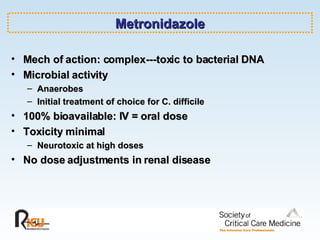
Metronidazole Mech of action: complex---toxic to bacterial DNA Microbial activity Anaerobes Initial treatment of choice for C. difficile 100% bioavailable: IV = oral dose Toxicity minimal Neurotoxic at high doses No dose adjustments in renal disease
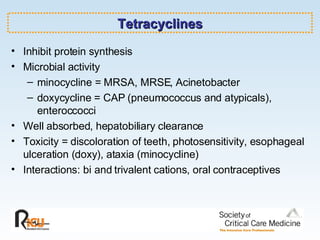
Tetracyclines Inhibit protein synthesis Microbial activity minocycline = MRSA, MRSE, Acinetobacter doxycycline = CAP (pneumococcus and atypicals), enteroccocci Well absorbed, hepatobiliary clearance Toxicity = discoloration of teeth, photosensitivity, esophageal ulceration (doxy), ataxia (minocycline) Interactions: bi and trivalent cations, oral contraceptives
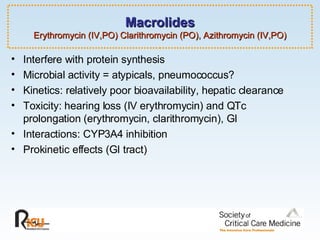
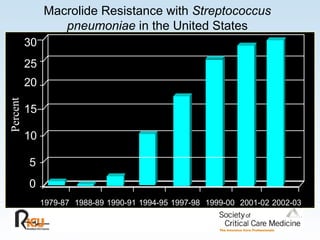
Macrolides Erythromycin (IV,PO) Clarithromycin (PO), Azithromycin (IV,PO) Interfere with protein synthesis Microbial activity = atypicals, pneumococcus? Kinetics: relatively poor bioavailability, hepatic clearance Toxicity: hearing loss (IV erythromycin) and QTc prolongation (erythromycin, clarithromycin), GI Interactions: CYP3A4 inhibition  Prokinetic effects (GI tract)
Macrolide Resistance with  Streptococcus pneumoniae  in the United States 0 5 10 15 20 25 30 1979-87 1988-89 1990-91 1994-95 1997-98 1999-00 2001-02 Percent 2002-03
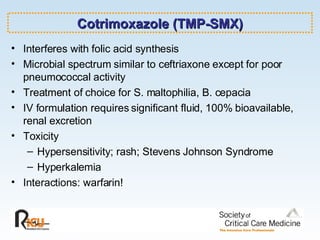
Cotrimoxazole (TMP-SMX) Interferes with folic acid synthesis Microbial spectrum similar to ceftriaxone except for poor pneumococcal activity Treatment of choice for S. maltophilia, B. cepacia IV formulation requires significant fluid, 100% bioavailable, renal excretion Toxicity Hypersensitivity; rash; Stevens Johnson Syndrome Hyperkalemia Interactions: warfarin!
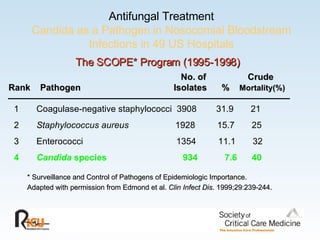
Antifungal Treatment Candida as a Pathogen in Nosocomial Bloodstream Infections in 49 US Hospitals * Surveillance and Control of Pathogens of Epidemiologic Importance. Adapted with permission from Edmond et al.  Clin Infect Dis . 1999;29:239-244. The SCOPE* Program (1995-1998) 1 Coagulase-negative staphylococci  3908   31.9   21 2 Staphylococcus   aureus   1928   15.7  25 3 Enterococci  1354   11.1  32 4 Candida  species  934   7.6  40   No. of  Crude Rank  Pathogen  Isolates  %  Mortality(%)
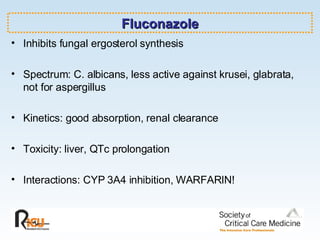
Fluconazole Inhibits fungal ergosterol synthesis  Spectrum: C. albicans, less active against krusei, glabrata, not for aspergillus Kinetics: good absorption, renal clearance Toxicity: liver, QTc prolongation Interactions: CYP 3A4 inhibition, WARFARIN!
Amphotericin Binds to ergosterol Active against most fungi Kinetics: not orally absorbed, not renally cleared Toxicity: infusion related (fever, chills, nausea), renal and electrolytes (hypokalemia and hypomagnesemia) Hydration and sodium repletion prior to amphotericin B administration may reduce risk of developing nephrotoxicity
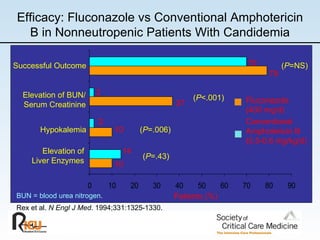
Efficacy: Fluconazole vs Conventional Amphotericin B in Nonneutropenic Patients With Candidemia BUN = blood urea nitrogen. Rex et al.  N Engl J Med . 1994;331:1325-1330. Fluconazole (400 mg/d)  Conventional Amphotericin B (0.5-0.6 mg/kg/d) Patients (%) Successful Outcome Elevation of BUN/   Serum Creatinine Hypokalemia Elevation of   Liver Enzymes ( P =NS) ( P <.001) ( P =.006) ( P =.43) 70 79 37 2 10 2 10 14
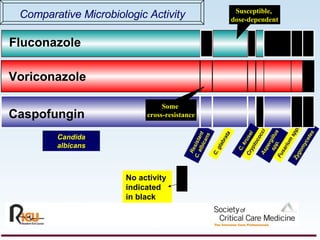
Comparative Microbiologic Activity Candida albicans C. glabrata Fluconazole Resistant C. albicans Cryptococci Aspergillus spp. Fusarium spp. Zygomycetes Susceptible,  dose-dependent Caspofungin Voriconazole Some  cross-resistance No activity indicated in black C. krusei
Clinical Scenario #1 61 year old patient with respiratory failure has been mechanically ventilated for 5 days and develops a fever associated with purulent secretions and radiologic findings consistent with a pneumonia.  How important is it to correctly select an antibiotic regimen? What factors must be considered in developing an antibiotic regimen?
Clinical Scenario #1--answers Initiating the โ€œrightโ€ initial antibiotic regimen (one that effectively kills all isolated pathogens) is associated with a 50% mortality reduction vs when the wrong initial antibiotics are chosen Empiric antibiotic choice is driven by factors such as the probable organisms at the site of the infection, institution specific (and nursing unit specific) antimicrobial susceptibility data, recent history of antibiotic use, gram stain results (if available) and patient immuocompetency Antibiotic specific factors such as penetrance into the site of the infection, pharmacokinetics, costs, and toxicity profiles also help to guide treatment choice.
Clinical Scenario #2 Klebsiella pneumoniae was isolated from the sputum of patient #1 and the antibiotic regimen was changed from cefepime and vancomycin to cefazolin (after susceptibility reports indicated an MIC of 2 mcg/ml). Is this an appropriate choice? How long do we treat this patient?
Clinical Scenario #2--answers If the isolated organism is thought to represent the likely pathogen and if MIC/susceptibility data support itโ€™s use, the most appropriate antibiotic choice is one that has a narrow but effective spectrum of activity, is safe, inexpensive, preserves normal bacterial flora, and does not promote microbial resistance. Cefazolin satisfies these criteria.  Recent data suggest that outcomes are similar if antibiotic duration for VAP is 8 vs 15 days (except if P aeruginosa is involved) in patients who have responded to therapy
Clinical Scenario #3 A 41 year old 100kg male develops sepsis requiring vasoactive support 7 days after being admitted to the ICU. The source of the infection is unclear but possibilities include the lungs or intravenous catheters. Gram stain of the blood shows gram positive cocci in clusters. His creatinine has risen from 0.8 to 1.6 mg/dl in two days and his urine output is now <800ml/24 hours. Vancomycin is begun (along with cefepime). What is an appropriate initial vancomycin dose? How would you decide on subsequent doses? What serum vancomycin levels are considered optimal for this patient? Are there toxicities that you should consider?
Clinical Scenario #3--answers Appropriate vancomycin doses are determined using body weight (15mg/kg), not a generic 1000mg dose. For this patient, the initial dose would be 1500mg Since vancomycin is cleared by the kidneys and these organs are not functioning well in this patient, it may be appropriate to allow serum vancomycin levels to guide subsequent dosing. Levels between 15 and 20 mcg/ml are indicators of the need for more vancomycin. Vancomycin is not thought to be a nephrotoxin (except when used in combination with aminoglycosides). Red man syndrome (local histamine release in the upper trunk) is a possibility which can be remedied by slowing the infusion rate and pretreating with antihistamines. With long-term use, vancomycin can cause bone marrow toxicity
Treating Infectious Illness in the ICU

  • 1.
    Principles of TreatingInfectious Illnesses in Critical Care: Focus on Antibiotic Resistance and Choice Slide Sub-Title Robert Owens, PharmD Gil Fraser, PharmD, FCCM University of Vermont College of Medicine and Maine Medical Center, Portland โ€œ We shall now discuss in a little more detail the struggle for existence.โ€ C Darwin 1859
  • 2.
    Discussion Topics Usingantibiotics wisely Impact on microbial resistance Impact on patient outcomes Choosing initial antibiotics and tailoring when data become available Using pharmacology and pharmacodynamics to optimize bacterial killing Applying clinically relevant specific antibiotic information
  • 3.
    Post-Antibiotic Era Mortality:What the Future Holds?
  • 4.
    Clinical Relevance ofResistance Ann Intern Med 2001; 134:298 Increased morbidity/mortality 60-80,000 deaths Increased hospitalization Transmission to others Influences antibiotic choices Direct/indirect costs 2 million pts suffer nosocomial infections/yr; 50-60% involve resistant pathogens Cost = <$30 billion/yr at $24K per case
  • 5.
    Mechanisms of BacterialResistance to Antibiotics
  • 6.
  • 7.
    The Pharmacology ofInfectious Diseases Involves Many Factors HOST BUG DRUG Nicolau DP Am J Man Care 1998:4(10 Suppl) S525-30
  • 8.
    Selection of AntimicrobialTherapy: Host Factors Allergies, age, pregnancy, hepatic and renal function, concomitant drug therapy, immunocompentence, and co-morbidities Site of infection Must cover common pathogens for specific infectious diagnosis until culture results return Must consider temporal relationships Organisms differ with early vs late onset hospital-acquired pneumonia Organisms may reflect selective pressure if antibiotics previously administered (Antimicrobial history taking is extremely important!)
  • 9.
    Selection of AntimicrobialTherapy: Drug Factors Variable antibiotic tissue penetration Protected sites: pulmonary secretions, the central nervous system, eye, prostate, abscess, bone Drug clearance: many are renally cleared Exceptions: the macrolides, amphotericin, caspofungin, voriconazole, clindamycin, tetracyclines, moxifloxacin, linezolid, ceftriaxone, and the antistaphylococcal penicillins Bioavailability Good absorption for most quinolones, linezolid, cotrimoxazole, metronidazole, fluconazole, voriconazole, clindamycin, cephalexin, doxycycline, minocycline Toxicity profile Cost truths: generic cheaper than brand name and oral/enteral cheaper than parenteral, BUT: antimicrobial costs represent a small fraction of infection treatment
  • 10.
    Selection of AntimicrobialTherapy: Pathogen Factors Susceptibility patterns Vary from institution to institution and even among nursing units Change quickly if resistant clone becomes established and spreads Antibiograms are available from the laboratory at most hospitals and updated regularly, and are essential to choose appropriate empirical therapy Using MIC (minimum inhibitory concentration) data Requires knowledge of achievable drug concentrations at the site of infection Comparisons within a class of antibiotics can be helpful; example = Tobramycin with an MIC of <1mcg/ml for P aeruginosa is preferred over gentamicin with MIC of 4 for that organism
  • 11.
    Correct Initial Choiceof Abx Offers Survival Benefit Kollef MH, et al. Chest. 1998;113:412-420; Ibrahim EH, et al. Chest. 2000;118:146-155 Mortality (%) Initial Appropriate Therapy Luna et al Crude Mortality 0 20 40 60 80 100 Ibrahim et al Infection-Related Mortality Kollef et al Crude Mortality Rello et al Infection-Related Mortality Initial Inappropriate Therapy Luna CM, et al. Chest. 1997;111:676-685; Rello J, et al. Am J Respir Crit Care Med. 1997;156:196-200.
  • 12.
    Targeted Approach toAntimicrobial Treatment When microbiologic data are known, narrow antibiotic coverage Kollef M. Why appropriate antimicrobial selection is important: Focus on outcomes. In: Owens RC Jr, Ambrose PG, Nightingale CH., eds. Antimicrobial Optimization: Concepts and Strategies in Clinical Practice . New York:Marcel Dekker Publishers, 2005:41-64.
  • 13.
    Treatment Duration? Referto Guidelines Cited on Slide 23 for More Complete Information Uncomplicated UTIs Depends on antibiotic (Single dose: gatifloxacin; 3 days: ciprofloxacin, TMP/SMX; 7 days: nitrofurantoin, oral cephalosporins) Endocarditis (4- 6 weeks) Osteomyelitis (4-6 weeks) Catheter-related infections? Depends on organism S. epidermidis and line removed: 5-7 days, line not removed, 10-14 days S. aureus: 14 days +/- TEE
  • 14.
    Treatment Duration? Referto Guidelines Cited on Slide 23 for More Complete Information Pneumonia Hospital/healthcare-associated with good clinical response: 8 days (unless etiologic pathogen is P. aeruginosa, ~10-14 days) Assumes active therapy administered initially
  • 15.
    8 vs 15 Day Treatment of VAP No difference in outcome except if P. aeruginosa involved No. at risk 197 187 172 158 151 148 147 204 194 179 167 157 151 147 Probability of survival Days after Bronchoscopy P=0.65 JAMA 2003 290:2588 Antibiotic regimen 8 days 15 days
  • 16.
    Treatment Duration ofCommunity-Associated Pneumonia : No Consensus Guidelines IDSA (2000)โ€”treat Streptococcus pneumoniae until afebrile 72 hours; gram negative bacteria, Staphylococcus aureus , โ€œatypicalsโ€ = ๏‚ณ 2 weeks Canadian IDS/TS (2000) = 1โ€“2 weeks ATS (2001)โ€”standard is 7โ€“14 days, but with new agents, may shorten duration (ie, 5โ€“7 days for outpatients) BTS (2001)โ€”subject to clinical judgment (7โ€“21 days) Evidence โ€œ The precise duration of treatment โ€ฆ is not supported by robust evidenceโ€โ€“BTS โ€œ Not aware of controlled trialsโ€โ€“IDSA Bartlett JG, et al. Clin Infect Dis. 2000;31:347-382. Mandell LA, et al. Clin Infect Dis. 2000;31:383-421. British Thoracic Society. Thorax. 2001;56 (Suppl 4): iv1-iv64. American Thoracic Society. Am J Respir Crit Care Med. 2001;163:1730-1754.
  • 17.
    Treatment Duration? Referto Guidelines Cited on Slide 23 for More Complete Information Meningitis (Tunkel et al. Clin Infect Dis 2004;39:1267-84) Neisseria meningitidis (7days) Haemophilus influenzae (7 days) Streptococcus pneumoniae (10-14 days) Streptococcus agalactiae (14-21 days) Aerobic gram negative bacilli (21 days) Listeria monocytogenes ( ๏‚ณ 21 days)
  • 18.
    When is CombinationTherapy Considered Appropriate? Initial empirical โ€œcoverageโ€ of multi-drug resistant pathogens until culture results are available (increases chances of initial active therapy) Enterococcus (endocarditis, meningitis?) P. aeruginosa (non-urinary tract = controversial; limit aminoglycoside component of combination after 5-7 days in responding patients) S. aureus, S. epidermidis (Prosthetic device infections, endocarditis)-Rifampin/gentamicin+ vancomycin (if MRSA or MRSE) or antistaphylococcal penicillin Mycobacterial infections HIV
  • 19.
    Recently Published Guidelines:Hospital/healthcare/ventilator pneumonia Am J Respir CCM 2005; 171:388 Bacterial Meningitis IDSA: Tunkel, CID, 2004;39:1267-84. Complicated intra-abdominal infections IDSA: Solomkin, CID, 2003;37;997-1005. Guidelines for treatment of Candidiasis IDSA: Pappas, CID, 2004;38:16-89. Prevention of IV catheter infections IDSA: Oโ€™Grady, CID, 2002, 35:1281-307. Management of IV Catheter Related Infections IDSA: Mermel, CID 2001;32:1249-72. Updated community acquired pneumonia IDSA: Mandell, CID, 2003, 37:1405-33. Treatment of tuberculosis ATS et al.: 2003, AJRCC Empiric therapy of suspected Gm+ in Surgery Solomkin, 2004, AJS; 187:134-45. Use of Antimicrobials in Neutropenic Patients IDSA: Hughes, CID, 2002;34:730-51. Guide to Development of Practice Guidelines IDSA: CID, 2001;32:851-54.
  • 20.
    Antibiotic Pharmacology andthe Pharmacodynamics of Bacterial Killing
  • 21.
  • 22.
    Pharmacodynamics of Bacterial Killing Concentration-dependent (greater bacterial kill at higher concentrations) vs. Concentration-independent
  • 23.
    The Pharmacodynamics ofBacterial Killing Concentration-Independent: Optimal kill defined by time over the minimum inhibitory concentration (T>MIC) T>MIC Concentration Time (hours) MIC Beta-lactams Vancomycin Clindamycin Macrolides
  • 24.
    Meropenem 500 mgAdministered as a 3 h Infusion Extends the Time Over the MIC vs a 0.5 h infusion Dandekar PK et al. Pharmacotherapy. 2003;23:988-991. MIC 0 2 4 6 8 0.1 1.0 10.0 100.0 Concentration (mcg/mL) Time (h) Rapid Infusion (30 min) Extended Infusion (3 h) Additional T>MIC gained
  • 25.
    Dosing Adjustments inRenal Disease? Yes Almost all cephalosporins and most other beta-lactams (penicillins, aztreonam, carbapenems) Most quinolones Vancomycin Cotrimethoxazole Daptomycin Fluconazole No Doxycycline Erythromycin, azithromycin Linezolid Clindamycin Metronidazole Oxacillin, nafcillin, dicloxacillin Ceftriaxone Caspofungin Voriconazole PO Amphotericin b Avoid use altogether Tetracycline Nitrofurantoin (CrCl <40) Voriconazole IV (CrCl<50) Aminoglycosides (if possible)
  • 26.
    Selected Review ofSpecific Agents
  • 27.
    Penicillin Mechanism ofactivity Interferes with cell wall synthesis Adverse reactions CNS toxicityโ€”encephalopathy and seizures with high doses and renal dysfunction Allergic reactions Treatment of choice for susceptible enterococcal and streptococcal pathogens as well as Treponema pallidum (syphilis)
  • 28.
    Penicillin Resistance with Streptococcus pneumoniae in the United States 0 5 10 15 20 25 30 35 40 1979-87 1988-89 1990-91 1992-93 1994-95 1997-98 1999-00 Percent 5589 487 524 799 1527 1601 1531 1940 1828 35 15 17 19 30 34 33 45 44 2001-02 1980โ€™s 1990โ€™s 2002-03 2000โ€™s Resistant (MICs > 2) Intermediate (MICs 0.12-1)
  • 29.
    Antistaphylococcal Penicillins AgentsNafcillin, oxacillin Mechanism of action Interferes with cell wall synthesis Active against penicillinase producing, methicillin susceptible S. aureus (MSSA) preferred over vancomycin (faster killing, better outcomes, see following slide) Side effect profile as per the penicillins Role in therapy: directed therapy against MSSA Current rate of MRSA = 40-50%
  • 30.
  • 31.
    Broad-Spectrum Penicillins Ampicillin,piperacillin, with and without beta-lactamase inhibitors Interferes with cell wall synthesis Adds additional gram negative activity and with beta-lactamase inhibitor adds anaerobic and antistaphylococcal activity Adjust dosing for renal dysfunction
  • 32.
    Are there anybeta-lactams that can be used in a true beta-lactam allergic patient? Aztreonam active against gram negative enterics, but remember, NO activity against gram positive nor anaerobic organisms What is the rate of cross-reactivity in patients with history of anaphylaxis to penicillin? Cephalosporins (2-18%) Opportunity for x-reaction decreases as generations increase Carbapenems (50%) Imipenem, meropenem, ertapenem
  • 33.
    Cephalosporins Prototypical agentsFirst generation: cefazolin Second generation: limited utility Third generation: ceftazidime, ceftriaxone Fourth generation: cefepime Mech of action: interferes with cell wall synthesis Microbiologic activity dependent on generation and specific agent (see next slides) None are effective against enterococci nor listeria monocytogenes Toxicity Seizures, bone marrow depression
  • 34.
    Cephalosporin Specifics Firstgen: cefazolin Good activity against gram positive organisms, and commonly effective against E. coli, P. mirabilis, K. pneumoniaeโ€”NO CNS PENETRATION Second gen: cefuroxime and cefoxitin Limited utility: cefoxitin for GI surgery prophylaxis Third gen: ceftriaxone Good activity against gram positives and gram negative enterics, not for P. aeruginosa Adequate CNS concentrations achieved Third gen: ceftazidime Little activity against gram positive organisms, good activity against enterics and P. aeruginosa
  • 35.
    Cephalosporin Specifics Fourthgen: cefepime Good activity against gram positive and gram negative organisms including P. aeruginosa Does not induce beta-lactamase production Good CNS penetration
  • 36.
    Carbapenems Prototypical agents:imipenem/cilastatin, meropenem, ertapenem Mech action Interferes with cell wall synthesis Spectrum of activity Gram positive, gram negative, and anaerobic organisms Not active against methicillin resistant S. aureus and epidermidis, S. maltophilia Commonly results in candida overgrowth Side effect profile Nausea and vomiting with rapid administration Seizures (imipenem > meropenem = ertapenem) Risk factors: underlying CNS pathology and decreased renal function
  • 37.
    Quinolones Prototypical agents(available both IV and PO) Ciprofloxacin, gatifloxacin, levofloxacin, moxifloxacin Mech of action: interferes with bacterial DNA replication Spectrum of activity Pneumococcus: moxi = gati > levo Gram negative enterics: all P. aeruginosa: cipro = levo 750mg > moxi, gati Resistance in P. aeruginosa to all quinolones sharply increasing! Adverse events Mania, tremor, seizures, QTc prolongation (gati, moxi, levo), hypo- hyperglycemia (gati > levo, moxi, cipro) Drug interactions Oral formulations with concurrent GI ingestion of bi and trivalent cations Enzyme inhibition by ciprofloxacin with warfarin and theophylline Concurrent use of agents with prolong QTc with moxifloxacin, gati, levo Avoid gatifloxacin in diabetics, particularly if on type II sulfonylureas
  • 38.
    Alarming Increase inRate of Quinolone Resistance in P. aerugniosa Fluoroquinolone-resistant Pseudomonas aeruginosa Non-Intensive Care Unit Patients Intensive Care Unit Patients Source: National Nosocomial Infections Surveillance (NNIS) System
  • 39.
    Important Reduction inGI Tract Quinolone Absorption with Bi and Tri-Valent Cations
  • 40.
    Vancomycin (also formerlyknown as Mississippi Mud) Name derived from the word โ€œVanquishโ€
  • 41.
    Vancomycin Mech ofaction Interferes with cell wall synthesis Spectrum of activity All common gram positive pathogens except Enterococcus faecium (VRE) Enteral formulation effective against Clostridium difficile (after failing metronidazole) Not active against gram negative organisms
  • 42.
    Vancomycin Toxicity Ototoxicity?Rare, if at all Nephrotoxicity? Only when combined with aminoglycosides Red man syndrome: local histamine release Slow infusion, pretreat with antihistamines Bone marrow depression after long-term use Dosing: 10-20mg/kg at an interval determined by CrCl initially and subsequently by trough determinations Target trough serum levels = 5-15 mg/dL for line infections and 15-20 mg/dL for pulmonary, CNS or deep seated infections (ie endocarditis, osteomyelitis)
  • 43.
    Linezolid (Zyvox) Novelclass; oxazolidinone Inhibits protein synthesis Activity: virtually all gram positive organisms Resistance already seen (during long term use and in patients with indwelling prosthetic devices) Favorable pharmacokinetics; IV = po (600mg every 12 hours) Bone marrow depression (usually >2wks tx), GI
  • 44.
    Linezolid Potential rolesin therapy Infections caused by vancomycin-resistant enterococci Infections caused by staphylococci in patients who cannot tolerate beta-lactam agents or vancomycin Use in patients who have failed initial treatment for staphylococci infections? As a vancomycin alternative in patients receiving concurrent aminoglycosides As an enteral dosing formulation alternative for parenteral vancomycin treatment for MRSA infections
  • 45.
    Lipopeptides Pharmacology: Dosing Form: IV only Regimens: 4 mg/kg q24h (FDA approved for MRSA, MSSA skin soft tissue infections) & 6 mg/kg q24h (under investigation for Enterococci, endocarditis) Highly protein bound Concentration-dependent killing Side Effects: myopathy, check CKs Microbiology: Activity against VRE, MRSA, VISA, PRSP Baltz RH. Biotechnology of Antibiotics. 1997. Tally FP, DeBruin M. J Antimicrob Chemother 2000;46:523-26. MOA: disruption of plasma membrane function Daptomycin (Cubicin )
  • 46.
    Rifampin 50 5030 30 Ribosomes DFHA THFA DNA mRNA mRNA New Protein Benefits : Most potent anti-staphylococcal agent ( only used adjunctively ) IV & PO QD dosing Inexpensive PO (IV $$$$$$) Disadvantages : RESISTANCE Develops rapidly, CANNOT be used as a single agent Drug Interactions : MANY!! Substrate of: CYP2A6, 2C9, 3A4 INDUCES: CYP1A2, 2A6, 2C9 , 2C19 , 3A4 Owens RC Jr. Treatment guidelines for MRSA in the elderly. Omnicare Formulary Guide. 2004.
  • 47.
    Interstitial nephritis RifampinMonitor : CBC Chemistry (Scr, BUN) LFTs hepatitis Rash, Stevens Johnson Syndrome, Toxic Epidermal Necrolysis Thrombocytopenia
  • 48.
    Aminoglycosides Prototypical agentsGentamicin, tobramycin, amikacin Mech of action Inhibition of protein synthesis, concentration dependent activity on bacterial kill Spectrum of activity Enterobacteriaceae, P. aeruginosa, Acinetobacter spp, enterococci (synergy only) Adjunctive agents, not optimal as single agents except for UTIs Toxicity Ototoxicity, nephrotoxicity Risk factors: pre-existing renal dysfunction, duration of therapy >5 days, age, use of other nephrotoxins Dosing Conventional: gentamicin/tobramycin (1-2mg/kg), amikacin (7.5mg/kg) at an interval determined by CrCl Extended interval: gentamicin/tobramycin (5-7mg/kg), amikacin (15-20mg/kg) every 24 hours or longer depending on CrCl Not for pregnant patients, those on renal replacement therapy or end stage renal disease, cystic fibrosis, or burns >20% body surface
  • 49.
    Once-daily vs. ConventionalThree-times Daily Aminoglycoside Regimens Optimizes Concentration-dependant Effect on Bacterial Kill Conventional (three-times daily regimen) Nicolau et al. Antimicrob Agents Chemother 1995;39:650โ€“655 Concentration (mg/L) 0 8 14 4 6 10 12 Time (hours) 0 12 24 20 4 8 16 2 Once-daily regimen
  • 50.
    Metronidazole Mech ofaction: complex---toxic to bacterial DNA Microbial activity Anaerobes Initial treatment of choice for C. difficile 100% bioavailable: IV = oral dose Toxicity minimal Neurotoxic at high doses No dose adjustments in renal disease
  • 51.
    Tetracyclines Inhibit proteinsynthesis Microbial activity minocycline = MRSA, MRSE, Acinetobacter doxycycline = CAP (pneumococcus and atypicals), enteroccocci Well absorbed, hepatobiliary clearance Toxicity = discoloration of teeth, photosensitivity, esophageal ulceration (doxy), ataxia (minocycline) Interactions: bi and trivalent cations, oral contraceptives
  • 52.
    Macrolides Erythromycin (IV,PO)Clarithromycin (PO), Azithromycin (IV,PO) Interfere with protein synthesis Microbial activity = atypicals, pneumococcus? Kinetics: relatively poor bioavailability, hepatic clearance Toxicity: hearing loss (IV erythromycin) and QTc prolongation (erythromycin, clarithromycin), GI Interactions: CYP3A4 inhibition Prokinetic effects (GI tract)
  • 53.
    Macrolide Resistance with Streptococcus pneumoniae in the United States 0 5 10 15 20 25 30 1979-87 1988-89 1990-91 1994-95 1997-98 1999-00 2001-02 Percent 2002-03
  • 54.
    Cotrimoxazole (TMP-SMX) Interfereswith folic acid synthesis Microbial spectrum similar to ceftriaxone except for poor pneumococcal activity Treatment of choice for S. maltophilia, B. cepacia IV formulation requires significant fluid, 100% bioavailable, renal excretion Toxicity Hypersensitivity; rash; Stevens Johnson Syndrome Hyperkalemia Interactions: warfarin!
  • 55.
    Antifungal Treatment Candidaas a Pathogen in Nosocomial Bloodstream Infections in 49 US Hospitals * Surveillance and Control of Pathogens of Epidemiologic Importance. Adapted with permission from Edmond et al. Clin Infect Dis . 1999;29:239-244. The SCOPE* Program (1995-1998) 1 Coagulase-negative staphylococci 3908 31.9 21 2 Staphylococcus aureus 1928 15.7 25 3 Enterococci 1354 11.1 32 4 Candida species 934 7.6 40 No. of Crude Rank Pathogen Isolates % Mortality(%)
  • 56.
    Fluconazole Inhibits fungalergosterol synthesis Spectrum: C. albicans, less active against krusei, glabrata, not for aspergillus Kinetics: good absorption, renal clearance Toxicity: liver, QTc prolongation Interactions: CYP 3A4 inhibition, WARFARIN!
  • 57.
    Amphotericin Binds toergosterol Active against most fungi Kinetics: not orally absorbed, not renally cleared Toxicity: infusion related (fever, chills, nausea), renal and electrolytes (hypokalemia and hypomagnesemia) Hydration and sodium repletion prior to amphotericin B administration may reduce risk of developing nephrotoxicity
  • 58.
    Efficacy: Fluconazole vsConventional Amphotericin B in Nonneutropenic Patients With Candidemia BUN = blood urea nitrogen. Rex et al. N Engl J Med . 1994;331:1325-1330. Fluconazole (400 mg/d) Conventional Amphotericin B (0.5-0.6 mg/kg/d) Patients (%) Successful Outcome Elevation of BUN/ Serum Creatinine Hypokalemia Elevation of Liver Enzymes ( P =NS) ( P <.001) ( P =.006) ( P =.43) 70 79 37 2 10 2 10 14
  • 59.
    Comparative Microbiologic ActivityCandida albicans C. glabrata Fluconazole Resistant C. albicans Cryptococci Aspergillus spp. Fusarium spp. Zygomycetes Susceptible, dose-dependent Caspofungin Voriconazole Some cross-resistance No activity indicated in black C. krusei
  • 60.
    Clinical Scenario #161 year old patient with respiratory failure has been mechanically ventilated for 5 days and develops a fever associated with purulent secretions and radiologic findings consistent with a pneumonia. How important is it to correctly select an antibiotic regimen? What factors must be considered in developing an antibiotic regimen?
  • 61.
    Clinical Scenario #1--answersInitiating the โ€œrightโ€ initial antibiotic regimen (one that effectively kills all isolated pathogens) is associated with a 50% mortality reduction vs when the wrong initial antibiotics are chosen Empiric antibiotic choice is driven by factors such as the probable organisms at the site of the infection, institution specific (and nursing unit specific) antimicrobial susceptibility data, recent history of antibiotic use, gram stain results (if available) and patient immuocompetency Antibiotic specific factors such as penetrance into the site of the infection, pharmacokinetics, costs, and toxicity profiles also help to guide treatment choice.
  • 62.
    Clinical Scenario #2Klebsiella pneumoniae was isolated from the sputum of patient #1 and the antibiotic regimen was changed from cefepime and vancomycin to cefazolin (after susceptibility reports indicated an MIC of 2 mcg/ml). Is this an appropriate choice? How long do we treat this patient?
  • 63.
    Clinical Scenario #2--answersIf the isolated organism is thought to represent the likely pathogen and if MIC/susceptibility data support itโ€™s use, the most appropriate antibiotic choice is one that has a narrow but effective spectrum of activity, is safe, inexpensive, preserves normal bacterial flora, and does not promote microbial resistance. Cefazolin satisfies these criteria. Recent data suggest that outcomes are similar if antibiotic duration for VAP is 8 vs 15 days (except if P aeruginosa is involved) in patients who have responded to therapy
  • 64.
    Clinical Scenario #3A 41 year old 100kg male develops sepsis requiring vasoactive support 7 days after being admitted to the ICU. The source of the infection is unclear but possibilities include the lungs or intravenous catheters. Gram stain of the blood shows gram positive cocci in clusters. His creatinine has risen from 0.8 to 1.6 mg/dl in two days and his urine output is now <800ml/24 hours. Vancomycin is begun (along with cefepime). What is an appropriate initial vancomycin dose? How would you decide on subsequent doses? What serum vancomycin levels are considered optimal for this patient? Are there toxicities that you should consider?
  • 65.
    Clinical Scenario #3--answersAppropriate vancomycin doses are determined using body weight (15mg/kg), not a generic 1000mg dose. For this patient, the initial dose would be 1500mg Since vancomycin is cleared by the kidneys and these organs are not functioning well in this patient, it may be appropriate to allow serum vancomycin levels to guide subsequent dosing. Levels between 15 and 20 mcg/ml are indicators of the need for more vancomycin. Vancomycin is not thought to be a nephrotoxin (except when used in combination with aminoglycosides). Red man syndrome (local histamine release in the upper trunk) is a possibility which can be remedied by slowing the infusion rate and pretreating with antihistamines. With long-term use, vancomycin can cause bone marrow toxicity