



TRANSCUTANEOUS ELECTRICAL NERVE STIMULATION
THERAPY IN TEMPOROMANDIBULAR DISORDERS
INDIAN DENTAL ACADEMY
Leader in continuing Dental Education
www.indiandentalacademy.comwww.indiandentalacademy.com
INTRODUCTIONINTRODUCTION
www.indiandentalacademy.comwww.indiandentalacademy.com
 TMD is one of the most common chronic orofacial pain conditions
confronting dentists and other health care providers.
 The American Academy of Orofacial Pain in 1996 defined TMD as “a
collective term embracing a number of clinical problems that involve the
masticatory musculature, the TMJ and associated structures or both”.
 Etiology of TMD remains mired in controversy. Few would dispute that
multiple factors influence the evolution of these disorders. However, no
consensus has been reached on the degree to which any of these factors has a
part.
 The goals of TMD management include: reduce pain; restore normal jaw
function; reduce the need for future health care and restore normal lifestyle
functioning.
www.indiandentalacademy.comwww.indiandentalacademy.com
 A wide varieties of management proposed are intraoral appliances;
behavioral therapy; pharmacotherapy and placebo. An alternative mode of
management is TENS.
 TENS is a well-known physical therapy, which is useful for the relief of
pain. TENS is a safe, noninvasive, reversible, effective and swift method of
analgesia and potential adverse reactions of other methods of pain control are
eliminated.
 TENS is widely used to relieve acute and chronic pain in various conditions
like muscle and joint pain, back pain, lower and upper extremity pain, and head
and neck pain, etc.
 However, TENS studies to evaluate the effectiveness on TMJ pain are only
few. So a need was felt to conduct a clinical trial to assess pain relieving effects
of TENS therapy in TMD.
www.indiandentalacademy.comwww.indiandentalacademy.com
AIMSAIMS
1. To determine the effectiveness of1. To determine the effectiveness of TENSTENS in the management of TMD pain.in the management of TMD pain.
2. To determine the effectiveness of2. To determine the effectiveness of Placebo TENSPlacebo TENS in the management ofin the management of
TMD pain.TMD pain.
OBJECTIVEOBJECTIVE
To compare the effectiveness of active TENS therapy with that of placeboTo compare the effectiveness of active TENS therapy with that of placebo
TENS therapy in patients with TMD.TENS therapy in patients with TMD.
www.indiandentalacademy.comwww.indiandentalacademy.com
METHODOLOGYMETHODOLOGY
www.indiandentalacademy.comwww.indiandentalacademy.com
STUDY SETTINGSTUDY SETTING
This randomized placebo-controlled, single blind study was carried out in theThis randomized placebo-controlled, single blind study was carried out in the
Department of Oral Medicine and Radiology, College of Dental Sciences,Department of Oral Medicine and Radiology, College of Dental Sciences,
Davangere.Davangere.
STUDY SUBJECTSSTUDY SUBJECTS
Study groups comprised of 45 patients of either sexStudy groups comprised of 45 patients of either sex between 15 to 60 years.between 15 to 60 years.
Diagnosis of TMD was made based on the standard diagnostic criteria.Diagnosis of TMD was made based on the standard diagnostic criteria.
Patients were assigned to:Patients were assigned to:
Group A (Group A (n: 30n: 30): Patients received): Patients received active TENSactive TENS therapy.therapy.
Group B (Group B (n: 15n: 15): Patients received): Patients received placebo TENSplacebo TENS therapy.therapy.
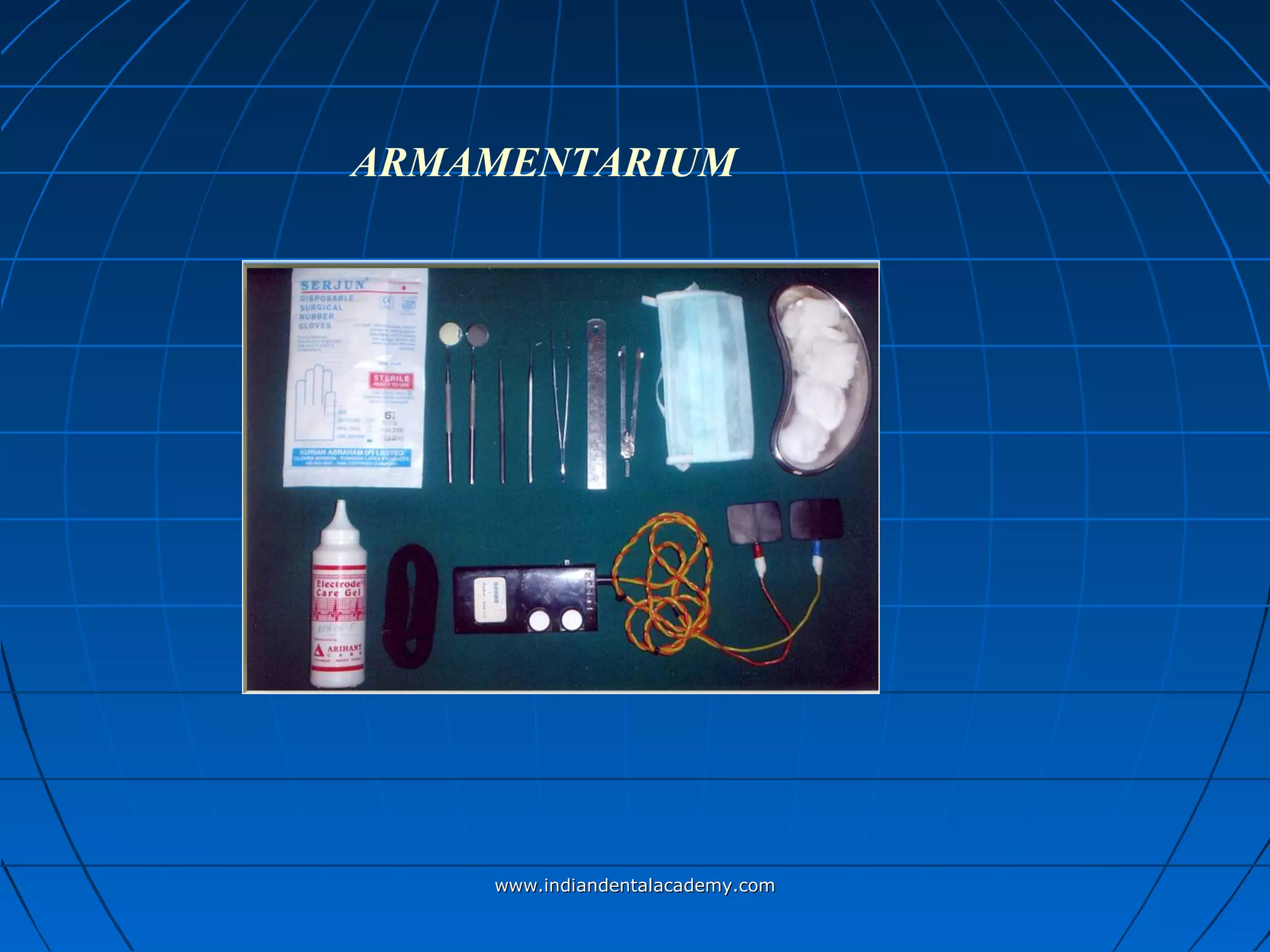
TENS Unit used: KODYS TENS-III
www.indiandentalacademy.comwww.indiandentalacademy.com
ARMAMENTARIUM
www.indiandentalacademy.comwww.indiandentalacademy.com
INCLUSION CRITERIA WEREINCLUSION CRITERIA WERE
o Orofacial pain especially in the preauricular region.Orofacial pain especially in the preauricular region.
o Tenderness in one or more muscles of mastication and TMJ.Tenderness in one or more muscles of mastication and TMJ.
o Patients being treated with some other therapy were considered provided aPatients being treated with some other therapy were considered provided a
washout period of at least one week was allowed before inclusion in this study.washout period of at least one week was allowed before inclusion in this study.
EXCLUSION CRITERIA CONSISTED OFEXCLUSION CRITERIA CONSISTED OF
Organic changes in the TMJ, Metabolic diseases (Eg. hyperthyroidism),Organic changes in the TMJ, Metabolic diseases (Eg. hyperthyroidism),
Neurological disorders (Eg. Dyskinesia), Psychiatric disorders, drug abuseNeurological disorders (Eg. Dyskinesia), Psychiatric disorders, drug abuse
etc., Heart diseases (hypotension, hypertension and cardiac arrhythmias) andetc., Heart diseases (hypotension, hypertension and cardiac arrhythmias) and
cardiac pacemakers or cochlear implants, Pregnancy, Abnormal bruising orcardiac pacemakers or cochlear implants, Pregnancy, Abnormal bruising or
bleeding disorders, Cerebrovascular disease, seizure disorders, brain tumor,bleeding disorders, Cerebrovascular disease, seizure disorders, brain tumor,
Undiagnosed dental pain or who have skin lesions or facial abrasions,Undiagnosed dental pain or who have skin lesions or facial abrasions,
especially at the site of electrode placement.especially at the site of electrode placement.www.indiandentalacademy.comwww.indiandentalacademy.com
TENS THERAPY TECHNIQUETENS THERAPY TECHNIQUE
 After briefly explaining the procedure to the patient, surface electrodes were
placed over mandibular notch for optimum stimulation of the facial and
masticatory muscles.
 TENS therapy was given for 30 minutes at each visit as maximum benefit is
obtained after 25-30 mins of treatment.
 The placebo subjects were exposed to identical treatment conditions with the
exception that there was no current out put from the TENS unit. Only
flashlight was kept on without induction of power or frequency.
 Patients in all groups received treatment for 4 weeks at weekly intervals.
www.indiandentalacademy.comwww.indiandentalacademy.com
CLINICAL EXAMINATION & STUDY PARAMETERCLINICAL EXAMINATION & STUDY PARAMETER
All the patients were evaluated for the followingAll the patients were evaluated for the following parametersparameters before, duringbefore, during
and after treatment:and after treatment:
 Pain intensityPain intensity on VAS (0-100).on VAS (0-100).
 Masseter, Medial & Lateral pterygoid, TemporalisMasseter, Medial & Lateral pterygoid, Temporalis muscles and TMJsmuscles and TMJs
tendernesstenderness on VAS.on VAS.
 Maximum interincisal distance without painMaximum interincisal distance without pain in mm.in mm.
STATISTICAL ANALYSISSTATISTICAL ANALYSIS
The comparative analysis was carried out using ‘The comparative analysis was carried out using ‘paired t testpaired t test’ for intragroup’ for intragroup
comparison and ‘comparison and ‘unpaired t testunpaired t test’ for intergroup comparison.’ for intergroup comparison.
Comparison of number of subjects with type of pain and improvement in painComparison of number of subjects with type of pain and improvement in pain
were carried out usingwere carried out using Chi-square testChi-square test..www.indiandentalacademy.comwww.indiandentalacademy.com
RESULTS and DISCUSSIONRESULTS and DISCUSSION
www.indiandentalacademy.comwww.indiandentalacademy.com
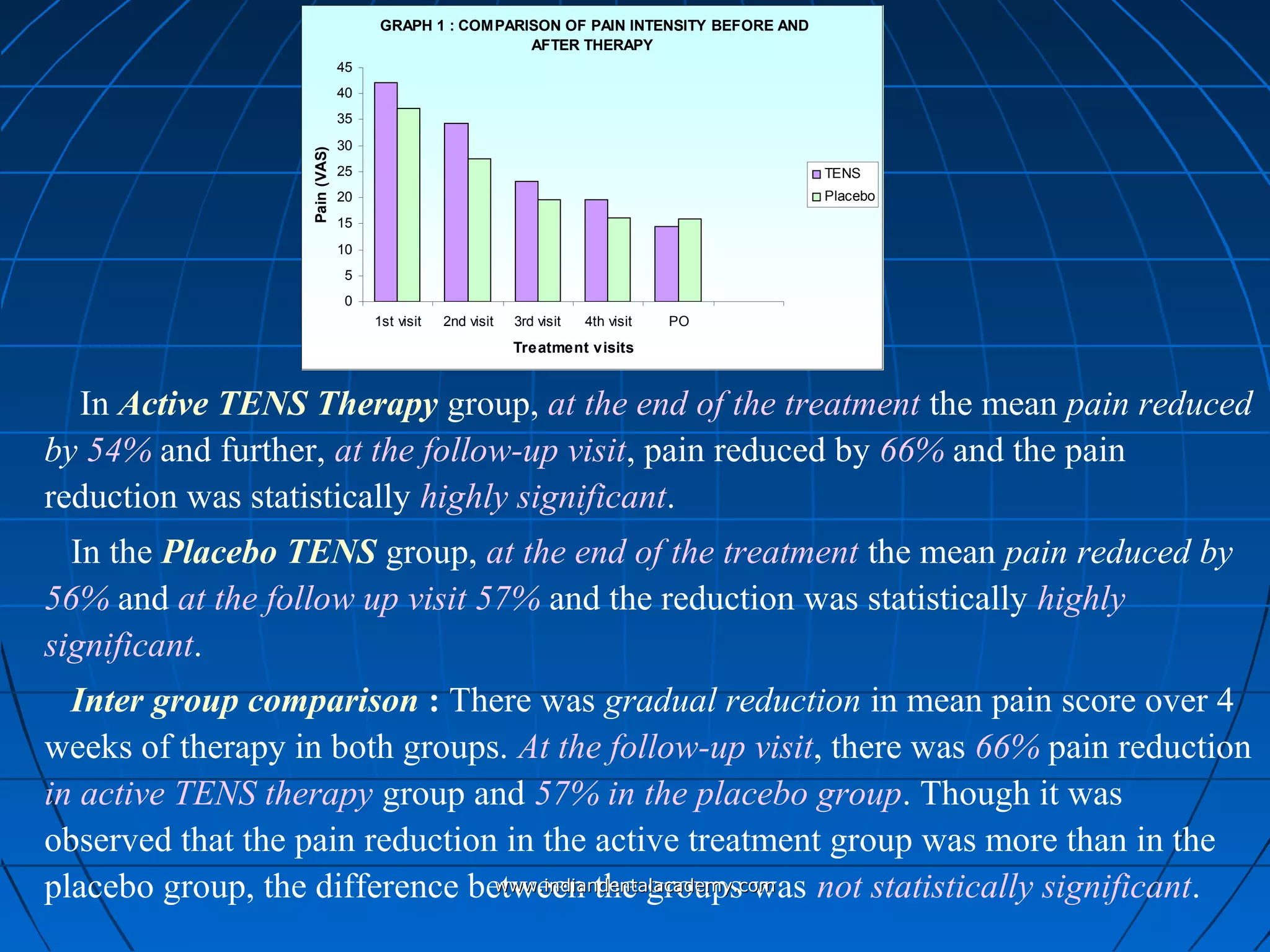
GRAPH 1 : COMPARISON OF PAIN INTENSITY BEFORE AND
AFTER THERAPY
0
5
10
15
20
25
30
35
40
45
1st visit 2nd visit 3rd visit 4th visit PO
Treatment visits
Pain(VAS)
TENS
Placebo
In Active TENS Therapy group, at the end of the treatment the mean pain reduced
by 54% and further, at the follow-up visit, pain reduced by 66% and the pain
reduction was statistically highly significant.
In the Placebo TENS group, at the end of the treatment the mean pain reduced by
56% and at the follow up visit 57% and the reduction was statistically highly
significant.
Inter group comparison : There was gradual reduction in mean pain score over 4
weeks of therapy in both groups. At the follow-up visit, there was 66% pain reduction
in active TENS therapy group and 57% in the placebo group. Though it was
observed that the pain reduction in the active treatment group was more than in the
placebo group, the difference between the groups was not statistically significant.www.indiandentalacademy.comwww.indiandentalacademy.com
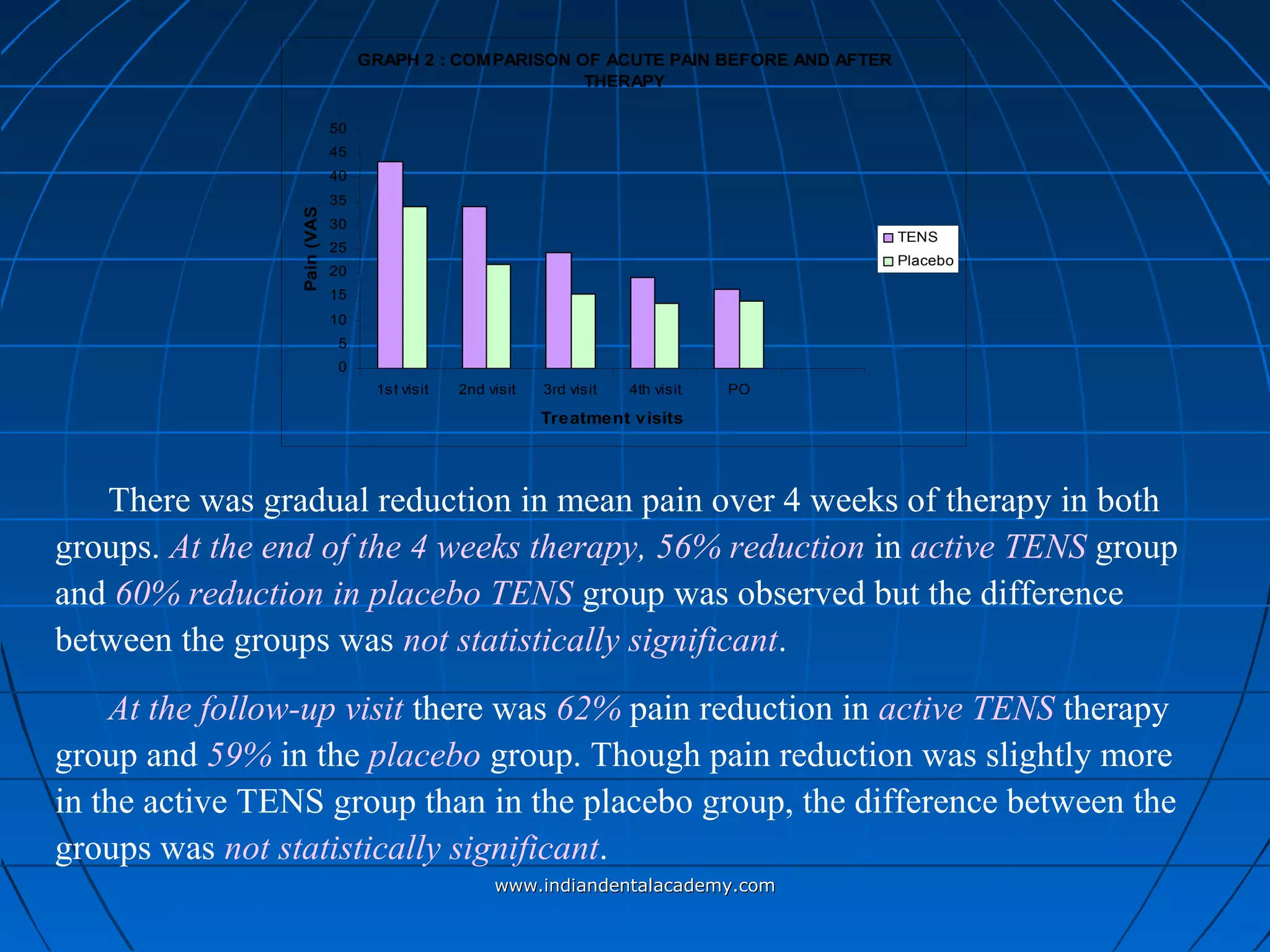
GRAPH 2 : COMPARISON OF ACUTE PAIN BEFORE AND AFTER
THERAPY
0
5
10
15
20
25
30
35
40
45
50
1st visit 2nd visit 3rd visit 4th visit PO
Treatment visits
Pain(VAS)
TENS
Placebo
There was gradual reduction in mean pain over 4 weeks of therapy in both
groups. At the end of the 4 weeks therapy, 56% reduction in active TENS group
and 60% reduction in placebo TENS group was observed but the difference
between the groups was not statistically significant.
At the follow-up visit there was 62% pain reduction in active TENS therapy
group and 59% in the placebo group. Though pain reduction was slightly more
in the active TENS group than in the placebo group, the difference between the
groups was not statistically significant.
www.indiandentalacademy.comwww.indiandentalacademy.com
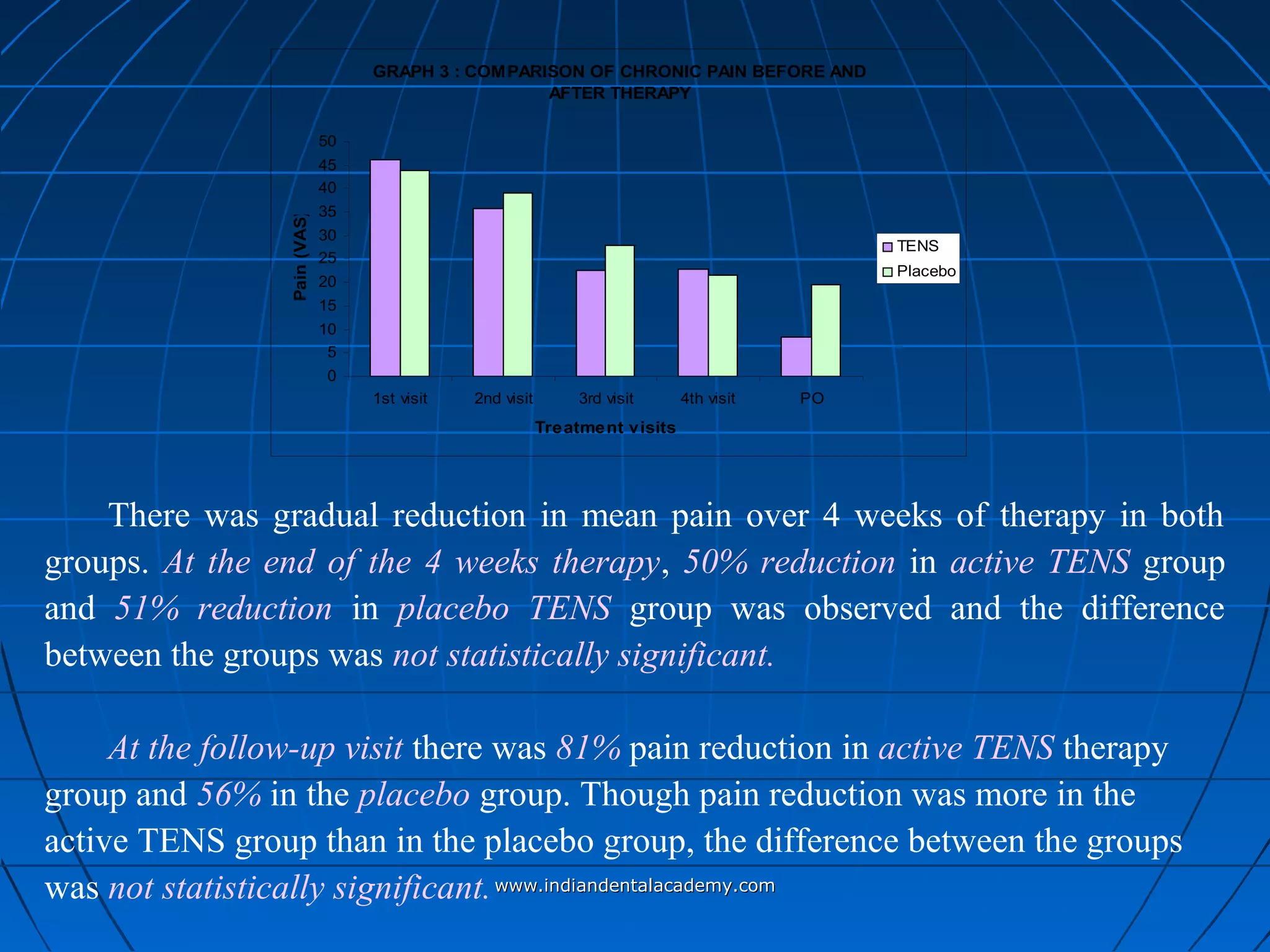
GRAPH 3 : COMPARISON OF CHRONIC PAIN BEFORE AND
AFTER THERAPY
0
5
10
15
20
25
30
35
40
45
50
1st visit 2nd visit 3rd visit 4th visit PO
Treatment visits
Pain(VAS)
TENS
Placebo
There was gradual reduction in mean pain over 4 weeks of therapy in both
groups. At the end of the 4 weeks therapy, 50% reduction in active TENS group
and 51% reduction in placebo TENS group was observed and the difference
between the groups was not statistically significant.
At the follow-up visit there was 81% pain reduction in active TENS therapy
group and 56% in the placebo group. Though pain reduction was more in the
active TENS group than in the placebo group, the difference between the groups
was not statistically significant.www.indiandentalacademy.comwww.indiandentalacademy.com
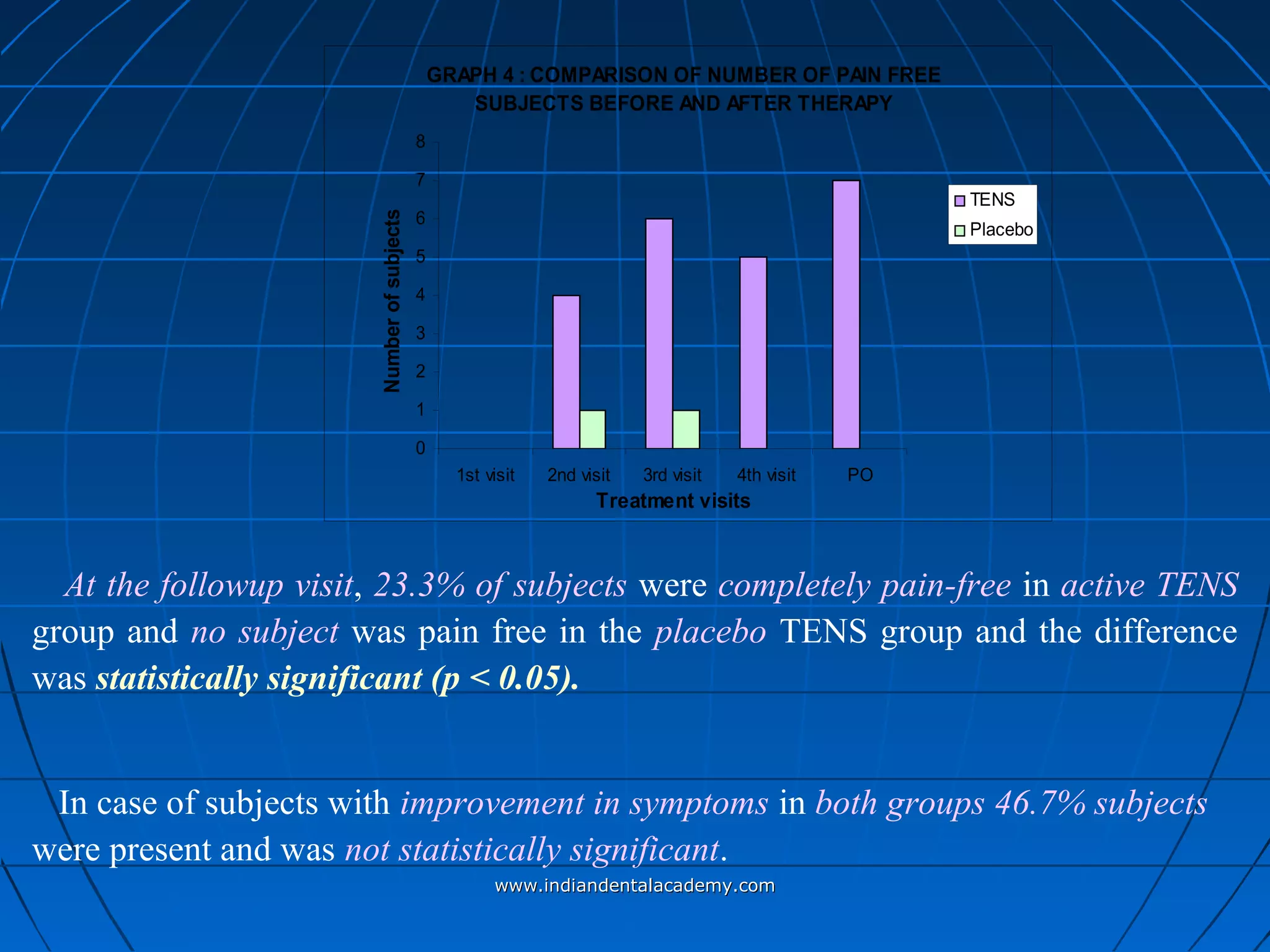
GRAPH 4 : COMPARISON OF NUMBER OF PAIN FREE
SUBJECTS BEFORE AND AFTER THERAPY
0
1
2
3
4
5
6
7
8
1st visit 2nd visit 3rd visit 4th visit PO
Treatment visits
Numberofsubjects
TENS
Placebo
At the followup visit, 23.3% of subjects were completely pain-free in active TENS
group and no subject was pain free in the placebo TENS group and the difference
was statistically significant (p < 0.05).
In case of subjects with improvement in symptoms in both groups 46.7% subjects
were present and was not statistically significant.
www.indiandentalacademy.comwww.indiandentalacademy.com
EVALUATION OF PAINEVALUATION OF PAIN
There are only few studies evaluating the effectiveness of TENS therapy inThere are only few studies evaluating the effectiveness of TENS therapy in
the management of TMD.the management of TMD.
The efficacy of TENS therapy in reducing TMD pain observed in our studyThe efficacy of TENS therapy in reducing TMD pain observed in our study
is similar to the observations made byis similar to the observations made by Moystad A, et al. (1990), List T andMoystad A, et al. (1990), List T and
Helkimo M. (1992)Helkimo M. (1992) andand Mehta N, et al. (1994)Mehta N, et al. (1994)..
However,However, Wessberg GA, et al. (1981)Wessberg GA, et al. (1981) andand Giessler PR andGiessler PR and McPhee PMMcPhee PM
(1986)(1986) reported higher success rate compared to our study.reported higher success rate compared to our study.
The difference in pain reduction in the above studies compared to our study
could be attributed to the disparity between the samples with regard to
differences in biological, psychological, and social components affecting the
TMD as well as stimulation parameters used in the TENS therapy.
www.indiandentalacademy.comwww.indiandentalacademy.com
The data onThe data on PLACEBO TENS THERAPYPLACEBO TENS THERAPY is minimum and we couldis minimum and we could
find only two studies where placebo TENS has been evaluated in TMJfind only two studies where placebo TENS has been evaluated in TMJ
pain.pain.
The result of the present study is similar to the observations made byThe result of the present study is similar to the observations made by
Moystad A, et al. (1990)Moystad A, et al. (1990)..
However, contrary to our result,However, contrary to our result, Mehta N, et al. (1994)Mehta N, et al. (1994) have reportedhave reported
only 4.5% reduction in muscle pain and 14.3% reduction in joint painonly 4.5% reduction in muscle pain and 14.3% reduction in joint pain
following placebo TENS therapy.following placebo TENS therapy.
www.indiandentalacademy.comwww.indiandentalacademy.com
OnOn INTER GROUP COMPARISON,INTER GROUP COMPARISON, ssimilar to our observation, manyimilar to our observation, many
authors have emphasized the strong tendency among patients with TMD toauthors have emphasized the strong tendency among patients with TMD to
respond favorably to placebo therapies.respond favorably to placebo therapies.
However, in contrast to our result,However, in contrast to our result, Mehta N, et al. (1994)Mehta N, et al. (1994) observed that TENSobserved that TENS
therapy was significantly better than placebo TENS in orofacial pain.therapy was significantly better than placebo TENS in orofacial pain.
The significant reduction in TMD pain in patients belonging to placebo groupThe significant reduction in TMD pain in patients belonging to placebo group
in our study could be attributed to placebo effects of TENS therapy, as itsin our study could be attributed to placebo effects of TENS therapy, as its
provision is an expression of reassurance and care on the part of the therapist.provision is an expression of reassurance and care on the part of the therapist.
www.indiandentalacademy.comwww.indiandentalacademy.com
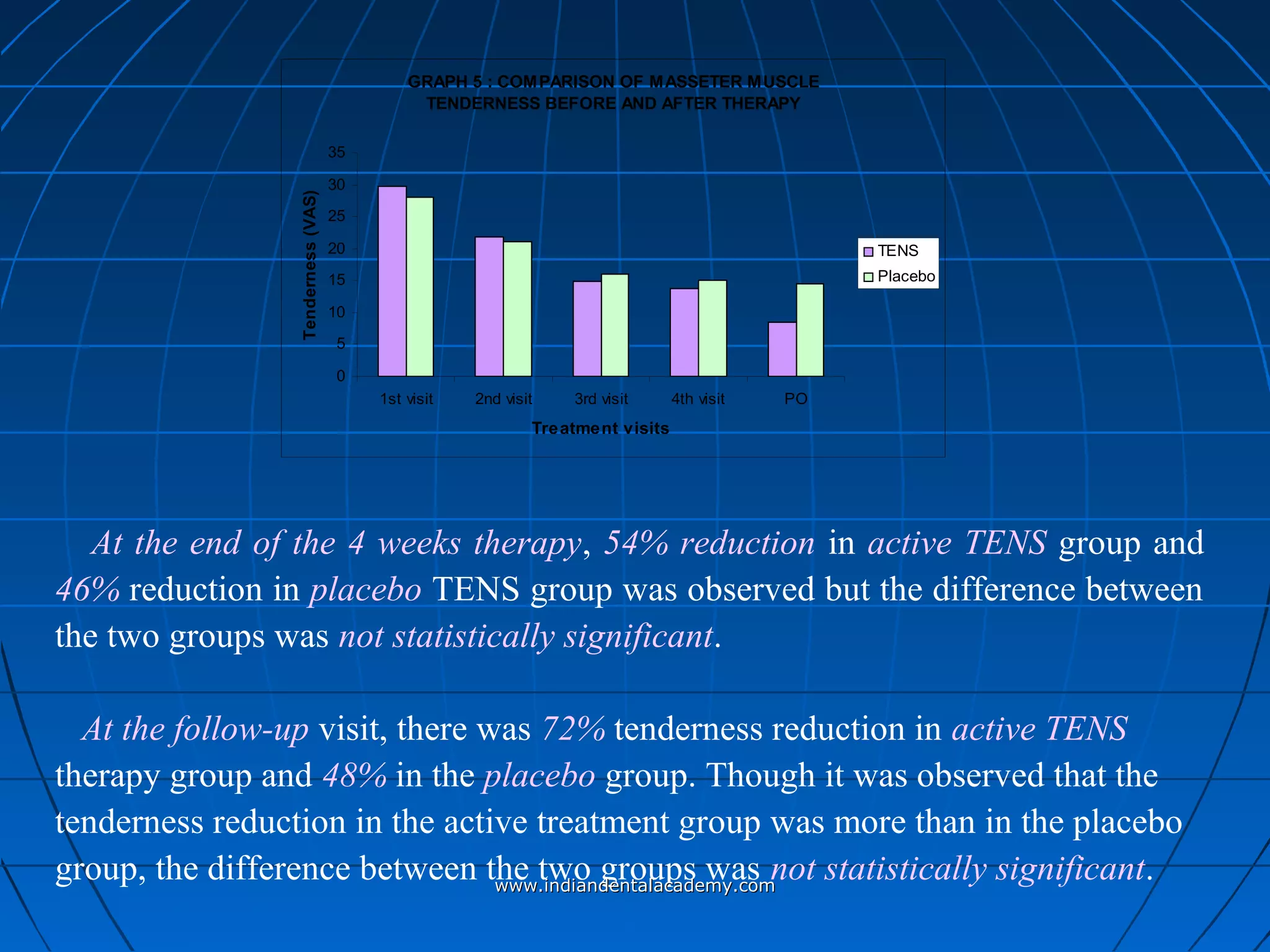
GRAPH 5 : COMPARISON OF MASSETER MUSCLE
TENDERNESS BEFORE AND AFTER THERAPY
0
5
10
15
20
25
30
35
1st visit 2nd visit 3rd visit 4th visit PO
Treatment visits
Tenderness(VAS)
TENS
Placebo
At the end of the 4 weeks therapy, 54% reduction in active TENS group and
46% reduction in placebo TENS group was observed but the difference between
the two groups was not statistically significant.
At the follow-up visit, there was 72% tenderness reduction in active TENS
therapy group and 48% in the placebo group. Though it was observed that the
tenderness reduction in the active treatment group was more than in the placebo
group, the difference between the two groups was not statistically significant.www.indiandentalacademy.comwww.indiandentalacademy.com
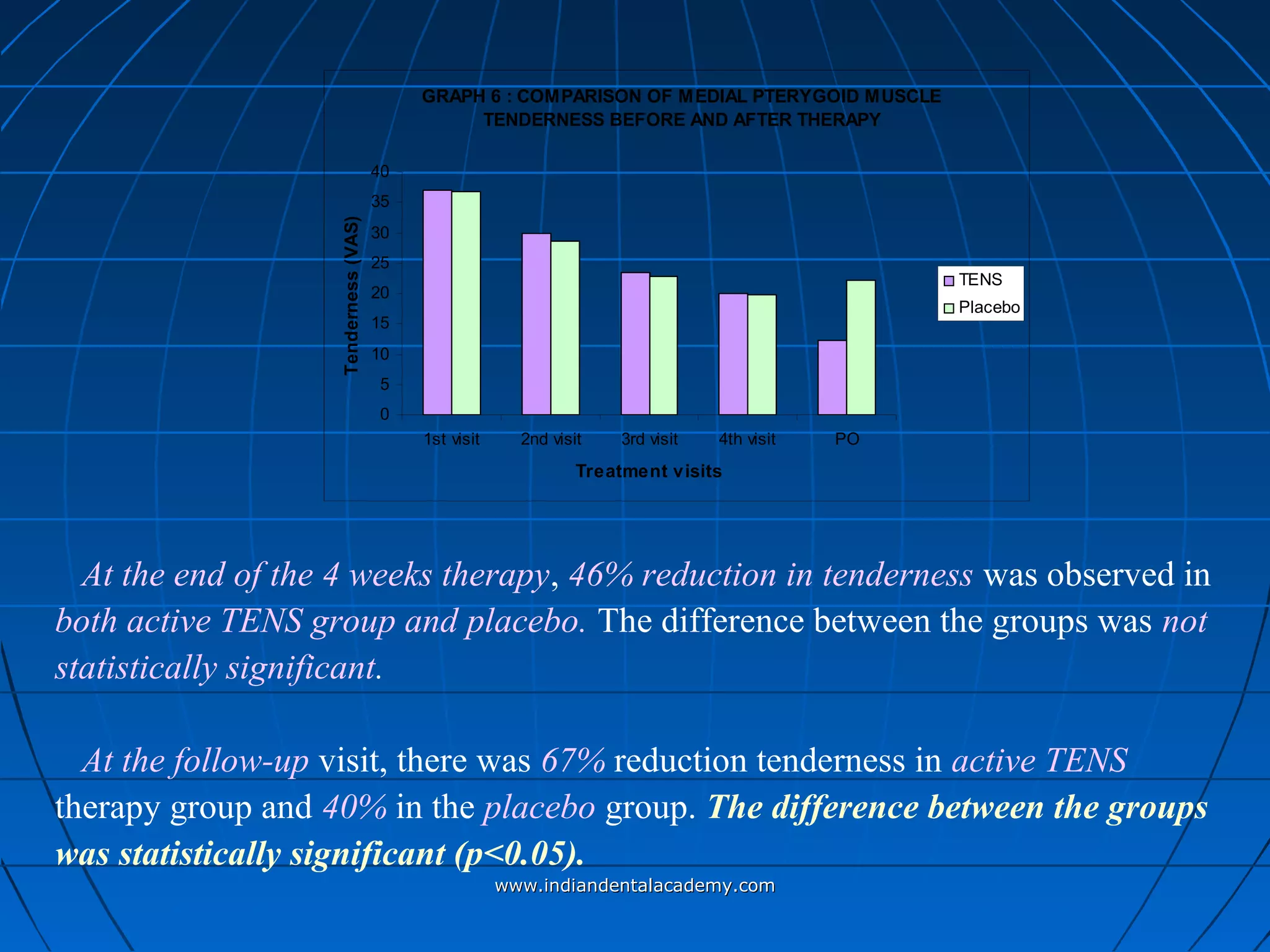
GRAPH 6 : COMPARISON OF MEDIAL PTERYGOID MUSCLE
TENDERNESS BEFORE AND AFTER THERAPY
0
5
10
15
20
25
30
35
40
1st visit 2nd visit 3rd visit 4th visit PO
Treatment visits
Tenderness(VAS)
TENS
Placebo
At the end of the 4 weeks therapy, 46% reduction in tenderness was observed in
both active TENS group and placebo. The difference between the groups was not
statistically significant.
At the follow-up visit, there was 67% reduction tenderness in active TENS
therapy group and 40% in the placebo group. The difference between the groups
was statistically significant (p<0.05).
www.indiandentalacademy.comwww.indiandentalacademy.com
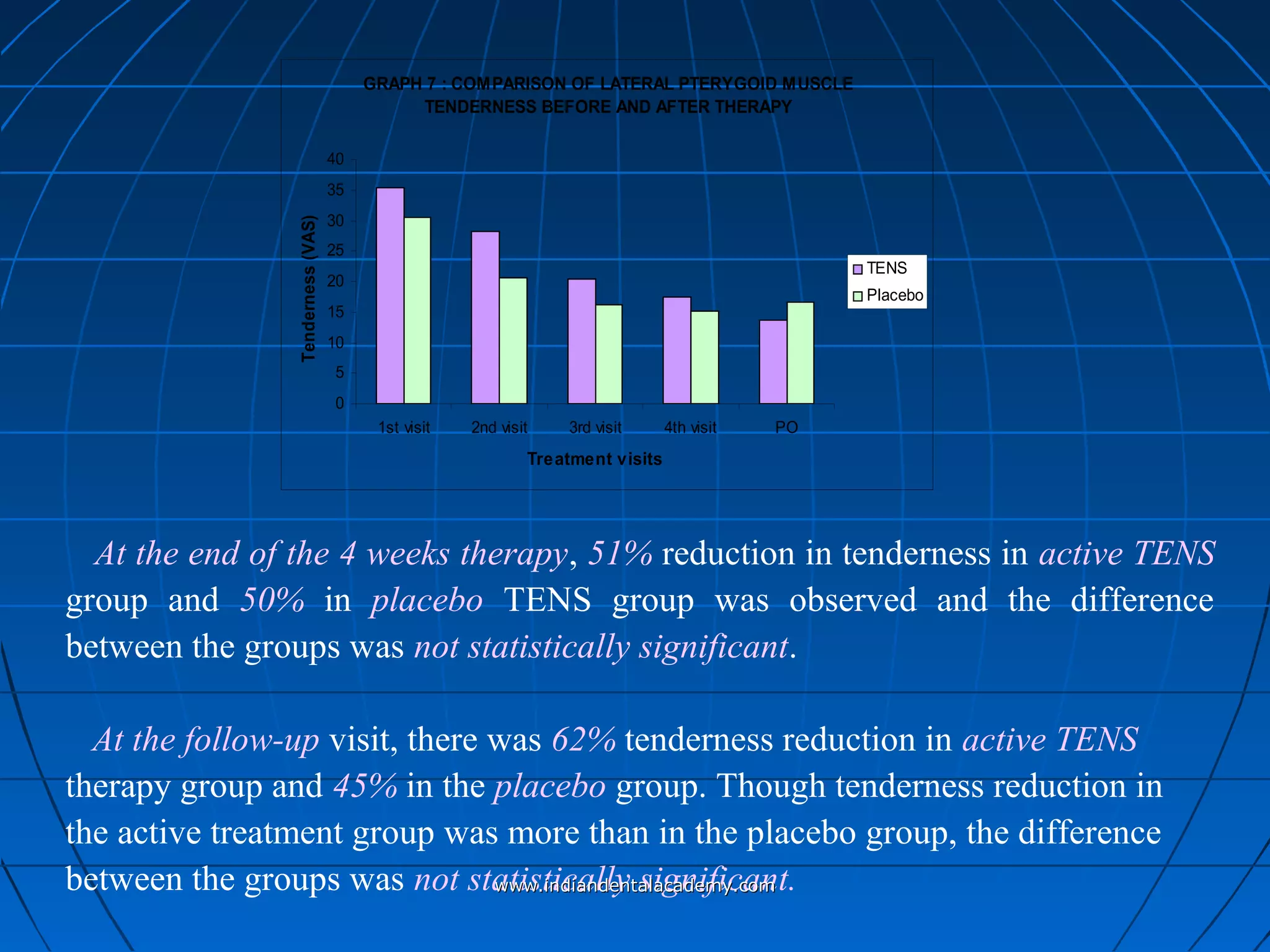
GRAPH 7 : COMPARISON OF LATERAL PTERYGOID MUSCLE
TENDERNESS BEFORE AND AFTER THERAPY
0
5
10
15
20
25
30
35
40
1st visit 2nd visit 3rd visit 4th visit PO
Treatment visits
Tenderness(VAS)
TENS
Placebo
At the end of the 4 weeks therapy, 51% reduction in tenderness in active TENS
group and 50% in placebo TENS group was observed and the difference
between the groups was not statistically significant.
At the follow-up visit, there was 62% tenderness reduction in active TENS
therapy group and 45% in the placebo group. Though tenderness reduction in
the active treatment group was more than in the placebo group, the difference
between the groups was not statistically significant.www.indiandentalacademy.comwww.indiandentalacademy.com
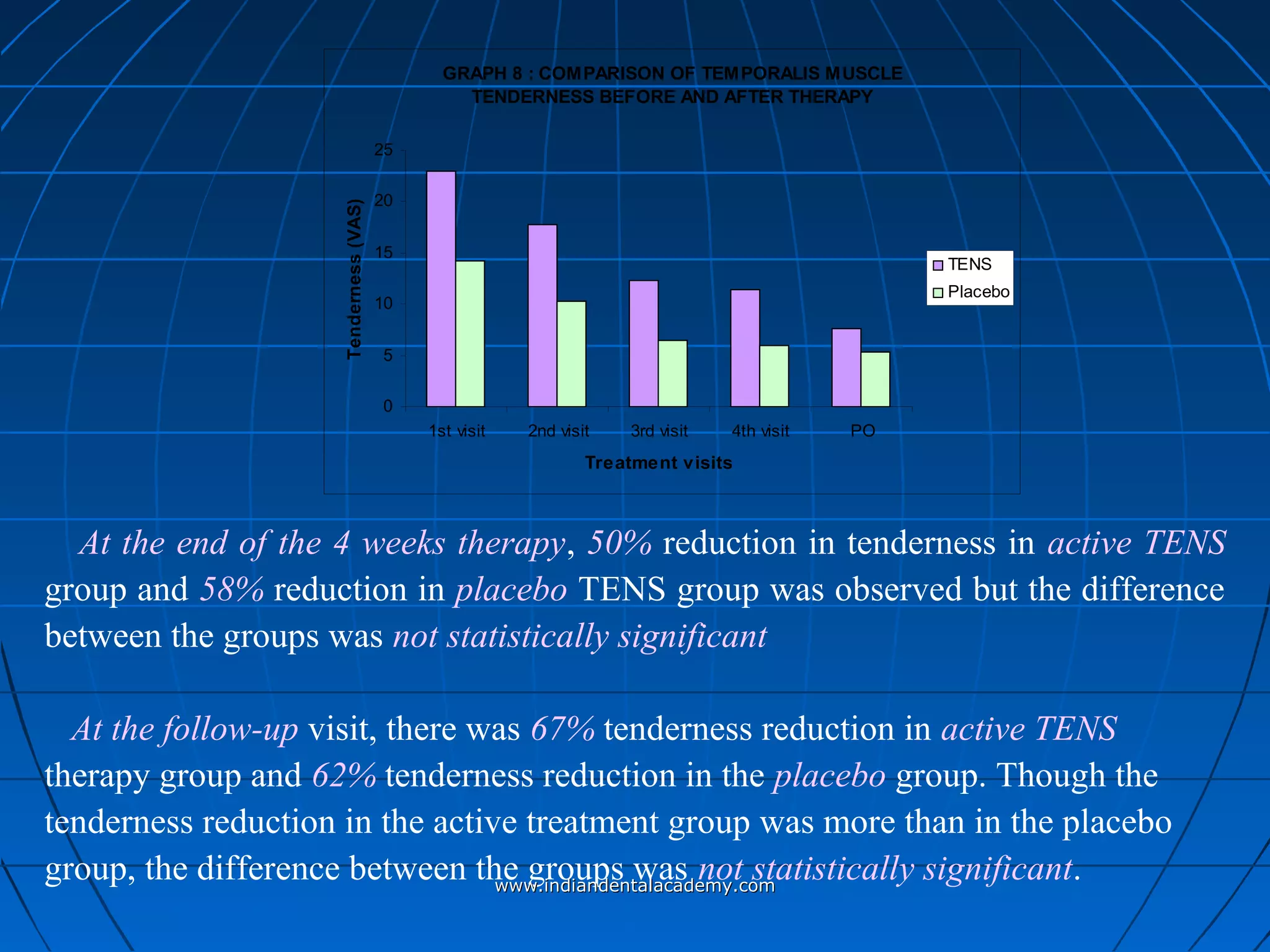
GRAPH 8 : COMPARISON OF TEMPORALIS MUSCLE
TENDERNESS BEFORE AND AFTER THERAPY
0
5
10
15
20
25
1st visit 2nd visit 3rd visit 4th visit PO
Treatment visits
Tenderness(VAS)
TENS
Placebo
At the end of the 4 weeks therapy, 50% reduction in tenderness in active TENS
group and 58% reduction in placebo TENS group was observed but the difference
between the groups was not statistically significant
At the follow-up visit, there was 67% tenderness reduction in active TENS
therapy group and 62% tenderness reduction in the placebo group. Though the
tenderness reduction in the active treatment group was more than in the placebo
group, the difference between the groups was not statistically significant.www.indiandentalacademy.comwww.indiandentalacademy.com
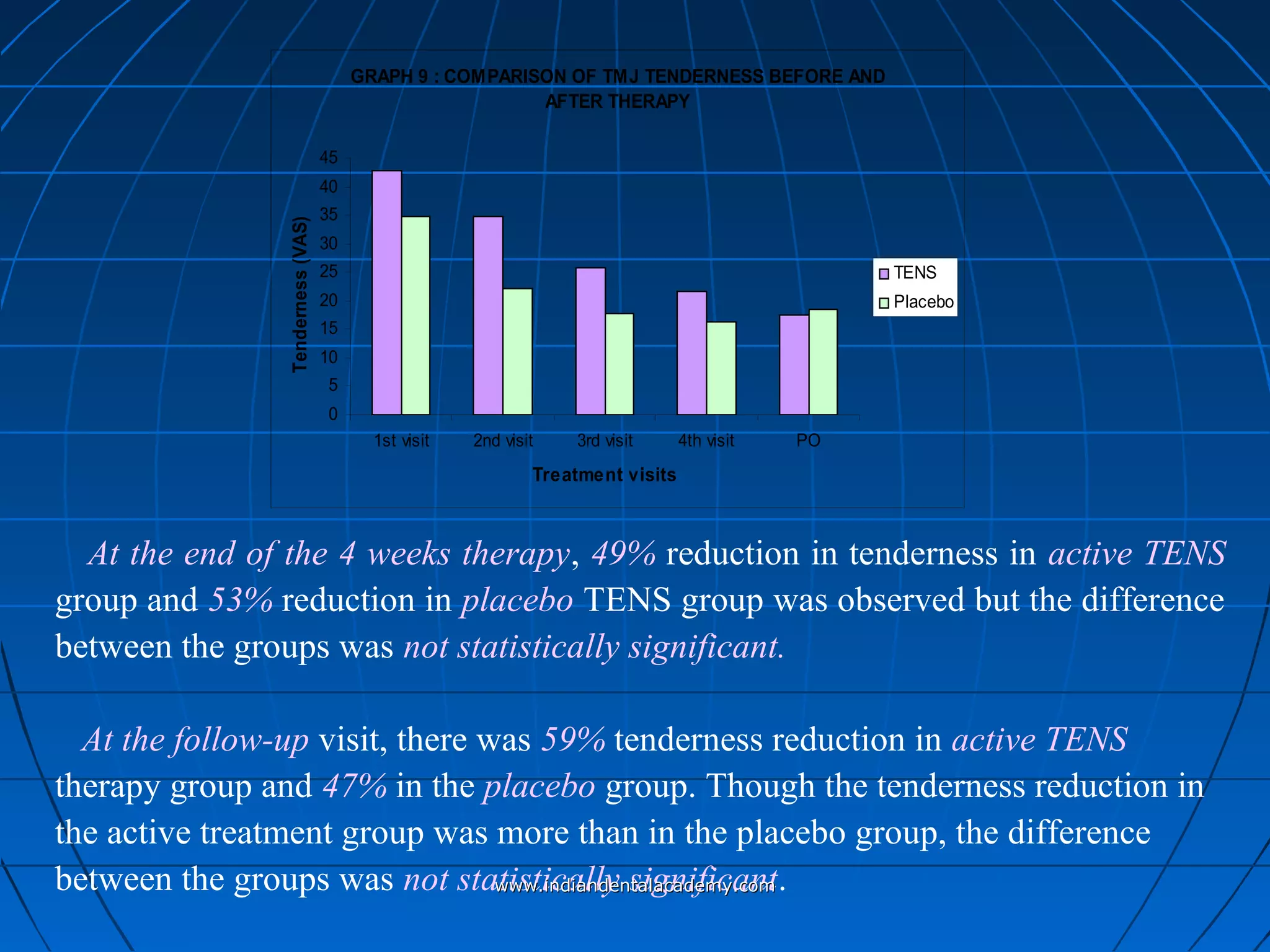
GRAPH 9 : COMPARISON OF TMJ TENDERNESS BEFORE AND
AFTER THERAPY
0
5
10
15
20
25
30
35
40
45
1st visit 2nd visit 3rd visit 4th visit PO
Treatment visits
Tenderness(VAS)
TENS
Placebo
At the end of the 4 weeks therapy, 49% reduction in tenderness in active TENS
group and 53% reduction in placebo TENS group was observed but the difference
between the groups was not statistically significant.
At the follow-up visit, there was 59% tenderness reduction in active TENS
therapy group and 47% in the placebo group. Though the tenderness reduction in
the active treatment group was more than in the placebo group, the difference
between the groups was not statistically significant.www.indiandentalacademy.comwww.indiandentalacademy.com
MUSCLES AND JOINTS TENDERNESSMUSCLES AND JOINTS TENDERNESS
There are only few studies on TENS therapy evaluating the efficacy onThere are only few studies on TENS therapy evaluating the efficacy on
masticatory muscles tenderness.masticatory muscles tenderness.
Similar to our study,Similar to our study, Giessler PR and McPheeGiessler PR and McPhee PM. (1986)PM. (1986) have alsohave also
observed that TENS therapy was effective in relieving muscle pain.observed that TENS therapy was effective in relieving muscle pain.
A comparable observations made in our study was also reported byA comparable observations made in our study was also reported by List T andList T and
Helkimo M. (1992).Helkimo M. (1992).
www.indiandentalacademy.comwww.indiandentalacademy.com
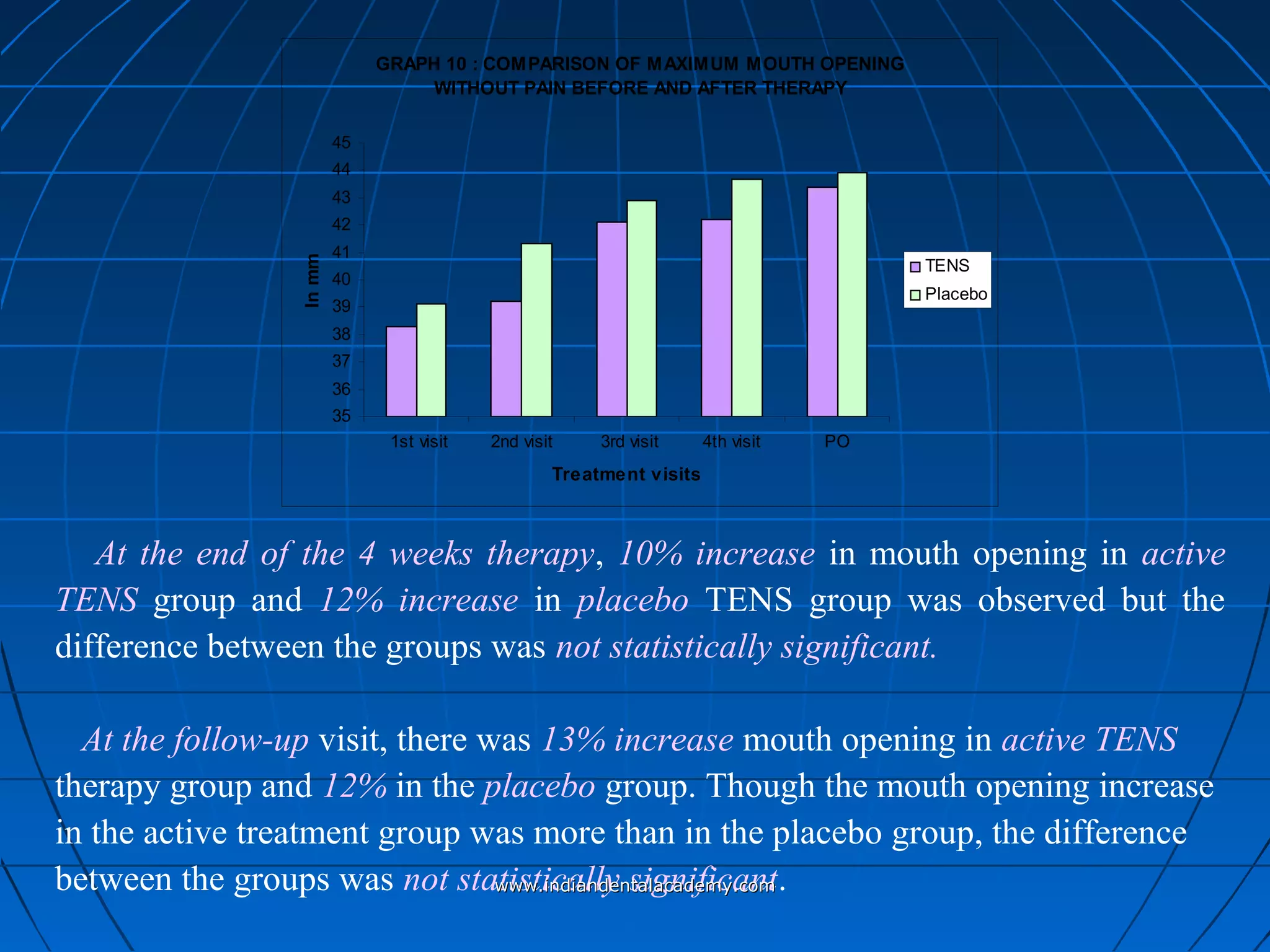
GRAPH 10 : COMPARISON OF MAXIMUM MOUTH OPENING
WITHOUT PAIN BEFORE AND AFTER THERAPY
35
36
37
38
39
40
41
42
43
44
45
1st visit 2nd visit 3rd visit 4th visit PO
Treatment visits
Inmm
TENS
Placebo
At the end of the 4 weeks therapy, 10% increase in mouth opening in active
TENS group and 12% increase in placebo TENS group was observed but the
difference between the groups was not statistically significant.
At the follow-up visit, there was 13% increase mouth opening in active TENS
therapy group and 12% in the placebo group. Though the mouth opening increase
in the active treatment group was more than in the placebo group, the difference
between the groups was not statistically significant.www.indiandentalacademy.comwww.indiandentalacademy.com
MAXIMUM MOUTH OPENINGMAXIMUM MOUTH OPENING
Our result is similar to observations made byOur result is similar to observations made by Linde C, etLinde C, et al. (1995)al. (1995)..
However,However, Mehta N, et al. (1994)Mehta N, et al. (1994) observed increase in the interincisal distanceobserved increase in the interincisal distance
in patients with orofacial pain after TENS therapy, which is similar to ourin patients with orofacial pain after TENS therapy, which is similar to our
observation, but there was no significant increase in placebo therapy groupobservation, but there was no significant increase in placebo therapy group
which is in contrast to our result.which is in contrast to our result.
www.indiandentalacademy.comwww.indiandentalacademy.com
In conclusion, results from our study justify the use of TENS therapy as
well as placebo therapy in the management of TMD pain. Management of
TMD with TENS therapy appears to be useful in relieving pain, especially,
chronic pain and muscular pain, thus, in breaking the pain-tension-pain
cycle of TMD. So along with TENS therapy, placebo therapy should also be
considered as a potent, independent therapeutic modality “in its own right”.
CONCLUSION
www.indiandentalacademy.comwww.indiandentalacademy.com
THANK YOU
www.indiandentalacademy.comwww.indiandentalacademy.com

TRANSCUTANEOUS ELECTRICAL NERVE STIMULATION THERAPY IN TEMPOROMANDIBULAR DISORDERS /prosthodontic courses

  • 1.
    TRANSCUTANEOUS ELECTRICAL NERVESTIMULATION THERAPY IN TEMPOROMANDIBULAR DISORDERS INDIAN DENTAL ACADEMY Leader in continuing Dental Education www.indiandentalacademy.comwww.indiandentalacademy.com
  • 2.
  • 3.
     TMD isone of the most common chronic orofacial pain conditions confronting dentists and other health care providers.  The American Academy of Orofacial Pain in 1996 defined TMD as “a collective term embracing a number of clinical problems that involve the masticatory musculature, the TMJ and associated structures or both”.  Etiology of TMD remains mired in controversy. Few would dispute that multiple factors influence the evolution of these disorders. However, no consensus has been reached on the degree to which any of these factors has a part.  The goals of TMD management include: reduce pain; restore normal jaw function; reduce the need for future health care and restore normal lifestyle functioning. www.indiandentalacademy.comwww.indiandentalacademy.com
  • 4.
     A widevarieties of management proposed are intraoral appliances; behavioral therapy; pharmacotherapy and placebo. An alternative mode of management is TENS.  TENS is a well-known physical therapy, which is useful for the relief of pain. TENS is a safe, noninvasive, reversible, effective and swift method of analgesia and potential adverse reactions of other methods of pain control are eliminated.  TENS is widely used to relieve acute and chronic pain in various conditions like muscle and joint pain, back pain, lower and upper extremity pain, and head and neck pain, etc.  However, TENS studies to evaluate the effectiveness on TMJ pain are only few. So a need was felt to conduct a clinical trial to assess pain relieving effects of TENS therapy in TMD. www.indiandentalacademy.comwww.indiandentalacademy.com
  • 5.
    AIMSAIMS 1. To determinethe effectiveness of1. To determine the effectiveness of TENSTENS in the management of TMD pain.in the management of TMD pain. 2. To determine the effectiveness of2. To determine the effectiveness of Placebo TENSPlacebo TENS in the management ofin the management of TMD pain.TMD pain. OBJECTIVEOBJECTIVE To compare the effectiveness of active TENS therapy with that of placeboTo compare the effectiveness of active TENS therapy with that of placebo TENS therapy in patients with TMD.TENS therapy in patients with TMD. www.indiandentalacademy.comwww.indiandentalacademy.com
  • 6.
  • 7.
    STUDY SETTINGSTUDY SETTING Thisrandomized placebo-controlled, single blind study was carried out in theThis randomized placebo-controlled, single blind study was carried out in the Department of Oral Medicine and Radiology, College of Dental Sciences,Department of Oral Medicine and Radiology, College of Dental Sciences, Davangere.Davangere. STUDY SUBJECTSSTUDY SUBJECTS Study groups comprised of 45 patients of either sexStudy groups comprised of 45 patients of either sex between 15 to 60 years.between 15 to 60 years. Diagnosis of TMD was made based on the standard diagnostic criteria.Diagnosis of TMD was made based on the standard diagnostic criteria. Patients were assigned to:Patients were assigned to: Group A (Group A (n: 30n: 30): Patients received): Patients received active TENSactive TENS therapy.therapy. Group B (Group B (n: 15n: 15): Patients received): Patients received placebo TENSplacebo TENS therapy.therapy. TENS Unit used: KODYS TENS-III www.indiandentalacademy.comwww.indiandentalacademy.com
  • 8.
  • 9.
    INCLUSION CRITERIA WEREINCLUSIONCRITERIA WERE o Orofacial pain especially in the preauricular region.Orofacial pain especially in the preauricular region. o Tenderness in one or more muscles of mastication and TMJ.Tenderness in one or more muscles of mastication and TMJ. o Patients being treated with some other therapy were considered provided aPatients being treated with some other therapy were considered provided a washout period of at least one week was allowed before inclusion in this study.washout period of at least one week was allowed before inclusion in this study. EXCLUSION CRITERIA CONSISTED OFEXCLUSION CRITERIA CONSISTED OF Organic changes in the TMJ, Metabolic diseases (Eg. hyperthyroidism),Organic changes in the TMJ, Metabolic diseases (Eg. hyperthyroidism), Neurological disorders (Eg. Dyskinesia), Psychiatric disorders, drug abuseNeurological disorders (Eg. Dyskinesia), Psychiatric disorders, drug abuse etc., Heart diseases (hypotension, hypertension and cardiac arrhythmias) andetc., Heart diseases (hypotension, hypertension and cardiac arrhythmias) and cardiac pacemakers or cochlear implants, Pregnancy, Abnormal bruising orcardiac pacemakers or cochlear implants, Pregnancy, Abnormal bruising or bleeding disorders, Cerebrovascular disease, seizure disorders, brain tumor,bleeding disorders, Cerebrovascular disease, seizure disorders, brain tumor, Undiagnosed dental pain or who have skin lesions or facial abrasions,Undiagnosed dental pain or who have skin lesions or facial abrasions, especially at the site of electrode placement.especially at the site of electrode placement.www.indiandentalacademy.comwww.indiandentalacademy.com
  • 10.
    TENS THERAPY TECHNIQUETENSTHERAPY TECHNIQUE  After briefly explaining the procedure to the patient, surface electrodes were placed over mandibular notch for optimum stimulation of the facial and masticatory muscles.  TENS therapy was given for 30 minutes at each visit as maximum benefit is obtained after 25-30 mins of treatment.  The placebo subjects were exposed to identical treatment conditions with the exception that there was no current out put from the TENS unit. Only flashlight was kept on without induction of power or frequency.  Patients in all groups received treatment for 4 weeks at weekly intervals. www.indiandentalacademy.comwww.indiandentalacademy.com
  • 11.
    CLINICAL EXAMINATION &STUDY PARAMETERCLINICAL EXAMINATION & STUDY PARAMETER All the patients were evaluated for the followingAll the patients were evaluated for the following parametersparameters before, duringbefore, during and after treatment:and after treatment:  Pain intensityPain intensity on VAS (0-100).on VAS (0-100).  Masseter, Medial & Lateral pterygoid, TemporalisMasseter, Medial & Lateral pterygoid, Temporalis muscles and TMJsmuscles and TMJs tendernesstenderness on VAS.on VAS.  Maximum interincisal distance without painMaximum interincisal distance without pain in mm.in mm. STATISTICAL ANALYSISSTATISTICAL ANALYSIS The comparative analysis was carried out using ‘The comparative analysis was carried out using ‘paired t testpaired t test’ for intragroup’ for intragroup comparison and ‘comparison and ‘unpaired t testunpaired t test’ for intergroup comparison.’ for intergroup comparison. Comparison of number of subjects with type of pain and improvement in painComparison of number of subjects with type of pain and improvement in pain were carried out usingwere carried out using Chi-square testChi-square test..www.indiandentalacademy.comwww.indiandentalacademy.com
  • 12.
    RESULTS and DISCUSSIONRESULTSand DISCUSSION www.indiandentalacademy.comwww.indiandentalacademy.com
  • 13.
    GRAPH 1 :COMPARISON OF PAIN INTENSITY BEFORE AND AFTER THERAPY 0 5 10 15 20 25 30 35 40 45 1st visit 2nd visit 3rd visit 4th visit PO Treatment visits Pain(VAS) TENS Placebo In Active TENS Therapy group, at the end of the treatment the mean pain reduced by 54% and further, at the follow-up visit, pain reduced by 66% and the pain reduction was statistically highly significant. In the Placebo TENS group, at the end of the treatment the mean pain reduced by 56% and at the follow up visit 57% and the reduction was statistically highly significant. Inter group comparison : There was gradual reduction in mean pain score over 4 weeks of therapy in both groups. At the follow-up visit, there was 66% pain reduction in active TENS therapy group and 57% in the placebo group. Though it was observed that the pain reduction in the active treatment group was more than in the placebo group, the difference between the groups was not statistically significant.www.indiandentalacademy.comwww.indiandentalacademy.com
  • 14.
    GRAPH 2 :COMPARISON OF ACUTE PAIN BEFORE AND AFTER THERAPY 0 5 10 15 20 25 30 35 40 45 50 1st visit 2nd visit 3rd visit 4th visit PO Treatment visits Pain(VAS) TENS Placebo There was gradual reduction in mean pain over 4 weeks of therapy in both groups. At the end of the 4 weeks therapy, 56% reduction in active TENS group and 60% reduction in placebo TENS group was observed but the difference between the groups was not statistically significant. At the follow-up visit there was 62% pain reduction in active TENS therapy group and 59% in the placebo group. Though pain reduction was slightly more in the active TENS group than in the placebo group, the difference between the groups was not statistically significant. www.indiandentalacademy.comwww.indiandentalacademy.com
  • 15.
    GRAPH 3 :COMPARISON OF CHRONIC PAIN BEFORE AND AFTER THERAPY 0 5 10 15 20 25 30 35 40 45 50 1st visit 2nd visit 3rd visit 4th visit PO Treatment visits Pain(VAS) TENS Placebo There was gradual reduction in mean pain over 4 weeks of therapy in both groups. At the end of the 4 weeks therapy, 50% reduction in active TENS group and 51% reduction in placebo TENS group was observed and the difference between the groups was not statistically significant. At the follow-up visit there was 81% pain reduction in active TENS therapy group and 56% in the placebo group. Though pain reduction was more in the active TENS group than in the placebo group, the difference between the groups was not statistically significant.www.indiandentalacademy.comwww.indiandentalacademy.com
  • 16.
    GRAPH 4 :COMPARISON OF NUMBER OF PAIN FREE SUBJECTS BEFORE AND AFTER THERAPY 0 1 2 3 4 5 6 7 8 1st visit 2nd visit 3rd visit 4th visit PO Treatment visits Numberofsubjects TENS Placebo At the followup visit, 23.3% of subjects were completely pain-free in active TENS group and no subject was pain free in the placebo TENS group and the difference was statistically significant (p < 0.05). In case of subjects with improvement in symptoms in both groups 46.7% subjects were present and was not statistically significant. www.indiandentalacademy.comwww.indiandentalacademy.com
  • 17.
    EVALUATION OF PAINEVALUATIONOF PAIN There are only few studies evaluating the effectiveness of TENS therapy inThere are only few studies evaluating the effectiveness of TENS therapy in the management of TMD.the management of TMD. The efficacy of TENS therapy in reducing TMD pain observed in our studyThe efficacy of TENS therapy in reducing TMD pain observed in our study is similar to the observations made byis similar to the observations made by Moystad A, et al. (1990), List T andMoystad A, et al. (1990), List T and Helkimo M. (1992)Helkimo M. (1992) andand Mehta N, et al. (1994)Mehta N, et al. (1994).. However,However, Wessberg GA, et al. (1981)Wessberg GA, et al. (1981) andand Giessler PR andGiessler PR and McPhee PMMcPhee PM (1986)(1986) reported higher success rate compared to our study.reported higher success rate compared to our study. The difference in pain reduction in the above studies compared to our study could be attributed to the disparity between the samples with regard to differences in biological, psychological, and social components affecting the TMD as well as stimulation parameters used in the TENS therapy. www.indiandentalacademy.comwww.indiandentalacademy.com
  • 18.
    The data onThedata on PLACEBO TENS THERAPYPLACEBO TENS THERAPY is minimum and we couldis minimum and we could find only two studies where placebo TENS has been evaluated in TMJfind only two studies where placebo TENS has been evaluated in TMJ pain.pain. The result of the present study is similar to the observations made byThe result of the present study is similar to the observations made by Moystad A, et al. (1990)Moystad A, et al. (1990).. However, contrary to our result,However, contrary to our result, Mehta N, et al. (1994)Mehta N, et al. (1994) have reportedhave reported only 4.5% reduction in muscle pain and 14.3% reduction in joint painonly 4.5% reduction in muscle pain and 14.3% reduction in joint pain following placebo TENS therapy.following placebo TENS therapy. www.indiandentalacademy.comwww.indiandentalacademy.com
  • 19.
    OnOn INTER GROUPCOMPARISON,INTER GROUP COMPARISON, ssimilar to our observation, manyimilar to our observation, many authors have emphasized the strong tendency among patients with TMD toauthors have emphasized the strong tendency among patients with TMD to respond favorably to placebo therapies.respond favorably to placebo therapies. However, in contrast to our result,However, in contrast to our result, Mehta N, et al. (1994)Mehta N, et al. (1994) observed that TENSobserved that TENS therapy was significantly better than placebo TENS in orofacial pain.therapy was significantly better than placebo TENS in orofacial pain. The significant reduction in TMD pain in patients belonging to placebo groupThe significant reduction in TMD pain in patients belonging to placebo group in our study could be attributed to placebo effects of TENS therapy, as itsin our study could be attributed to placebo effects of TENS therapy, as its provision is an expression of reassurance and care on the part of the therapist.provision is an expression of reassurance and care on the part of the therapist. www.indiandentalacademy.comwww.indiandentalacademy.com
  • 20.
    GRAPH 5 :COMPARISON OF MASSETER MUSCLE TENDERNESS BEFORE AND AFTER THERAPY 0 5 10 15 20 25 30 35 1st visit 2nd visit 3rd visit 4th visit PO Treatment visits Tenderness(VAS) TENS Placebo At the end of the 4 weeks therapy, 54% reduction in active TENS group and 46% reduction in placebo TENS group was observed but the difference between the two groups was not statistically significant. At the follow-up visit, there was 72% tenderness reduction in active TENS therapy group and 48% in the placebo group. Though it was observed that the tenderness reduction in the active treatment group was more than in the placebo group, the difference between the two groups was not statistically significant.www.indiandentalacademy.comwww.indiandentalacademy.com
  • 21.
    GRAPH 6 :COMPARISON OF MEDIAL PTERYGOID MUSCLE TENDERNESS BEFORE AND AFTER THERAPY 0 5 10 15 20 25 30 35 40 1st visit 2nd visit 3rd visit 4th visit PO Treatment visits Tenderness(VAS) TENS Placebo At the end of the 4 weeks therapy, 46% reduction in tenderness was observed in both active TENS group and placebo. The difference between the groups was not statistically significant. At the follow-up visit, there was 67% reduction tenderness in active TENS therapy group and 40% in the placebo group. The difference between the groups was statistically significant (p<0.05). www.indiandentalacademy.comwww.indiandentalacademy.com
  • 22.
    GRAPH 7 :COMPARISON OF LATERAL PTERYGOID MUSCLE TENDERNESS BEFORE AND AFTER THERAPY 0 5 10 15 20 25 30 35 40 1st visit 2nd visit 3rd visit 4th visit PO Treatment visits Tenderness(VAS) TENS Placebo At the end of the 4 weeks therapy, 51% reduction in tenderness in active TENS group and 50% in placebo TENS group was observed and the difference between the groups was not statistically significant. At the follow-up visit, there was 62% tenderness reduction in active TENS therapy group and 45% in the placebo group. Though tenderness reduction in the active treatment group was more than in the placebo group, the difference between the groups was not statistically significant.www.indiandentalacademy.comwww.indiandentalacademy.com
  • 23.
    GRAPH 8 :COMPARISON OF TEMPORALIS MUSCLE TENDERNESS BEFORE AND AFTER THERAPY 0 5 10 15 20 25 1st visit 2nd visit 3rd visit 4th visit PO Treatment visits Tenderness(VAS) TENS Placebo At the end of the 4 weeks therapy, 50% reduction in tenderness in active TENS group and 58% reduction in placebo TENS group was observed but the difference between the groups was not statistically significant At the follow-up visit, there was 67% tenderness reduction in active TENS therapy group and 62% tenderness reduction in the placebo group. Though the tenderness reduction in the active treatment group was more than in the placebo group, the difference between the groups was not statistically significant.www.indiandentalacademy.comwww.indiandentalacademy.com
  • 24.
    GRAPH 9 :COMPARISON OF TMJ TENDERNESS BEFORE AND AFTER THERAPY 0 5 10 15 20 25 30 35 40 45 1st visit 2nd visit 3rd visit 4th visit PO Treatment visits Tenderness(VAS) TENS Placebo At the end of the 4 weeks therapy, 49% reduction in tenderness in active TENS group and 53% reduction in placebo TENS group was observed but the difference between the groups was not statistically significant. At the follow-up visit, there was 59% tenderness reduction in active TENS therapy group and 47% in the placebo group. Though the tenderness reduction in the active treatment group was more than in the placebo group, the difference between the groups was not statistically significant.www.indiandentalacademy.comwww.indiandentalacademy.com
  • 25.
    MUSCLES AND JOINTSTENDERNESSMUSCLES AND JOINTS TENDERNESS There are only few studies on TENS therapy evaluating the efficacy onThere are only few studies on TENS therapy evaluating the efficacy on masticatory muscles tenderness.masticatory muscles tenderness. Similar to our study,Similar to our study, Giessler PR and McPheeGiessler PR and McPhee PM. (1986)PM. (1986) have alsohave also observed that TENS therapy was effective in relieving muscle pain.observed that TENS therapy was effective in relieving muscle pain. A comparable observations made in our study was also reported byA comparable observations made in our study was also reported by List T andList T and Helkimo M. (1992).Helkimo M. (1992). www.indiandentalacademy.comwww.indiandentalacademy.com
  • 26.
    GRAPH 10 :COMPARISON OF MAXIMUM MOUTH OPENING WITHOUT PAIN BEFORE AND AFTER THERAPY 35 36 37 38 39 40 41 42 43 44 45 1st visit 2nd visit 3rd visit 4th visit PO Treatment visits Inmm TENS Placebo At the end of the 4 weeks therapy, 10% increase in mouth opening in active TENS group and 12% increase in placebo TENS group was observed but the difference between the groups was not statistically significant. At the follow-up visit, there was 13% increase mouth opening in active TENS therapy group and 12% in the placebo group. Though the mouth opening increase in the active treatment group was more than in the placebo group, the difference between the groups was not statistically significant.www.indiandentalacademy.comwww.indiandentalacademy.com
  • 27.
    MAXIMUM MOUTH OPENINGMAXIMUMMOUTH OPENING Our result is similar to observations made byOur result is similar to observations made by Linde C, etLinde C, et al. (1995)al. (1995).. However,However, Mehta N, et al. (1994)Mehta N, et al. (1994) observed increase in the interincisal distanceobserved increase in the interincisal distance in patients with orofacial pain after TENS therapy, which is similar to ourin patients with orofacial pain after TENS therapy, which is similar to our observation, but there was no significant increase in placebo therapy groupobservation, but there was no significant increase in placebo therapy group which is in contrast to our result.which is in contrast to our result. www.indiandentalacademy.comwww.indiandentalacademy.com
  • 28.
    In conclusion, resultsfrom our study justify the use of TENS therapy as well as placebo therapy in the management of TMD pain. Management of TMD with TENS therapy appears to be useful in relieving pain, especially, chronic pain and muscular pain, thus, in breaking the pain-tension-pain cycle of TMD. So along with TENS therapy, placebo therapy should also be considered as a potent, independent therapeutic modality “in its own right”. CONCLUSION www.indiandentalacademy.comwww.indiandentalacademy.com
  • 29.