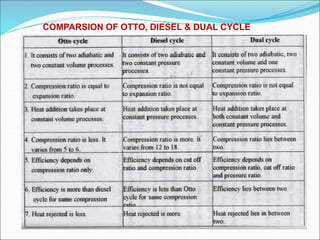
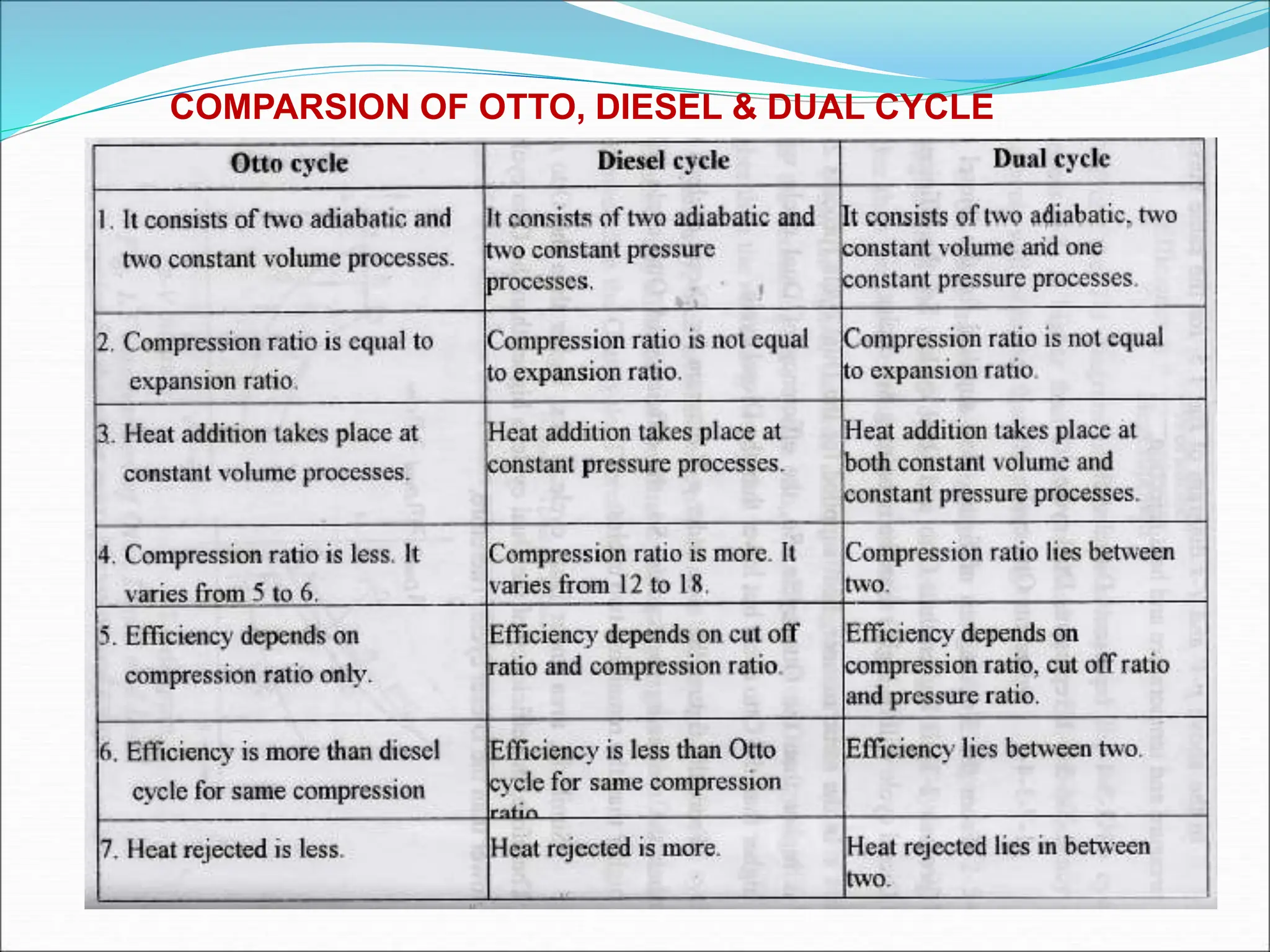
COMPARSION OF OTTO, DIESEL & DUAL CYCLE
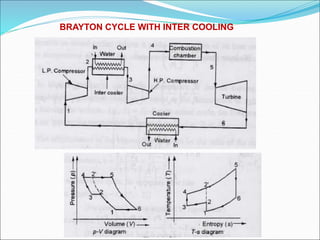
BRAYTON CYCLE WITH INTER COOLING
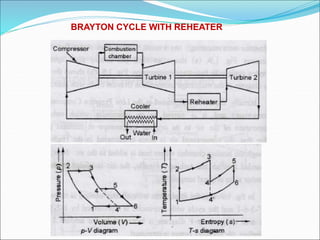
BRAYTON CYCLE WITH REHEATER
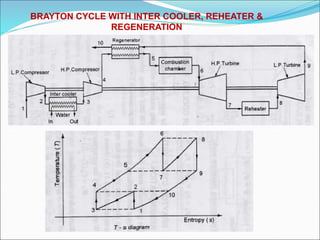
BRAYTON CYCLE WITH INTER COOLER, REHEATER &
REGENERATION
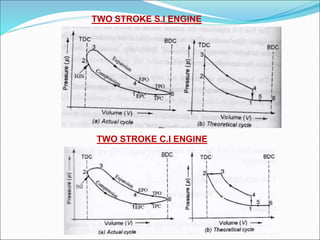
TWO STROKE S.I ENGINE
TWO STROKE C.I ENGINE
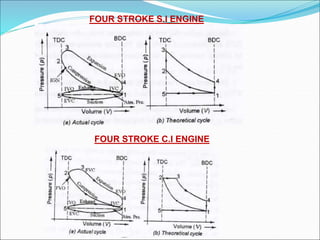
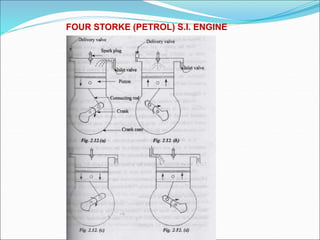
FOUR STROKE S.I ENGINE
FOUR STROKE C.I ENGINE
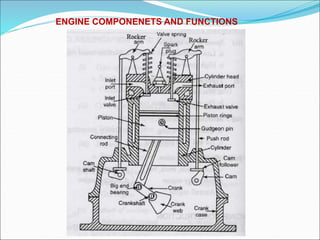
ENGINE COMPONENETS AND FUNCTIONS
FOUR STORKE (PETROL) S.I. ENGINE
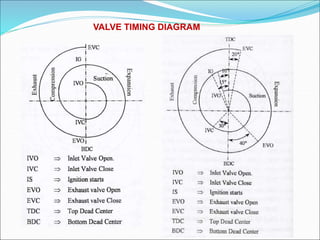
VALVE TIMING DIAGRAM
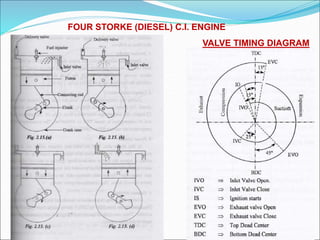
FOUR STORKE (DIESEL) C.I. ENGINE
VALVE TIMING DIAGRAM
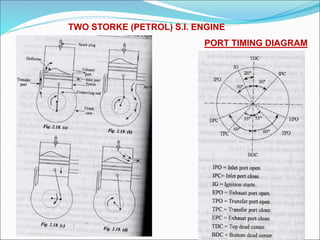
TWO STORKE (PETROL) S.I. ENGINE
PORT TIMING DIAGRAM
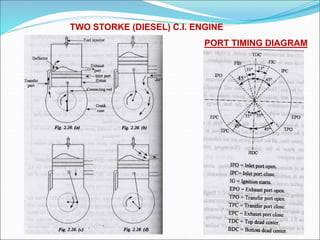
TWO STORKE (DIESEL) C.I. ENGINE
PORT TIMING DIAGRAM
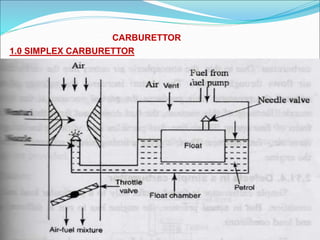
CARBURETTOR
1.0 SIMPLEX CARBURETTOR
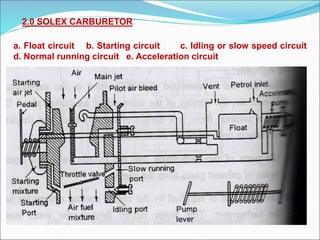
2.0 SOLEX CARBURETOR
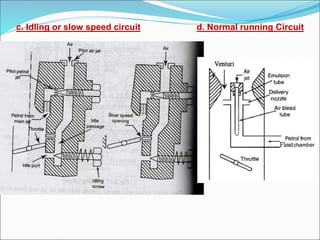
a. Float circuit b. Starting circuit c. Idling or slow speed circuit
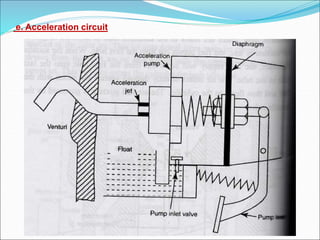
d. Normal running circuit e. Acceleration circuit
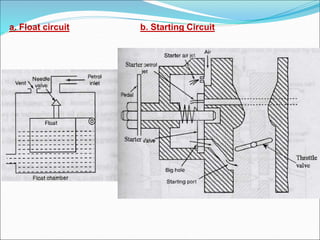
a. Float circuit b. Starting Circuit
c. Idling or slow speed circuit d. Normal running Circuit
e. Acceleration circuit
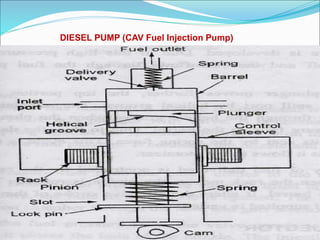
DIESEL PUMP (CAV Fuel Injection Pump)
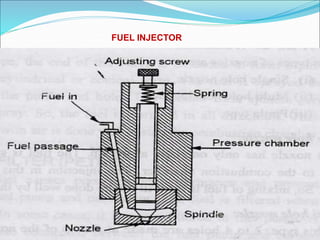
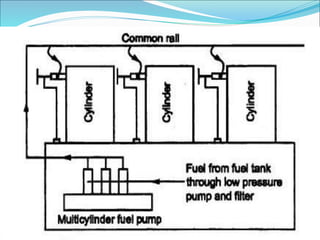
FUEL INJECTOR
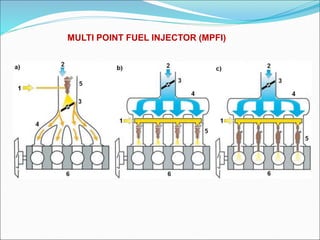
MULTI POINT FUEL INJECTOR (MPFI)
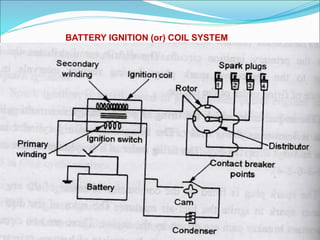
BATTERY IGNITION (or) COIL SYSTEM
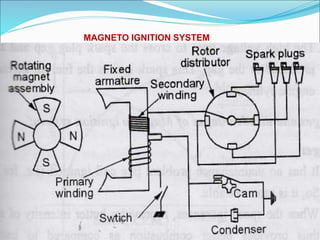
MAGNETO IGNITION SYSTEM
COOLING SYSTEM
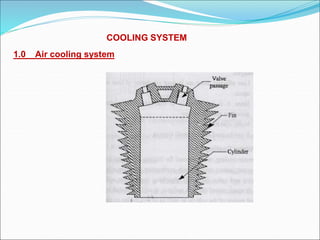
1.0 Air cooling system
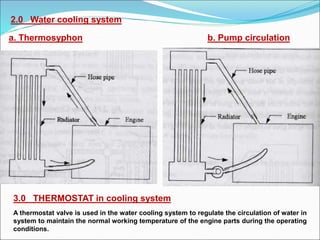
a. Thermosyphon b. Pump circulation
2.0 Water cooling system
3.0 THERMOSTAT in cooling system
A thermostat valve is used in the water cooling system to regulate the circulation of water in
system to maintain the normal working temperature of the engine parts during the operating
conditions.
LUBRICATION SYSTEM
1.0 Petroil or Mist lubrication system
About 3 to 6% of lubricating oil is mixed with petrol in the fuel tank.
Main disadvantages,
Idle running the oil will get separated and cause clogging of fuel passage in carburetor
.
More oil- will release more carbon deposits in the cylinder
Less oil – insufficient lubrication cause damage to the engine.
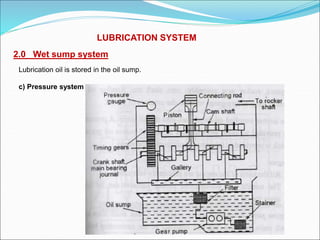
LUBRICATION SYSTEM
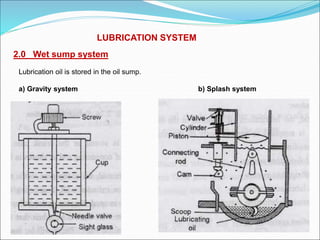
2.0 Wet sump system
Lubrication oil is stored in the oil sump.
a) Gravity system b) Splash system
LUBRICATION SYSTEM
2.0 Wet sump system
Lubrication oil is stored in the oil sump.
c) Pressure system
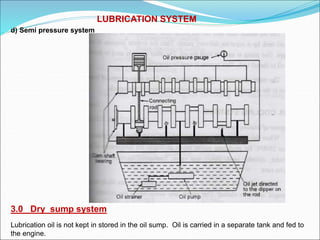
LUBRICATION SYSTEM
3.0 Dry sump system
d) Semi pressure system
Lubrication oil is not kept in stored in the oil sump. Oil is carried in a separate tank and fed to
the engine.

Thermal Engineering Unit - I & II . ppt