THE TERTIARY
SECTOR: SERVICES.
TRANSPORT
María Jesús Campos Fernández.
learningfromgeography.wikispaces.com
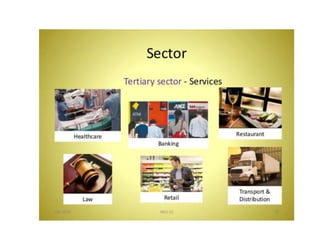
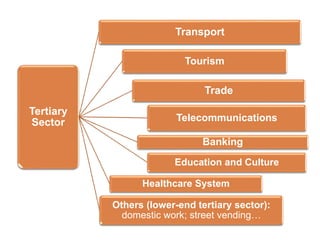
Tertiary
Sector
Transport
Tourism
Trade
Telecommunications
Banking
Education and Culture
Healthcare System
Others (lower-end tertiary sector):
domestic work; street vending…
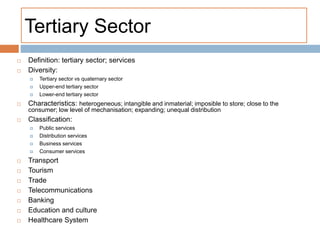
Tertiary Sector
 Definition: tertiary sector; services
 Diversity:
 Tertiary sector vs quaternary sector
 Upper-end tertiary sector
 Lower-end tertiary sector
 Characteristics: heterogeneous; intangible and inmaterial; imposible to store; close to the
consumer; low level of mechanisation; expanding; unequal distribution
 Classification:
 Public services
 Distribution services
 Business services
 Consumer services
 Transport
 Tourism
 Trade
 Telecommunications
 Banking
 Education and culture
 Healthcare System
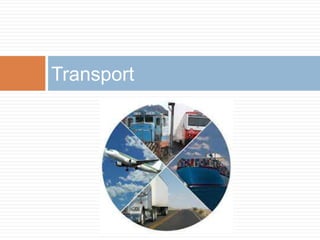
Transport
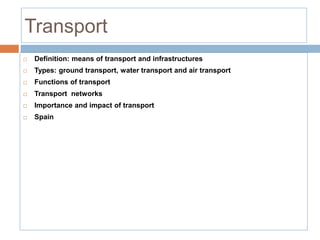
Transport
 Definition: means of transport and infrastructures
 Types: ground transport, water transport and air transport
 Functions of transport
 Transport networks
 Importance and impact of transport
 Spain
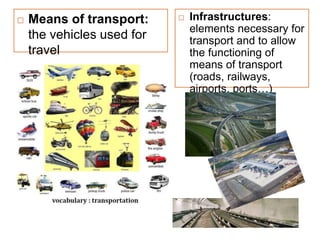
 Means of transport:
the vehicles used for
travel
 Infrastructures:
elements necessary for
transport and to allow
the functioning of
means of transport
(roads, railways,
airports, ports…)
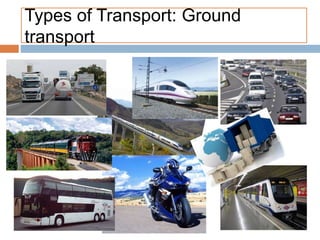
Types of Transport: Ground
transport
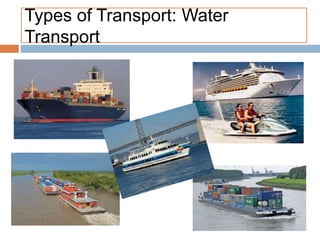
Types of Transport: Water
Transport
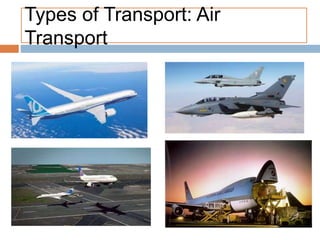
Types of Transport: Air
Transport
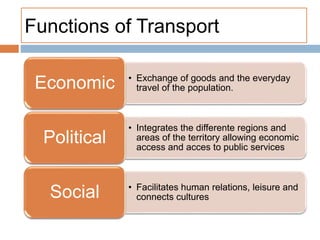
Functions of Transport
• Exchange of goods and the everyday
travel of the population.Economic
• Integrates the differente regions and
areas of the territory allowing economic
access and acces to public services
Political
• Facilitates human relations, leisure and
connects culturesSocial
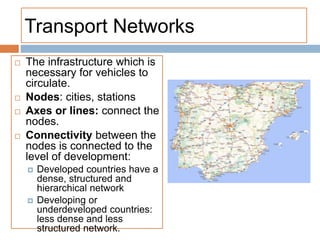
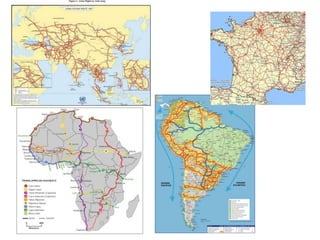
Transport Networks
 The infrastructure which is
necessary for vehicles to
circulate.
 Nodes: cities, stations
 Axes or lines: connect the
nodes.
 Connectivity between the
nodes is connected to the
level of development:
 Developed countries have a
dense, structured and
hierarchical network
 Developing or
underdeveloped countries:
less dense and less
structured network.
Developed by María Jesús Campos
learningfromgeography.wikispaces.com
Chusteacher
Wikiteacher
Sources: rocio Bautista Slidehare ppt

The Tertiary Sector. Services: Transport

  • 1.
    THE TERTIARY SECTOR: SERVICES. TRANSPORT MaríaJesús Campos Fernández. learningfromgeography.wikispaces.com
  • 4.
    Tertiary Sector Transport Tourism Trade Telecommunications Banking Education and Culture HealthcareSystem Others (lower-end tertiary sector): domestic work; street vending…
  • 5.
    Tertiary Sector  Definition:tertiary sector; services  Diversity:  Tertiary sector vs quaternary sector  Upper-end tertiary sector  Lower-end tertiary sector  Characteristics: heterogeneous; intangible and inmaterial; imposible to store; close to the consumer; low level of mechanisation; expanding; unequal distribution  Classification:  Public services  Distribution services  Business services  Consumer services  Transport  Tourism  Trade  Telecommunications  Banking  Education and culture  Healthcare System
  • 6.
  • 7.
    Transport  Definition: meansof transport and infrastructures  Types: ground transport, water transport and air transport  Functions of transport  Transport networks  Importance and impact of transport  Spain
  • 8.
     Means oftransport: the vehicles used for travel  Infrastructures: elements necessary for transport and to allow the functioning of means of transport (roads, railways, airports, ports…)
  • 9.
    Types of Transport:Ground transport
  • 10.
    Types of Transport:Water Transport
  • 11.
    Types of Transport:Air Transport
  • 12.
    Functions of Transport •Exchange of goods and the everyday travel of the population.Economic • Integrates the differente regions and areas of the territory allowing economic access and acces to public services Political • Facilitates human relations, leisure and connects culturesSocial
  • 13.
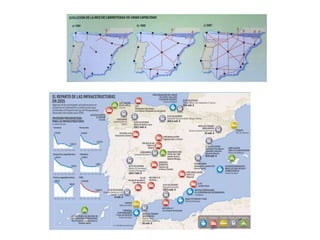
    Transport Networks  Theinfrastructure which is necessary for vehicles to circulate.  Nodes: cities, stations  Axes or lines: connect the nodes.  Connectivity between the nodes is connected to the level of development:  Developed countries have a dense, structured and hierarchical network  Developing or underdeveloped countries: less dense and less structured network.
  • 21.
    Developed by MaríaJesús Campos learningfromgeography.wikispaces.com Chusteacher Wikiteacher Sources: rocio Bautista Slidehare ppt