THE TERTIARY
SECTOR: SERVICES.
TRADE
María Jesús Campos Fernández.
learningfromgeography.wikispaces.com
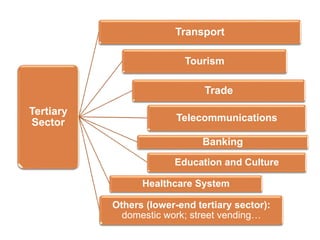
Tertiary
Sector
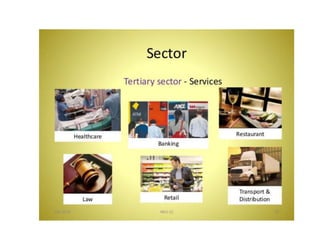
Transport
Tourism
Trade
Telecommunications
Banking
Education and Culture
Healthcare System
Others (lower-end tertiary sector):
domestic work; street vending…
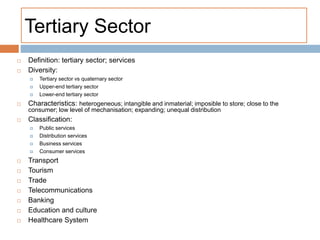
Tertiary Sector
 Definition: tertiary sector; services
 Diversity:
 Tertiary sector vs quaternary sector
 Upper-end tertiary sector
 Lower-end tertiary sector
 Characteristics: heterogeneous; intangible and inmaterial; imposible to store; close to the
consumer; low level of mechanisation; expanding; unequal distribution
 Classification:
 Public services
 Distribution services
 Business services
 Consumer services
 Transport
 Tourism
 Trade
 Telecommunications
 Banking
 Education and culture
 Healthcare System
Trade
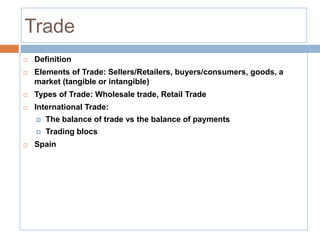
Trade
 Definition
 Elements of Trade: Sellers/Retailers, buyers/consumers, goods, a
market (tangible or intangible)
 Types of Trade: Wholesale trade, Retail Trade
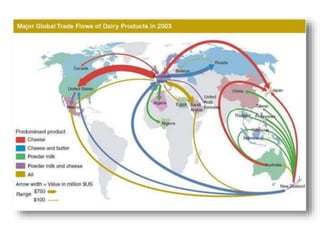
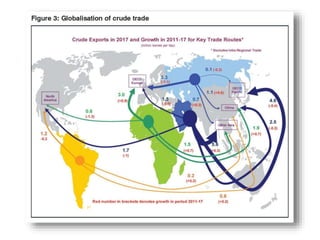
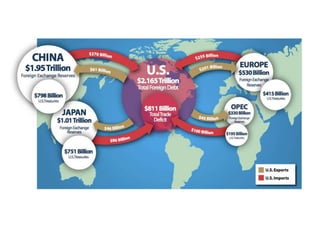
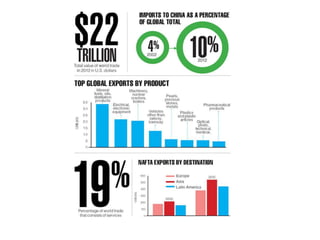
 International Trade:
 The balance of trade vs the balance of payments
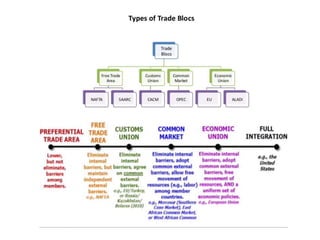
 Trading blocs
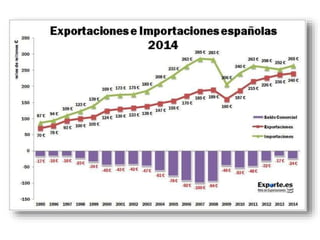
 Spain
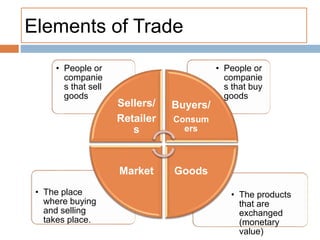
Elements of Trade
• The products
that are
exchanged
(monetary
value)
• The place
where buying
and selling
takes place.
• People or
companie
s that buy
goods
• People or
companie
s that sell
goods
Sellers/
Retailer
s
Buyers/
Consum
ers
GoodsMarket
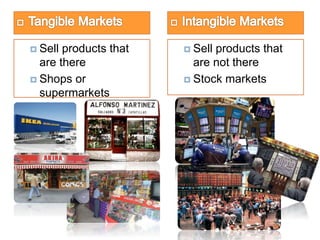
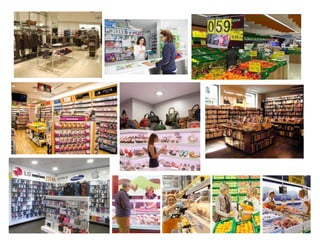
 Sell products that
are there
 Shops or
supermarkets
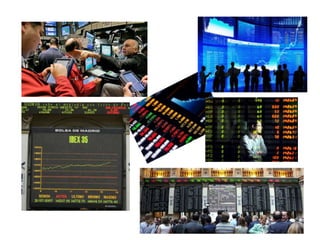
 Sell products that
are not there
 Stock markets
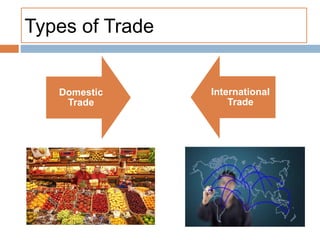
Types of Trade
Domestic
Trade
International
Trade
Domestic Trade
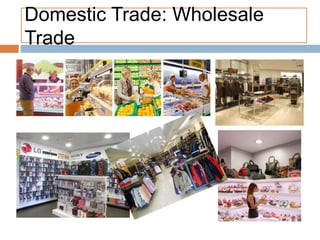
 Companies buy large
amounts of products
directly from the
manufacturer in order to
sell the products on to
the retailers.
 Individual consumers do
not have access to the
markets where
wholesalers buy their
goods
 They sell directly to
consumers.
 It can happen in shops
but also by mail, phone,
television or the Internet
Wholesale trade Retail Trade
Domestic Trade: Wholesale
Trade
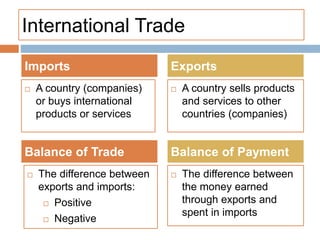
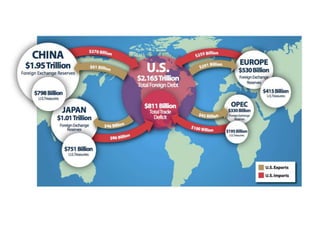
International Trade
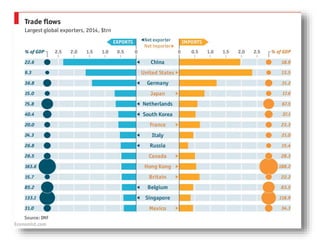
 A country (companies)
or buys international
products or services
 A country sells products
and services to other
countries (companies)
Imports Exports
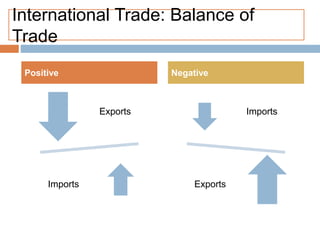
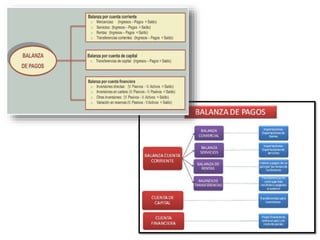
Balance of Trade Balance of Payment
 The difference between
exports and imports:
 Positive
 Negative
 The difference between
the money earned
through exports and
spent in imports
International Trade: Balance of
Trade
Exports
Imports
Imports
Exports
Positive Negative
International Trade: Balance of
Payment
Positive Negative
International Trade: Trading
blocs
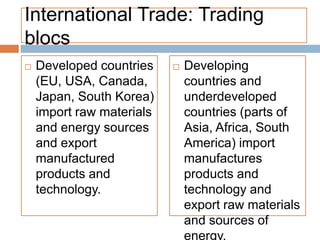
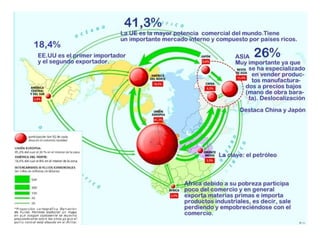
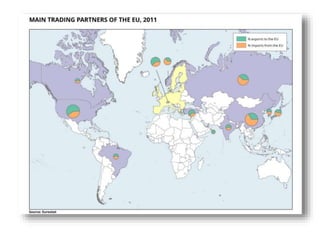
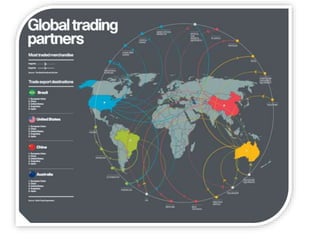
 Developed countries
(EU, USA, Canada,
Japan, South Korea)
import raw materials
and energy sources
and export
manufactured
products and
technology.
 Developing
countries and
underdeveloped
countries (parts of
Asia, Africa, South
America) import
manufactures
products and
technology and
export raw materials
and sources of
energy.
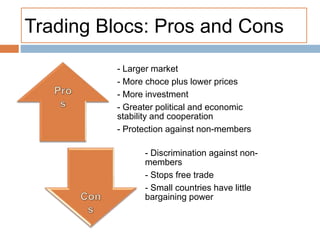
- Larger market
- More choce plus lower prices
- More investment
- Greater political and economic
stability and cooperation
- Protection against non-members
- Discrimination against non-
members
- Stops free trade
- Small countries have little
bargaining power
Trading Blocs: Pros and Cons
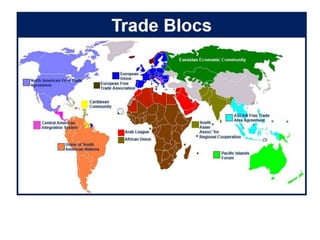
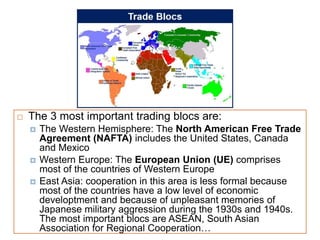
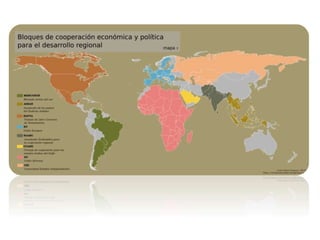
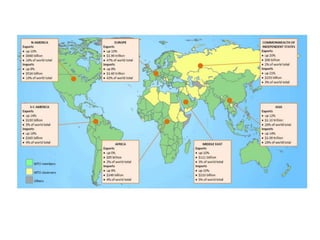
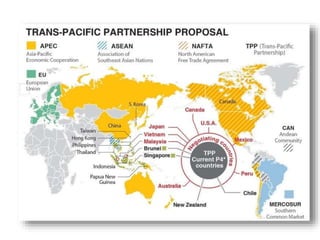
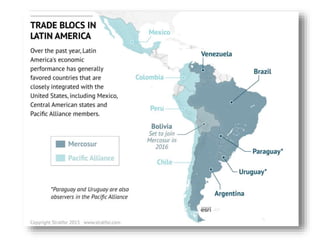
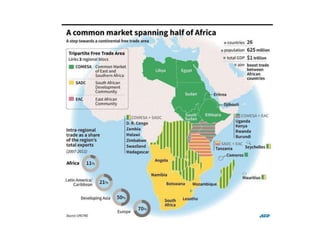
 The 3 most important trading blocs are:
 The Western Hemisphere: The North American Free Trade
Agreement (NAFTA) includes the United States, Canada
and Mexico
 Western Europe: The European Union (UE) comprises
most of the countries of Western Europe
 East Asia: cooperation in this area is less formal because
most of the countries have a low level of economic
developtment and because of unpleasant memories of
Japanese military aggression during the 1930s and 1940s.
The most important blocs are ASEAN, South Asian
Association for Regional Cooperation…
Developed by María Jesús Campos
learningfromgeography.wikispaces.com
Chusteacher
Wikiteacher
Sources: rocio Bautista Slidehare ppt

The Tertiary Sector: Services. Trade

  • 1.
    THE TERTIARY SECTOR: SERVICES. TRADE MaríaJesús Campos Fernández. learningfromgeography.wikispaces.com
  • 4.
    Tertiary Sector Transport Tourism Trade Telecommunications Banking Education and Culture HealthcareSystem Others (lower-end tertiary sector): domestic work; street vending…
  • 5.
    Tertiary Sector  Definition:tertiary sector; services  Diversity:  Tertiary sector vs quaternary sector  Upper-end tertiary sector  Lower-end tertiary sector  Characteristics: heterogeneous; intangible and inmaterial; imposible to store; close to the consumer; low level of mechanisation; expanding; unequal distribution  Classification:  Public services  Distribution services  Business services  Consumer services  Transport  Tourism  Trade  Telecommunications  Banking  Education and culture  Healthcare System
  • 6.
  • 7.
    Trade  Definition  Elementsof Trade: Sellers/Retailers, buyers/consumers, goods, a market (tangible or intangible)  Types of Trade: Wholesale trade, Retail Trade  International Trade:  The balance of trade vs the balance of payments  Trading blocs  Spain
  • 8.
    Elements of Trade •The products that are exchanged (monetary value) • The place where buying and selling takes place. • People or companie s that buy goods • People or companie s that sell goods Sellers/ Retailer s Buyers/ Consum ers GoodsMarket
  • 9.
     Sell productsthat are there  Shops or supermarkets  Sell products that are not there  Stock markets
  • 16.
  • 17.
    Domestic Trade  Companiesbuy large amounts of products directly from the manufacturer in order to sell the products on to the retailers.  Individual consumers do not have access to the markets where wholesalers buy their goods  They sell directly to consumers.  It can happen in shops but also by mail, phone, television or the Internet Wholesale trade Retail Trade
  • 18.
  • 19.
    International Trade  Acountry (companies) or buys international products or services  A country sells products and services to other countries (companies) Imports Exports Balance of Trade Balance of Payment  The difference between exports and imports:  Positive  Negative  The difference between the money earned through exports and spent in imports
  • 20.
    International Trade: Balanceof Trade Exports Imports Imports Exports Positive Negative
  • 22.
    International Trade: Balanceof Payment Positive Negative
  • 25.
    International Trade: Trading blocs Developed countries (EU, USA, Canada, Japan, South Korea) import raw materials and energy sources and export manufactured products and technology.  Developing countries and underdeveloped countries (parts of Asia, Africa, South America) import manufactures products and technology and export raw materials and sources of energy.
  • 26.
    - Larger market -More choce plus lower prices - More investment - Greater political and economic stability and cooperation - Protection against non-members - Discrimination against non- members - Stops free trade - Small countries have little bargaining power Trading Blocs: Pros and Cons
  • 28.
     The 3most important trading blocs are:  The Western Hemisphere: The North American Free Trade Agreement (NAFTA) includes the United States, Canada and Mexico  Western Europe: The European Union (UE) comprises most of the countries of Western Europe  East Asia: cooperation in this area is less formal because most of the countries have a low level of economic developtment and because of unpleasant memories of Japanese military aggression during the 1930s and 1940s. The most important blocs are ASEAN, South Asian Association for Regional Cooperation…
  • 45.
    Developed by MaríaJesús Campos learningfromgeography.wikispaces.com Chusteacher Wikiteacher Sources: rocio Bautista Slidehare ppt