About
What is the Methods Bank ?
The Methods Bank is a resource to help you use design better in your project.
The Design Process section will introduce to the Design Council’s design process
and the concepts behind. This is a good place to start for an introduction to our
way of working.
The Design Methods section is a resource of methods which you could use in
your projects. It collects generic methods used by the design industry, as well as
methods developed in-house at the Design Council. The Design Methods section
will inspire you to try new techniques, and provides information and examples to
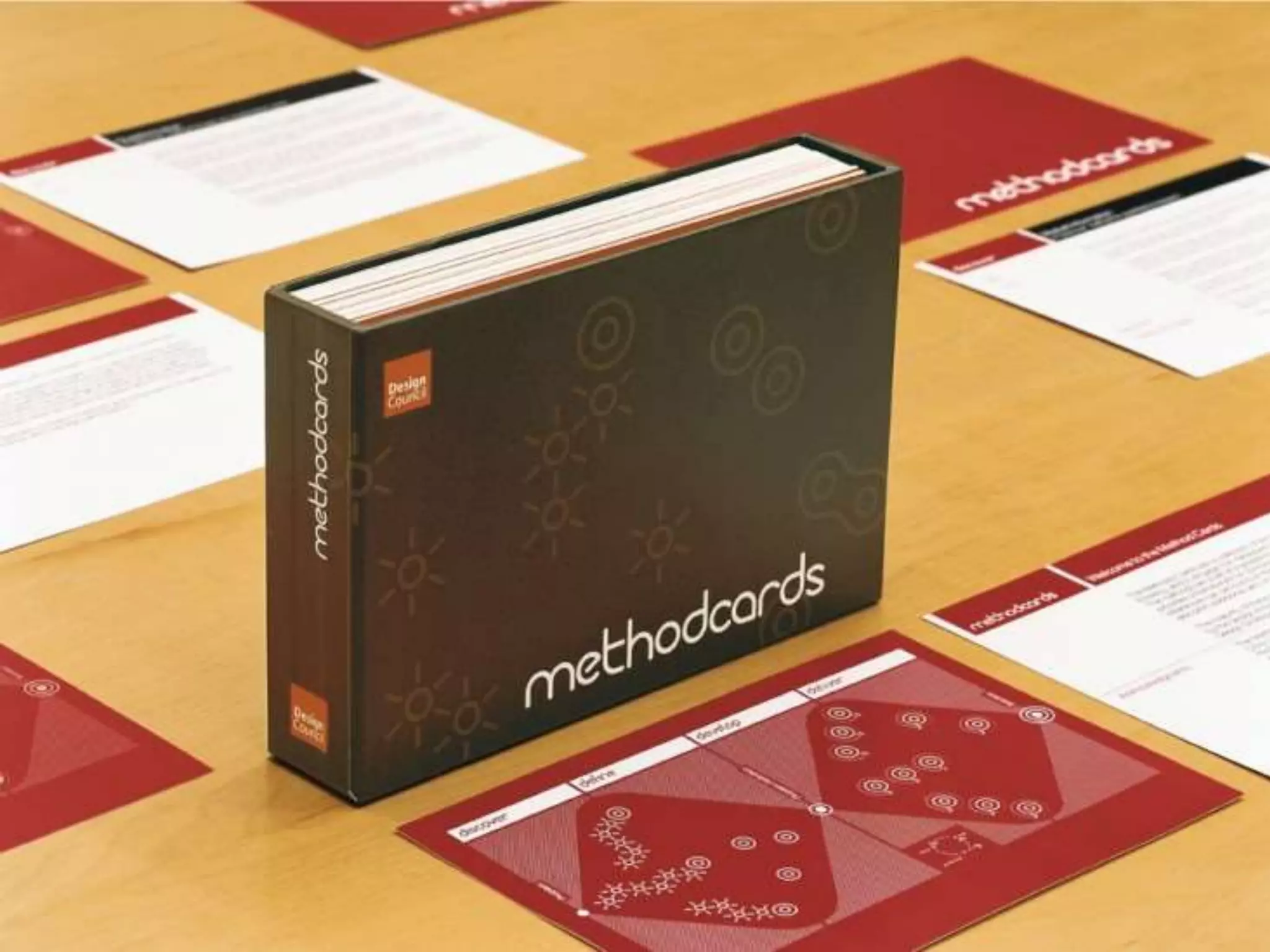
help you get started. From this section you can print methods cards to use in
planning and workshops.
The design projects sections shows examples of how design strategists have
used design methods in project work. Use this section to understand how the
design process and design methods can be adapted by a Design Strategist to fit
your project. You can also hear design strategists talking about the methods that
have worked for them.
The methods bank is a collection of ingredients and provides a framework for
combing them. You’ll need the experience an intuition of a design strategist to
help you put them into action.
About those who
created it
About
Acknowledgements
This Methods Bank was developed between by Anna Humpherson, Chris
Vanstone and the design team at the Design Council. Thanks to Richard
Eisermann for the four d’s and the double diamond diagram. Thanks to Gill
Wildman, Jonathan Ball, Jennie Winhall, and Anna Richelle for contributing their
methods and all their work in creating a model that works.
The methods were written and researched by Chris Vanstone with thanks to
Jeremy Walker - research methods, Richelle Harun - trends and Anna
Humpherson - understanding users. Editing by Jan Dekker. Also, thanks to Ellie
Runcie and Paul Sykes for their input on development.
Graphic Design by Hector, Mel and Ian at Cartlidge Levene. Web design and
animation by Matt and George at Matt&George.
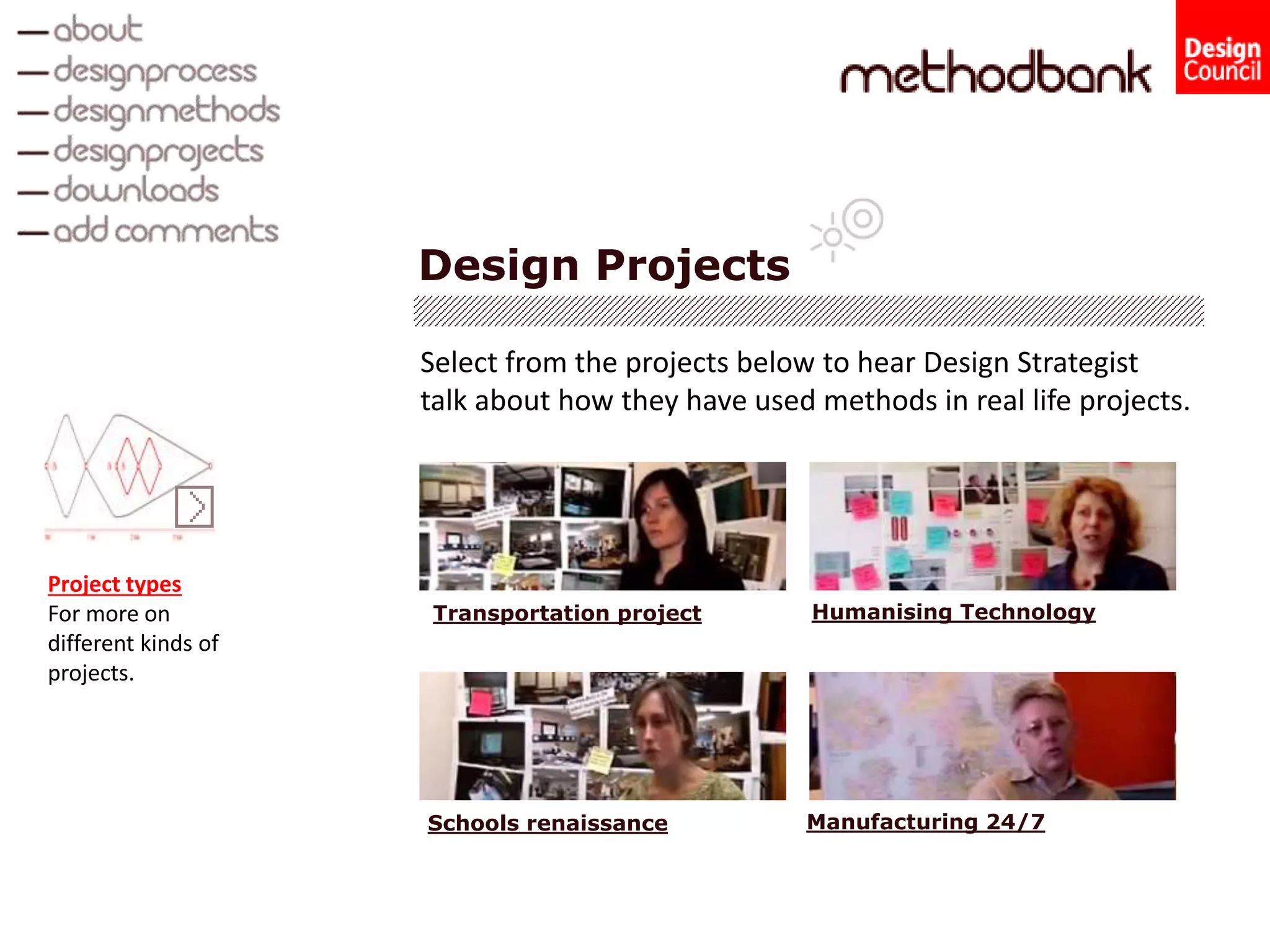
Transportation project Humanising Technology
Schools renaissance Manufacturing 24/7
Design Projects
Select from the projects below to hear Design Strategist
talk about how they have used methods in real life projects.
Project types
For more on
different kinds of
projects.
Multi-client
Types of Projects
Describing your project
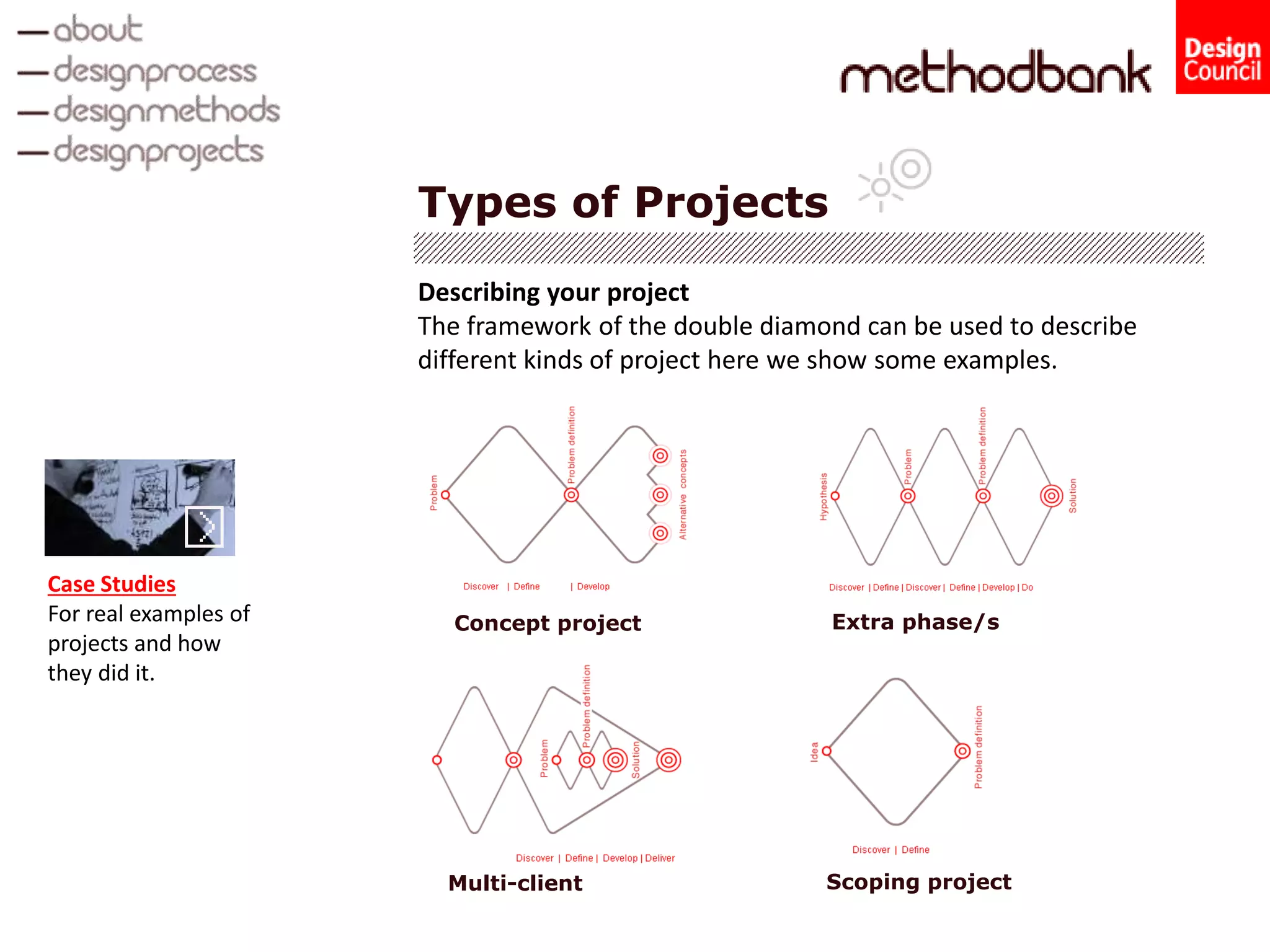
The framework of the double diamond can be used to describe
different kinds of project here we show some examples.
Concept project Extra phase/s
Scoping project
Case Studies
For real examples of
projects and how
they did it.
Concept project
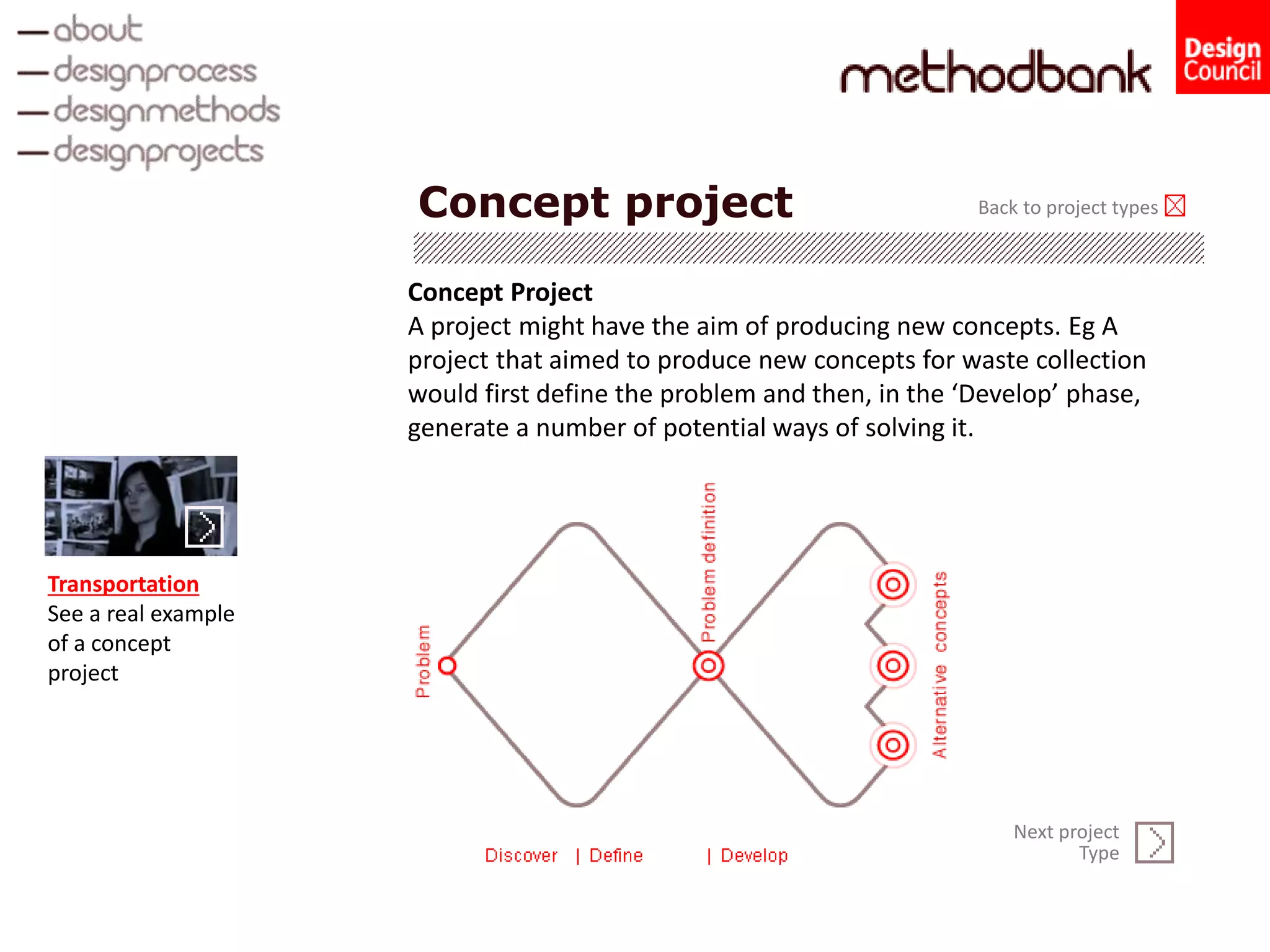
Concept Project
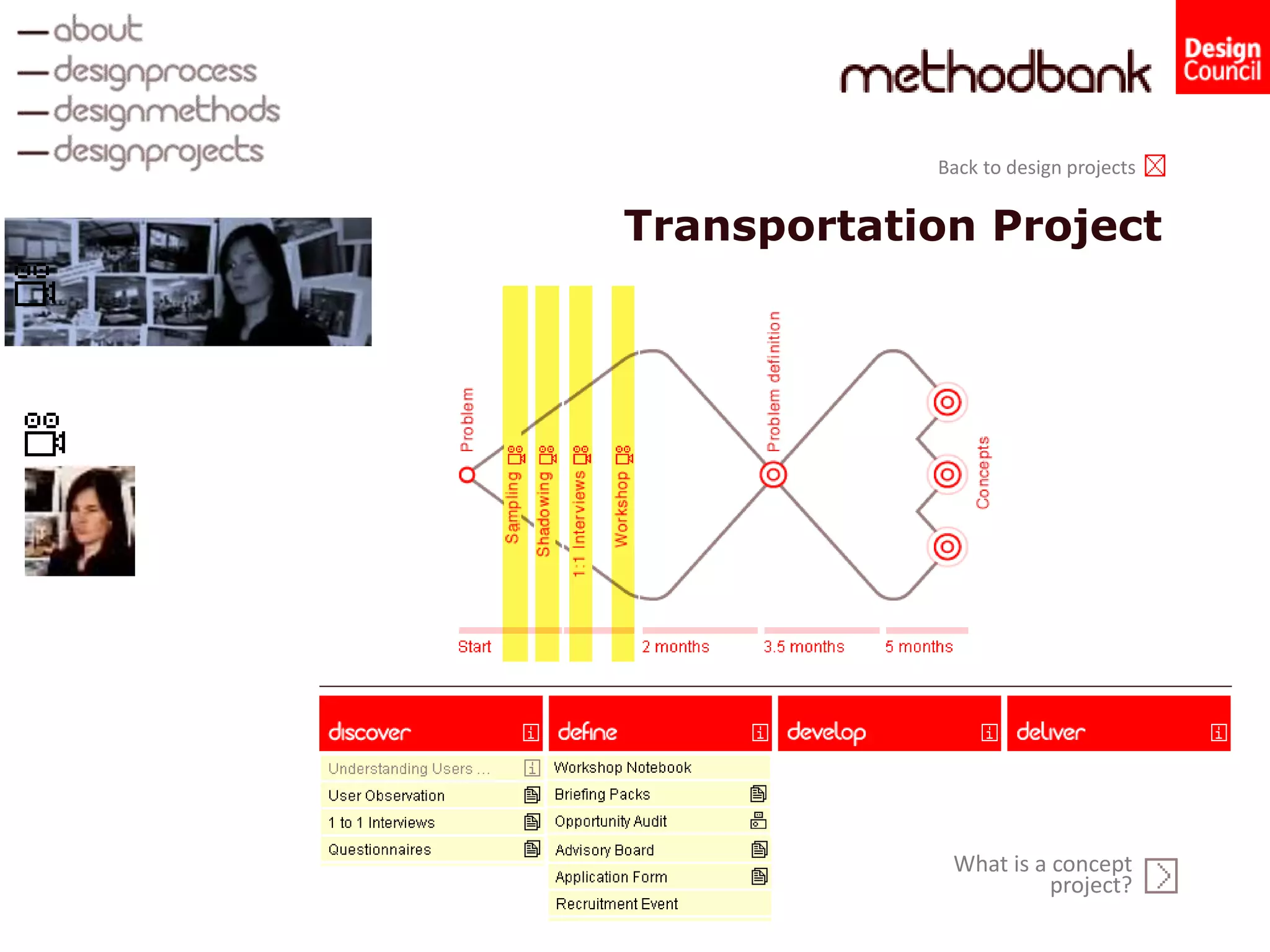
A project might have the aim of producing new concepts. Eg A
project that aimed to produce new concepts for waste collection
would first define the problem and then, in the ‘Develop’ phase,
generate a number of potential ways of solving it.
Back to project types
Transportation
See a real example
of a concept
project
Next project
Type
Multi-client project
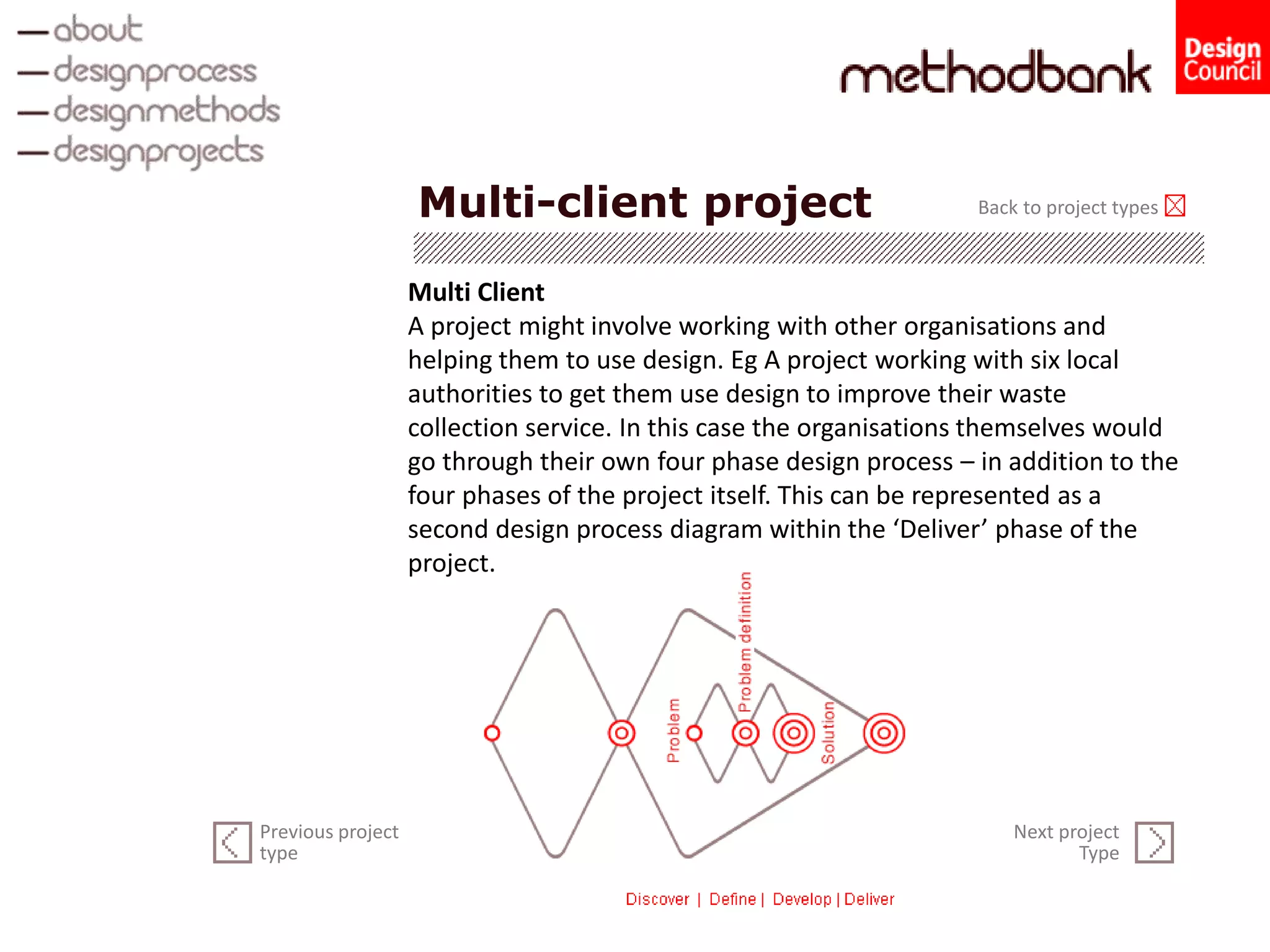
Multi Client
A project might involve working with other organisations and
helping them to use design. Eg A project working with six local
authorities to get them use design to improve their waste
collection service. In this case the organisations themselves would
go through their own four phase design process – in addition to the
four phases of the project itself. This can be represented as a
second design process diagram within the ‘Deliver’ phase of the
project.
Back to project types
Next project
Type
Previous project
type
Extra-phase project
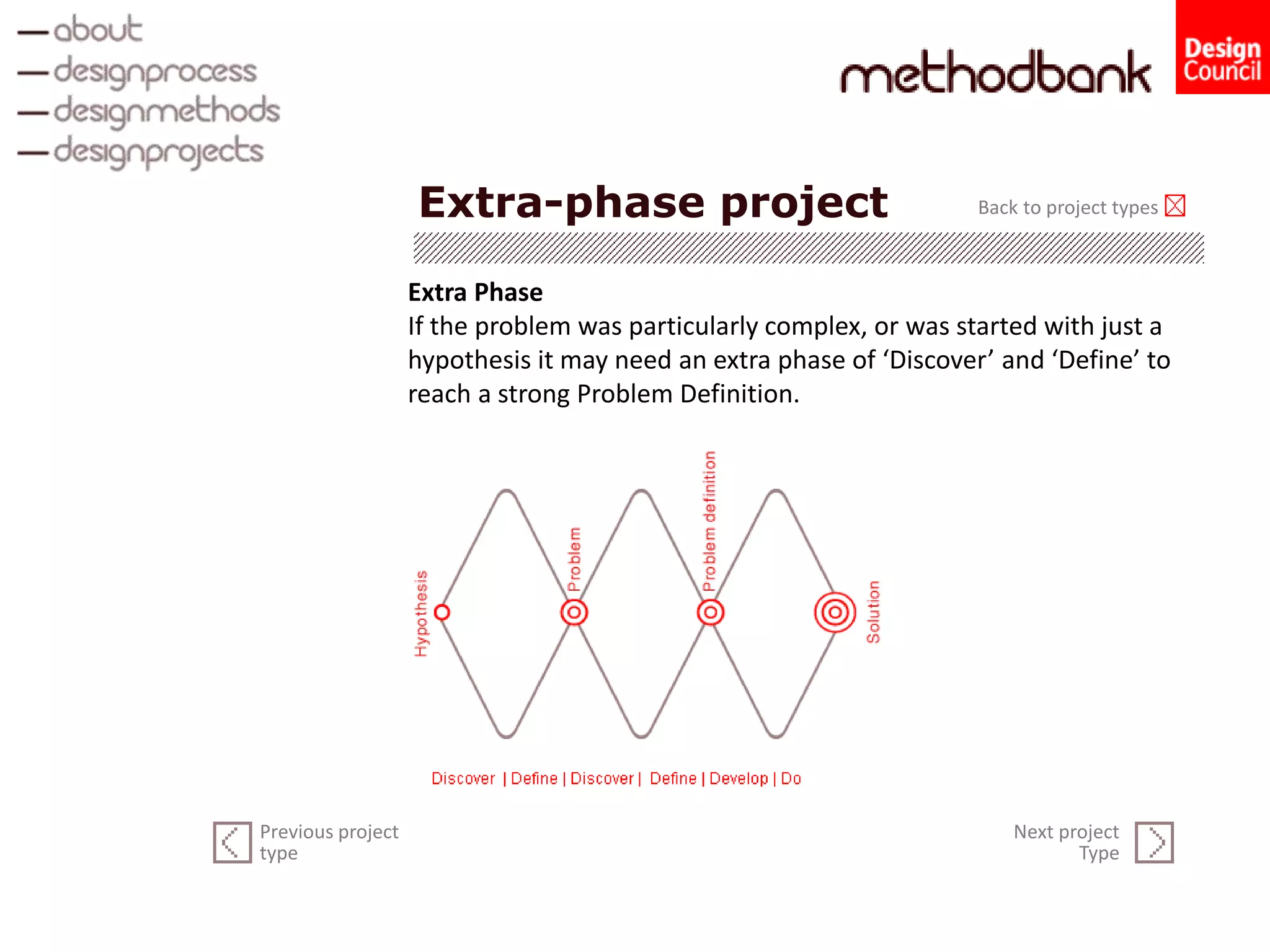
Extra Phase
If the problem was particularly complex, or was started with just a
hypothesis it may need an extra phase of ‘Discover’ and ‘Define’ to
reach a strong Problem Definition.
Back to project types
Next project
Type
Previous project
type
Scoping project
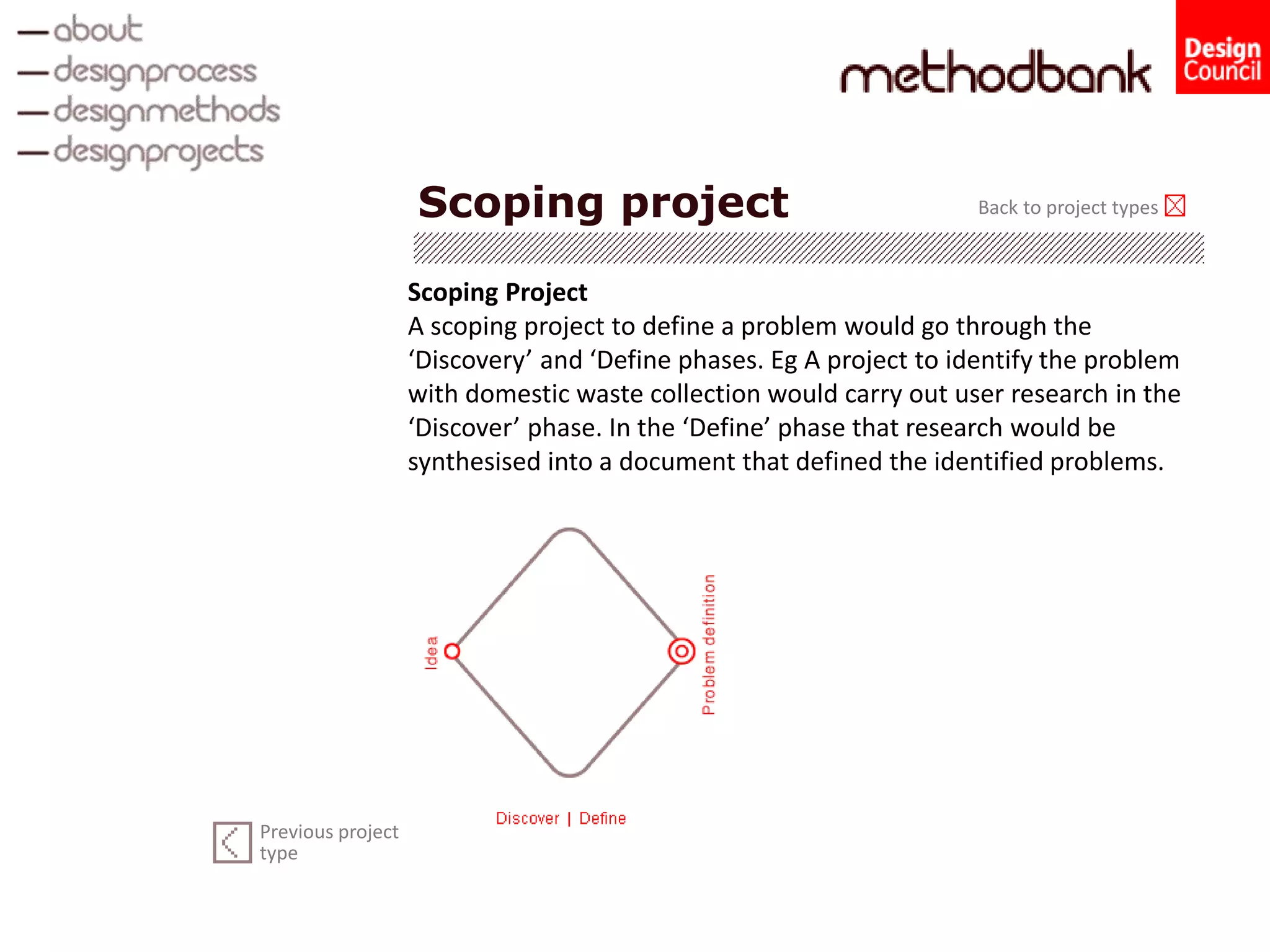
Scoping Project
A scoping project to define a problem would go through the
‘Discovery’ and ‘Define phases. Eg A project to identify the problem
with domestic waste collection would carry out user research in the
‘Discover’ phase. In the ‘Define’ phase that research would be
synthesised into a document that defined the identified problems.
Back to project types
Previous project
type
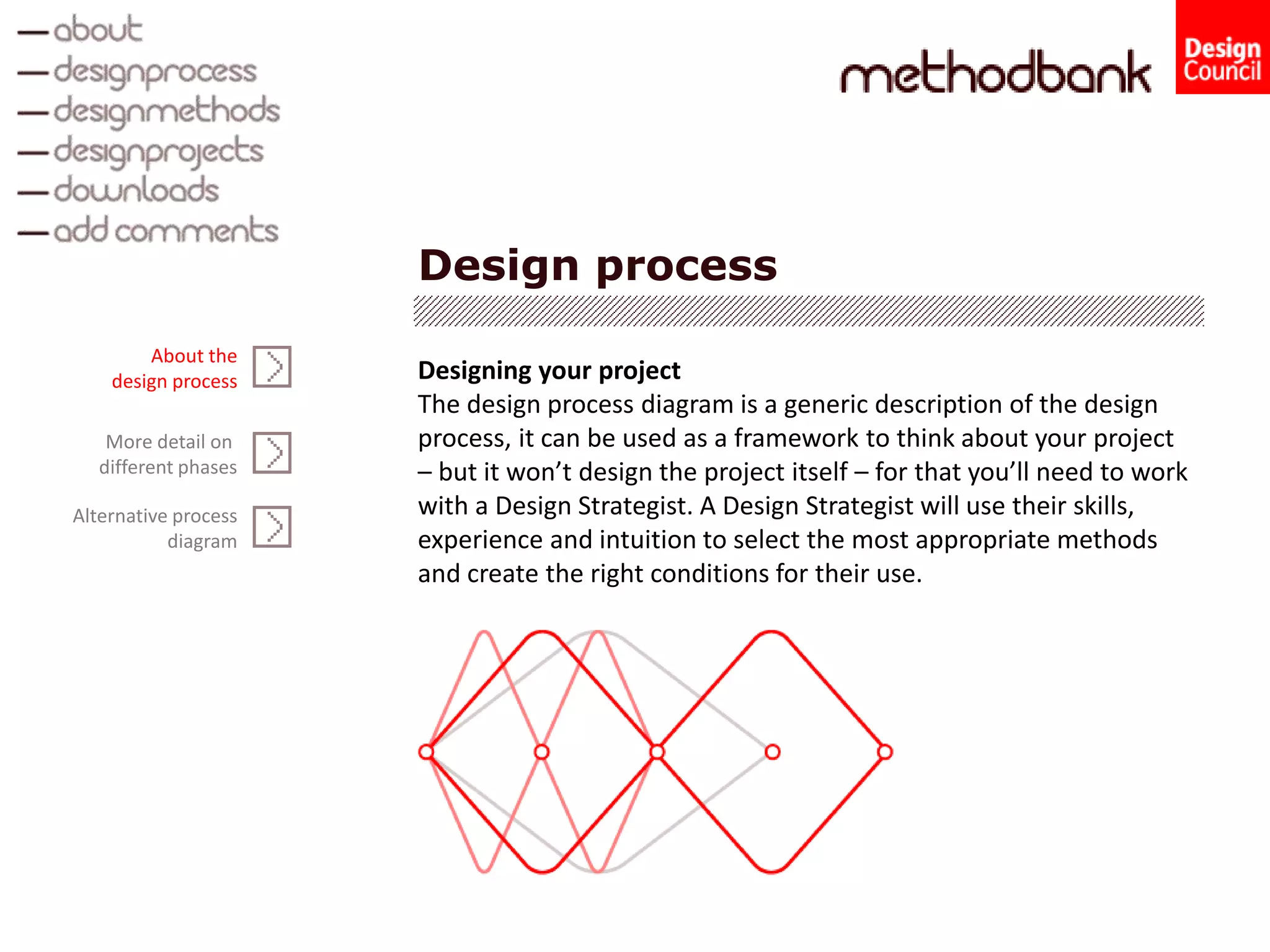
Design process
Designing your project
The design process diagram is a generic description of the design
process, it can be used as a framework to think about your project
– but it won’t design the project itself – for that you’ll need to work
with a Design Strategist. A Design Strategist will use their skills,
experience and intuition to select the most appropriate methods
and create the right conditions for their use.
More detail on
different phases
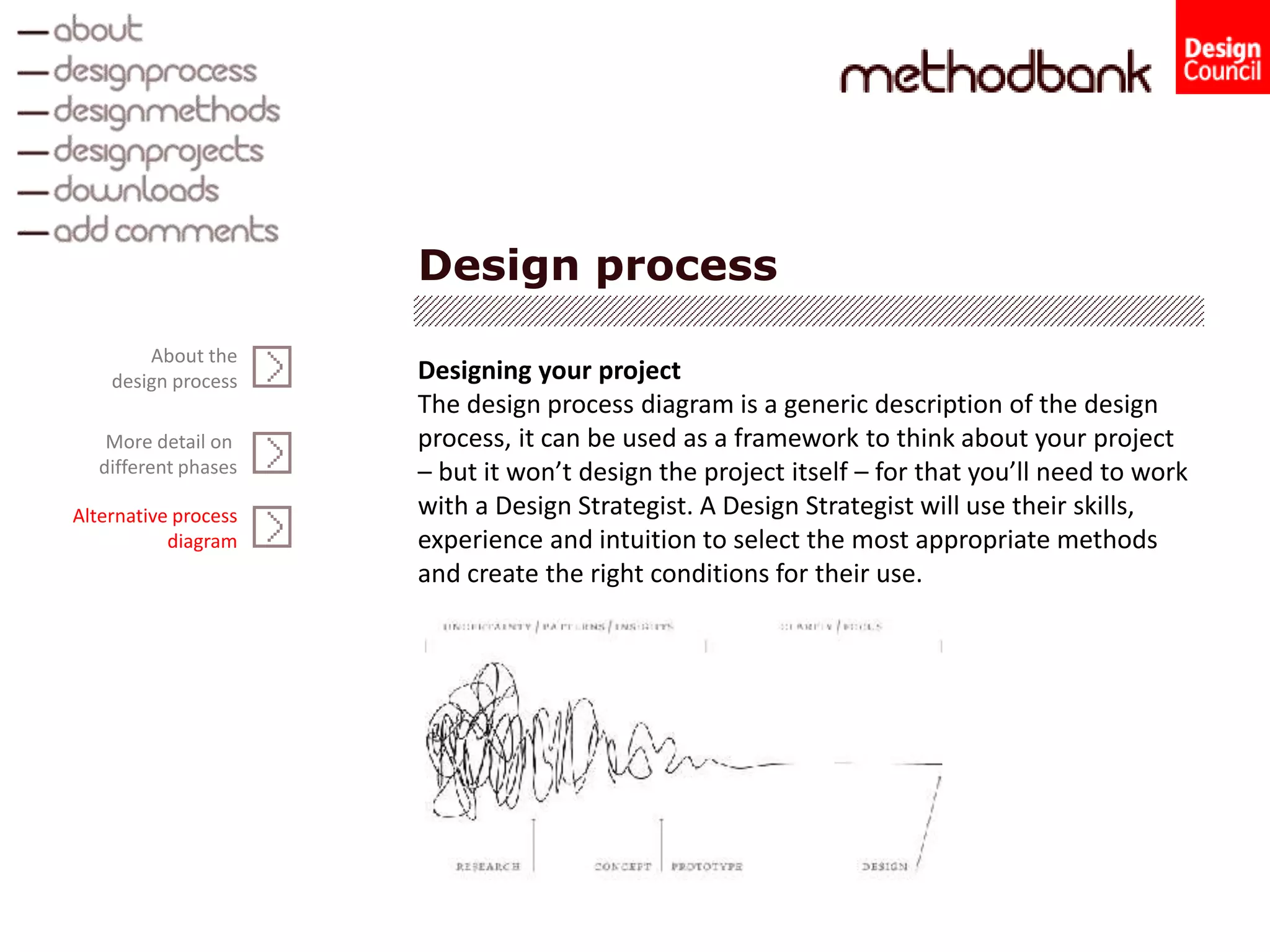
Alternative process
diagram
About the
design process
Design process
Designing your project
The design process diagram is a generic description of the design
process, it can be used as a framework to think about your project
– but it won’t design the project itself – for that you’ll need to work
with a Design Strategist. A Design Strategist will use their skills,
experience and intuition to select the most appropriate methods
and create the right conditions for their use.
More detail on
different phases
Alternative process
diagram
About the
design process
Back to design process
Design methods
The Design Methods
The content of the methods bank reflects the Design Council’s user centred
approach to design. The majority of the methods are non-proprietary and in
general usage within the industry, some of the methods have been developed by
the Design strategists at the Design Council. The methods bank has collected,
classified and mapped design methods to a design process for the first time. In
selecting and writing the methods we have been careful to avoid the jargon
often associated with design.
Work which has particularly informed the methods bank includes:
Ideo’s Methods Deck,
The Methods Lab published as part of Presence
the Design Council’s Methods Lab (unpublished)
What If?’s Start a creative revolution at work
Oliver Strakers’ Problem solving through post it notes
Pat Jordans’ published work on Human Factors research,
and Ideos’ paper What is user research? (unpublished)
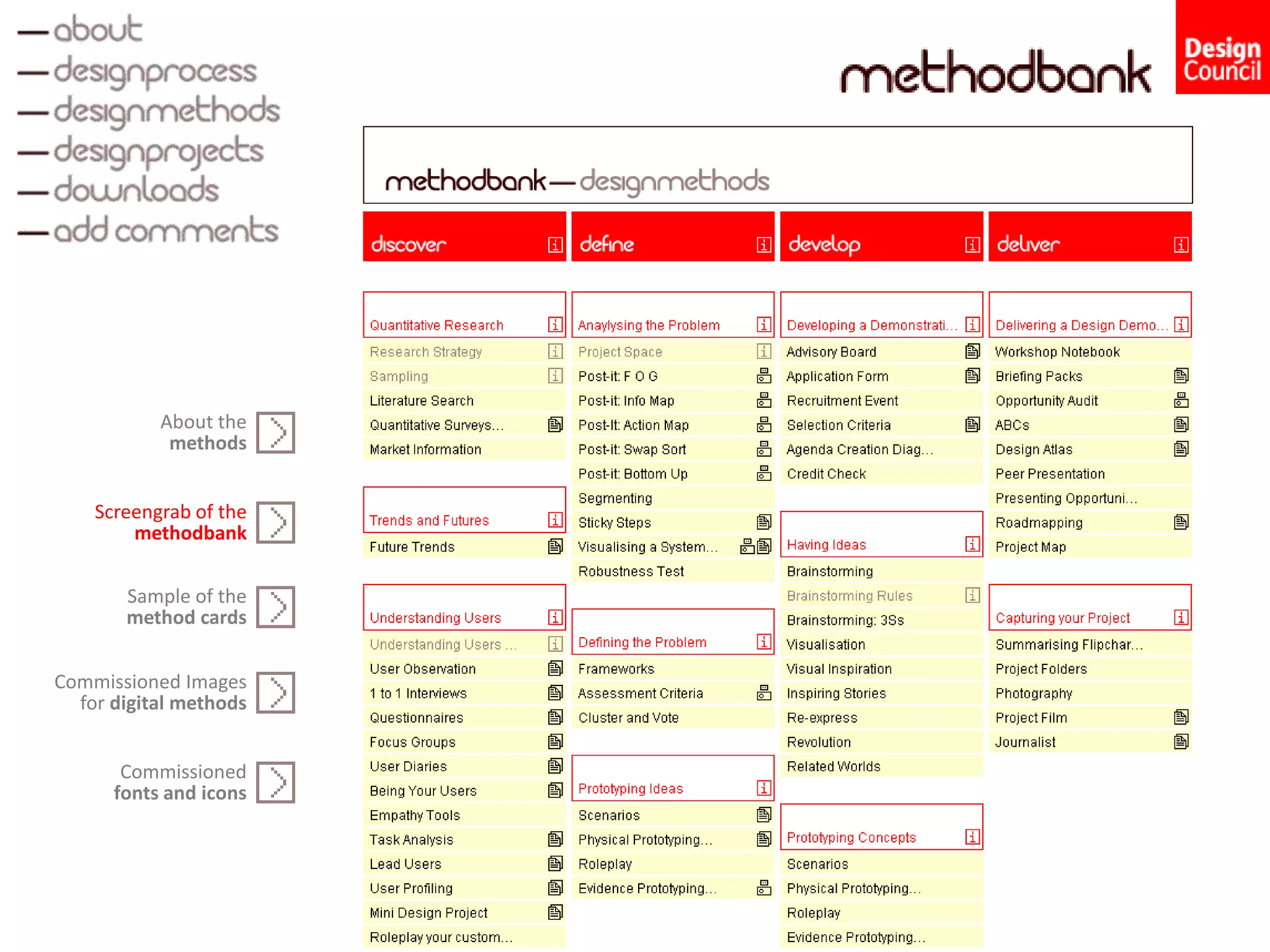
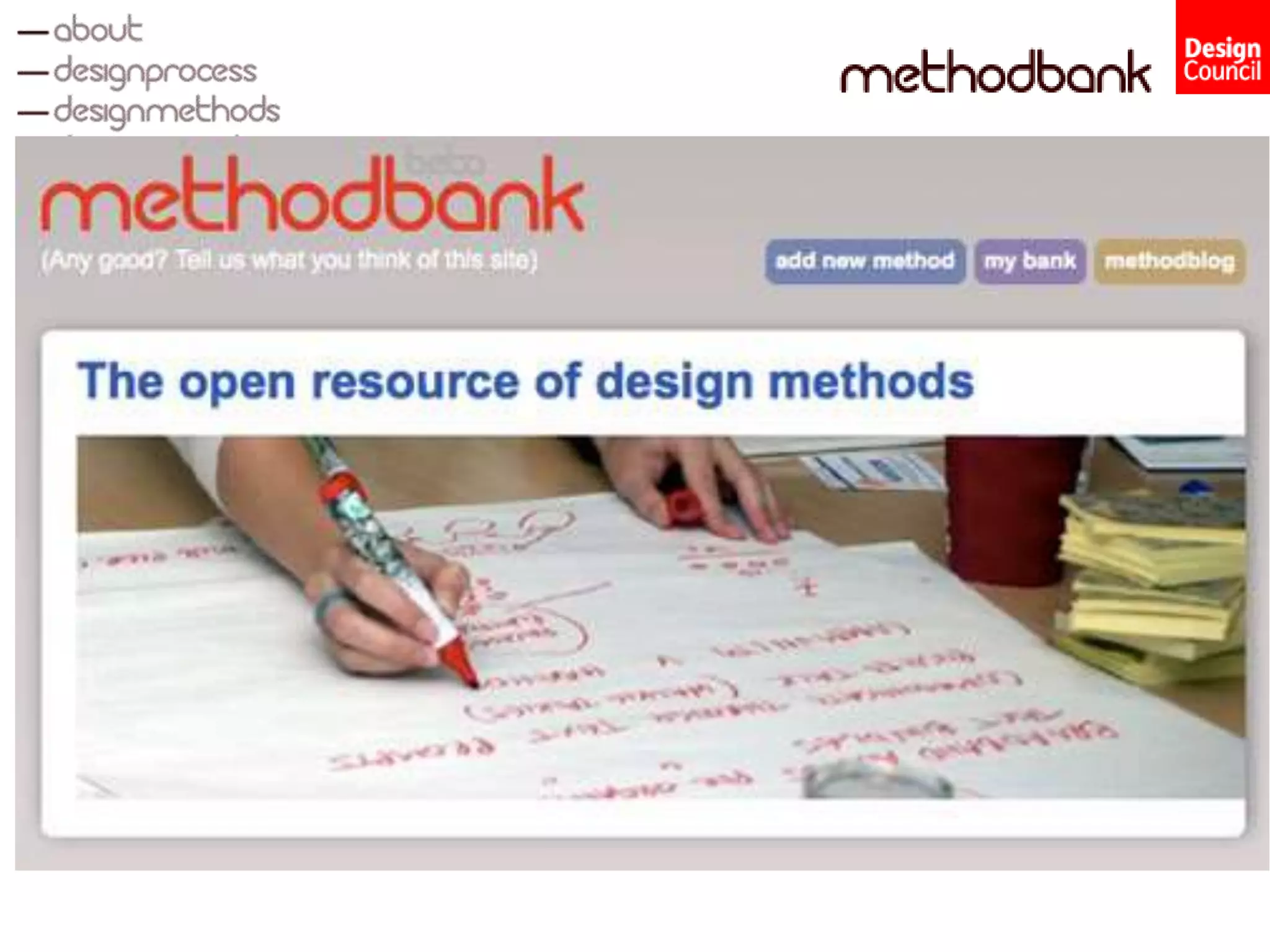
Screengrab of the
methodbank
Sample of the
method cards
Commissioned Images
for digital methods
About the
methods
Commissioned
fonts and icons
Screengrab of the
methodbank
Sample of the
method cards
Commissioned Images
for digital methods
About the
methods
Commissioned
fonts and icons
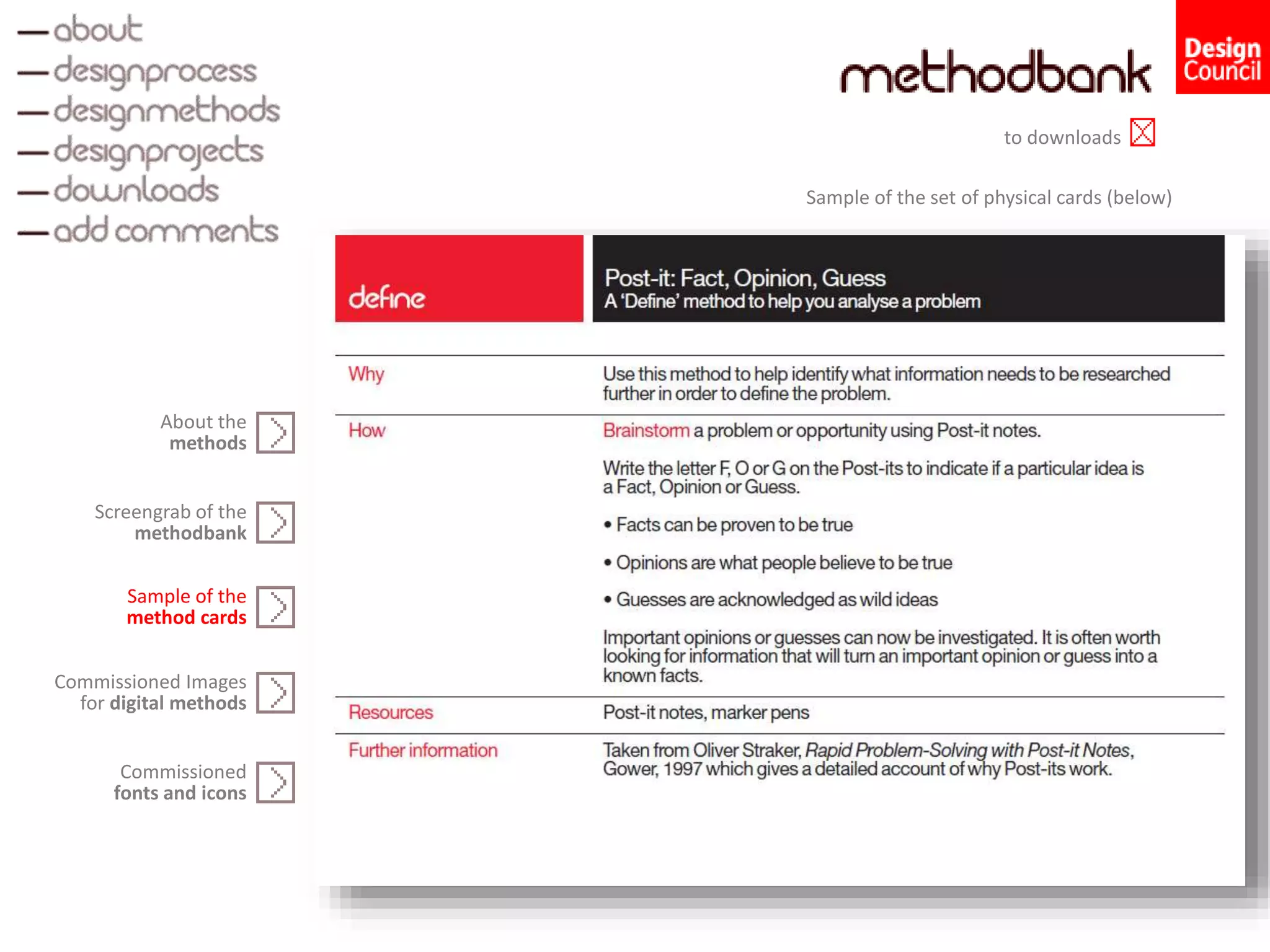
Sample of the set of physical cards (below)
Screengrab of the
methodbank
Sample of the
method cards
Commissioned Images
for digital methods
About the
methods
Commissioned
fonts and icons
to downloads
Screengrab of the
methodbank
Sample of the
method cards
Commissioned Images
for digital methods
About the
methods
Commissioned
fonts and icons
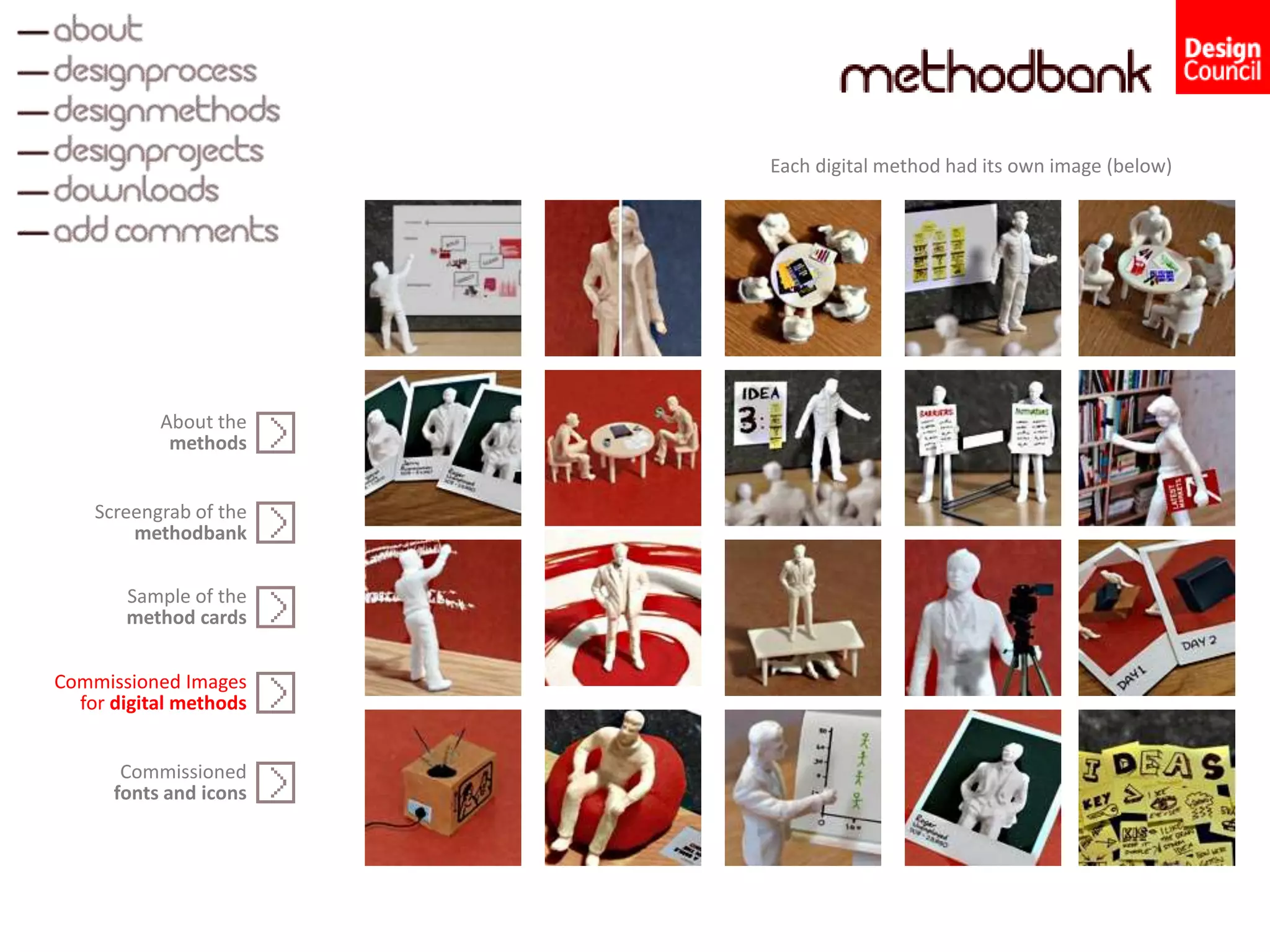
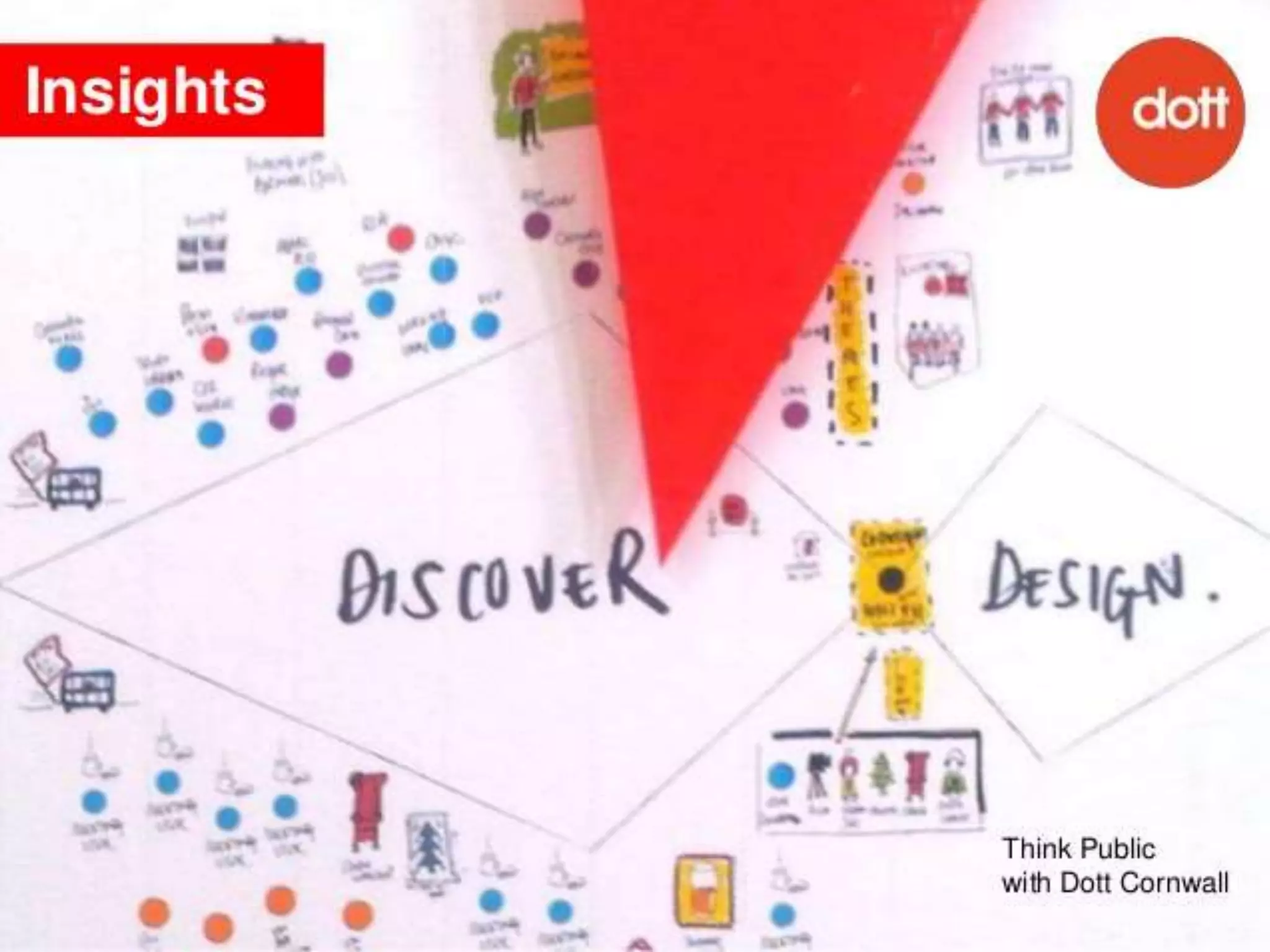
Each digital method had its own image (below)
Screengrab of the
methodbank
Sample of the
method cards
Commissioned Images
for digital methods
About the
methods
Commissioned
fonts and icons
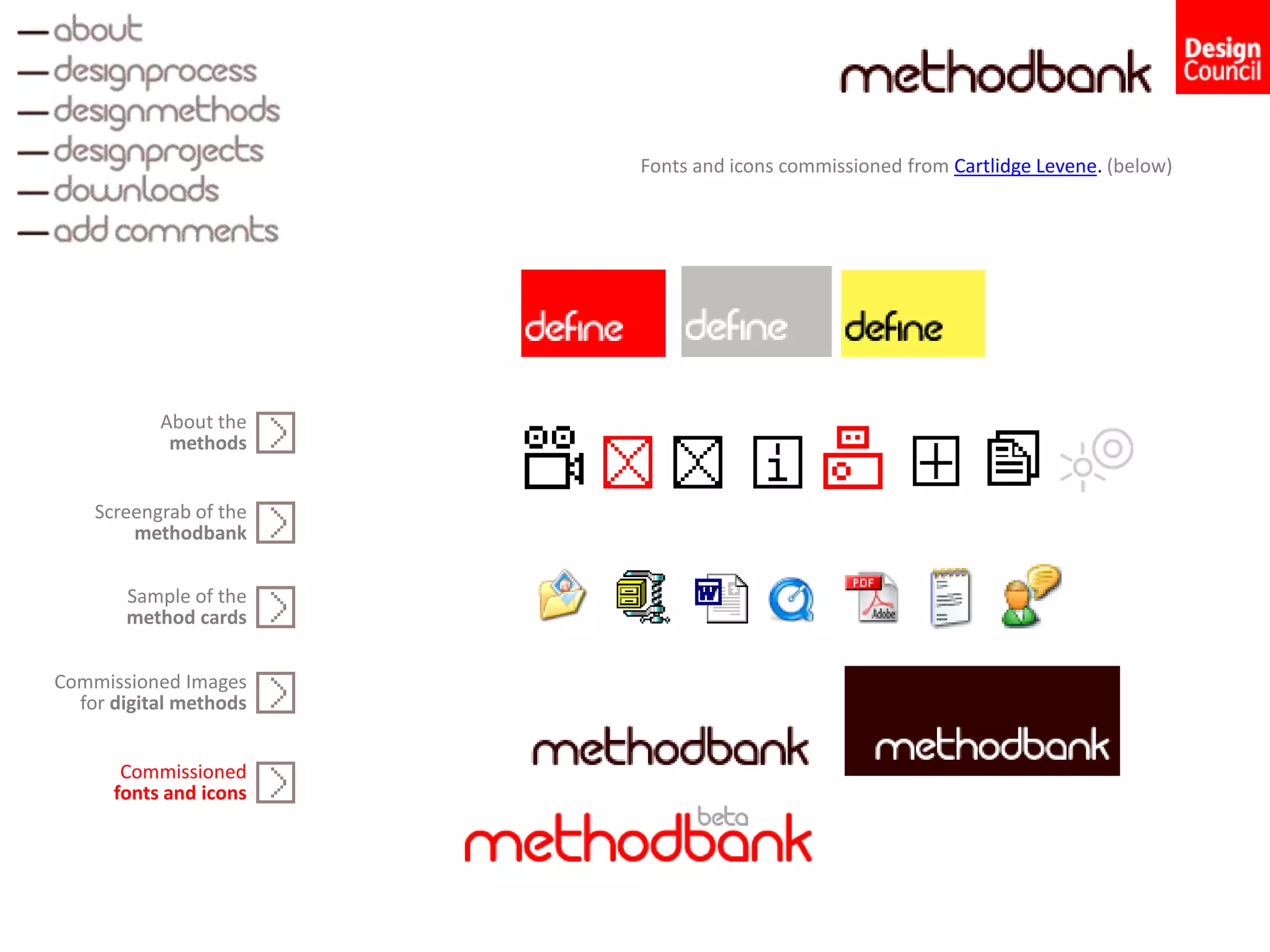
Fonts and icons commissioned from Cartlidge Levene. (below)
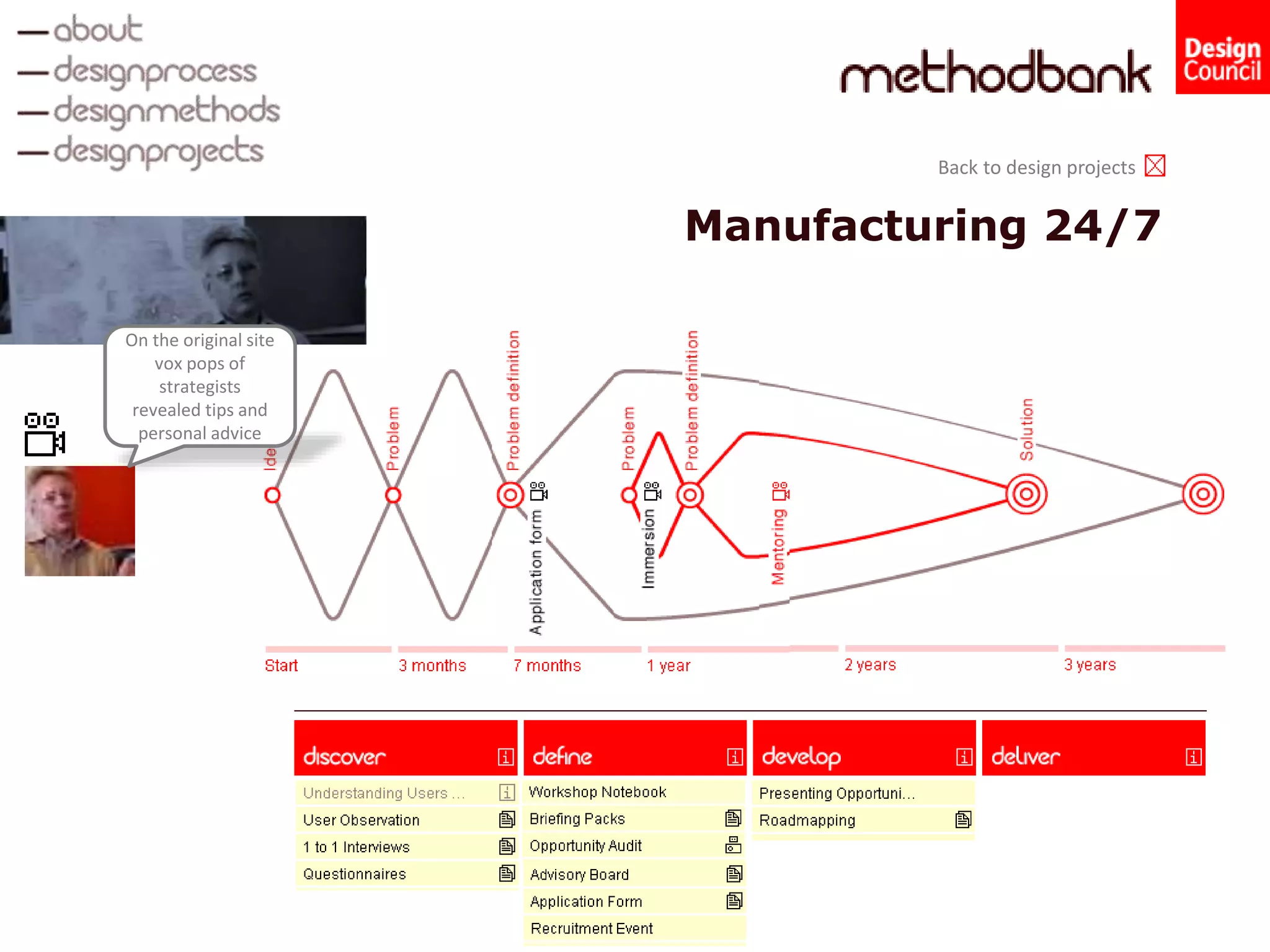
Back to design projects
Manufacturing 24/7
On the original site
vox pops of
strategists
revealed tips and
personal advice
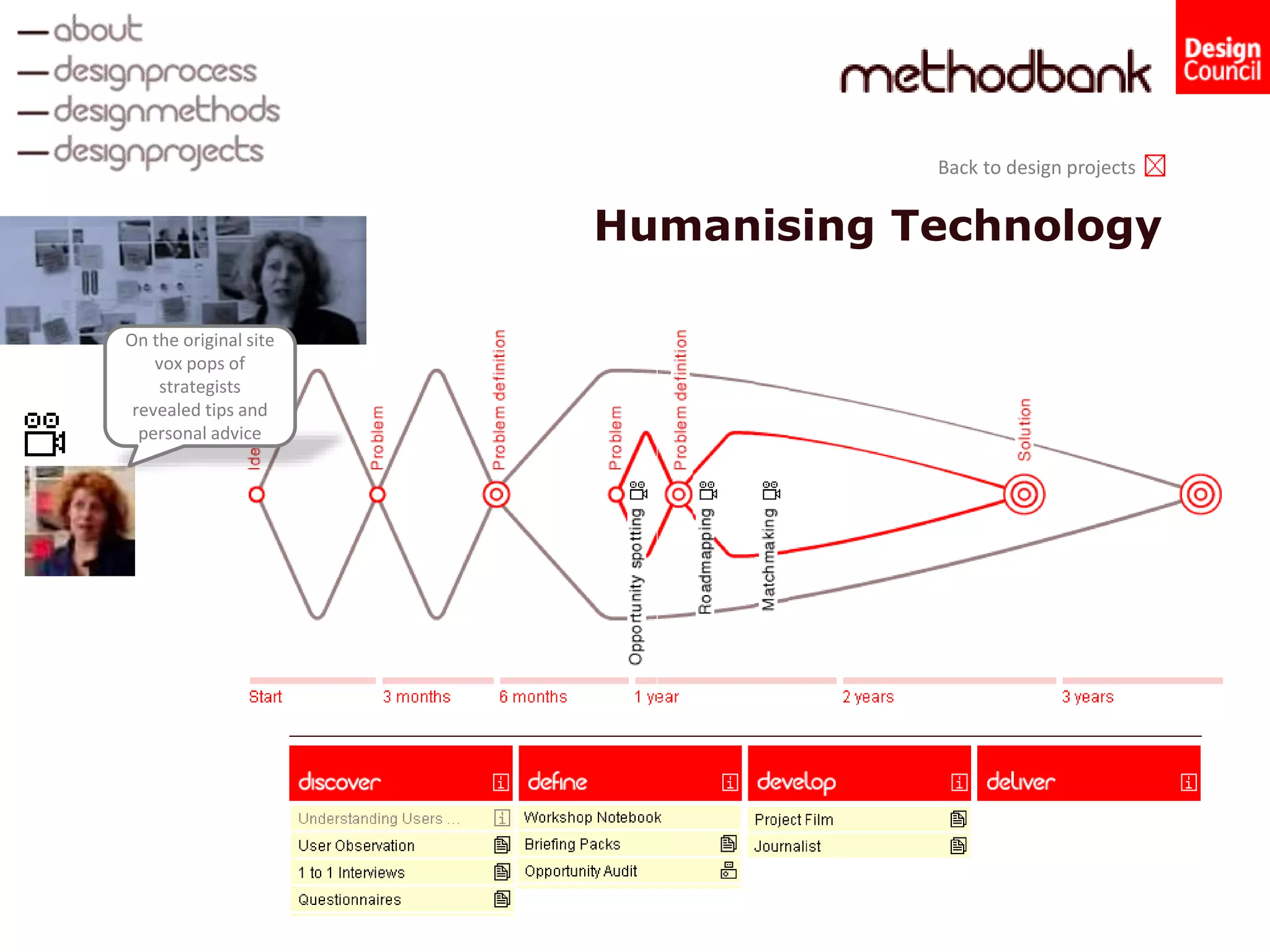
Back to design projects
Humanising Technology
On the original site
vox pops of
strategists
revealed tips and
personal advice
Transportation Project
What is a concept
project?
Back to design projects
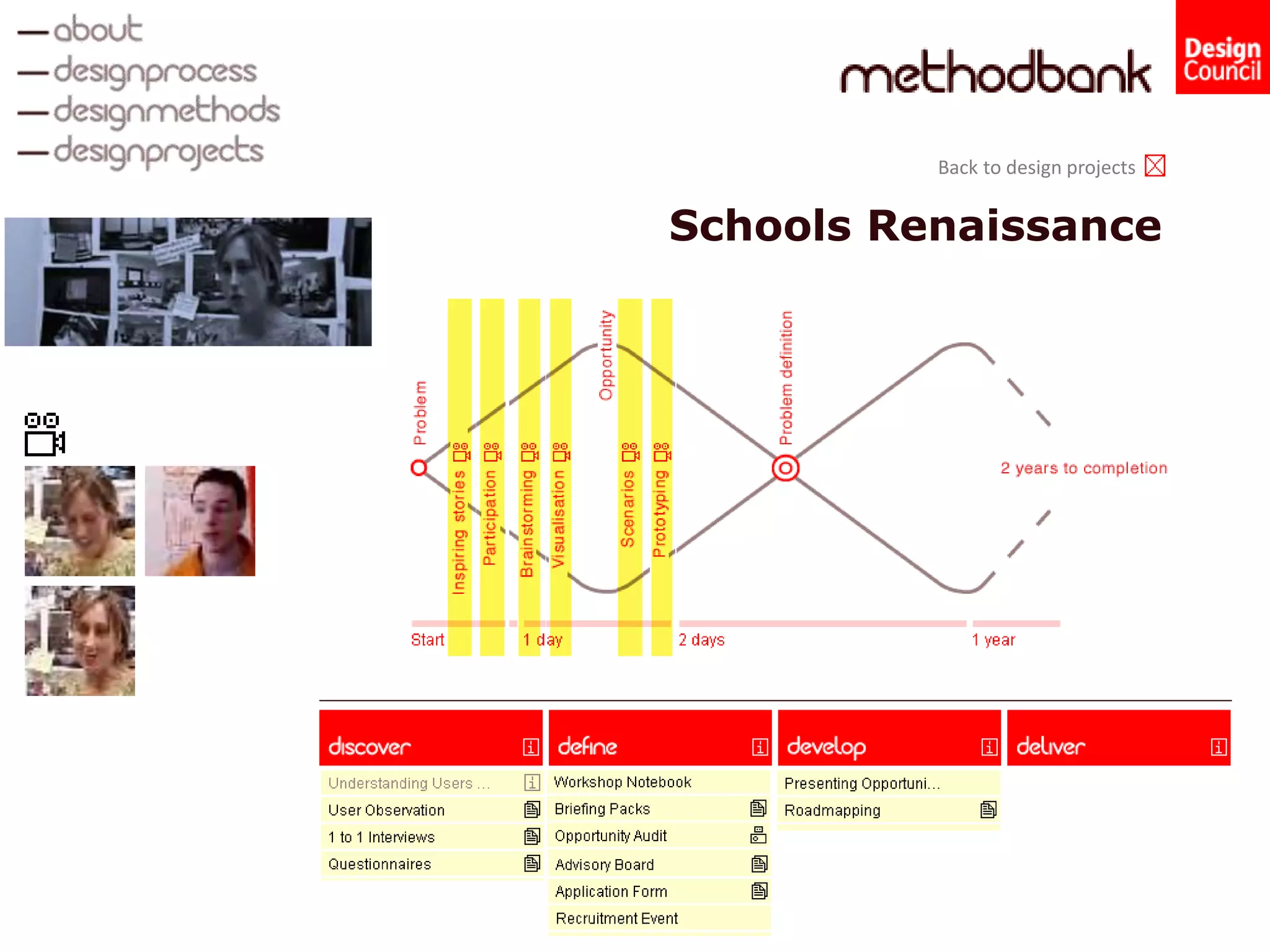
Schools Renaissance
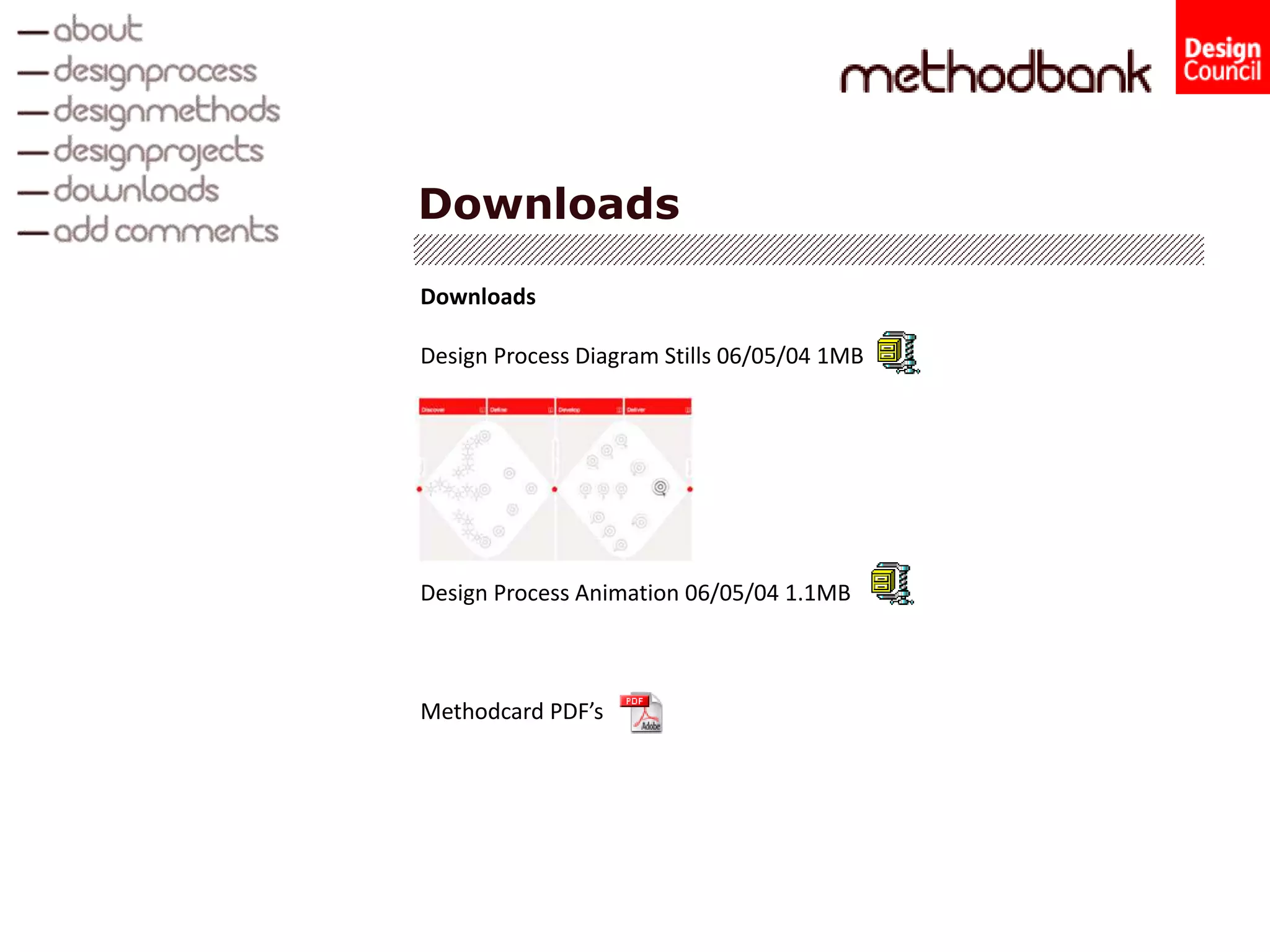
Downloads
Downloads
Design Process Diagram Stills 06/05/04 1MB
Design Process Animation 06/05/04 1.1MB
Methodcard PDF’s
Back to design process
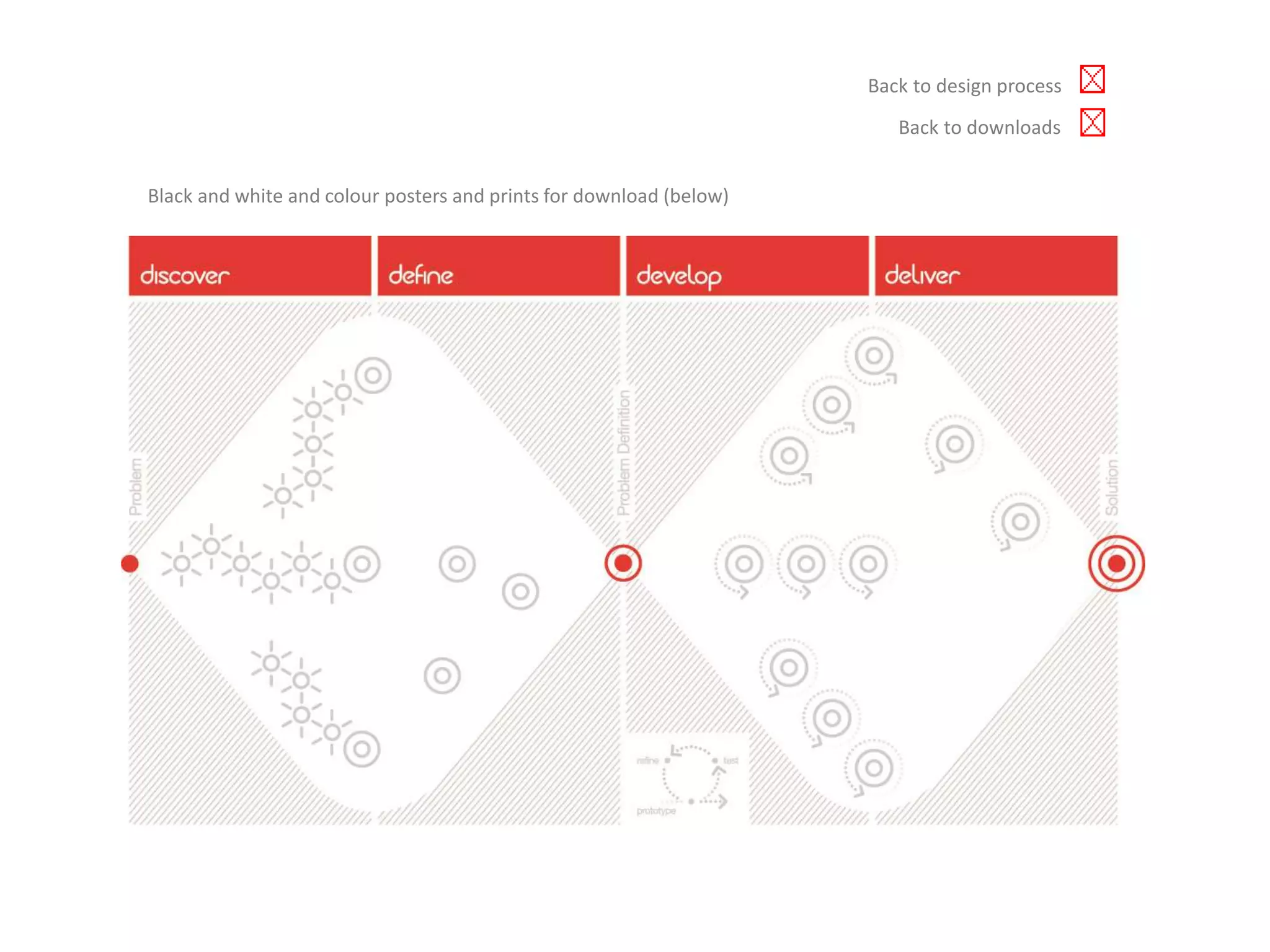
Black and white and colour posters and prints for download (below)
Back to downloads
Comments
John Smith — 20/02/2004
Ut wisi enim ad minim veniam, quis nostrud exerci tation ullamcorper suscipit
lobortis nisl ut aliquip ex ea commodo consequat. Duis autem vel eum iriure
Anonymous — 19/02/2004
Ut wisi enim ad minim veniam, quis nostrud exerci tation ullamcorper suscipit
lobortis nisl ut aliquip ex ea commodo consequat. Duis autem vel eum iriure
dolor in hendrerit in vulputate velit esse molestie consequat, vel illum dolore eu
Add a comment
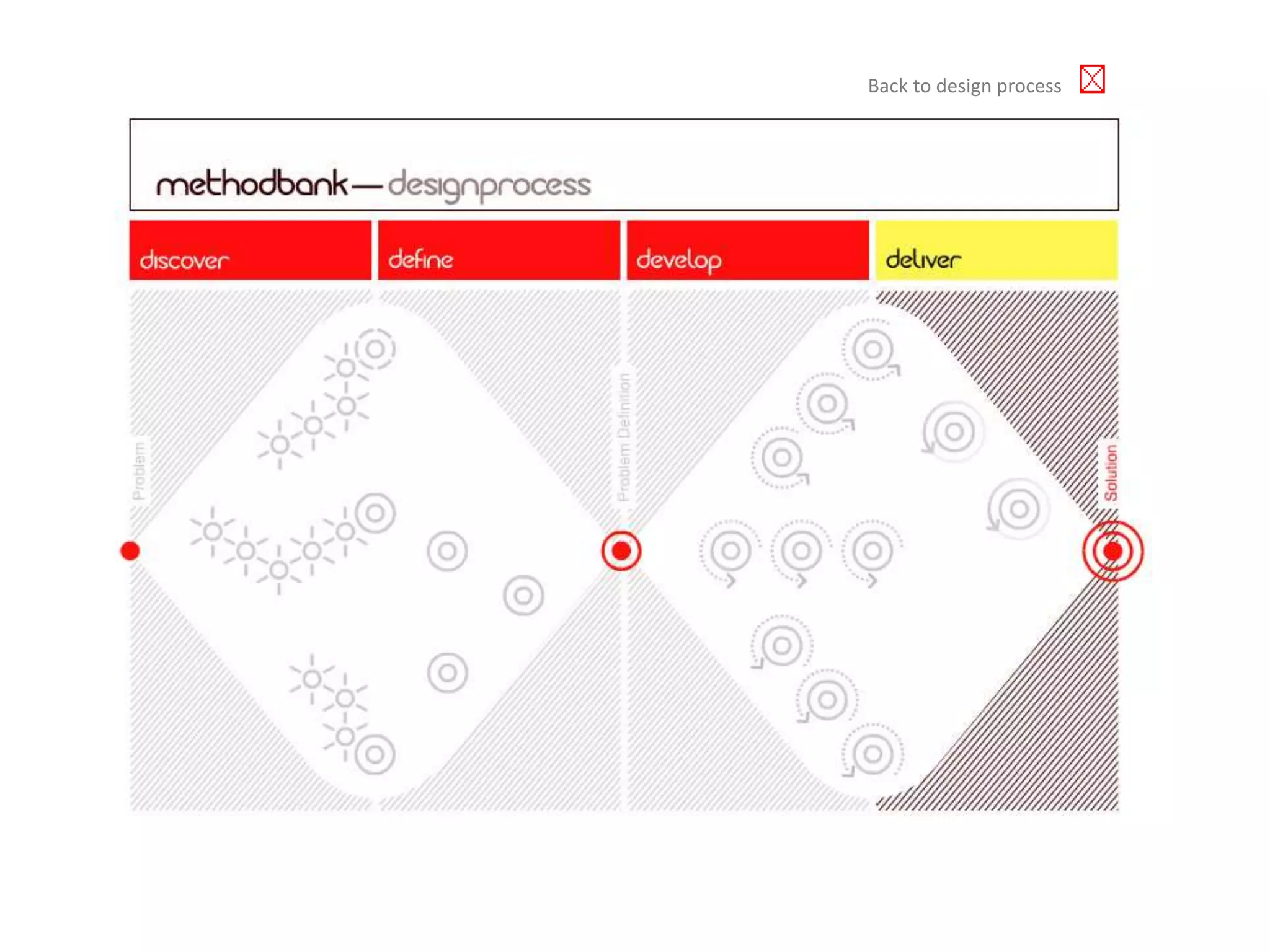
The original 'Double Diamond' design methodbank

The original 'Double Diamond' design methodbank

  • 5.
    About What is theMethods Bank ? The Methods Bank is a resource to help you use design better in your project. The Design Process section will introduce to the Design Council’s design process and the concepts behind. This is a good place to start for an introduction to our way of working. The Design Methods section is a resource of methods which you could use in your projects. It collects generic methods used by the design industry, as well as methods developed in-house at the Design Council. The Design Methods section will inspire you to try new techniques, and provides information and examples to help you get started. From this section you can print methods cards to use in planning and workshops. The design projects sections shows examples of how design strategists have used design methods in project work. Use this section to understand how the design process and design methods can be adapted by a Design Strategist to fit your project. You can also hear design strategists talking about the methods that have worked for them. The methods bank is a collection of ingredients and provides a framework for combing them. You’ll need the experience an intuition of a design strategist to help you put them into action. About those who created it
  • 6.
    About Acknowledgements This Methods Bankwas developed between by Anna Humpherson, Chris Vanstone and the design team at the Design Council. Thanks to Richard Eisermann for the four d’s and the double diamond diagram. Thanks to Gill Wildman, Jonathan Ball, Jennie Winhall, and Anna Richelle for contributing their methods and all their work in creating a model that works. The methods were written and researched by Chris Vanstone with thanks to Jeremy Walker - research methods, Richelle Harun - trends and Anna Humpherson - understanding users. Editing by Jan Dekker. Also, thanks to Ellie Runcie and Paul Sykes for their input on development. Graphic Design by Hector, Mel and Ian at Cartlidge Levene. Web design and animation by Matt and George at Matt&George.
  • 7.
    Transportation project HumanisingTechnology Schools renaissance Manufacturing 24/7 Design Projects Select from the projects below to hear Design Strategist talk about how they have used methods in real life projects. Project types For more on different kinds of projects.
  • 8.
    Multi-client Types of Projects Describingyour project The framework of the double diamond can be used to describe different kinds of project here we show some examples. Concept project Extra phase/s Scoping project Case Studies For real examples of projects and how they did it.
  • 9.
    Concept project Concept Project Aproject might have the aim of producing new concepts. Eg A project that aimed to produce new concepts for waste collection would first define the problem and then, in the ‘Develop’ phase, generate a number of potential ways of solving it. Back to project types Transportation See a real example of a concept project Next project Type
  • 10.
    Multi-client project Multi Client Aproject might involve working with other organisations and helping them to use design. Eg A project working with six local authorities to get them use design to improve their waste collection service. In this case the organisations themselves would go through their own four phase design process – in addition to the four phases of the project itself. This can be represented as a second design process diagram within the ‘Deliver’ phase of the project. Back to project types Next project Type Previous project type
  • 11.
    Extra-phase project Extra Phase Ifthe problem was particularly complex, or was started with just a hypothesis it may need an extra phase of ‘Discover’ and ‘Define’ to reach a strong Problem Definition. Back to project types Next project Type Previous project type
  • 12.
    Scoping project Scoping Project Ascoping project to define a problem would go through the ‘Discovery’ and ‘Define phases. Eg A project to identify the problem with domestic waste collection would carry out user research in the ‘Discover’ phase. In the ‘Define’ phase that research would be synthesised into a document that defined the identified problems. Back to project types Previous project type
  • 14.
    Design process Designing yourproject The design process diagram is a generic description of the design process, it can be used as a framework to think about your project – but it won’t design the project itself – for that you’ll need to work with a Design Strategist. A Design Strategist will use their skills, experience and intuition to select the most appropriate methods and create the right conditions for their use. More detail on different phases Alternative process diagram About the design process
  • 15.
    Design process Designing yourproject The design process diagram is a generic description of the design process, it can be used as a framework to think about your project – but it won’t design the project itself – for that you’ll need to work with a Design Strategist. A Design Strategist will use their skills, experience and intuition to select the most appropriate methods and create the right conditions for their use. More detail on different phases Alternative process diagram About the design process
  • 16.
  • 17.
    Design methods The DesignMethods The content of the methods bank reflects the Design Council’s user centred approach to design. The majority of the methods are non-proprietary and in general usage within the industry, some of the methods have been developed by the Design strategists at the Design Council. The methods bank has collected, classified and mapped design methods to a design process for the first time. In selecting and writing the methods we have been careful to avoid the jargon often associated with design. Work which has particularly informed the methods bank includes: Ideo’s Methods Deck, The Methods Lab published as part of Presence the Design Council’s Methods Lab (unpublished) What If?’s Start a creative revolution at work Oliver Strakers’ Problem solving through post it notes Pat Jordans’ published work on Human Factors research, and Ideos’ paper What is user research? (unpublished) Screengrab of the methodbank Sample of the method cards Commissioned Images for digital methods About the methods Commissioned fonts and icons
  • 18.
    Screengrab of the methodbank Sampleof the method cards Commissioned Images for digital methods About the methods Commissioned fonts and icons
  • 19.
    Sample of theset of physical cards (below) Screengrab of the methodbank Sample of the method cards Commissioned Images for digital methods About the methods Commissioned fonts and icons to downloads
  • 20.
    Screengrab of the methodbank Sampleof the method cards Commissioned Images for digital methods About the methods Commissioned fonts and icons Each digital method had its own image (below)
  • 21.
    Screengrab of the methodbank Sampleof the method cards Commissioned Images for digital methods About the methods Commissioned fonts and icons Fonts and icons commissioned from Cartlidge Levene. (below)
  • 22.
    Back to designprojects Manufacturing 24/7 On the original site vox pops of strategists revealed tips and personal advice
  • 23.
    Back to designprojects Humanising Technology On the original site vox pops of strategists revealed tips and personal advice
  • 24.
    Transportation Project What isa concept project? Back to design projects
  • 25.
    Back to designprojects Schools Renaissance
  • 26.
    Downloads Downloads Design Process DiagramStills 06/05/04 1MB Design Process Animation 06/05/04 1.1MB Methodcard PDF’s
  • 27.
    Back to designprocess Black and white and colour posters and prints for download (below) Back to downloads
  • 28.
    Comments John Smith —20/02/2004 Ut wisi enim ad minim veniam, quis nostrud exerci tation ullamcorper suscipit lobortis nisl ut aliquip ex ea commodo consequat. Duis autem vel eum iriure Anonymous — 19/02/2004 Ut wisi enim ad minim veniam, quis nostrud exerci tation ullamcorper suscipit lobortis nisl ut aliquip ex ea commodo consequat. Duis autem vel eum iriure dolor in hendrerit in vulputate velit esse molestie consequat, vel illum dolore eu Add a comment