Change by Design 
Tim Brown with Barry Katz
THE POWER OF DESIGN 
THINKING 
An end to old ideas
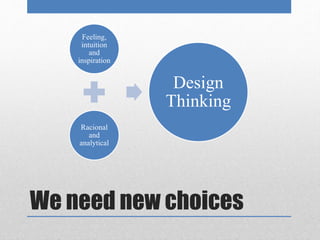
Feeling, 
intuition 
and 
inspiration 
Racional 
and 
analytical 
Design 
Thinking 
We need new choices
PART I 
What it is desing thinking?
1. Getting Under your Skin, 
or How Design Thinking Is About More Than Style
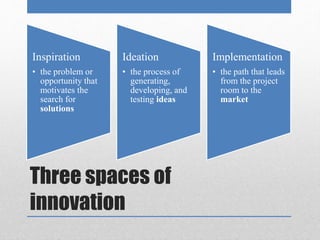
Inspiration 
• the problem or 
opportunity that 
motivates the 
search for 
solutions 
Ideation 
• the process of 
generating, 
developing, and 
testing ideas 
Three spaces of 
innovation 
Implementation 
• the path that leads 
from the project 
room to the 
market
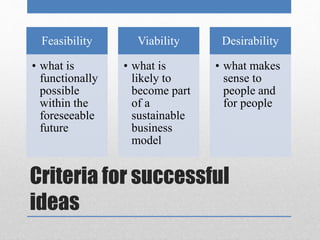
Feasibility 
• what is 
functionally 
possible 
within the 
foreseeable 
future 
Viability 
• what is 
likely to 
become part 
of a 
sustainable 
business 
model 
Desirability 
• what makes 
sense to 
people and 
for people 
Criteria for successful 
ideas
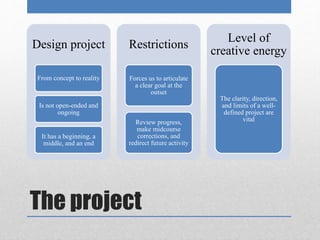
Design project 
From concept to reality 
Is not open-ended and 
ongoing 
It has a beginning, a 
middle, and an end 
Restrictions 
Forces us to articulate 
a clear goal at the 
The project 
outset 
Review progress, 
make midcourse 
corrections, and 
redirect future activity 
Level of 
creative energy 
The clarity, direction, 
and limits of a well-defined 
project are 
vital
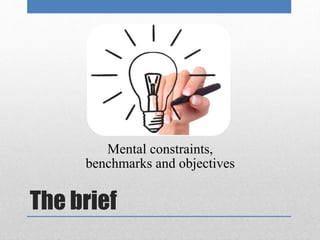
Mental constraints, 
benchmarks and objectives 
The brief
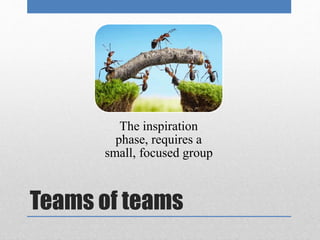
The inspiration 
phase, requires a 
small, focused group 
Teams of teams
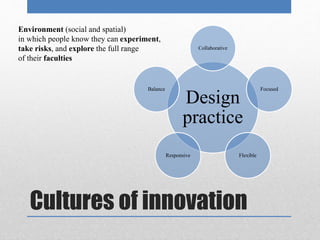
Collaborative 
Design 
practice 
Environment (social and spatial) 
in which people know they can experiment, 
take risks, and explore the full range 
of their faculties 
Cultures of innovation 
Focused 
Responsive Flexible 
Balance
2. Converting Need into 
Demand, or Putting People First
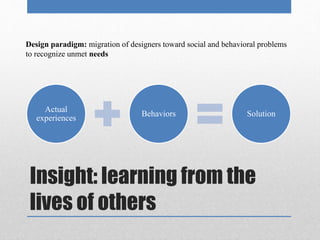
Design paradigm: migration of designers toward social and behavioral problems 
to recognize unmet needs 
Actual 
experiences 
Behaviors Solution 
Insight: learning from the 
lives of others
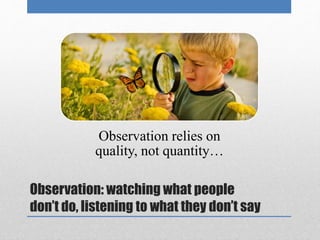
Observation relies on 
quality, not quantity… 
Observation: watching what people 
don’t do, listening to what they don’t say
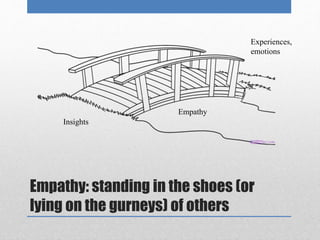
Empathy 
Insights 
Experiences, 
emotions 
Empathy: standing in the shoes (or 
lying on the gurneys) of others
3. A Mental Matrix, 
or “These People Have No Process!”
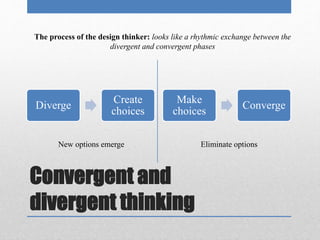
The process of the design thinker: looks like a rhythmic exchange between the 
Diverge 
divergent and convergent phases 
Create 
choices 
Make 
choices 
Convergent and 
divergent thinking 
Converge 
New options emerge Eliminate options
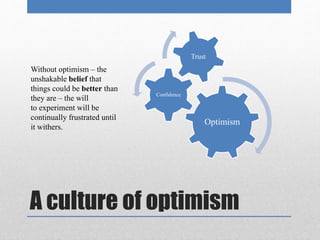
Trust 
Optimism 
Confidence 
Without optimism – the 
unshakable belief that 
things could be better than 
they are – the will 
to experiment will be 
continually frustrated until 
it withers. 
A culture of optimism
4. Building To Think, 
or The Power Of Prototyping
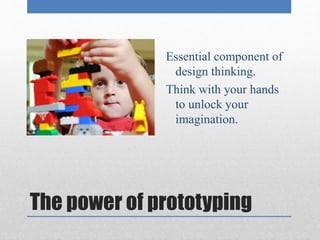
Essential component of 
design thinking. 
Think with your hands 
to unlock your 
imagination. 
The power of prototyping
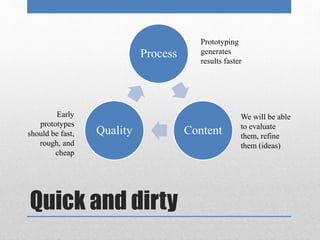
Process 
Quality Content 
Quick and dirty 
Prototyping 
generates 
results faster 
We will be able 
to evaluate 
them, refine 
them (ideas) 
Early 
prototypes 
should be fast, 
rough, and 
cheap
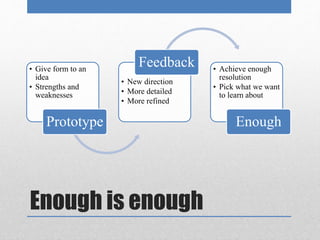
• Give form to an 
idea 
• Strengths and 
weaknesses 
Prototype 
Feedback • Achieve enough 
• New direction 
• More detailed 
• More refined 
Enough is enough 
resolution 
• Pick what we want 
to learn about 
Enough
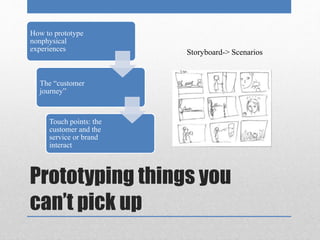
How to prototype 
nonphysical 
experiences 
The “customer 
journey” 
Touch points: the 
customer and the 
service or brand 
interact 
Storyboard-> Scenarios 
Prototyping things you 
can’t pick up
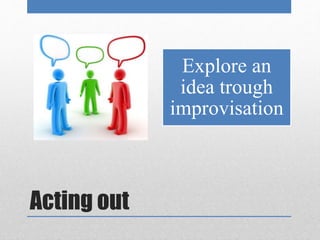
Acting out 
Explore an 
idea trough 
improvisation
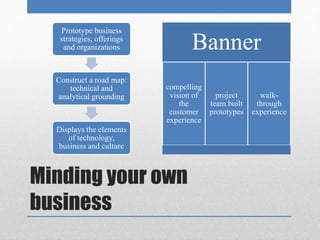
Minding your own 
business 
Banner 
compelling 
vision of 
the 
customer 
experience 
project 
team built 
prototypes 
walk-through 
experience 
Prototype business 
strategies, offerings 
and organizations 
Construct a road map: 
technical and 
analytical grounding 
Displays the elements 
of technology, 
business and culture
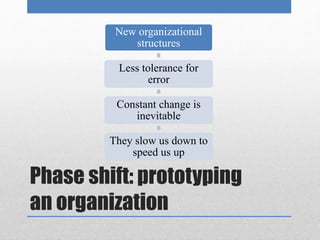
New organizational 
structures 
Less tolerance for 
error 
Constant change is 
inevitable 
They slow us down to 
speed us up 
Phase shift: prototyping 
an organization
PART II 
Where do we go from here?
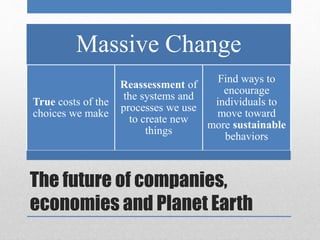
Massive Change 
True costs of the 
choices we make 
Reassessment of 
the systems and 
processes we use 
to create new 
things 
Find ways to 
encourage 
individuals to 
move toward 
more sustainable 
behaviors 
The future of companies, 
economies and Planet Earth
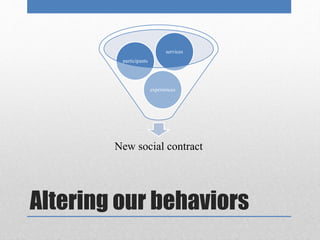
services 
experiences 
participants 
New social contract 
Altering our behaviors

Change by design

  • 1.
    Change by Design Tim Brown with Barry Katz
  • 2.
    THE POWER OFDESIGN THINKING An end to old ideas
  • 3.
    Feeling, intuition and inspiration Racional and analytical Design Thinking We need new choices
  • 4.
    PART I Whatit is desing thinking?
  • 5.
    1. Getting Underyour Skin, or How Design Thinking Is About More Than Style
  • 6.
    Inspiration • theproblem or opportunity that motivates the search for solutions Ideation • the process of generating, developing, and testing ideas Three spaces of innovation Implementation • the path that leads from the project room to the market
  • 7.
    Feasibility • whatis functionally possible within the foreseeable future Viability • what is likely to become part of a sustainable business model Desirability • what makes sense to people and for people Criteria for successful ideas
  • 8.
    Design project Fromconcept to reality Is not open-ended and ongoing It has a beginning, a middle, and an end Restrictions Forces us to articulate a clear goal at the The project outset Review progress, make midcourse corrections, and redirect future activity Level of creative energy The clarity, direction, and limits of a well-defined project are vital
  • 9.
    Mental constraints, benchmarksand objectives The brief
  • 10.
    The inspiration phase,requires a small, focused group Teams of teams
  • 11.
    Collaborative Design practice Environment (social and spatial) in which people know they can experiment, take risks, and explore the full range of their faculties Cultures of innovation Focused Responsive Flexible Balance
  • 12.
    2. Converting Needinto Demand, or Putting People First
  • 13.
    Design paradigm: migrationof designers toward social and behavioral problems to recognize unmet needs Actual experiences Behaviors Solution Insight: learning from the lives of others
  • 14.
    Observation relies on quality, not quantity… Observation: watching what people don’t do, listening to what they don’t say
  • 15.
    Empathy Insights Experiences, emotions Empathy: standing in the shoes (or lying on the gurneys) of others
  • 16.
    3. A MentalMatrix, or “These People Have No Process!”
  • 17.
    The process ofthe design thinker: looks like a rhythmic exchange between the Diverge divergent and convergent phases Create choices Make choices Convergent and divergent thinking Converge New options emerge Eliminate options
  • 18.
    Trust Optimism Confidence Without optimism – the unshakable belief that things could be better than they are – the will to experiment will be continually frustrated until it withers. A culture of optimism
  • 19.
    4. Building ToThink, or The Power Of Prototyping
  • 20.
    Essential component of design thinking. Think with your hands to unlock your imagination. The power of prototyping
  • 21.
    Process Quality Content Quick and dirty Prototyping generates results faster We will be able to evaluate them, refine them (ideas) Early prototypes should be fast, rough, and cheap
  • 22.
    • Give formto an idea • Strengths and weaknesses Prototype Feedback • Achieve enough • New direction • More detailed • More refined Enough is enough resolution • Pick what we want to learn about Enough
  • 23.
    How to prototype nonphysical experiences The “customer journey” Touch points: the customer and the service or brand interact Storyboard-> Scenarios Prototyping things you can’t pick up
  • 24.
    Acting out Explorean idea trough improvisation
  • 25.
    Minding your own business Banner compelling vision of the customer experience project team built prototypes walk-through experience Prototype business strategies, offerings and organizations Construct a road map: technical and analytical grounding Displays the elements of technology, business and culture
  • 26.
    New organizational structures Less tolerance for error Constant change is inevitable They slow us down to speed us up Phase shift: prototyping an organization
  • 27.
    PART II Wheredo we go from here?
  • 28.
    Massive Change Truecosts of the choices we make Reassessment of the systems and processes we use to create new things Find ways to encourage individuals to move toward more sustainable behaviors The future of companies, economies and Planet Earth
  • 29.
    services experiences participants New social contract Altering our behaviors