THE 3rd REPUBLIC
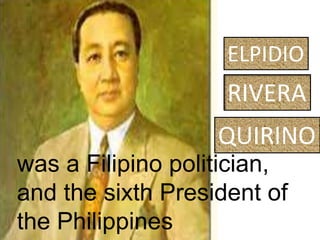
ELPIDIO
RIVERA
QUIRINO
was a Filipino politician,
and the sixth President of
the Philippines
EARLY LIFE AND CAREER
• Elpidio Quirino was a native
of Caoyan, Ilocos Sur although born
in Vigan, Ilocos Sur
• He studied and graduated his
elementary education to his native
Caoayan, where he became a barrio
teacher.
EARLY LIFE AND CAREER
• He received secondary education at Vigan
High School, then went to Manila where he
worked as junior computer technician at the
Bureau of Lands and as property clerk in the
Manila police department. He graduated from
Manila High School in 1911 and also passed
the civil service examination, first-grade.
EARLY LIFE AND CAREER
• Quirino attended the University of the
Philippines. In 1915, he earned his law degree
from the university's College of Law, and was
admitted to the bar later that year. He was
engaged in the private practice of law
Personal life
Personal life
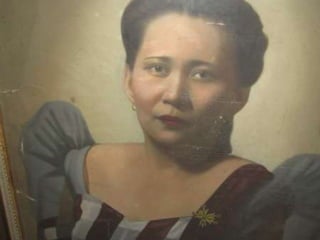
• Quirino was married to Alicia Syquia, on
January 16, 1921 the couple had 5 children
namely Tomas Quirino, Armando
Quirino,Victoria Quirino-Delgado (1931–2006),
Fe Angela Quirino and Louie Quirino.
Personal life
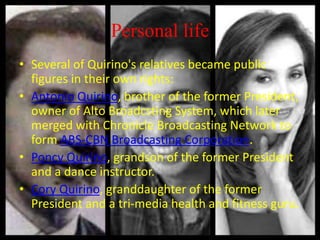
• Several of Quirino's relatives became public
figures in their own rights:
• Antonio Quirino, brother of the former President,
owner of Alto Broadcsting System, which later
merged with Chronicle Broadcasting Network to
form ABS-CBN Broadcasting Corporation.
• Poncy Quirino, grandson of the former President
and a dance instructor.
• Cory Quirino, granddaughter of the former
President and a tri-media health and fitness guru.
Congressional career
• HOUSE OF REPRESENTATIVE
Congressional career
• HOUSE OF REPRESENTATIVE
• He was engaged in the private practice of law
until he was elected as member of
the Philippine House of Representatives from
1919 to 1925 succeeding Alberto Reyes. In
1925 he was succeed as Congressman by
Vicente Singson Pablo.
Senate
Senate
• He was later elected as Senator from 1925 to
1931 representing the First Senatorial District.
He then served as Secretary of Finance and
Secretary of the Interior in the
Commonwealth government.
Senate
• He was later elected as Senator from 1925 to
1931 representing the First Senatorial District. He
then served as Secretary of Finance and Secretary
of the Interior in the Commonwealth
government.
• Before the Second World War, Quirino was re-
elected to the Senate but was not able to serve
until 1945. During the Battle of Manila in World
War II, his wife, Alicia Syquia, and three of his five
children were killed as they were fleeing their
home
Vice-Presidency
Vice-Presidency
President
Elpidio Quirino
weeps beside the
coffin of his
predecessor,
Manuel Roxas
during the
latter's wake in
1948
Presidency
Presidency
Presidency
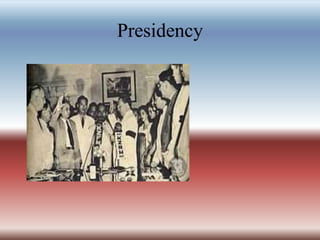
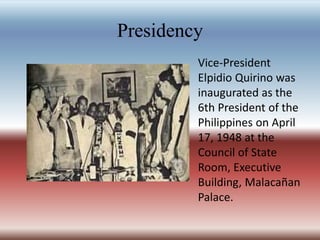
Vice-President
Elpidio Quirino was
inaugurated as the
6th President of the
Philippines on April
17, 1948 at the
Council of State
Room, Executive
Building, Malacañan
Palace.
Presidency
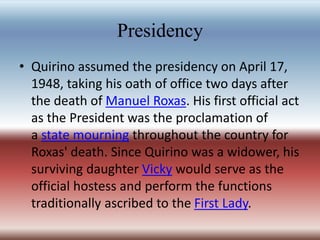
• Quirino assumed the presidency on April 17,
1948, taking his oath of office two days after
the death of Manuel Roxas. His first official act
as the President was the proclamation of
a state mourning throughout the country for
Roxas' death. Since Quirino was a widower, his
surviving daughter Vicky would serve as the
official hostess and perform the functions
traditionally ascribed to the First Lady.
New capital city
New capital city
• On July 17, 1948, the Congress approved
Republic Act No. 333, amending
Commonwealth Act No. 502,
declaring Quezon City the capital of
the Philippines in place of Manila.
New capital city
• On July 17, 1948, the Congress approved
Republic Act No. 333, amending
Commonwealth Act No. 502,
declaring Quezon City the capital of
the Philippines in place of Manila.
• Nevertheless, pending the official transfer of
the government offices to the new capital site,
Manila remained to be such for all effective
purposes.
HukBaLaHap
• With the expiration of the Amnesty deadline
on August 15, 1948, the government found
out that the Huks had not lived up to the
terms of the Quirino-Taruc agreement.
Indeed, after having been seated in Congress
and collecting his back pay allowance
HukBaLaHap
• Luis Taruc surreptitiously fled away from Manila,
even as a measly number of his followers had
either submitted themselves to the conditions of
the Amnesty proclamation or surrendered their
arms. In the face of counter charges from the Huk
from to the effect that the government had not
satisfied the conditions agreed upon, President
Quirino ordered a stepped-up campaign against
dissidents, restoring once more to the mailed-fist
policy in view of the failure of the friendly
attitude previously adopted.
1949 Presidential election
• Incumbent President Elpidio Quirino won a full
term as President of the Philippines after the
untimely death of President Manuel Roxas in
1948. His running mate, SenatorFernando
LĂłpez won as Vice President. Despite factions
created in the administration party, Quirino won
a satisfactory vote from the public. It was the
only time in Philippine history where the duly
elected president, vice president and senators all
came from the same party, the Liberal Party

The 3rd republic

  • 1.
  • 2.
    ELPIDIO RIVERA QUIRINO was a Filipinopolitician, and the sixth President of the Philippines
  • 3.
    EARLY LIFE ANDCAREER • Elpidio Quirino was a native of Caoyan, Ilocos Sur although born in Vigan, Ilocos Sur • He studied and graduated his elementary education to his native Caoayan, where he became a barrio teacher.
  • 4.
    EARLY LIFE ANDCAREER • He received secondary education at Vigan High School, then went to Manila where he worked as junior computer technician at the Bureau of Lands and as property clerk in the Manila police department. He graduated from Manila High School in 1911 and also passed the civil service examination, first-grade.
  • 5.
    EARLY LIFE ANDCAREER • Quirino attended the University of the Philippines. In 1915, he earned his law degree from the university's College of Law, and was admitted to the bar later that year. He was engaged in the private practice of law
  • 6.
  • 7.
    Personal life • Quirinowas married to Alicia Syquia, on January 16, 1921 the couple had 5 children namely Tomas Quirino, Armando Quirino,Victoria Quirino-Delgado (1931–2006), Fe Angela Quirino and Louie Quirino.
  • 9.
    Personal life • Severalof Quirino's relatives became public figures in their own rights: • Antonio Quirino, brother of the former President, owner of Alto Broadcsting System, which later merged with Chronicle Broadcasting Network to form ABS-CBN Broadcasting Corporation. • Poncy Quirino, grandson of the former President and a dance instructor. • Cory Quirino, granddaughter of the former President and a tri-media health and fitness guru.
  • 10.
  • 11.
  • 12.
    Congressional career • HOUSEOF REPRESENTATIVE • He was engaged in the private practice of law until he was elected as member of the Philippine House of Representatives from 1919 to 1925 succeeding Alberto Reyes. In 1925 he was succeed as Congressman by Vicente Singson Pablo.
  • 13.
  • 14.
    Senate • He waslater elected as Senator from 1925 to 1931 representing the First Senatorial District. He then served as Secretary of Finance and Secretary of the Interior in the Commonwealth government.
  • 15.
    Senate • He waslater elected as Senator from 1925 to 1931 representing the First Senatorial District. He then served as Secretary of Finance and Secretary of the Interior in the Commonwealth government. • Before the Second World War, Quirino was re- elected to the Senate but was not able to serve until 1945. During the Battle of Manila in World War II, his wife, Alicia Syquia, and three of his five children were killed as they were fleeing their home
  • 16.
  • 17.
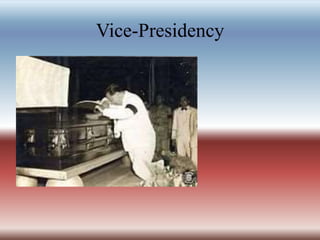
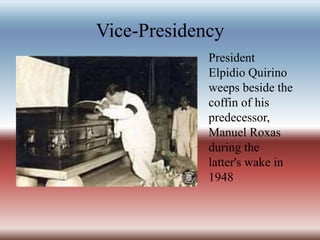
    Vice-Presidency President Elpidio Quirino weeps besidethe coffin of his predecessor, Manuel Roxas during the latter's wake in 1948
  • 18.
  • 19.
  • 20.
    Presidency Vice-President Elpidio Quirino was inauguratedas the 6th President of the Philippines on April 17, 1948 at the Council of State Room, Executive Building, Malacañan Palace.
  • 21.
    Presidency • Quirino assumedthe presidency on April 17, 1948, taking his oath of office two days after the death of Manuel Roxas. His first official act as the President was the proclamation of a state mourning throughout the country for Roxas' death. Since Quirino was a widower, his surviving daughter Vicky would serve as the official hostess and perform the functions traditionally ascribed to the First Lady.
  • 22.
  • 23.
    New capital city •On July 17, 1948, the Congress approved Republic Act No. 333, amending Commonwealth Act No. 502, declaring Quezon City the capital of the Philippines in place of Manila.
  • 24.
    New capital city •On July 17, 1948, the Congress approved Republic Act No. 333, amending Commonwealth Act No. 502, declaring Quezon City the capital of the Philippines in place of Manila. • Nevertheless, pending the official transfer of the government offices to the new capital site, Manila remained to be such for all effective purposes.
  • 25.
    HukBaLaHap • With theexpiration of the Amnesty deadline on August 15, 1948, the government found out that the Huks had not lived up to the terms of the Quirino-Taruc agreement. Indeed, after having been seated in Congress and collecting his back pay allowance
  • 26.
    HukBaLaHap • Luis Tarucsurreptitiously fled away from Manila, even as a measly number of his followers had either submitted themselves to the conditions of the Amnesty proclamation or surrendered their arms. In the face of counter charges from the Huk from to the effect that the government had not satisfied the conditions agreed upon, President Quirino ordered a stepped-up campaign against dissidents, restoring once more to the mailed-fist policy in view of the failure of the friendly attitude previously adopted.
  • 27.
    1949 Presidential election •Incumbent President Elpidio Quirino won a full term as President of the Philippines after the untimely death of President Manuel Roxas in 1948. His running mate, SenatorFernando López won as Vice President. Despite factions created in the administration party, Quirino won a satisfactory vote from the public. It was the only time in Philippine history where the duly elected president, vice president and senators all came from the same party, the Liberal Party