SUPPORTING MA-STUDENTS: A group supervision model  http://www.flickr.com/photos/hippie/2596821107/ Carina van Rooyen Department of Anthropology and Development Studies, UJ Presentation to the Post-graduate supervision forum 7 October 2010 at UJ
SHARING OUR EXPERIENCES OF GROUP SUPERVISION OF MA-STUDENTS
“ There are often no right or wrong answers, but there are a range of approaches from which we can choose” ~ Anne Lee
Group supervisions of MA-students that jointly and individually supervise Still individual one-on-one supervision also
Mix of new students, with fieldwork students, with write-up students
Community of practice http://www.flickr.com/photos/antphotos/3489600094/ “ My classroom is now a community of inquiry where knowledge emerges from conversation” ~ Konrad Glogowski
Value of network Source: Weller
Create intellectual climate
Support group Academic matters N on-academic problems &
 
Pressure group http://www.flickr.com/photos/42903611@N00/387761039/
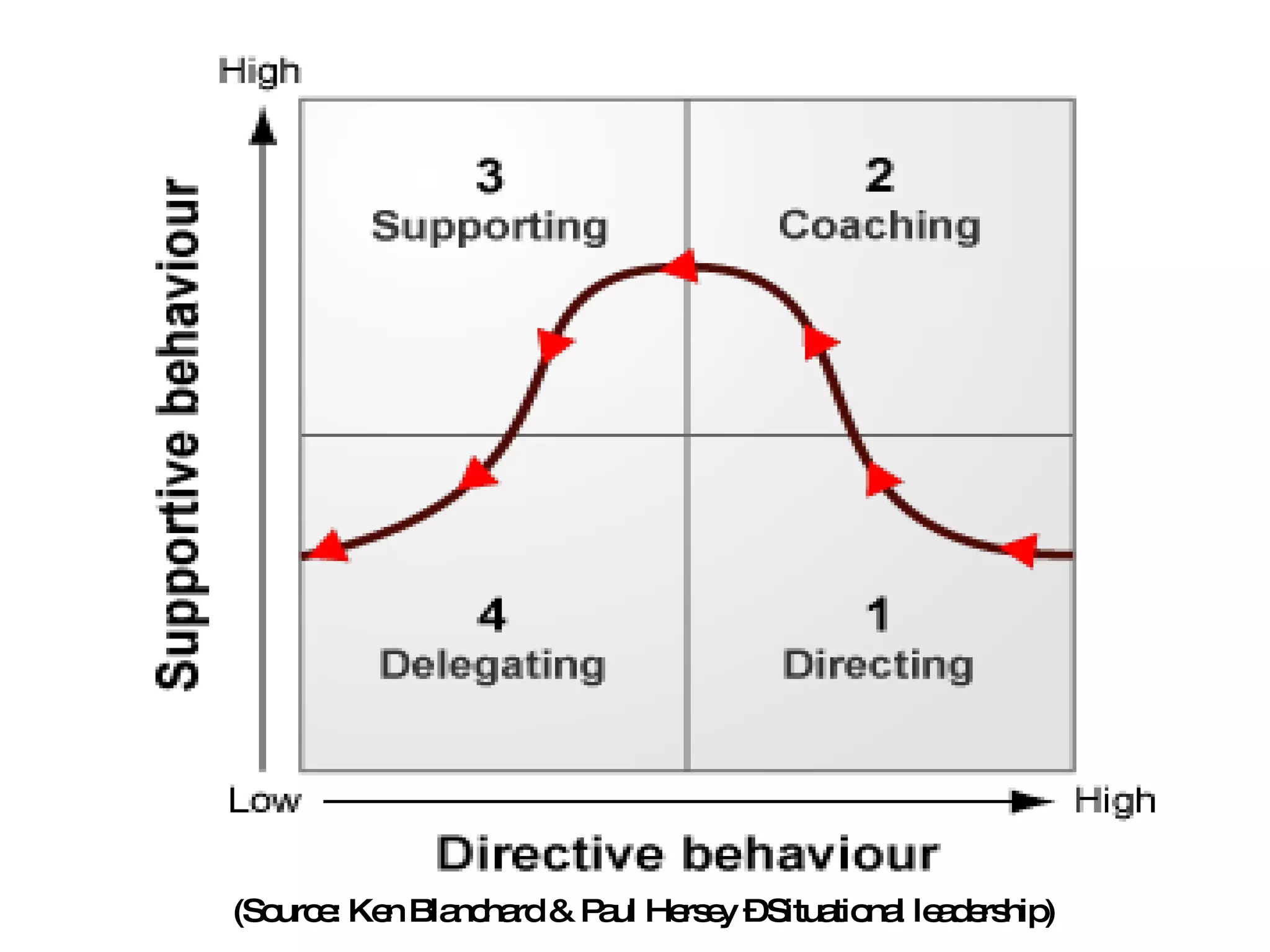
(Source: Ken Blanchard & Paul Hersey – Situational leadership)
 
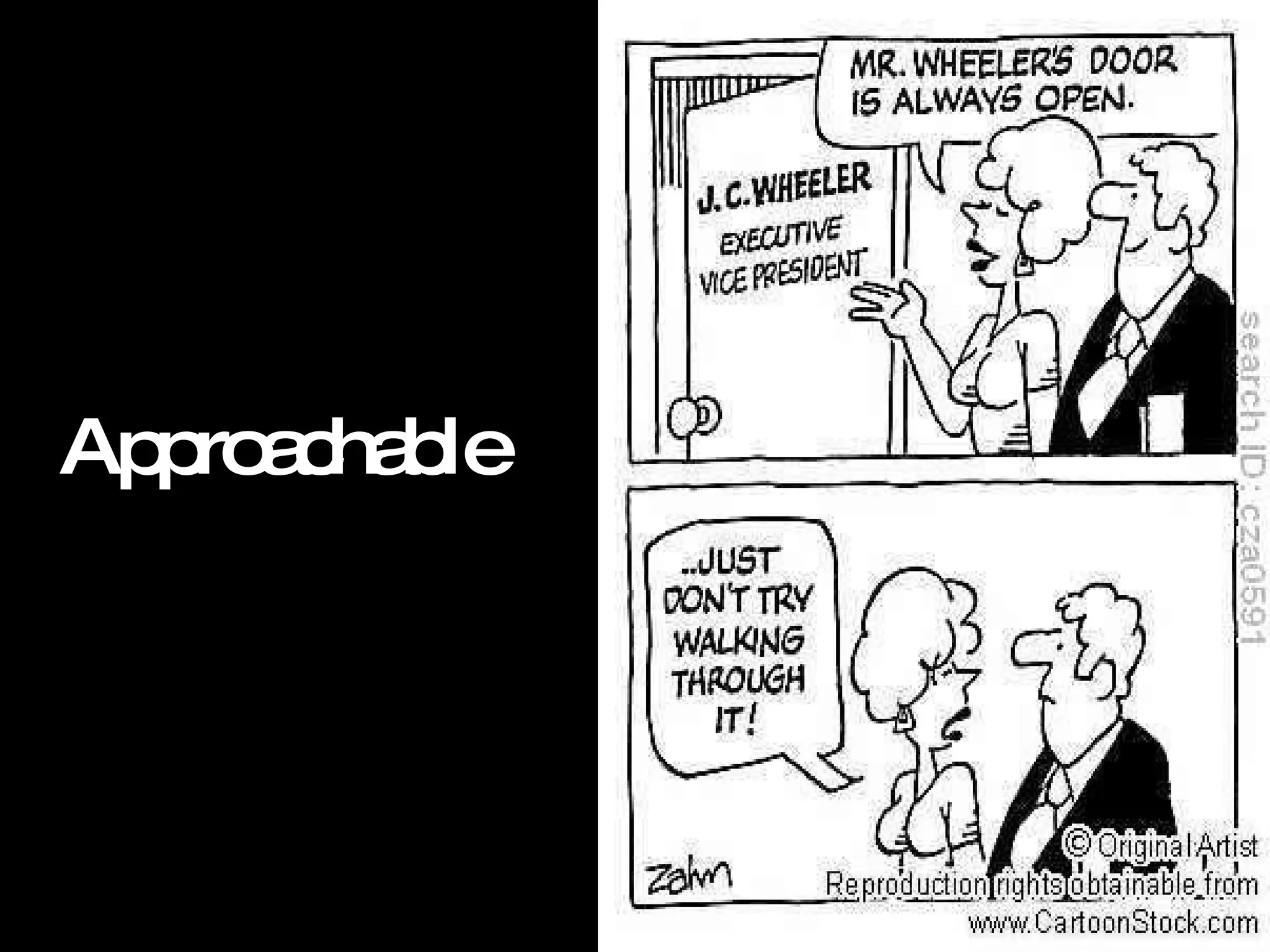
Approachable
 
caring
 
Humour and fun http://allfunny.net/pics/crazykids/crazy-kids-8.jpg
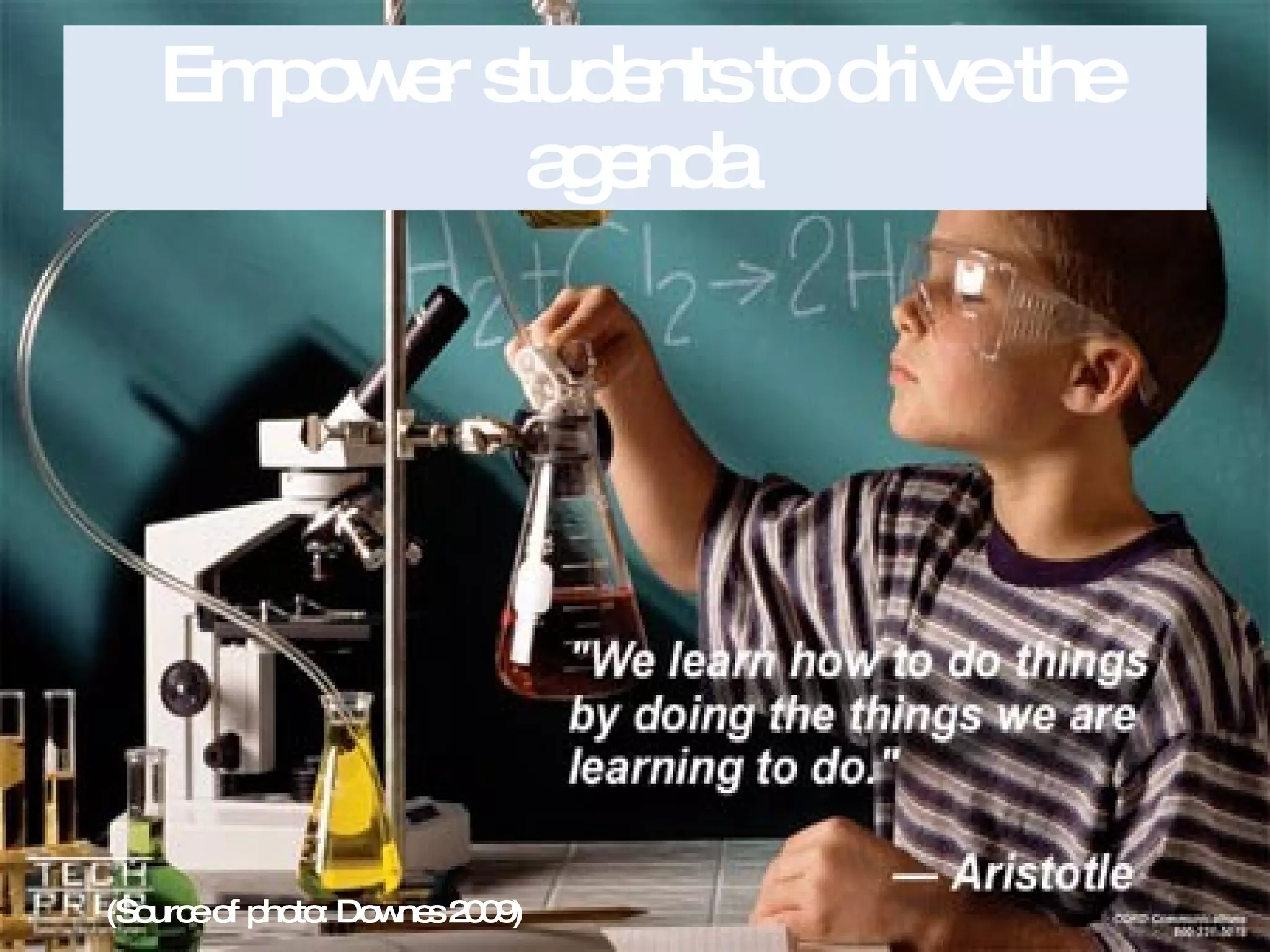
Empower students to drive the agenda (Source of photo: Downes 2009)
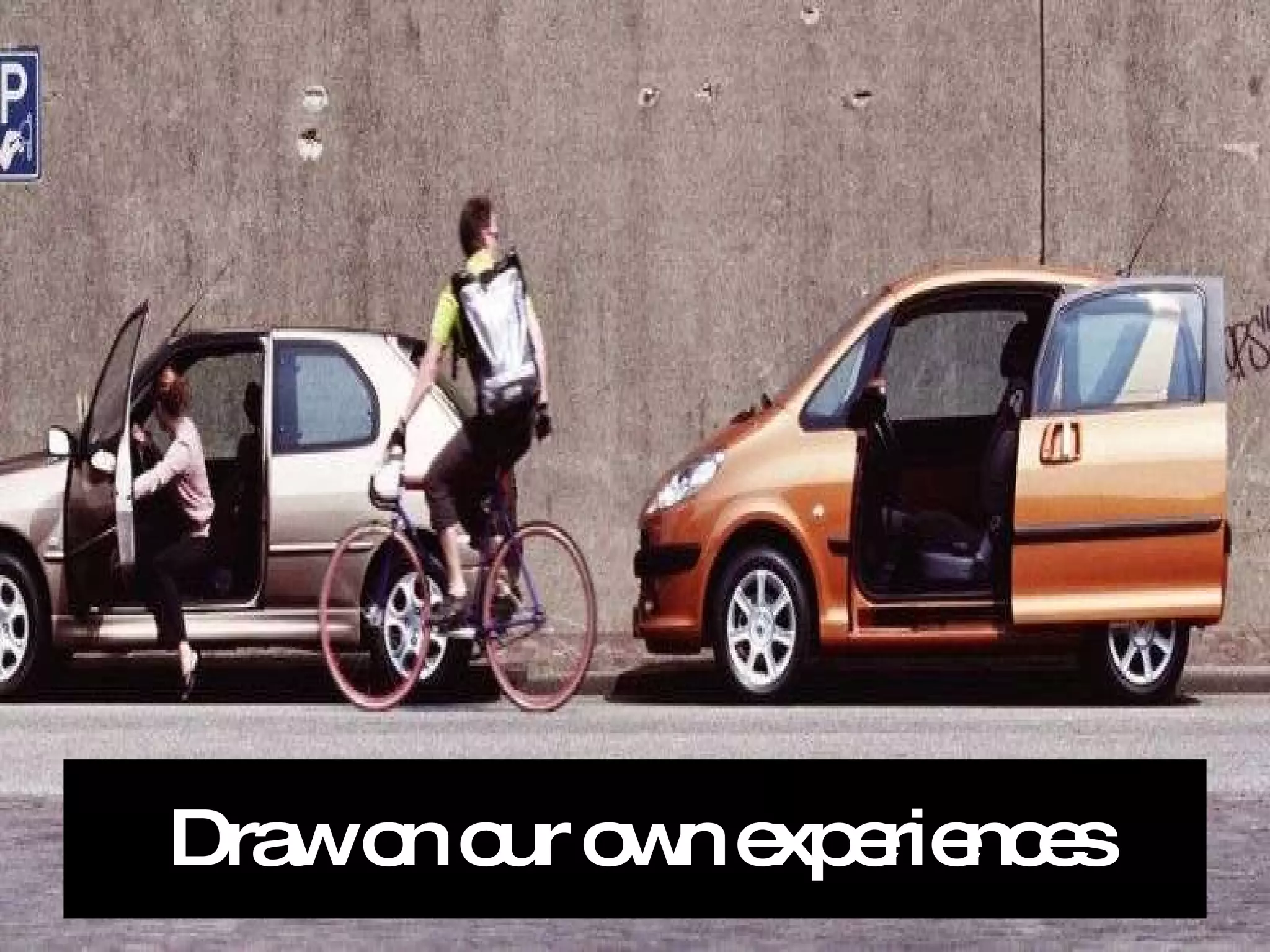
Draw on our own experiences
Reflecting
Wiki for MA Tuesday group  Source of photo: Weller
Acknowledgement in one of MA dissertations “ To the Tuesday afternoon master’s group: It was always a pleasure to chat, and share ideas and receive encouragement.”
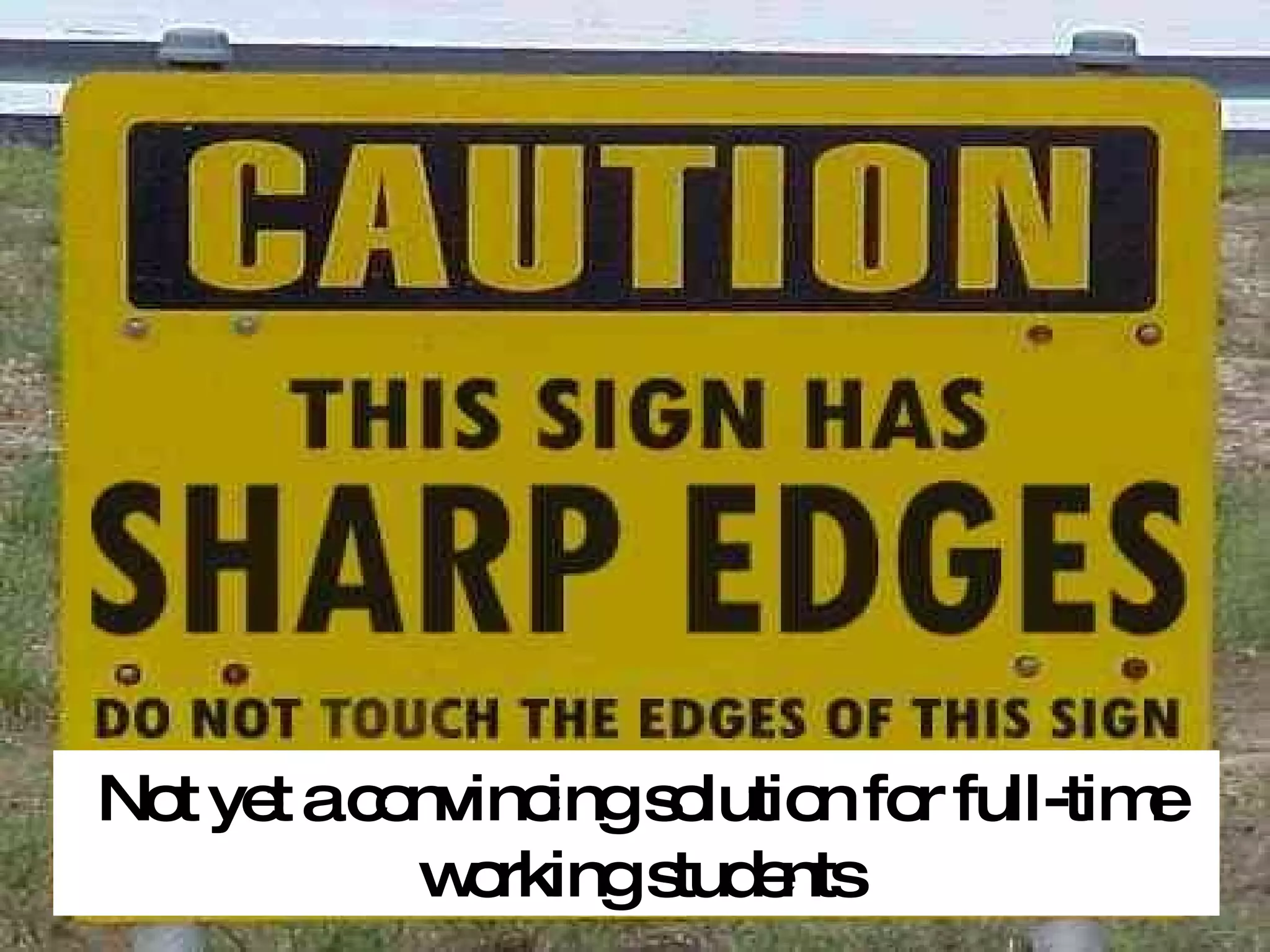
Not yet a convincing solution for full-time working students
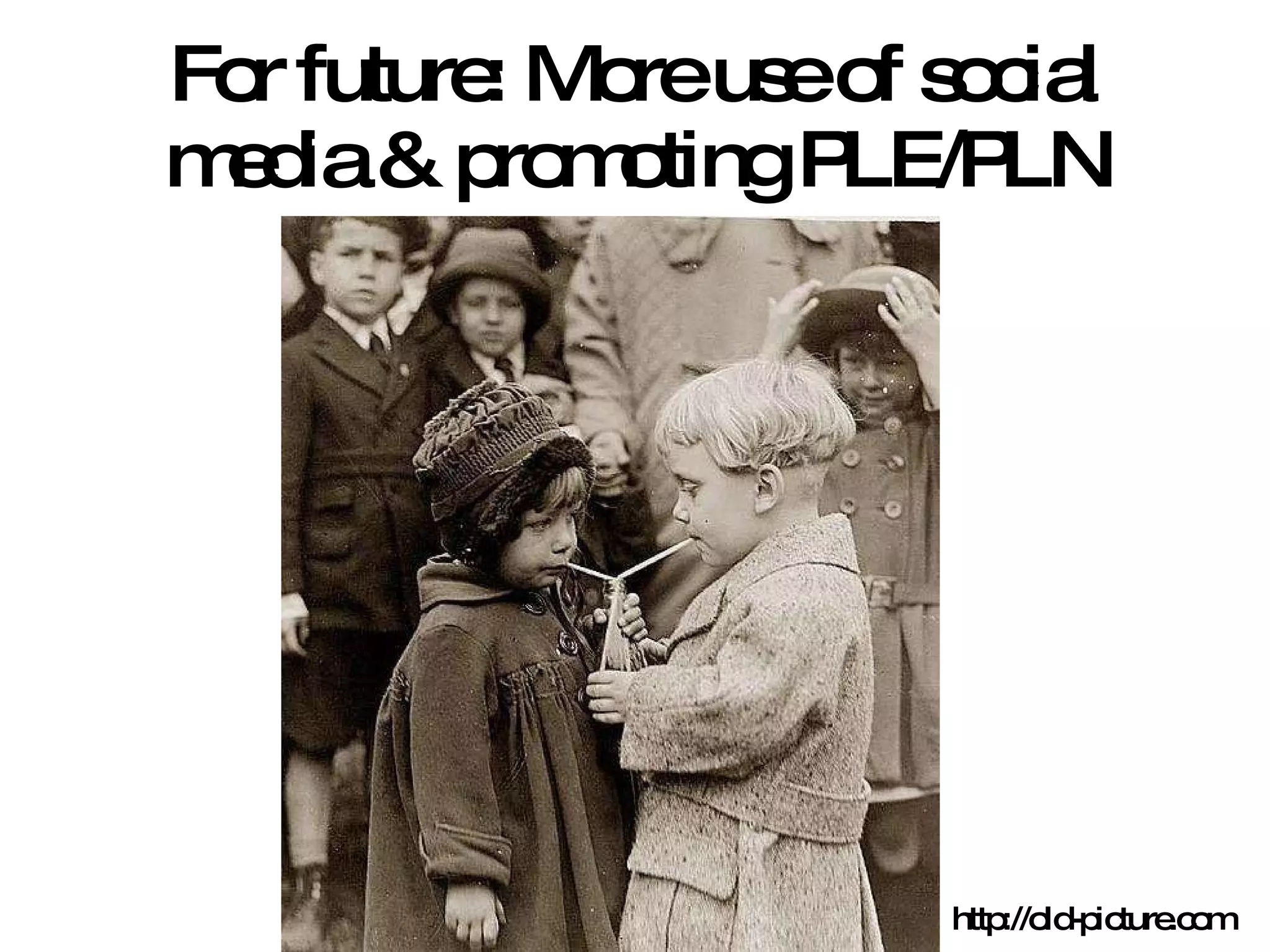
For future: More use of social media & promoting PLE/PLN http://old-picture.com
Your thoughts?
Acknowledgements If not acknowledged in slides, photos are from google images Downes S 2009 Learning 2.0: Learning today and tomorrow. Presentation on 6 April Lee A 2008 New approaches to postgraduate supervision and supervisor development. Available online at http://www.srhe.ac.uk/downloads/Anne_Lee_presentation_230608.ppt  Wheller M Thinking about digital scholarship.

Supporting MA students: A group supervision model

Editor's Notes

  • #10 Increased rapport between students, and students and supervisors Sign mou at beginning of each year – clarity on roles and responsibilities, expectations UJ regulations
  • #18 Present at annual ATL conference
  • #20 Formal and informal skills-focused workshops
  • #24 Six students completed: three over 70%, two high sixties, one over 60%. Currently 12 students: 3 near completion, 3 starting. One fall-out in four years.