Nishanta Tom
 Supplementary accommodation
is considered as the secondary
accommodation for a budget
oriented tourists.
 The United Nations Conference on
International Travel and Tourism
held at Rome in 1963 considered for
discussing problems relating to
means of accommodation. The
Conference acknowledged the
importance of accommodation both
traditional and
supplementary as incentive to
international tourism. It also
recommended that govt. Give
consideration to the possibility of
granting special facilities and
incentives for accommodation
projects. The provision of
accommodation facilities and their
growth as they make an important
contribution to the economy by
stimulating economic growth,
social contracts and commercial
activities.
 The standard of comfort is
moderate as compared to hotel.
 It is sold at a lower price.
 It offer the possibility of stay
overnight and return for cash
payment per day.
 It has an informal atmosphere.
 It caters both domestic and
Tourism is dependent on the quantity
and quality of accommodation facilities
available. It is a vital factor of tourism
development. Accommodation facilities
plays an important role in attracting
tourist to destination.
Supplementary accommodations
are proven to be very successful in the
new accommodation market by
dominating hotel accommodation supply.
Supplementary accommodation
are easing accommodation sector to
cope with a highly seasonal demand.
The growth of supplementary
accommodation seem to fulfill the
middle class income travellers heed to
budget accommodation.
 Motel
 Youth Hostel
 Camping Sites
 Pension
 Bed and Breakfast Establishments
 Tourist Holiday Villages
 The concept of motel was originated in
USA.
 Motel was meant for local motorist and
foreign tourists travelling by road.
 They serve the function of transit hotel
and accommodate the guests for
overnight stay.
 They provides parking facility, garage
facility, accommodation, restaurant
facilities, public catering and recreational
facilities.
 They also equipped with filling stations,
repair services, accessories, elevator
services to automobiles etc..
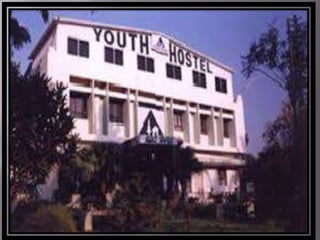
 Youth hostels was first appeared in
Germany in 1900.
 They provides cots, mattresses, sheets,
and blankets.
 They give a provision of additional
kitchen where travellers can prepare
their own meals.
 It offers clean, moderate and inexpensive
shelter to young people.
 Youth hostels was started with a view to
encourage youths to travel in order to
learn and know more about the country
and also to socialise.
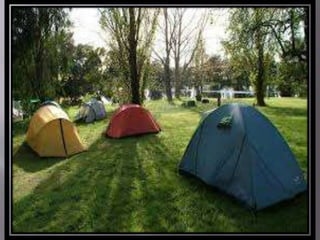
 Camping sites are very popular in
European countries and USA.
 This is also known as open – air hostels,
tourist camps or camping grounds.
 This is located within the large cities in
open spaces.
 They provide facilities for parking, tent
pitching, water, electricity, toilet etc..
 This is very popular in European
countries.
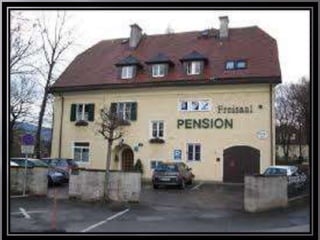
 It is also described as a private hotel,
guest house or a boarding house.
 Catering facilities are optional and are
restricted to the residents.
 The reservation of accommodation
should made in advance.
 In some countries it is also known as
apartment hotels or hotel garnis.
 It caters both holiday and business
travellers.
 These establishments provides bed and
breakfast but not the principal meals.
 It is established in European countries.
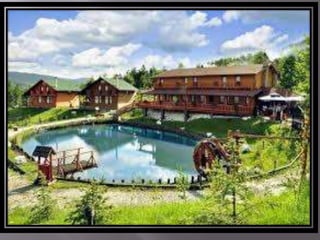
 This village complex is a centre of
accommodation providing sports and
recreational activities.
 Activities includes riding, swimming,
mini-golf, tennis, volleyball, football and
yoga.
 Atmosphere of this village is kept
informal.
 Telephones, TV, radios, newspapers are
banned.
 Holiday villages are based on family
units providing living room, shower and
sometimes a kitchen.
 There is a small shopping complex and
services of doctor are available.
Accommodation is a rapidly
growing sector in the tourism
industry. Supplementary
accommodation have appeared to
become popular in recent years.
These are found to be a vital
component in the supply of
affordable accommodation for
budget conscious travellers.
 Tourism administration and management
(UGC NET)
by, Akhilesh
 Hotel front office ( A training manual)
by, Sudhir Andrews
Supplementary accommodation units

Supplementary accommodation units

  • 1.
  • 2.
     Supplementary accommodation isconsidered as the secondary accommodation for a budget oriented tourists.
  • 3.
     The UnitedNations Conference on International Travel and Tourism held at Rome in 1963 considered for discussing problems relating to means of accommodation. The Conference acknowledged the importance of accommodation both traditional and
  • 4.
    supplementary as incentiveto international tourism. It also recommended that govt. Give consideration to the possibility of granting special facilities and incentives for accommodation projects. The provision of accommodation facilities and their growth as they make an important
  • 5.
    contribution to theeconomy by stimulating economic growth, social contracts and commercial activities.
  • 6.
     The standardof comfort is moderate as compared to hotel.  It is sold at a lower price.  It offer the possibility of stay overnight and return for cash payment per day.  It has an informal atmosphere.  It caters both domestic and
  • 7.
    Tourism is dependenton the quantity and quality of accommodation facilities available. It is a vital factor of tourism development. Accommodation facilities plays an important role in attracting tourist to destination. Supplementary accommodations are proven to be very successful in the
  • 8.
    new accommodation marketby dominating hotel accommodation supply. Supplementary accommodation are easing accommodation sector to cope with a highly seasonal demand. The growth of supplementary accommodation seem to fulfill the middle class income travellers heed to budget accommodation.
  • 9.
     Motel  YouthHostel  Camping Sites  Pension  Bed and Breakfast Establishments  Tourist Holiday Villages
  • 10.
     The conceptof motel was originated in USA.  Motel was meant for local motorist and foreign tourists travelling by road.  They serve the function of transit hotel and accommodate the guests for overnight stay.
  • 11.
     They providesparking facility, garage facility, accommodation, restaurant facilities, public catering and recreational facilities.  They also equipped with filling stations, repair services, accessories, elevator services to automobiles etc..
  • 13.
     Youth hostelswas first appeared in Germany in 1900.  They provides cots, mattresses, sheets, and blankets.  They give a provision of additional kitchen where travellers can prepare their own meals.
  • 14.
     It offersclean, moderate and inexpensive shelter to young people.  Youth hostels was started with a view to encourage youths to travel in order to learn and know more about the country and also to socialise.
  • 16.
     Camping sitesare very popular in European countries and USA.  This is also known as open – air hostels, tourist camps or camping grounds.  This is located within the large cities in open spaces.
  • 17.
     They providefacilities for parking, tent pitching, water, electricity, toilet etc..
  • 20.
     This isvery popular in European countries.  It is also described as a private hotel, guest house or a boarding house.  Catering facilities are optional and are restricted to the residents.
  • 21.
     The reservationof accommodation should made in advance.
  • 24.
     In somecountries it is also known as apartment hotels or hotel garnis.  It caters both holiday and business travellers.  These establishments provides bed and breakfast but not the principal meals.
  • 26.
     It isestablished in European countries.  This village complex is a centre of accommodation providing sports and recreational activities.  Activities includes riding, swimming, mini-golf, tennis, volleyball, football and yoga.
  • 28.
     Atmosphere ofthis village is kept informal.  Telephones, TV, radios, newspapers are banned.  Holiday villages are based on family units providing living room, shower and sometimes a kitchen.
  • 29.
     There isa small shopping complex and services of doctor are available.
  • 31.
    Accommodation is arapidly growing sector in the tourism industry. Supplementary accommodation have appeared to become popular in recent years. These are found to be a vital component in the supply of affordable accommodation for budget conscious travellers.
  • 32.
     Tourism administrationand management (UGC NET) by, Akhilesh  Hotel front office ( A training manual) by, Sudhir Andrews