

























Practical and Progressive Strategies for Teaching Child Internet Safety and Responsible Use in SchoolsOllie BrayLearning and Teaching ScotlandScott WoodScottish Governmentwww.ltscotland.org.uk/iternetsafety
WHY ISRU IS A NATIONAL PRIORITYNational OutcomesOur young people are successful learners, confident individuals, effective contributors and responsible citizens.Our children have the best start in life and are ready to succeed.We have improved the life chances for children, young people and families at risk.
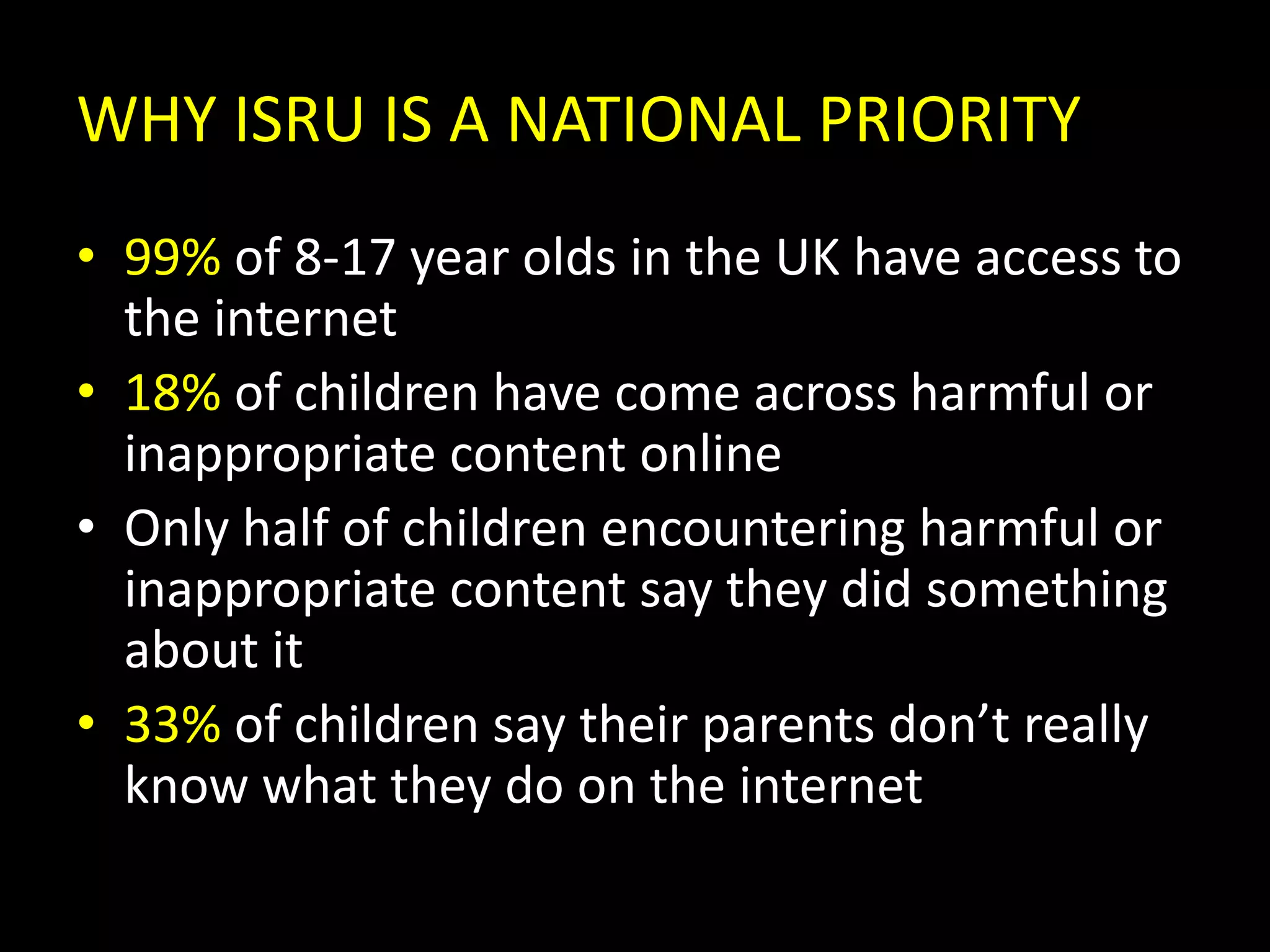
WHY ISRU IS A NATIONAL PRIORITY99% of 8-17 year olds in the UK have access to the internet18% of children have come across harmful or inappropriate content onlineOnly half of children encountering harmful or inappropriate content say they did something about it33% of children say their parents don’t really know what they do on the internet
WHAT ARE WE DOING?UK Council for Child Internet Safetywww.dfe.gov.uk/ukccisScotland’s Child Internet Safety Action Planwww.scotland.gov.uk/internetsafety
HOW ARE WE DOING IT?Building resilience & understanding amongst young peopleImproved access to informationImproved learningDirect engagementRaising general awarenessParental engagementEngagement with industry
WHO IS DOING IT?Scottish MinistersLearning Teaching ScotlandRespectmeYoung ScotACPOSLocal CPCsIndustryUKCCISIndividual professionals
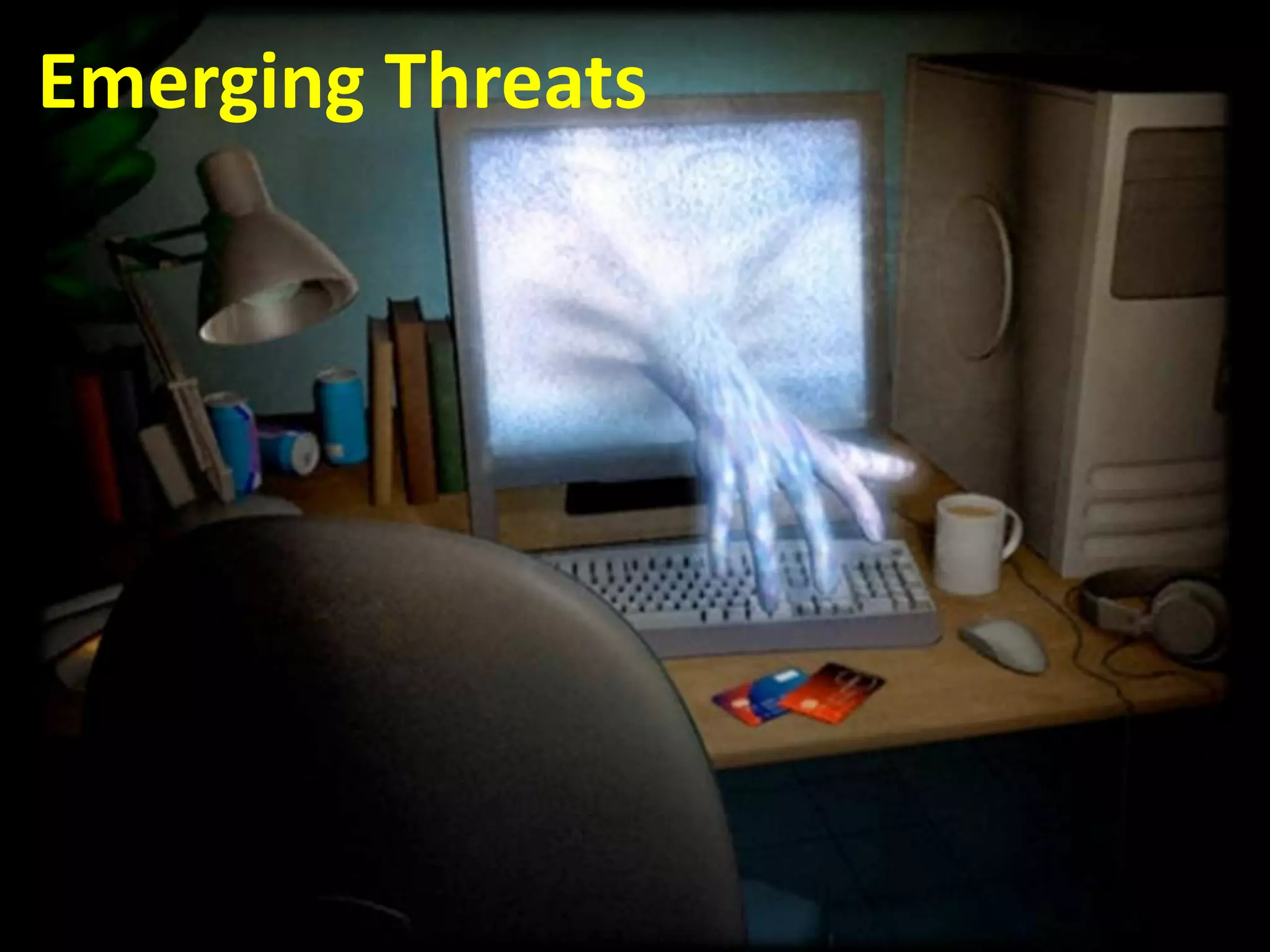
Emerging Threats
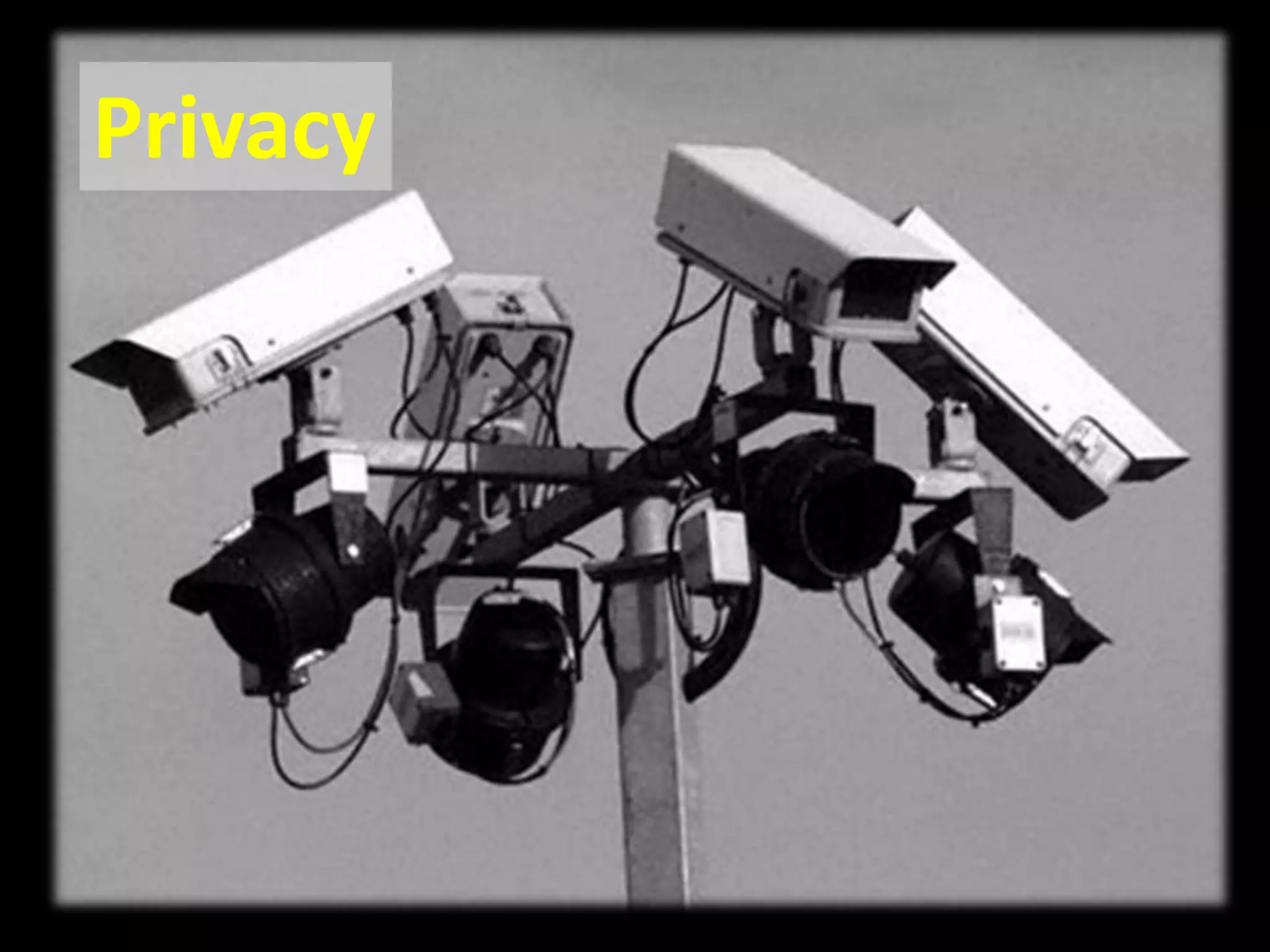
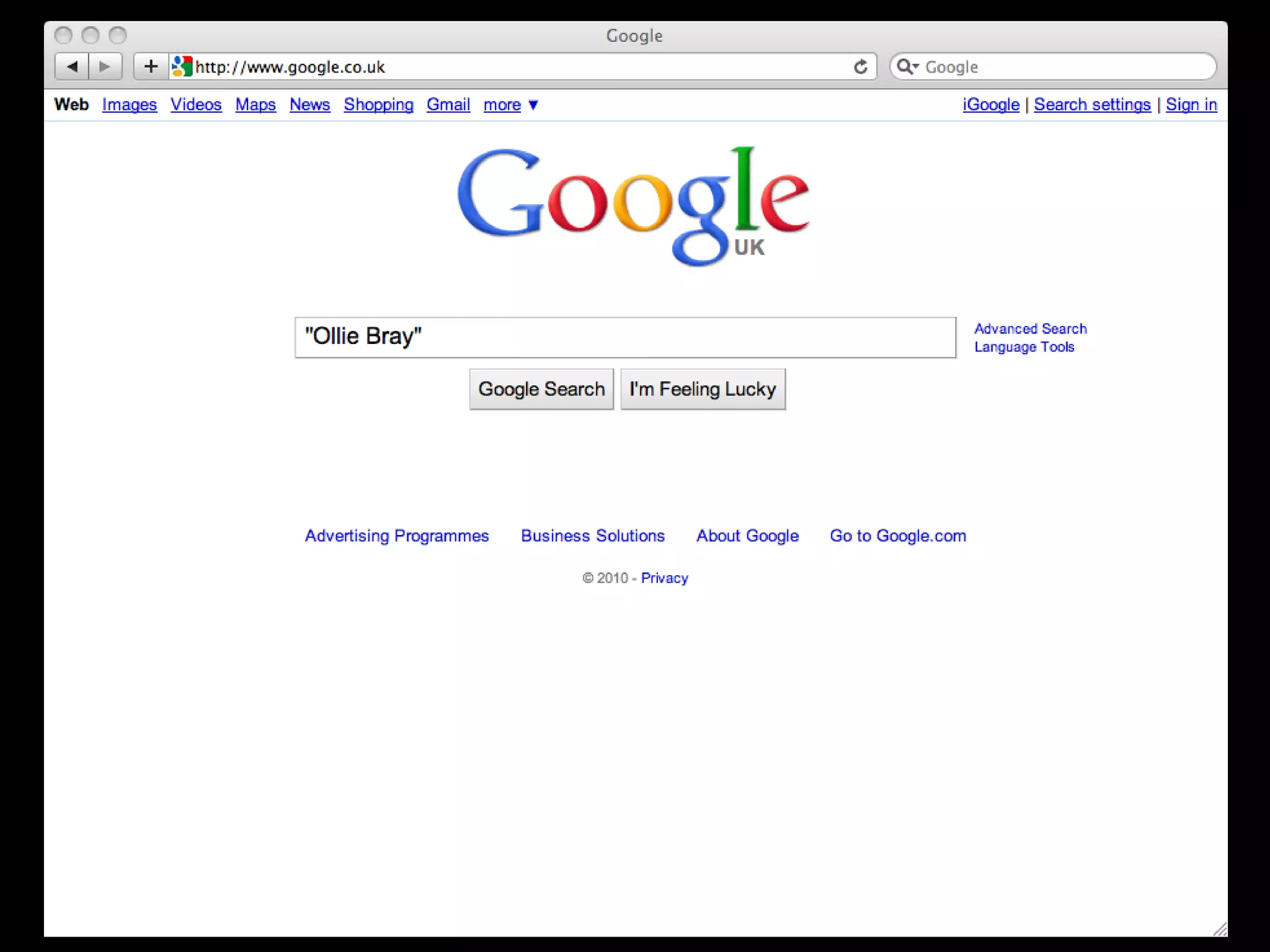
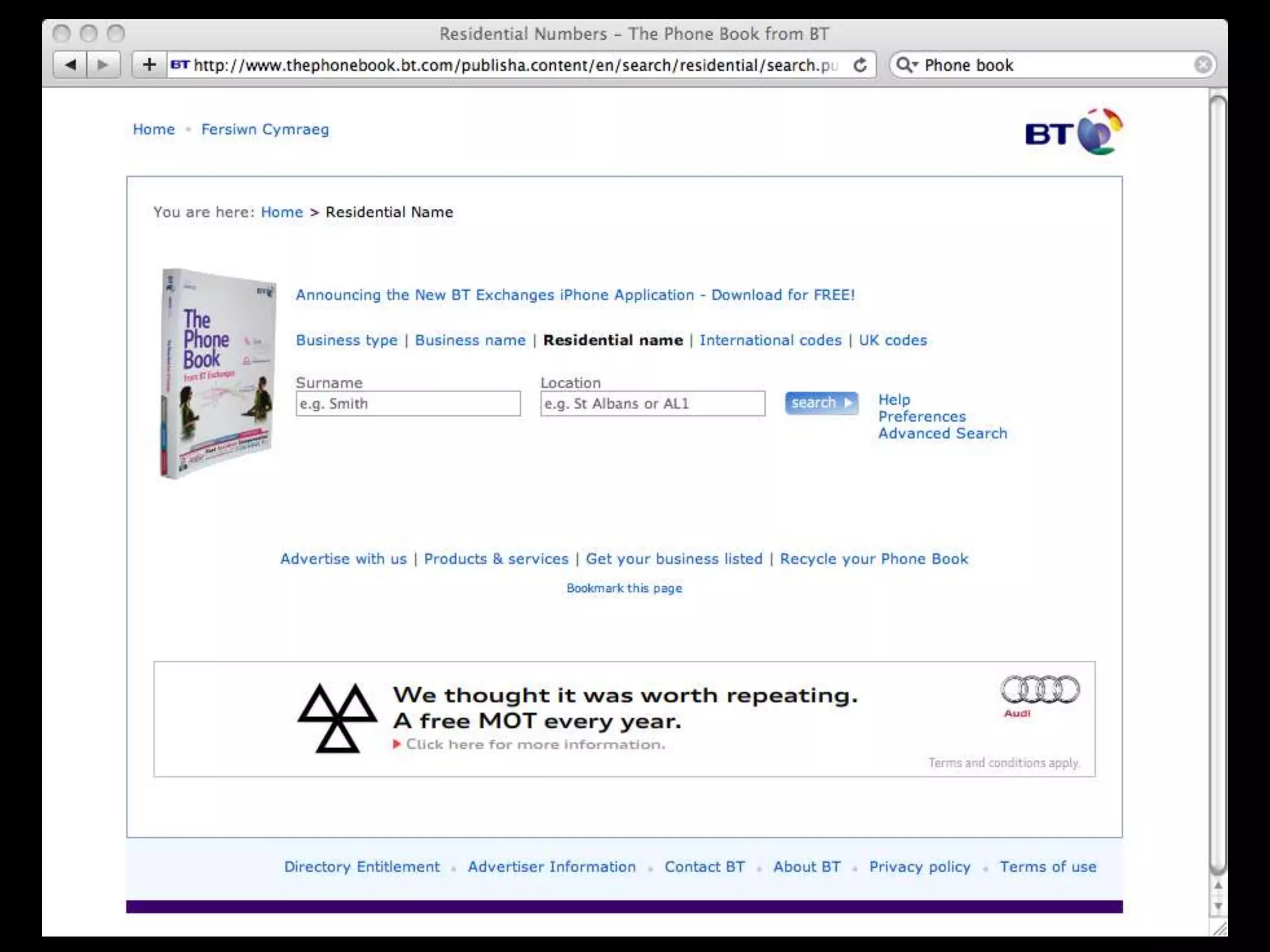
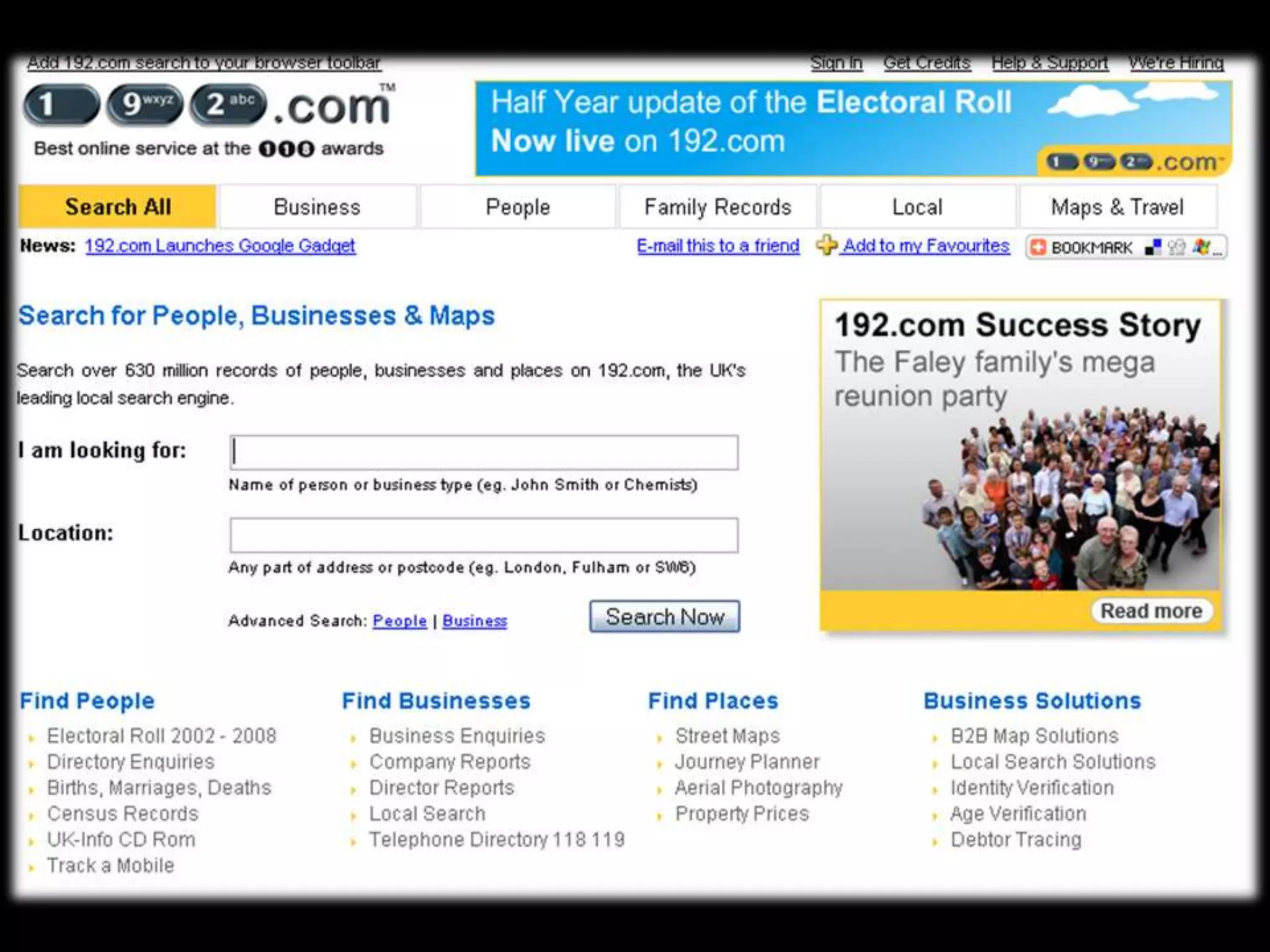
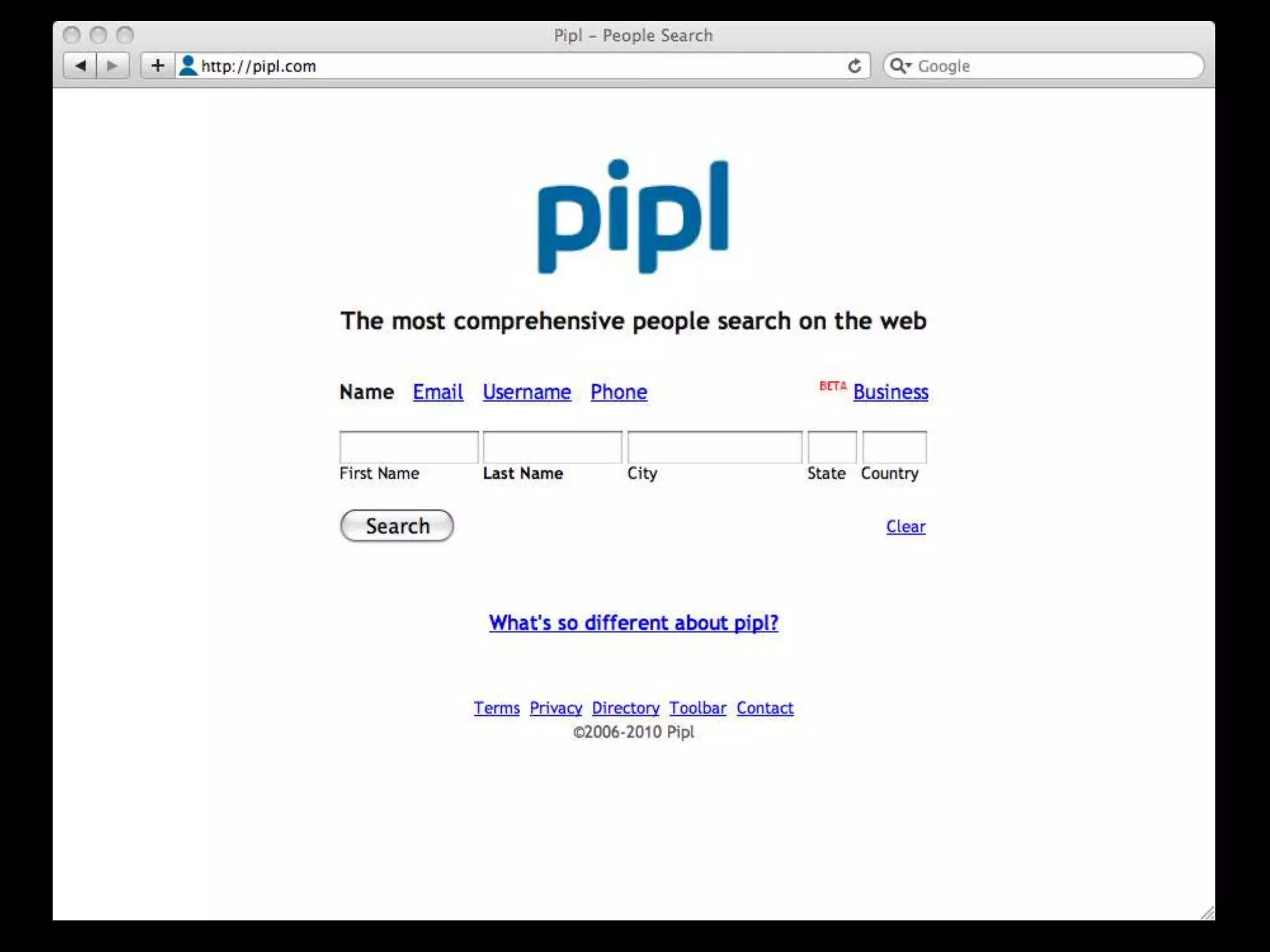
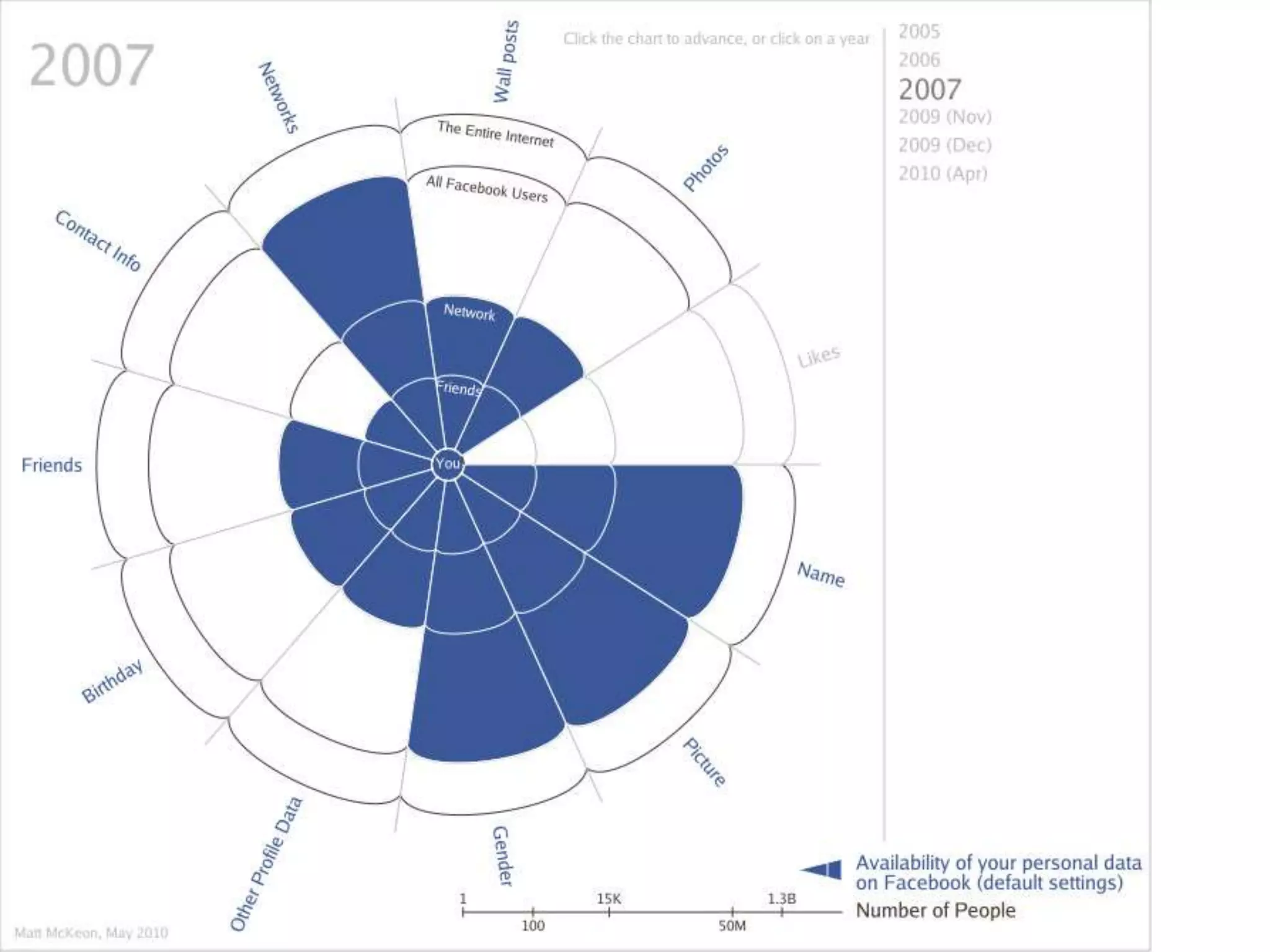
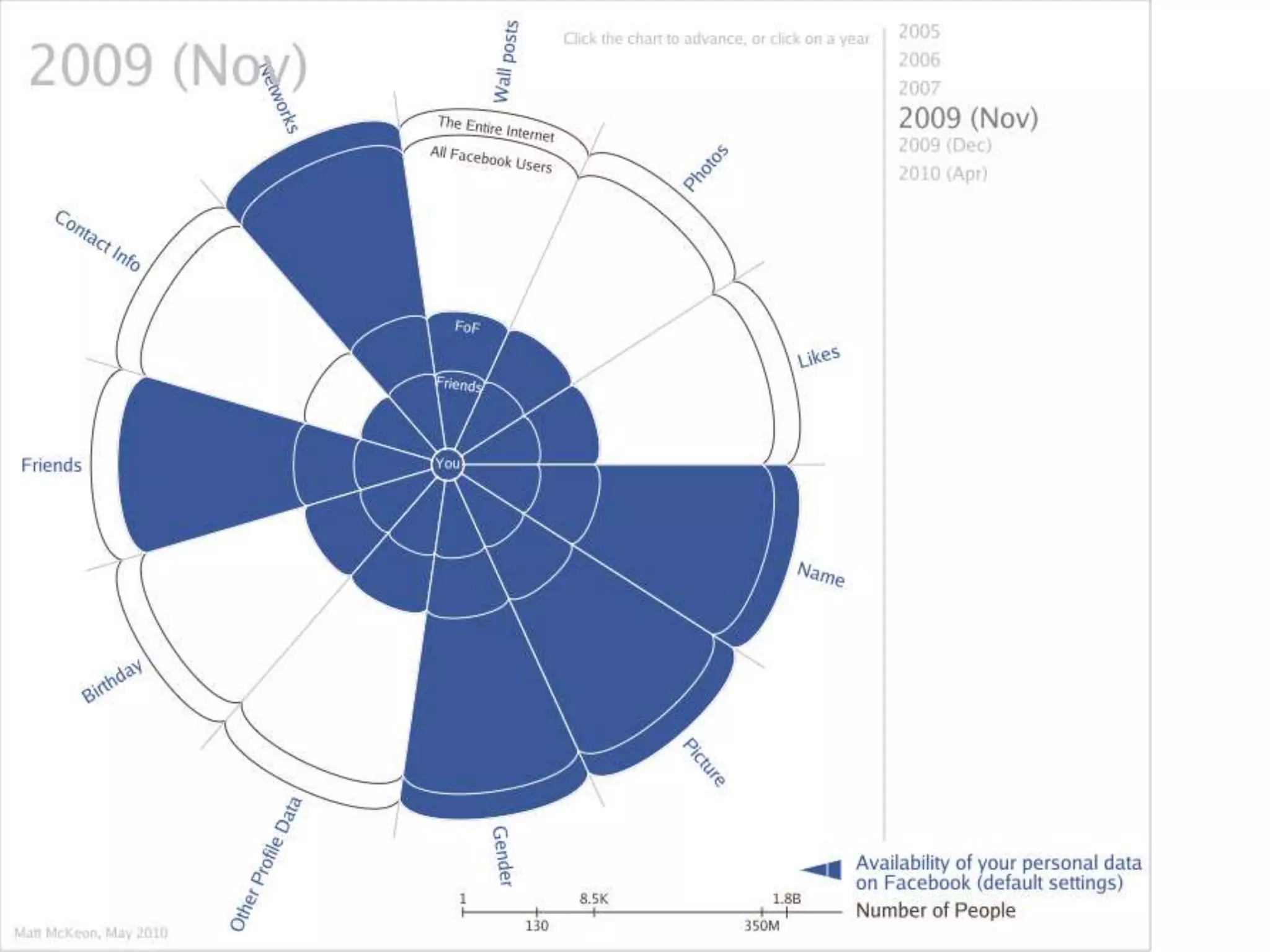
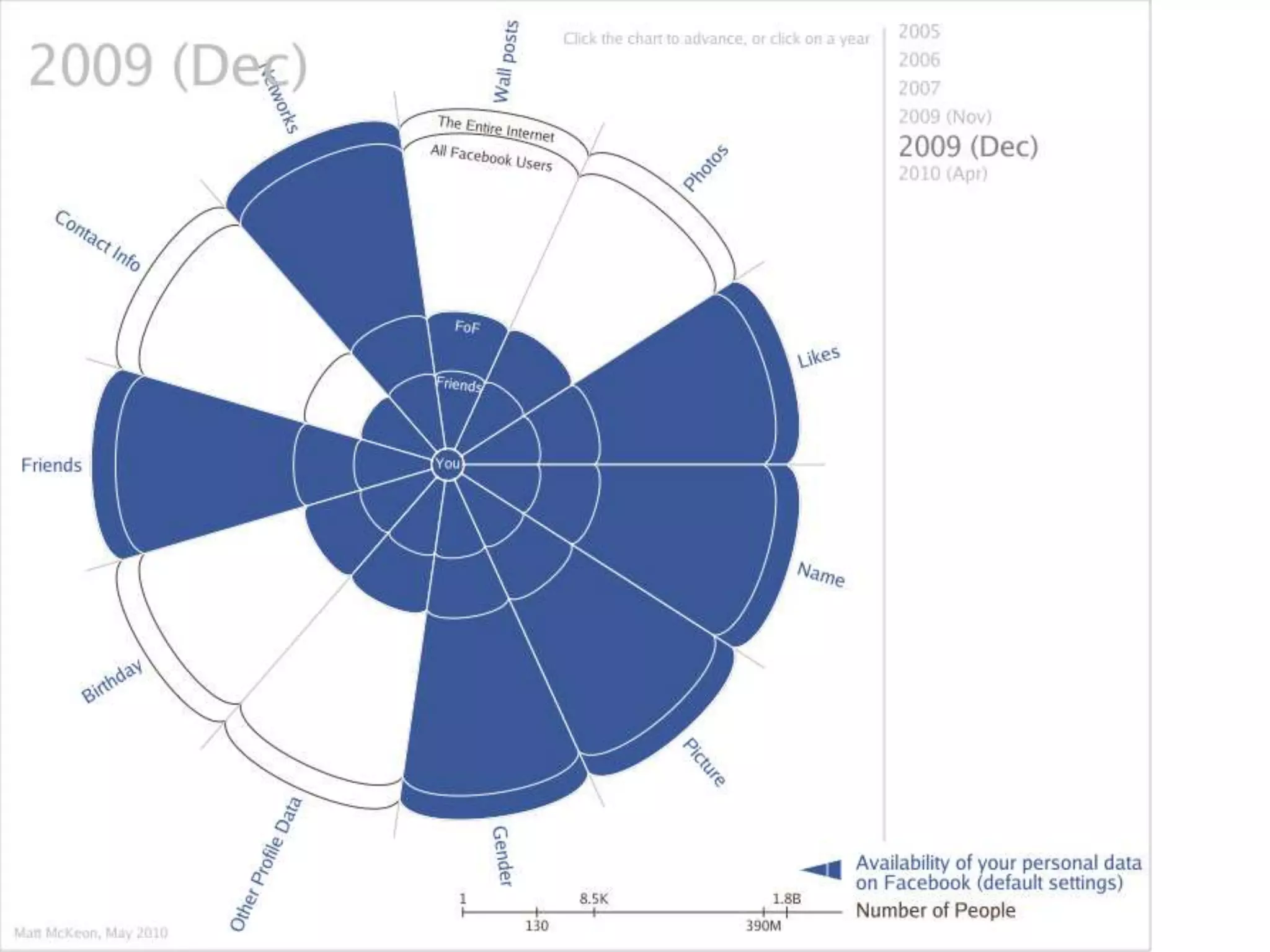
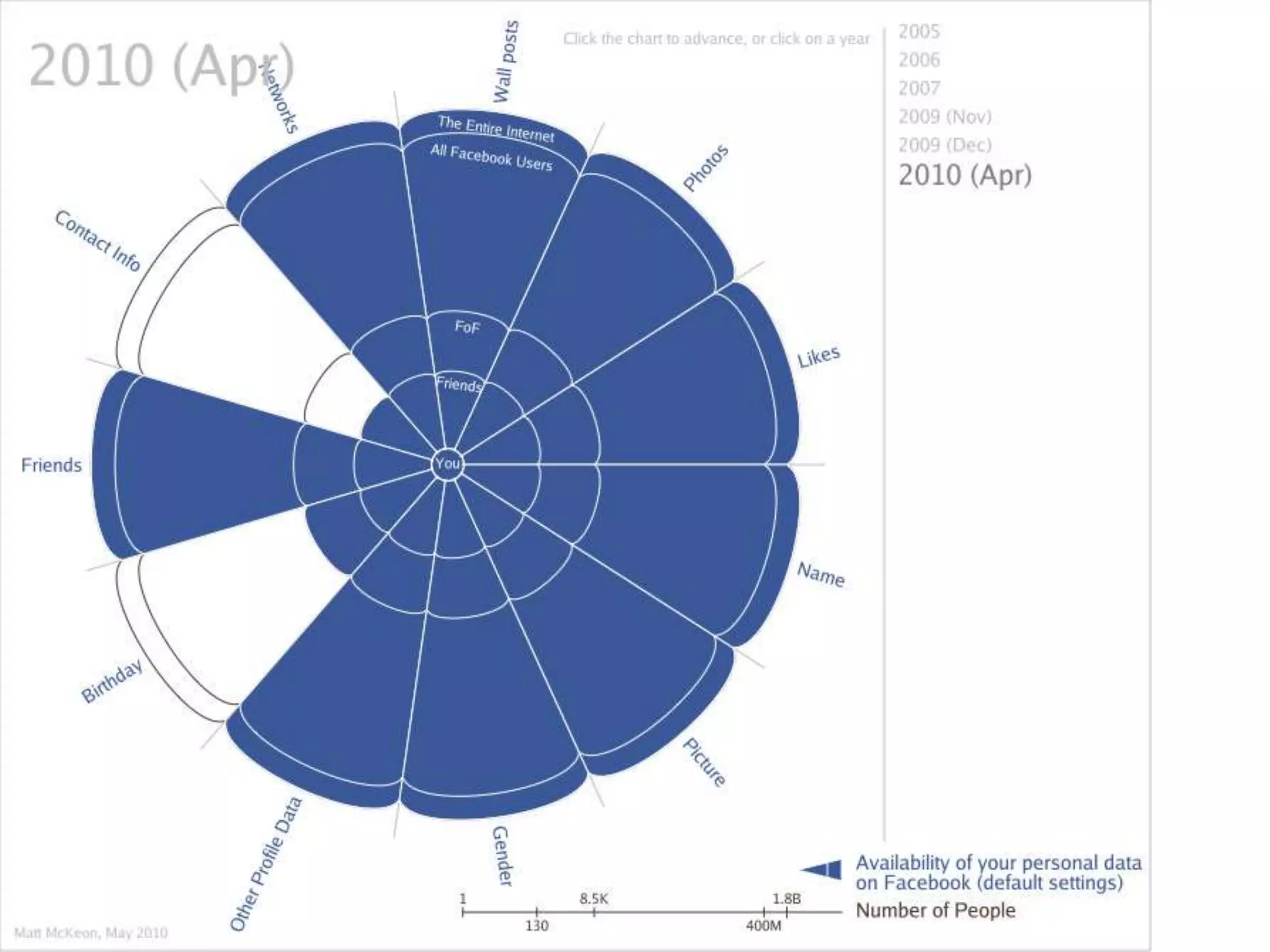
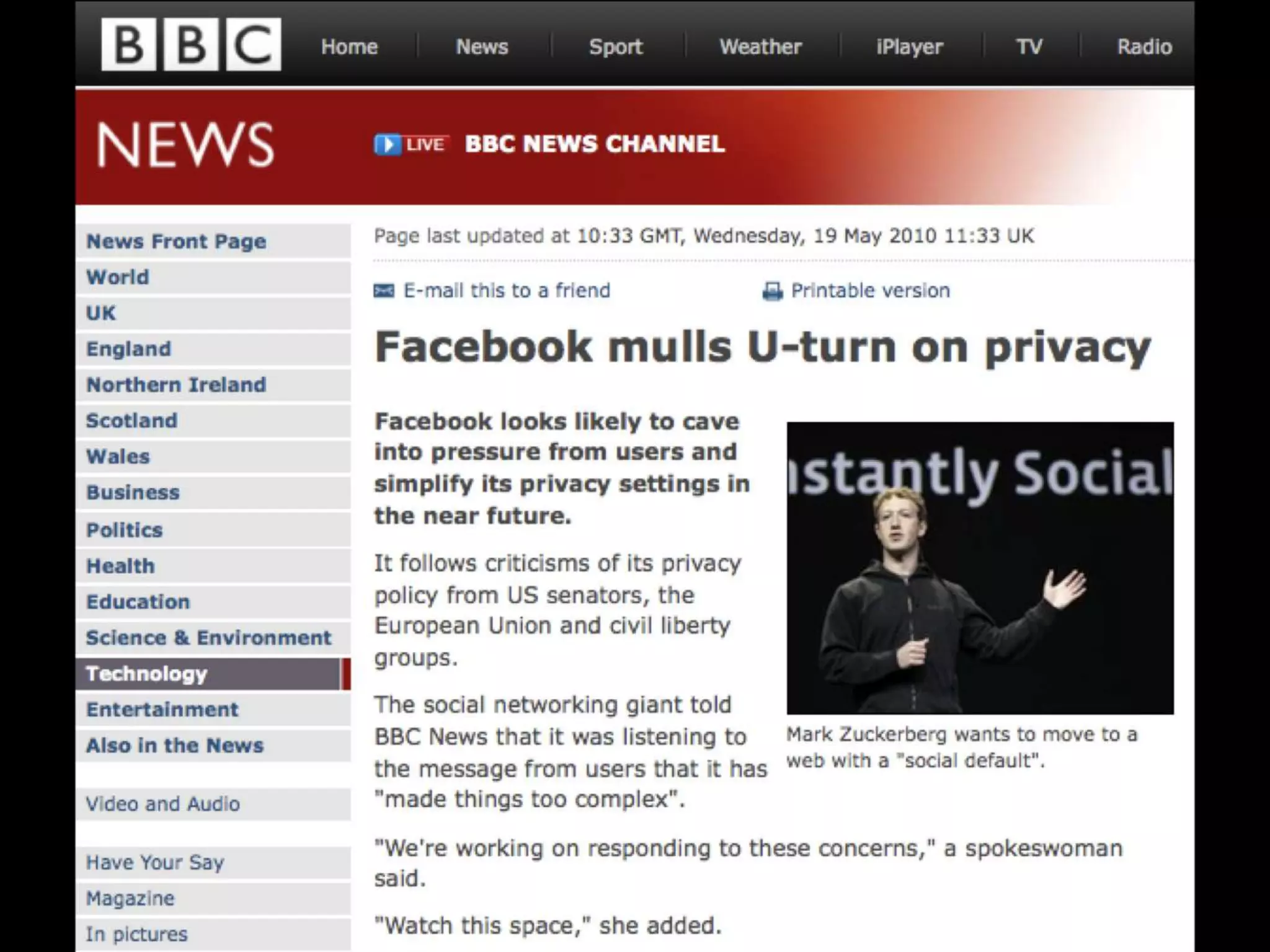
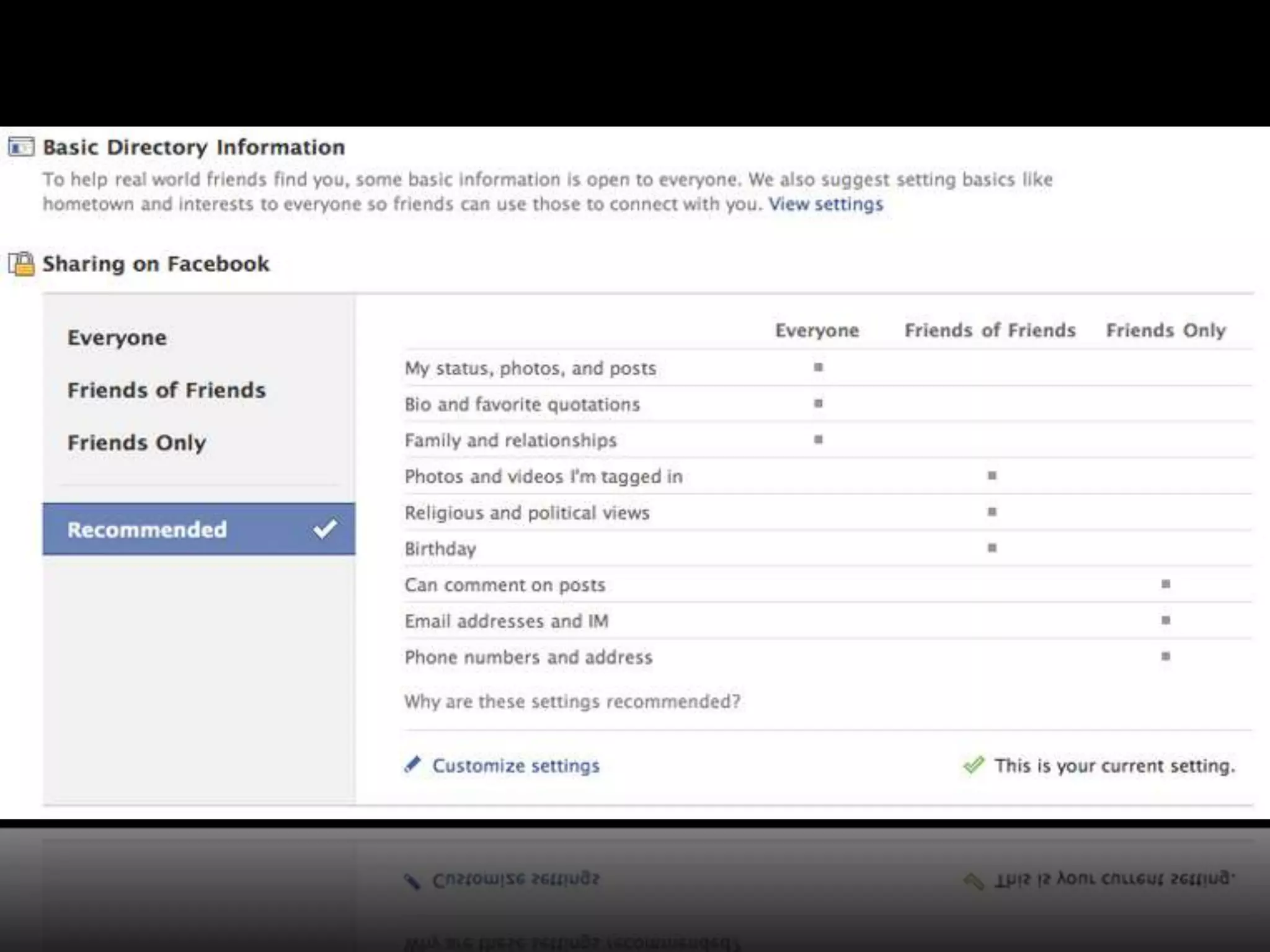
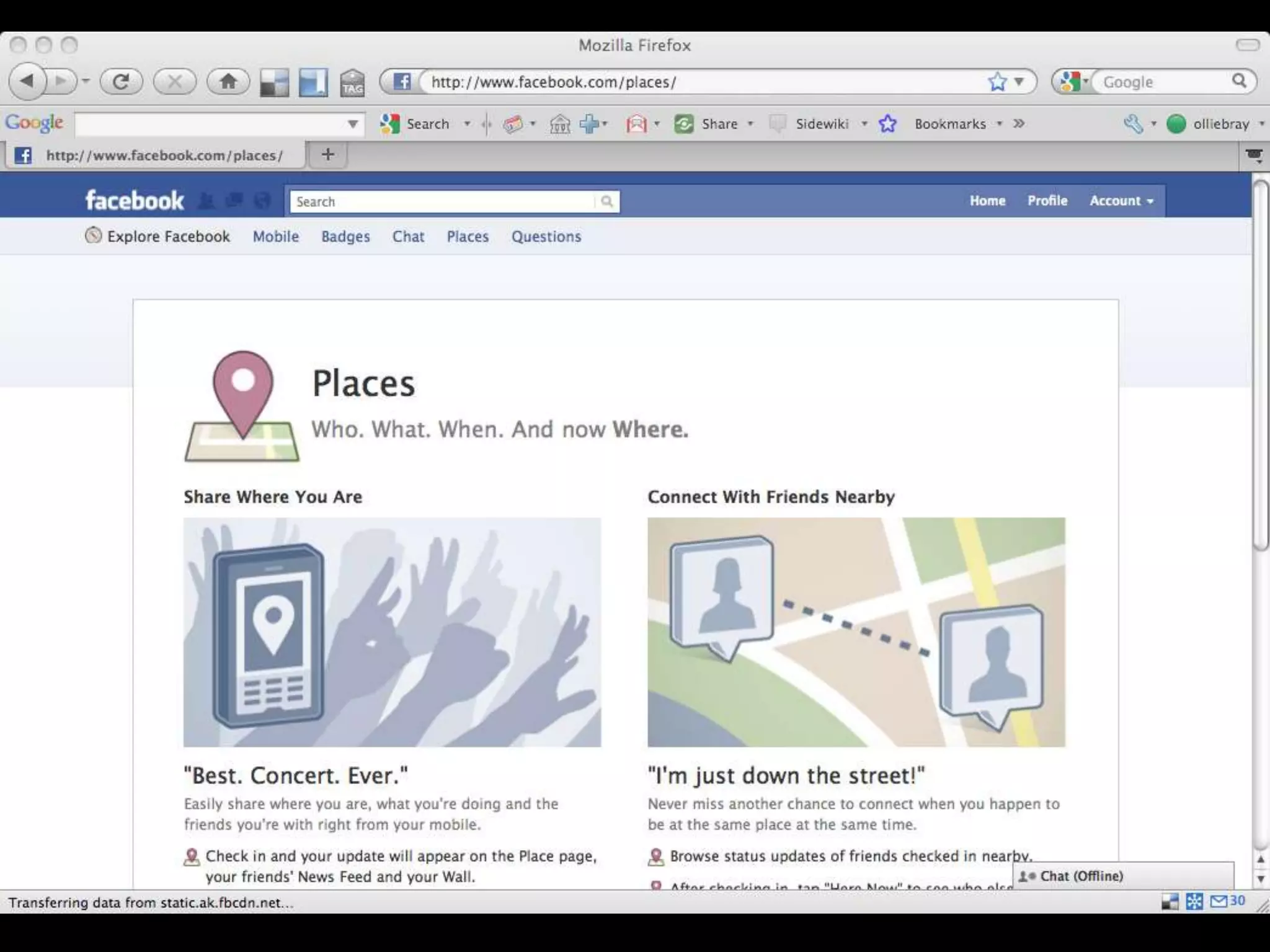
Privacy
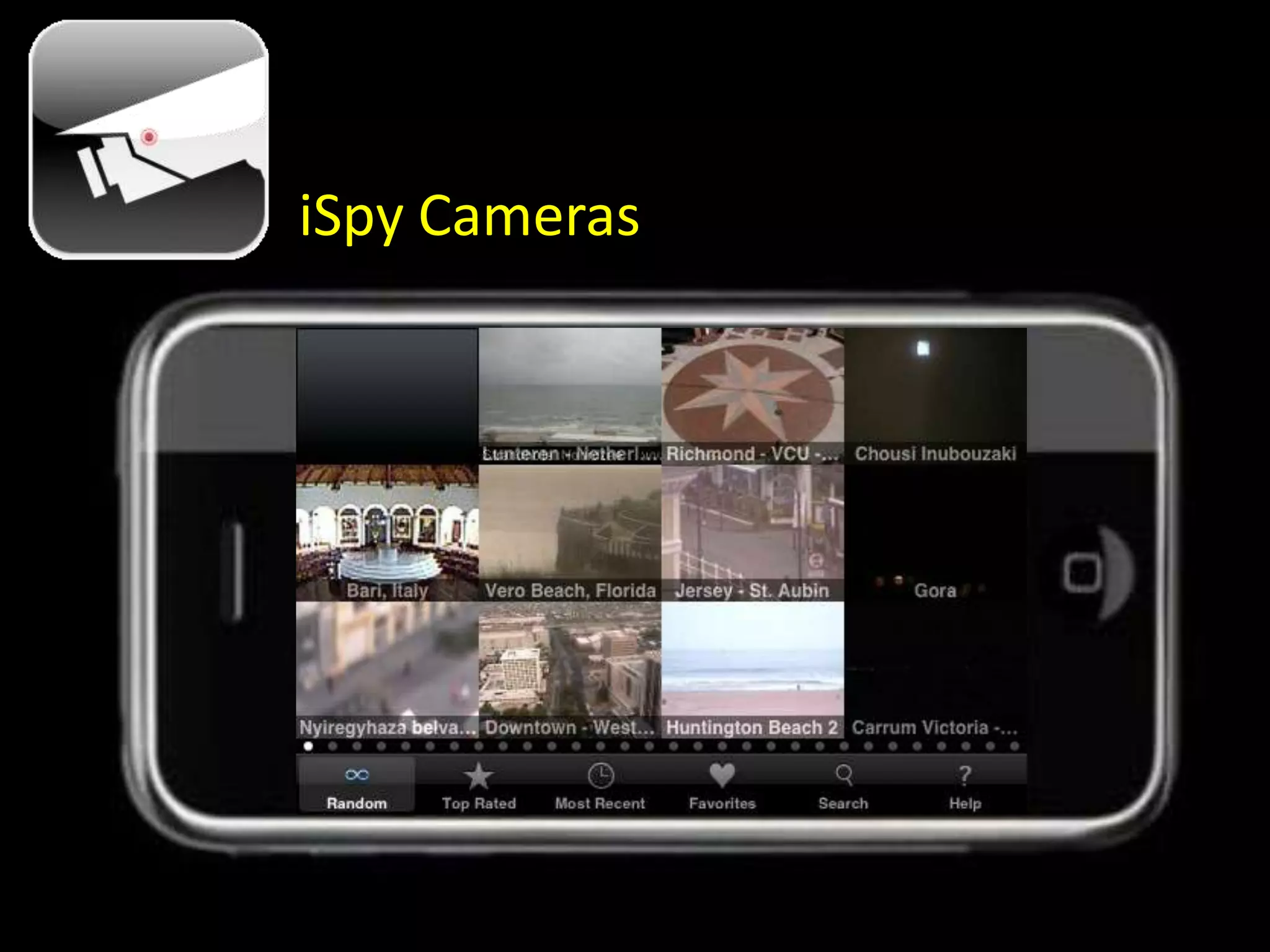
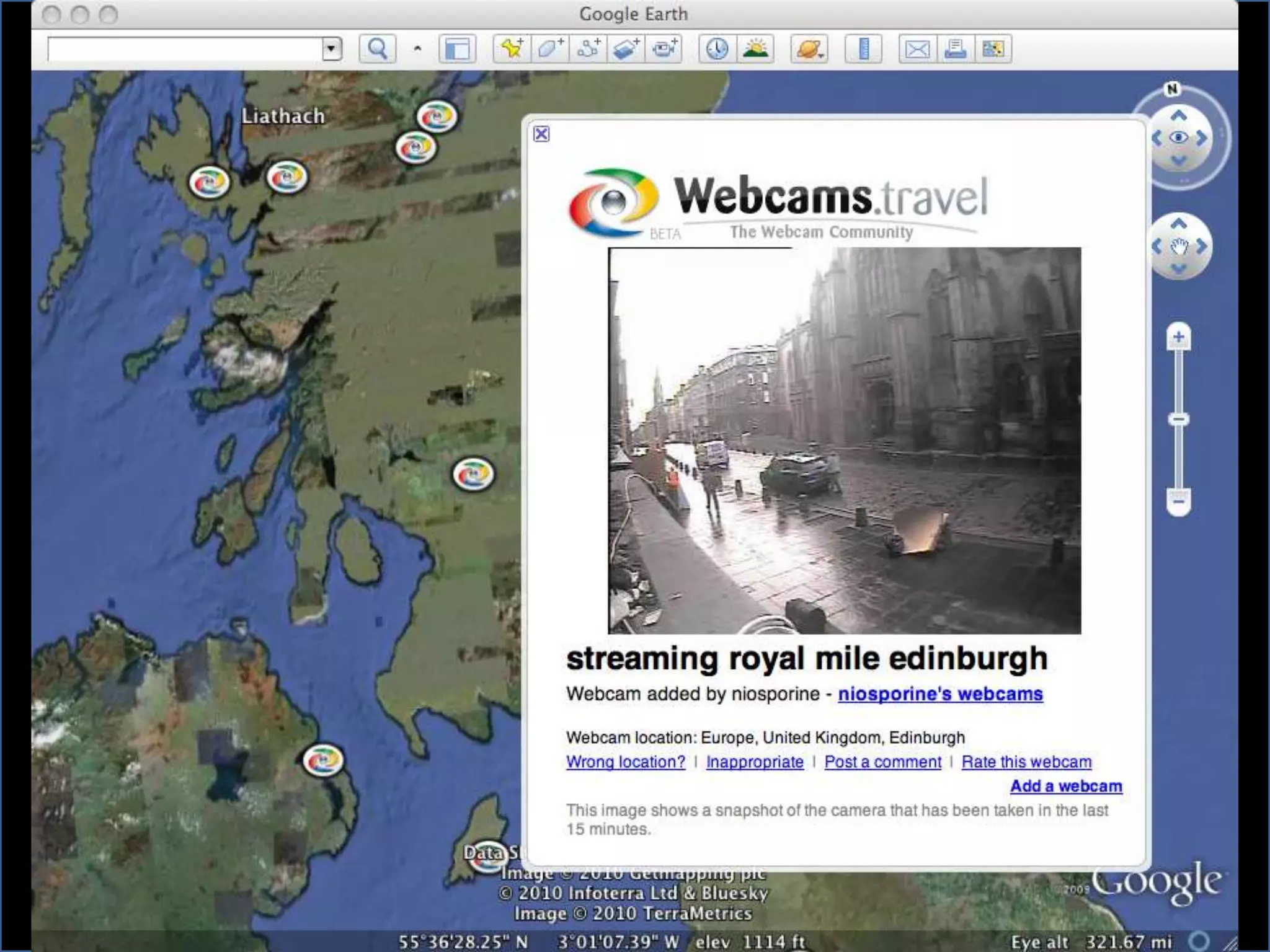
iSpy CamerasSource: Touring Fisherman
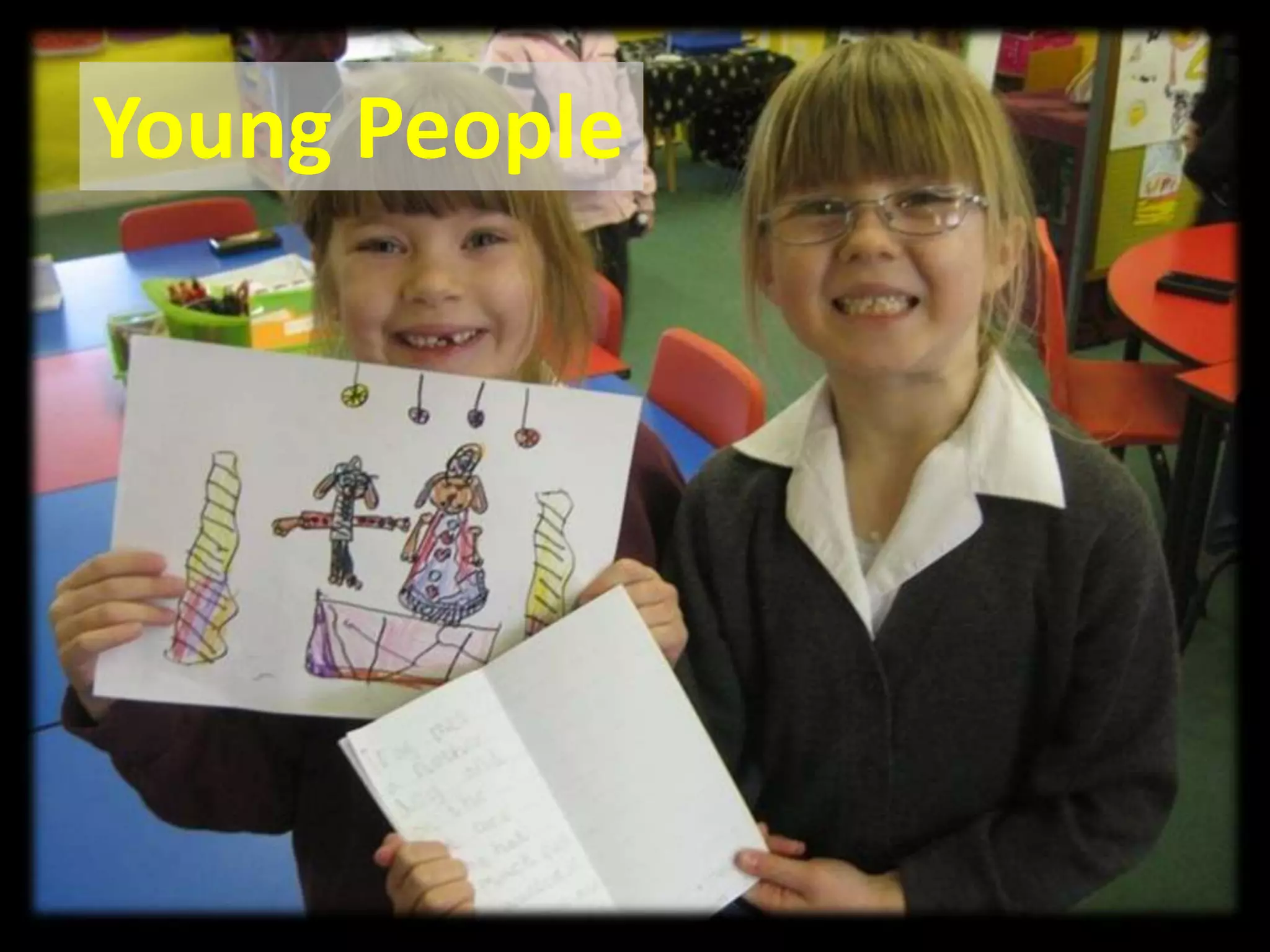
Young People
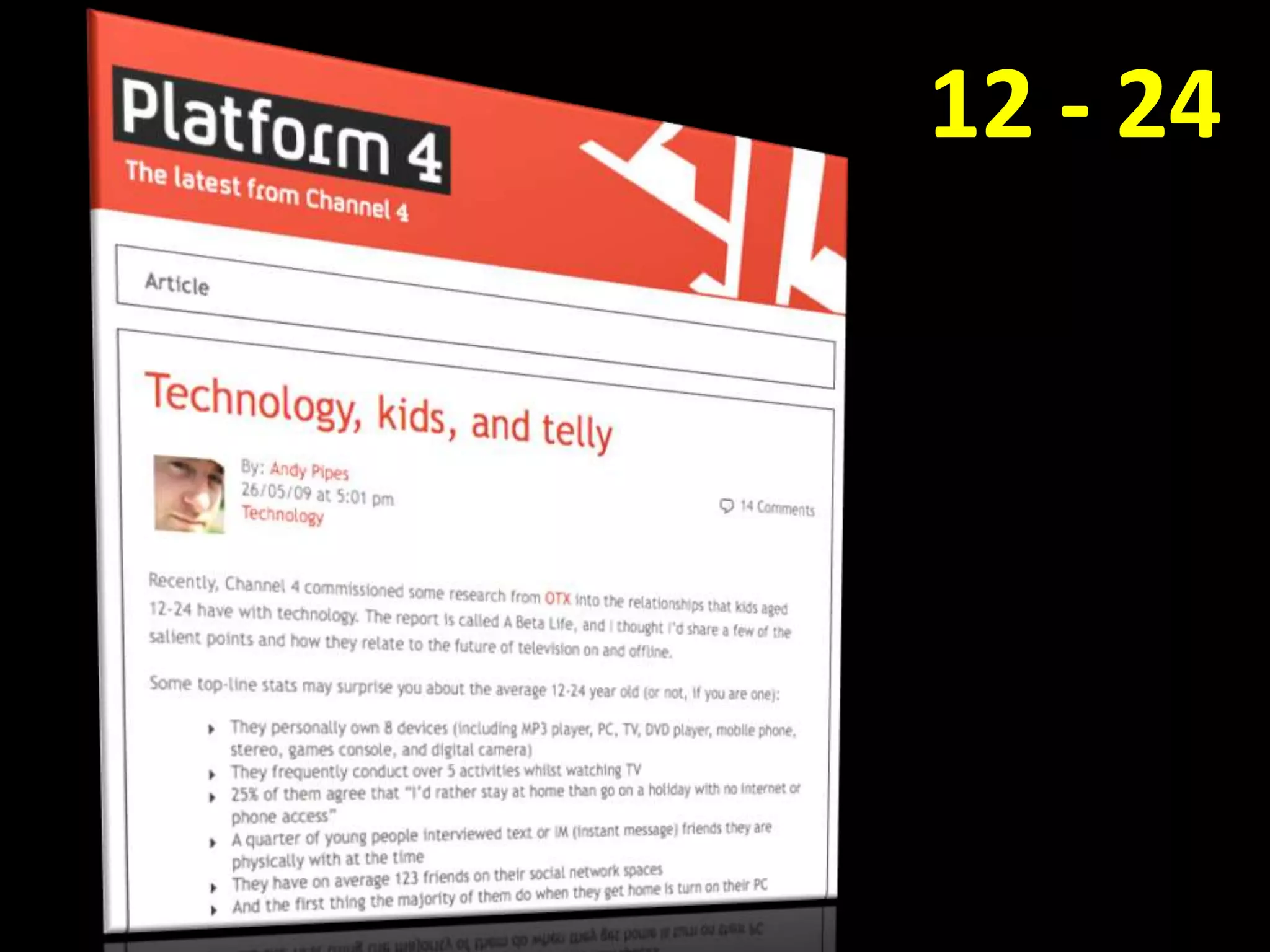
12 - 24
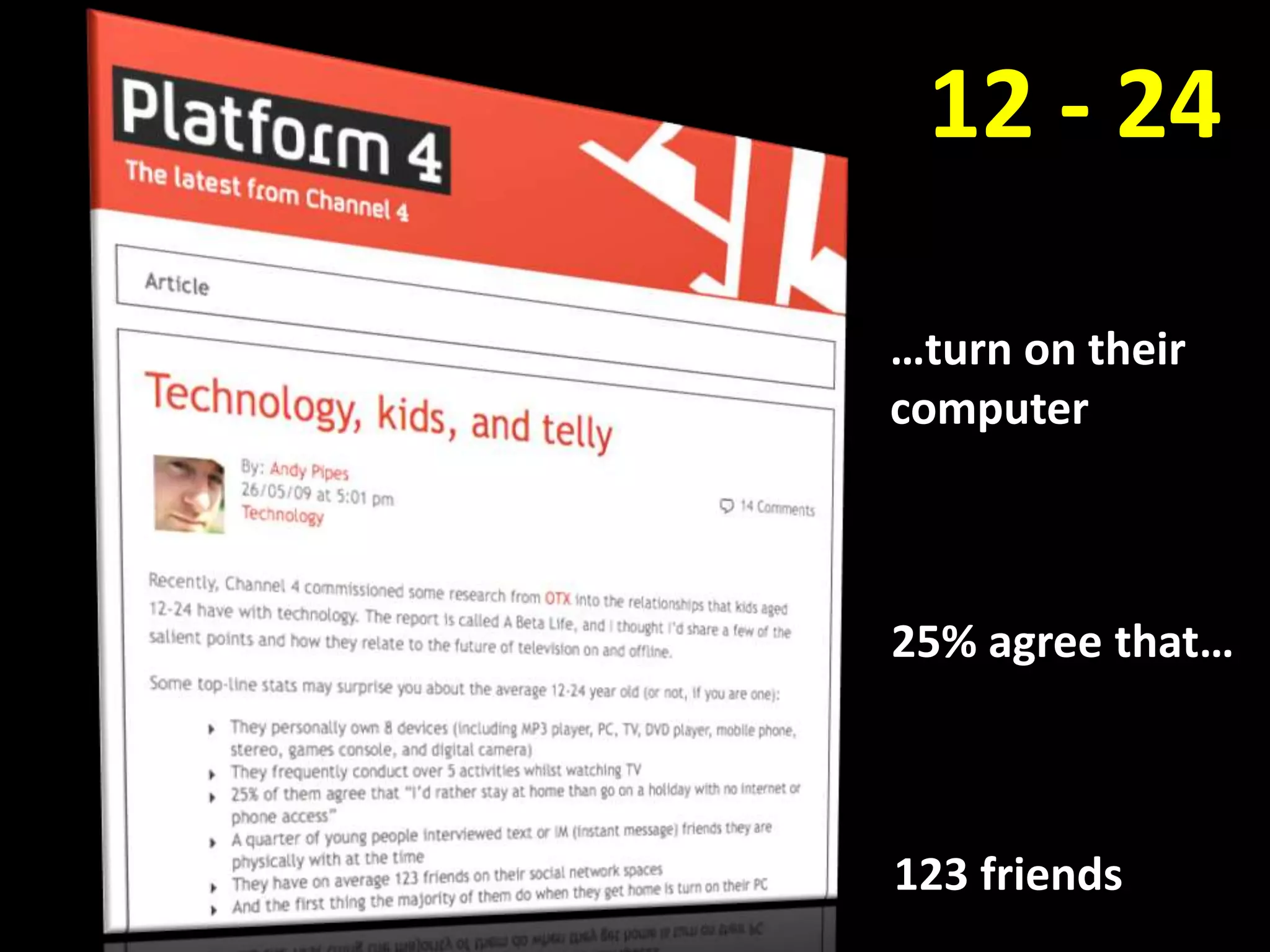
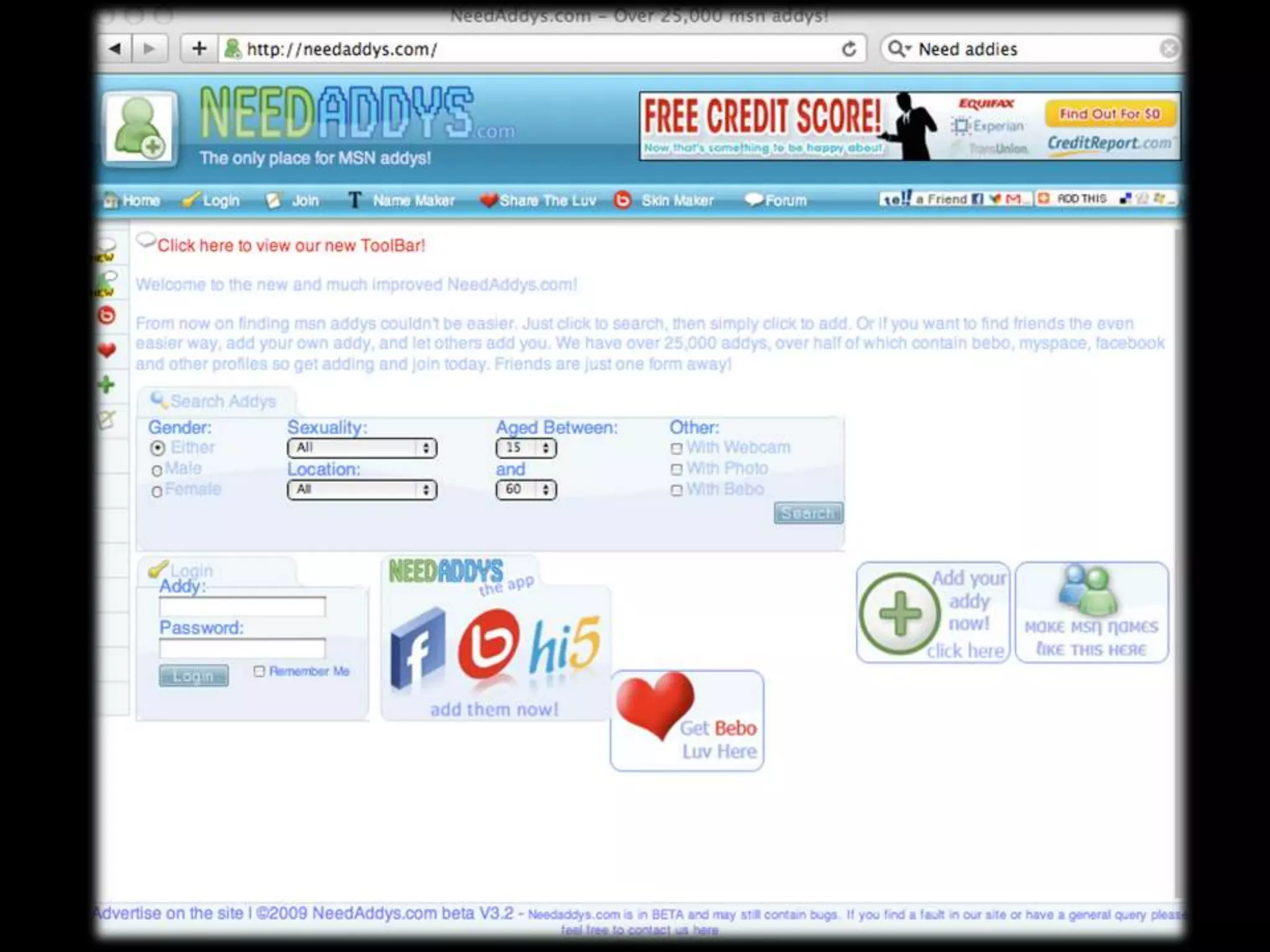
12 - 24…turn on theircomputer25% agree that…123 friends
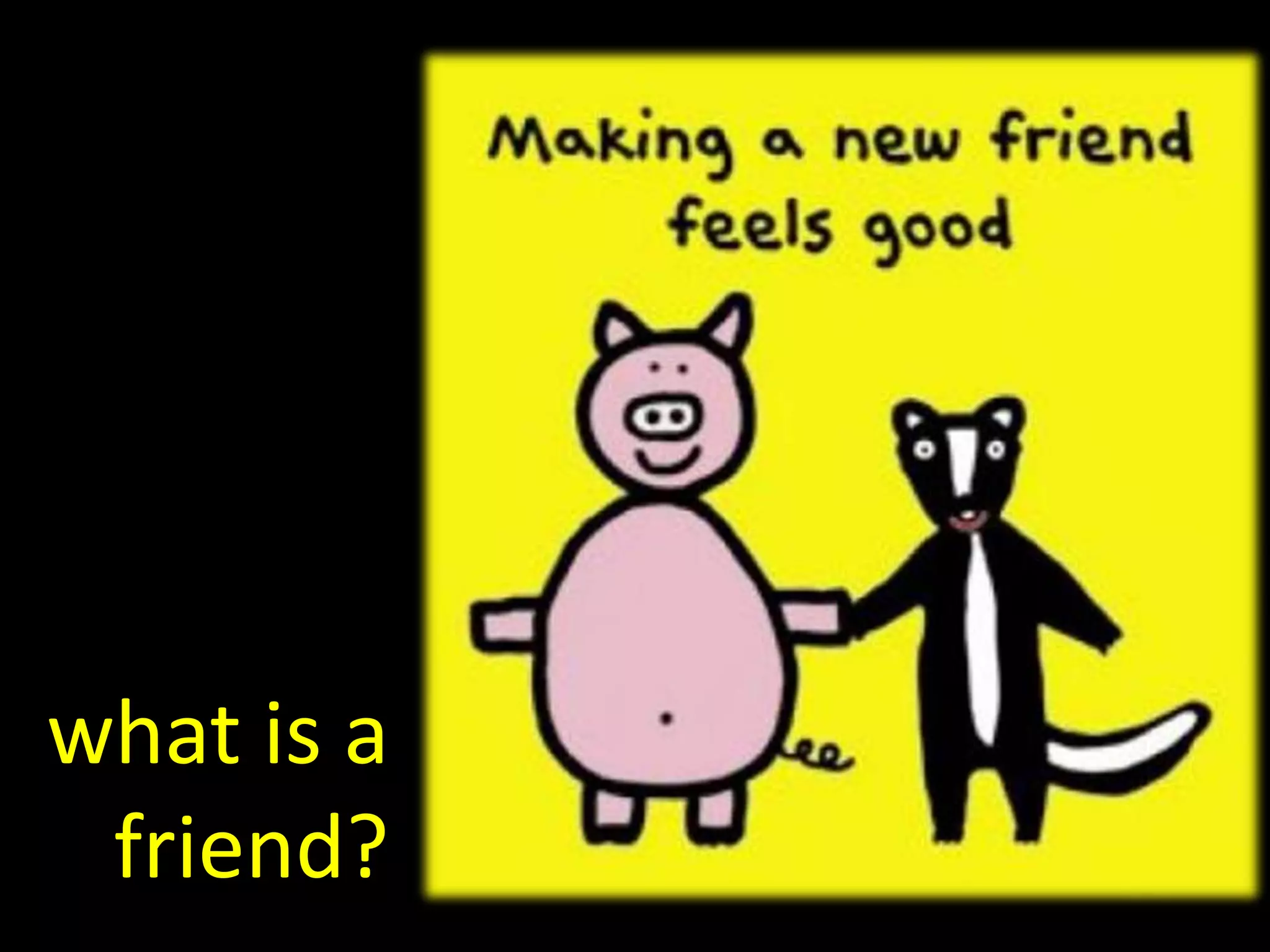
what is a friend?
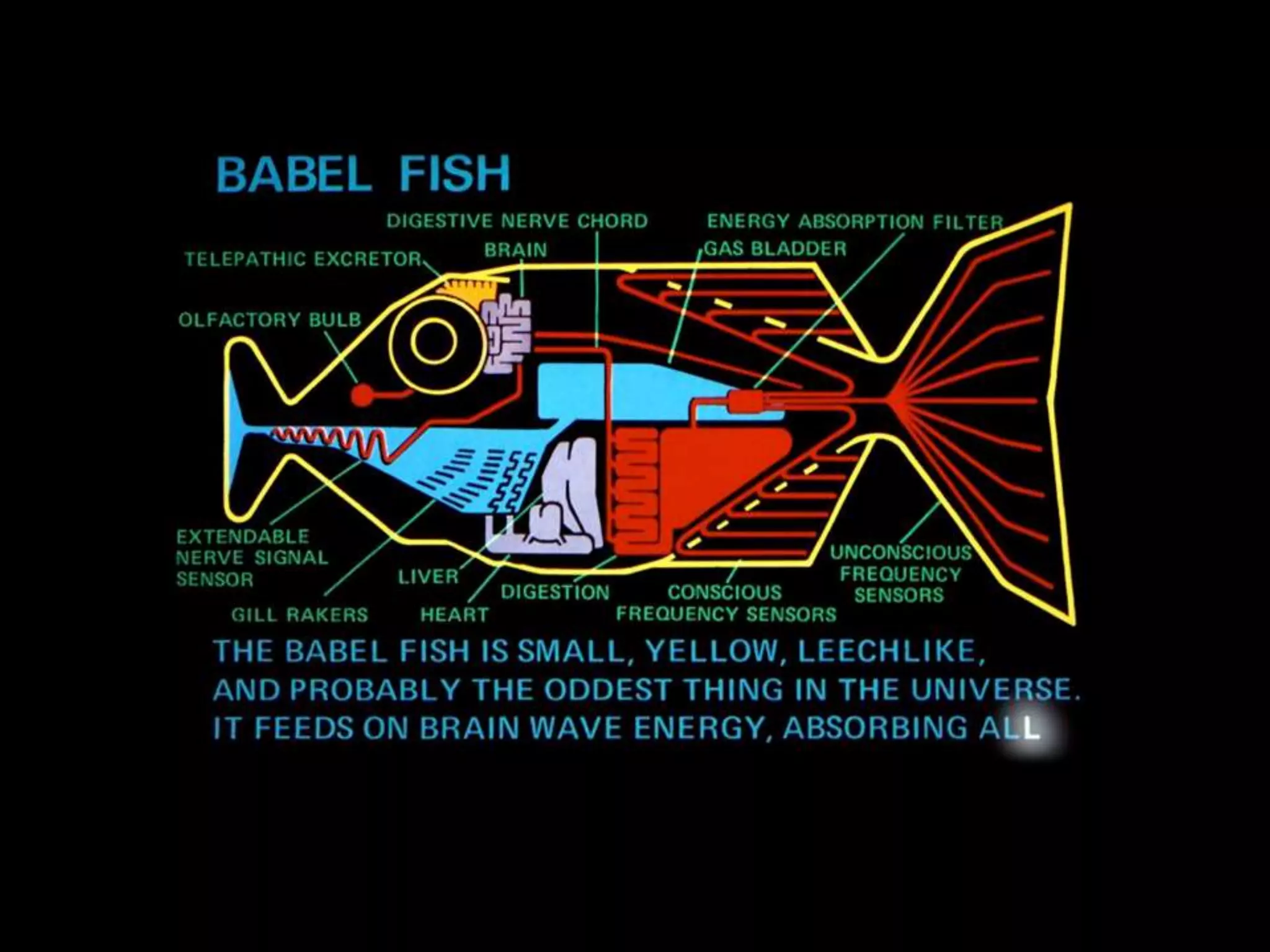
undRst& dlang
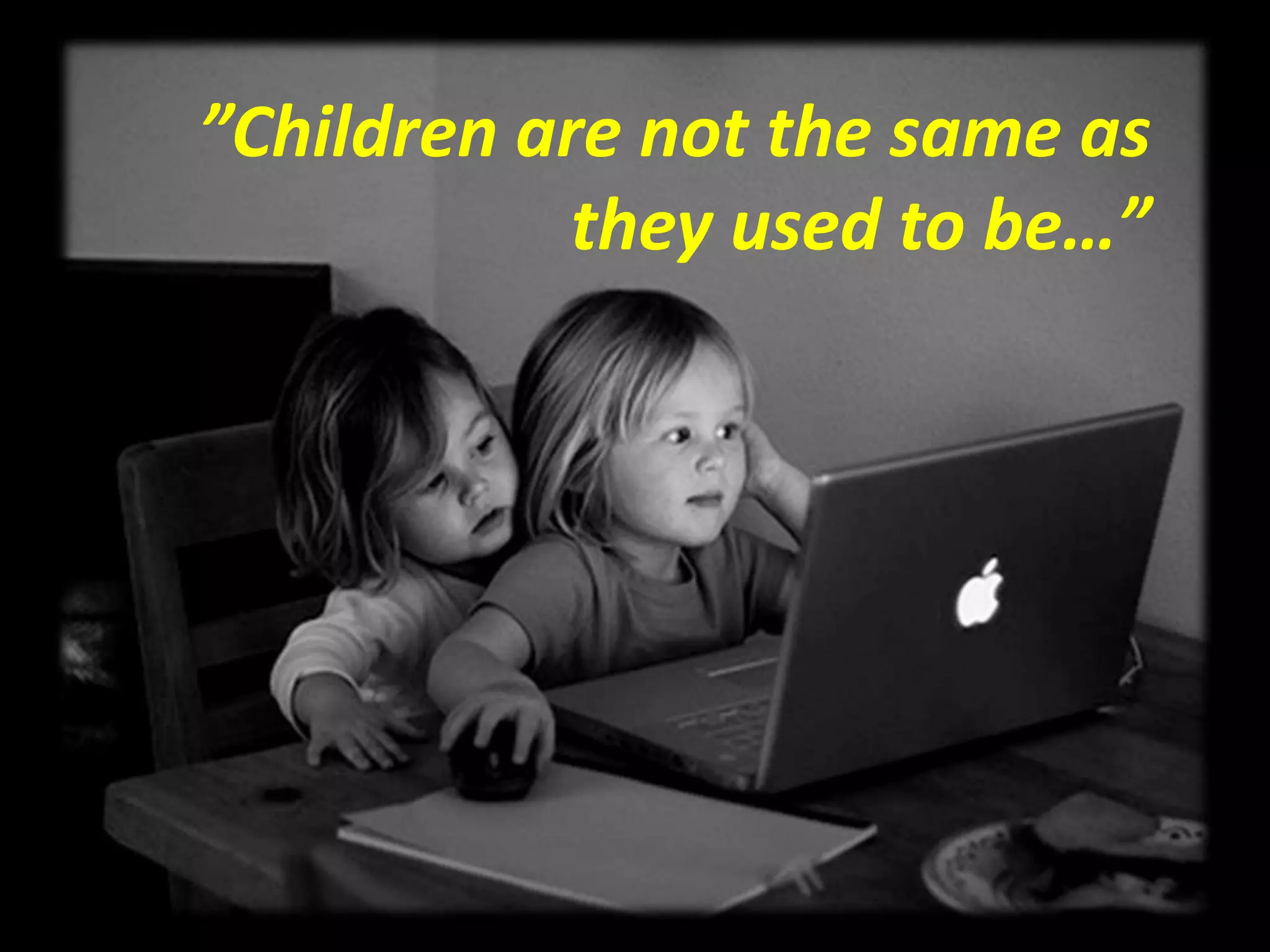
”Children are not the same as they used to be…”
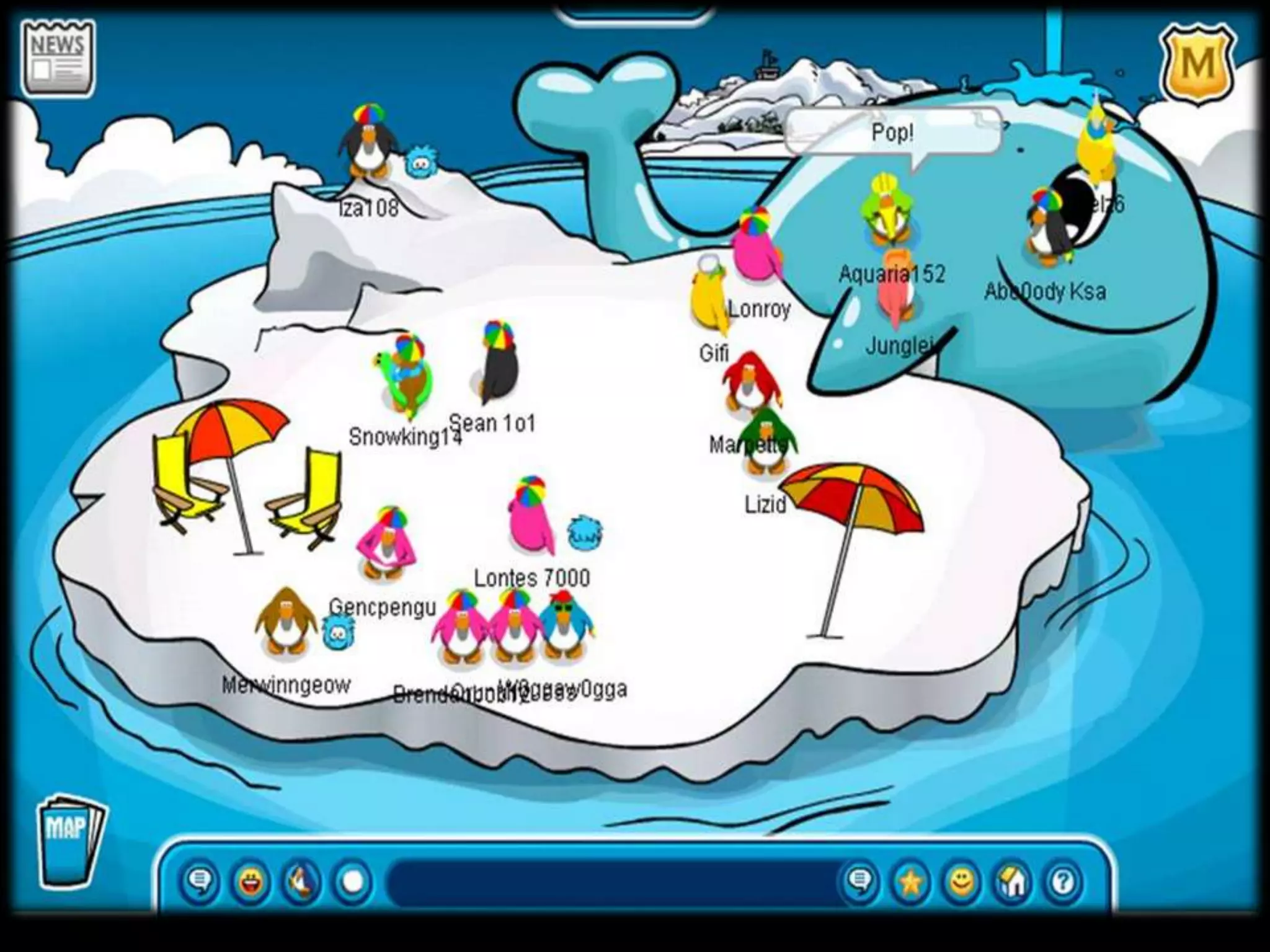
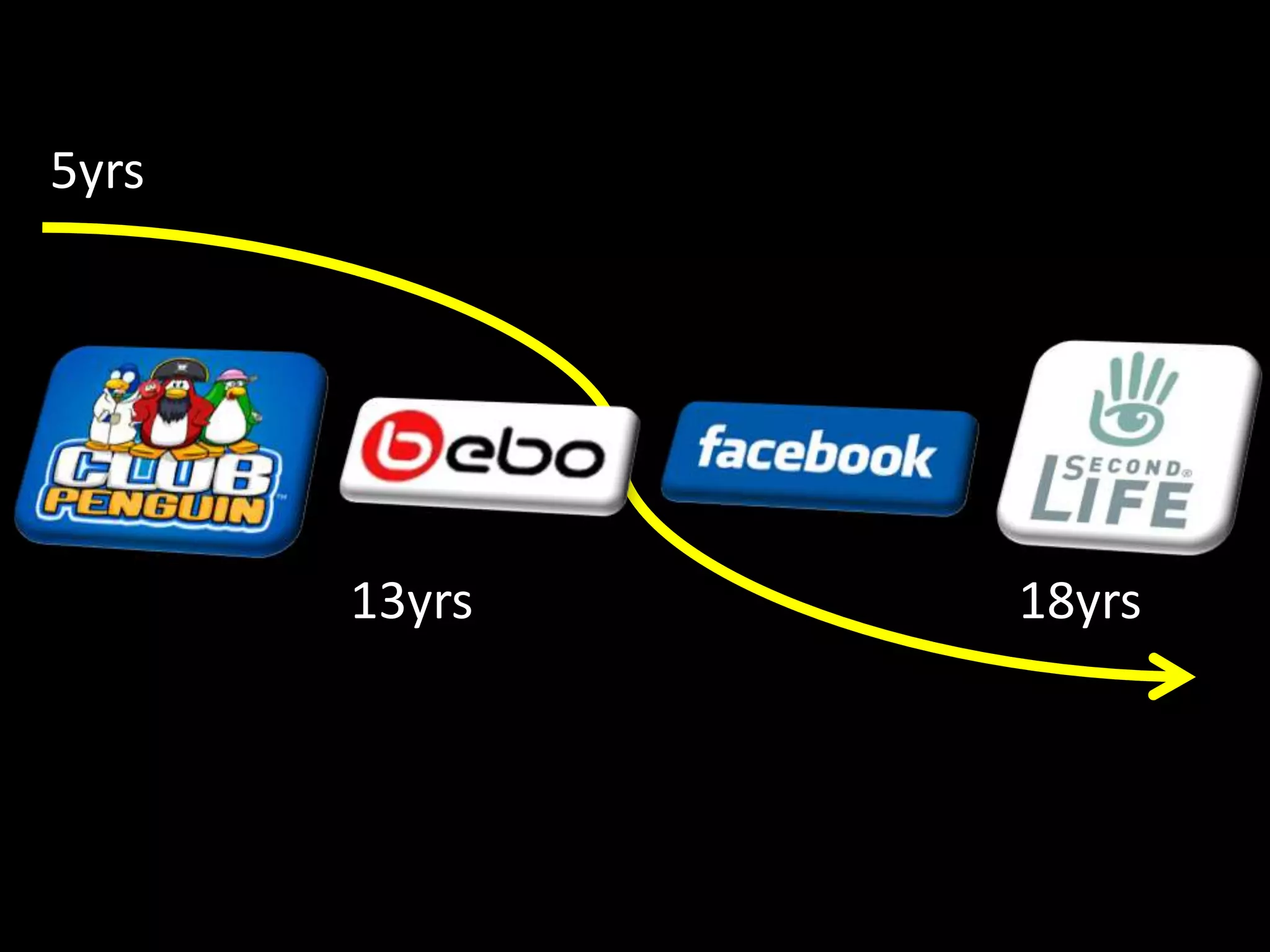
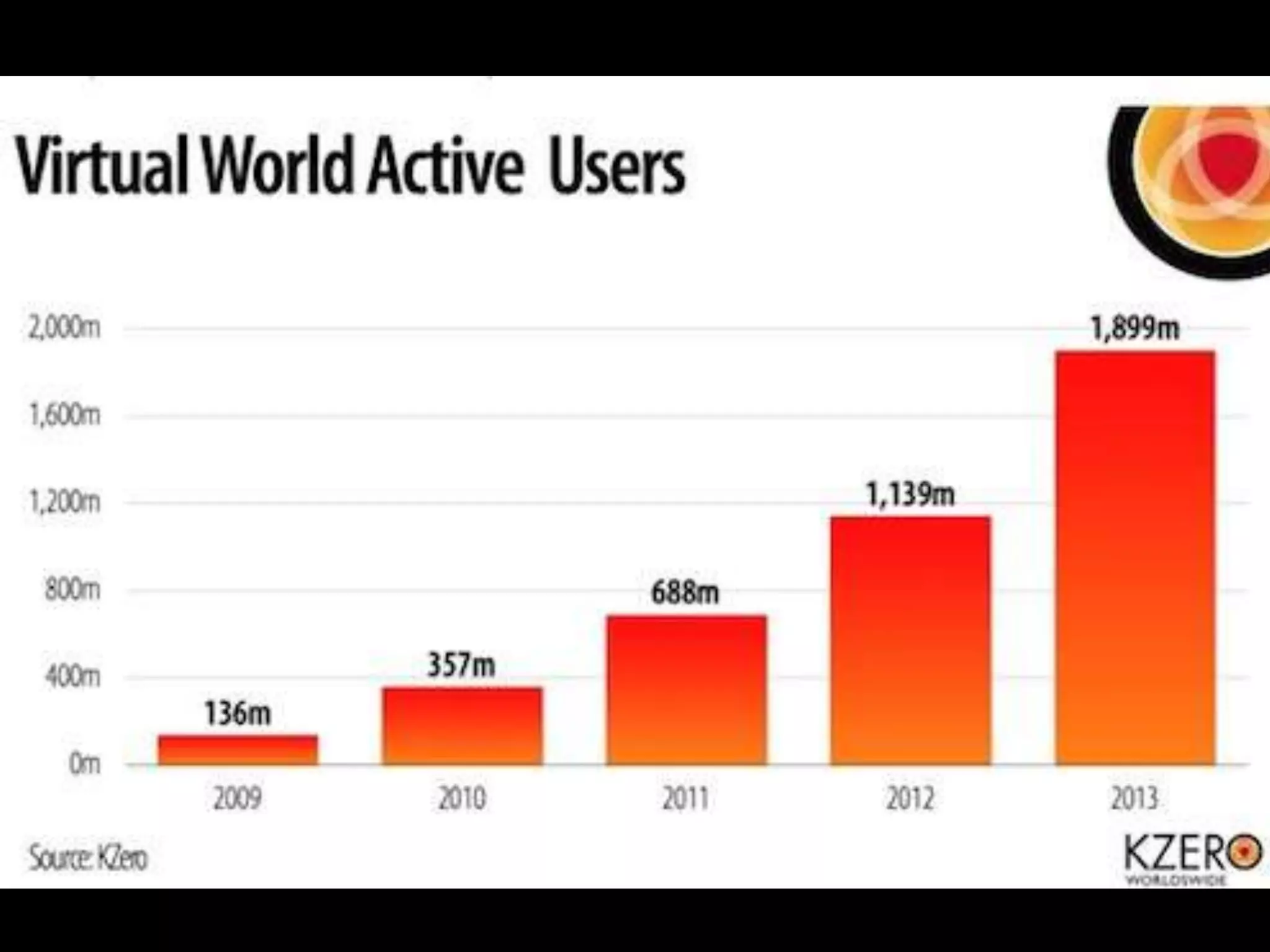
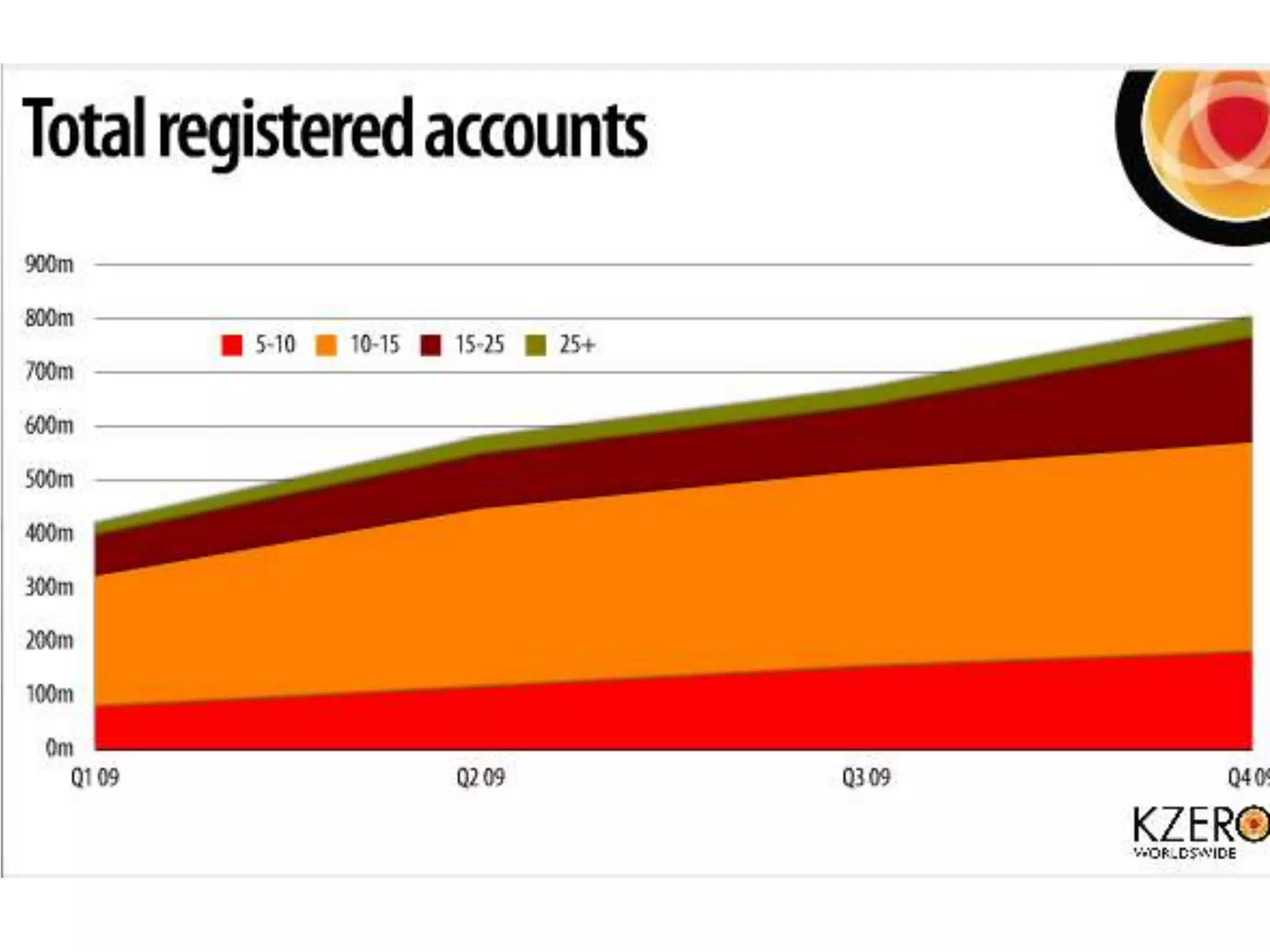
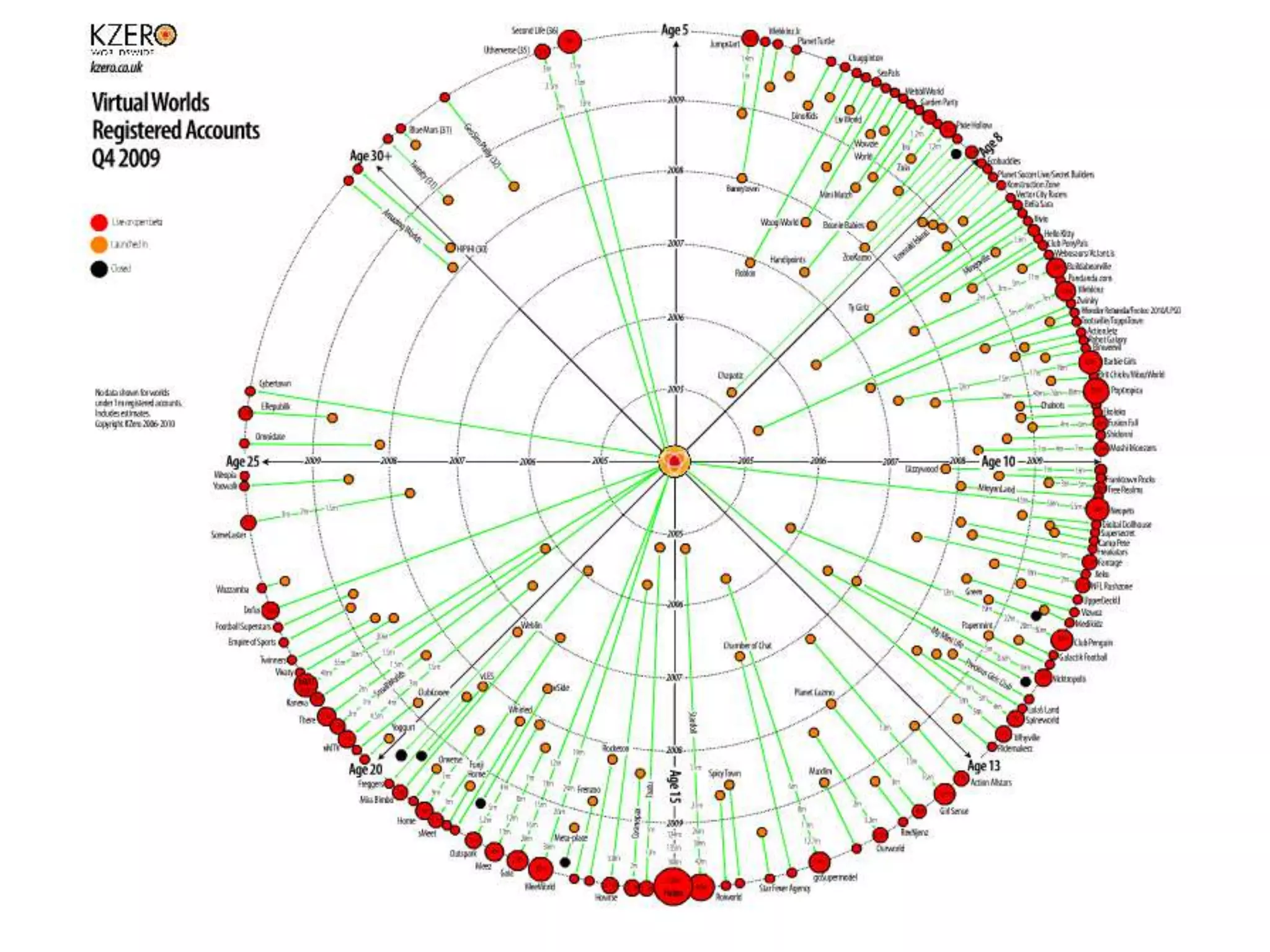
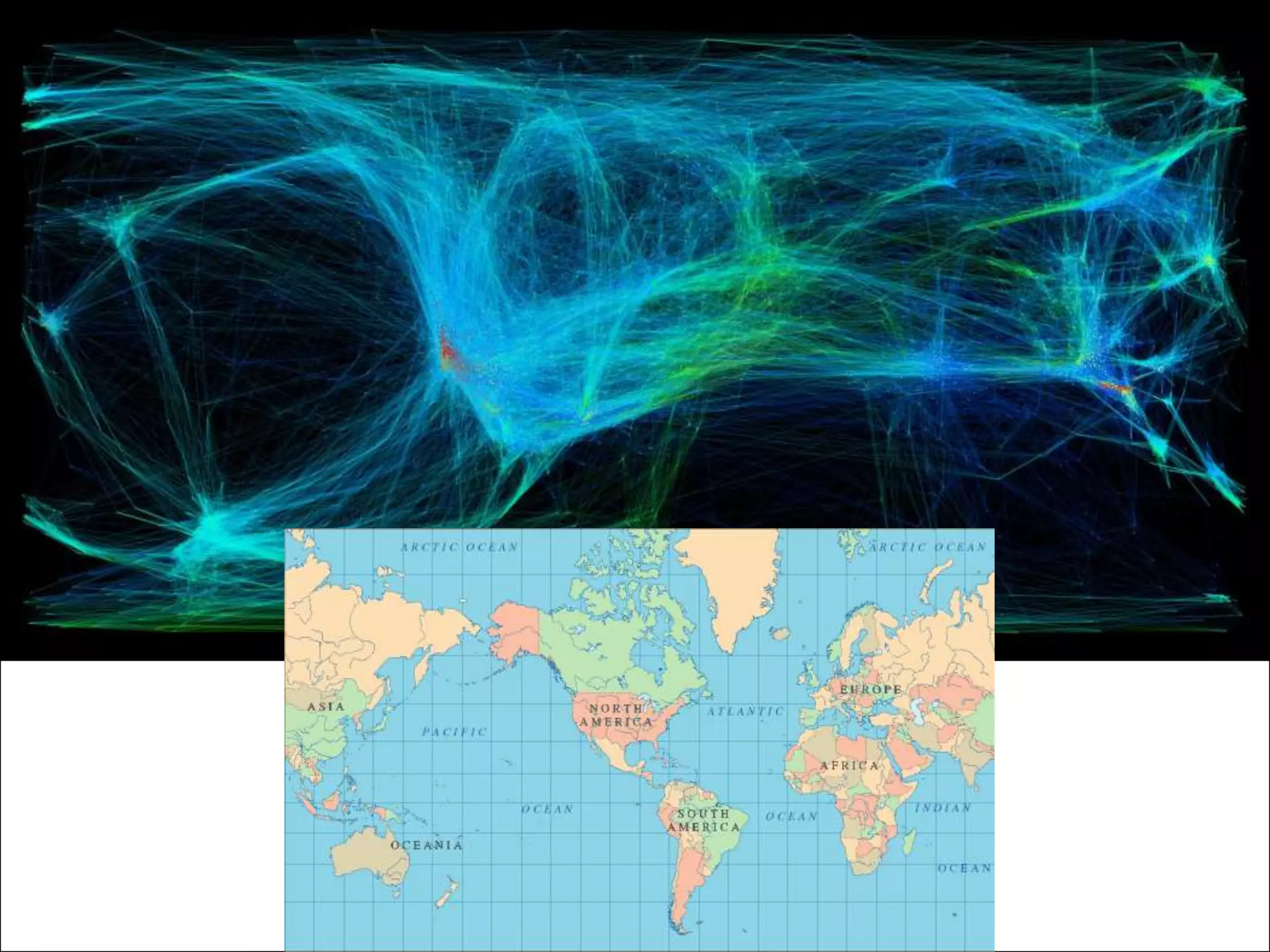
Virtual World Growth
5yrs13yrs18yrs
Digital Footprints
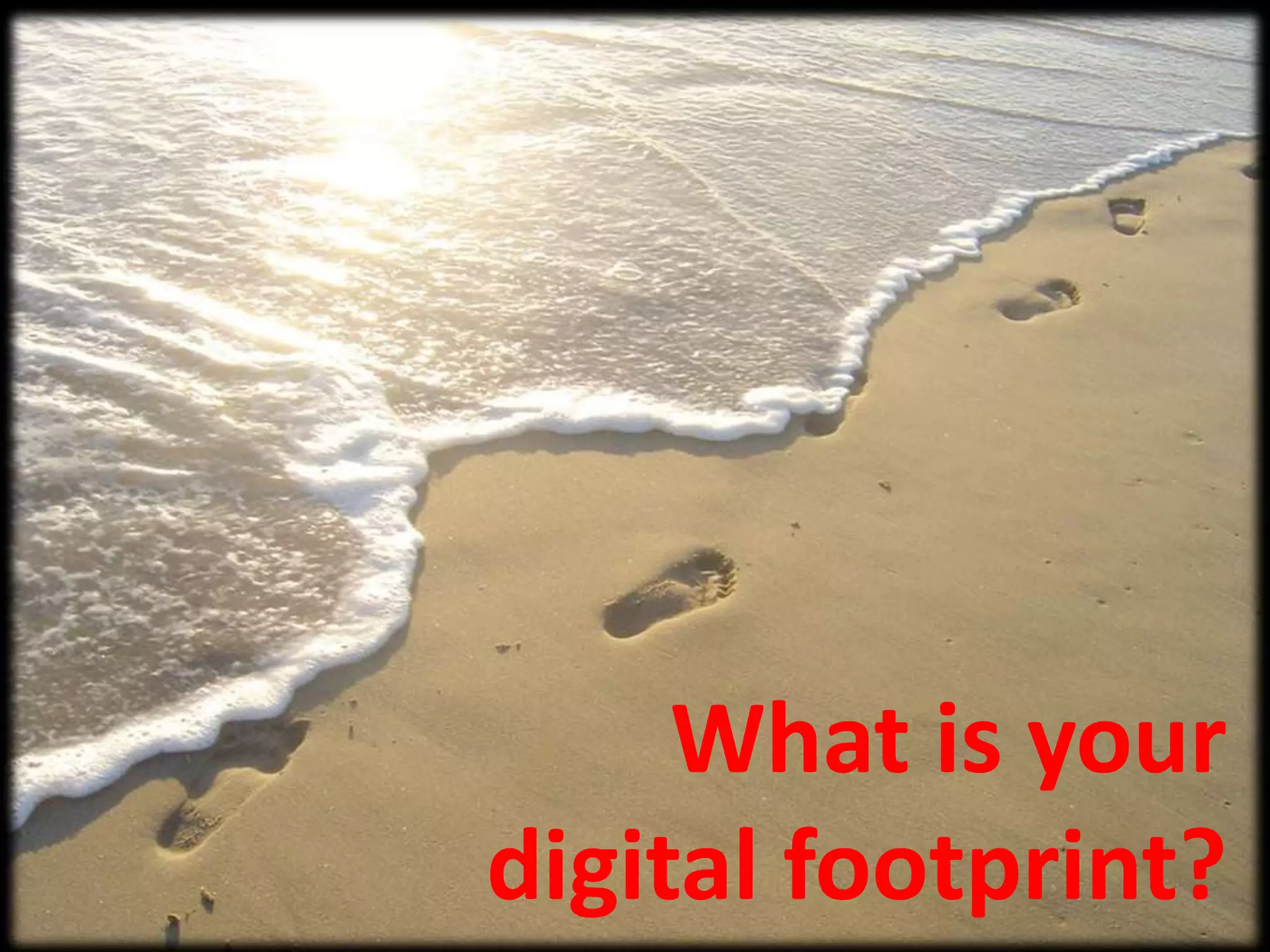
What is yourdigital footprint?
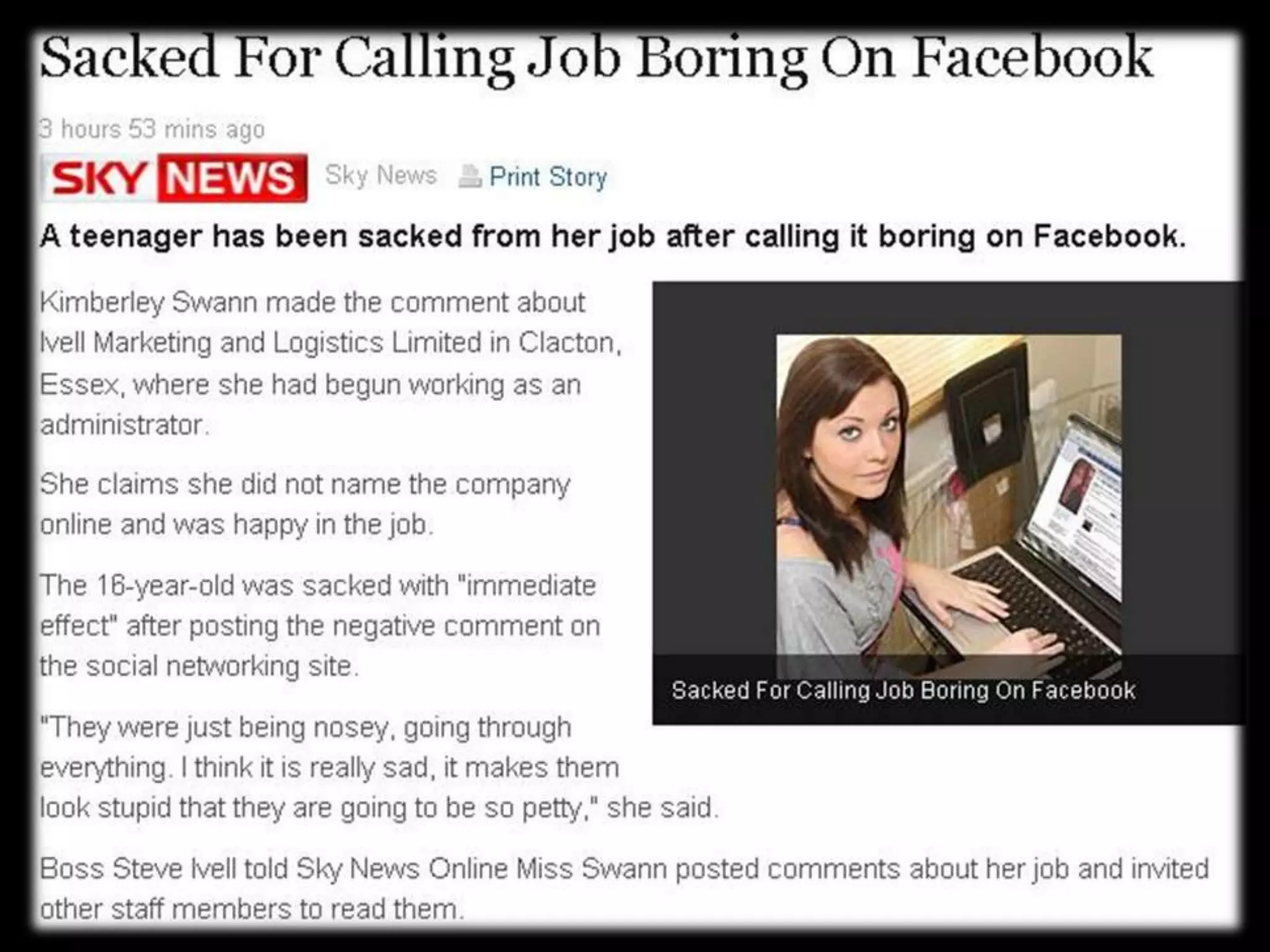
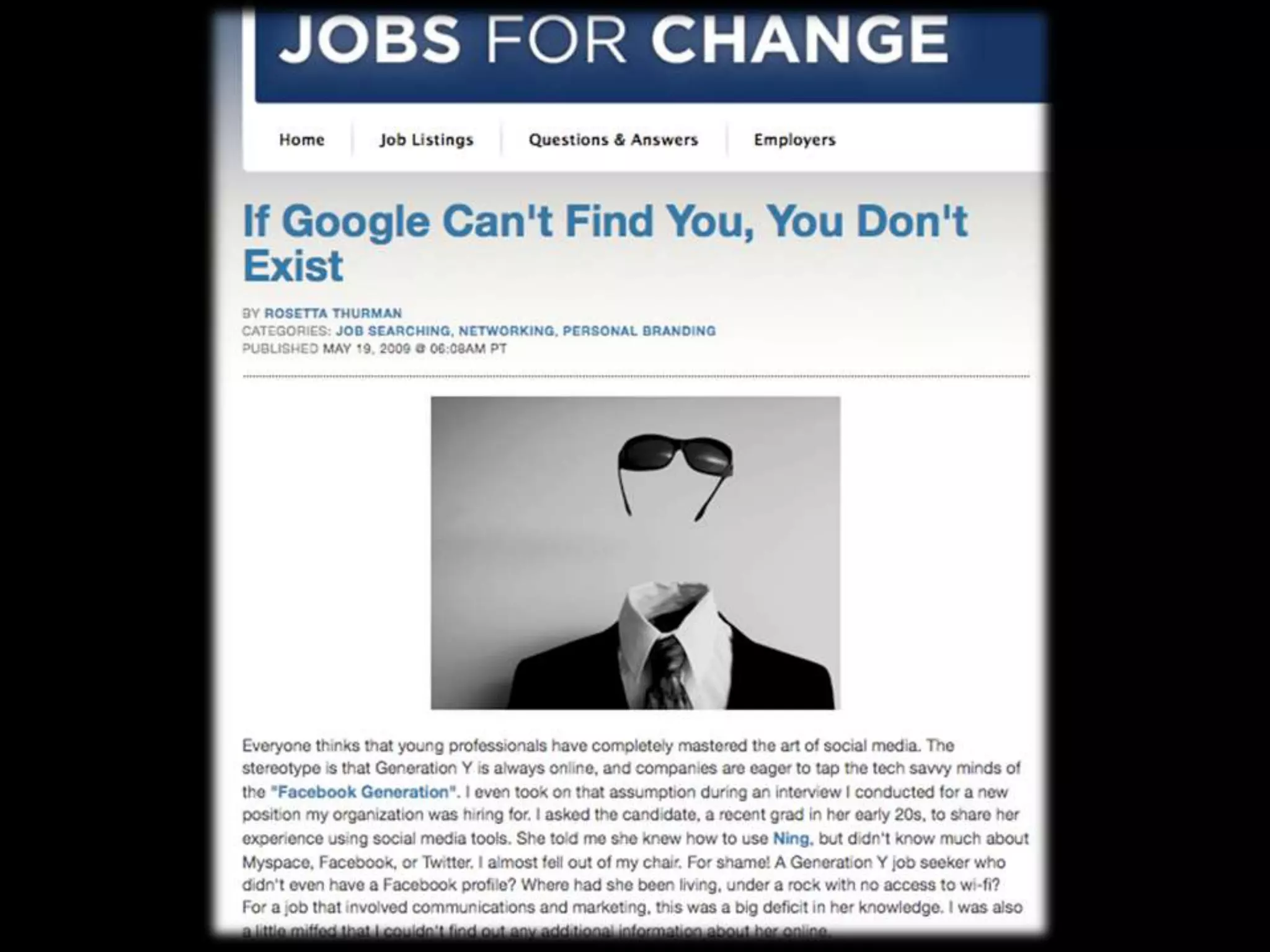
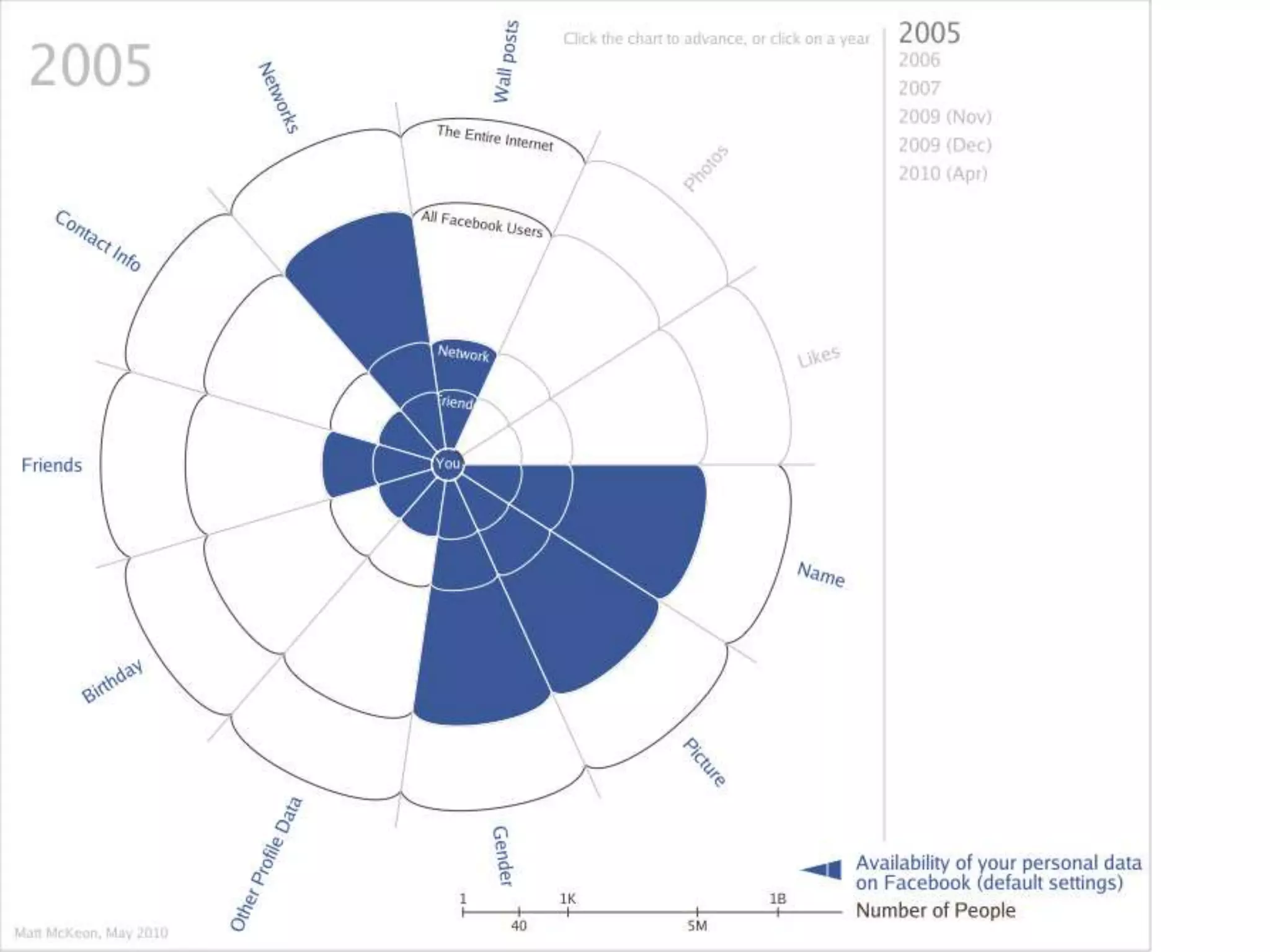
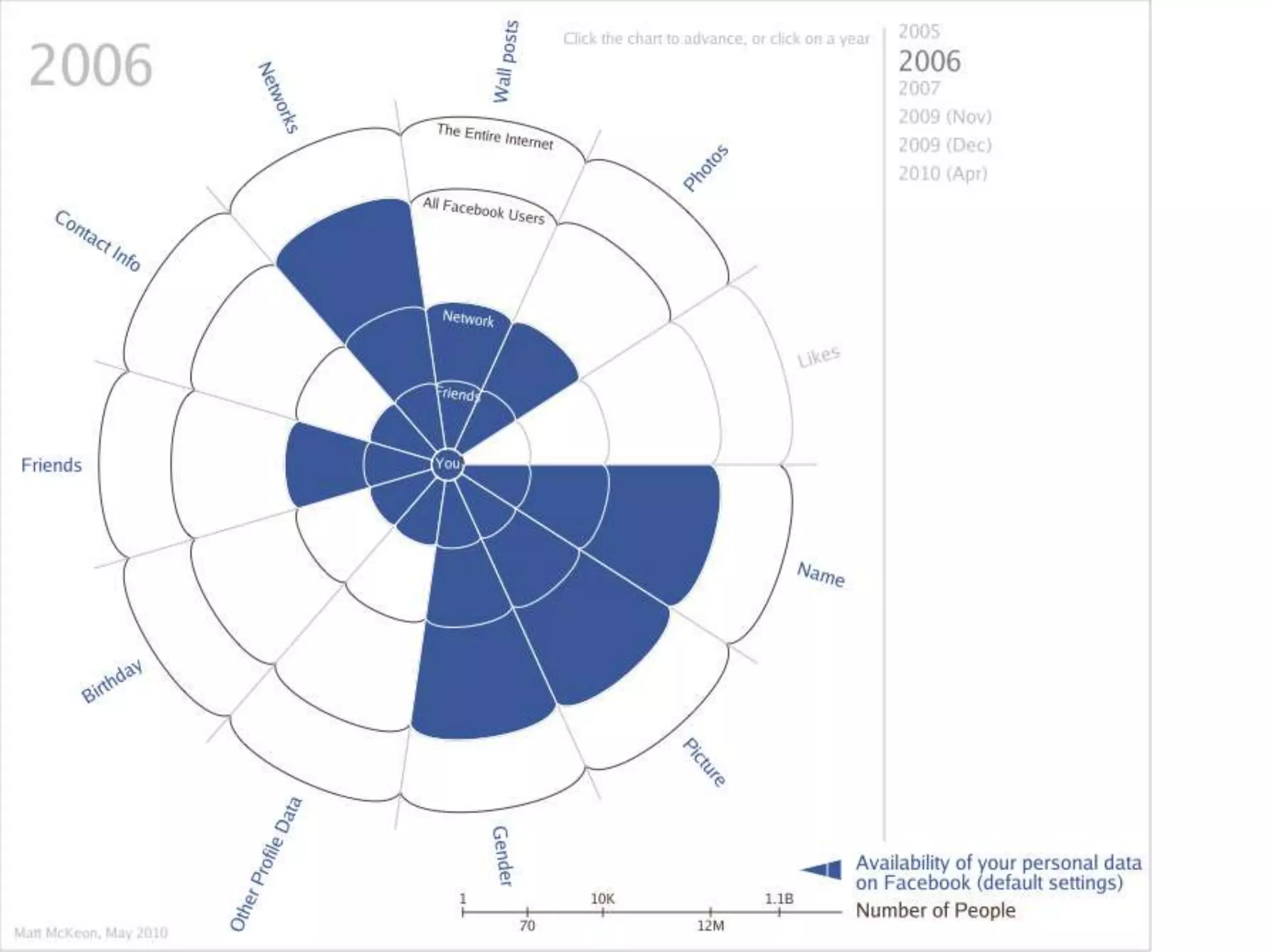
Personal data
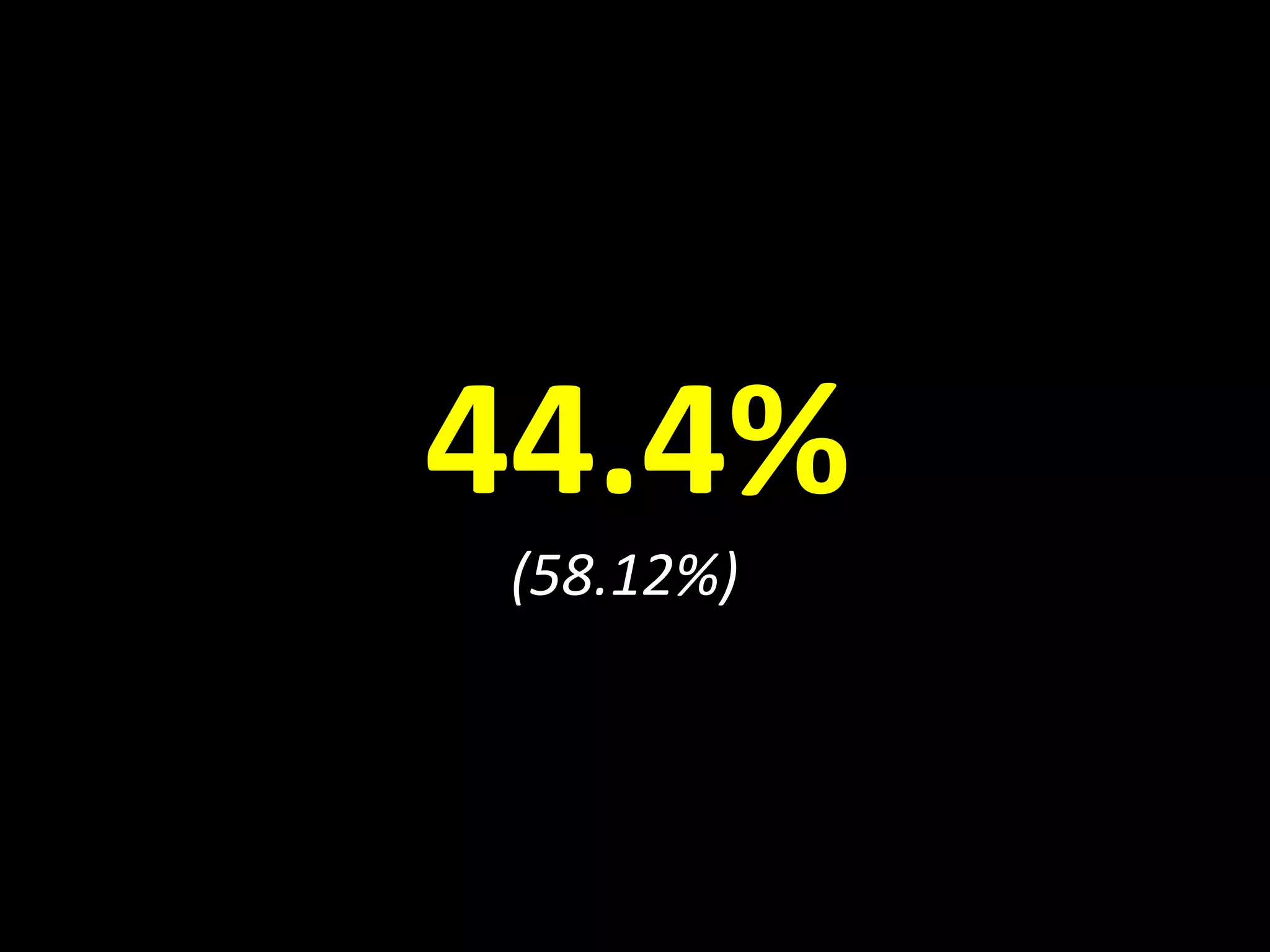
44.4%(58.12%)
99%
100, 000, 000
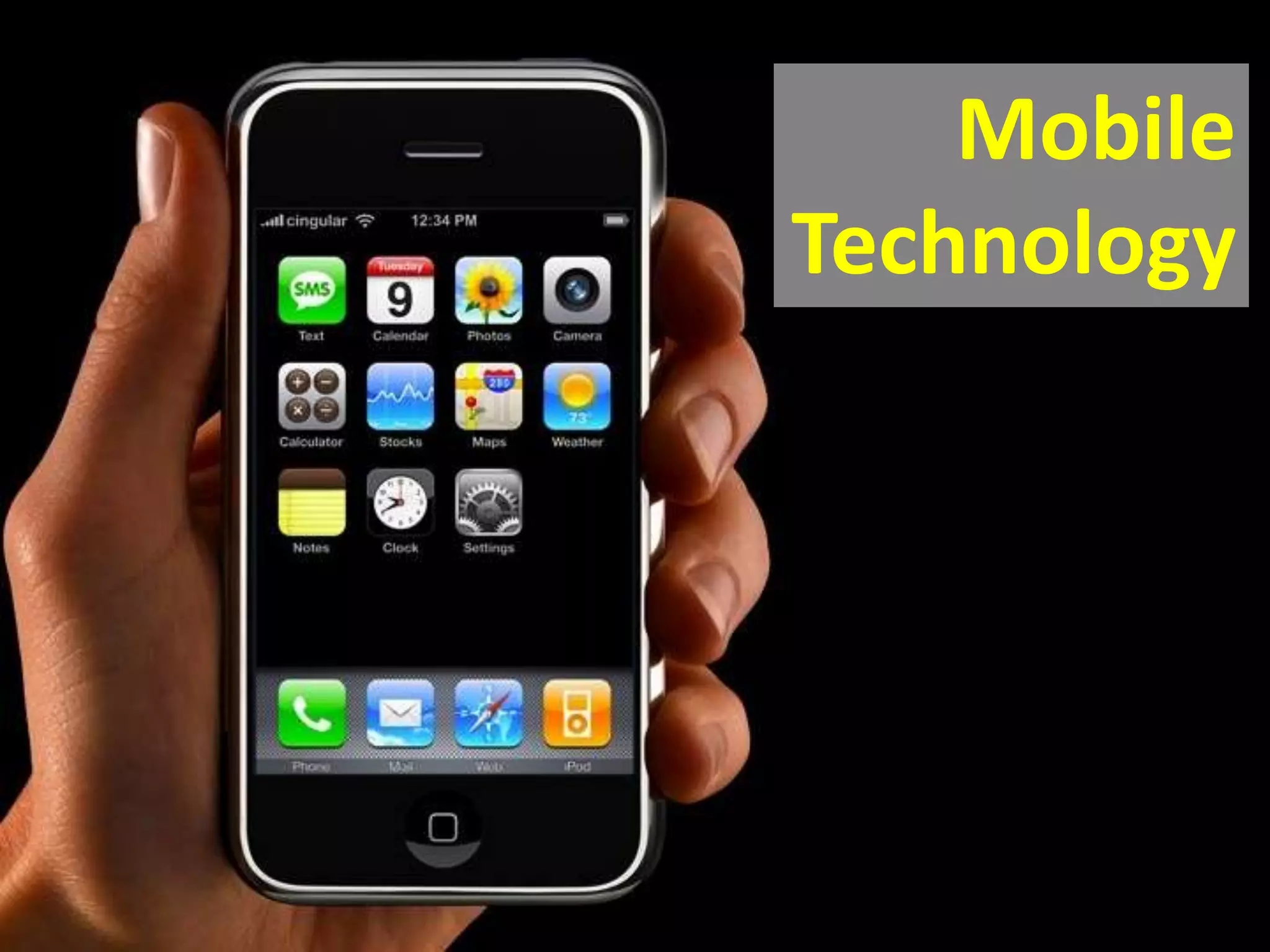
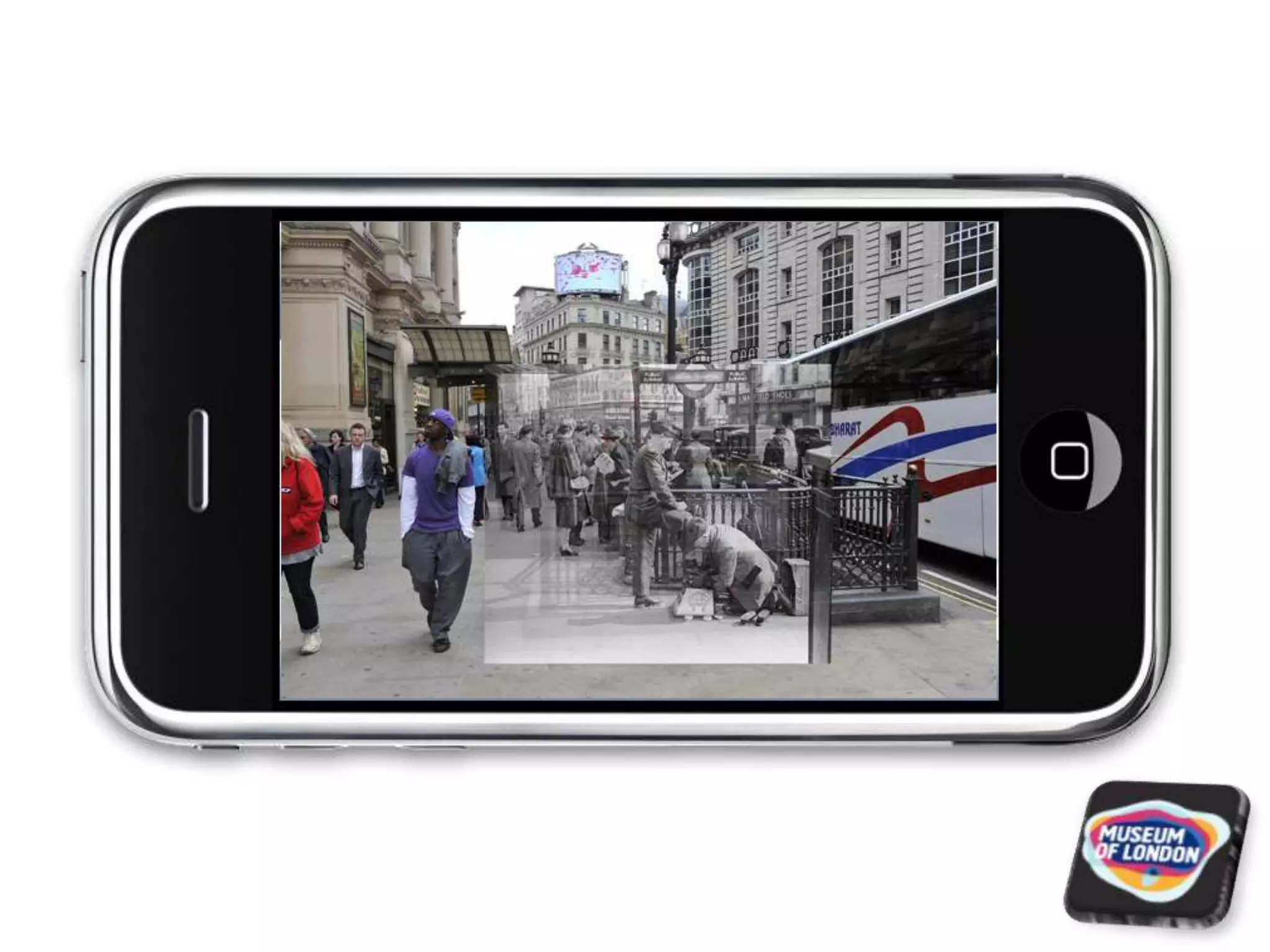
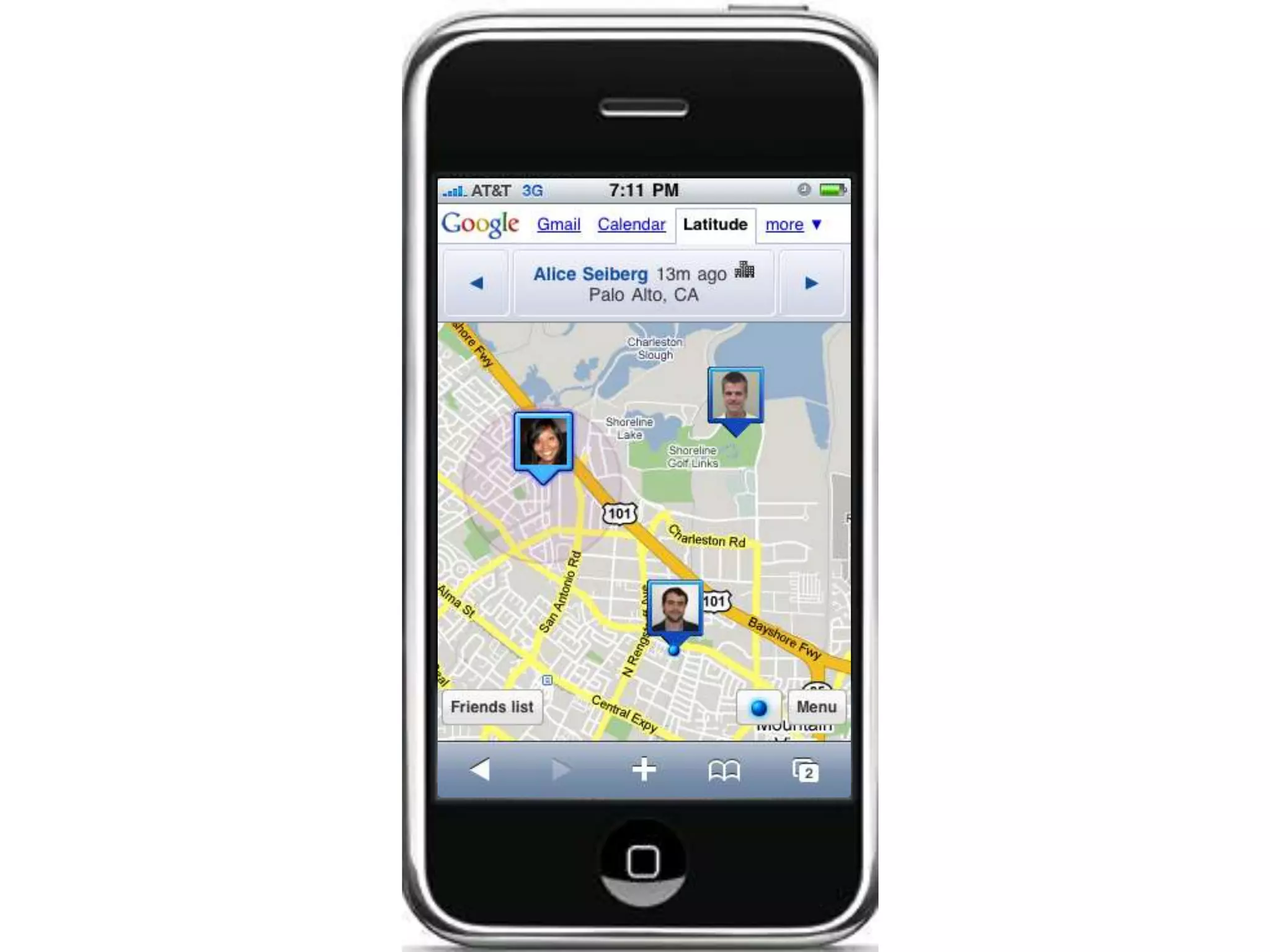
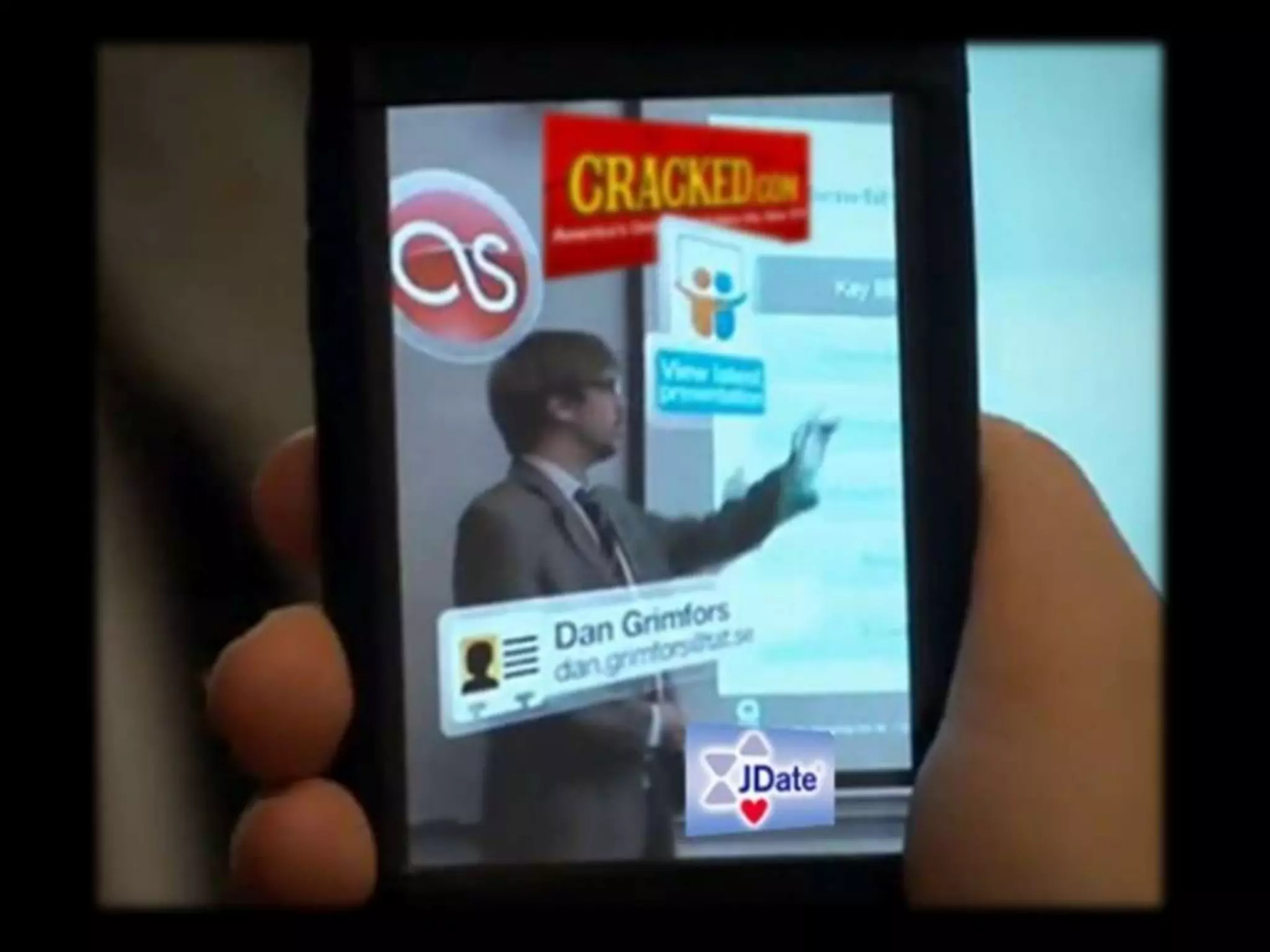
MobileTechnology
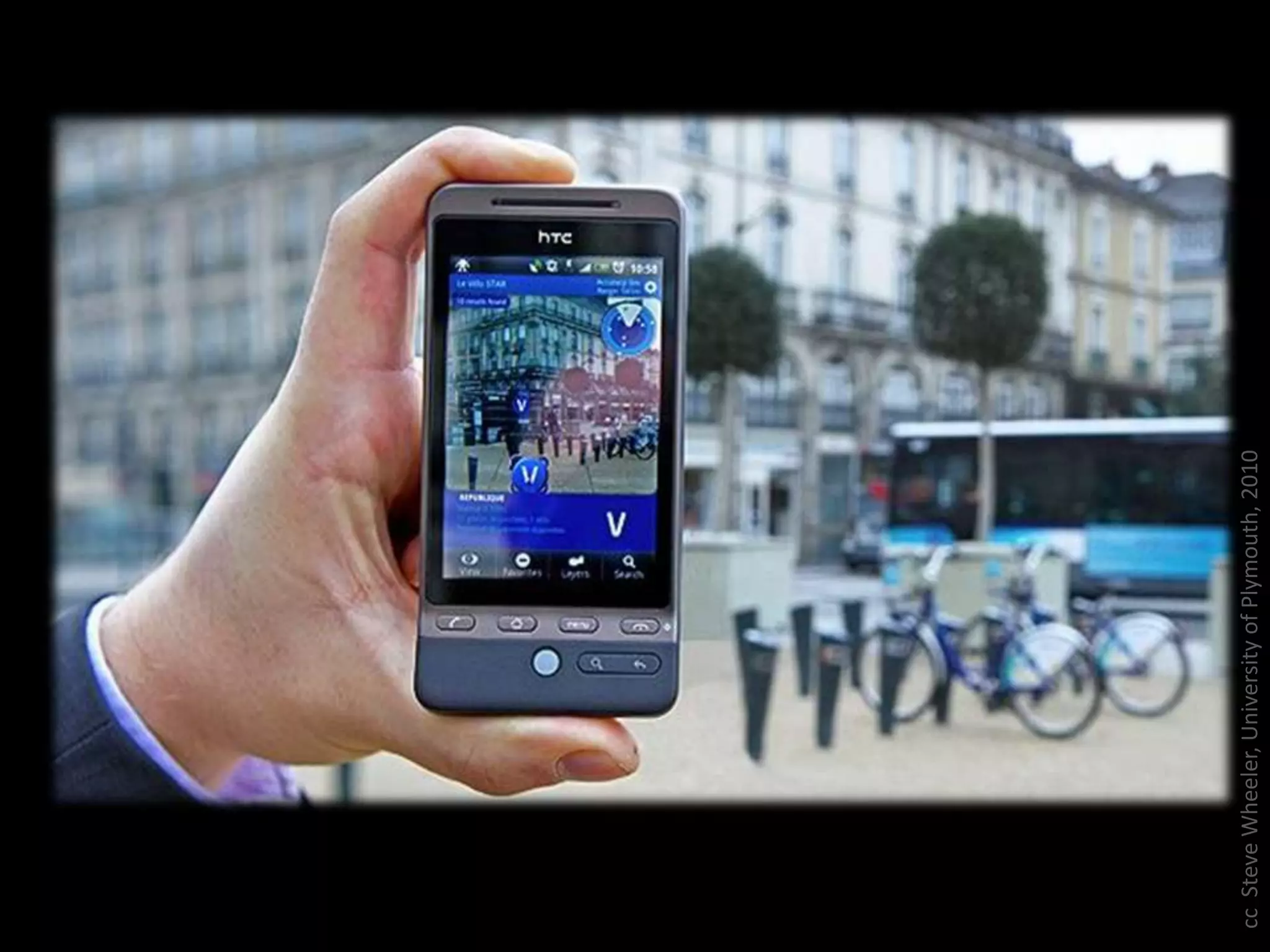
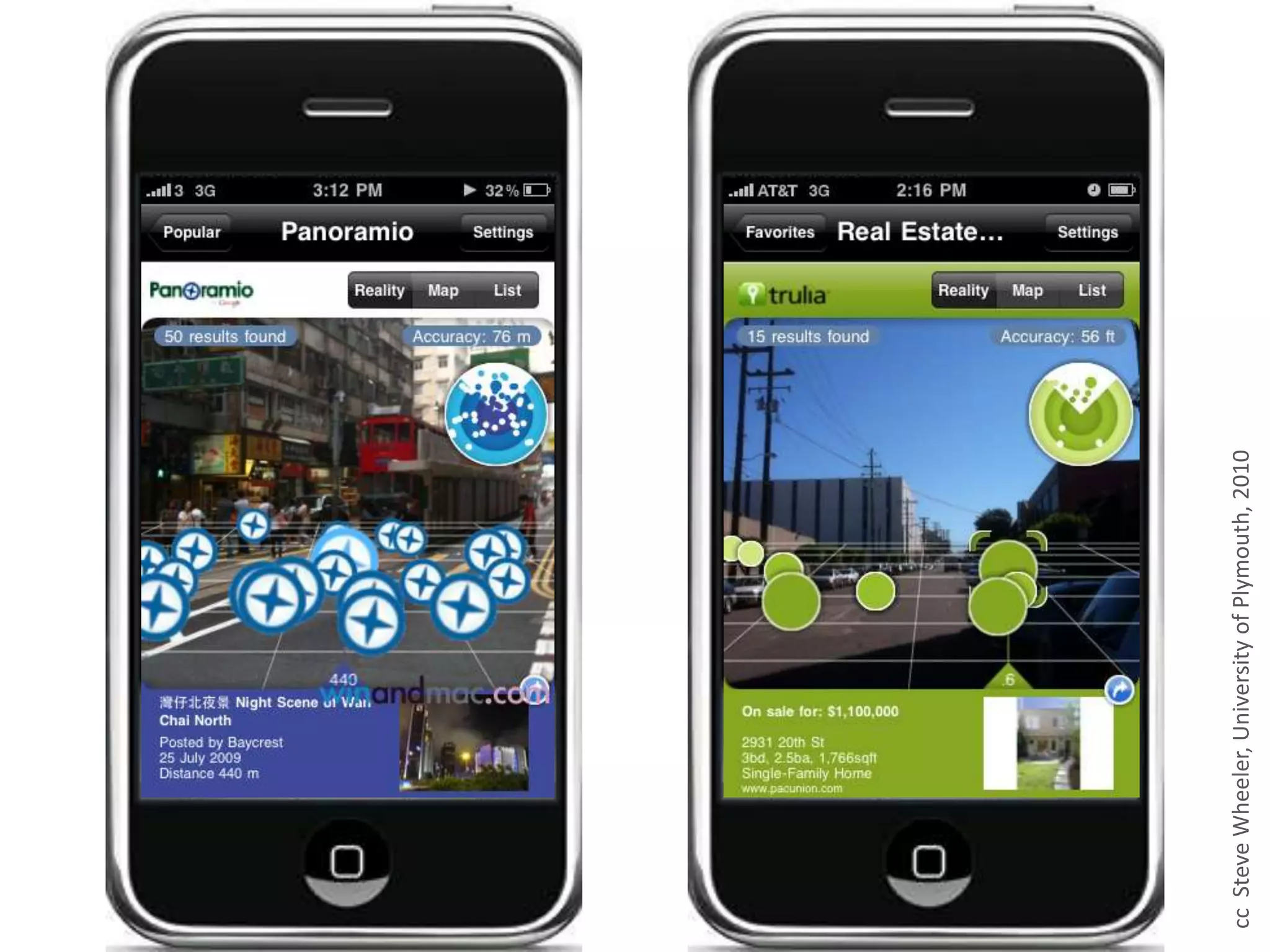
cc  Steve Wheeler, University of Plymouth, 20101: The phone app2: The ‘wearable’
cc  Steve Wheeler, University of Plymouth, 2010
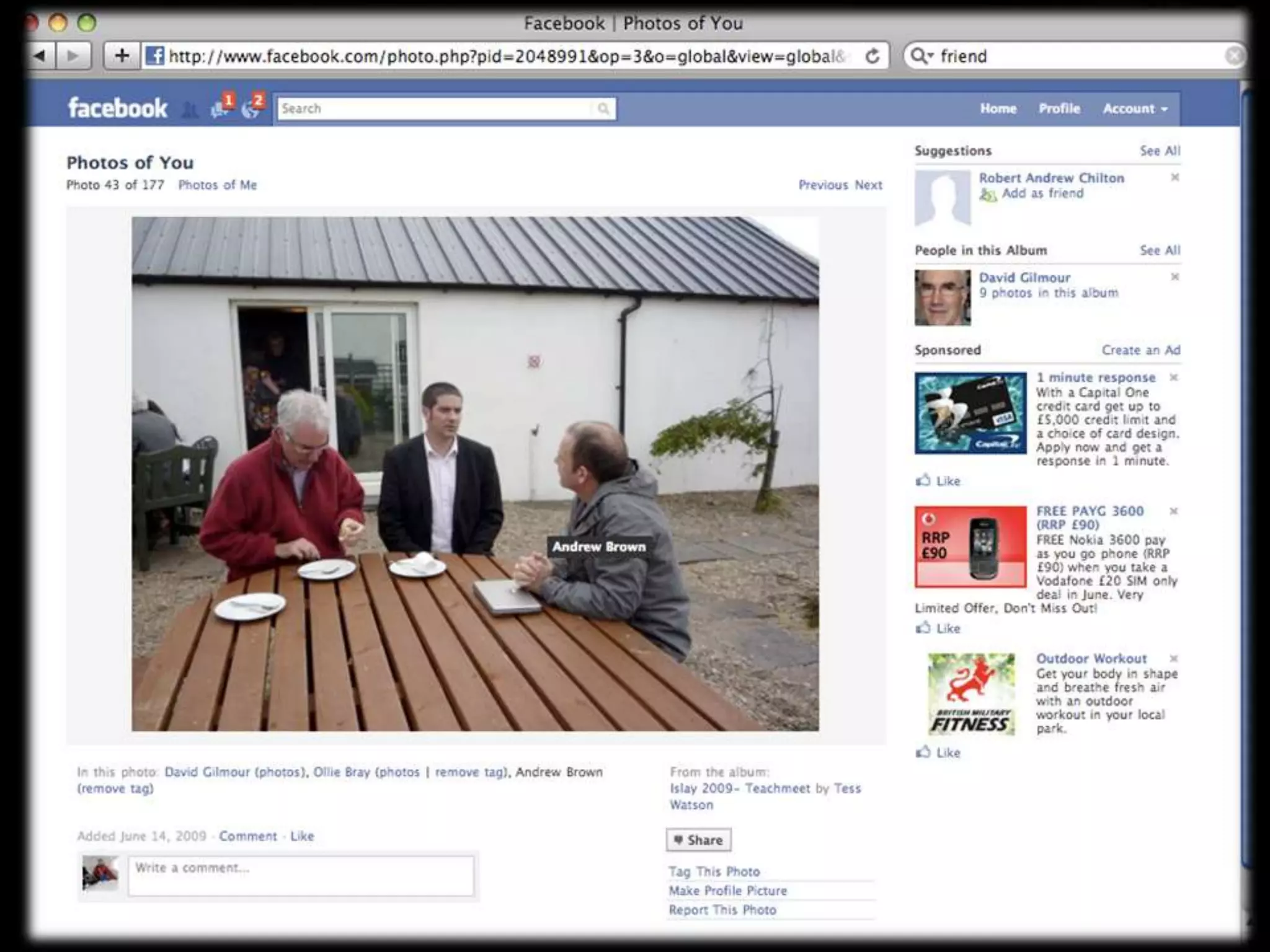
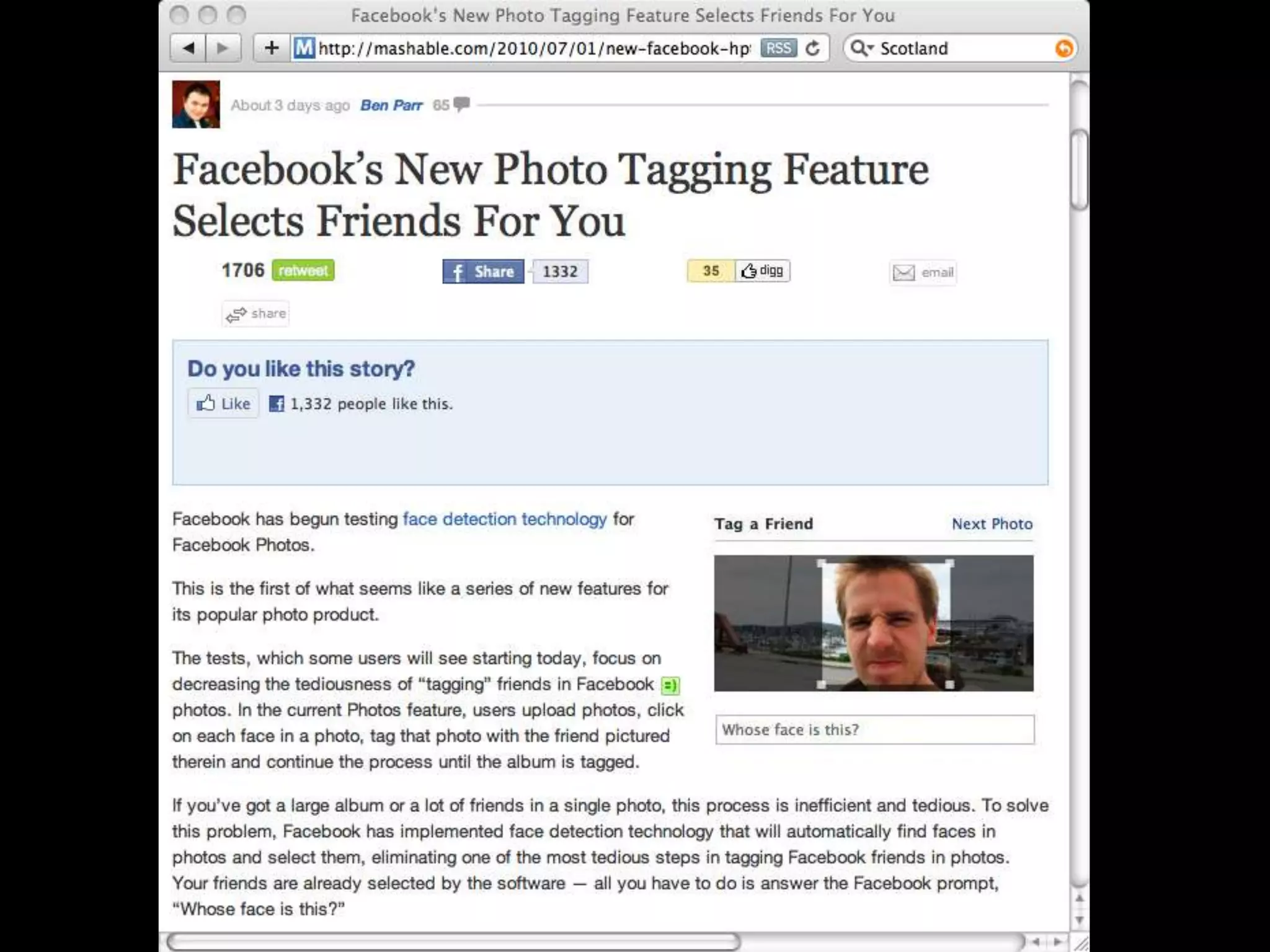
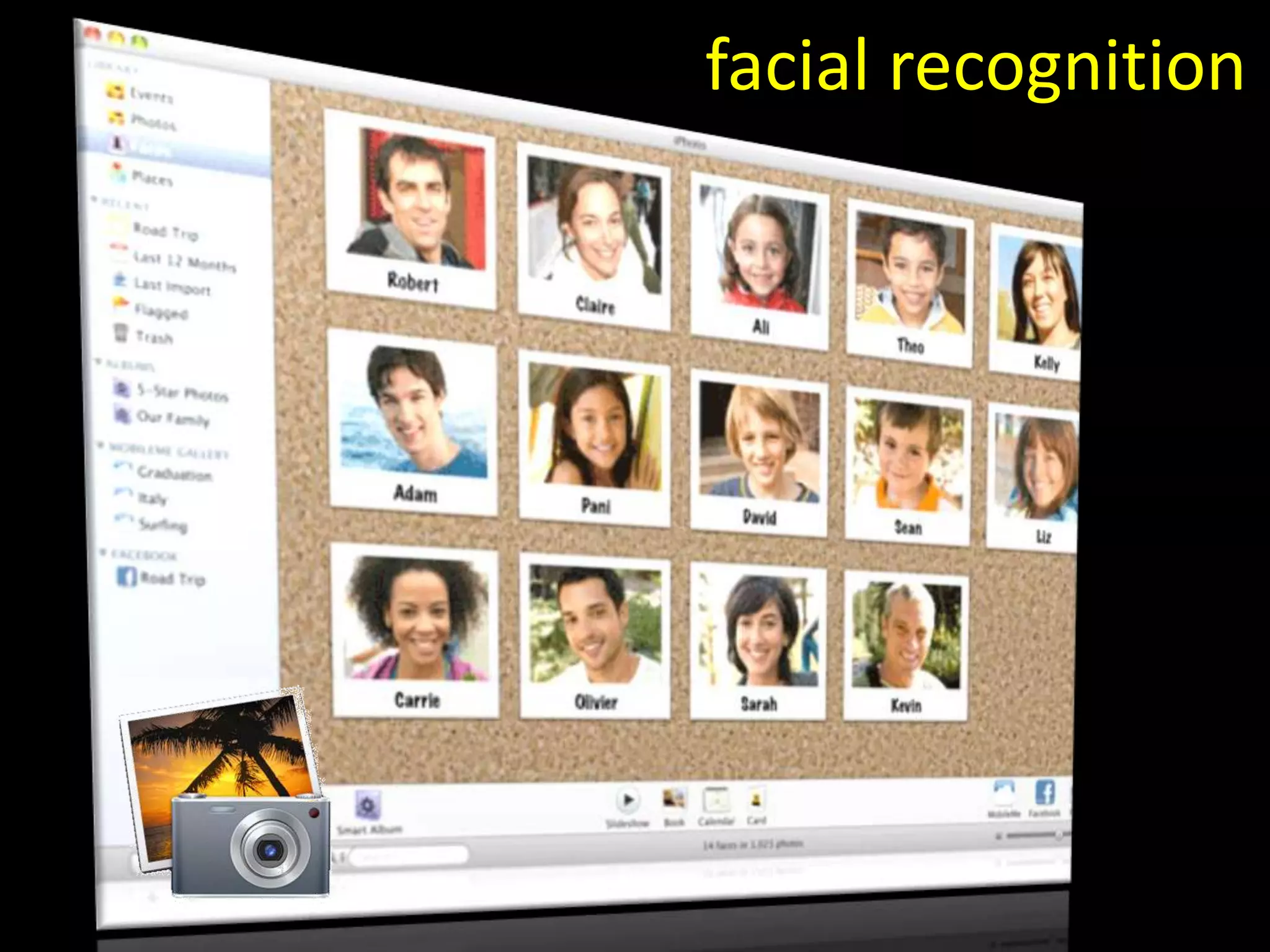
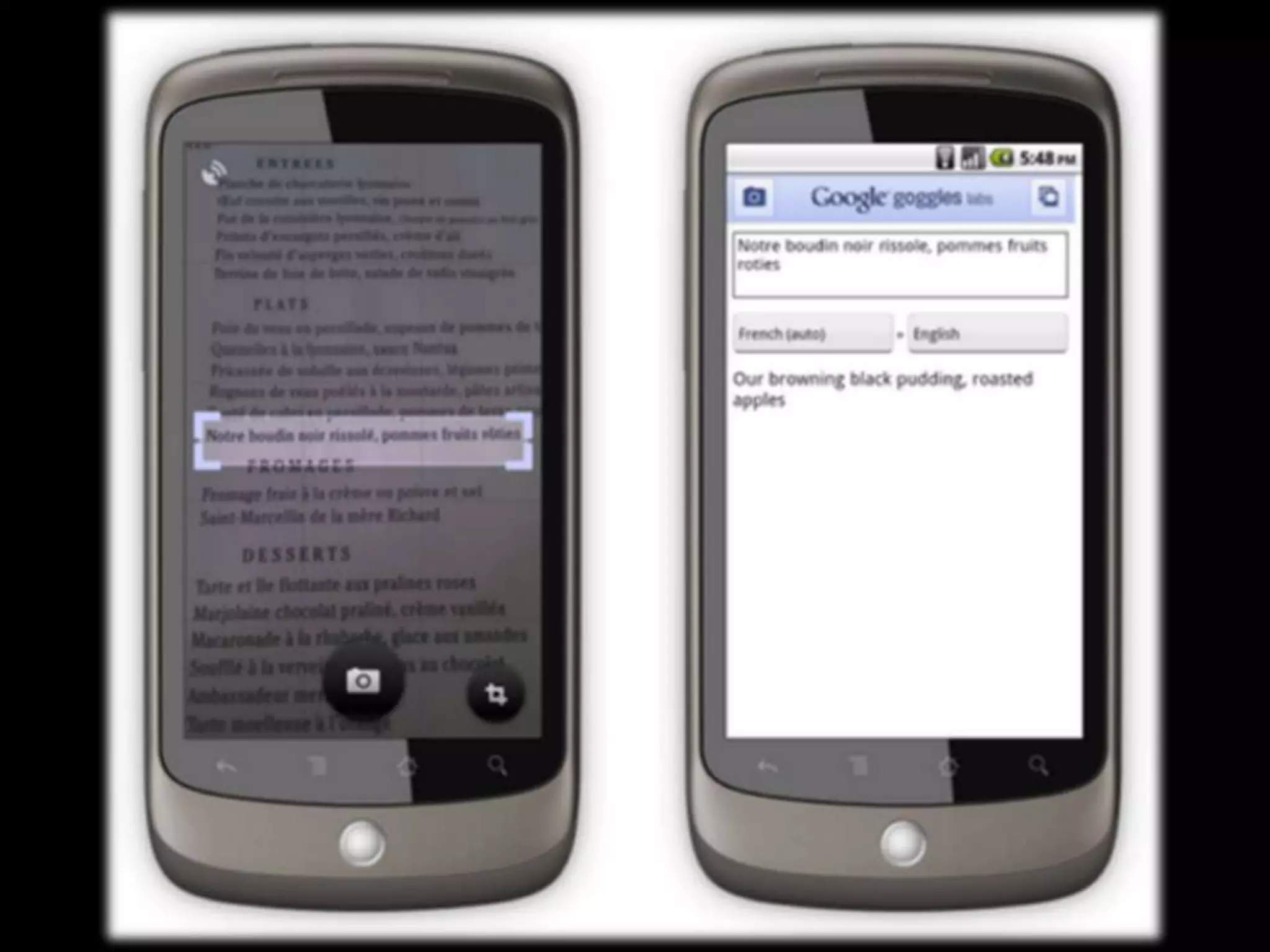
facial recognition
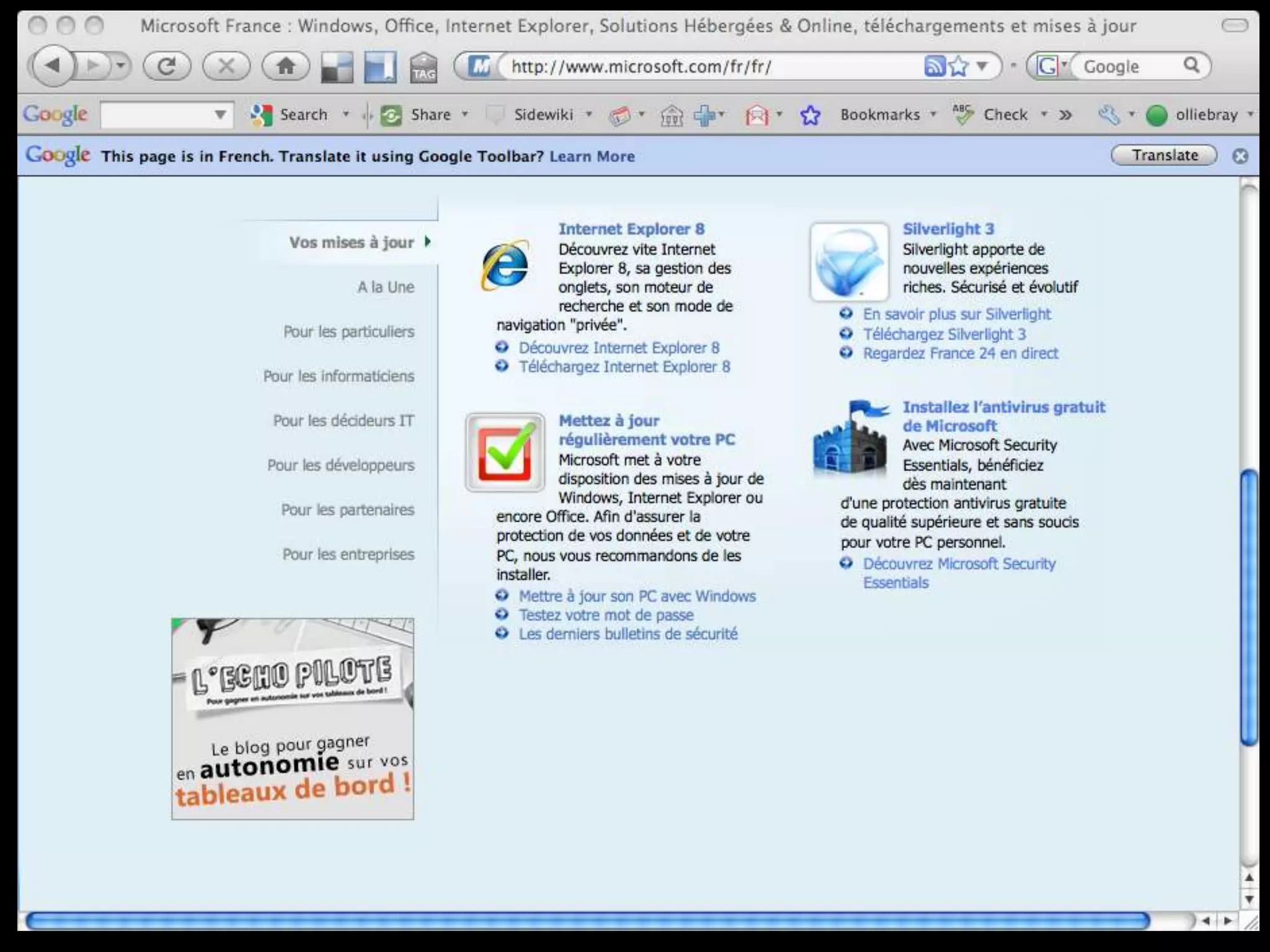
Location and language
Financial education
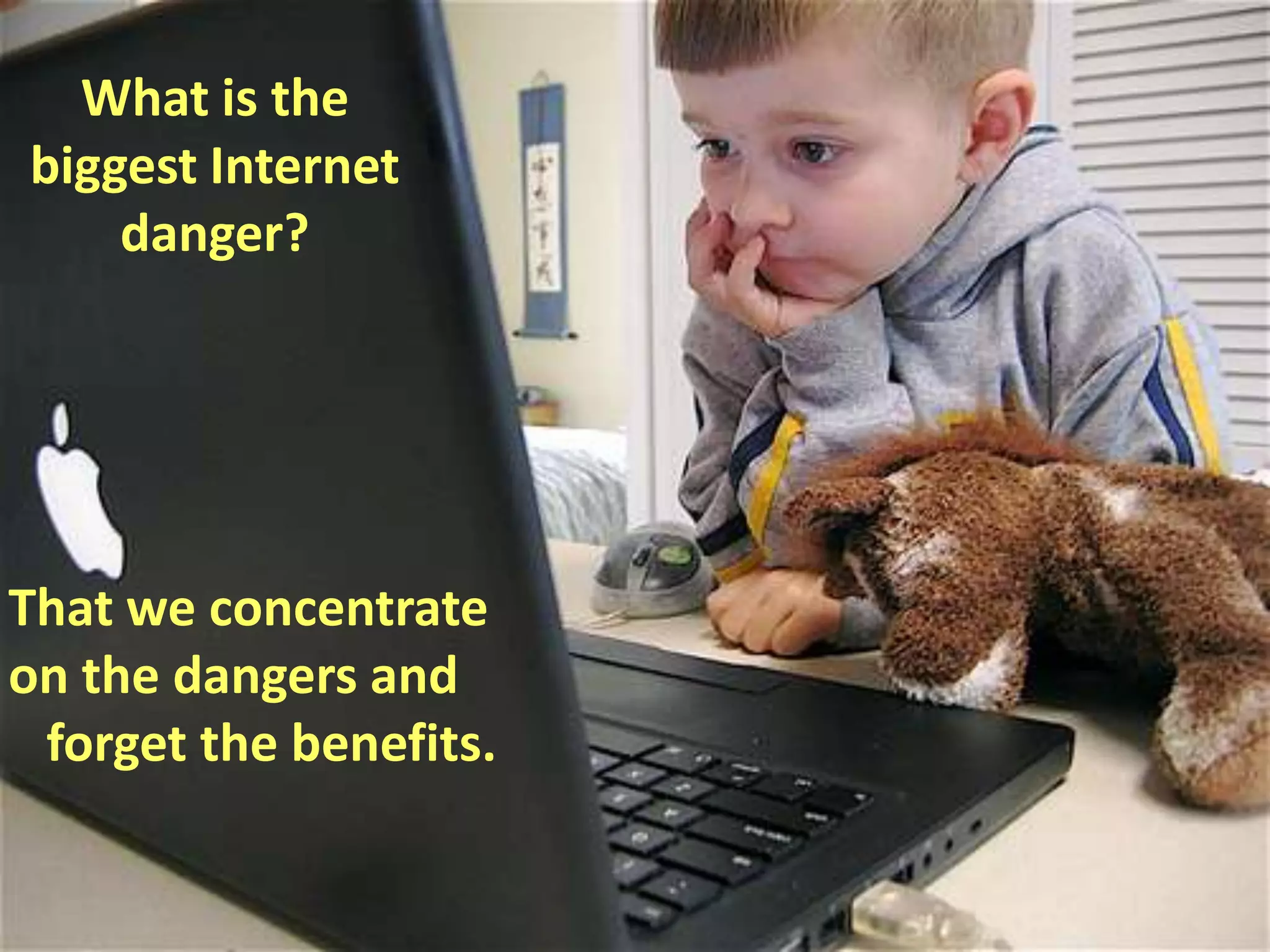
What is the biggest Internet danger?That we concentrateon the dangers and   forget the benefits.
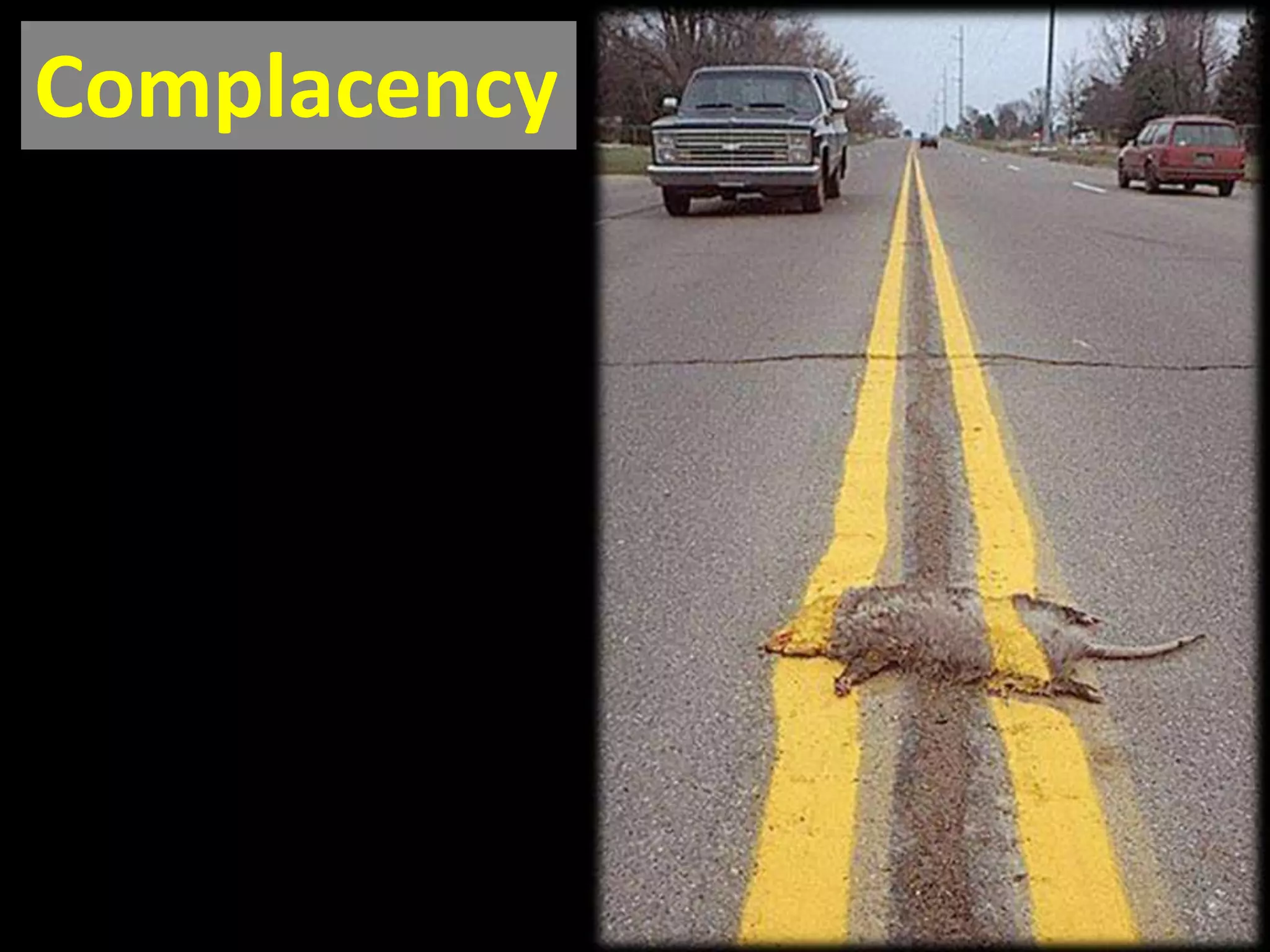
Complacency
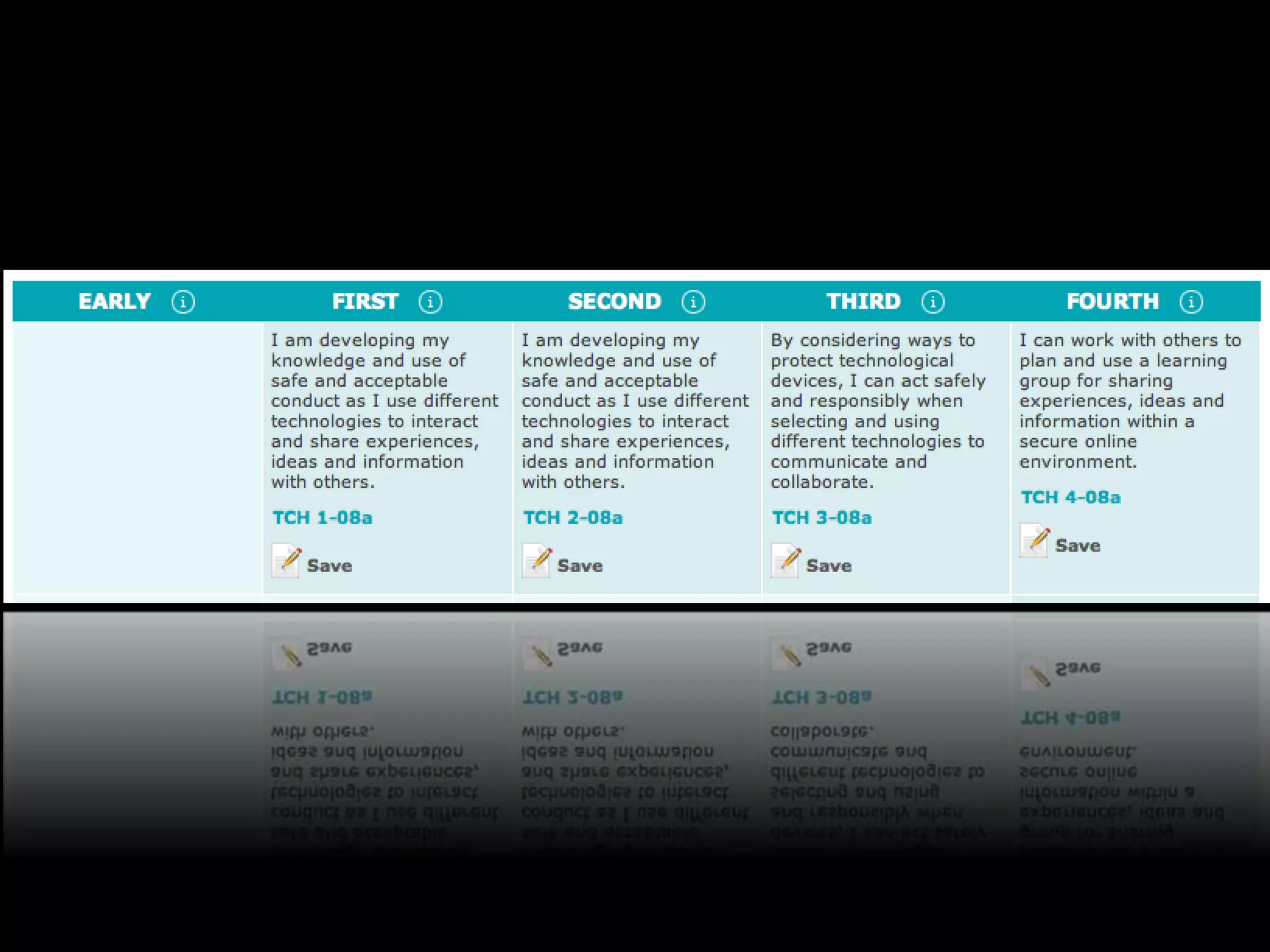
Physical Wellbeing“I am learning to assess and manage risk, to protect myself and others, and to reduce the potential for harm when possible. ”Health and Wellbeing Level Early - 4
“[young people] do notdifferentiate betweenonline and offline”
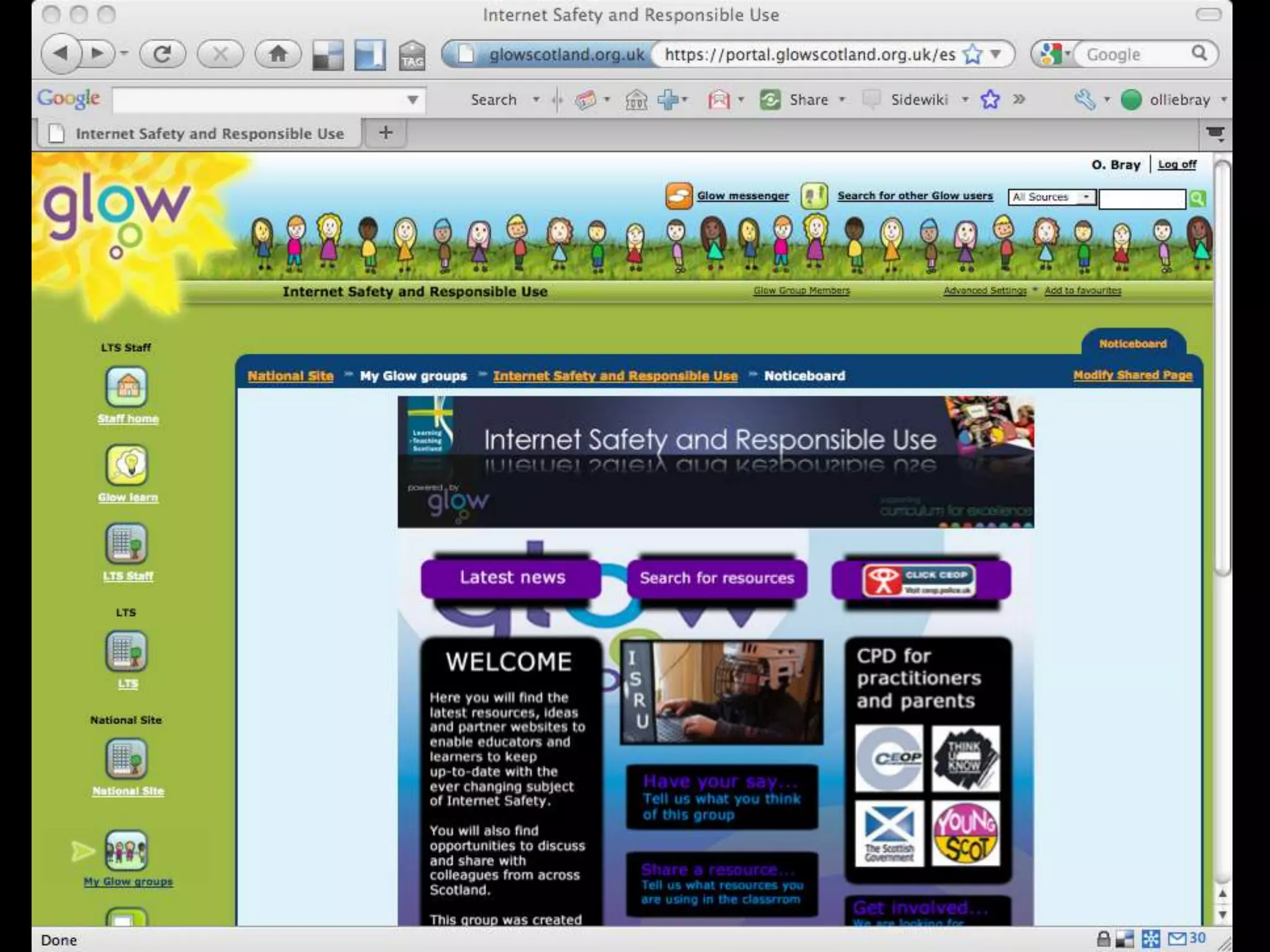
Advice – CPD - Sharing
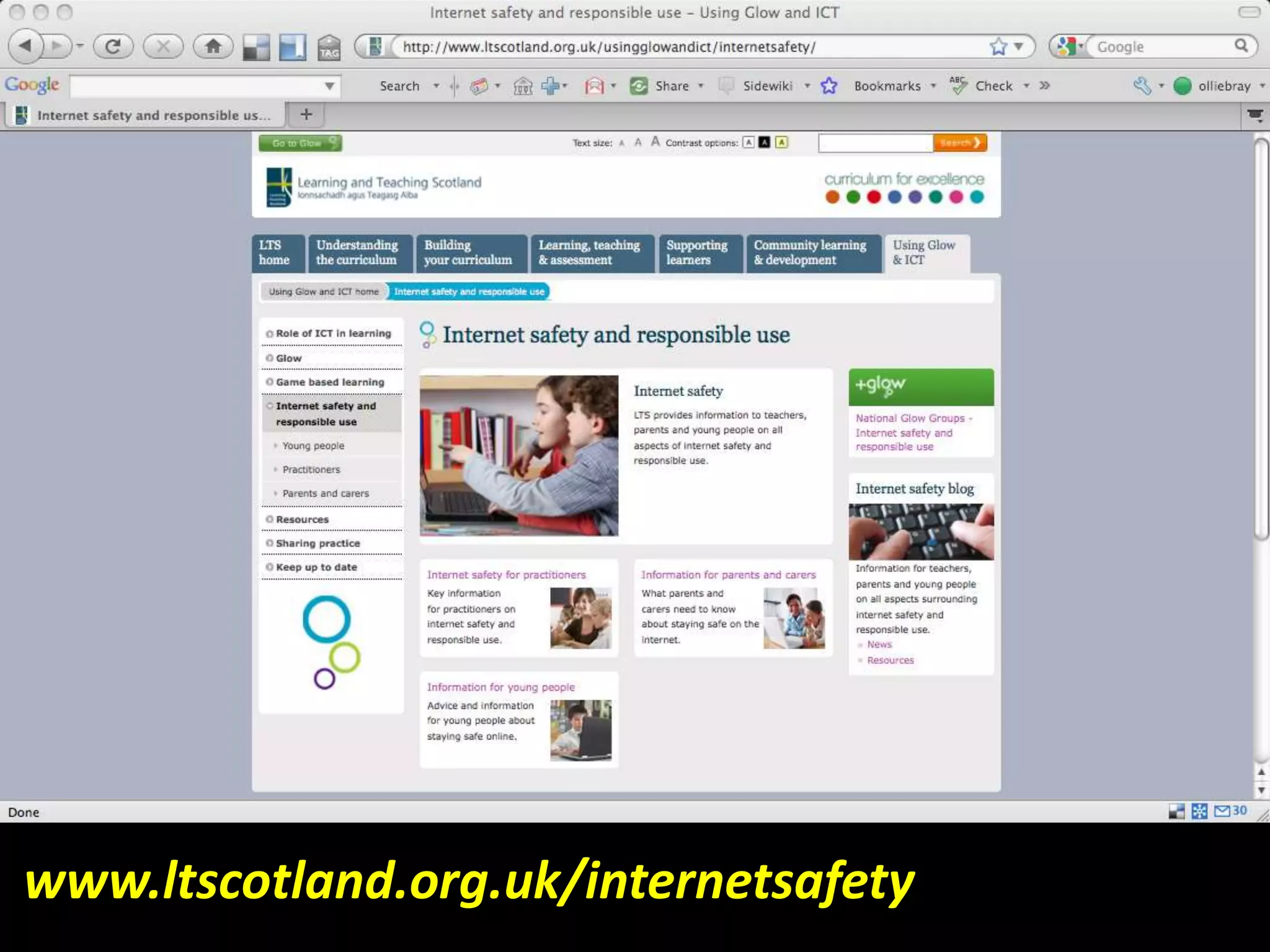
www.ltscotland.org.uk/internetsafety
Ollie BrayLearning & Teaching Scotlando.bray@ltscotland.org.uk

Strategies for Teaching Internet Safety and Responsible Use

Editor's Notes

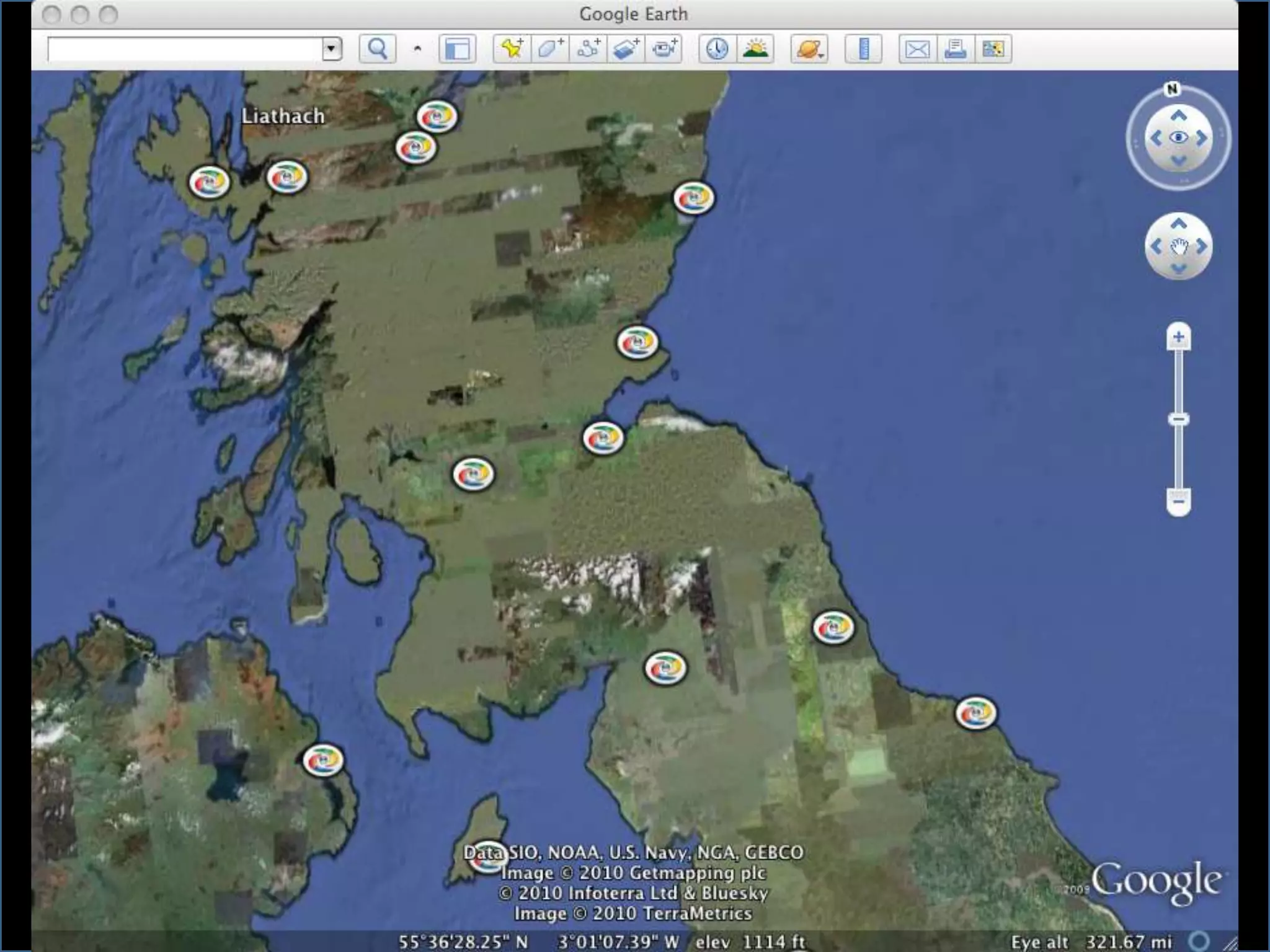
  • #14 By turning on the web cam layer and clicking on camera…
  • #15 I can see what is happening, what the weather is like, what the people are like all over the globe.This ‘real time’ interaction is so important for teaching young people about global citizenship, society and other cultures. One of my new technologies staff was in a school recently as he asked a student if they had used Google Earth. They told him ‘I use it recreationally, but never in school’. When the learning potential of such technology is so obvious, when the software is free – when do we have to start to question why is it not being used?
  • #24  * They personally own 8 devices (including MP3 player, PC, TV, DVD player, mobile phone, stereo, games console, and digital camera) * They frequently conduct over 5 activities whilst watching TV * 25% of them agree that “I’d rather stay at home than go on a holiday with no internet or phone access” * A quarter of young people interviewed text or IM (instant message) friends they are physically with at the time * They have on average 123 friends on their social network spaces * And the first thing the majority of them do when they get home is turn on their PC
  • #25  * They personally own 8 devices (including MP3 player, PC, TV, DVD player, mobile phone, stereo, games console, and digital camera) * They frequently conduct over 5 activities whilst watching TV * 25% of them agree that “I’d rather stay at home than go on a holiday with no internet or phone access” * A quarter of young people interviewed text or IM (instant message) friends they are physically with at the time * They have on average 123 friends on their social network spaces * And the first thing the majority of them do when they get home is turn on their PC
  • #99 Thank you.