Strategically organized communication
What it is and what sense does it make
vavilentatarsky.com
Communication is constant and endless.
It goes on every day — all day.
It happens organically.
Why do we need strategy?
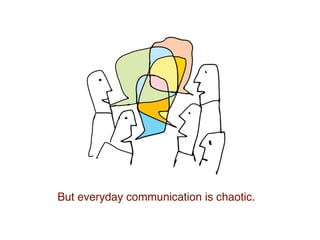
The problem is that every day communication
is naturally chaotic.
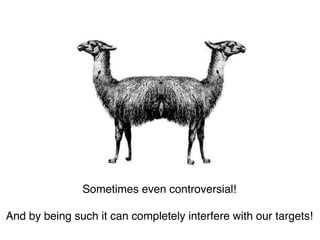
Sometimes even controversial!
But chaotic and controversial communication
can harm your goals and image.
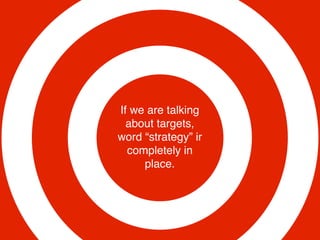
If we are talking
about goals,
the word
“strategy”
is completely
in place.
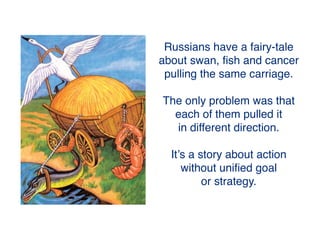
Russians have a fairy-tale
about swan, fish and cancer
pulling the same carriage.
The only problem was that
each of them pulled it
in different direction.
It’s a story about action
without a unified goal
or strategy.
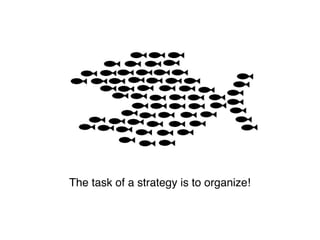
The task of a strategy is to organize!
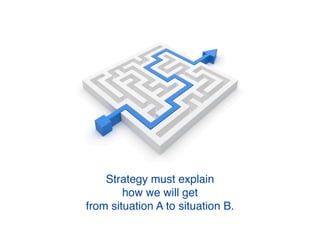
Strategy must explain
how we will get
from A to B.
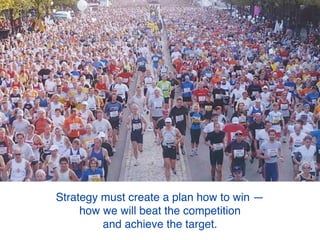
Strategy is a detailed plan for victory —
how we will beat the competition
and achieve our desired goal.
Organizational communication can be divided
to internal and external.
External — to create
the right public image.
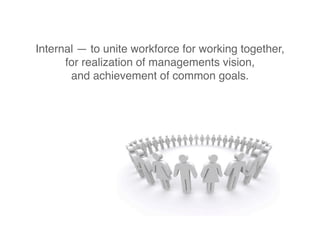
Internal — to unite the workforce
for realization of management’s vision
and achievement of common goals.
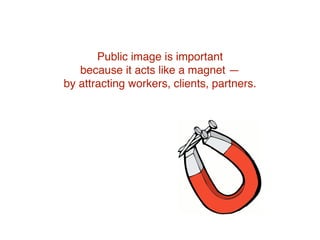
Public image is important
because it acts like a magnet —
it attracts workers, clients and partners.
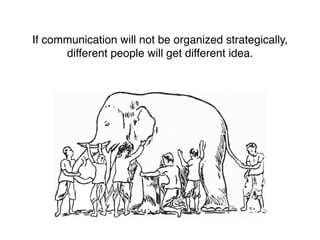
If communication will not be organized strategically,
different people will get different idea.
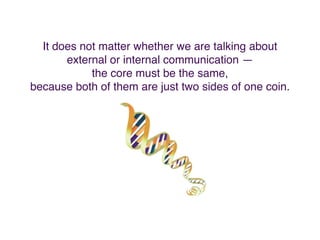
External or internal communication
are just two sides of the same coin.
That is why our core communication strategy
must be aligned to both.
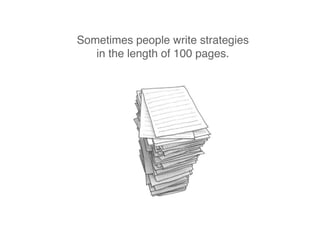
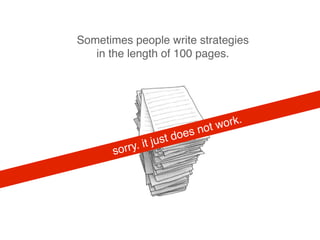
Sometimes people write
a hundred pages of strategies.
sorry. it just does not work.
Sometimes people write
a hundred pages of strategies.
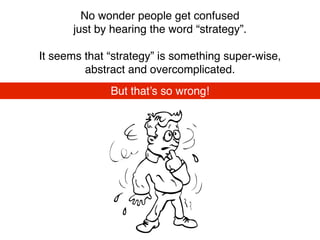
No wonder people get confused
just by hearing the word “strategy”.
It seems that “strategy” is something super-wise,
abstract and overcomplicated.
But that’s so wrong!
Only a strategy that’s short, logical, simple
and understandable can be effective.
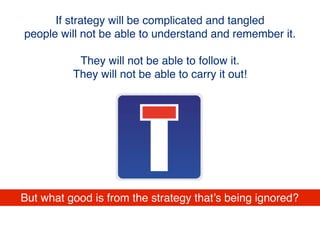
If strategy will be complicated and tangled
people will not be able to understand and remember it.
They will not be able to follow it.
They will not be able to carry it out!
But what good is from the strategy that’s being ignored?
The most important task of a strategy
is to be practiced.
If something is too complicated to be explained
in a few words or sentences —
it will not live.
Strategy that is not understood and believed,
that is not able to live in peoples minds...
is useless...
...and will die!
A powerful strategy is one that’s live and kicking.
Strategy is not what’s written on paper.
Strategy is what you do every day!
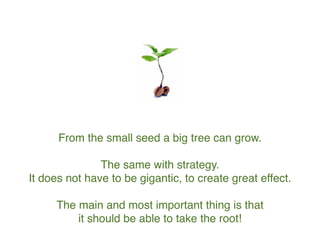
Just like the biggest trees
grow from the smallest seeds...
...a strategy doesn’t have to be gigantic
to create a great effect.
The main and most important thing is that
it should be able to take the root!
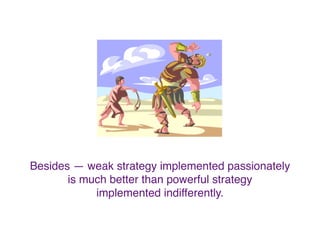
Besides — weak strategy implemented passionately
is much better than powerful strategy
implemented indifferently.
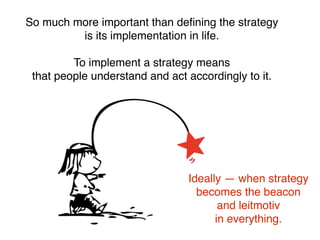
So much more important than defining the strategy
is its implementation in life.
To implement a strategy means
that people understand and act accordingly to it.
Ideally — when strategy
becomes the beacon
and leitmotiv
in everything.
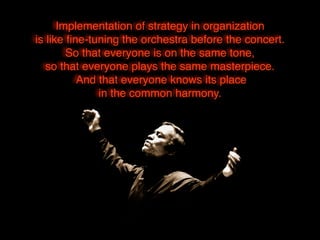
Implementation of strategy in organization
is like fine-tuning the orchestra before the concert.
So that everyone is on the same tone,
so that everyone plays the same masterpiece.
And that everyone knows its place
in the common harmony.
Clear strategy gives clear direction.
It tells where we want to be,
what are our goals,
where we are heading
and how we’re going to get there!
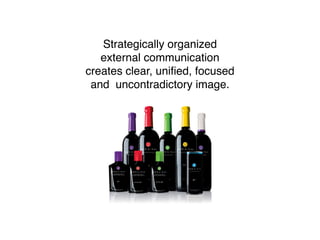
Strategically organized
external communication
creates clear, unified, focused
and cohesive image.
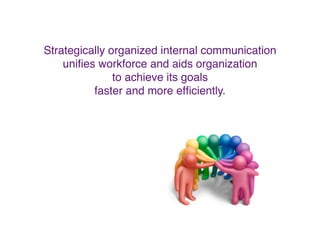
Strategically organized internal communication
unifies workforce and aids organization
to achieve its goals
faster and more efficiently.
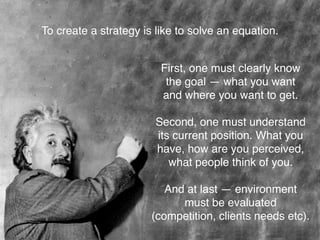
To create a strategy is like to solve an equation.
First, one must clearly know
the goal — what you want
and where you want to get.
Second, one must understand
its current position. What you
have, how are you perceived,
what people think of you.
And at last — environment
must be evaluated
(competition, clients needs etc).
A strategy is the plan for reaching the goal.
If there is no goal, or if it’s not real or clear enough —
what talk can there be about any strategy?
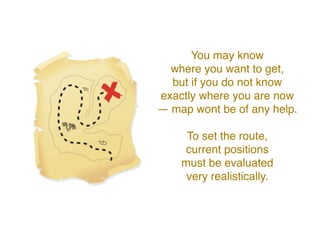
You may know
where you want to get,
but if you do not know
exactly where you are now
— map wont be of any help.
To set the route,
current positions
must be evaluated
very realistically.
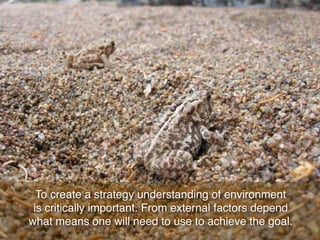
Understanding the business environment
is critically importent in order to create an effective strategy.
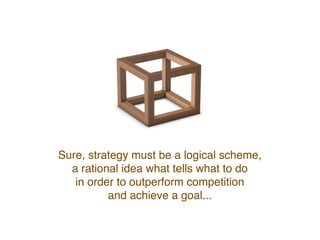
Sure, strategy must be a logical scheme,
a rational idea that tells us what to do
in order to outperform competition
and achieve a goal...
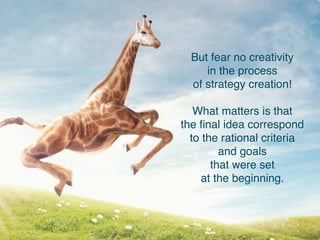
But fear no creativity
in the process
of strategy creation!
What matters is that
the final idea resonates
with the rational criteria
and goals
that were set
at the beginning.
The main task of communications strategy
is to explain using what PR, marketing
and advertising tools we should use
in order to create the right image in peoples minds.
The one that will promote the achievement
of organizations goals.
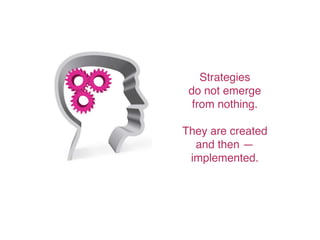
Strategies
do not emerge
from nothing.
They are created
and then —
implemented.
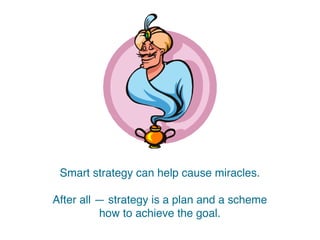
Smart strategy can do miracles.
After all — strategy is a plan and a scheme
how to achieve the goal.
...what’s your strategy?
Let us continue the conversation!
Krisjanis@vavilentatarsky.com
vavilentatarsky.com

Strategically organised communication: why, what and how

  • 1.
    Strategically organized communication Whatit is and what sense does it make vavilentatarsky.com
  • 2.
    Communication is constantand endless. It goes on every day — all day. It happens organically. Why do we need strategy?
  • 3.
    The problem isthat every day communication is naturally chaotic.
  • 4.
    Sometimes even controversial! Butchaotic and controversial communication can harm your goals and image.
  • 5.
    If we aretalking about goals, the word “strategy” is completely in place.
  • 6.
    Russians have afairy-tale about swan, fish and cancer pulling the same carriage. The only problem was that each of them pulled it in different direction. It’s a story about action without a unified goal or strategy.
  • 7.
    The task ofa strategy is to organize!
  • 8.
    Strategy must explain howwe will get from A to B.
  • 9.
    Strategy is adetailed plan for victory — how we will beat the competition and achieve our desired goal.
  • 10.
    Organizational communication canbe divided to internal and external.
  • 11.
    External — tocreate the right public image.
  • 12.
    Internal — tounite the workforce for realization of management’s vision and achievement of common goals.
  • 13.
    Public image isimportant because it acts like a magnet — it attracts workers, clients and partners.
  • 14.
    If communication willnot be organized strategically, different people will get different idea.
  • 15.
    External or internalcommunication are just two sides of the same coin. That is why our core communication strategy must be aligned to both.
  • 16.
    Sometimes people write ahundred pages of strategies.
  • 17.
    sorry. it justdoes not work. Sometimes people write a hundred pages of strategies.
  • 18.
    No wonder peopleget confused just by hearing the word “strategy”. It seems that “strategy” is something super-wise, abstract and overcomplicated. But that’s so wrong!
  • 19.
    Only a strategythat’s short, logical, simple and understandable can be effective.
  • 20.
    If strategy willbe complicated and tangled people will not be able to understand and remember it. They will not be able to follow it. They will not be able to carry it out! But what good is from the strategy that’s being ignored?
  • 21.
    The most importanttask of a strategy is to be practiced. If something is too complicated to be explained in a few words or sentences — it will not live. Strategy that is not understood and believed, that is not able to live in peoples minds... is useless... ...and will die!
  • 22.
    A powerful strategyis one that’s live and kicking. Strategy is not what’s written on paper. Strategy is what you do every day!
  • 23.
    Just like thebiggest trees grow from the smallest seeds... ...a strategy doesn’t have to be gigantic to create a great effect. The main and most important thing is that it should be able to take the root!
  • 24.
    Besides — weakstrategy implemented passionately is much better than powerful strategy implemented indifferently.
  • 25.
    So much moreimportant than defining the strategy is its implementation in life. To implement a strategy means that people understand and act accordingly to it. Ideally — when strategy becomes the beacon and leitmotiv in everything.
  • 26.
    Implementation of strategyin organization is like fine-tuning the orchestra before the concert. So that everyone is on the same tone, so that everyone plays the same masterpiece. And that everyone knows its place in the common harmony.
  • 27.
    Clear strategy givesclear direction. It tells where we want to be, what are our goals, where we are heading and how we’re going to get there!
  • 28.
    Strategically organized external communication createsclear, unified, focused and cohesive image.
  • 29.
    Strategically organized internalcommunication unifies workforce and aids organization to achieve its goals faster and more efficiently.
  • 30.
    To create astrategy is like to solve an equation. First, one must clearly know the goal — what you want and where you want to get. Second, one must understand its current position. What you have, how are you perceived, what people think of you. And at last — environment must be evaluated (competition, clients needs etc).
  • 31.
    A strategy isthe plan for reaching the goal. If there is no goal, or if it’s not real or clear enough — what talk can there be about any strategy?
  • 32.
    You may know whereyou want to get, but if you do not know exactly where you are now — map wont be of any help. To set the route, current positions must be evaluated very realistically.
  • 33.
    Understanding the businessenvironment is critically importent in order to create an effective strategy.
  • 34.
    Sure, strategy mustbe a logical scheme, a rational idea that tells us what to do in order to outperform competition and achieve a goal...
  • 35.
    But fear nocreativity in the process of strategy creation! What matters is that the final idea resonates with the rational criteria and goals that were set at the beginning.
  • 36.
    The main taskof communications strategy is to explain using what PR, marketing and advertising tools we should use in order to create the right image in peoples minds. The one that will promote the achievement of organizations goals.
  • 37.
    Strategies do not emerge fromnothing. They are created and then — implemented.
  • 38.
    Smart strategy cando miracles. After all — strategy is a plan and a scheme how to achieve the goal.
  • 39.
  • 40.
    Let us continuethe conversation! Krisjanis@vavilentatarsky.com vavilentatarsky.com