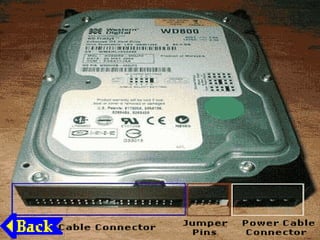
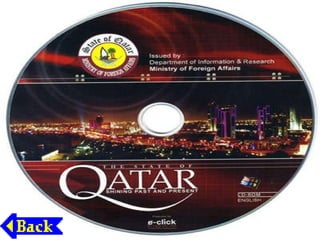
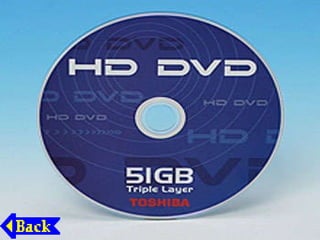
Secondary storage devices are not directly accessible by the CPU and do not lose data when powered down. Common secondary storage devices include magnetic tapes for storing large amounts of data cheaply, hard disks for quick access to large amounts of gigabytes of storage, floppy disks for smaller storage and transport of documents between computers, and optical disks like CDs and DVDs which use lasers to store and access digital data for music, video, programs and more. DVDs specifically store over six times more data than CDs using the same physical dimensions through optical disc storage technology developed in 1995.








![[ICT] Storage Devices](https://cdn.slidesharecdn.com/ss_thumbnails/ictstoragedevicesan-150203213435-conversion-gate02-thumbnail.jpg?width=640&height=640&fit=bounds)


