Ornamental floriculture is becoming an
important industry .
Ornamentals include a large variety of
crop plants
Cut flowers,
Bulbs and corms,
Foliage and Flowering pot plants.
All the present day ornamental varieties
and novelties are as a result of extensive
hybridization, induced mutation and
selection .
Genetic engineering: The technology of
preparing recombinant DNA in vitro by
cutting up DNA molecules and splicing
together fragments from more than one
organism.
Genetic engineering is a laboratory
technique for gene manipulation.
Genetic engineering brings about novel
combination of genes by using
recombinent DNA technology which is not
Genetic engineering of plants is much
easier than animals.
there is natural transformation system for
plants(Agrobacterium).
plant tissue can redifferentiate.
plant transformation and regeneration are
relatively easy for a variety of plants.
Agrobacterium tumefaciens can infect
wounded plant tissue, transferring a large
plasmid, the Ti plasmid, to the plant cell.
Important methods in
recombinant DNA technology are
Isolation of desired gene Insertion
of isolated gene into a suitable
vector Introduction of recombinant
vector in to host Selection of
transformed host cells
(A.C.Dutta 2005)
Digestion of the cell wall by enzymatic
action, dissolution of the biological
membranes by detergent losses,
centrifugation to isolate pure DNA.
DNA cut into no. of fragments by
restriction endonulcleases “molecular
scissors” with sticky ends.
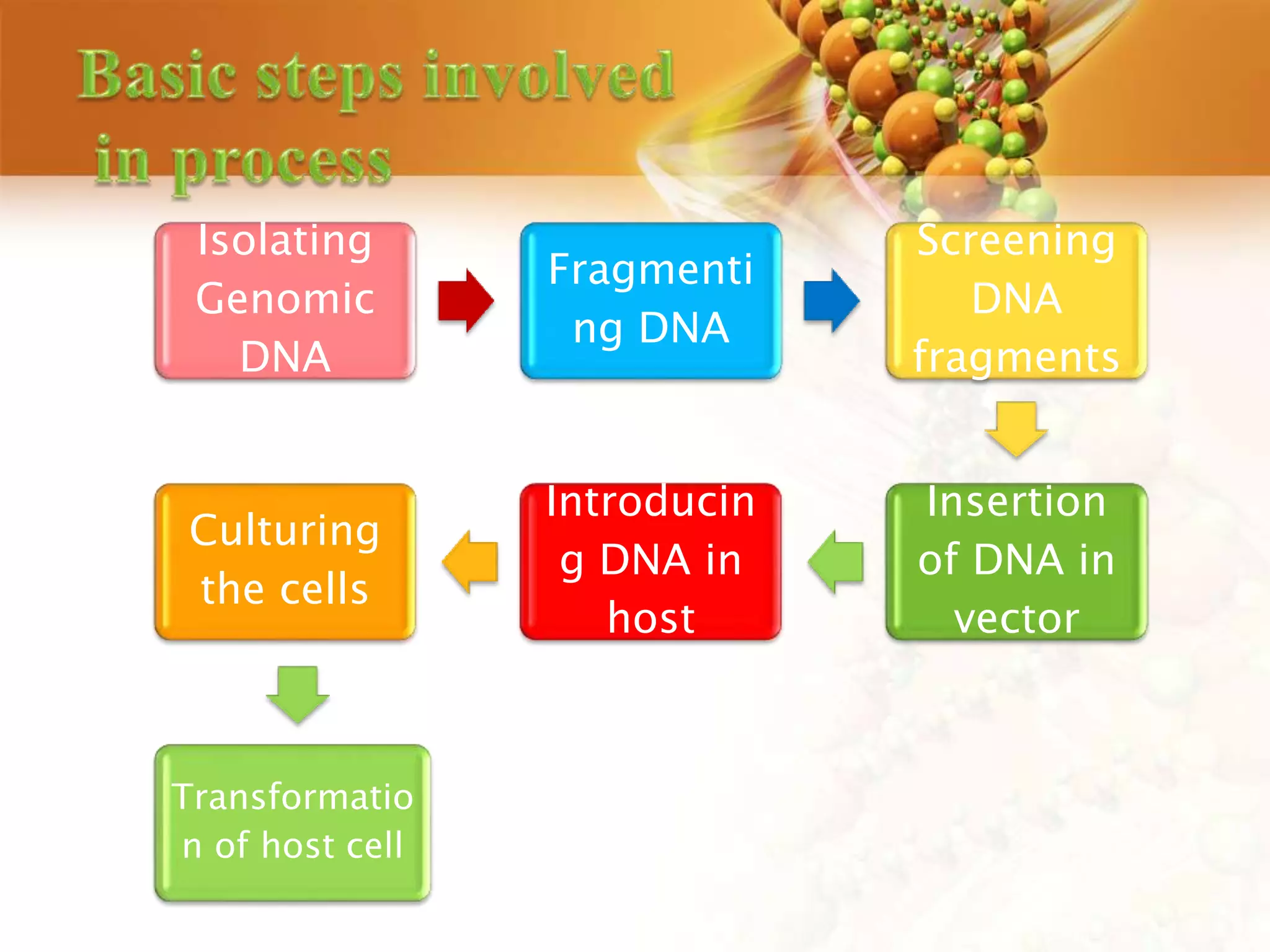
Isolating
Genomic
DNA
Fragmenti
ng DNA
Screening
DNA
fragments
Insertion
of DNA in
vector
Introducin
g DNA in
host
Culturing
the cells
Transformatio
n of host cell
 Most widely used
 More economical
 More efficient
Agrobacterium mediated
gene transfer
 Particle bombardment
or
micro projectile .
 Direct DNA delivery by
PEG .
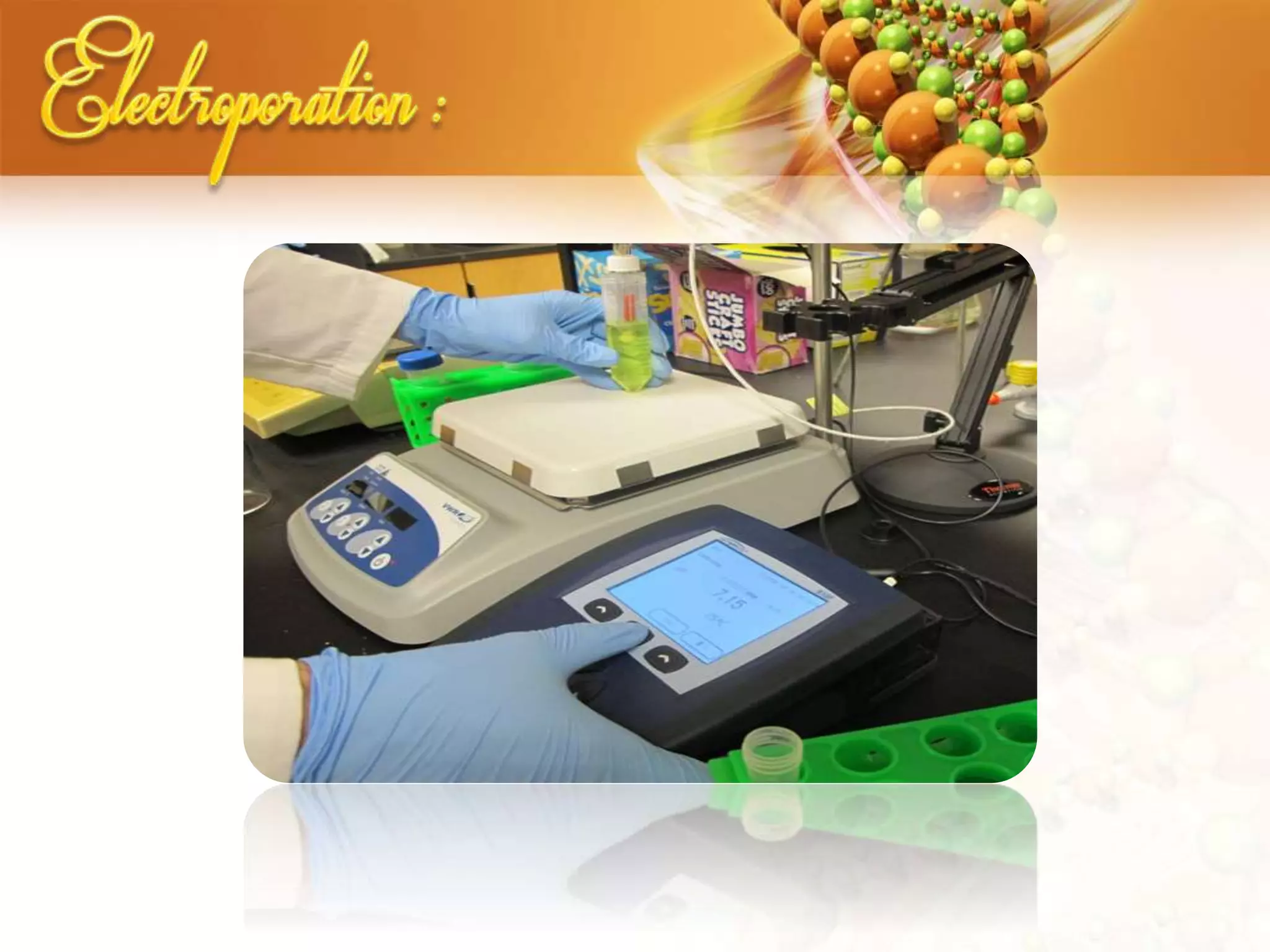
Electroporation .
 Microinjection .
Chandler and Brugliera, 2011
1-2 µm of tungsten or gold particles
(microprojectiles)coated with DNA to be used for
transformation are accelerated to velocities using
pressurized Helium gas
DNA solution is injected directly inside the
cell using capillary glass micropipetts .
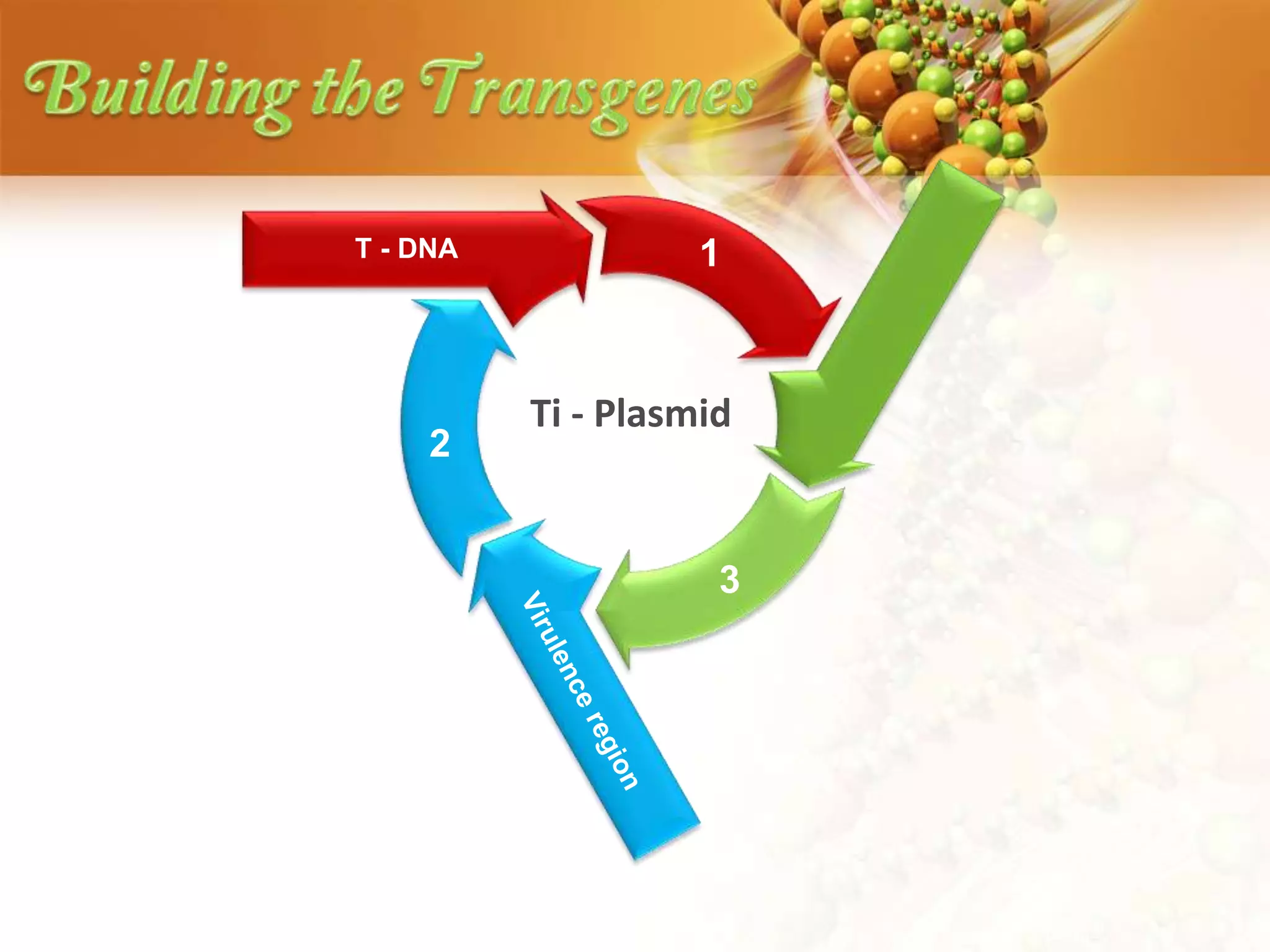
2
3
1T - DNA
Ti - Plasmid
2 The same
restriction
enzymes cut the
same base
sequences in
plasmid DNA. 5 Recombinant DNA
inserted into host cells
is copied each time the
host cells divide.
1 Restriction
enzymes cut
specific base
sequences.
4 The result is recombinant DNA
molecules with both Target and
plasmid DNA.
3 The plasmid
DNA and the target
DNA fragments are
mixed in a solution
with enzymes that
link them together.
First discovered in plants
(R. Jorgensen, 1990)
•When Jorgensen introduced a re-
engineered gene into petunia that had a
lot of homology with an endogenous
petunia gene, both genes became
suppressed!
First discovered in plants
(R. Jorgensen, 1990)
Wild-type petunia
producing purple
anthocyanin
pigments
Chalcone synthase
(CHS) is the enzyme at
the start of the
biosynthetic pathway for
anthocyanins
Photo credit Richard Jorgensen; Aksamit-Stachurska et al. (2008) BMC Biotechnology 8: 25.
Anthocyanins
Chalcone synthase
(CHS)
Attempted to overexpress chalone synthase (anthrocyanin
pigment gene) in petunia.
(trying to darken flower color)
Caused the loss of pigment.
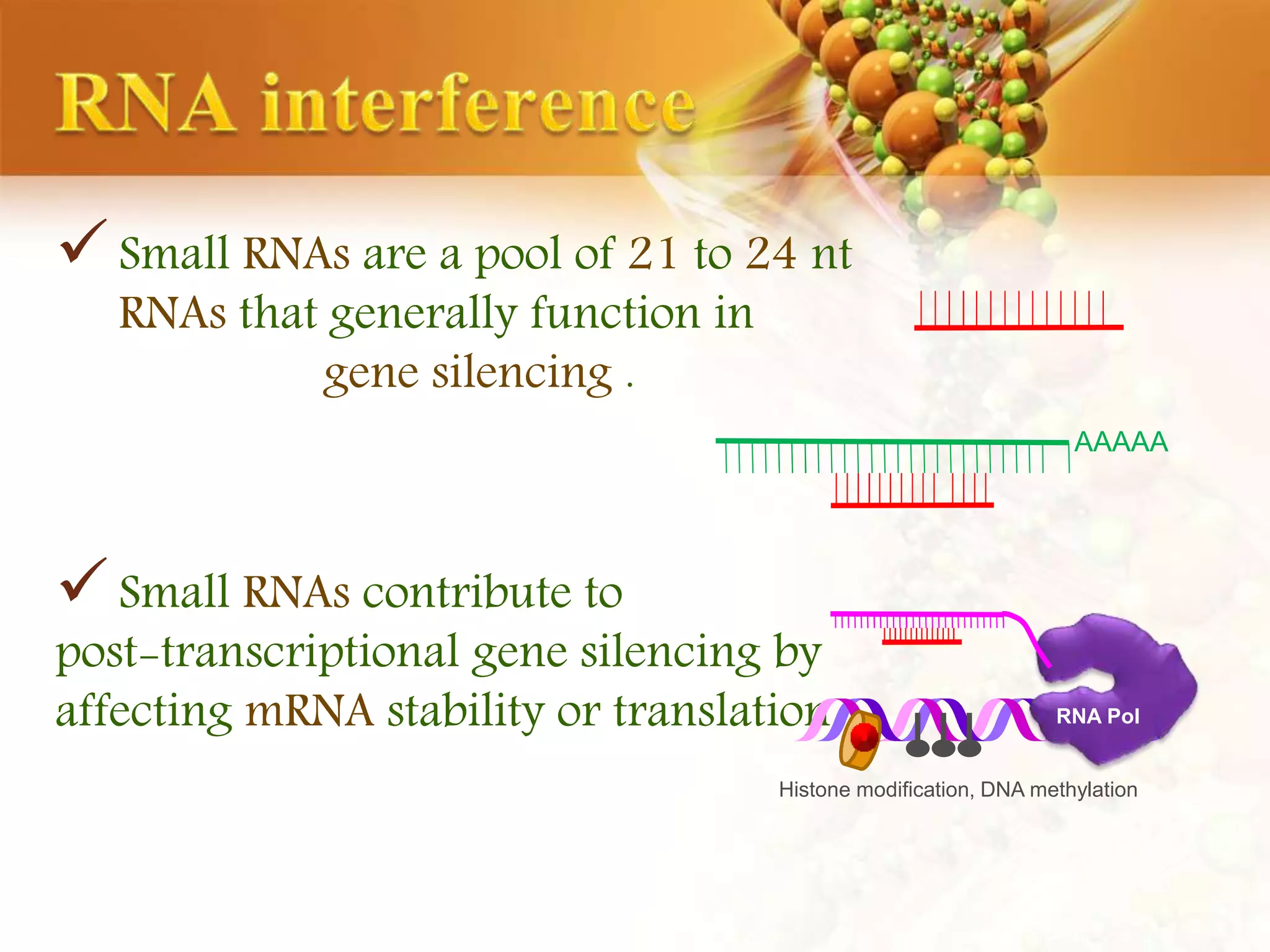
Small RNAs are a pool of 21 to 24 nt
RNAs that generally function in
gene silencing .
Small RNAs contribute to
post-transcriptional gene silencing by
affecting mRNA stability or translation
AAAAA
RNA Pol
Histone modification, DNA methylation
Sense RNA
Antisense
RNA
Sense construct:
PRO CHS
Endogenous gene
mRNA
Transgene
PRO CHS
mRNA
Protein translated
mRNA
mRNA
Extra protein translated
Antisense construct:
PRO
CHS
Transgene Sense-antisense duplex
forms and prohibits
translation
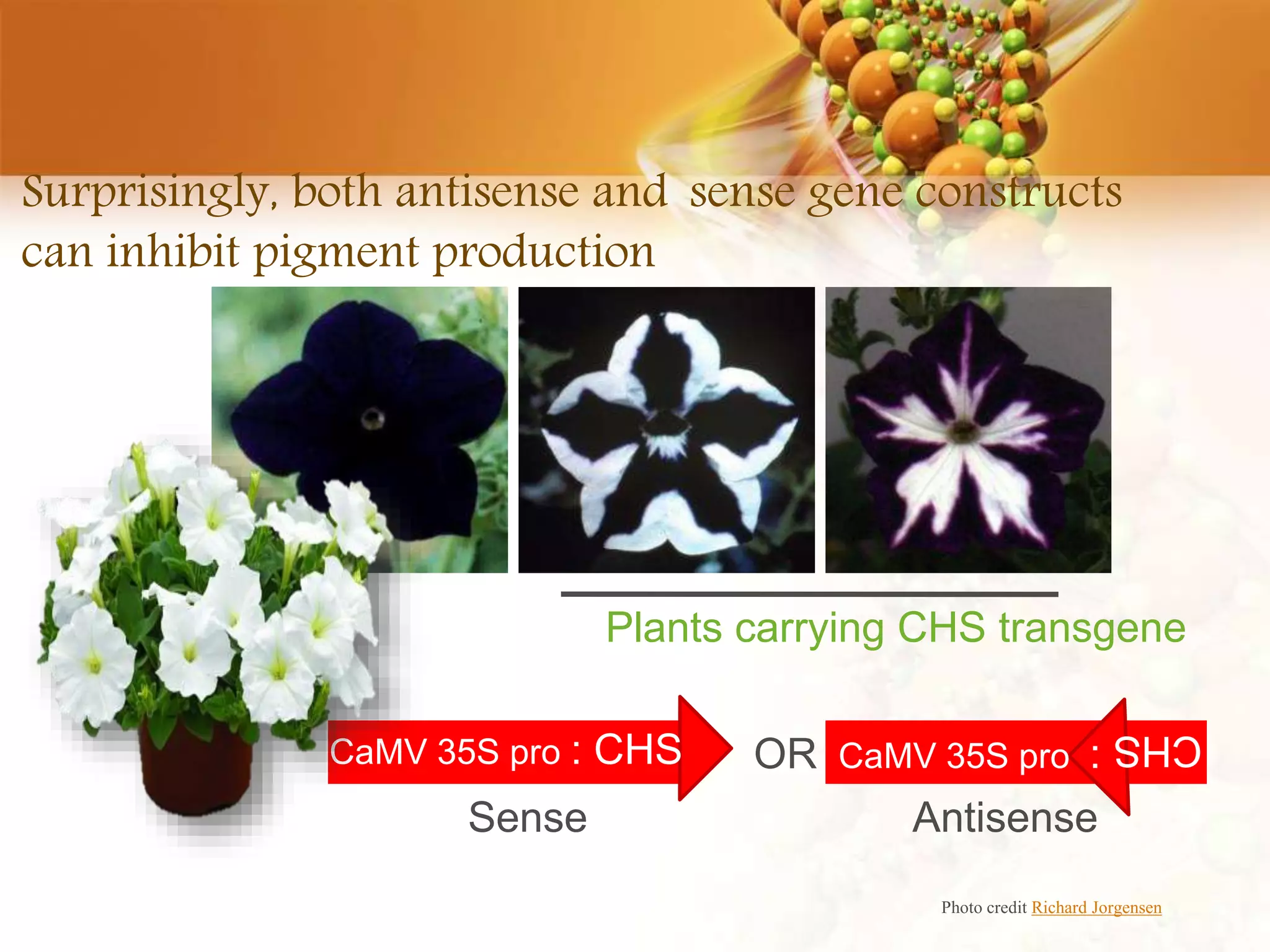
Surprisingly, both antisense and sense gene constructs
can inhibit pigment production
Photo credit Richard Jorgensen
Plants carrying CHS transgene
CaMV 35S pro : CHS CaMV 35S pro :
CHS
Sense Antisense
OR
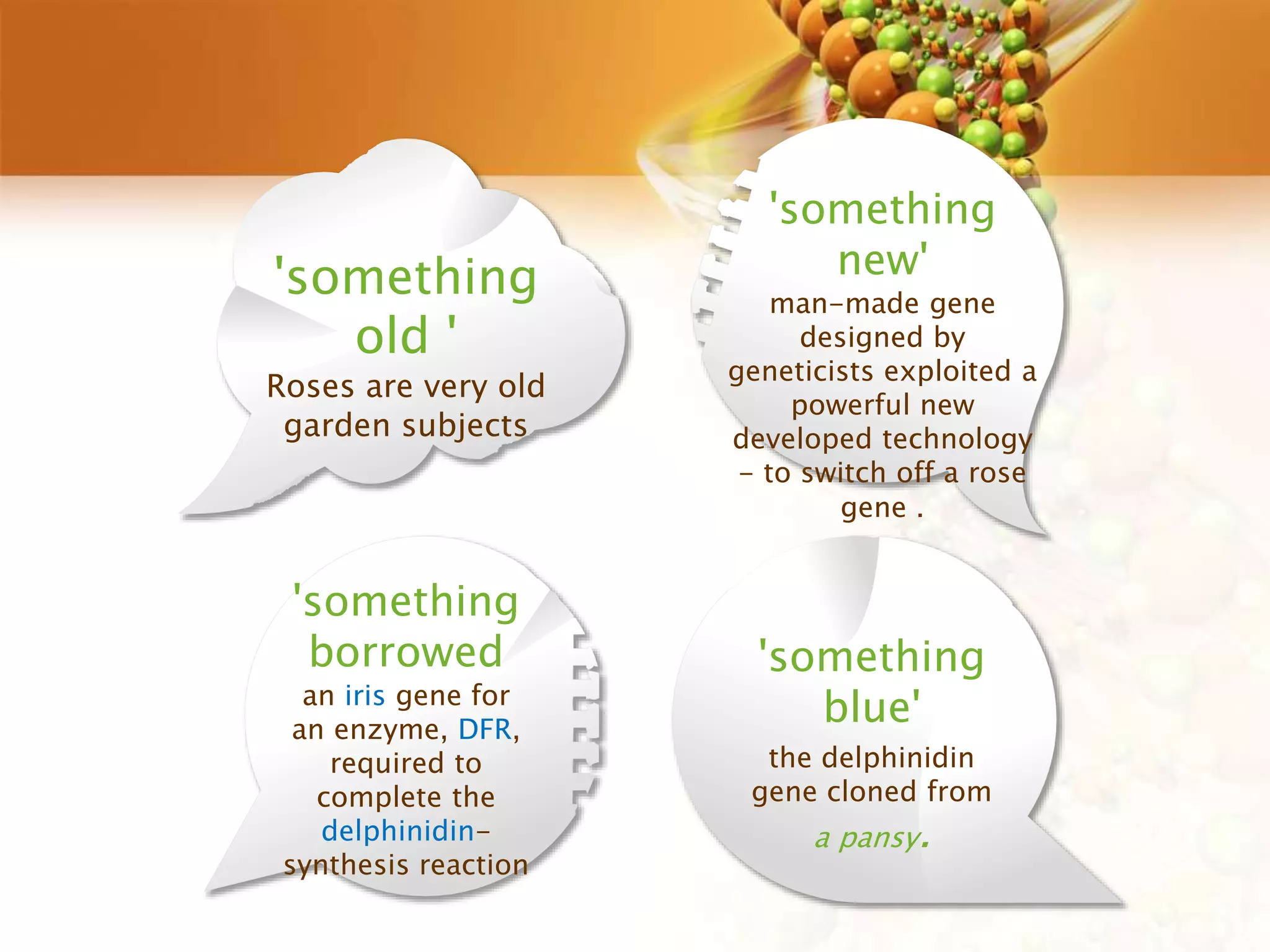
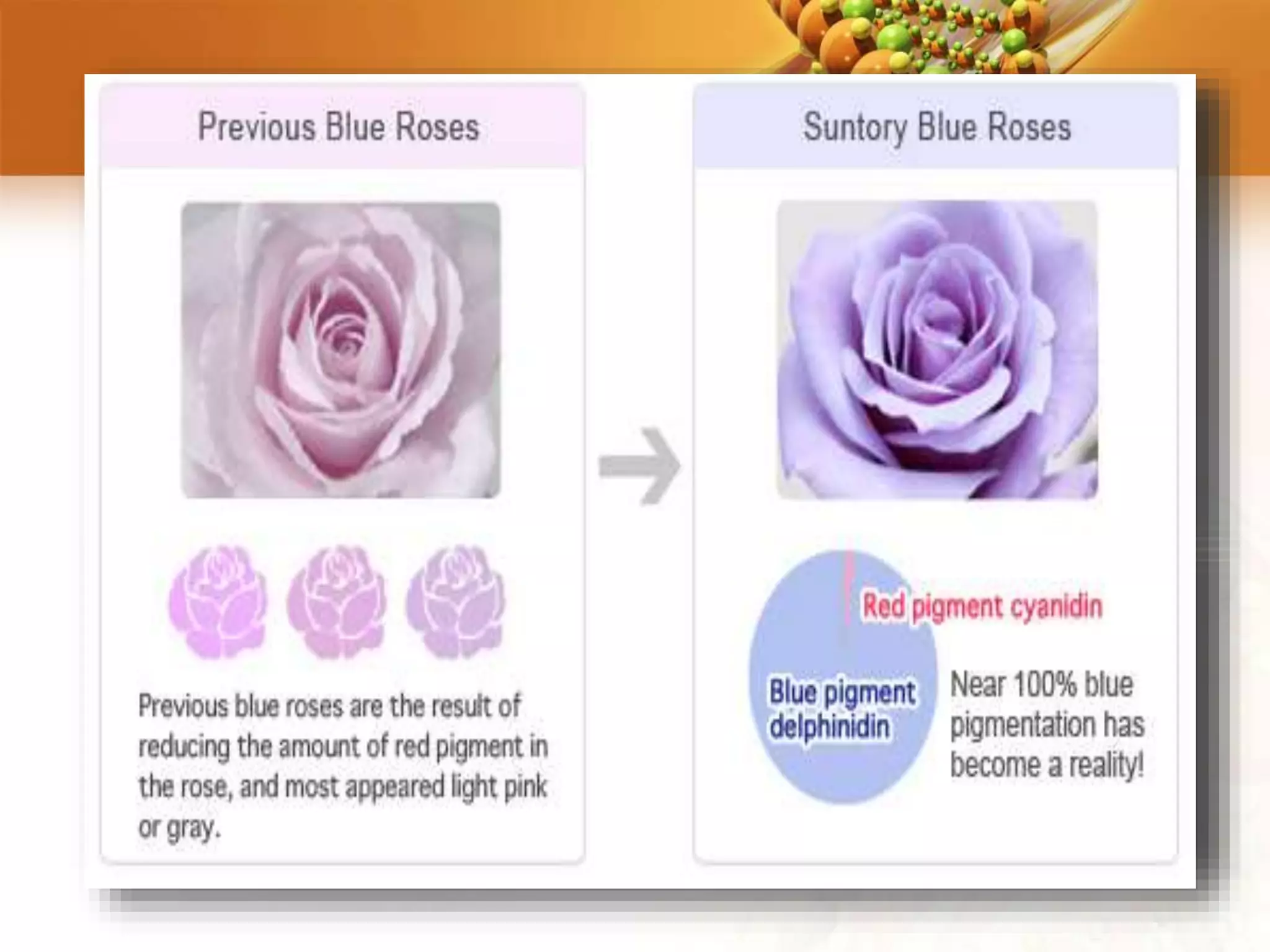
No blue rose - naturally – incapable of
synthesizing delphinidin
• Molecular geneticists with
Florigene and Suntory achieved by
combining something old,
something new,
Something borrowed,
and something blue.
'something
blue'
the delphinidin
gene cloned from
a pansy.
'something
borrowed
an iris gene for
an enzyme, DFR,
required to
complete the
delphinidin-
synthesis reaction
'something
new'
man-made gene
designed by
geneticists exploited a
powerful new
developed technology
- to switch off a rose
gene .
'something
old '
Roses are very old
garden subjects
Use of RNAi technology to switch off
DFR gene in a red rose to block
cyanidin pathway,
and then install the delphinidin gene –
plus a new DFR gene to complete
delphinidin synthesis
The three-gene package (pansy
delphinidin, iris DFR, anti - rose DFR
)package worked:
Suntory's transgenic rose produced
very high levels of delphinidin in its
petals,
and a small residue of cyanidin.
The new rose is an attractive
shade of mauve - lilac roses like
'Blue Moon' and 'Vol de Nuit'.
Mercuri et. al (2001)
 GFP detection in Eustoma
(Lisianthus) flower petals. (A)
 GFP detection in
Osteospermum ligules
flower petals. (A)
GFP = Green Fluorescent Protein
García-Sogo et al. BMC
Plant Biology 2012, 12:156
http://www.biomedcentral.c
om/1471-2229/12/156
Kingdom: Plantae
Subkingdom: Tracheobionta
Superdivision: Spermatophyta
Division: Magnoliophyta
Class: Magnoliopsida
Subclass: Rosids
Order: Geraniales
Family: Geraniaceae
Genus: Pelargonium
Plant
material
Surface
sterilization
Morphogen
esis
Induction
Medium
(MIM)
Elongation
Medium
Rooting
Acclimatization
Surface
sterilization
Morphogen
esis
Induction
Medium
(MIM)
Calculate
activity cost
drivers’
rates
Rooting
Acclimatization
Plant
material
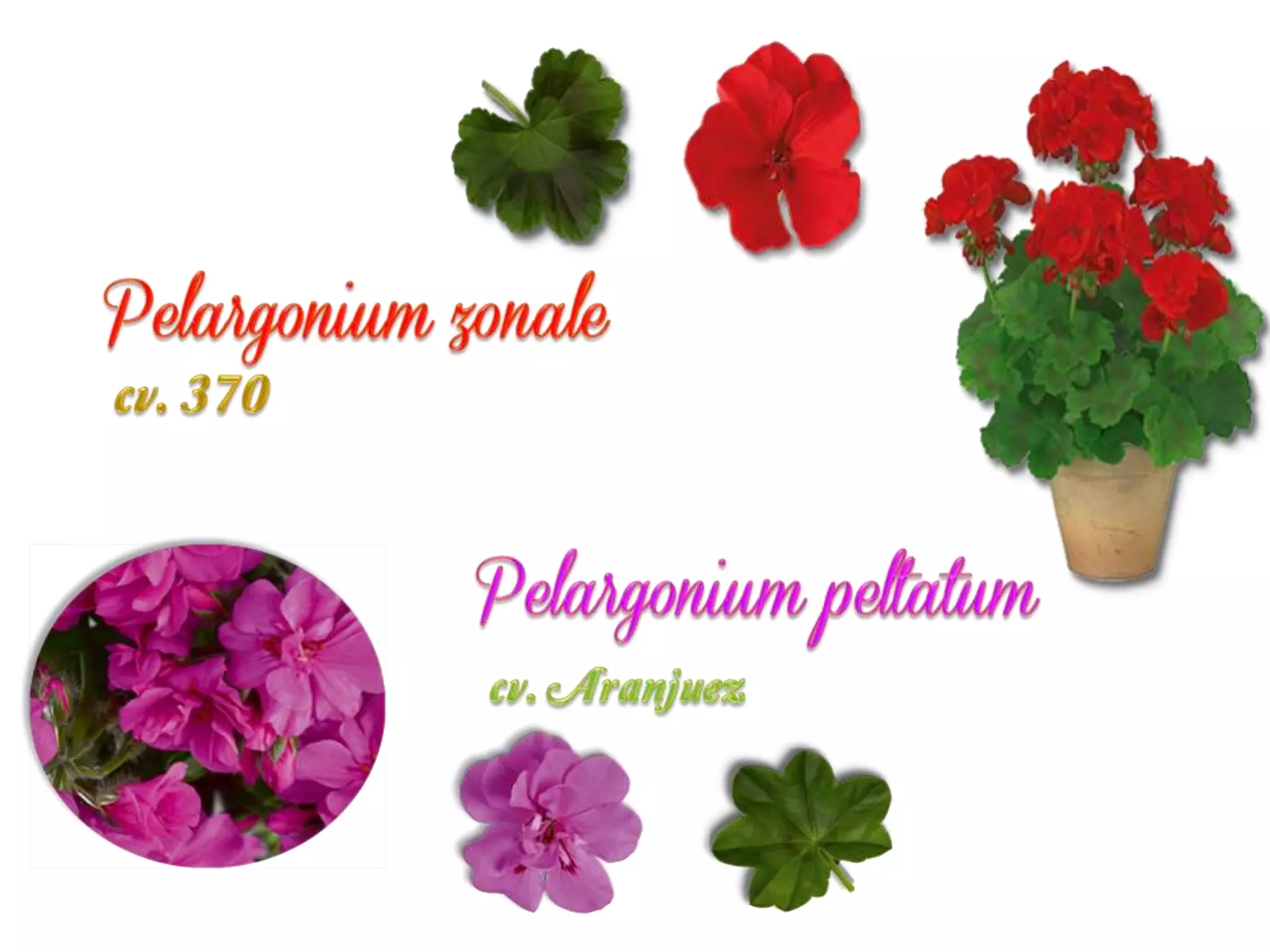
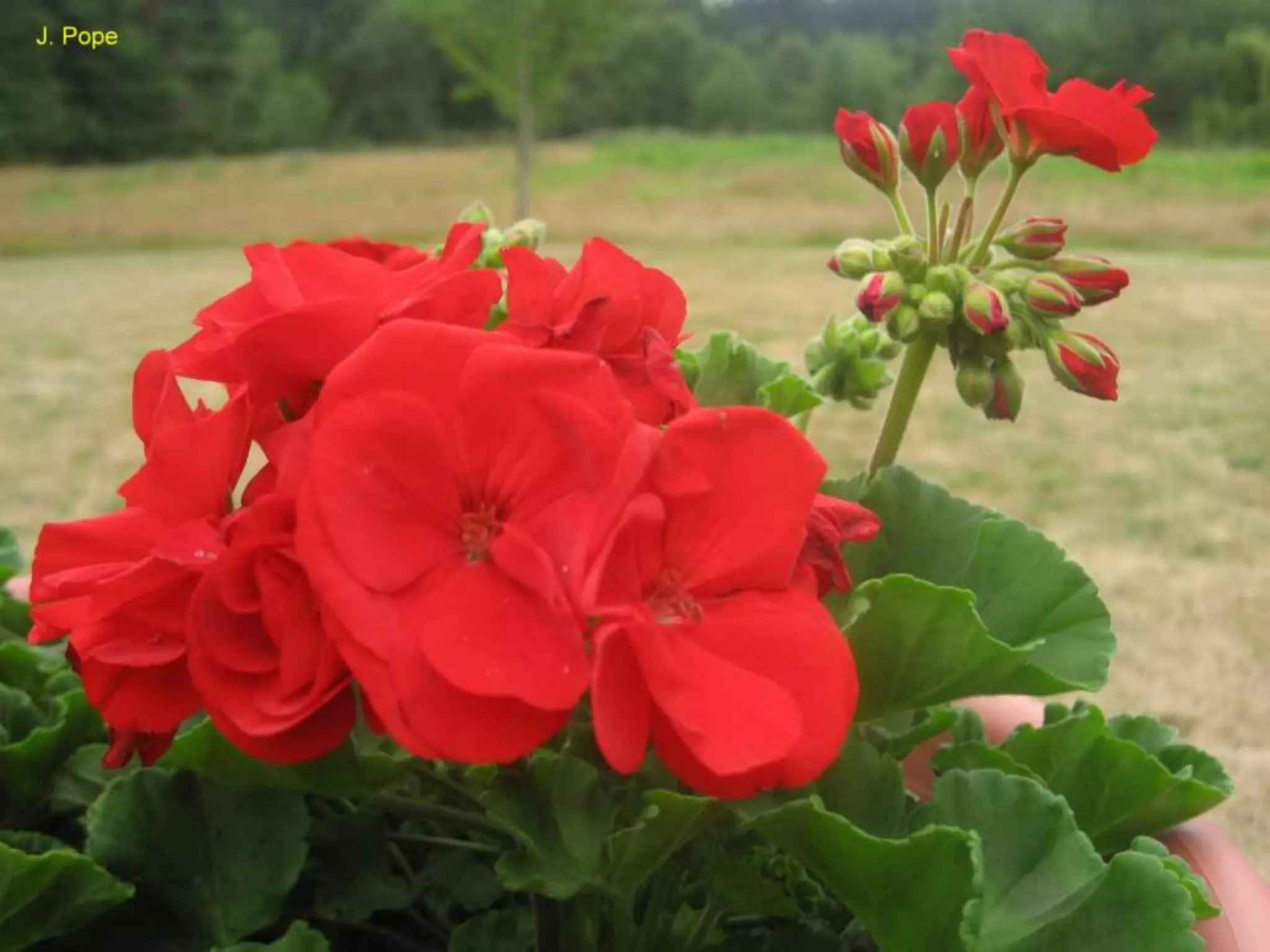
Pelargonium zonale
cv. 370
Explants: Young
leaf explants
from 30–40 days old
plantlets
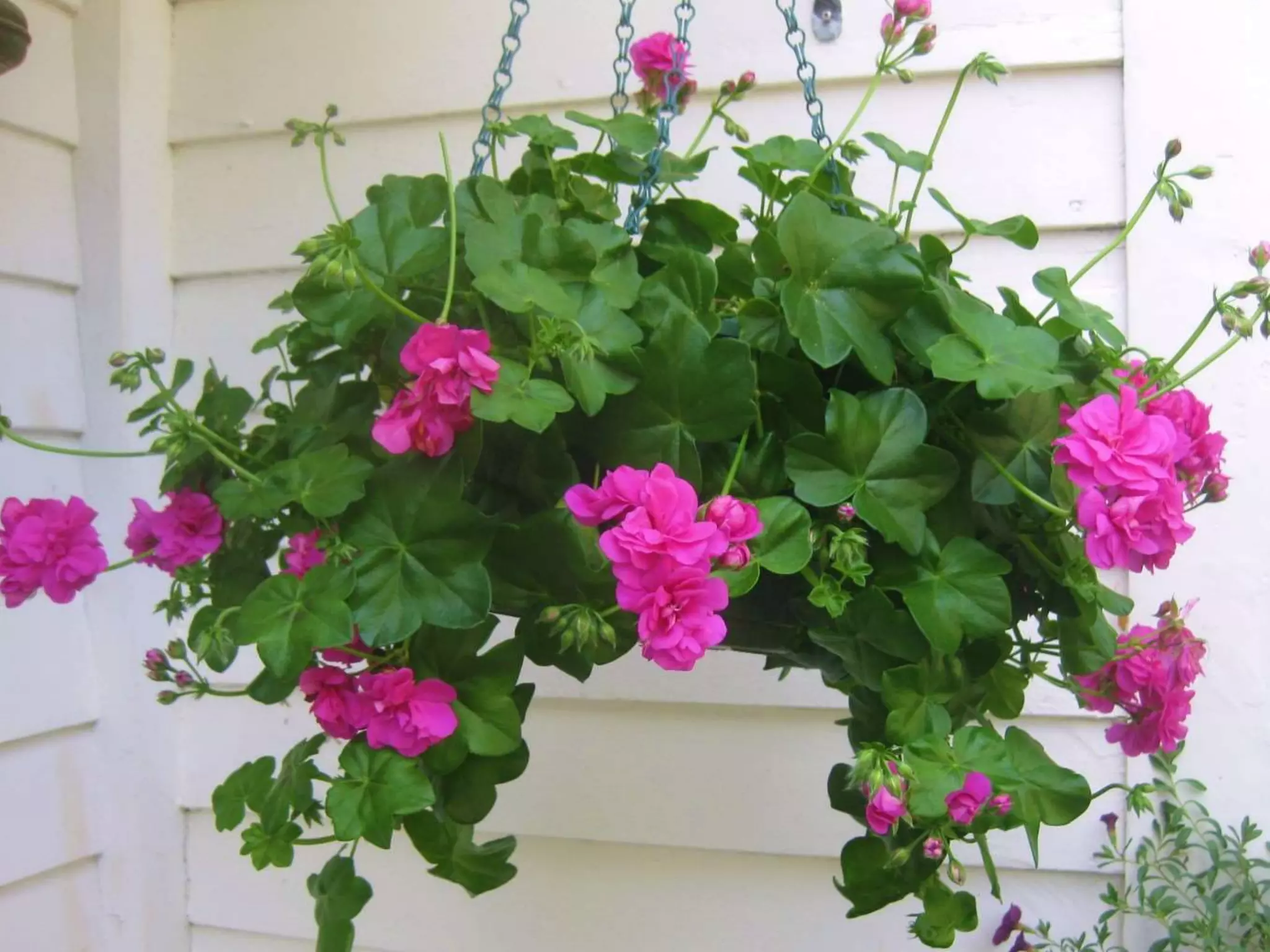
Pelargonium peltatum
cv. Aranjuez
Plant
material
Morphogen
esis
Induction
Medium
(MIM)
Elongation
Medium
Rooting
Acclimatization
Rinsed three
times with sterile
distilled water.
Iimmersion in a 2.5%
solution of sodium
hypochlorite for 20 min.
Surface
sterilization
Plant
material
Surface
sterilization
Calculate
activity cost
drivers’
rates
Rooting
Acclimatization
leaves was cut into 1
cm2 pieces and
cultured on MIM
MS basal medium
and Shahin [46]
vitamins
Morphogen
esis
Induction
Medium
(MIM)
supplemented with
50 mg l-1 kanamycin
Regeneration in
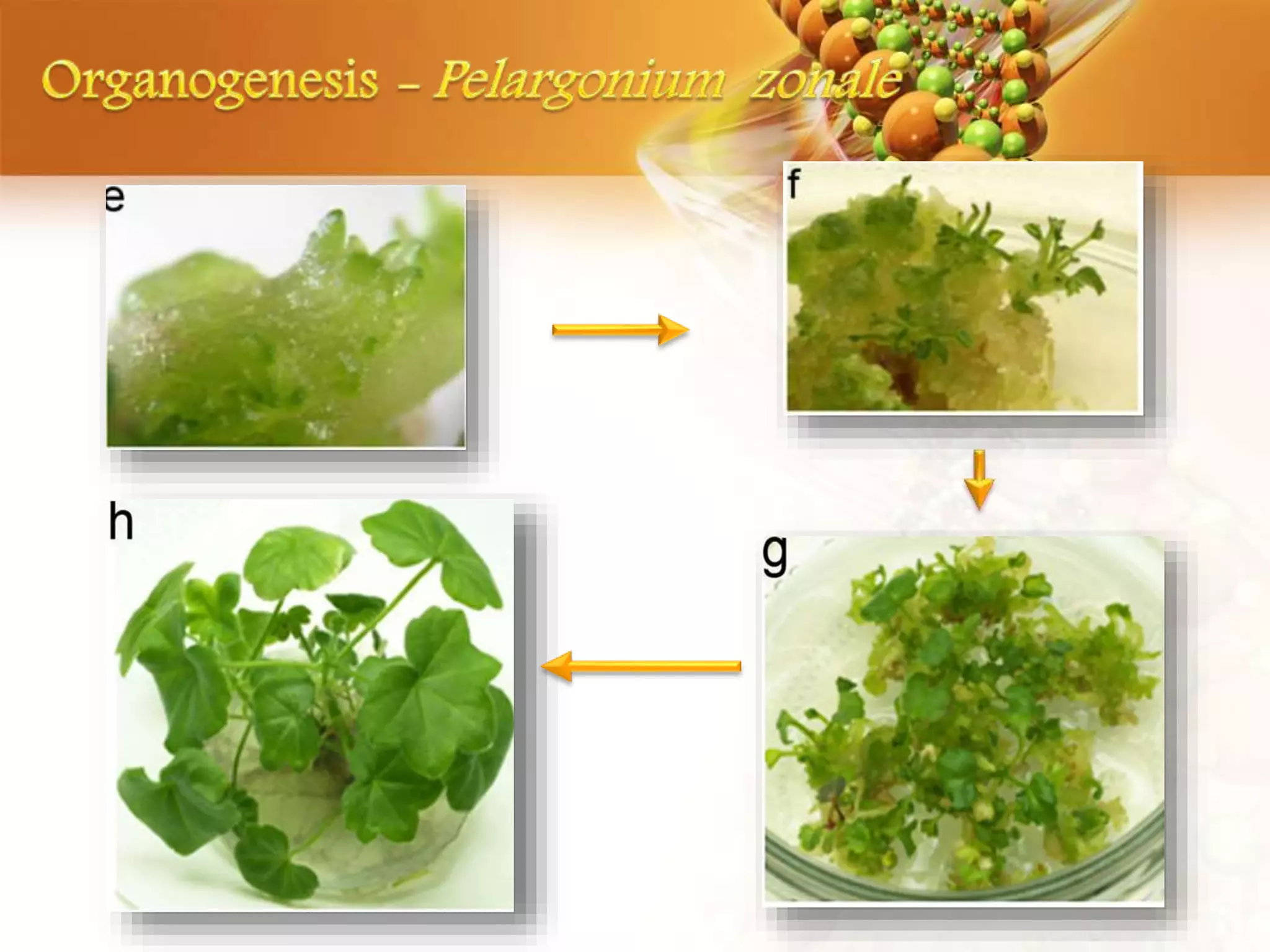
Pelargonium zonale was
carried out via direct
organogenesis and
in Pelargonium peltatum
via somatic
embryogenesis.
Plant
material
Surface
sterilization
Morphogen
esis
Induction
Medium
(MIM)
Rooting
Acclimatization
•After 2.5 - 3 months
in culture, calli
showing well
developed
morphogenetic
structures (shoots in
the case of P. zonale
and somatic embryos
in P. peltatum) were
transferred to a
selective Elongation
Medium .
• Elongation
Medium (EM: MS
basal medium and
Shahin vitamins,
supplemented with
50 mg l-1
kanamycin)
• All explants
were subculture
every 2 weeks
onto the same
fresh medium until
shoots were long
enough to be
separated ..
Elongation
Medium
Plant
material
Surface
sterilization
Assign
costs to
activity cost
pools
Elongation
Medium Acclimatization
• After 1 – 1.5 months
in EM, the shoots were
cut and cultivated in
Rooting Medium (RM).
Rooting
Plant
material
Surface
sterilization
Morphogen
esis
Induction
Medium
(MIM)
Elongation
Medium
Rooting
•and acclimatized
in growth
chambers under
(16-h light/8-h
dark photoperiod)
and then
transferred to a
greenhouse until
they flowered..
• Regenerated
plantlets with
welldeveloped
roots were
transferred to
plastic pots
containing peat
moss and perlite
(3:1).
Acclimatization
Transformation efficiency was
estimated
as the number of independent
transformation
events (one transgenic plant per
explant) in relation to the total
number of inoculated explants.
Cytokinins have been implicated in several aspects of
plant development, including plant senescence [15-20],
and are thought to be synthesized mainly in the roots
and transported to the shoots via the xylem.
Overexpression of the ipt gene in transgenic plants led to
elevated foliar cytokinin concentrations and delayed leaf
senescence, but high cytokinin levels have been reported
to be detrimental to growth and fertility [26 30].
To circumvent these effects :
Specificgene promoter (pSAG12 )
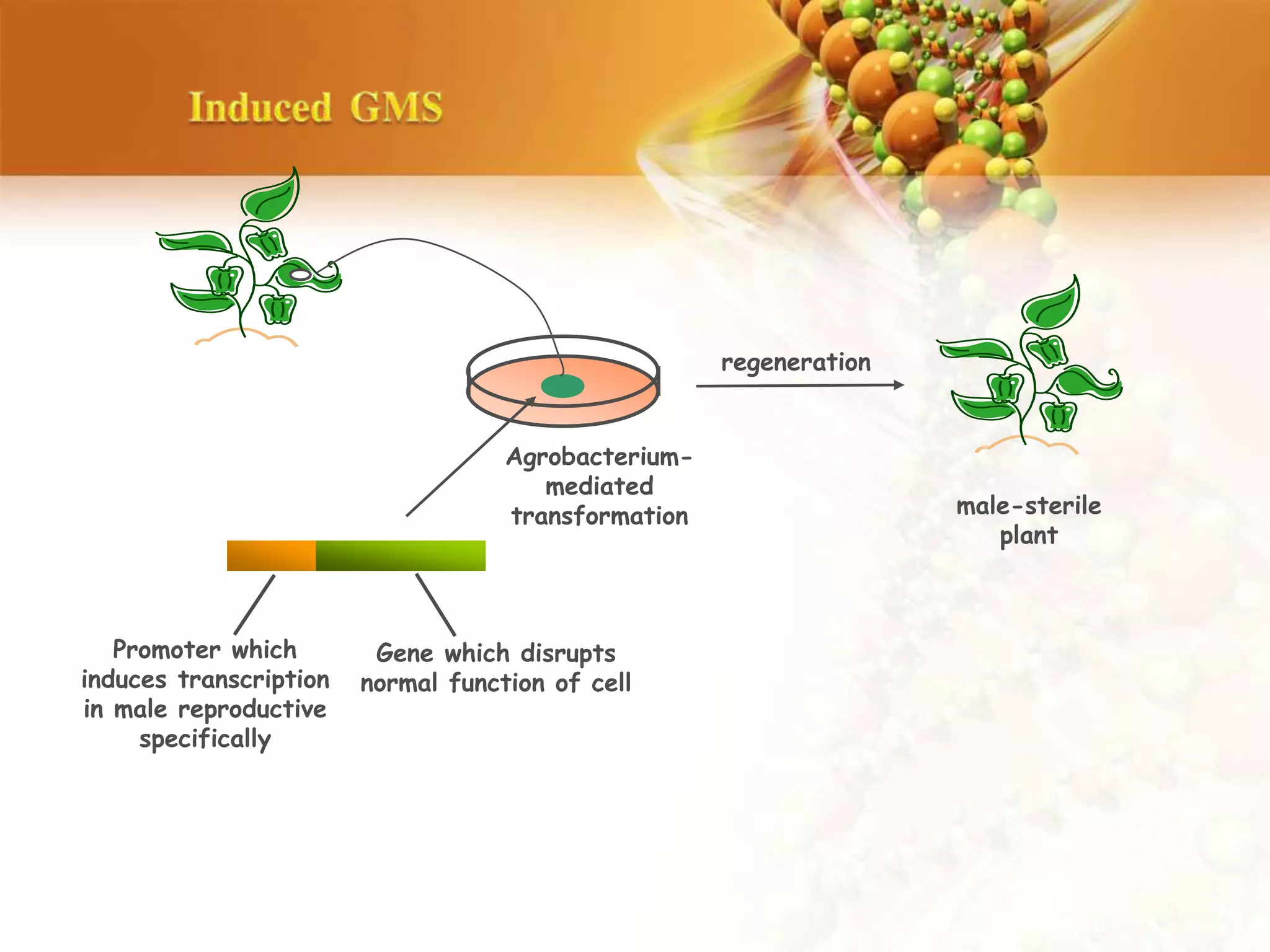
Promoter which
induces transcription
in male reproductive
specifically
Gene which disrupts
normal function of cell
Agrobacterium-
mediated
transformation
regeneration
male-sterile
plant
(A portmanteau of "BActerial" "RiboNucleASE")
is a bacterial protein that consists of 110 amino acids
and has ribonuclease activity.
It is synthesized and secreted by the bacterium
Bacillus amyloliquefaciens, but is lethal to the cell
when expressed without its inhibitor barstar .
The inhibitor binds to and occludes the ribonuclease
active site, preventing barnase from damaging the
cell's RNA
• LBA4404 cells were electroporated
to carry different plasmids a pBIN19 binary vector .
nptII nos
•GFP
•report
er
gene
CaMV
•Barnase
•barstar
TA29ipt pSAG
12GUS 35SCa
MV
•npt
•marker
gene
nos
T- DNA region
Bacterial DNA
Virulence region
Oregion of replication
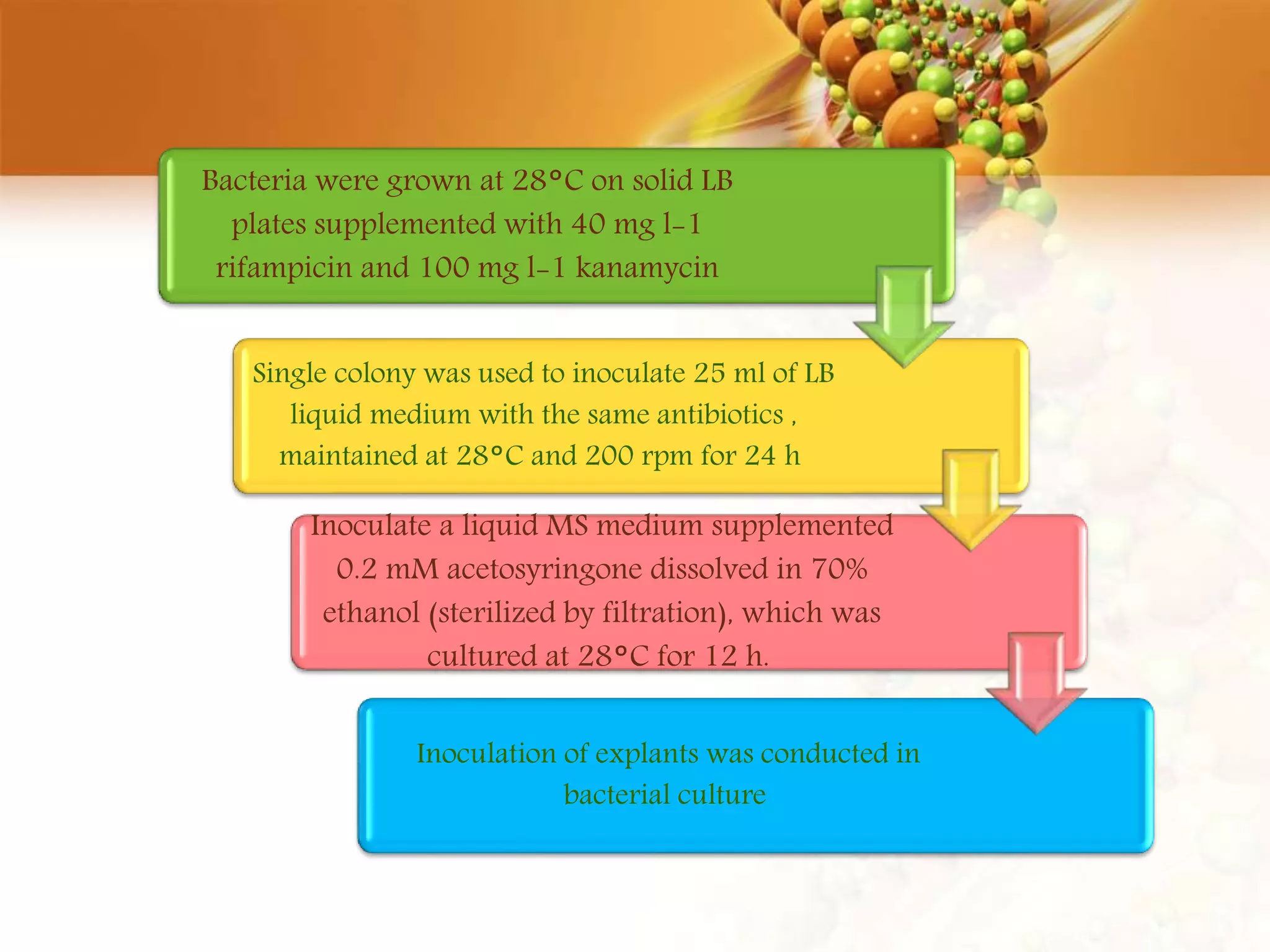
Bacteria were grown at 28°C on solid LB
plates supplemented with 40 mg l-1
rifampicin and 100 mg l-1 kanamycin
Single colony was used to inoculate 25 ml of LB
liquid medium with the same antibiotics ,
maintained at 28°C and 200 rpm for 24 h
Inoculate a liquid MS medium supplemented
0.2 mM acetosyringone dissolved in 70%
ethanol (sterilized by filtration), which was
cultured at 28°C for 12 h.
Inoculation of explants was conducted in
bacterial culture
Identification of the ipt transgene (460 bp fragment) by PCR in different P. zonale pSAG12::ipt
transgenic plants. C + (positive control: pVDH393-pSAG12::ipt) and TI (negative control).
Identification of the barnase-barstar transgene (544 bp fragment) by PCR in different P.zonale male
sterile plants. C + (positive control: pBI101-PsEND1::barnase-barstar) and TI (negative control).
(a), 6 (b), 8 (c), 17 (d), 22 (e), 24 (f), 27 (g) and 34 (h) days of incubation in darkness.
(i) Mean concentration (±SE) of chlorophyll a + b (mg/g fresh weight) from detached
leaves of control (WT) and pSAG12::ipt (TRG) plants at 0, 6 and 8 days of incubation
in darkness .
(j) Senescence delay of detached leaves from pSAG12::ipt plants. Fresh weight changes in detached
leaves of WT P. zonale and a transgenic line carrying the pSAG12::ipt chimaeric gene over the
time course analyzed. Data are the means of sixteen leaves ± SE. Bars: 1 cm.
50. Rogers SO, Bendich AJ: Extraction of total cellular DNA from plants, algae and fungi. Plant Mol Biol
Manual 1994, D1:1–8.
51. He J, Gray J, Leisner S: A Pelargonium ARGONAUTE4gene shows organspecific express
53. Lichtenthaler HK: Chlorophylls and carotenoids: Pigments of photosynthetic biomenbranes. Met Enzymol
54. Elliot AR, Campbell JA, Dugdale B, Brettell RIS, Grof CPL: Green fluorescent protein facilitates rapid in
vivo detection of genetically transformed plant cells. Plant Cell Rep 1999, 18:707–714.
55. Escobar MA, Park JI, Polito VS, Leslie CA, Uratsu SL, Mc Granahan GH, Dandekar AM: Using GFP as a
scorable marker in walnut somatic embryo transformation. Ann Bot 2000, 85(6):831–835.
56. Ghorbel R, Juárez J, Navarro L, Peña L: Green fluorescent protein as a screenable marker to increase the
efficiency of generating transgenic woody fruit plants. Theor Appl Genet 1999, 99:350–358.
57. Pérez-Clemente RM, Pérez A, García L, Beltrán JP, Cañas LA: Transformation and regeneration of peach
plants (Prunus persica L.) from embryo sections using the green fluorescent protein (GFP) as a vital marker. Mol
58. Rakosy-Tican E, Aurori CM, Dijkstra C, Thieme R, Aurori A, Davey MR: The usefulness of the gfp reporter
gene for monitoring Agrobacteriummediated transformation of potato dihaploid and tetraploid genotypes.
59. Yancheva SD, Shlizerman LA, Golubowicz S, Yabloviz Z, Perl A, Hanania U, Flaishman MA: The use of
green fluorescent protein (GFP) improves Agrobacterium-mediated transformation of ‘Spadona’ pear (Pyrus
60. Baranski B, Klocke E, Schumann G: Green fluorescent protein as an efficient selection marker for
Agrobacterium rhizogenes mediated carrot transformation. Plant Cell Rep 2006, 25:190
تطبيقات التقنية الحيوية في انتاج نباتات الزينة

تطبيقات التقنية الحيوية في انتاج نباتات الزينة

  • 4.
    Ornamental floriculture isbecoming an important industry . Ornamentals include a large variety of crop plants Cut flowers, Bulbs and corms, Foliage and Flowering pot plants. All the present day ornamental varieties and novelties are as a result of extensive hybridization, induced mutation and selection .
  • 6.
    Genetic engineering: Thetechnology of preparing recombinant DNA in vitro by cutting up DNA molecules and splicing together fragments from more than one organism. Genetic engineering is a laboratory technique for gene manipulation. Genetic engineering brings about novel combination of genes by using recombinent DNA technology which is not
  • 7.
    Genetic engineering ofplants is much easier than animals. there is natural transformation system for plants(Agrobacterium). plant tissue can redifferentiate. plant transformation and regeneration are relatively easy for a variety of plants. Agrobacterium tumefaciens can infect wounded plant tissue, transferring a large plasmid, the Ti plasmid, to the plant cell.
  • 8.
    Important methods in recombinantDNA technology are Isolation of desired gene Insertion of isolated gene into a suitable vector Introduction of recombinant vector in to host Selection of transformed host cells (A.C.Dutta 2005)
  • 9.
    Digestion of thecell wall by enzymatic action, dissolution of the biological membranes by detergent losses, centrifugation to isolate pure DNA. DNA cut into no. of fragments by restriction endonulcleases “molecular scissors” with sticky ends.
  • 10.
    Isolating Genomic DNA Fragmenti ng DNA Screening DNA fragments Insertion of DNAin vector Introducin g DNA in host Culturing the cells Transformatio n of host cell
  • 11.
     Most widelyused  More economical  More efficient Agrobacterium mediated gene transfer  Particle bombardment or micro projectile .  Direct DNA delivery by PEG . Electroporation .  Microinjection . Chandler and Brugliera, 2011
  • 13.
    1-2 µm oftungsten or gold particles (microprojectiles)coated with DNA to be used for transformation are accelerated to velocities using pressurized Helium gas
  • 14.
    DNA solution isinjected directly inside the cell using capillary glass micropipetts .
  • 15.
    2 3 1T - DNA Ti- Plasmid
  • 16.
    2 The same restriction enzymescut the same base sequences in plasmid DNA. 5 Recombinant DNA inserted into host cells is copied each time the host cells divide. 1 Restriction enzymes cut specific base sequences. 4 The result is recombinant DNA molecules with both Target and plasmid DNA. 3 The plasmid DNA and the target DNA fragments are mixed in a solution with enzymes that link them together.
  • 17.
    First discovered inplants (R. Jorgensen, 1990) •When Jorgensen introduced a re- engineered gene into petunia that had a lot of homology with an endogenous petunia gene, both genes became suppressed! First discovered in plants (R. Jorgensen, 1990)
  • 18.
    Wild-type petunia producing purple anthocyanin pigments Chalconesynthase (CHS) is the enzyme at the start of the biosynthetic pathway for anthocyanins Photo credit Richard Jorgensen; Aksamit-Stachurska et al. (2008) BMC Biotechnology 8: 25. Anthocyanins Chalcone synthase (CHS)
  • 19.
    Attempted to overexpresschalone synthase (anthrocyanin pigment gene) in petunia. (trying to darken flower color) Caused the loss of pigment.
  • 20.
    Small RNAs area pool of 21 to 24 nt RNAs that generally function in gene silencing . Small RNAs contribute to post-transcriptional gene silencing by affecting mRNA stability or translation AAAAA RNA Pol Histone modification, DNA methylation
  • 21.
    Sense RNA Antisense RNA Sense construct: PROCHS Endogenous gene mRNA Transgene PRO CHS mRNA Protein translated mRNA mRNA Extra protein translated Antisense construct: PRO CHS Transgene Sense-antisense duplex forms and prohibits translation
  • 22.
    Surprisingly, both antisenseand sense gene constructs can inhibit pigment production Photo credit Richard Jorgensen Plants carrying CHS transgene CaMV 35S pro : CHS CaMV 35S pro : CHS Sense Antisense OR
  • 23.
    No blue rose- naturally – incapable of synthesizing delphinidin • Molecular geneticists with Florigene and Suntory achieved by combining something old, something new, Something borrowed, and something blue.
  • 24.
    'something blue' the delphinidin gene clonedfrom a pansy. 'something borrowed an iris gene for an enzyme, DFR, required to complete the delphinidin- synthesis reaction 'something new' man-made gene designed by geneticists exploited a powerful new developed technology - to switch off a rose gene . 'something old ' Roses are very old garden subjects
  • 25.
    Use of RNAitechnology to switch off DFR gene in a red rose to block cyanidin pathway, and then install the delphinidin gene – plus a new DFR gene to complete delphinidin synthesis
  • 26.
    The three-gene package(pansy delphinidin, iris DFR, anti - rose DFR )package worked: Suntory's transgenic rose produced very high levels of delphinidin in its petals, and a small residue of cyanidin. The new rose is an attractive shade of mauve - lilac roses like 'Blue Moon' and 'Vol de Nuit'.
  • 28.
    Mercuri et. al(2001)  GFP detection in Eustoma (Lisianthus) flower petals. (A)  GFP detection in Osteospermum ligules flower petals. (A) GFP = Green Fluorescent Protein
  • 29.
    García-Sogo et al.BMC Plant Biology 2012, 12:156 http://www.biomedcentral.c om/1471-2229/12/156
  • 30.
    Kingdom: Plantae Subkingdom: Tracheobionta Superdivision:Spermatophyta Division: Magnoliophyta Class: Magnoliopsida Subclass: Rosids Order: Geraniales Family: Geraniaceae Genus: Pelargonium
  • 34.
  • 35.
  • 36.
    Plant material Morphogen esis Induction Medium (MIM) Elongation Medium Rooting Acclimatization Rinsed three times withsterile distilled water. Iimmersion in a 2.5% solution of sodium hypochlorite for 20 min. Surface sterilization
  • 37.
    Plant material Surface sterilization Calculate activity cost drivers’ rates Rooting Acclimatization leaves wascut into 1 cm2 pieces and cultured on MIM MS basal medium and Shahin [46] vitamins Morphogen esis Induction Medium (MIM) supplemented with 50 mg l-1 kanamycin Regeneration in Pelargonium zonale was carried out via direct organogenesis and in Pelargonium peltatum via somatic embryogenesis.
  • 38.
    Plant material Surface sterilization Morphogen esis Induction Medium (MIM) Rooting Acclimatization •After 2.5 -3 months in culture, calli showing well developed morphogenetic structures (shoots in the case of P. zonale and somatic embryos in P. peltatum) were transferred to a selective Elongation Medium . • Elongation Medium (EM: MS basal medium and Shahin vitamins, supplemented with 50 mg l-1 kanamycin) • All explants were subculture every 2 weeks onto the same fresh medium until shoots were long enough to be separated .. Elongation Medium
  • 39.
    Plant material Surface sterilization Assign costs to activity cost pools Elongation MediumAcclimatization • After 1 – 1.5 months in EM, the shoots were cut and cultivated in Rooting Medium (RM). Rooting
  • 40.
    Plant material Surface sterilization Morphogen esis Induction Medium (MIM) Elongation Medium Rooting •and acclimatized in growth chambersunder (16-h light/8-h dark photoperiod) and then transferred to a greenhouse until they flowered.. • Regenerated plantlets with welldeveloped roots were transferred to plastic pots containing peat moss and perlite (3:1). Acclimatization Transformation efficiency was estimated as the number of independent transformation events (one transgenic plant per explant) in relation to the total number of inoculated explants.
  • 41.
    Cytokinins have beenimplicated in several aspects of plant development, including plant senescence [15-20], and are thought to be synthesized mainly in the roots and transported to the shoots via the xylem. Overexpression of the ipt gene in transgenic plants led to elevated foliar cytokinin concentrations and delayed leaf senescence, but high cytokinin levels have been reported to be detrimental to growth and fertility [26 30]. To circumvent these effects : Specificgene promoter (pSAG12 )
  • 42.
    Promoter which induces transcription inmale reproductive specifically Gene which disrupts normal function of cell Agrobacterium- mediated transformation regeneration male-sterile plant
  • 43.
    (A portmanteau of"BActerial" "RiboNucleASE") is a bacterial protein that consists of 110 amino acids and has ribonuclease activity. It is synthesized and secreted by the bacterium Bacillus amyloliquefaciens, but is lethal to the cell when expressed without its inhibitor barstar . The inhibitor binds to and occludes the ribonuclease active site, preventing barnase from damaging the cell's RNA
  • 45.
    • LBA4404 cellswere electroporated to carry different plasmids a pBIN19 binary vector .
  • 46.
    nptII nos •GFP •report er gene CaMV •Barnase •barstar TA29ipt pSAG 12GUS35SCa MV •npt •marker gene nos T- DNA region Bacterial DNA Virulence region Oregion of replication
  • 47.
    Bacteria were grownat 28°C on solid LB plates supplemented with 40 mg l-1 rifampicin and 100 mg l-1 kanamycin Single colony was used to inoculate 25 ml of LB liquid medium with the same antibiotics , maintained at 28°C and 200 rpm for 24 h Inoculate a liquid MS medium supplemented 0.2 mM acetosyringone dissolved in 70% ethanol (sterilized by filtration), which was cultured at 28°C for 12 h. Inoculation of explants was conducted in bacterial culture
  • 54.
    Identification of theipt transgene (460 bp fragment) by PCR in different P. zonale pSAG12::ipt transgenic plants. C + (positive control: pVDH393-pSAG12::ipt) and TI (negative control).
  • 55.
    Identification of thebarnase-barstar transgene (544 bp fragment) by PCR in different P.zonale male sterile plants. C + (positive control: pBI101-PsEND1::barnase-barstar) and TI (negative control).
  • 60.
    (a), 6 (b),8 (c), 17 (d), 22 (e), 24 (f), 27 (g) and 34 (h) days of incubation in darkness.
  • 61.
    (i) Mean concentration(±SE) of chlorophyll a + b (mg/g fresh weight) from detached leaves of control (WT) and pSAG12::ipt (TRG) plants at 0, 6 and 8 days of incubation in darkness .
  • 62.
    (j) Senescence delayof detached leaves from pSAG12::ipt plants. Fresh weight changes in detached leaves of WT P. zonale and a transgenic line carrying the pSAG12::ipt chimaeric gene over the time course analyzed. Data are the means of sixteen leaves ± SE. Bars: 1 cm.
  • 64.
    50. Rogers SO,Bendich AJ: Extraction of total cellular DNA from plants, algae and fungi. Plant Mol Biol Manual 1994, D1:1–8. 51. He J, Gray J, Leisner S: A Pelargonium ARGONAUTE4gene shows organspecific express 53. Lichtenthaler HK: Chlorophylls and carotenoids: Pigments of photosynthetic biomenbranes. Met Enzymol 54. Elliot AR, Campbell JA, Dugdale B, Brettell RIS, Grof CPL: Green fluorescent protein facilitates rapid in vivo detection of genetically transformed plant cells. Plant Cell Rep 1999, 18:707–714. 55. Escobar MA, Park JI, Polito VS, Leslie CA, Uratsu SL, Mc Granahan GH, Dandekar AM: Using GFP as a scorable marker in walnut somatic embryo transformation. Ann Bot 2000, 85(6):831–835. 56. Ghorbel R, Juárez J, Navarro L, Peña L: Green fluorescent protein as a screenable marker to increase the efficiency of generating transgenic woody fruit plants. Theor Appl Genet 1999, 99:350–358. 57. Pérez-Clemente RM, Pérez A, García L, Beltrán JP, Cañas LA: Transformation and regeneration of peach plants (Prunus persica L.) from embryo sections using the green fluorescent protein (GFP) as a vital marker. Mol 58. Rakosy-Tican E, Aurori CM, Dijkstra C, Thieme R, Aurori A, Davey MR: The usefulness of the gfp reporter gene for monitoring Agrobacteriummediated transformation of potato dihaploid and tetraploid genotypes. 59. Yancheva SD, Shlizerman LA, Golubowicz S, Yabloviz Z, Perl A, Hanania U, Flaishman MA: The use of green fluorescent protein (GFP) improves Agrobacterium-mediated transformation of ‘Spadona’ pear (Pyrus 60. Baranski B, Klocke E, Schumann G: Green fluorescent protein as an efficient selection marker for Agrobacterium rhizogenes mediated carrot transformation. Plant Cell Rep 2006, 25:190