SOLAR FEASIBILITY STUDY
BY
PREMKUMAR.E
FOR ROOFTOP AND GROUND MOUNTED PROJECTS
Solar Feasibility Study
■ The first step in obtaining solar energy is having a solar feasibility study done.
■ It plays very important role while designing Solar PV System.
■ With the solar feasibility in hand, it is easier to prepare accurate Bill Of Material (BOM).
■ It is used to find out any problems associated with the project (and how to solve them).
Information to be collected during Site Survey
■ Site Physical Details
– Reserved Roof space for Mounting Solar PV panels.
– Type of Mounting System required
■ RCC Roof (Normal)
■ RCC Roof (Elevated)
■ Galvalume Sheet Mounted
– Orientation of the Building (True South or With some Azimuth angle).
– Tree shading and any other factors that will affect system production.
– Height of the Building.
– Exact Latitude & Longitude details.
RCC Roof Mounted (Normal) RCC Roof Mounted (Elevated)
Galvalume Sheet Roof Mounted
True South Orientation With Azimuth Angle
Structure Details
■ RCC Roof
– Existing Pillar/Column Position.
– Slab Thickness and Height of parapet wall
■ Galvalume Shed
– Sheet Profile.
– Existing Truss and Purlin details.
– Turbo vents and Skylight Position.
Component Placement Details
■ Confirm Inverter Placement details with Client – It reflects in DC cable Loss & Cost.
■ Lightning Arrestor Placements
■ Earth pit Location – This Should be confirmed & Approved by Client.
Measure the Cable Distance
■ Get the Exact Distance between Module Array & Inverter.
■ Cable Routing Confirmed by Client (From ACDB to Existing LT panel)
■ LA Down conductor length.
■ Earthing Cable Length from PV Array, Inverter to Earth pit
Electrical Details of the site
■ Interfacing Voltage Range
– For Residential Purpose (1 Phase/3 phase)
– For Commercial purpose (LT Voltage/HT Voltage) with Voltage Range.
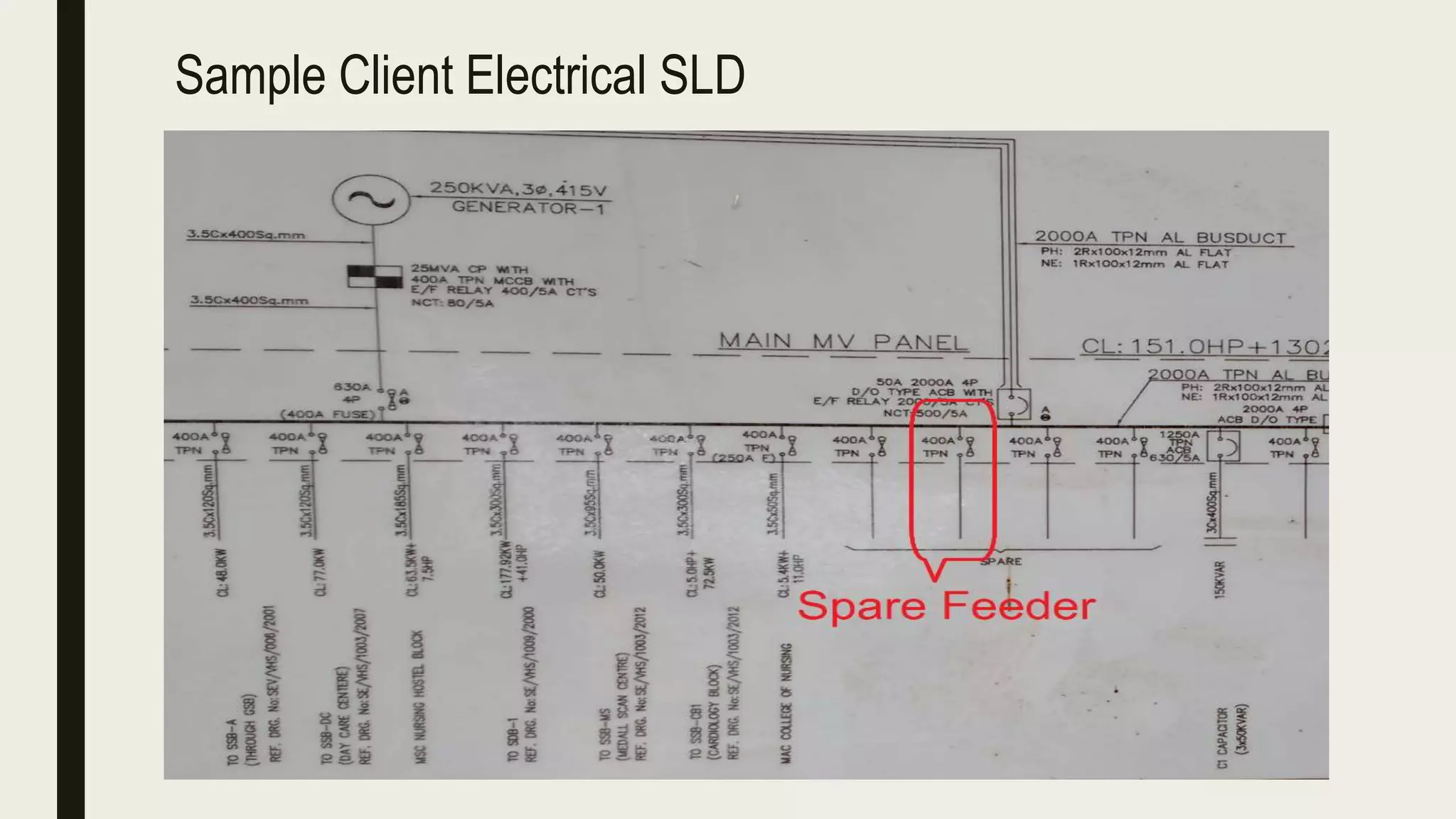
■ Get Client Electrical SLD ( where we need interface)
■ Availability of Spare Feeder (to feed our generated solar energy)
- If Not, Check Provision (Space) to place new spare feeder
- Get the details about Spare feeder (Client Scope or Swelect Scope)
■ Existing DG Details (Make,Capacity, RPF Relay Availability)
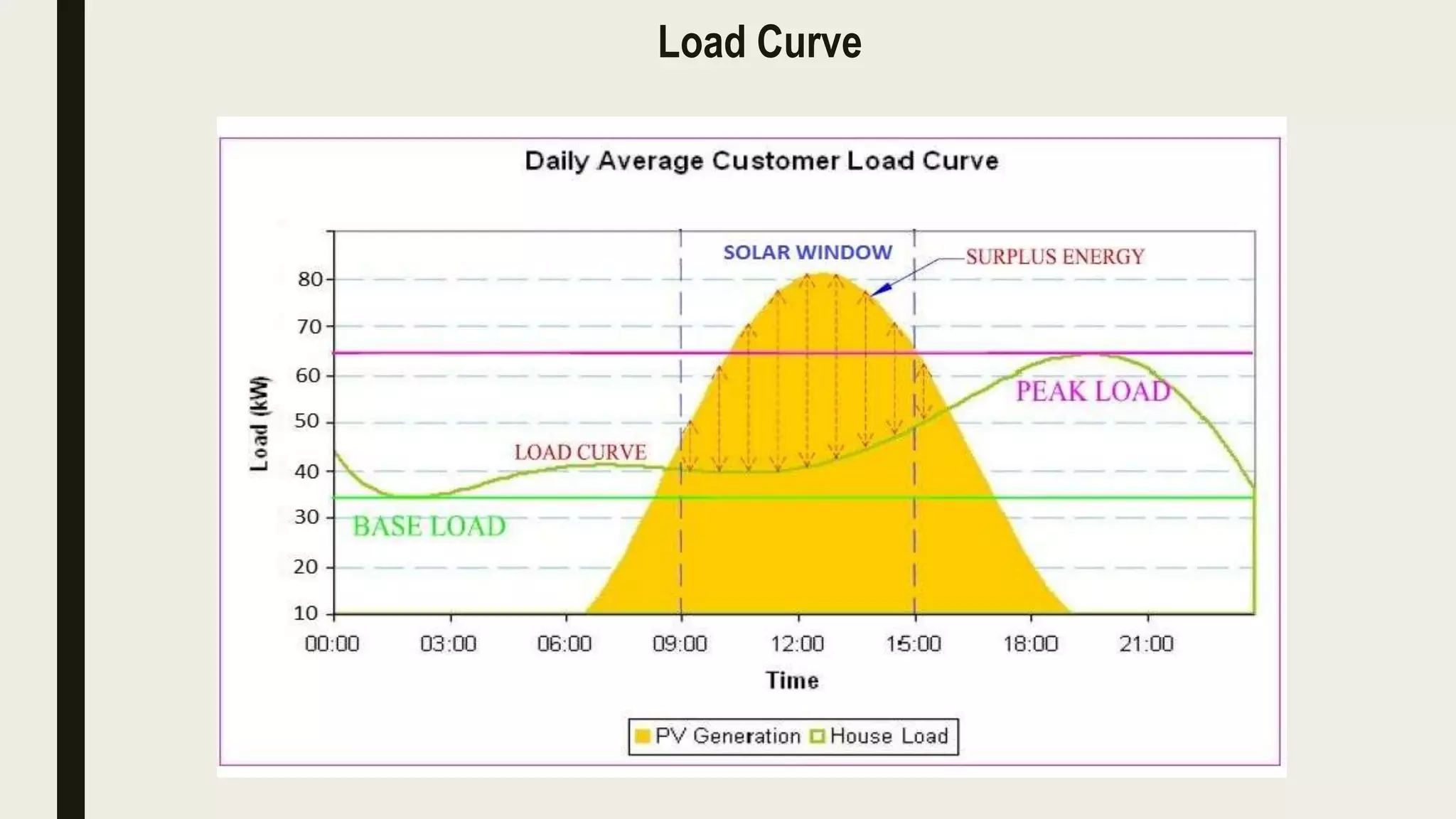
■ Load Details
– Base Load
– Peak Load
■ Power Shedding Time (if any)
Sample Client Electrical SLD
LT Panel With Spare Feeder Provision for Spare
Load Curve
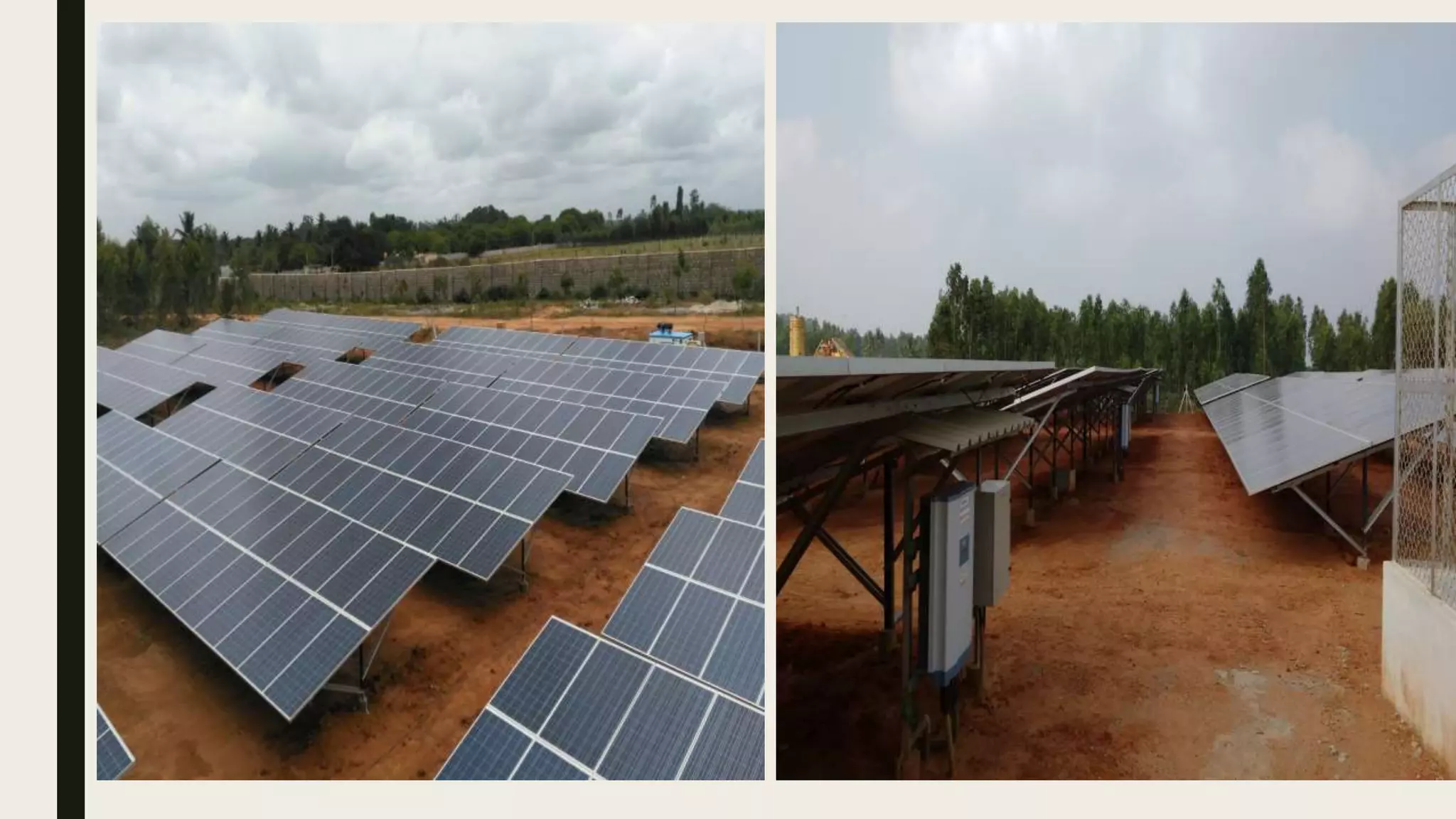
Ground Mount System
■ Site Geographical Coordinate (Latitude & Longitude)
■ Topographic Map/ Land Survey Details
■ Tree or any other Shadow Objects (Transmission tower)
■ Site Condition
– Any rocks available ( Which makes MMS Foundation work complicated)
– Land Levelling required or Not ? ( Scope of Land Levelling)
■ Soil Test Report
■ Interfacing Voltage Range (11KV/22KV/33KV)
■ Distance between nearby substation and Plant
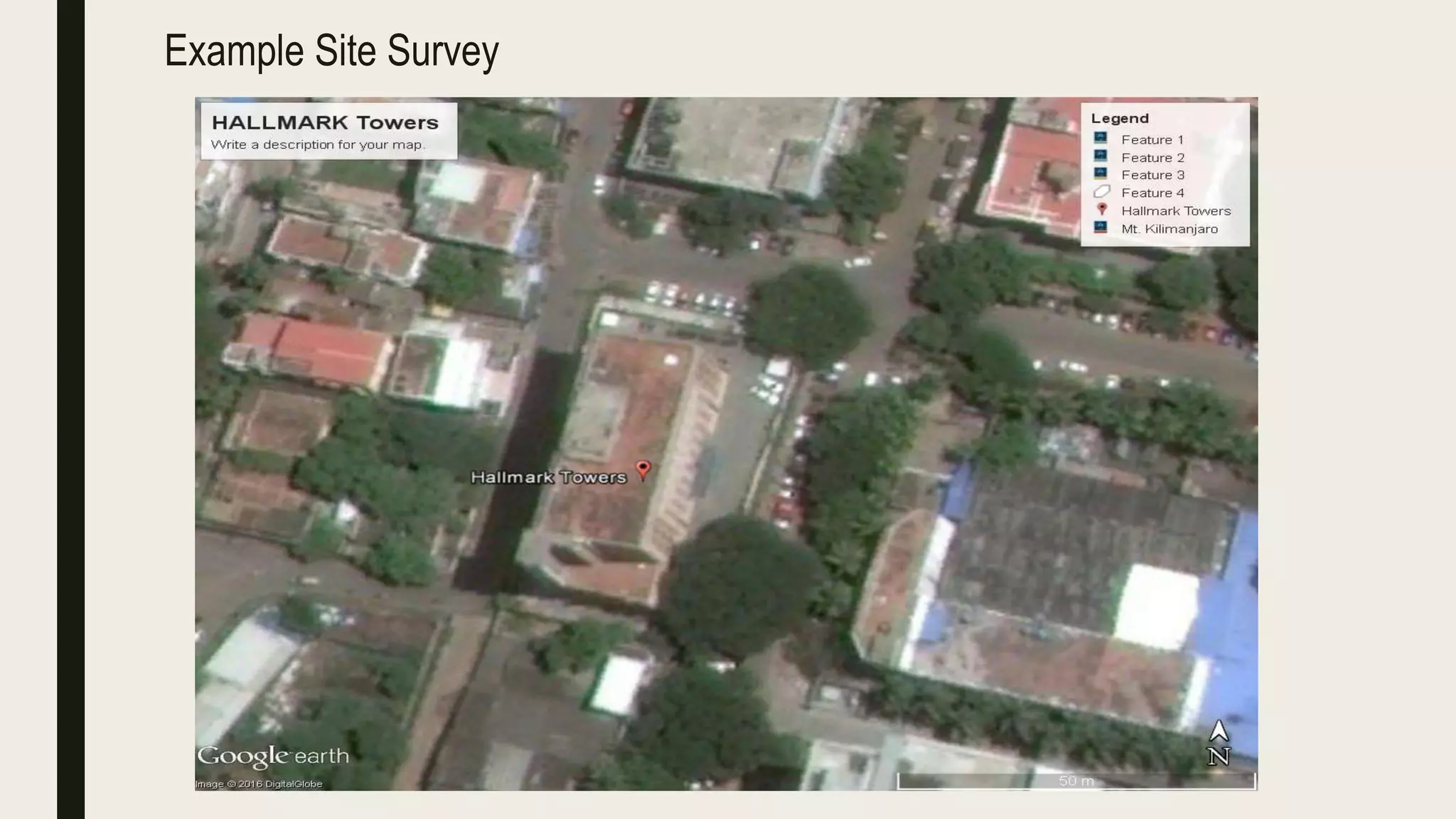
Example Site Survey
Example Site Survey
SOLAR SITE SURVEY ROOFTOP

SOLAR SITE SURVEY ROOFTOP

  • 1.
    SOLAR FEASIBILITY STUDY BY PREMKUMAR.E FORROOFTOP AND GROUND MOUNTED PROJECTS
  • 2.
    Solar Feasibility Study ■The first step in obtaining solar energy is having a solar feasibility study done. ■ It plays very important role while designing Solar PV System. ■ With the solar feasibility in hand, it is easier to prepare accurate Bill Of Material (BOM). ■ It is used to find out any problems associated with the project (and how to solve them).
  • 3.
    Information to becollected during Site Survey ■ Site Physical Details – Reserved Roof space for Mounting Solar PV panels. – Type of Mounting System required ■ RCC Roof (Normal) ■ RCC Roof (Elevated) ■ Galvalume Sheet Mounted – Orientation of the Building (True South or With some Azimuth angle). – Tree shading and any other factors that will affect system production. – Height of the Building. – Exact Latitude & Longitude details.
  • 4.
    RCC Roof Mounted(Normal) RCC Roof Mounted (Elevated)
  • 5.
  • 6.
    True South OrientationWith Azimuth Angle
  • 7.
    Structure Details ■ RCCRoof – Existing Pillar/Column Position. – Slab Thickness and Height of parapet wall ■ Galvalume Shed – Sheet Profile. – Existing Truss and Purlin details. – Turbo vents and Skylight Position.
  • 8.
    Component Placement Details ■Confirm Inverter Placement details with Client – It reflects in DC cable Loss & Cost. ■ Lightning Arrestor Placements ■ Earth pit Location – This Should be confirmed & Approved by Client. Measure the Cable Distance ■ Get the Exact Distance between Module Array & Inverter. ■ Cable Routing Confirmed by Client (From ACDB to Existing LT panel) ■ LA Down conductor length. ■ Earthing Cable Length from PV Array, Inverter to Earth pit
  • 9.
    Electrical Details ofthe site ■ Interfacing Voltage Range – For Residential Purpose (1 Phase/3 phase) – For Commercial purpose (LT Voltage/HT Voltage) with Voltage Range. ■ Get Client Electrical SLD ( where we need interface) ■ Availability of Spare Feeder (to feed our generated solar energy) - If Not, Check Provision (Space) to place new spare feeder - Get the details about Spare feeder (Client Scope or Swelect Scope) ■ Existing DG Details (Make,Capacity, RPF Relay Availability) ■ Load Details – Base Load – Peak Load ■ Power Shedding Time (if any)
  • 10.
  • 11.
    LT Panel WithSpare Feeder Provision for Spare
  • 12.
  • 13.
    Ground Mount System ■Site Geographical Coordinate (Latitude & Longitude) ■ Topographic Map/ Land Survey Details ■ Tree or any other Shadow Objects (Transmission tower) ■ Site Condition – Any rocks available ( Which makes MMS Foundation work complicated) – Land Levelling required or Not ? ( Scope of Land Levelling) ■ Soil Test Report ■ Interfacing Voltage Range (11KV/22KV/33KV) ■ Distance between nearby substation and Plant
  • 15.
  • 16.