Presented by,
S.Gobiga rani,
G.Akshaya,
Sbm college of engineering and
technology
SMART DUST
 Introduction
 Basic concept behind the smart dust
 Major components
 How is it working ?
 Technology used
 Applications
 Advantages & Disadvantages
 Conclusion
 Smart Dust is a self-contained network of tiny motes each
having the capability of sensing and monitoring the
environment conditions.
 Smart Dust concept has been credited by researchers at the
University of California, Bekerley in 1997 by Prof. Kris Pister.
 They contain sensors which have the computational capability
 They can communicate with a base station or with other motes
depending on the application.
 The transmission is carried out by microscopic devices known
as micro electromechanical system (MEMS)
Basic concept behind smart
dust?
 Its not a small grains of sand, soot or dirt but similarly sized
particles that have a brain.
 Transmits information like temperature, humidity, light
,vibrations, surface pressures, etc.
 Smart sensors relay signals back to a command computer.
 The motes' hardware platform uses Processor(MPR). These
are battery-powered devices where MTS (sensors) and MDA
(data card sensors) work directly with the Mote Processor.
Smart Dust is a network of ‘motes’,
identical or similar tiny computers
consisting of four miniaturized
components:
 Ambient sensor
 Wireless Transmitter
 CPU
 Power Source
N
S
EW
2 Axis Magnetic
Sensor
2 Axis
Accelerome
ter
Light Intensity
Sensor
Humidity Sensor
Pressure Sensor
Temperature
Sensor
 Smart dust motes run by a
microcontroller.
 Microcontrollers consist of tiny
sensors for recording various types of
data.
 Sensors run by timers.
 Data is sent to the base controlling
station
 Corner Cube Retro-Reflectors (CCR)
built using MEMS technique
Technology Used
 Digital circuitry
 MEMS technology
 RF-Wireless Communication
Smart Dust in Real World




IT sector
 Accelerometer containing
Smart Dust
 MEMS microphones in
portable devices
 Monitor speed and
Volume of traffic to avoid
recurring traffic jams.
 Also used in modern cars
for a large number of
purposes including airbag
deployment in collisions.
SMART DUST
Virtual Keyboard
Defense Application
 The motes used for
defense purpose of
consists of
magnetometer, a
vibration sensor and a
GPS receiver.
 Spread on the
battlefield by moving
vehicles or soldiers with
modified binoculars.
 Also used to monitor
critical parts of aircrafts
and other war vehicles
Medical applications :
 Enter human bodies and check
for physiological problems.
 Relay information about
cancerous cells.
 Doctors will be able to monitor
health status and curing
situations of patients through
smart dust.
 Surgery will be more and more
efficient and reliable as it will
provide an extra arm for
surgeons in their daily duties.
 Biomedical application –
Artificial Retina
Circulatory Net
Environmental Monitoring
 In Environment
Conservation.
 Detect hazardous
chemical and biological
agents.
 Monitoring nature of
animals, high dense
forest areas, building
monitoring
 Measuring Temperature
, humidity, etc.
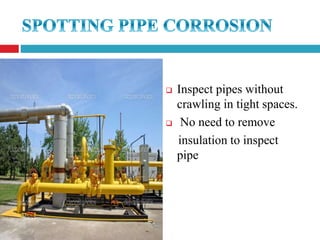
 Inspect pipes without
crawling in tight spaces.
 No need to remove
insulation to inspect
pipe
 Small Size
 Better Connectivity
 Low Cost
 The main concern is privacy. Because it is so tiny, this
device can be used to spy on people without their
approval.
 Another concern is the security of the information
transmitted through this sensors. Like in any other
computer, hackers can brake into the system and steal
or modify important data.
Tidal waves of
changes in future
 Large Scale Processing &
Distribution.
 To bring multi-hop network
topology.
 Data Fusion.
 Autonomous Network
Configuration.
 Researches on reducing
the size and weight of the
latest generation motes.
 Trying to make it so light
that it flows on with the
direction of air.
There are many ongoing researches on Smart Dust,
the main purpose of these researches is to make
Smart Dust mote as small as possible and to make
it available at as low price as possible.
And then soon we will see Smart Dust being
used in various application of life
Leading the present world to a
Smarter World.
smartdust

smartdust

  • 1.
    Presented by, S.Gobiga rani, G.Akshaya, Sbmcollege of engineering and technology SMART DUST
  • 2.
     Introduction  Basicconcept behind the smart dust  Major components  How is it working ?  Technology used  Applications  Advantages & Disadvantages  Conclusion
  • 3.
     Smart Dustis a self-contained network of tiny motes each having the capability of sensing and monitoring the environment conditions.  Smart Dust concept has been credited by researchers at the University of California, Bekerley in 1997 by Prof. Kris Pister.  They contain sensors which have the computational capability  They can communicate with a base station or with other motes depending on the application.  The transmission is carried out by microscopic devices known as micro electromechanical system (MEMS)
  • 4.
    Basic concept behindsmart dust?  Its not a small grains of sand, soot or dirt but similarly sized particles that have a brain.  Transmits information like temperature, humidity, light ,vibrations, surface pressures, etc.  Smart sensors relay signals back to a command computer.  The motes' hardware platform uses Processor(MPR). These are battery-powered devices where MTS (sensors) and MDA (data card sensors) work directly with the Mote Processor.
  • 5.
    Smart Dust isa network of ‘motes’, identical or similar tiny computers consisting of four miniaturized components:  Ambient sensor  Wireless Transmitter  CPU  Power Source N S EW 2 Axis Magnetic Sensor 2 Axis Accelerome ter Light Intensity Sensor Humidity Sensor Pressure Sensor Temperature Sensor
  • 7.
     Smart dustmotes run by a microcontroller.  Microcontrollers consist of tiny sensors for recording various types of data.  Sensors run by timers.  Data is sent to the base controlling station  Corner Cube Retro-Reflectors (CCR) built using MEMS technique
  • 8.
    Technology Used  Digitalcircuitry  MEMS technology  RF-Wireless Communication
  • 9.
    Smart Dust inReal World    
  • 10.
    IT sector  Accelerometercontaining Smart Dust  MEMS microphones in portable devices  Monitor speed and Volume of traffic to avoid recurring traffic jams.  Also used in modern cars for a large number of purposes including airbag deployment in collisions. SMART DUST Virtual Keyboard
  • 11.
    Defense Application  Themotes used for defense purpose of consists of magnetometer, a vibration sensor and a GPS receiver.  Spread on the battlefield by moving vehicles or soldiers with modified binoculars.  Also used to monitor critical parts of aircrafts and other war vehicles
  • 12.
    Medical applications : Enter human bodies and check for physiological problems.  Relay information about cancerous cells.  Doctors will be able to monitor health status and curing situations of patients through smart dust.  Surgery will be more and more efficient and reliable as it will provide an extra arm for surgeons in their daily duties.  Biomedical application – Artificial Retina Circulatory Net
  • 13.
    Environmental Monitoring  InEnvironment Conservation.  Detect hazardous chemical and biological agents.  Monitoring nature of animals, high dense forest areas, building monitoring  Measuring Temperature , humidity, etc.
  • 14.
     Inspect pipeswithout crawling in tight spaces.  No need to remove insulation to inspect pipe
  • 15.
     Small Size Better Connectivity  Low Cost
  • 16.
     The mainconcern is privacy. Because it is so tiny, this device can be used to spy on people without their approval.  Another concern is the security of the information transmitted through this sensors. Like in any other computer, hackers can brake into the system and steal or modify important data.
  • 17.
    Tidal waves of changesin future  Large Scale Processing & Distribution.  To bring multi-hop network topology.  Data Fusion.  Autonomous Network Configuration.  Researches on reducing the size and weight of the latest generation motes.  Trying to make it so light that it flows on with the direction of air.
  • 18.
    There are manyongoing researches on Smart Dust, the main purpose of these researches is to make Smart Dust mote as small as possible and to make it available at as low price as possible. And then soon we will see Smart Dust being used in various application of life Leading the present world to a Smarter World.