SMART DUST

BY
A SATYA KARTHIK
10071A0501
CONTENTS









INTRODUCTION
MEMS TECHNOLOGY
WHAT IS A MOTE?
COMMUNICATION
APPLICATIONS
FUTURE OF SMART DUST
CHALLENGES
CONCLUSION
INTRODUCTION


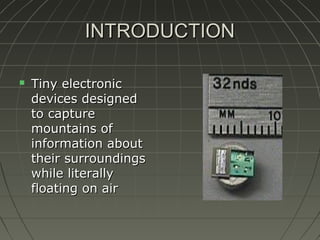
Tiny electronic
devices designed
to capture
mountains of
information about
their surroundings
while literally
floating on air
THE MEMS TECHNOLOGY


MEMS is the integration of
mechanical elements, sensors,
actuators and electronics on a
common silicon substrate through
micro fabrication technology
MOTES

MOTES

Tiny sensors that can perform a variety
of functions
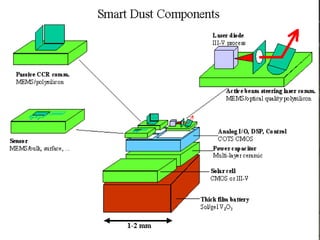
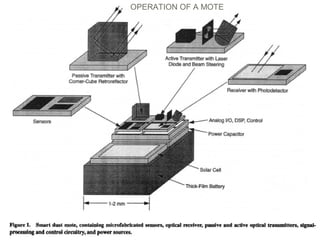
OPERATION OF A MOTE
SMART DUST SYSTEM
REQUIREMENTS




Power
Sensor
Communication
COMMUNICATION TECHNIQUE



a)
b)

Wireless communication collects
data from thousands of sensors
simultaneously
Various techniques are
Radio Frequency Transmission
Optical Transmission Technique
RF TECHNIQUE




Based on the generation,
propagation and detection of
electromagnetic waves
Used to function as both the uplink
and the downlink
OPTICAL TRANSMISSION
TECHNIQUE




Free space optic communication
a) Active Optical Communication
b) Passive Optical Communication
Fiber optic communication
APPLICATIONS
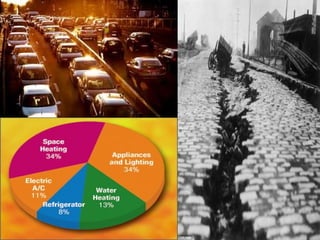
Civil and military applications
VIRTUAL KEYPAD
BRIDGES

SKYWRAPPERS
EFFICIENT MEDICAL IMPLANTS
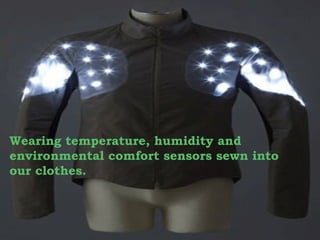
Wearing temperature, humidity and
environmental comfort sensors sewn into
our clothes.
FUTURE OF SMART DUST



Number of research institutions
The future of smart dust lies on both
optical communication and fiberoptic communication.
CHALLENGES






To incorporate all these functions
while maintaining a low power
consumption
Maximizing operating life given the
limited volume for energy storage
The motes must operate efficiently
and conserve energy whenever
possible
CONCLUSION

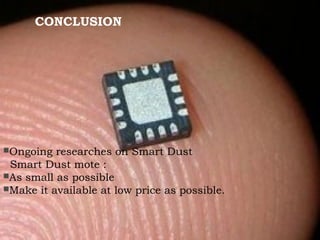
Ongoing

researches on Smart Dust
Smart Dust mote :
As small as possible
Make it available at low price as possible.
THANK YOU

Smart dust