Persistence and Serendipity!
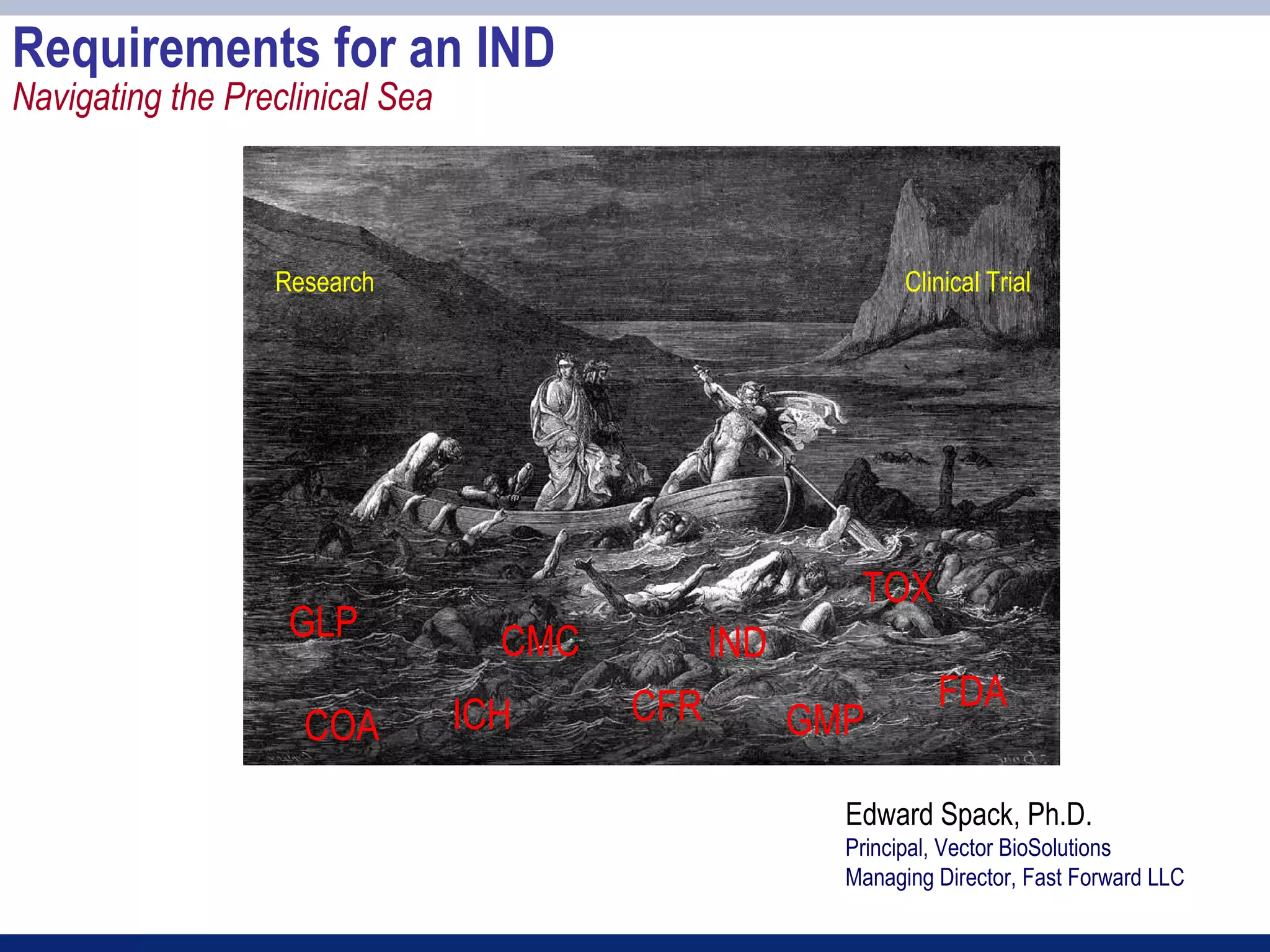
Requirements for an IND
Navigating the Preclinical Sea


                  Research                                   Clinical Trial


                                                        TOX
                   GLP             CMC         IND
                                         CFR                    FDA
                    COA          ICH                 GMP

                                                       Edward Spack, Ph.D.
                                                       Principal, Vector BioSolutions
                                                       Managing Director, Fast Forward LLC
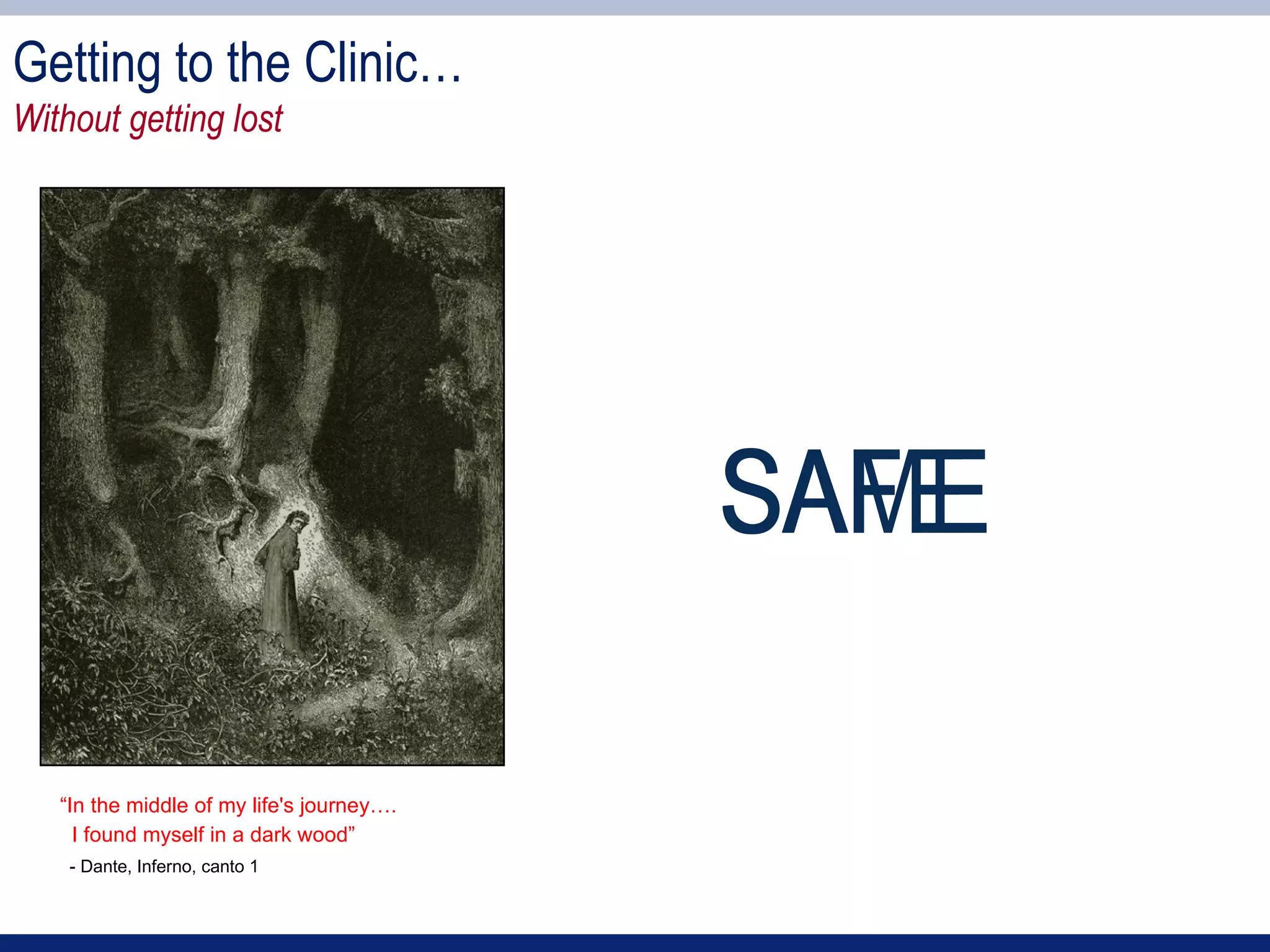
Getting to the Clinic…
Without getting lost


                                           SAFE
                                           SAME

   “In the middle of my life's journey….
     I found myself in a dark wood”
    - Dante, Inferno, canto 1
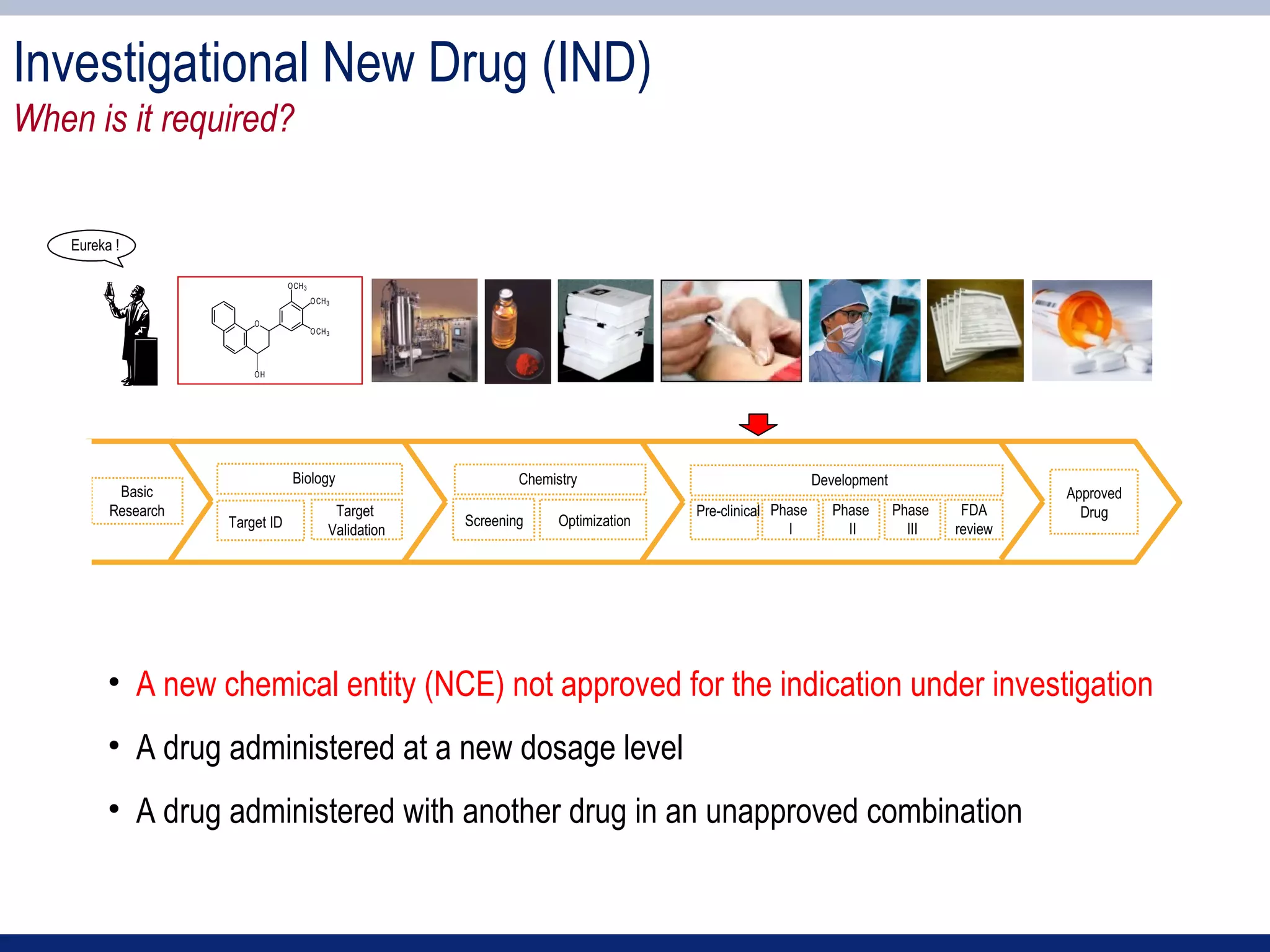
Investigational New Drug (IND)
When is it required?


    Eureka !

                                 O CH 3
                                          O CH 3

                         O
                                          O CH 3


                         OH


                                  Biology                           Chemistry                                 Development
           Basic                                                                                                                             Approved
          Research                              Target                                   Pre-clinical Phase      Phase      Phase    FDA       Drug
                     Target ID                              Screening     Optimization
                                               Validation                                               I          II         III   review


          • A new chemical entity (NCE) not approved for the indication under investigation
          • A drug administered at a new dosage level
          • A drug administered with another drug in an unapproved combination
Phase 0 Clinical Trials
Not safety, not efficacy- not necessary?

   • “Phase Zero” studies are a relatively new approach to initiating clinical trials
   • Requires an Exploratory IND (eIND) application
   • Minimal requirements (no PK required, single dose tox in rats, CV safety
     pharmacology in dogs)
   • Dose in humans must be non-pharmacologic (i.e., you can’t do efficacy)
   • Dose levels very low (typically < 100 µg)
   • Useful when there is a particular biomarker to measure, and to obtain blood
     levels
      – Blood levels low, so this may require accelerator mass spectrometry (AMS)

   • Preclinical program takes 6-8 months and ~$350K vs. 2 years and $2M+ for
     IND
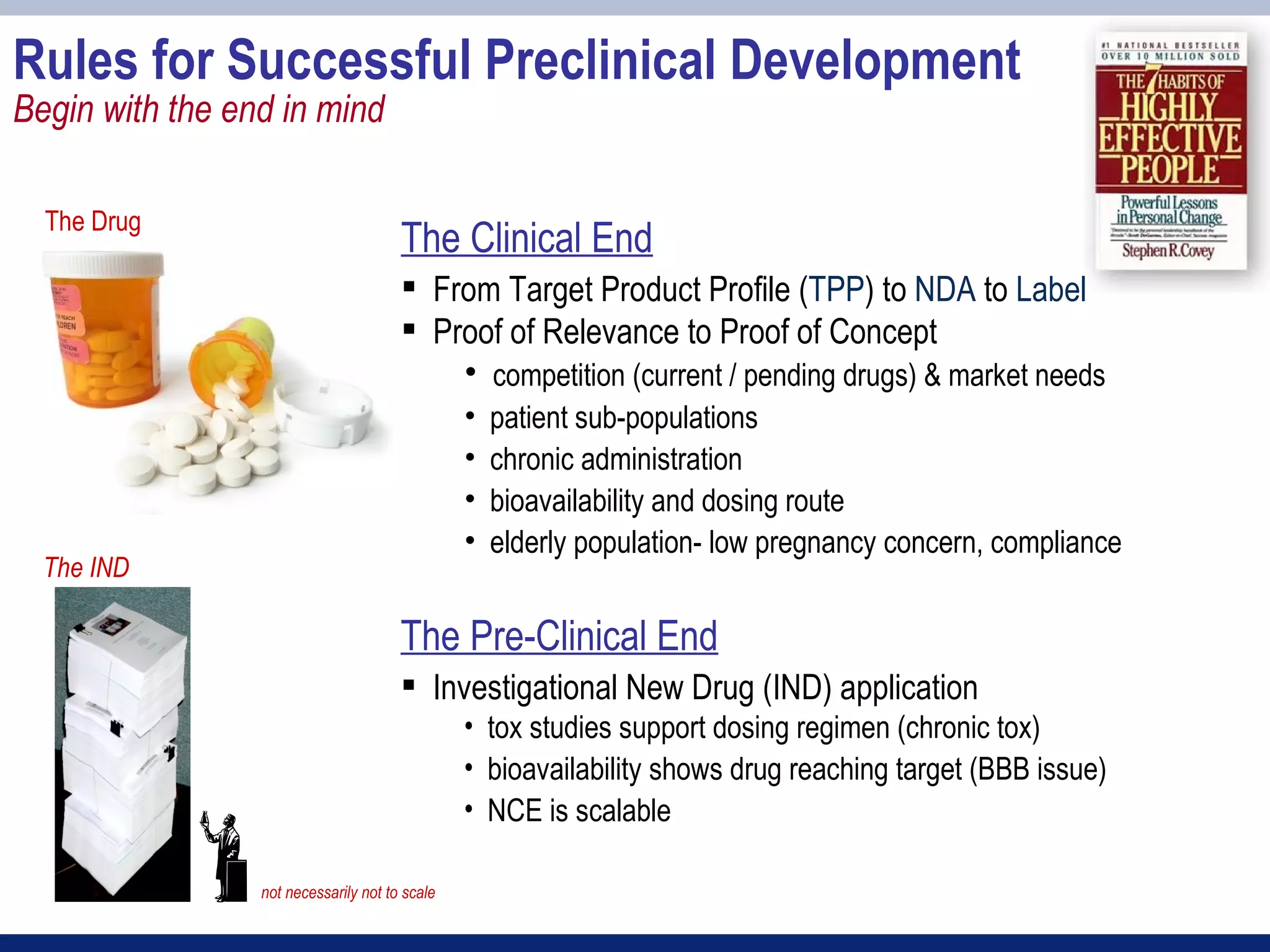
Rules for Successful Preclinical Development
Begin with the end in mind

  The Drug
                                       The Clinical End
                                        From Target Product Profile (TPP) to NDA to Label
                                        Proof of Relevance to Proof of Concept
                                           • competition (current / pending drugs) & market needs
                                                •   patient sub-populations
                                                •   chronic administration
                                                •   bioavailability and dosing route
                                                •   elderly population- low pregnancy concern, compliance
  The IND

                                       The Pre-Clinical End
                                        Investigational New Drug (IND) application
                                                • tox studies support dosing regimen (chronic tox)
                                                • bioavailability shows drug reaching target (BBB issue)
                                                • NCE is scalable

                 not necessarily not to scale
IND Components
IND Application Table of Contents (from FDA form 1571)

 1. Form FDA 1571 [21 CFR 312.23(a)(1)]
 2. Table of Contents [21 CFR 312.23(a)(2)]
 3. Introductory statement [21 CFR 312.23(a)(3)]

 4. General Investigational plan [21 CFR 312.23(a)(3)]
 5. Investigator’s brochure [21 CFR 312.23(a)(5)]
 6. Protocol(s) [21 CFR 312.23(a)(6)]
    a. Study protocol(s) [21 CFR 312.23(a)(6)]
    b. Investigator data [21 CFR 312.23(a)(6)(iii)(b)] or completed Form(s) FDA 1572
    c. Facilities data [21 CFR 312.23(a)(6)(iii)(b)] or completed Form(s) FDA 1572
    d. Institutional Review Board data [21 CFR 312.23(a)(6)(iii)(b)] or completed Form(s) FDA 1572

 7. Chemistry, manufacturing, and control data [21 CFR 312.23(a)(7)]
    Environmental assessment or claim for exclusion [21 CFR 312.23(a)(7)(iv)(e)]
 8. Pharmacology and toxicology data [21 CFR 312.23(a)(8)]

 9. Previous human experience [21 CFR 312.23(a)(9)]
10. Additional information [21 CFR 312.23(a)(10)]
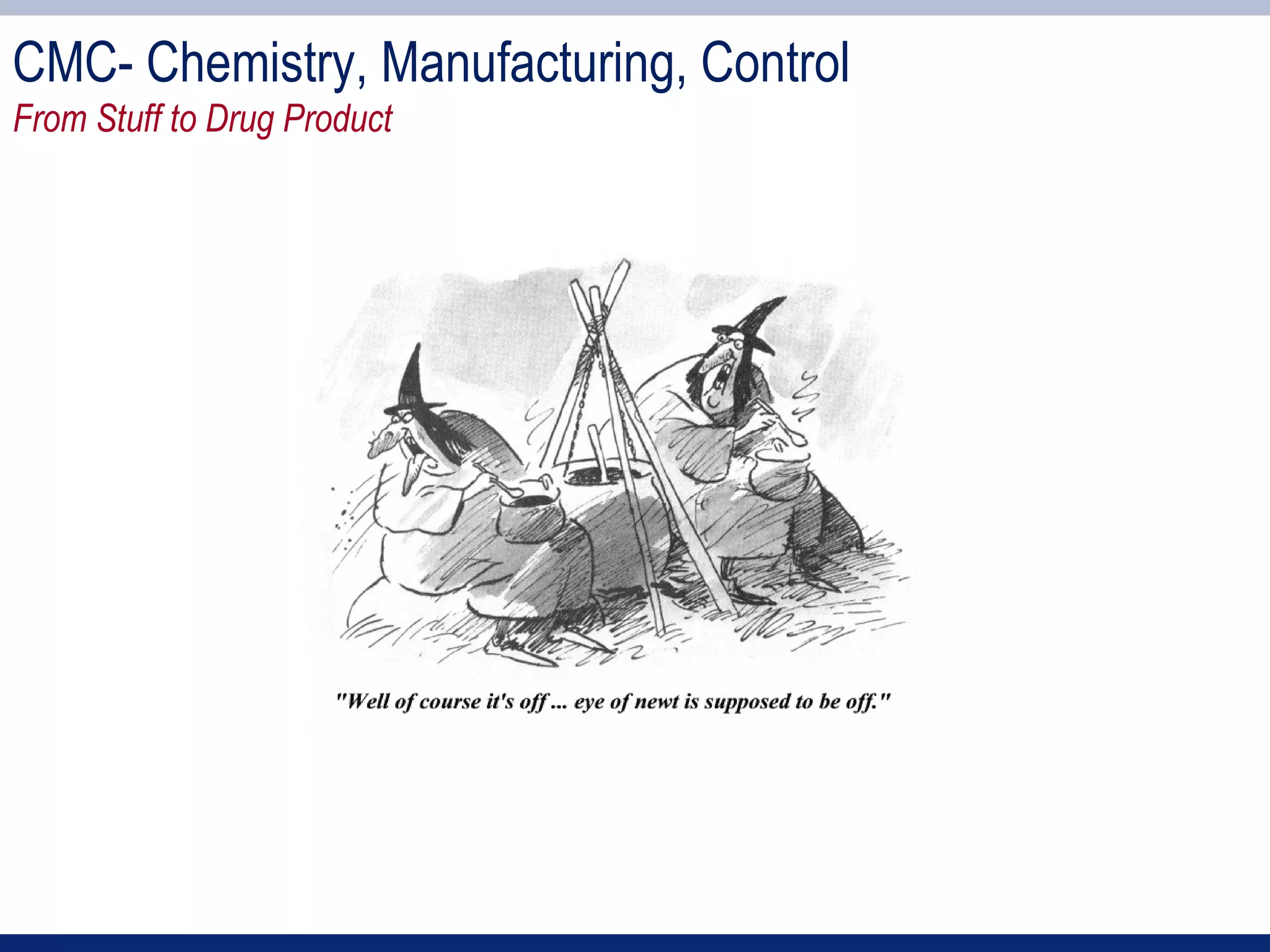
CMC- Chemistry, Manufacturing, Control
From Stuff to Drug Product
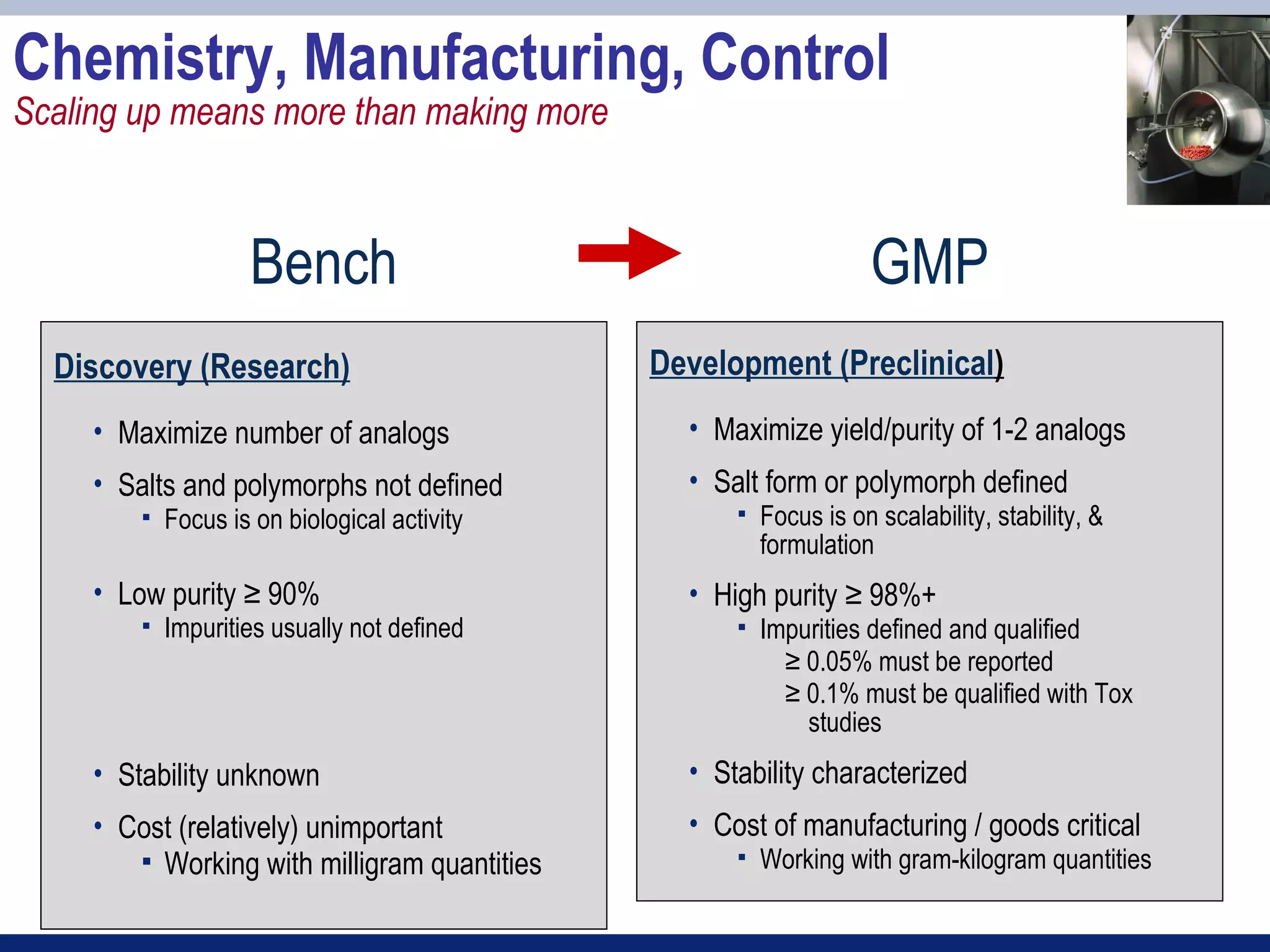
Chemistry, Manufacturing, Control
Scaling up means more than making more


                     Bench                                          GMP
  Discovery (Research)                         Development (Preclinical)
     • Maximize number of analogs                • Maximize yield/purity of 1-2 analogs
     • Salts and polymorphs not defined          • Salt form or polymorph defined
            Focus is on biological activity            Focus is on scalability, stability, &
                                                         formulation
     • Low purity ≥ 90%                          • High purity ≥ 98%+
            Impurities usually not defined             Impurities defined and qualified
                                                           ≥ 0.05% must be reported
                                                           ≥ 0.1% must be qualified with Tox
                                                             studies
     • Stability unknown                         • Stability characterized
     • Cost (relatively) unimportant             • Cost of manufacturing / goods critical
         Working with milligram quantities             Working with gram-kilogram quantities
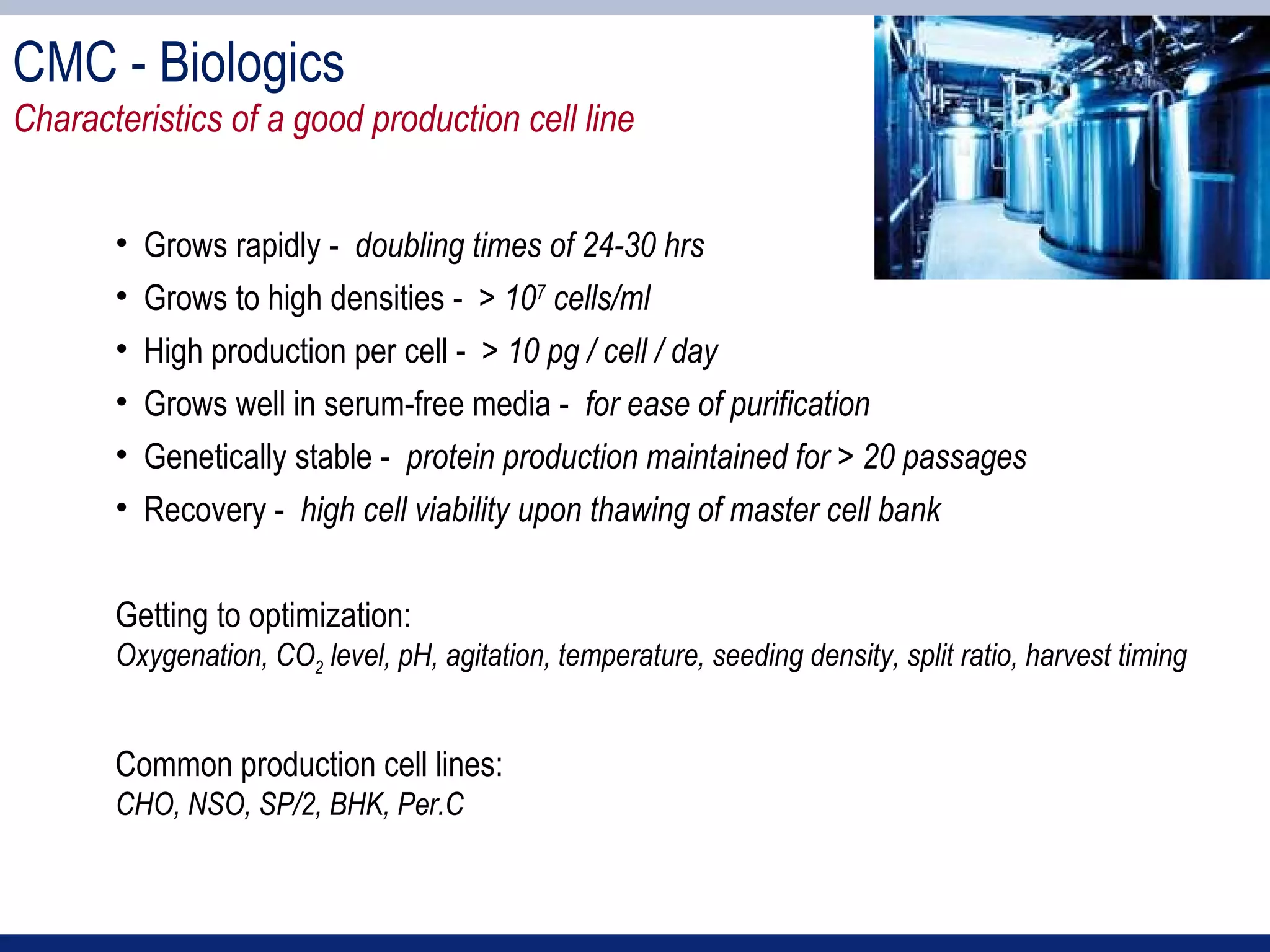
CMC - Biologics
Characteristics of a good production cell line


       •   Grows rapidly - doubling times of 24-30 hrs
       •   Grows to high densities - > 107 cells/ml
       •   High production per cell - > 10 pg / cell / day
       •   Grows well in serum-free media - for ease of purification
       •   Genetically stable - protein production maintained for > 20 passages
       •   Recovery - high cell viability upon thawing of master cell bank

       Getting to optimization:
       Oxygenation, CO2 level, pH, agitation, temperature, seeding density, split ratio, harvest timing


       Common production cell lines:
       CHO, NSO, SP/2, BHK, Per.C
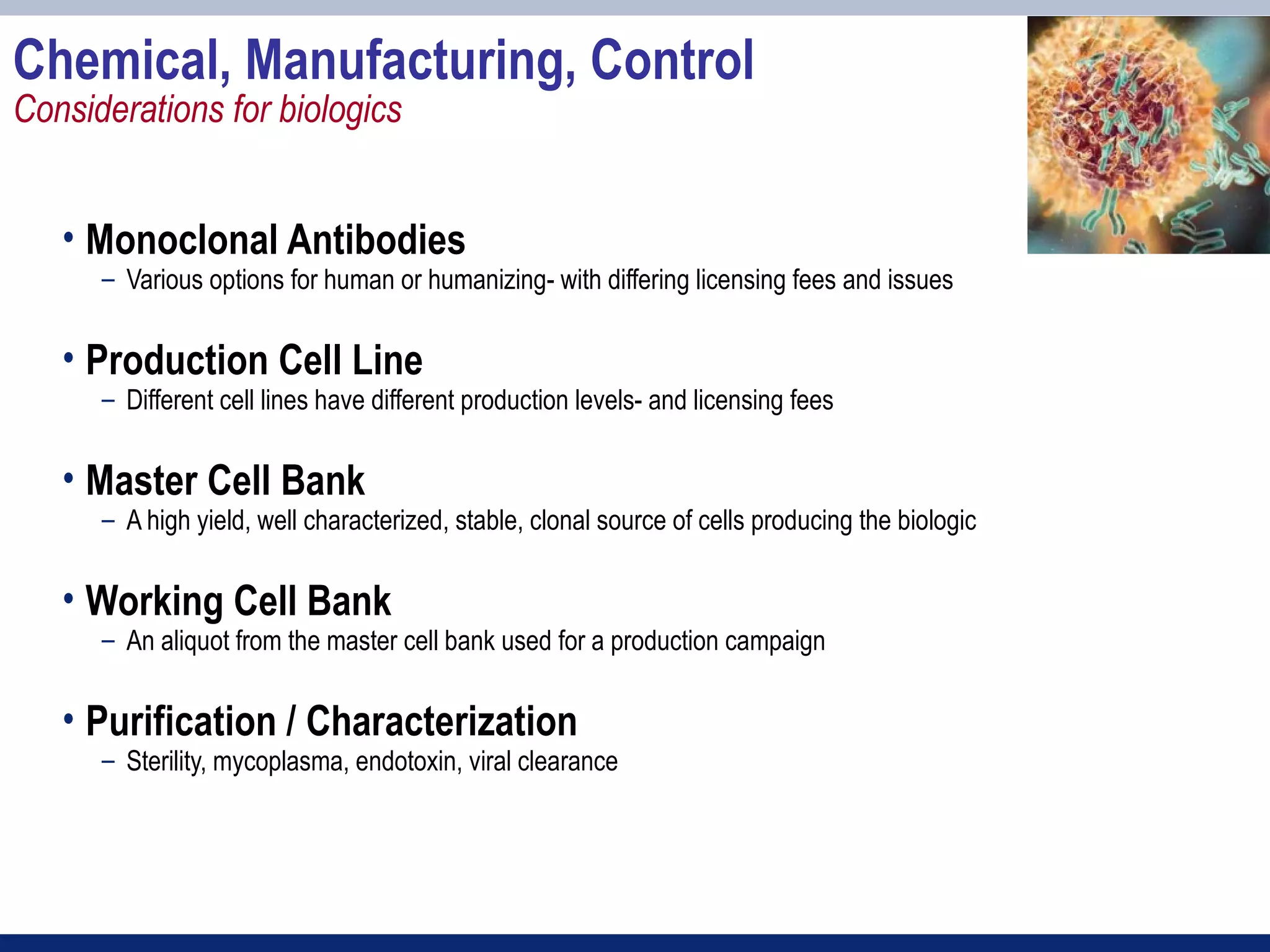
Chemical, Manufacturing, Control
Considerations for biologics


   • Monoclonal Antibodies
      – Various options for human or humanizing- with differing licensing fees and issues


   • Production Cell Line
      – Different cell lines have different production levels- and licensing fees


   • Master Cell Bank
      – A high yield, well characterized, stable, clonal source of cells producing the biologic


   • Working Cell Bank
      – An aliquot from the master cell bank used for a production campaign


   • Purification / Characterization
      – Sterility, mycoplasma, endotoxin, viral clearance
Current Good Manufacturing Process - cGMP
Same is safer

       • Requirements
          – Defined, written protocols
          – Complete records of all manufacturing and testing
          – Validation of key equipment and processes
          – Use of approved raw materials
          – Stability testing and controlled storage


       • Release Specifications
          – Definition: the combination of physical, chemical, biological, and
            microbiological test requirements that determine whether a drug product
            is suitable for release at the time of manufacture
          – Examples:
                   Identity
                   Purity
                   Physico-chemical properties (e.g. solubility, melting points, particle size, etc)
                   Stability
          – Requires validated analytical methods
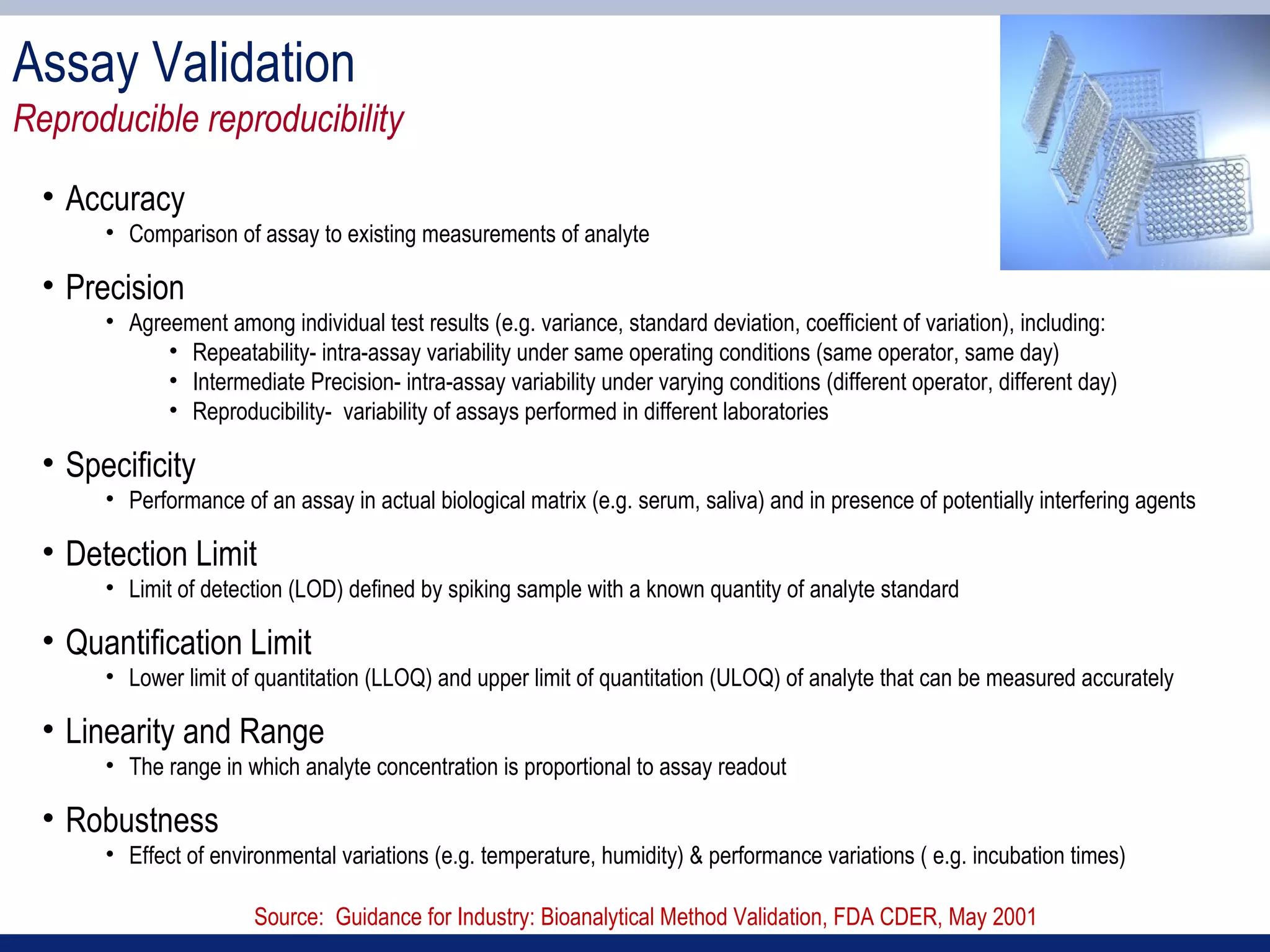
Assay Validation
Reproducible reproducibility
  • Accuracy
       • Comparison of assay to existing measurements of analyte

  • Precision
       • Agreement among individual test results (e.g. variance, standard deviation, coefficient of variation), including:
             • Repeatability- intra-assay variability under same operating conditions (same operator, same day)
             • Intermediate Precision- intra-assay variability under varying conditions (different operator, different day)
             • Reproducibility- variability of assays performed in different laboratories

  • Specificity
       • Performance of an assay in actual biological matrix (e.g. serum, saliva) and in presence of potentially interfering agents

  • Detection Limit
       • Limit of detection (LOD) defined by spiking sample with a known quantity of analyte standard

  • Quantification Limit
       • Lower limit of quantitation (LLOQ) and upper limit of quantitation (ULOQ) of analyte that can be measured accurately

  • Linearity and Range
       • The range in which analyte concentration is proportional to assay readout

  • Robustness
       • Effect of environmental variations (e.g. temperature, humidity) & performance variations ( e.g. incubation times)

                        Source: Guidance for Industry: Bioanalytical Method Validation, FDA CDER, May 2001
Analytical Testing
End product: Certificate of Analysis (COA)
       • Identity
          – Structure elucidation
          – IR, UV, NMR, MS, elemental analysis, wet chemical

       • Strength
          – Measure of therapeutic activity
          – Assay, potency; HPLC, biological activity

       • Quality
          – Measure of ingredient and manufacturing control
          – pH, optical rotation, specific gravity, viscosity, refractive index,
            dissolution, disintegration

       • Purity
          – Known impurities: intermediates, reagents/catalysts
          – Known constituents: moisture, organic volatile impurities, heavy
            metals, arsenic, lead, sulfate, chloride
          – Biological: sterility, pyrogens, microorganisms

          • Stability
          – Stress degradation study, define storage conditions
          – Typically 6 months to get to IND, eventually out to 2-3 years
Pharmacology and Toxicology
Safety first


                          (Side effects may include…):*
                          •Eye Curdling
                          •Monkey Lung
                          •Brain Sporking
                          •Pituitary Frothing
                          •Follicular Swelling
                          •Pulmonary Weevils
                          •Fragile Hypothalamus
                          •Honus Wagner Disease
                          •Spontaneous Combustion
                          •Umbilical Cord Resurgence
                          •Tracheal Meerkat Colonies
                          •Chronic Temporal Inversion
                          •Sporadic Random Clinical Efficacy
                                                               * Thank you Stephen Colbert
Preclinical Toxicology
Moving from ADME to Clinic

            • Objectives
               – Identify target organs
                    • CNS
                    • Pulmonary
                    • Cardiovascular
               – Characterize dose response
                    • NOAEL – No Observable Adverse Effect Level
                    • MTD – Maximum Tolerated Dose
               – Establish starting dose and escalation scheme
               – Determine reversibility of toxic effects
               – Stability testing and controlled storage

            • Concerns
               – Narrow therapeutic index (LD50 / ED50)
               – Irreversible
               – Delayed or cumulative
Definitive GLP Studies (GLP)
IND-directed repeated dose toxicity studies

                      • Rodent and Non Rodent
                         – Selected from range-finding studies

                      • Dosing Strategy
                         – 4 dose groups: control (vehicle), test article (low, mid, high)
                         – Route: generally by intended route & frequency
                                e.g. 3 times weekly for 4 weeks (for intermittent clinical administration)
                                e.g. Daily oral dosing for 28 days (for daily clinical administration)

                      • Recovery Period
                         – Usually ~2 weeks for 28 day study

                      • Analysis
                         – Clinical Observations, Body Weight, Food Consumption
                         – Clinical pathology (clinical chemistry, hematology, coagulation)
                         – Urinalysis, Ophthalmology
                         – Toxicokinetics (TK)
                              Determine drug profile and accumulation Day1 vs. Day 28
                         – Histopathology (all tissues)
                         – Identify MTD and No Observable Adverse Effect Level (NOAEL)
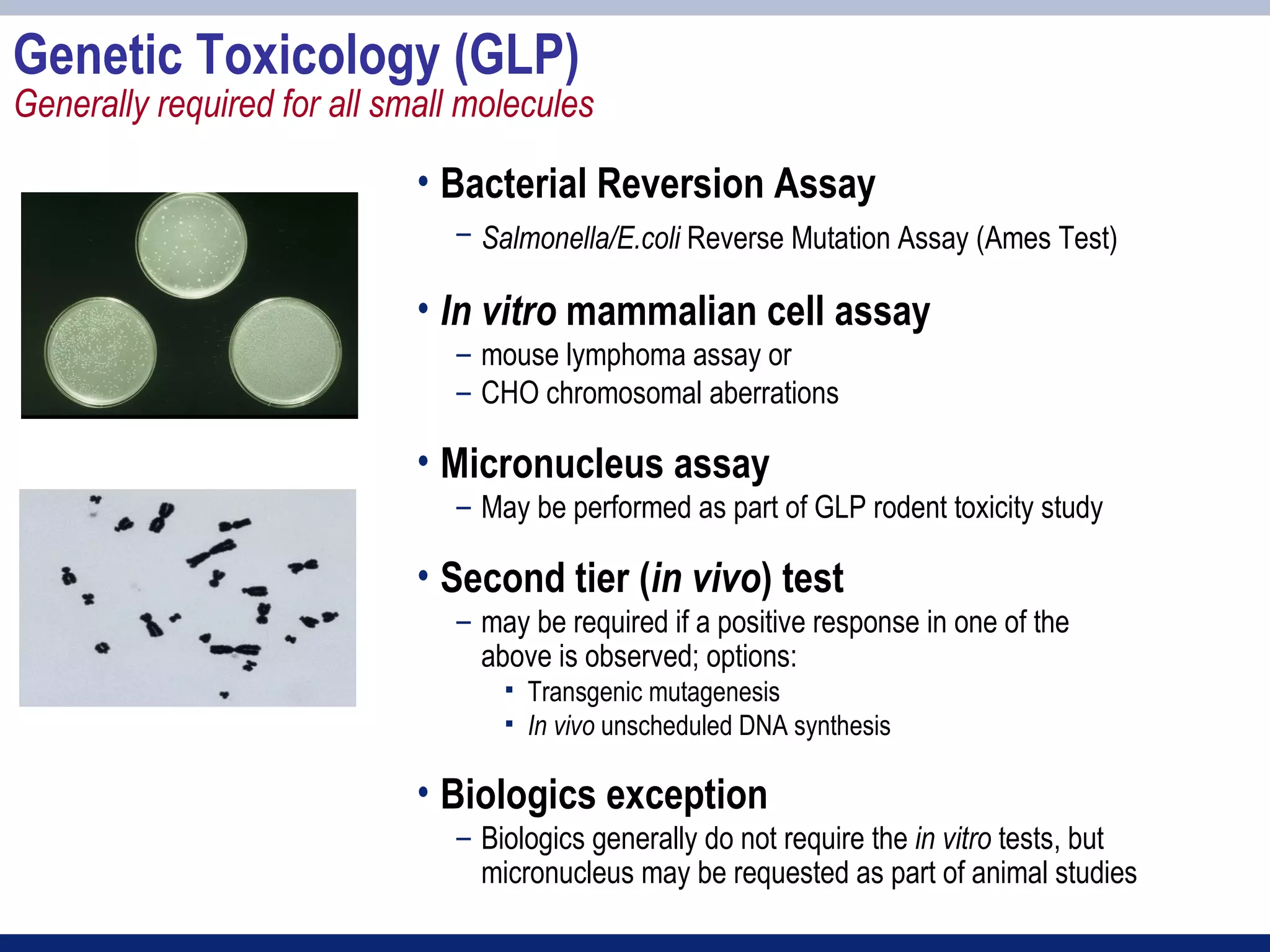
Genetic Toxicology (GLP)
Generally required for all small molecules

                             • Bacterial Reversion Assay
                                – Salmonella/E.coli Reverse Mutation Assay (Ames Test)

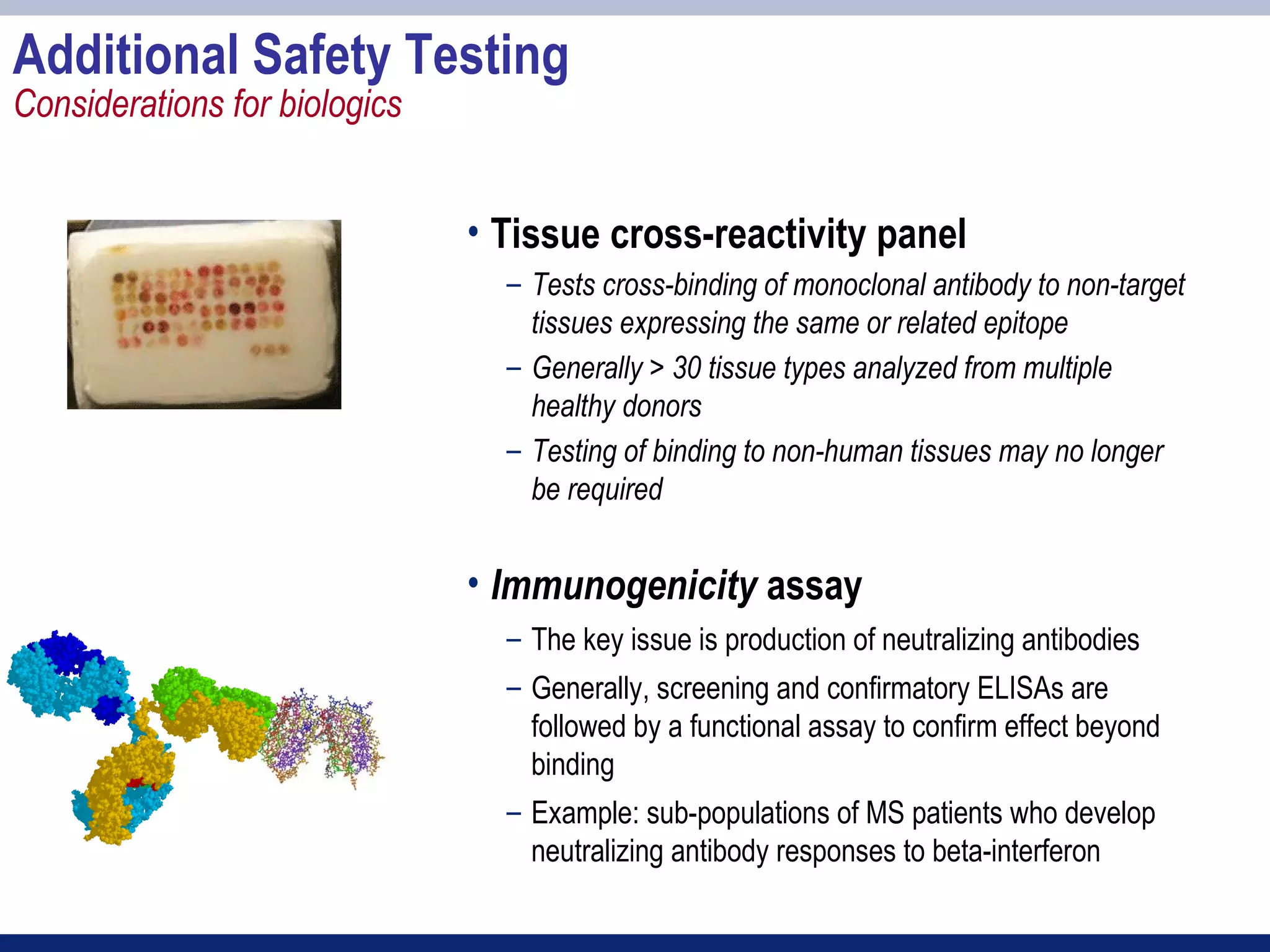
                             • In vitro mammalian cell assay
                                – mouse lymphoma assay or
                                – CHO chromosomal aberrations

                             • Micronucleus assay
                                – May be performed as part of GLP rodent toxicity study

                             • Second tier (in vivo) test
                                – may be required if a positive response in one of the
                                  above is observed; options:
                                       Transgenic mutagenesis
                                       In vivo unscheduled DNA synthesis

                             • Biologics exception
                                – Biologics generally do not require the in vitro tests, but
                                  micronucleus may be requested as part of animal studies
Additional Safety Testing
Considerations for biologics


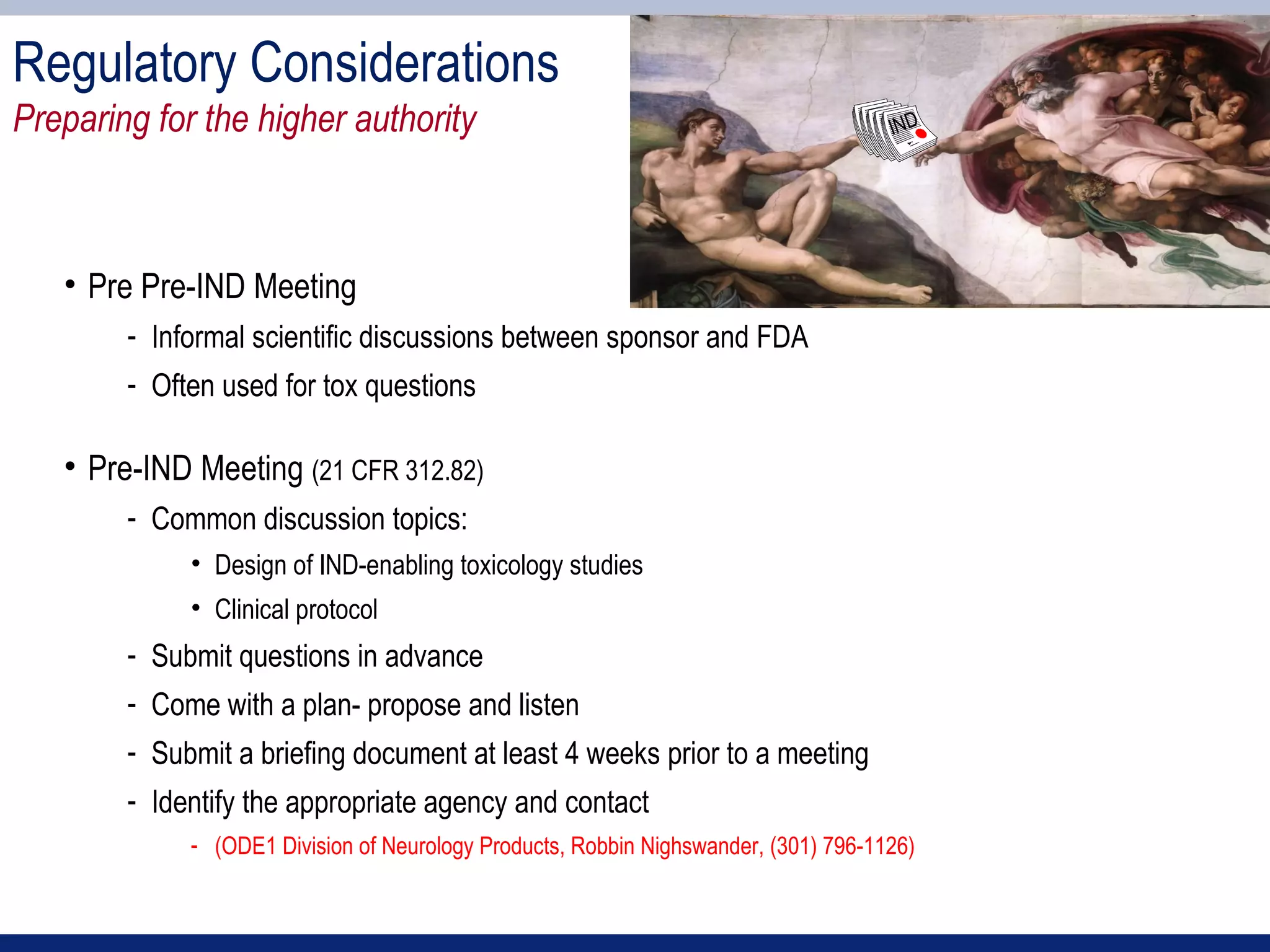
                               • Tissue cross-reactivity panel
                                 – Tests cross-binding of monoclonal antibody to non-target
                                   tissues expressing the same or related epitope
                                 – Generally > 30 tissue types analyzed from multiple
                                   healthy donors
                                 – Testing of binding to non-human tissues may no longer
                                   be required


                               • Immunogenicity assay
                                 – The key issue is production of neutralizing antibodies
                                 – Generally, screening and confirmatory ELISAs are
                                   followed by a functional assay to confirm effect beyond
                                   binding
                                 – Example: sub-populations of MS patients who develop
                                   neutralizing antibody responses to beta-interferon
Regulatory
Preparing for the Spanish Inquisition
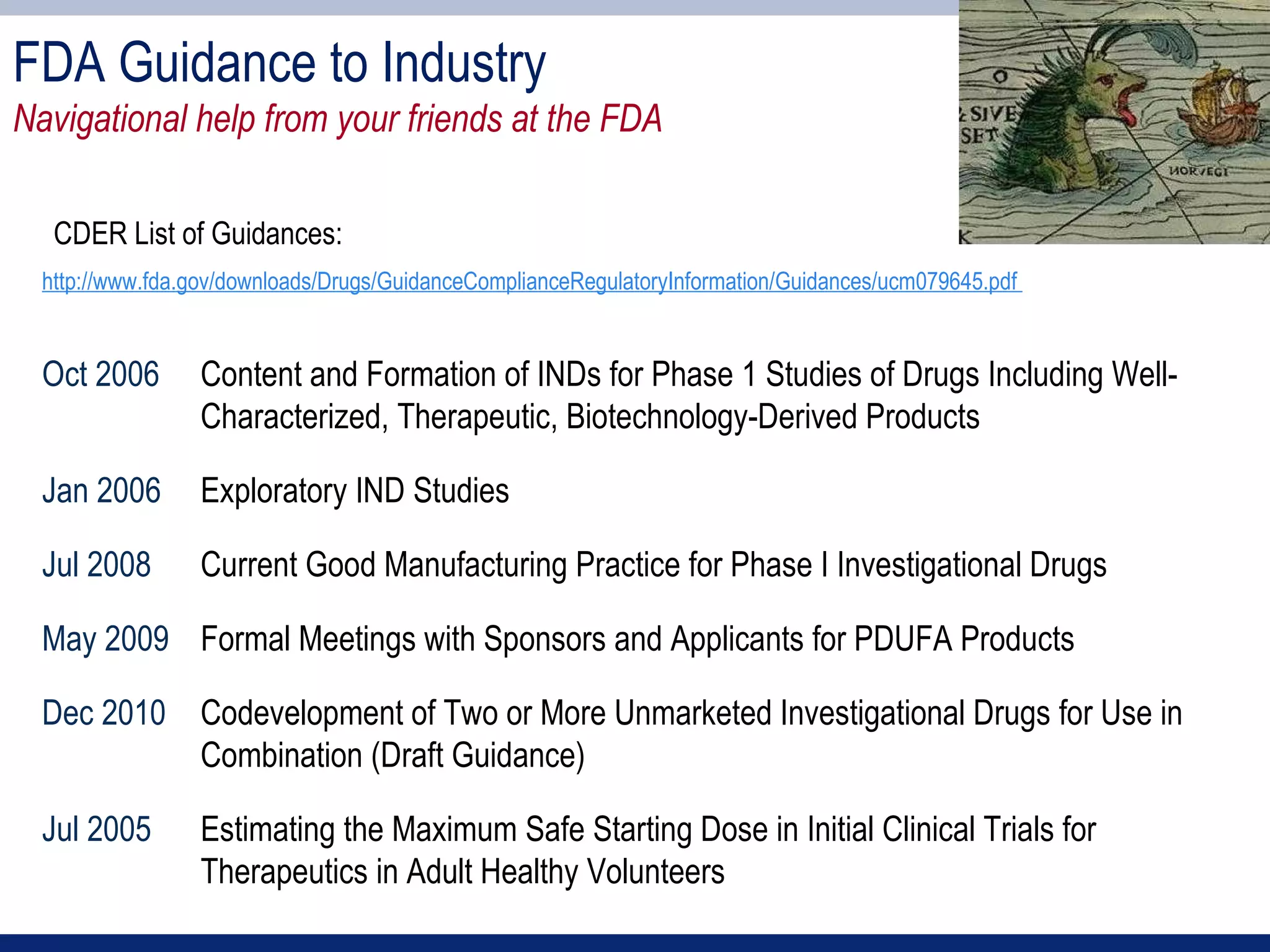
Regulatory Considerations
Preparing for the higher authority                                                   IND


   • Pre Pre-IND Meeting
        - Informal scientific discussions between sponsor and FDA
        - Often used for tox questions

   • Pre-IND Meeting (21 CFR 312.82)
        - Common discussion topics:
             • Design of IND-enabling toxicology studies
             • Clinical protocol
        - Submit questions in advance
        - Come with a plan- propose and listen
        - Submit a briefing document at least 4 weeks prior to a meeting
        - Identify the appropriate agency and contact
             - (ODE1 Division of Neurology Products, Robbin Nighswander, (301) 796-1126)
FDA Guidance to Industry
Navigational help from your friends at the FDA

   CDER List of Guidances:
  http://www.fda.gov/downloads/Drugs/GuidanceComplianceRegulatoryInformation/Guidances/ucm079645.pdf


  Oct 2006       Content and Formation of INDs for Phase 1 Studies of Drugs Including Well-
                 Characterized, Therapeutic, Biotechnology-Derived Products

  Jan 2006       Exploratory IND Studies

  Jul 2008       Current Good Manufacturing Practice for Phase I Investigational Drugs

  May 2009 Formal Meetings with Sponsors and Applicants for PDUFA Products

  Dec 2010 Codevelopment of Two or More Unmarketed Investigational Drugs for Use in
           Combination (Draft Guidance)

  Jul 2005       Estimating the Maximum Safe Starting Dose in Initial Clinical Trials for
                 Therapeutics in Adult Healthy Volunteers
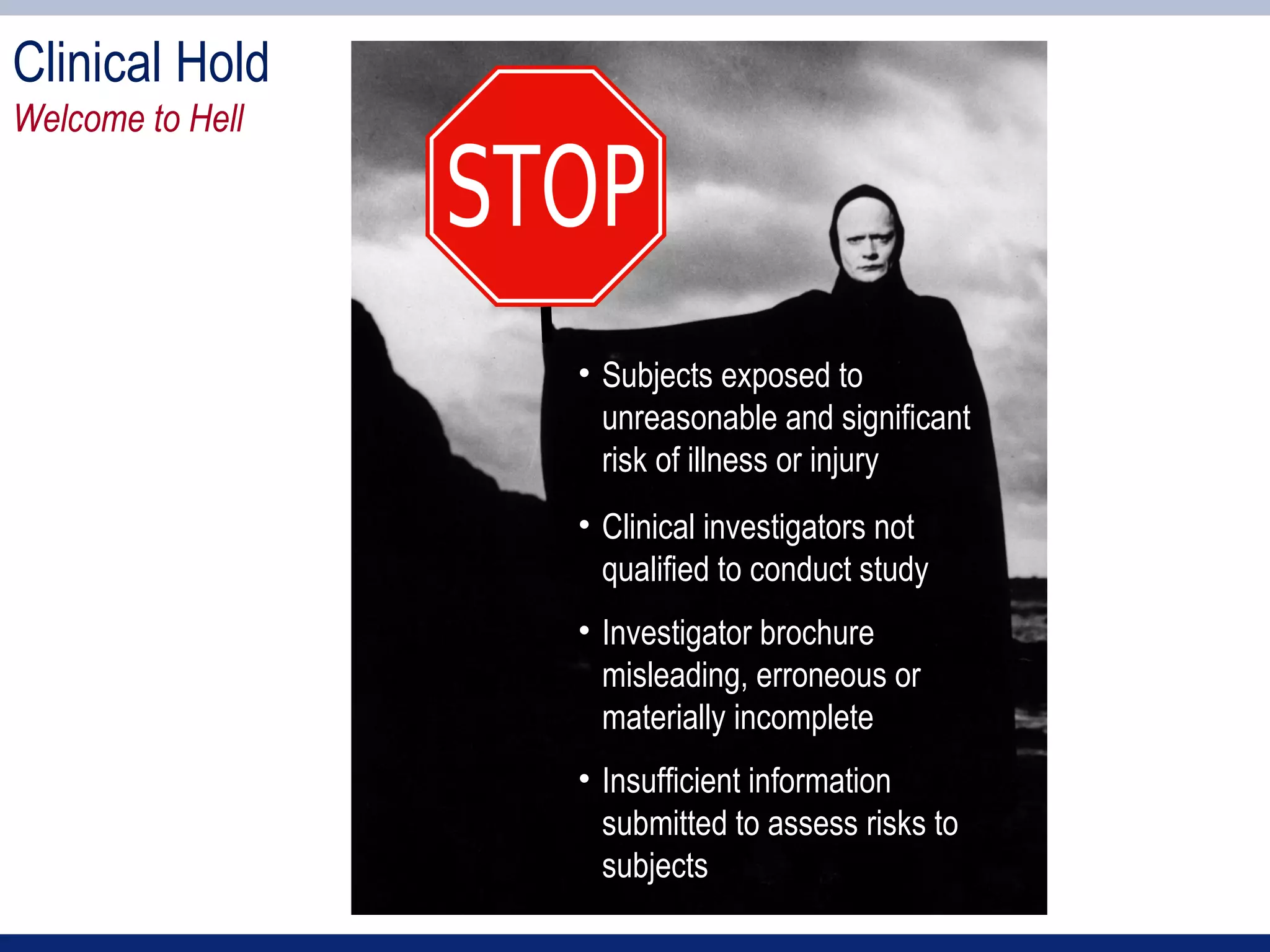
Clinical Hold
Welcome to Hell


                  • Subjects exposed to
                    unreasonable and significant
                    risk of illness or injury
                  • Clinical investigators not
                    qualified to conduct study
                  • Investigator brochure
                    misleading, erroneous or
                    materially incomplete
                  • Insufficient information
                    submitted to assess risks to
                    subjects
Project Management
More than getting to the train wreck on time…
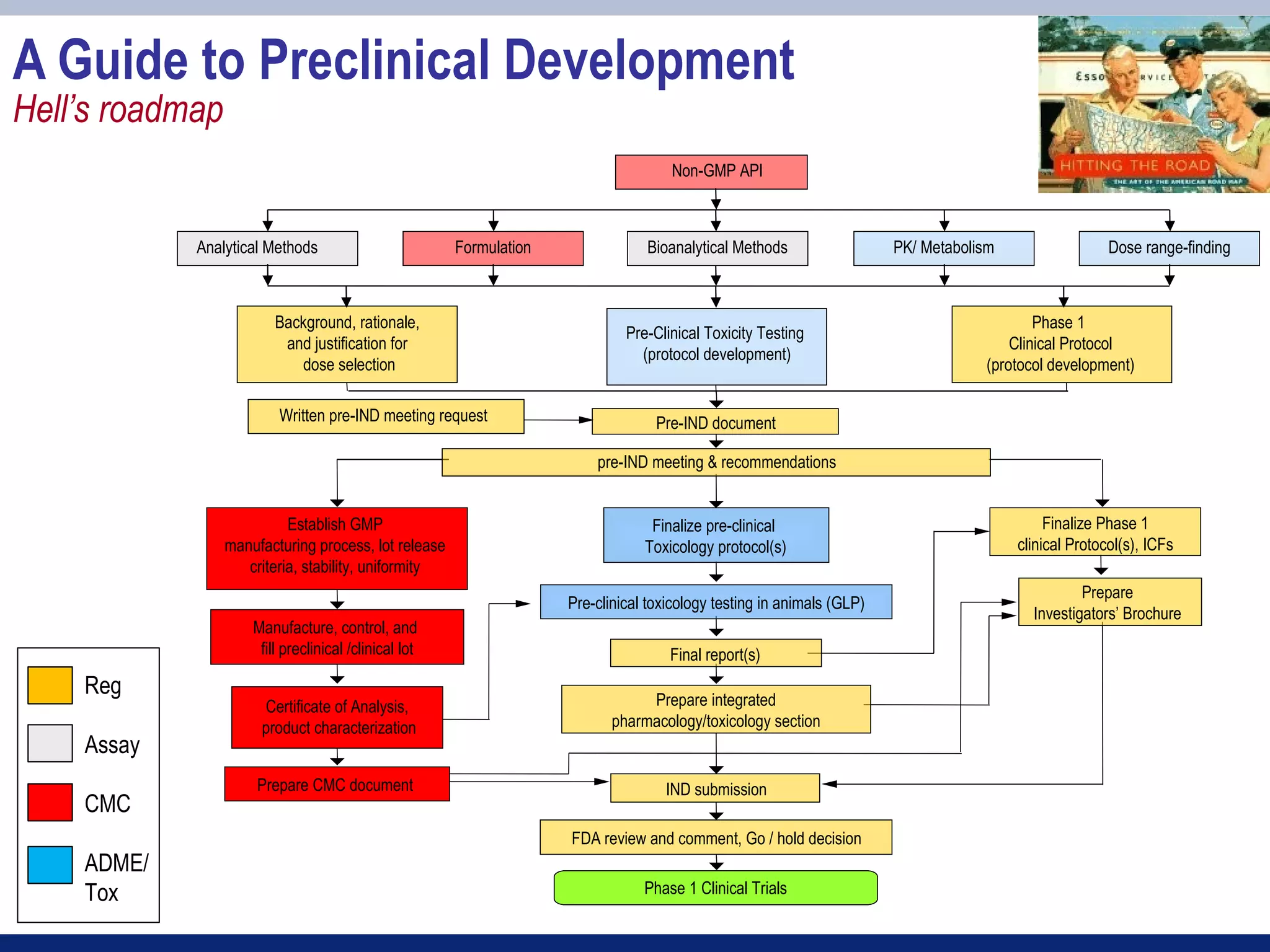
A Guide to Preclinical Development
Hell’s roadmap
                                                                                     Non-GMP API


            Analytical Methods                         Formulation               Bioanalytical Methods                  PK/ Metabolism                  Dose range-finding


                         Background, rationale,                                                                                             Phase 1
                                                                              Pre-Clinical Toxicity Testing
                          and justification for                                                                                         Clinical Protocol
                                                                                (protocol development)
                            dose selection                                                                                          (protocol development)

                         Written pre-IND meeting request                           Pre-IND document

                                                                         pre-IND meeting & recommendations


                           Establish GMP                                          Finalize pre-clinical                                       Finalize Phase 1
                 manufacturing process, lot release                              Toxicology protocol(s)                                  clinical Protocol(s), ICFs
                    criteria, stability, uniformity
                                                                                                                                                   Prepare
                                                                     Pre-clinical toxicology testing in animals (GLP)
                                                                                                                                           Investigators’ Brochure
                     Manufacture, control, and
                      fill preclinical /clinical lot                                 Final report(s)
    Reg                                                                          Prepare integrated
                      Certificate of Analysis,
                      product characterization                              pharmacology/toxicology section
    Assay
                      Prepare CMC document                                          IND submission
    CMC
                                                                     FDA review and comment, Go / hold decision
    ADME/
    Tox                                                                          Phase 1 Clinical Trials
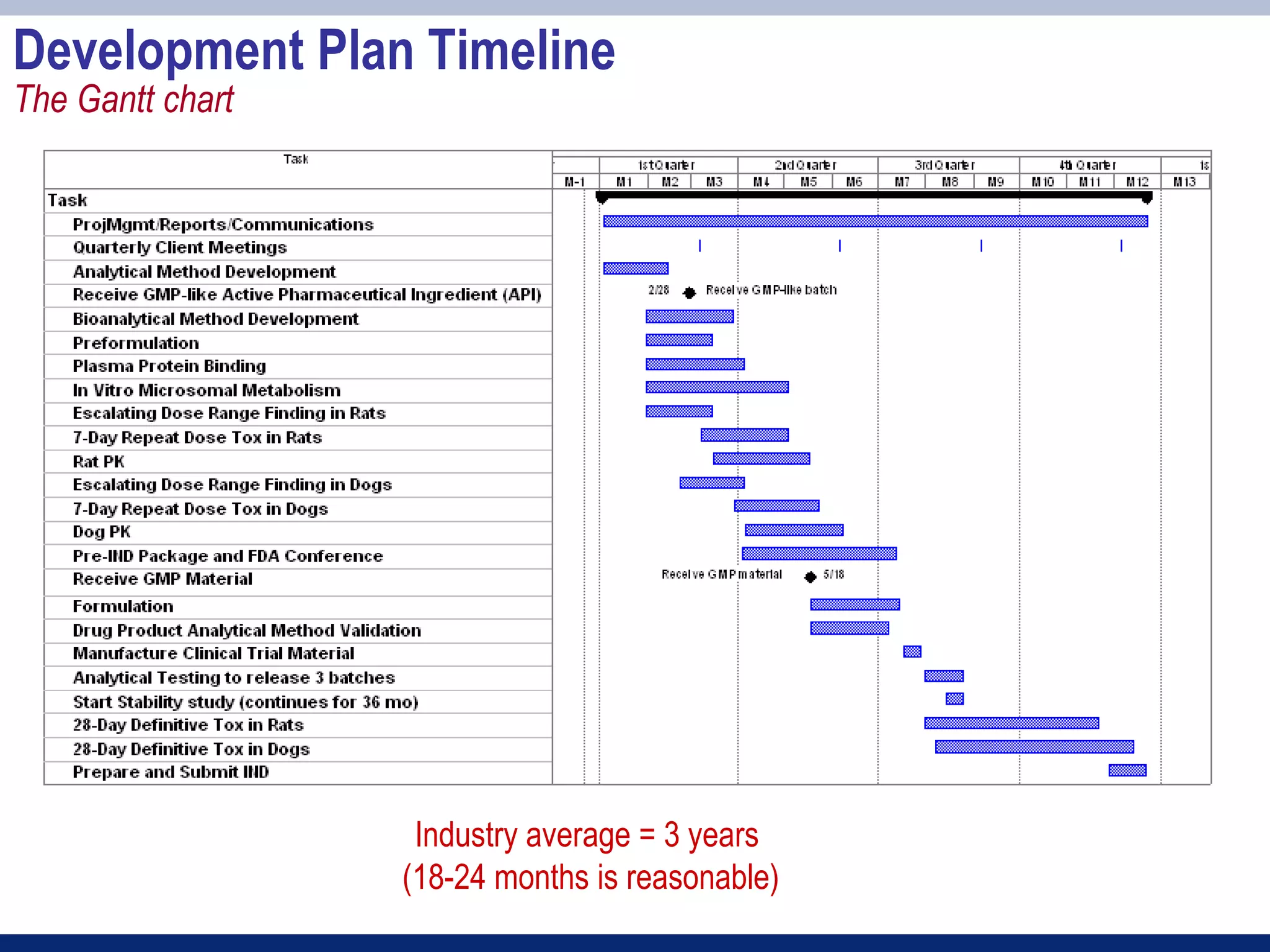
Development Plan Timeline
The Gantt chart


                   Industry average = 3 years
                  (18-24 months is reasonable)
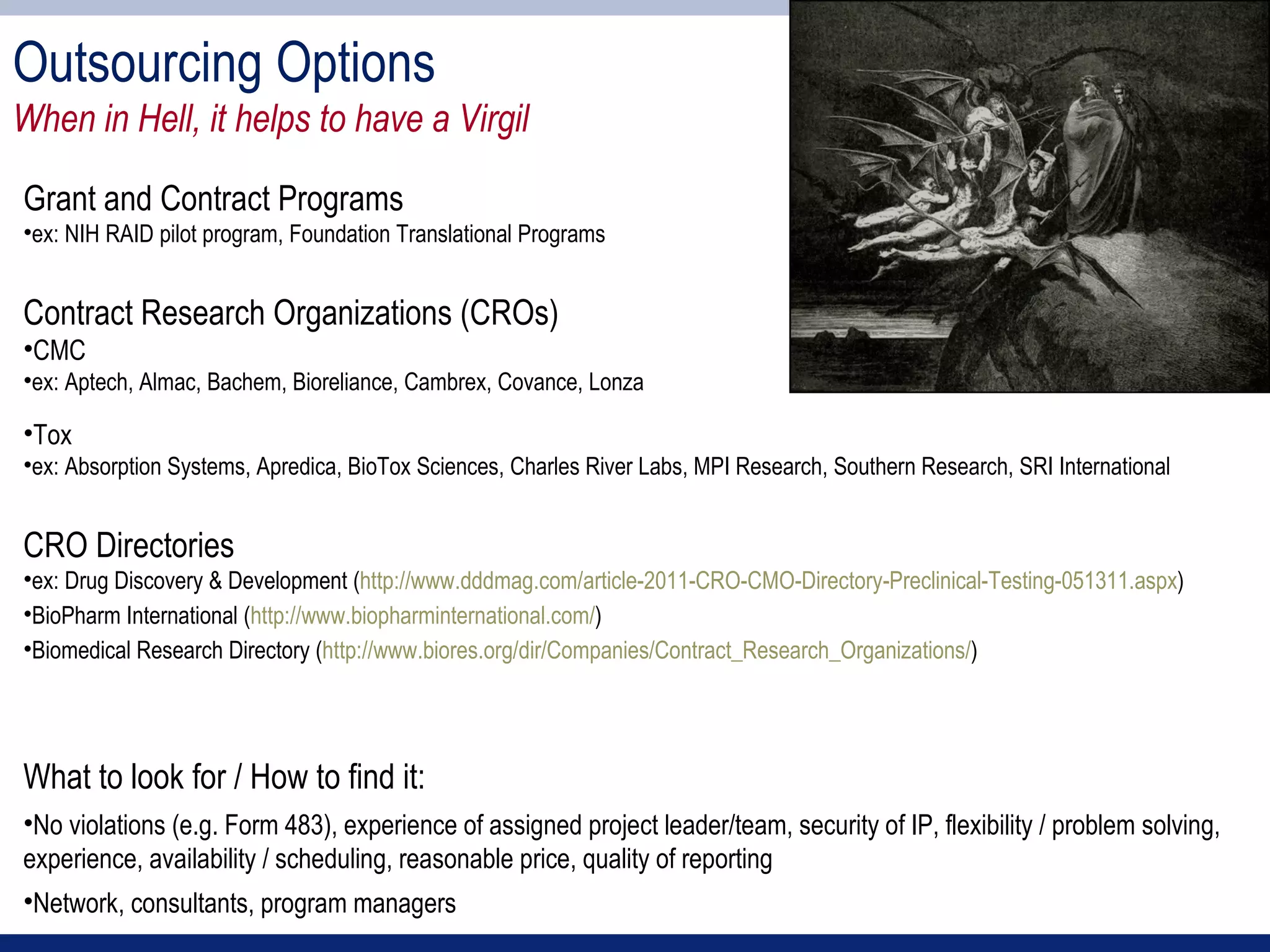
Outsourcing Options
When in Hell, it helps to have a Virgil

Grant and Contract Programs
•ex: NIH RAID pilot program, Foundation Translational Programs


Contract Research Organizations (CROs)
•CMC
•ex: Aptech, Almac, Bachem, Bioreliance, Cambrex, Covance, Lonza

•Tox
•ex: Absorption Systems, Apredica, BioTox Sciences, Charles River Labs, MPI Research, Southern Research, SRI International


CRO Directories
•ex: Drug Discovery & Development (http://www.dddmag.com/article-2011-CRO-CMO-Directory-Preclinical-Testing-051311.aspx)
•BioPharm International (http://www.biopharminternational.com/)
•Biomedical Research Directory (http://www.biores.org/dir/Companies/Contract_Research_Organizations/)


What to look for / How to find it:
•No violations (e.g. Form 483), experience of assigned project leader/team, security of IP, flexibility / problem solving,
experience, availability / scheduling, reasonable price, quality of reporting
•Network, consultants, program managers
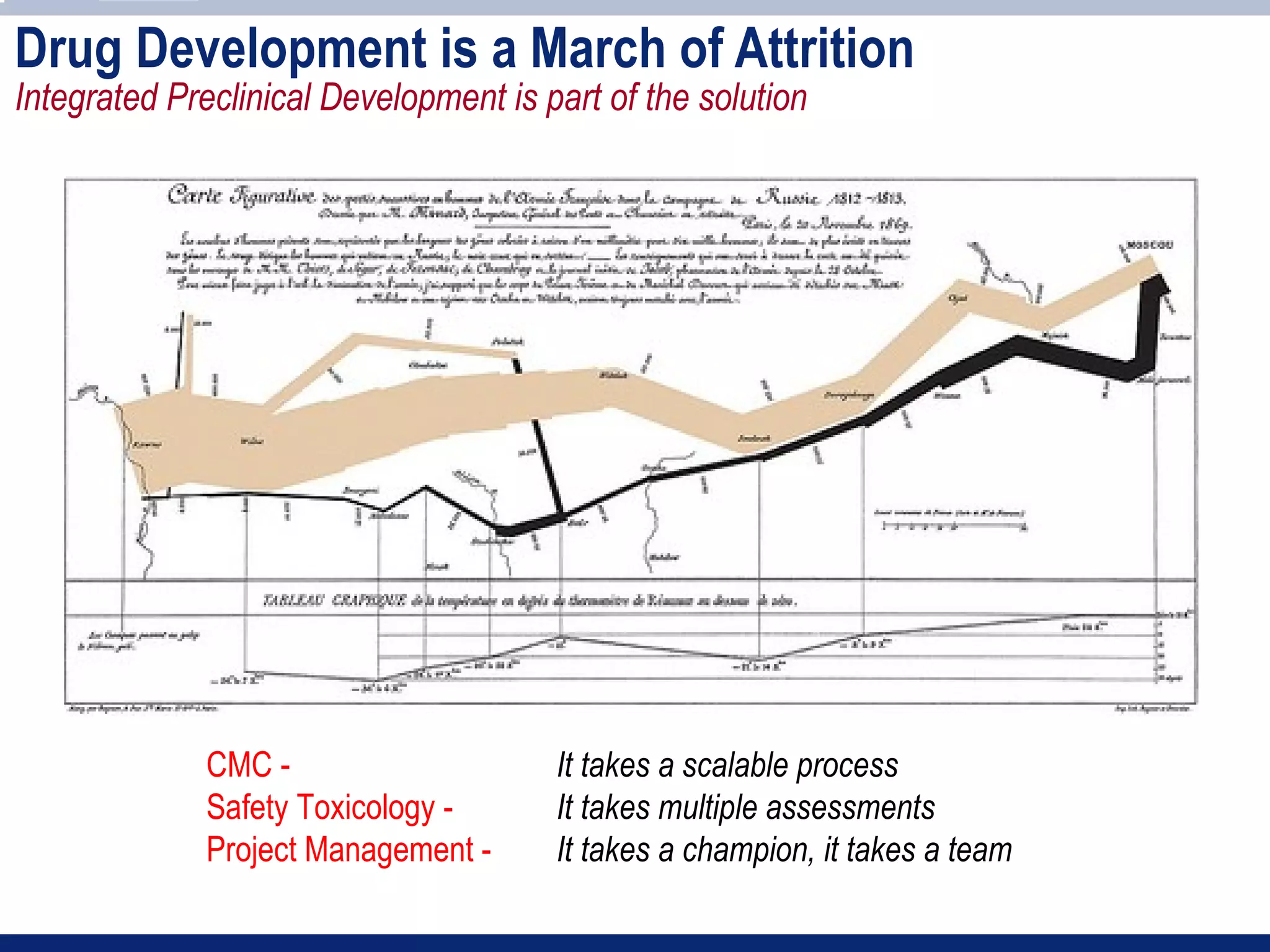
Drug Development is a March of Attrition
Integrated Preclinical Development is part of the solution


              CMC -                    It takes a scalable process
              Safety Toxicology -      It takes multiple assessments
              Project Management -     It takes a champion, it takes a team
Acknowledgements
It takes a team


             CMC
             • Alex Kostrikin [Anergen – PharmaCyclics]
             • Milan Tomic [Xoma]

             Toxicology
             • Nancy Wehner [Anergen – Consultant]
             • Karen Steinmetz [SRI International]
             • Jon Mirsalis [SRI International]

             Project Management
             • Tom Yonker [InterMune – KaloBios]
             • Joanne Snow [Snow Associates]

Session 3 part 2

  • 1.
  • 2.
    Requirements for anIND Navigating the Preclinical Sea Research Clinical Trial TOX GLP CMC IND CFR FDA COA ICH GMP Edward Spack, Ph.D. Principal, Vector BioSolutions Managing Director, Fast Forward LLC
  • 3.
    Getting to theClinic… Without getting lost SAFE SAME “In the middle of my life's journey…. I found myself in a dark wood” - Dante, Inferno, canto 1
  • 4.
    Investigational New Drug(IND) When is it required? Eureka ! O CH 3 O CH 3 O O CH 3 OH Biology Chemistry Development Basic Approved Research Target Pre-clinical Phase Phase Phase FDA Drug Target ID Screening Optimization Validation I II III review • A new chemical entity (NCE) not approved for the indication under investigation • A drug administered at a new dosage level • A drug administered with another drug in an unapproved combination
  • 5.
    Phase 0 ClinicalTrials Not safety, not efficacy- not necessary? • “Phase Zero” studies are a relatively new approach to initiating clinical trials • Requires an Exploratory IND (eIND) application • Minimal requirements (no PK required, single dose tox in rats, CV safety pharmacology in dogs) • Dose in humans must be non-pharmacologic (i.e., you can’t do efficacy) • Dose levels very low (typically < 100 µg) • Useful when there is a particular biomarker to measure, and to obtain blood levels – Blood levels low, so this may require accelerator mass spectrometry (AMS) • Preclinical program takes 6-8 months and ~$350K vs. 2 years and $2M+ for IND
  • 6.
    Rules for SuccessfulPreclinical Development Begin with the end in mind The Drug The Clinical End  From Target Product Profile (TPP) to NDA to Label  Proof of Relevance to Proof of Concept • competition (current / pending drugs) & market needs • patient sub-populations • chronic administration • bioavailability and dosing route • elderly population- low pregnancy concern, compliance The IND The Pre-Clinical End  Investigational New Drug (IND) application • tox studies support dosing regimen (chronic tox) • bioavailability shows drug reaching target (BBB issue) • NCE is scalable not necessarily not to scale
  • 7.
    IND Components IND ApplicationTable of Contents (from FDA form 1571) 1. Form FDA 1571 [21 CFR 312.23(a)(1)] 2. Table of Contents [21 CFR 312.23(a)(2)] 3. Introductory statement [21 CFR 312.23(a)(3)] 4. General Investigational plan [21 CFR 312.23(a)(3)] 5. Investigator’s brochure [21 CFR 312.23(a)(5)] 6. Protocol(s) [21 CFR 312.23(a)(6)] a. Study protocol(s) [21 CFR 312.23(a)(6)] b. Investigator data [21 CFR 312.23(a)(6)(iii)(b)] or completed Form(s) FDA 1572 c. Facilities data [21 CFR 312.23(a)(6)(iii)(b)] or completed Form(s) FDA 1572 d. Institutional Review Board data [21 CFR 312.23(a)(6)(iii)(b)] or completed Form(s) FDA 1572 7. Chemistry, manufacturing, and control data [21 CFR 312.23(a)(7)] Environmental assessment or claim for exclusion [21 CFR 312.23(a)(7)(iv)(e)] 8. Pharmacology and toxicology data [21 CFR 312.23(a)(8)] 9. Previous human experience [21 CFR 312.23(a)(9)] 10. Additional information [21 CFR 312.23(a)(10)]
  • 8.
    CMC- Chemistry, Manufacturing,Control From Stuff to Drug Product
  • 9.
    Chemistry, Manufacturing, Control Scalingup means more than making more Bench GMP Discovery (Research) Development (Preclinical) • Maximize number of analogs • Maximize yield/purity of 1-2 analogs • Salts and polymorphs not defined • Salt form or polymorph defined  Focus is on biological activity  Focus is on scalability, stability, & formulation • Low purity ≥ 90% • High purity ≥ 98%+  Impurities usually not defined  Impurities defined and qualified ≥ 0.05% must be reported ≥ 0.1% must be qualified with Tox studies • Stability unknown • Stability characterized • Cost (relatively) unimportant • Cost of manufacturing / goods critical  Working with milligram quantities  Working with gram-kilogram quantities
  • 10.
    CMC - Biologics Characteristicsof a good production cell line • Grows rapidly - doubling times of 24-30 hrs • Grows to high densities - > 107 cells/ml • High production per cell - > 10 pg / cell / day • Grows well in serum-free media - for ease of purification • Genetically stable - protein production maintained for > 20 passages • Recovery - high cell viability upon thawing of master cell bank Getting to optimization: Oxygenation, CO2 level, pH, agitation, temperature, seeding density, split ratio, harvest timing Common production cell lines: CHO, NSO, SP/2, BHK, Per.C
  • 11.
    Chemical, Manufacturing, Control Considerationsfor biologics • Monoclonal Antibodies – Various options for human or humanizing- with differing licensing fees and issues • Production Cell Line – Different cell lines have different production levels- and licensing fees • Master Cell Bank – A high yield, well characterized, stable, clonal source of cells producing the biologic • Working Cell Bank – An aliquot from the master cell bank used for a production campaign • Purification / Characterization – Sterility, mycoplasma, endotoxin, viral clearance
  • 12.
    Current Good ManufacturingProcess - cGMP Same is safer • Requirements – Defined, written protocols – Complete records of all manufacturing and testing – Validation of key equipment and processes – Use of approved raw materials – Stability testing and controlled storage • Release Specifications – Definition: the combination of physical, chemical, biological, and microbiological test requirements that determine whether a drug product is suitable for release at the time of manufacture – Examples:  Identity  Purity  Physico-chemical properties (e.g. solubility, melting points, particle size, etc)  Stability – Requires validated analytical methods
  • 13.
    Assay Validation Reproducible reproducibility • Accuracy • Comparison of assay to existing measurements of analyte • Precision • Agreement among individual test results (e.g. variance, standard deviation, coefficient of variation), including: • Repeatability- intra-assay variability under same operating conditions (same operator, same day) • Intermediate Precision- intra-assay variability under varying conditions (different operator, different day) • Reproducibility- variability of assays performed in different laboratories • Specificity • Performance of an assay in actual biological matrix (e.g. serum, saliva) and in presence of potentially interfering agents • Detection Limit • Limit of detection (LOD) defined by spiking sample with a known quantity of analyte standard • Quantification Limit • Lower limit of quantitation (LLOQ) and upper limit of quantitation (ULOQ) of analyte that can be measured accurately • Linearity and Range • The range in which analyte concentration is proportional to assay readout • Robustness • Effect of environmental variations (e.g. temperature, humidity) & performance variations ( e.g. incubation times) Source: Guidance for Industry: Bioanalytical Method Validation, FDA CDER, May 2001
  • 14.
    Analytical Testing End product:Certificate of Analysis (COA) • Identity – Structure elucidation – IR, UV, NMR, MS, elemental analysis, wet chemical • Strength – Measure of therapeutic activity – Assay, potency; HPLC, biological activity • Quality – Measure of ingredient and manufacturing control – pH, optical rotation, specific gravity, viscosity, refractive index, dissolution, disintegration • Purity – Known impurities: intermediates, reagents/catalysts – Known constituents: moisture, organic volatile impurities, heavy metals, arsenic, lead, sulfate, chloride – Biological: sterility, pyrogens, microorganisms • Stability – Stress degradation study, define storage conditions – Typically 6 months to get to IND, eventually out to 2-3 years
  • 15.
    Pharmacology and Toxicology Safetyfirst (Side effects may include…):* •Eye Curdling •Monkey Lung •Brain Sporking •Pituitary Frothing •Follicular Swelling •Pulmonary Weevils •Fragile Hypothalamus •Honus Wagner Disease •Spontaneous Combustion •Umbilical Cord Resurgence •Tracheal Meerkat Colonies •Chronic Temporal Inversion •Sporadic Random Clinical Efficacy * Thank you Stephen Colbert
  • 16.
    Preclinical Toxicology Moving fromADME to Clinic • Objectives – Identify target organs • CNS • Pulmonary • Cardiovascular – Characterize dose response • NOAEL – No Observable Adverse Effect Level • MTD – Maximum Tolerated Dose – Establish starting dose and escalation scheme – Determine reversibility of toxic effects – Stability testing and controlled storage • Concerns – Narrow therapeutic index (LD50 / ED50) – Irreversible – Delayed or cumulative
  • 17.
    Definitive GLP Studies(GLP) IND-directed repeated dose toxicity studies • Rodent and Non Rodent – Selected from range-finding studies • Dosing Strategy – 4 dose groups: control (vehicle), test article (low, mid, high) – Route: generally by intended route & frequency  e.g. 3 times weekly for 4 weeks (for intermittent clinical administration)  e.g. Daily oral dosing for 28 days (for daily clinical administration) • Recovery Period – Usually ~2 weeks for 28 day study • Analysis – Clinical Observations, Body Weight, Food Consumption – Clinical pathology (clinical chemistry, hematology, coagulation) – Urinalysis, Ophthalmology – Toxicokinetics (TK)  Determine drug profile and accumulation Day1 vs. Day 28 – Histopathology (all tissues) – Identify MTD and No Observable Adverse Effect Level (NOAEL)
  • 18.
    Genetic Toxicology (GLP) Generallyrequired for all small molecules • Bacterial Reversion Assay – Salmonella/E.coli Reverse Mutation Assay (Ames Test) • In vitro mammalian cell assay – mouse lymphoma assay or – CHO chromosomal aberrations • Micronucleus assay – May be performed as part of GLP rodent toxicity study • Second tier (in vivo) test – may be required if a positive response in one of the above is observed; options:  Transgenic mutagenesis  In vivo unscheduled DNA synthesis • Biologics exception – Biologics generally do not require the in vitro tests, but micronucleus may be requested as part of animal studies
  • 19.
    Additional Safety Testing Considerationsfor biologics • Tissue cross-reactivity panel – Tests cross-binding of monoclonal antibody to non-target tissues expressing the same or related epitope – Generally > 30 tissue types analyzed from multiple healthy donors – Testing of binding to non-human tissues may no longer be required • Immunogenicity assay – The key issue is production of neutralizing antibodies – Generally, screening and confirmatory ELISAs are followed by a functional assay to confirm effect beyond binding – Example: sub-populations of MS patients who develop neutralizing antibody responses to beta-interferon
  • 20.
    Regulatory Preparing for theSpanish Inquisition
  • 21.
    Regulatory Considerations Preparing forthe higher authority IND • Pre Pre-IND Meeting - Informal scientific discussions between sponsor and FDA - Often used for tox questions • Pre-IND Meeting (21 CFR 312.82) - Common discussion topics: • Design of IND-enabling toxicology studies • Clinical protocol - Submit questions in advance - Come with a plan- propose and listen - Submit a briefing document at least 4 weeks prior to a meeting - Identify the appropriate agency and contact - (ODE1 Division of Neurology Products, Robbin Nighswander, (301) 796-1126)
  • 22.
    FDA Guidance toIndustry Navigational help from your friends at the FDA CDER List of Guidances: http://www.fda.gov/downloads/Drugs/GuidanceComplianceRegulatoryInformation/Guidances/ucm079645.pdf Oct 2006 Content and Formation of INDs for Phase 1 Studies of Drugs Including Well- Characterized, Therapeutic, Biotechnology-Derived Products Jan 2006 Exploratory IND Studies Jul 2008 Current Good Manufacturing Practice for Phase I Investigational Drugs May 2009 Formal Meetings with Sponsors and Applicants for PDUFA Products Dec 2010 Codevelopment of Two or More Unmarketed Investigational Drugs for Use in Combination (Draft Guidance) Jul 2005 Estimating the Maximum Safe Starting Dose in Initial Clinical Trials for Therapeutics in Adult Healthy Volunteers
  • 23.
    Clinical Hold Welcome toHell • Subjects exposed to unreasonable and significant risk of illness or injury • Clinical investigators not qualified to conduct study • Investigator brochure misleading, erroneous or materially incomplete • Insufficient information submitted to assess risks to subjects
  • 24.
    Project Management More thangetting to the train wreck on time…
  • 25.
    A Guide toPreclinical Development Hell’s roadmap Non-GMP API Analytical Methods Formulation Bioanalytical Methods PK/ Metabolism Dose range-finding Background, rationale, Phase 1 Pre-Clinical Toxicity Testing and justification for Clinical Protocol (protocol development) dose selection (protocol development) Written pre-IND meeting request Pre-IND document pre-IND meeting & recommendations Establish GMP Finalize pre-clinical Finalize Phase 1 manufacturing process, lot release Toxicology protocol(s) clinical Protocol(s), ICFs criteria, stability, uniformity Prepare Pre-clinical toxicology testing in animals (GLP) Investigators’ Brochure Manufacture, control, and fill preclinical /clinical lot Final report(s) Reg Prepare integrated Certificate of Analysis, product characterization pharmacology/toxicology section Assay Prepare CMC document IND submission CMC FDA review and comment, Go / hold decision ADME/ Tox Phase 1 Clinical Trials
  • 26.
    Development Plan Timeline TheGantt chart Industry average = 3 years (18-24 months is reasonable)
  • 27.
    Outsourcing Options When inHell, it helps to have a Virgil Grant and Contract Programs •ex: NIH RAID pilot program, Foundation Translational Programs Contract Research Organizations (CROs) •CMC •ex: Aptech, Almac, Bachem, Bioreliance, Cambrex, Covance, Lonza •Tox •ex: Absorption Systems, Apredica, BioTox Sciences, Charles River Labs, MPI Research, Southern Research, SRI International CRO Directories •ex: Drug Discovery & Development (http://www.dddmag.com/article-2011-CRO-CMO-Directory-Preclinical-Testing-051311.aspx) •BioPharm International (http://www.biopharminternational.com/) •Biomedical Research Directory (http://www.biores.org/dir/Companies/Contract_Research_Organizations/) What to look for / How to find it: •No violations (e.g. Form 483), experience of assigned project leader/team, security of IP, flexibility / problem solving, experience, availability / scheduling, reasonable price, quality of reporting •Network, consultants, program managers
  • 28.
    Drug Development isa March of Attrition Integrated Preclinical Development is part of the solution CMC - It takes a scalable process Safety Toxicology - It takes multiple assessments Project Management - It takes a champion, it takes a team
  • 29.
    Acknowledgements It takes ateam CMC • Alex Kostrikin [Anergen – PharmaCyclics] • Milan Tomic [Xoma] Toxicology • Nancy Wehner [Anergen – Consultant] • Karen Steinmetz [SRI International] • Jon Mirsalis [SRI International] Project Management • Tom Yonker [InterMune – KaloBios] • Joanne Snow [Snow Associates]

Editor's Notes