Download to read offline
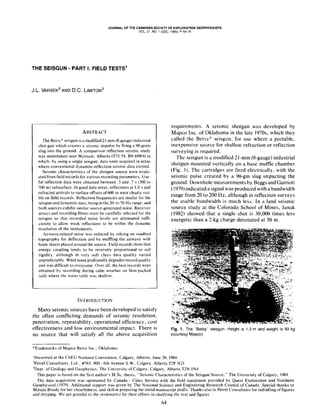
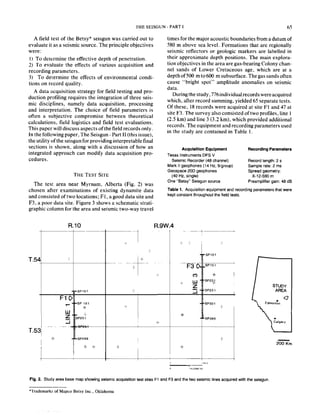
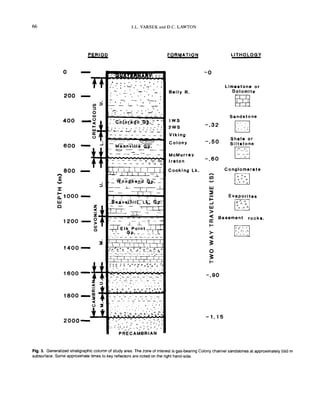
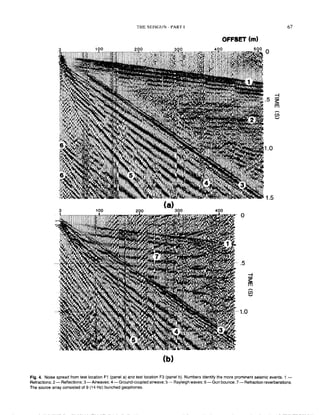
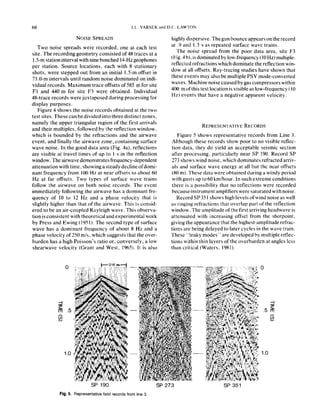
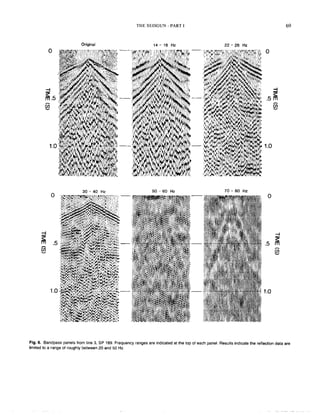
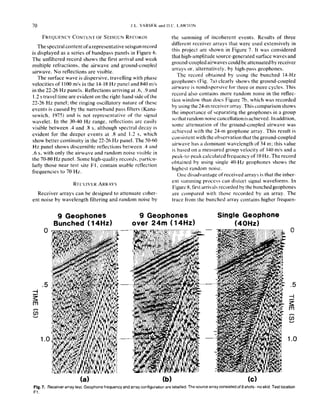
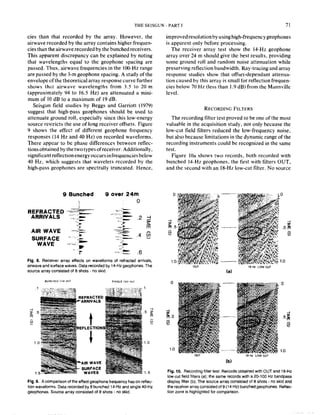
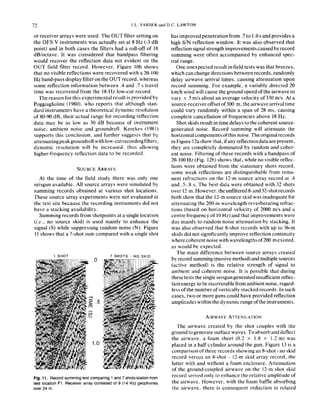
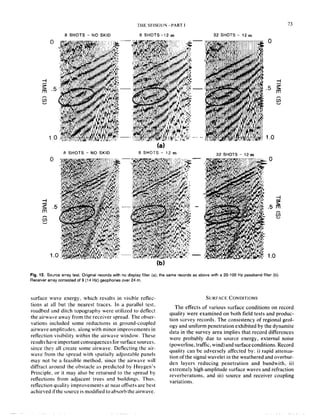
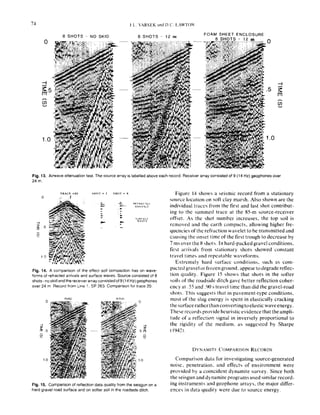
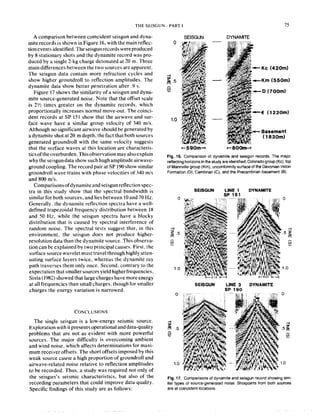

Many seismic sources have been developed to satisfy conflicting demands of resolution, penetration, repeatability, efficiency and cost. The Betsy seismic shotgun was developed in the late 1970s as a portable, inexpensive source for shallow reflection or refraction surveys. Field tests of the shotgun near Mymam, Alberta evaluated penetration depth, effects of acquisition parameters, and environmental effects on quality. Useful reflection data was obtained between 3-7 seconds subsurface (300-700m), with reflections at 1 second and refracted arrivals visible to 600m offsets under good conditions. Record quality depended on soil conditions, with energy coupling inversely related to soil rigidity and wind degrading quality.


