
FALL 2013
Class Summary

December,	
  2013	
  
•  Course Overview
•  Ten Frameworks we learned
•  Assignments

2
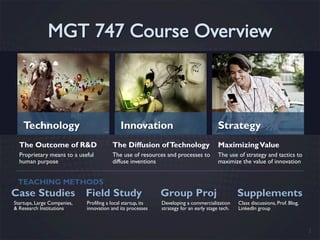
Technology

Innovation

Strategy

The Outcome of R&D

The Diffusion of Technology

Maximizing Value

Proprietary means to a useful
human purpose

The use of resources and processes to
diffuse inventions

The use of strategy and tactics to
maximize the value of innovation

TEACHING METHODS

Case Studies
Startups, Large Companies,
& Research Institutions

Field Study

Group Proj

Supplements

Profiling a local startup, its
innovation and its processes

Developing a commercialization
strategy for an early stage tech.

Class discussions, Prof. Blog,
LinkedIn group

3
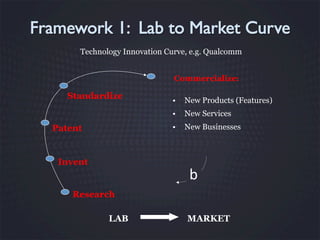
Technology Innovation Curve, e.g. Qualcomm
Commercialize:

Standardize

•  New Products (Features)
•  New Services
•  New Businesses

Patent

Invent

b	
  

Research
LAB

MARKET
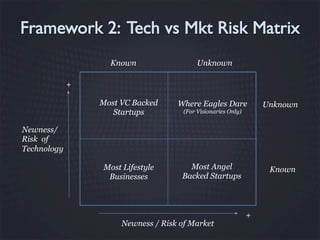
Known

Unknown

+
Most VC Backed
Startups

Where Eagles Dare

Most Lifestyle
Businesses

Most Angel
Backed Startups

(For Visionaries Only)

Unknown

Newness/
Risk of
Technology

Newness / Risk of Market

Known

+
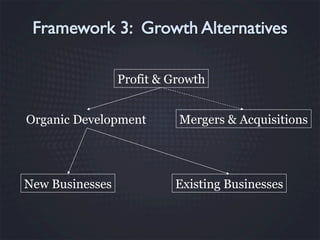
Profit & Growth
Organic Development

New Businesses

Mergers & Acquisitions

Existing Businesses
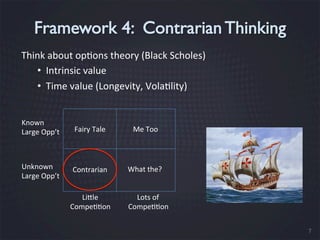
Think	
  about	
  op7ons	
  theory	
  (Black	
  Scholes)	
  
• 	
  	
  Intrinsic	
  value	
  
• 	
  	
  Time	
  value	
  (Longevity,	
  Vola7lity)	
  	
  
Known	
  
Large	
  Opp’t	
  

Fairy	
  Tale	
  

Me	
  Too	
  

Unknown	
  
Large	
  Opp’t	
  

Contrarian	
  

What	
  the?	
  

LiHle	
  	
  
Compe77on	
  

Lots	
  of	
  
Compe77on	
  
7
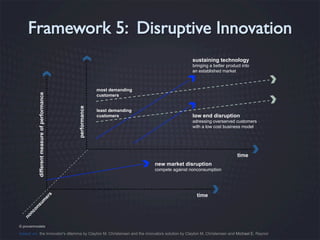
sustaining technology

most demanding
customers

performance

different measure of performance

bringing a better product into
an established market

least demanding
customers

low end disruption
adressing overserved customers
with a low cost business model

time
new market disruption
compete against nonconsumption

time

© provenmodels

based on: the Innovator's dilemma by Clayton M. Christensen and the innovators solution by Clayton M. Christensen and Michael E. Raynor
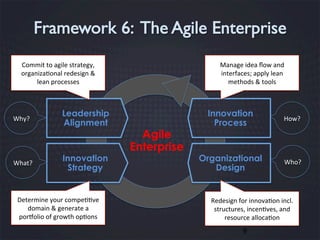
Commit	
  to	
  agile	
  strategy,	
  
organiza7onal	
  redesign	
  &	
  
lean	
  processes	
  

Why?	
  

What?	
  

Leadership
Alignment

Innovation
Strategy

Determine	
  your	
  compe77ve	
  
domain	
  &	
  generate	
  a	
  
porSolio	
  of	
  growth	
  op7ons	


Manage	
  idea	
  flow	
  and	
  
interfaces;	
  apply	
  lean	
  
methods	
  &	
  tools	
  

Agile
Enterprise

Innovation
Process

How?	
  

Organizational
Design

Who?	
  

Redesign	
  for	
  innova7on	
  incl.	
  
structures,	
  incen7ves,	
  and	
  
resource	
  alloca7on	
  

9	
  
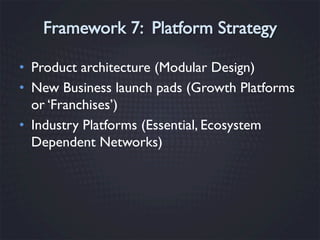
•  Product architecture (Modular Design)
•  New Business launch pads (Growth Platforms
or ‘Franchises’)
•  Industry Platforms (Essential, Ecosystem
Dependent Networks)
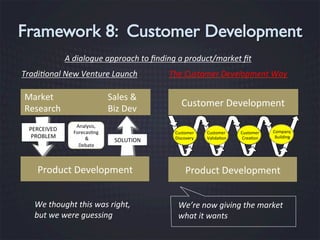
A	
  dialogue	
  approach	
  to	
  finding	
  a	
  product/market	
  fit	
  
Tradi6onal	
  New	
  Venture	
  Launch	
  

Market	
  
Research	
  
PERCEIVED	
  
PROBLEM	
  

Sales	
  &	
  
Biz	
  Dev	
  
Analysis,	
  	
  
Forecas7ng	
  
	
  &	
  
Debate	
  

SOLUTION	
  

Product	
  Development	
  
We	
  thought	
  this	
  was	
  right,	
  
but	
  we	
  were	
  guessing	
  

The	
  Customer	
  Development	
  Way	
  

Customer	
  Development	
  	
  
Customer	
  
Discovery	
  

Customer	
  
Valida7on	
  

Customer	
  
Crea7on	
  

Company	
  
Building	
  

Product	
  Development	
  
We’re	
  now	
  giving	
  the	
  market	
  
what	
  it	
  wants	
  
Strategy	
  
Theme	
  
(Vision)	


<Plan	
  A>	


<Plan	
  B>	


<Plan	
  C>	
  

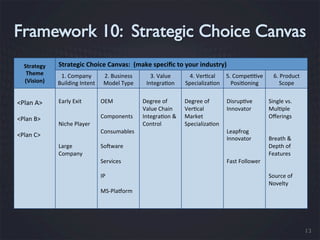
Strategic	
  Choice	
  Canvas:	
  	
  (make	
  specific	
  to	
  your	
  industry)	
  	
  
1.	
  Company	
  
Building	
  Intent	


Early	
  Exit	


Niche	
  Player	


Large	
  
Company	


2.	
  Business	
  
Model	
  Type	
  

3.	
  Value	
  
Integra7on	


OEM	


Components	


Consumables	


Sodware	


Services	


IP	


MS-­‐PlaSorm	


Degree	
  of	
  
Value	
  Chain	
  
Integra7on	
  &	
  
Control	


4.	
  Ver7cal	
  
5.	
  Compe77ve	
  
Specializa7on	
   Posi7oning	


Degree	
  of	
  
Ver7cal	
  
Market	
  
Specializa7on	


Disrup7ve	
  
Innovator	


Leapfrog	
  
Innovator	


Fast	
  Follower	


6.	
  Product	
  
Scope	


Single	
  vs.	
  
Mul7ple	
  
Offerings	


Breath	
  &	
  
Depth	
  of	
  
Features	


Source	
  of	
  
Novelty	


13
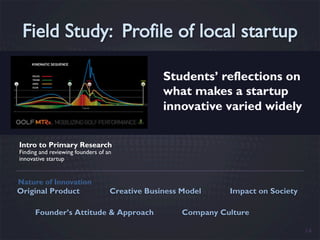
Students’ reflections on
what makes a startup
innovative varied widely
Intro to Primary Research
Finding and reviewing founders of an
innovative startup

Nature of Innovation

Original Product

Creative Business Model

Founder’s Attitude & Approach

Impact on Society

Company Culture
14
Founder
Interviews
Expert
Interviews

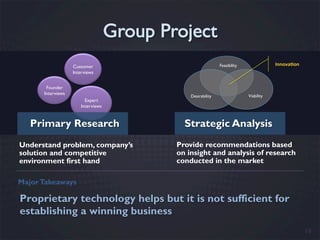
Primary Research
Understand problem, company’s
solution and competitive
environment first hand

Innova=on	
  

Feasibility

Customer
Interviews

Desirability

Viability

Strategic Analysis
Provide recommendations based
on insight and analysis of research
conducted in the market

Major Takeaways

Proprietary technology helps but it is not sufficient for
establishing a winning business
15

SDSU Mgt747 FA13 summary - Technology Commercialization

  • 1.
  • 2.
    •  Course Overview • Ten Frameworks we learned •  Assignments 2
  • 3.
    Technology Innovation Strategy The Outcome ofR&D The Diffusion of Technology Maximizing Value Proprietary means to a useful human purpose The use of resources and processes to diffuse inventions The use of strategy and tactics to maximize the value of innovation TEACHING METHODS Case Studies Startups, Large Companies, & Research Institutions Field Study Group Proj Supplements Profiling a local startup, its innovation and its processes Developing a commercialization strategy for an early stage tech. Class discussions, Prof. Blog, LinkedIn group 3
  • 4.
    Technology Innovation Curve,e.g. Qualcomm Commercialize: Standardize •  New Products (Features) •  New Services •  New Businesses Patent Invent b   Research LAB MARKET
  • 5.
    Known Unknown + Most VC Backed Startups WhereEagles Dare Most Lifestyle Businesses Most Angel Backed Startups (For Visionaries Only) Unknown Newness/ Risk of Technology Newness / Risk of Market Known +
  • 6.
    Profit & Growth OrganicDevelopment New Businesses Mergers & Acquisitions Existing Businesses
  • 7.
    Think  about  op7ons  theory  (Black  Scholes)   •     Intrinsic  value   •     Time  value  (Longevity,  Vola7lity)     Known   Large  Opp’t   Fairy  Tale   Me  Too   Unknown   Large  Opp’t   Contrarian   What  the?   LiHle     Compe77on   Lots  of   Compe77on   7
  • 8.
    sustaining technology most demanding customers performance differentmeasure of performance bringing a better product into an established market least demanding customers low end disruption adressing overserved customers with a low cost business model time new market disruption compete against nonconsumption time © provenmodels based on: the Innovator's dilemma by Clayton M. Christensen and the innovators solution by Clayton M. Christensen and Michael E. Raynor
  • 9.
    Commit  to  agile  strategy,   organiza7onal  redesign  &   lean  processes   Why?   What?   Leadership Alignment Innovation Strategy Determine  your  compe77ve   domain  &  generate  a   porSolio  of  growth  op7ons     Manage  idea  flow  and   interfaces;  apply  lean   methods  &  tools   Agile Enterprise Innovation Process How?   Organizational Design Who?   Redesign  for  innova7on  incl.   structures,  incen7ves,  and   resource  alloca7on   9  
  • 10.
    •  Product architecture(Modular Design) •  New Business launch pads (Growth Platforms or ‘Franchises’) •  Industry Platforms (Essential, Ecosystem Dependent Networks)
  • 11.
    A  dialogue  approach  to  finding  a  product/market  fit   Tradi6onal  New  Venture  Launch   Market   Research   PERCEIVED   PROBLEM   Sales  &   Biz  Dev   Analysis,     Forecas7ng    &   Debate   SOLUTION   Product  Development   We  thought  this  was  right,   but  we  were  guessing   The  Customer  Development  Way   Customer  Development     Customer   Discovery   Customer   Valida7on   Customer   Crea7on   Company   Building   Product  Development   We’re  now  giving  the  market   what  it  wants  
  • 13.
    Strategy   Theme   (Vision)     <Plan  A>     <Plan  B>     <Plan  C>   Strategic  Choice  Canvas:    (make  specific  to  your  industry)     1.  Company   Building  Intent     Early  Exit       Niche  Player       Large   Company       2.  Business   Model  Type   3.  Value   Integra7on     OEM     Components     Consumables     Sodware     Services     IP     MS-­‐PlaSorm     Degree  of   Value  Chain   Integra7on  &   Control     4.  Ver7cal   5.  Compe77ve   Specializa7on   Posi7oning     Degree  of   Ver7cal   Market   Specializa7on       Disrup7ve   Innovator       Leapfrog   Innovator       Fast  Follower         6.  Product   Scope     Single  vs.   Mul7ple   Offerings       Breath  &   Depth  of   Features       Source  of   Novelty       13
  • 14.
    Students’ reflections on whatmakes a startup innovative varied widely Intro to Primary Research Finding and reviewing founders of an innovative startup Nature of Innovation Original Product Creative Business Model Founder’s Attitude & Approach Impact on Society Company Culture 14
  • 15.
    Founder Interviews Expert Interviews Primary Research Understand problem,company’s solution and competitive environment first hand Innova=on   Feasibility Customer Interviews Desirability Viability Strategic Analysis Provide recommendations based on insight and analysis of research conducted in the market Major Takeaways Proprietary technology helps but it is not sufficient for establishing a winning business 15