It’s All about Thinking –
differentiation in K-5 classes


       Saltspring Island
        Nov. 13, 2009
        Faye Brownlie
Frameworks


It’s All about Thinking – Brownlie & Schnellert, 2009
Universal Design for Learning
Multiple means:
-to tap into background knowledge, to
  activate prior knowledge, to increase
  engagement and motivation
-to acquire the information and knowledge to
  process new ideas and information
-to express what they know.
                          Rose & Meyer,
  2002
Backwards Design
•  What important ideas and enduring
   understandings do you want the students
   to know?

•  What thinking strategies will students need
   to demonstrate these understandings?

                    McTighe & Wiggins,
 2001
My students need to learn to
 record notes when reading
 information text.
Can I introduce the double-entry
 journal to my grade 2/3 class?
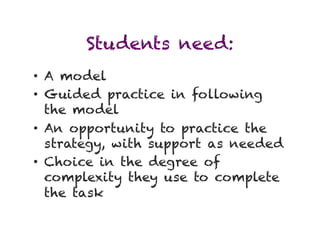
Students need:
•  A model
•  Guided practice in following
   the model
•  An opportunity to practice the
   strategy, with support as needed
•  Choice in the degree of
   complexity they use to complete
   the task
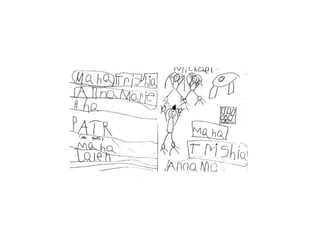
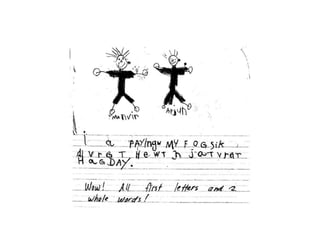
How can we best use our resource
 time together? Can we
 introduce writing in a playful
 way to a diverse group of K
 children?
Students need:
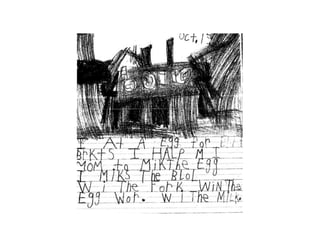
•  To see themselves as writers
•  To have fun
•  To develop a sense of sound/
   symbol relationships
•  To find their stories
•  To work with criteria
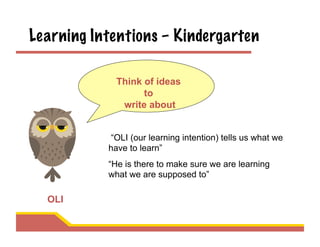
Learning Intentions – Kindergarten

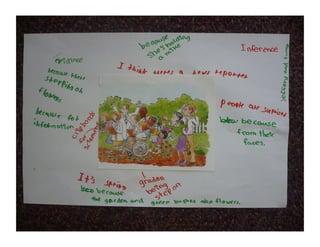
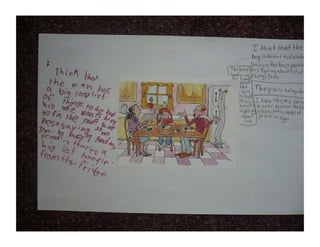
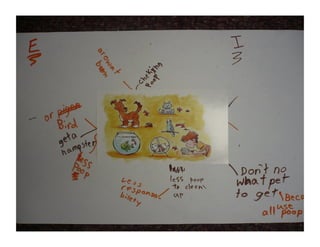
             Think of ideas
                   to
              write about


           “OLI (our learning intention) tells us what we
           have to learn”
           “He is there to make sure we are learning
           what we are supposed to”

  OLI
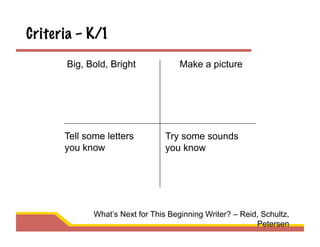
Criteria – K/1
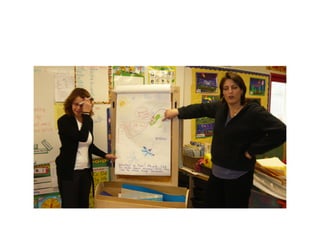
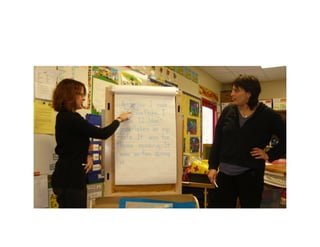
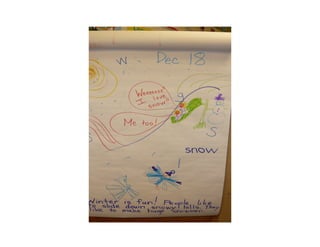
      Big, Bold, Bright              Make a picture


      Tell some letters          Try some sounds
      you know                   you know


             What’s Next for This Beginning Writer? – Reid, Schultz,
                                                          Petersen
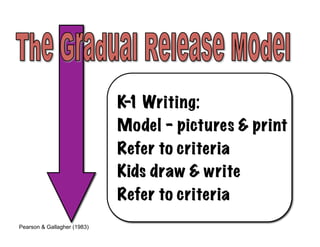
K- Writing:
                               1
                             Model - pictures & print
                             Refer to criteria
                             Kids draw & write
                             Refer to criteria
Pearson & Gallagher (1983)
How can we best use our resource
 time together? How can we help
 our students enhance their
 vocabulary use in their writing?
Students need:
•  To see themselves as writers
•  To work with criteria
•  To have models of powerful
   language
•  To practice over time
•  To receive feedback while
   writing and after writing, 2 stars
   and 1 wish
Grade 2/3 Writing Criteria


•  An opening sentence with a hook

•  Details

•  Distinguished words
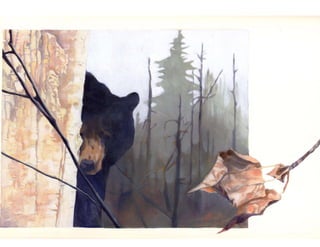
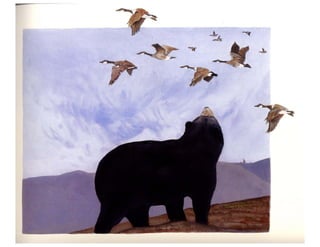
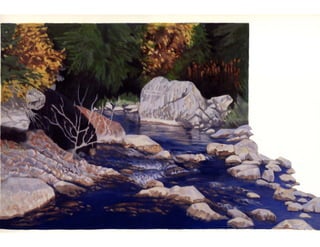
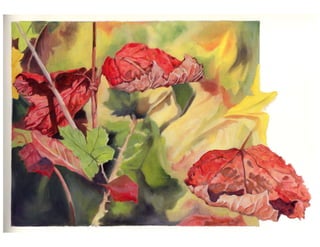
Autumn Bear


Author-Diane Culling
Illustrator - Cindy Vincent

Snowberry Books, 2007
ISBN 978-0-9736678-2-0
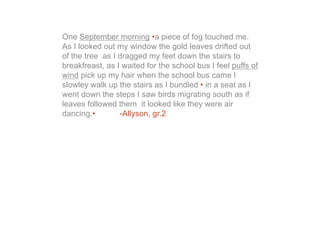
One September morning •a piece of fog touched me.
As I looked out my window the gold leaves drifted out
of the tree as I dragged my feet down the stairs to
breakfreast, as I waited for the school bus I feel puffs of
wind pick up my hair when the school bus came I
slowley walk up the stairs as I bundled • in a seat as I
went down the steps I saw birds migrating south as if
leaves followed them it looked like they were air
dancing.•        -Allyson, gr.2
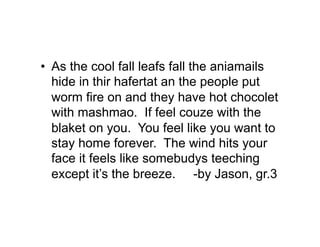
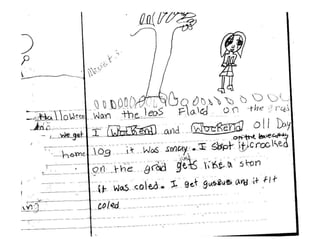
•  As the cool fall leafs fall the aniamails
   hide in thir hafertat an the people put
   worm fire on and they have hot chocolet
   with mashmao. If feel couze with the
   blaket on you. You feel like you want to
   stay home forever. The wind hits your
   face it feels like somebudys teeching
   except it’s the breeze. -by Jason, gr.3
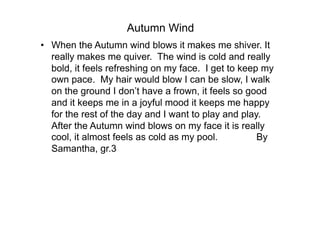
Autumn Wind
•  When the Autumn wind blows it makes me shiver. It
   really makes me quiver. The wind is cold and really
   bold, it feels refreshing on my face. I get to keep my
   own pace. My hair would blow I can be slow, I walk
   on the ground I don’t have a frown, it feels so good
   and it keeps me in a joyful mood it keeps me happy
   for the rest of the day and I want to play and play.
   After the Autumn wind blows on my face it is really
   cool, it almost feels as cold as my pool.          By
   Samantha, gr.3
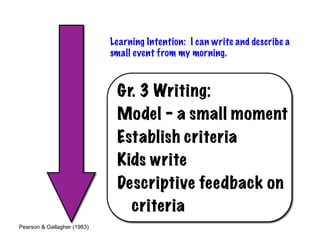
Learning Intention: I can write and describe a
                             small event from my morning.


                              Gr. 3 Writing:
                              Model – a small moment
                              Establish criteria
                              Kids write
                              Descriptive feedback on
                                criteria
Pearson & Gallagher (1983)
•    Choose a topic
•    Write in front of the students
•    Students describe ‘what works’ in your writing
•    Students choose a ‘morning’ topic
•    Students write
•    Students self-assess
•    Students meet with peers to share and provide
     feedback
All alone, I stepped into my car. With my
  map in hand, I began to drive. At the lights
  I turned left, then the map said to turn
  right. “Oh, no!”
   The sign said, “Road closed”.
   “Help,” I thought. “What am I going to
  do?”
Notices…criteria
•  Mystery

•  Opening

•  Detailed

•  Sounds like you (Voice)
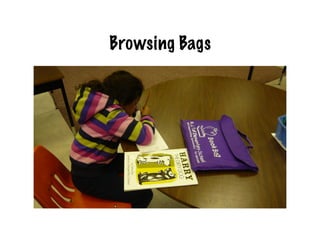
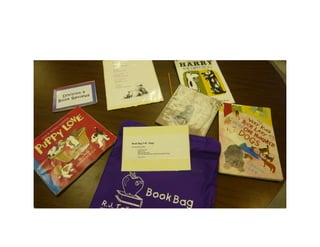
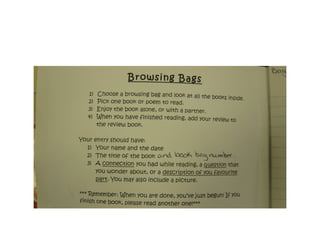
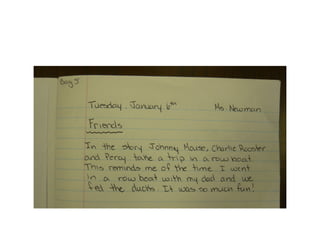
Browsing Bags– Lousesa
  Newman, Jennifer Hall
     Tait Elementary


The Focus:
Children need time to
read independently and
time to respond to their
reading.
Browsing Bags
Lori Zawada & Faye Brownlie
                            Grade 2/3
                     Tait Elementary
                           Richmond


Learning Intentions
Questioning
Descriptive Feedback
Ownership
Learning Intention:
•  I can examine a picture and infer what is
   happening
•  I can provide ‘because’ reasoning
   (evidence) for my inference
•  Peter’s Poofect Pet - Tina Powell

•  www.bigfatpen.com
K-3 Collaborative Study
•  Goal: to help students use
   their own questions to develop
   a real understanding about
   insects

•    Teachers:
•    Lisa Schwartz-K/1
•    Colleen Reimer - 1/2
•    Louesa Neuman - 2/3
The Process:
              Modelling

•  Brainstorm-Categorize (know)
•  Read (wonder and discover)
•  “Insect Absolutes” - developed as a
   class (learned)
•  Own flip books - content criteria
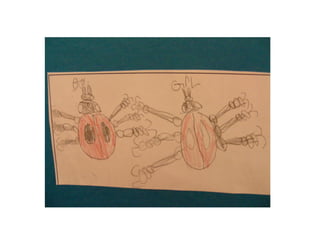
3 classes, 3 insects
      K/1 - ants

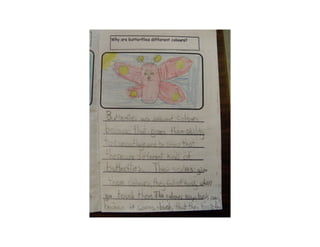
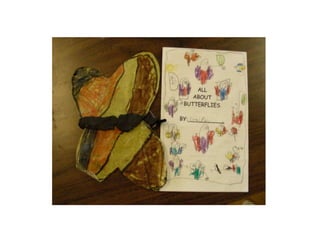
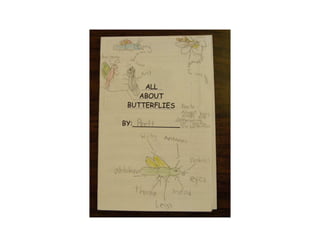
    1/2 - butterflies

      2/3 - bees
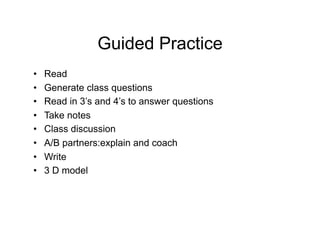
Guided Practice
•    Read
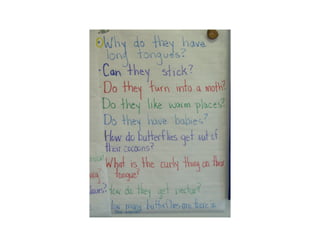
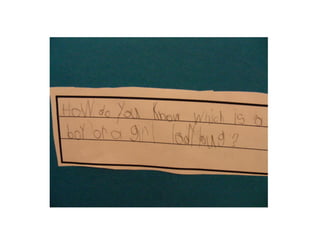
•    Generate class questions
•    Read in 3’s and 4’s to answer questions
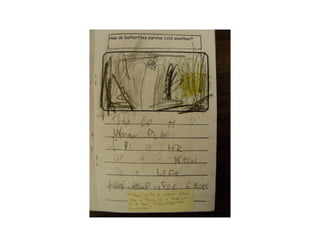
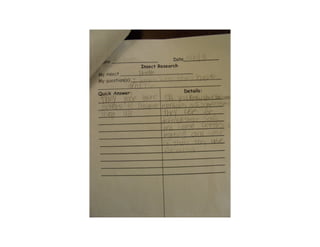
•    Take notes
•    Class discussion
•    A/B partners:explain and coach
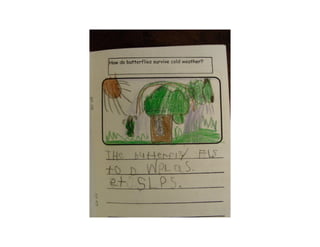
•    Write
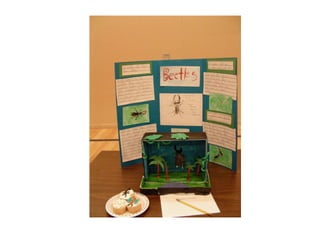
•    3 D model
Independent Practice
•    Read
•    Choose insect
•    Choose 3 questions
•    Multi-age groups, insect based
•    Note-taking: MI and details
•    Partner talk
•    Write for poster
•    Diorama and 3D model
•    Present
Grand Conversations,
Thoughtful Responses

     Faye Brownlie
Portage and Main Press
Literature Circles

•  no assigned roles

•  no limits on amount of reading
•  constantly changing discussion groups
•  student choice of books
•  journals
•  bi-weekly comprehension strategies
The Storm

In my bed all safe and warm
I like to listen to the storm.
The thunder rumbles loud and grand-
The rain goes splash and whisper; and
The lightning is so sharp and bright
It sticks its fingers through the night.
-Dorothy Aldis
Lit Circle Conversations

•  begin with ‘say something’
•  each student responds in turn
•  general conversation can follow
•  teacher meets with each group
•  other students are reading
Criteria for an effective group discussion:

•all   voices must be included

•everyone must feel included

•everyone’s ideas are respected

•the discussion should move us to new
understandings
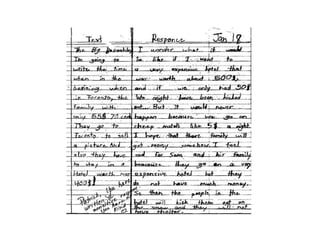
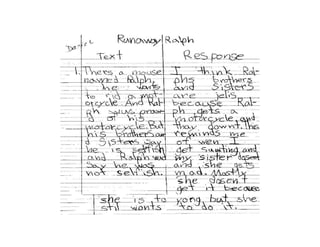
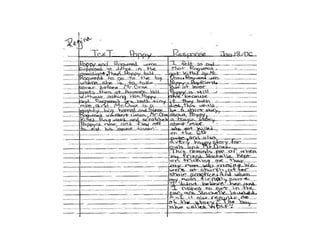
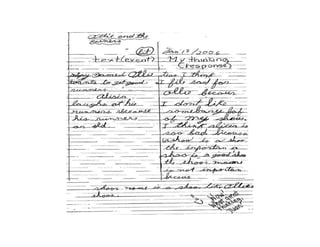
Response Journals


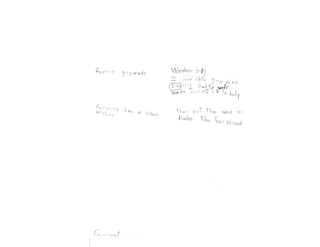
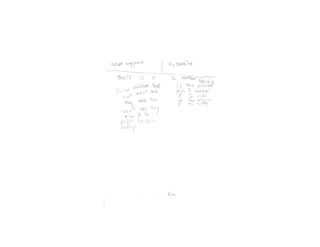
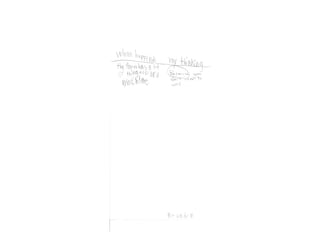
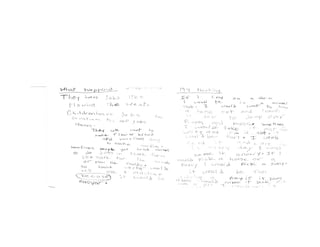
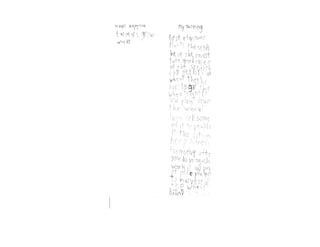
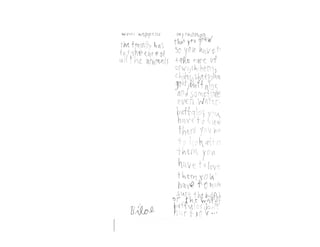
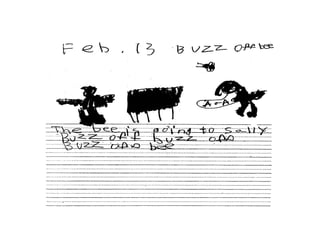
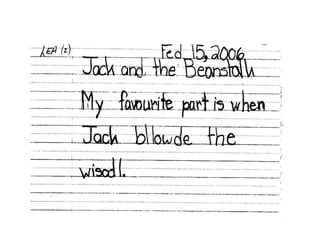
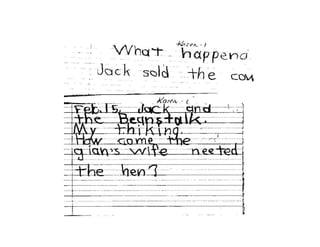
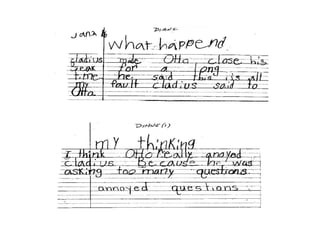
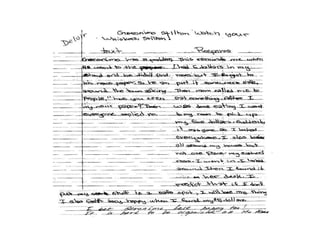
  double-entry   journals
  initially, written in class, together
  develop criteria for powerful responses
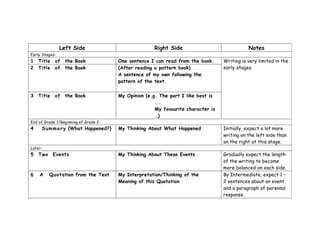
Left Side                             Right Side                             Notes
Early Stages:
1   Title   of   the Book              One sentence I can read from the book.     Writing is very limited in the
2   Title   of   the Book              (After reading a pattern book)             early stages.
                                       A sentence of my own following the
                                       pattern of the text.

3   Title   of   the Book              My Opinion (e.g. The part I like best is
                                                      ...
                                                      My favourite character is
                                                      …)
End of Grade 1/Beginning of Grade 2:
4    S u m m a r y (What Happened?)    My Thinking About What Happened            Initially, expect a lot more
                                                                                  writing on the left side than
                                                                                  on the right at this stage.
Later:
5   Two     Events                     My Thinking About These Events             Gradually expect the length
                                                                                  of the writing to become
                                                                                  more balanced on each side.
6   A     Quotation from the Text      My Interpretation/Thinking of the          By Intermediate, expect 1 –
                                       Meaning of this Quotation                  2 sentences about an event
                                                                                  and a paragraph of personal
                                                                                  response.
Saltspring.K 5.Differentiation

Saltspring.K 5.Differentiation

  • 1.
    It’s All aboutThinking – differentiation in K-5 classes Saltspring Island Nov. 13, 2009 Faye Brownlie
  • 2.
    Frameworks It’s All aboutThinking – Brownlie & Schnellert, 2009
  • 3.
    Universal Design forLearning Multiple means: -to tap into background knowledge, to activate prior knowledge, to increase engagement and motivation -to acquire the information and knowledge to process new ideas and information -to express what they know. Rose & Meyer, 2002
  • 4.
    Backwards Design •  Whatimportant ideas and enduring understandings do you want the students to know? •  What thinking strategies will students need to demonstrate these understandings? McTighe & Wiggins, 2001
  • 5.
    My students needto learn to record notes when reading information text. Can I introduce the double-entry journal to my grade 2/3 class?
  • 6.
    Students need: •  Amodel •  Guided practice in following the model •  An opportunity to practice the strategy, with support as needed •  Choice in the degree of complexity they use to complete the task
  • 13.
    How can webest use our resource time together? Can we introduce writing in a playful way to a diverse group of K children?
  • 14.
    Students need: •  Tosee themselves as writers •  To have fun •  To develop a sense of sound/ symbol relationships •  To find their stories •  To work with criteria
  • 15.
    Learning Intentions –Kindergarten Think of ideas to write about “OLI (our learning intention) tells us what we have to learn” “He is there to make sure we are learning what we are supposed to” OLI
  • 16.
    Criteria – K/1 Big, Bold, Bright Make a picture Tell some letters Try some sounds you know you know What’s Next for This Beginning Writer? – Reid, Schultz, Petersen
  • 17.
    K- Writing: 1 Model - pictures & print Refer to criteria Kids draw & write Refer to criteria Pearson & Gallagher (1983)
  • 24.
    How can webest use our resource time together? How can we help our students enhance their vocabulary use in their writing?
  • 25.
    Students need: •  Tosee themselves as writers •  To work with criteria •  To have models of powerful language •  To practice over time •  To receive feedback while writing and after writing, 2 stars and 1 wish
  • 26.
    Grade 2/3 WritingCriteria •  An opening sentence with a hook •  Details •  Distinguished words
  • 31.
    Autumn Bear Author-Diane Culling Illustrator- Cindy Vincent Snowberry Books, 2007 ISBN 978-0-9736678-2-0
  • 32.
    One September morning•a piece of fog touched me. As I looked out my window the gold leaves drifted out of the tree as I dragged my feet down the stairs to breakfreast, as I waited for the school bus I feel puffs of wind pick up my hair when the school bus came I slowley walk up the stairs as I bundled • in a seat as I went down the steps I saw birds migrating south as if leaves followed them it looked like they were air dancing.• -Allyson, gr.2
  • 33.
    •  As thecool fall leafs fall the aniamails hide in thir hafertat an the people put worm fire on and they have hot chocolet with mashmao. If feel couze with the blaket on you. You feel like you want to stay home forever. The wind hits your face it feels like somebudys teeching except it’s the breeze. -by Jason, gr.3
  • 34.
    Autumn Wind •  Whenthe Autumn wind blows it makes me shiver. It really makes me quiver. The wind is cold and really bold, it feels refreshing on my face. I get to keep my own pace. My hair would blow I can be slow, I walk on the ground I don’t have a frown, it feels so good and it keeps me in a joyful mood it keeps me happy for the rest of the day and I want to play and play. After the Autumn wind blows on my face it is really cool, it almost feels as cold as my pool. By Samantha, gr.3
  • 36.
    Learning Intention: Ican write and describe a small event from my morning. Gr. 3 Writing: Model – a small moment Establish criteria Kids write Descriptive feedback on criteria Pearson & Gallagher (1983)
  • 37.
    •  Choose a topic •  Write in front of the students •  Students describe ‘what works’ in your writing •  Students choose a ‘morning’ topic •  Students write •  Students self-assess •  Students meet with peers to share and provide feedback
  • 38.
    All alone, Istepped into my car. With my map in hand, I began to drive. At the lights I turned left, then the map said to turn right. “Oh, no!” The sign said, “Road closed”. “Help,” I thought. “What am I going to do?”
  • 39.
    Notices…criteria •  Mystery •  Opening • Detailed •  Sounds like you (Voice)
  • 43.
    Browsing Bags– Lousesa Newman, Jennifer Hall Tait Elementary The Focus: Children need time to read independently and time to respond to their reading.
  • 44.
  • 51.
    Lori Zawada &Faye Brownlie Grade 2/3 Tait Elementary Richmond Learning Intentions Questioning Descriptive Feedback Ownership
  • 52.
    Learning Intention: •  Ican examine a picture and infer what is happening •  I can provide ‘because’ reasoning (evidence) for my inference
  • 57.
    •  Peter’s PoofectPet - Tina Powell •  www.bigfatpen.com
  • 58.
    K-3 Collaborative Study • Goal: to help students use their own questions to develop a real understanding about insects •  Teachers: •  Lisa Schwartz-K/1 •  Colleen Reimer - 1/2 •  Louesa Neuman - 2/3
  • 59.
    The Process: Modelling •  Brainstorm-Categorize (know) •  Read (wonder and discover) •  “Insect Absolutes” - developed as a class (learned) •  Own flip books - content criteria
  • 60.
    3 classes, 3insects K/1 - ants 1/2 - butterflies 2/3 - bees
  • 61.
    Guided Practice •  Read •  Generate class questions •  Read in 3’s and 4’s to answer questions •  Take notes •  Class discussion •  A/B partners:explain and coach •  Write •  3 D model
  • 68.
    Independent Practice •  Read •  Choose insect •  Choose 3 questions •  Multi-age groups, insect based •  Note-taking: MI and details •  Partner talk •  Write for poster •  Diorama and 3D model •  Present
  • 74.
    Grand Conversations, Thoughtful Responses Faye Brownlie Portage and Main Press
  • 75.
    Literature Circles •  noassigned roles •  no limits on amount of reading •  constantly changing discussion groups •  student choice of books •  journals •  bi-weekly comprehension strategies
  • 76.
    The Storm In mybed all safe and warm I like to listen to the storm. The thunder rumbles loud and grand- The rain goes splash and whisper; and The lightning is so sharp and bright It sticks its fingers through the night. -Dorothy Aldis
  • 77.
    Lit Circle Conversations • begin with ‘say something’ •  each student responds in turn •  general conversation can follow •  teacher meets with each group •  other students are reading
  • 78.
    Criteria for aneffective group discussion: •all voices must be included •everyone must feel included •everyone’s ideas are respected •the discussion should move us to new understandings
  • 79.
    Response Journals   double-entry journals   initially, written in class, together   develop criteria for powerful responses
  • 80.
    Left Side Right Side Notes Early Stages: 1 Title of the Book One sentence I can read from the book. Writing is very limited in the 2 Title of the Book (After reading a pattern book) early stages. A sentence of my own following the pattern of the text. 3 Title of the Book My Opinion (e.g. The part I like best is ... My favourite character is …) End of Grade 1/Beginning of Grade 2: 4 S u m m a r y (What Happened?) My Thinking About What Happened Initially, expect a lot more writing on the left side than on the right at this stage. Later: 5 Two Events My Thinking About These Events Gradually expect the length of the writing to become more balanced on each side. 6 A Quotation from the Text My Interpretation/Thinking of the By Intermediate, expect 1 – Meaning of this Quotation 2 sentences about an event and a paragraph of personal response.