Made by: Benedict Gombocz
Family
 Father: Francis “Frank”
    Anthony Nixon – owner and
    grocer of gas station.
   Mother: Hannah Milhous
    Nixon – committed Quaker.
   Siblings: Four brothers.
   Wife: Thelma Catherine “Pat”
    Ryan – Business Teacher.
   Children: Two daughters –
    Patricia and Julie.
Childhood and Education
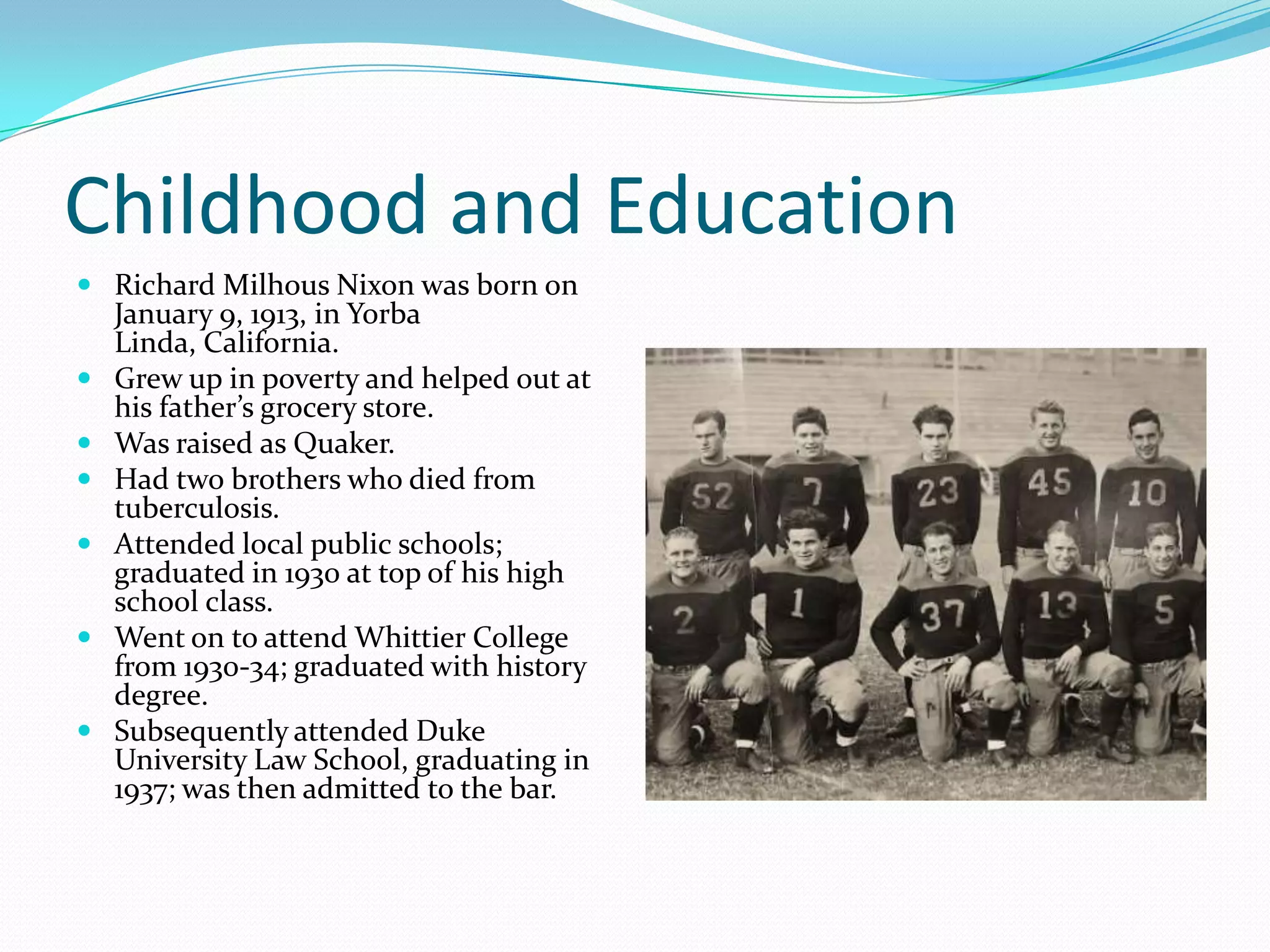
 Richard Milhous Nixon was born on
    January 9, 1913, in Yorba
    Linda, California.
   Grew up in poverty and helped out at
    his father’s grocery store.
   Was raised as Quaker.
   Had two brothers who died from
    tuberculosis.
   Attended local public schools;
    graduated in 1930 at top of his high
    school class.
   Went on to attend Whittier College
    from 1930-34; graduated with history
    degree.
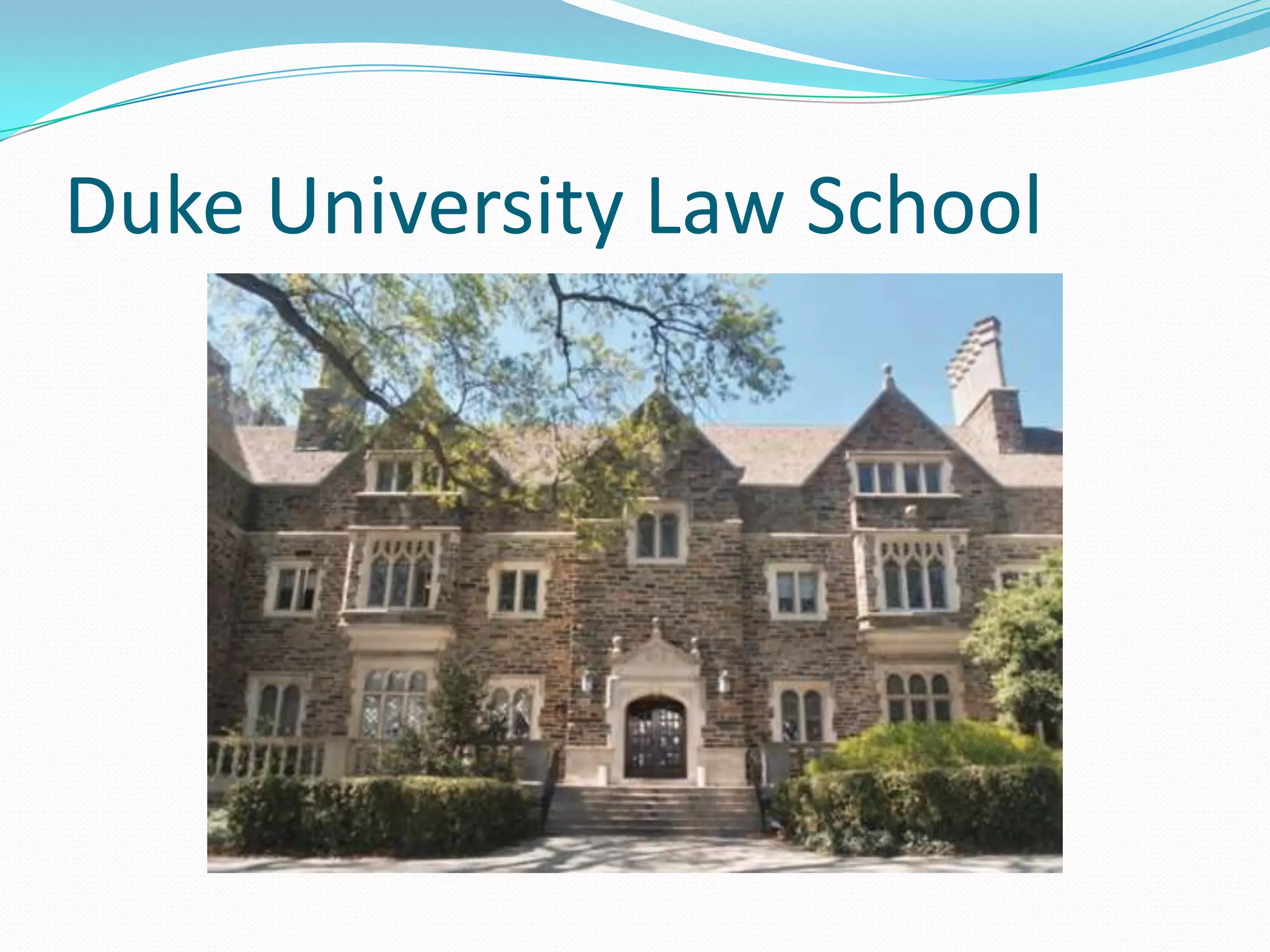
   Subsequently attended Duke
    University Law School, graduating in
    1937; was then admitted to the bar.
Duke University Law School
Career before Presidency
 Started practicing law in 1937.
 Attempted his hand at owning a business,
    which failed before enlisting in the navy to
    serve in World War II.
   Advanced to lieutenant commander and
    resigned in March 1946; was elected as U.S.
    Representative in 1947.
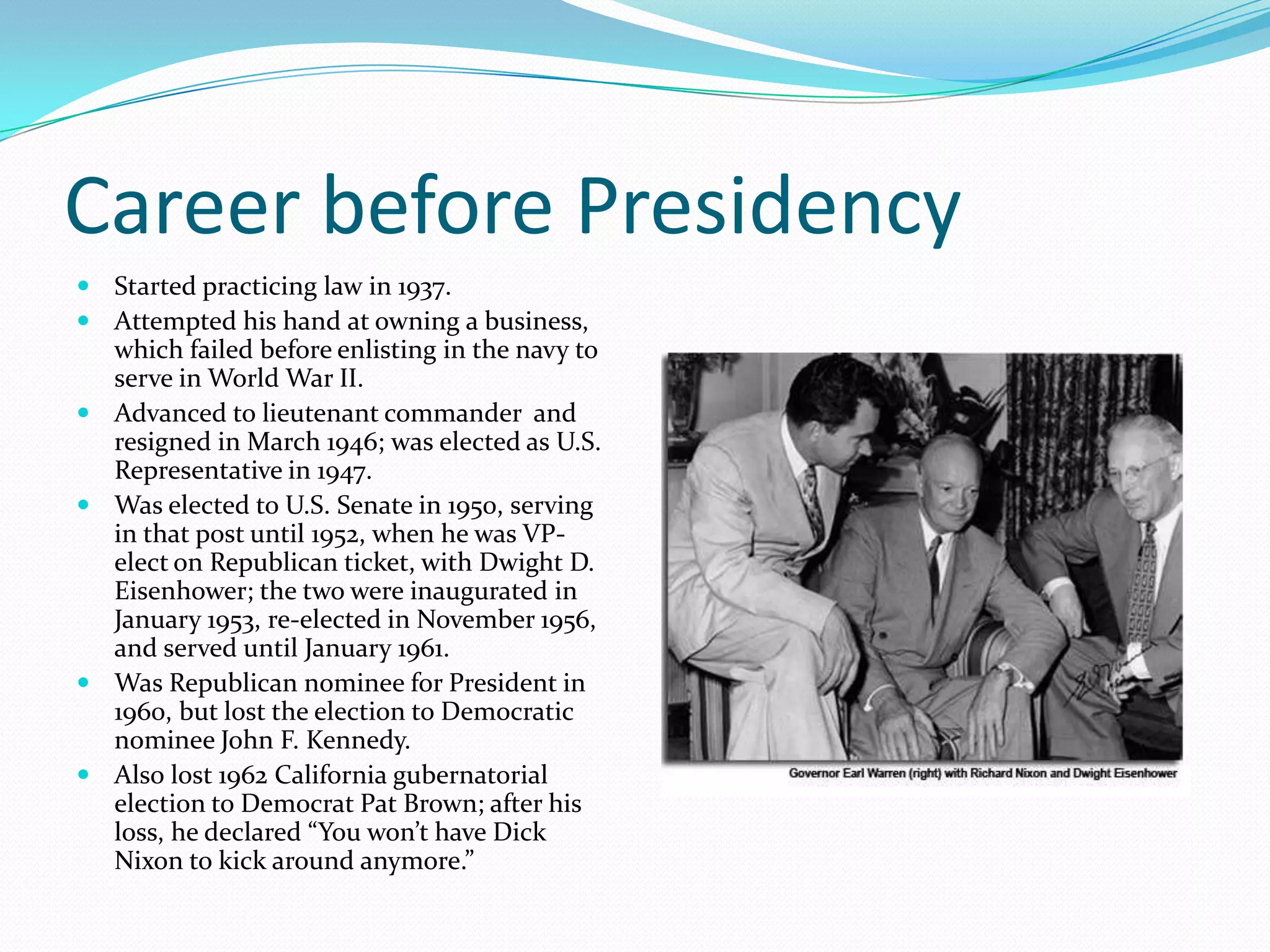
   Was elected to U.S. Senate in 1950, serving
    in that post until 1952, when he was VP-
    elect on Republican ticket, with Dwight D.
    Eisenhower; the two were inaugurated in
    January 1953, re-elected in November 1956,
    and served until January 1961.
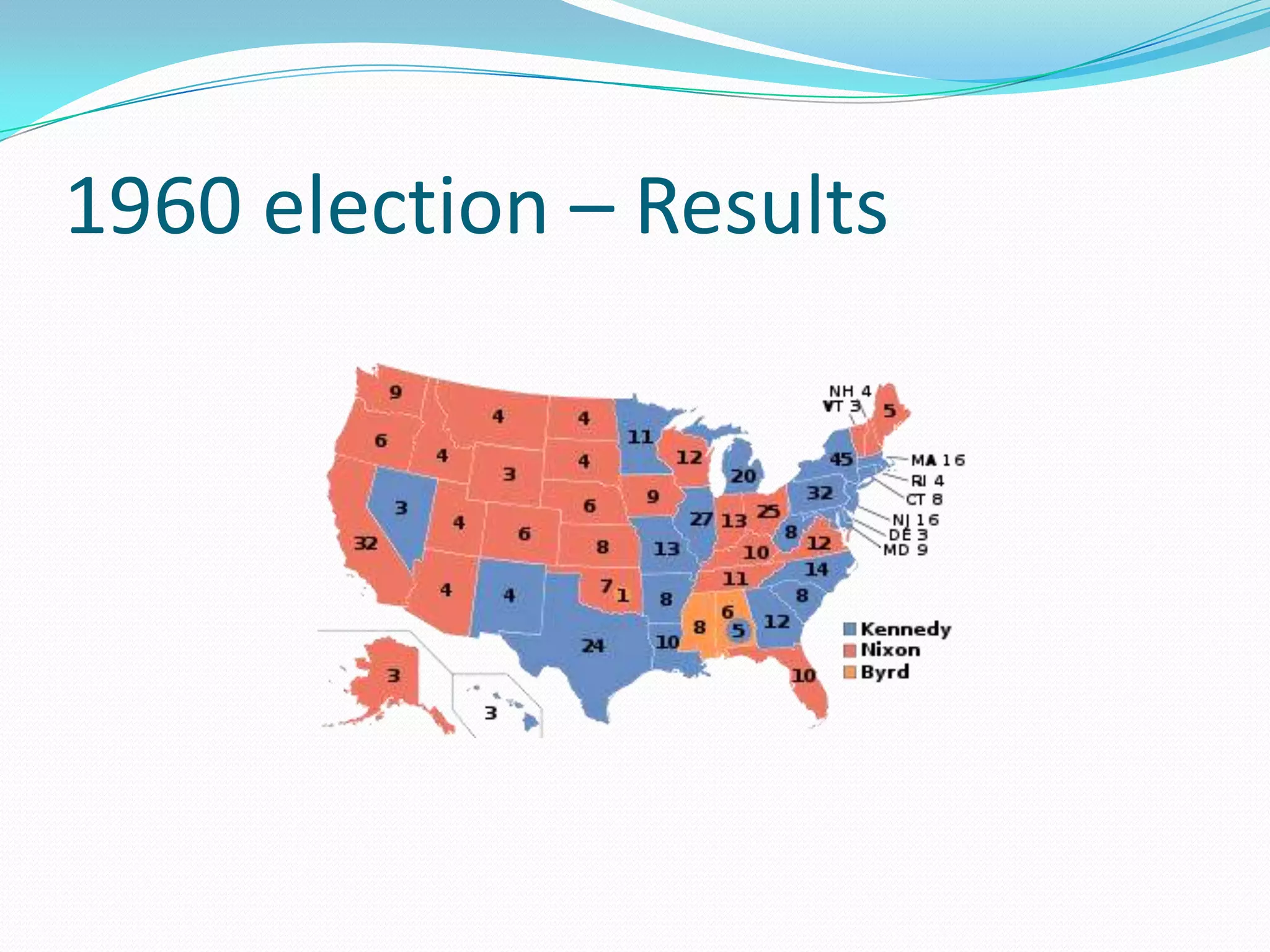
   Was Republican nominee for President in
    1960, but lost the election to Democratic
    nominee John F. Kennedy.
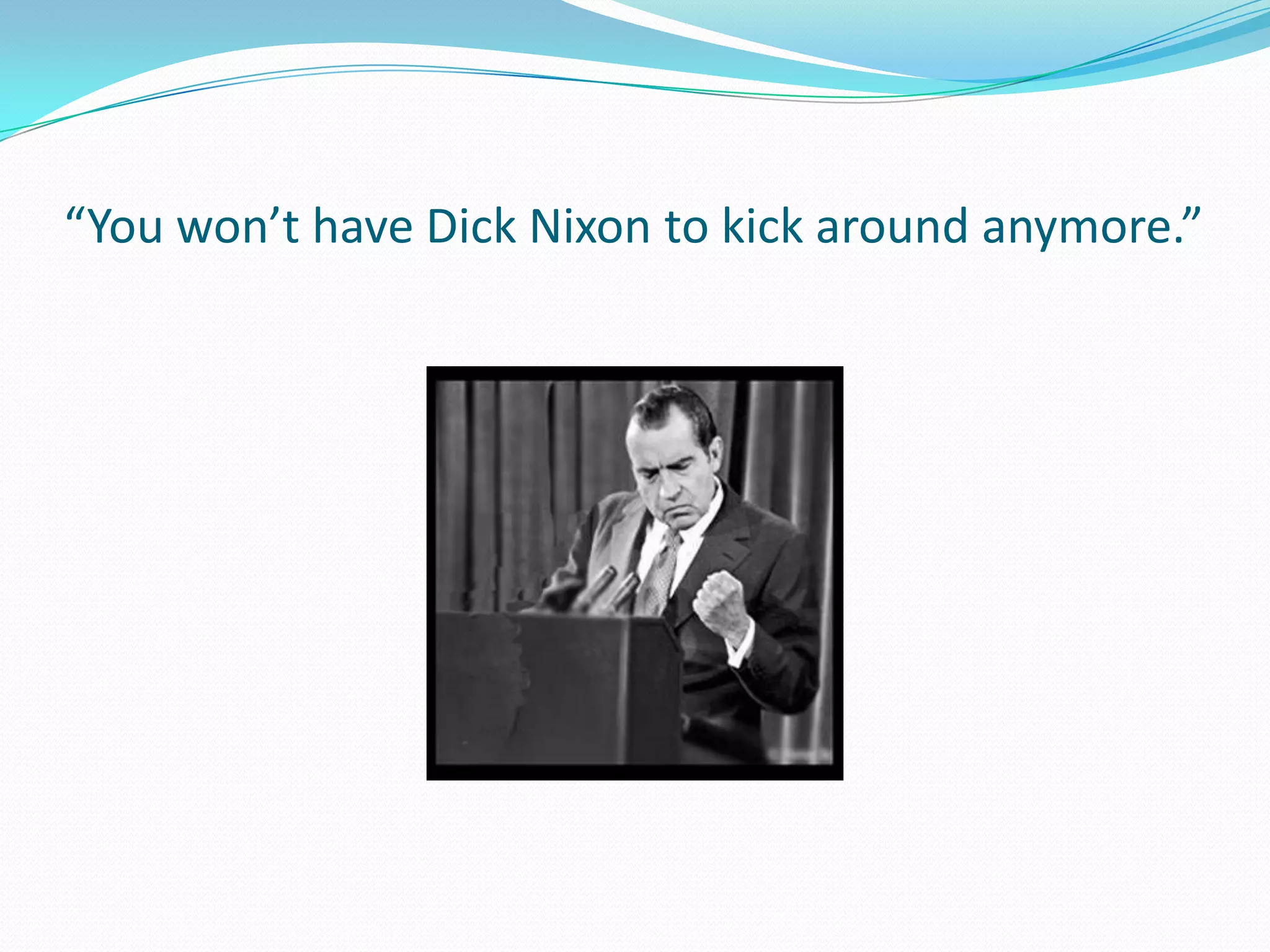
   Also lost 1962 California gubernatorial
    election to Democrat Pat Brown; after his
    loss, he declared “You won’t have Dick
    Nixon to kick around anymore.”
Nixon-Kennedy debate, 1960
1960 election – Results
“You won’t have Dick Nixon to kick around anymore.”
Election as President, 1968
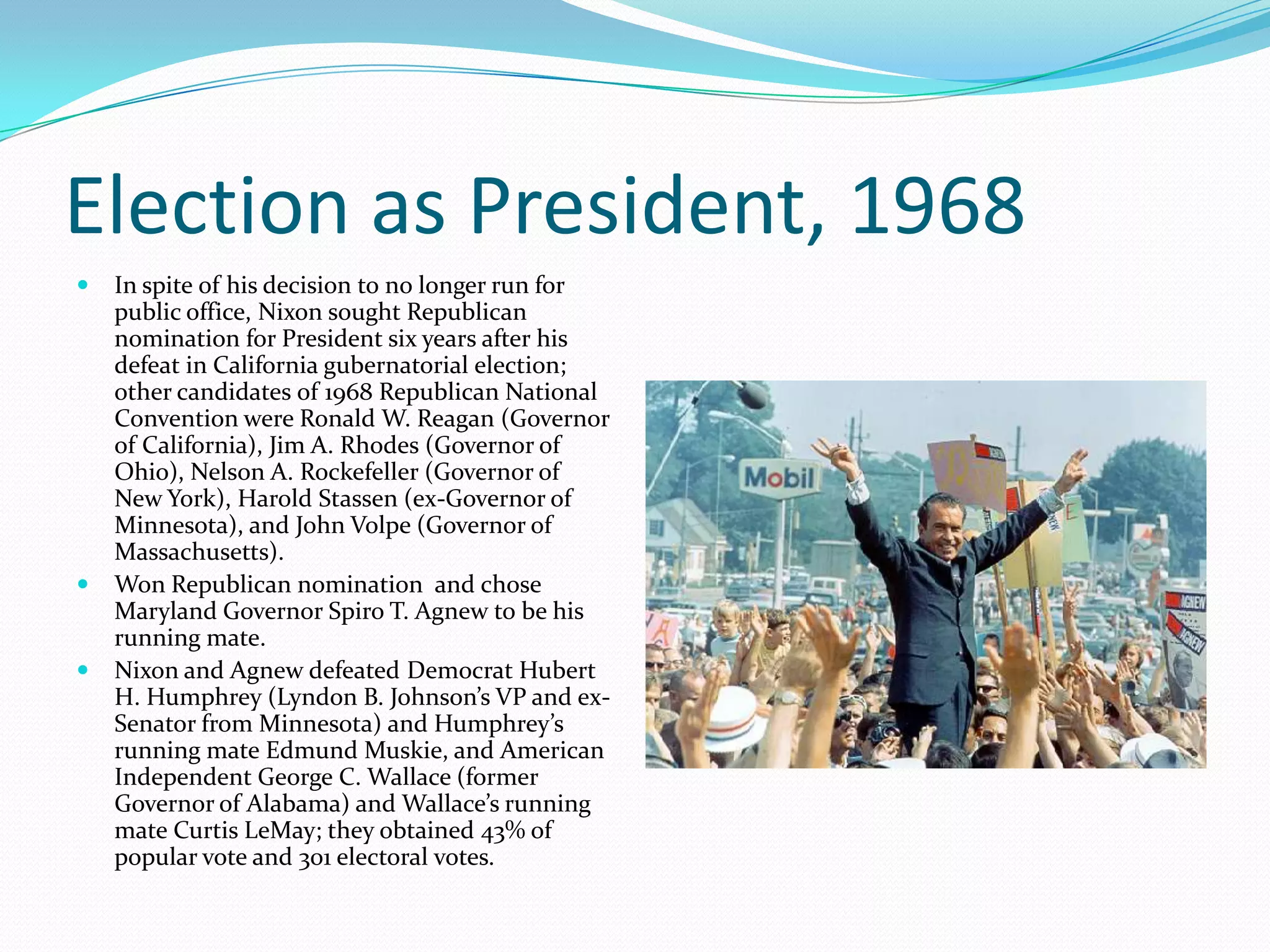
   In spite of his decision to no longer run for
    public office, Nixon sought Republican
    nomination for President six years after his
    defeat in California gubernatorial election;
    other candidates of 1968 Republican National
    Convention were Ronald W. Reagan (Governor
    of California), Jim A. Rhodes (Governor of
    Ohio), Nelson A. Rockefeller (Governor of
    New York), Harold Stassen (ex-Governor of
    Minnesota), and John Volpe (Governor of
    Massachusetts).
   Won Republican nomination and chose
    Maryland Governor Spiro T. Agnew to be his
    running mate.
   Nixon and Agnew defeated Democrat Hubert
    H. Humphrey (Lyndon B. Johnson’s VP and ex-
    Senator from Minnesota) and Humphrey’s
    running mate Edmund Muskie, and American
    Independent George C. Wallace (former
    Governor of Alabama) and Wallace’s running
    mate Curtis LeMay; they obtained 43% of
    popular vote and 301 electoral votes.
1968 election – Results
Spiro T. Agnew
Re-election and Agnew’s resignation, 1972-1973
   Was re-nominated by Republican party for re-
    election in 1972, with Agnew as his running mate
    again.
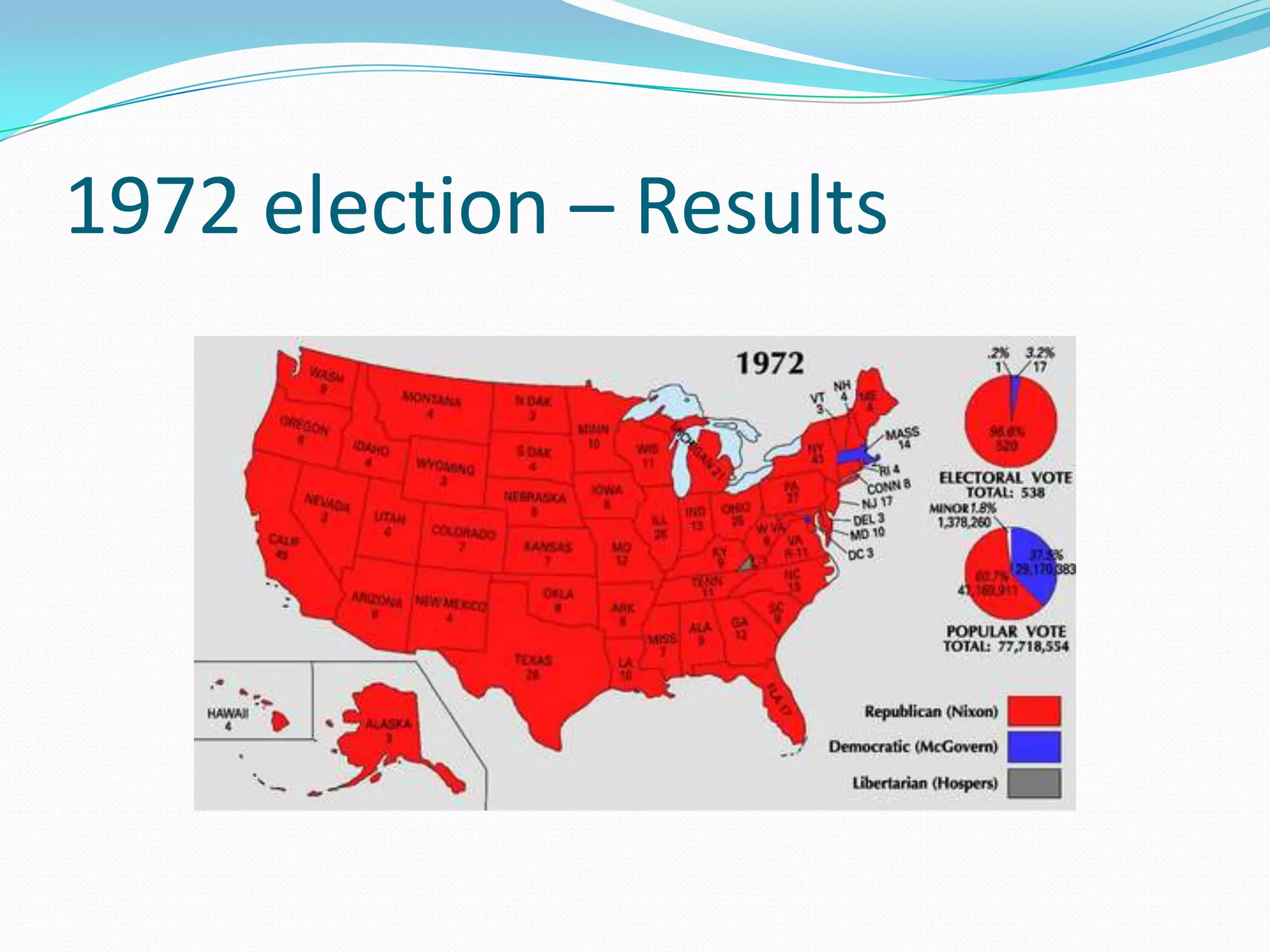
   Nixon easily defeated his opponent George
    McGovern (Senator from South Dakota) and
    McGovern’s running mate Sergeant Shriver
    (Ambassador to France; replaced Senator from
    Missouri Thomas Eagleton as running
    mate), winning with 61% of vote and 520 electoral
    votes.
   In the summer of 1973, Agnew was put under
    investigation after it was revealed that he accepted
    bribes of over $100,000, while he served as
    Baltimore County Executive, Governor of
    Maryland, and VP; on October 10, 1973, he was
    permitted to plead no contest (Nolo contendere)
    to single charge of failure to report $29,500 of
    income acquired in 1967, provided that he resign
    as VP.
   Following Agnew’s forced resignation, Nixon
    appointed House Minority Leader Gerald R. Ford
    to fill Agnew’s post; Agnew became second VP to
    resign (after John C. Calhoun in 1832), but only VP
    to resign because of charges of corruption.
1972 election – Results
Gerald R. Ford
Watergate Scandal, Resignation and Post-
Presidential Period, 1972-1994
   At the same time Nixon ran for re-election, it was revealed
    that five men from Committee to Re-elect the President
    (CREEP) burglarized Democratic National Headquarters at
    Watergate business complex; two Washington Post
    reporters, Bob Woodward and Carl Bernstein, unfolded
    solid cover-up of break-in.
   Nixon had set up taping system and when the Senate asked
    to hand over tapes recorded in Oval Office, he refused to
    hand them over on the grounds that he had executive
    privilege.
   Supreme Court rejected his claim and forced him to give
    the tapes up; although the tapes had no evidence that
    Nixon was directly involved in the break-in, they revealed
    his involvement in covering it up.
   Faced with inevitable impeachment with his role in
    Watergate, Nixon resigned on August 9, 1974, becoming
    only president to resign; Vice President Ford succeeded
    him in private ceremony the same day, granting Nixon
    pardon in September 1974.
   After his resignation, Nixon withdrew to San
    Clemente, California.
   Intervened in dispute between Major League Baseball and
    Umpire Association in 1985.
   Traveled extensively, giving advice to several politicians
    including Reagan administration; also wrote about his
    encounters and foreign policy.
   Died on April 22, 1994, aged 81, from severe stroke and
    blood clot.
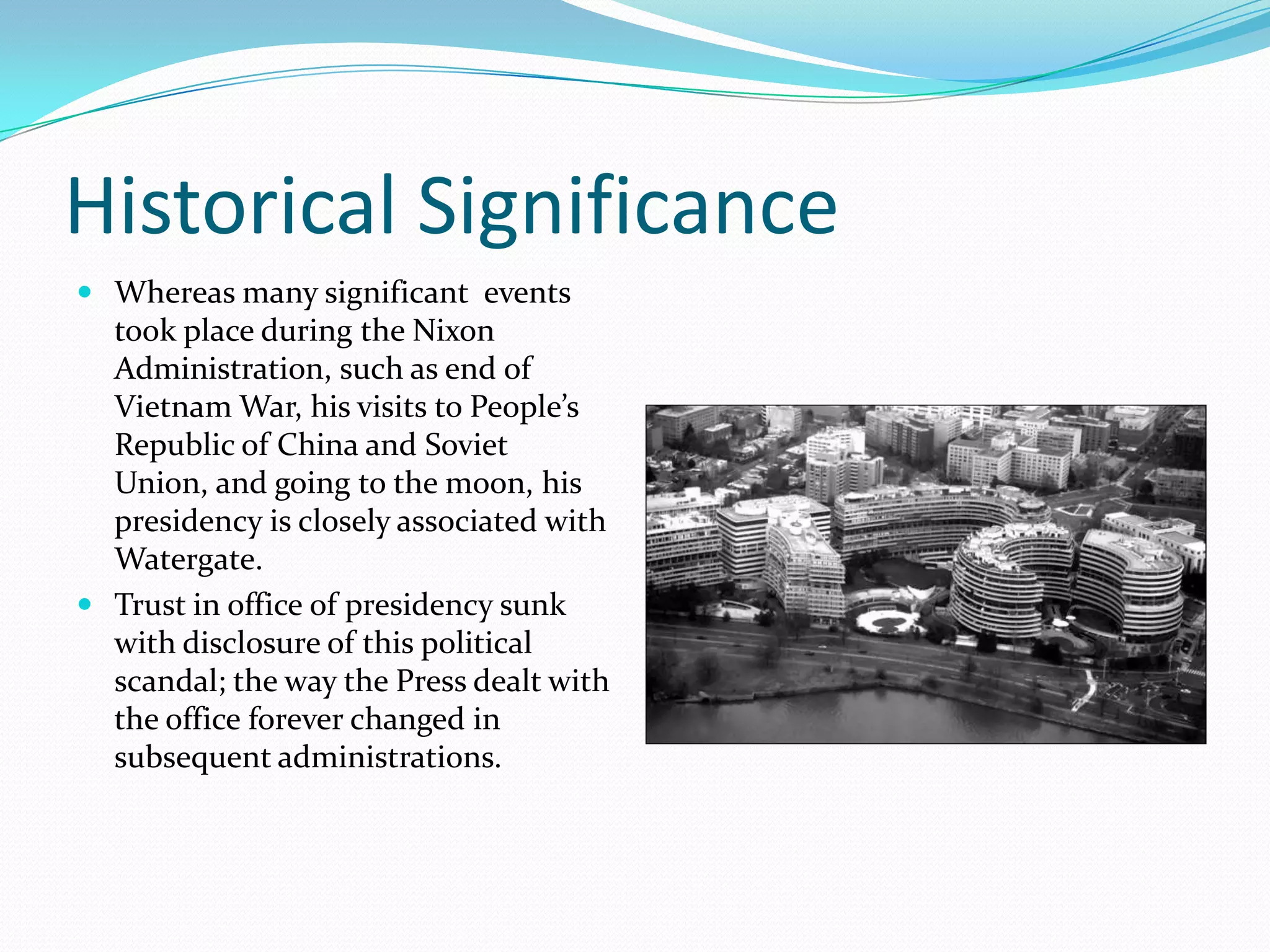
Historical Significance
 Whereas many significant events
  took place during the Nixon
  Administration, such as end of
  Vietnam War, his visits to People’s
  Republic of China and Soviet
  Union, and going to the moon, his
  presidency is closely associated with
  Watergate.
 Trust in office of presidency sunk
  with disclosure of this political
  scandal; the way the Press dealt with
  the office forever changed in
  subsequent administrations.
Events and Accomplishments of Nixon’s Presidency
   On July 20, 1969, Apollo 11 reached the moon and first step
    by man was taken outside of earth: “That’s one small step
    for man, one giant leap for mankind.” This accomplished
    Kennedy’s objective of going to the moon before close of
    decade.
   On April 30, 1970, U.S. and South Vietnamese troops
    attacked Cambodia in effort to seize Communist
    headquarters, which was met with protests across the
    country, the most visible of which was at Kent State
    University on May 4, 1970, where demonstrators at the
    campus were fired upon by Ohio National Guard; four
    were killed and nine were wounded.
   Acts to protect environment were significant part of
    Nixon’s time in office; Environmental Protection Agency
    was established on December 2, 1970.
   President Nixon went to China in February 1972 to
    encourage peace and opening diplomatic relations
    between United States and China; he was first American
    president to step foot on Chinese soil.
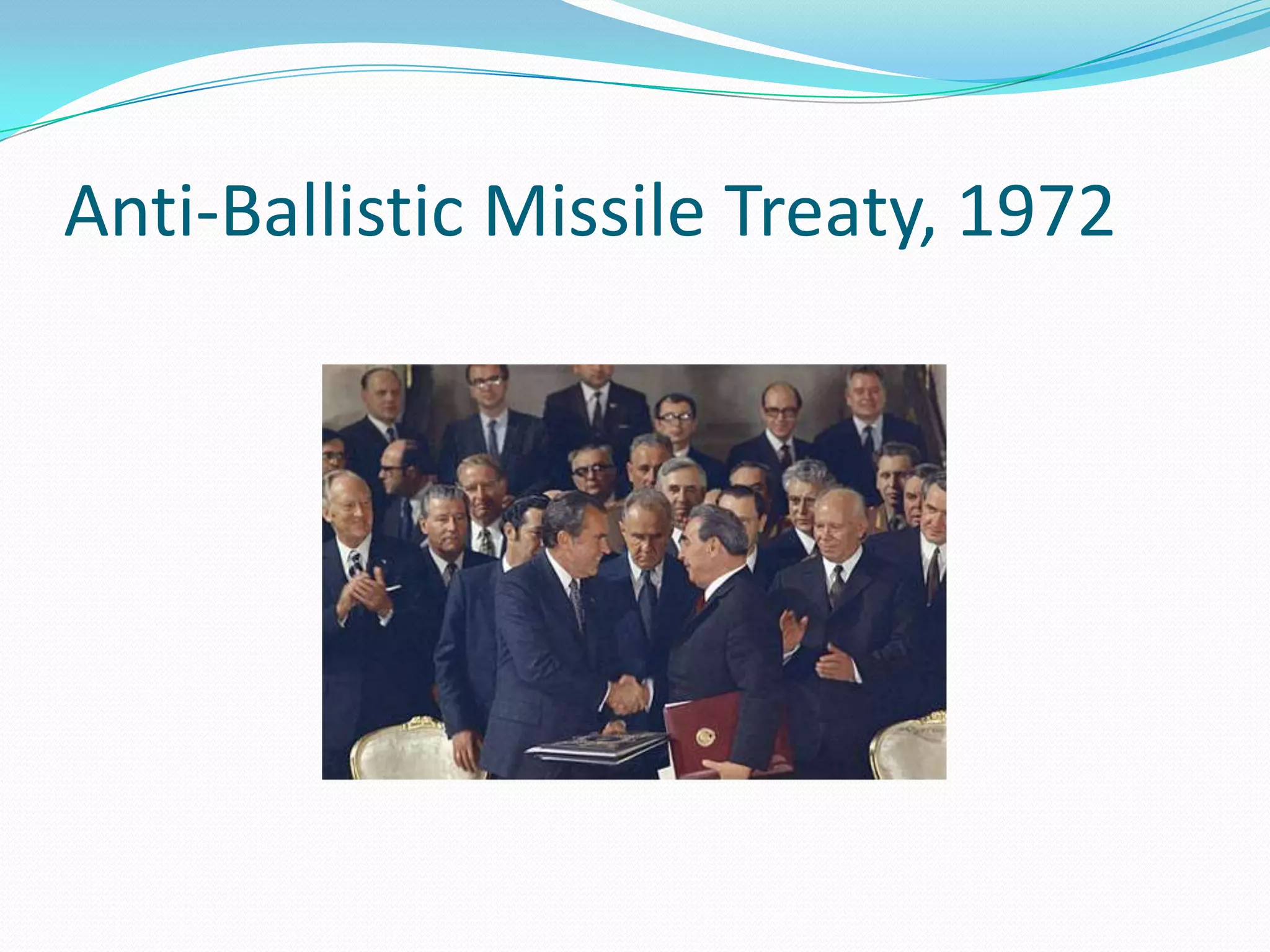
   Nixon also made a visit to the Soviet Union in May 1972, in
    which he conducted successful détente negotiations with
    his Soviet counterpart, friend, and ally (leading to signing
    of subsequent Anti-Ballistic Missile Treaty): the one and
    only LEONID ILYICH BREZHNEV.
   Peace treaty was signed with North Vietnam in January
    1973, by which all U.S. forces remaining pulled out and all
    prisoners of war were freed; despite agreement, fighting
    resumed and Communists won in April 1975.
Anti-Ballistic Missile Treaty, 1972
Bibliography
 http://americanhistory.about.com/od/richardnix
 on/p/pnixon.htm

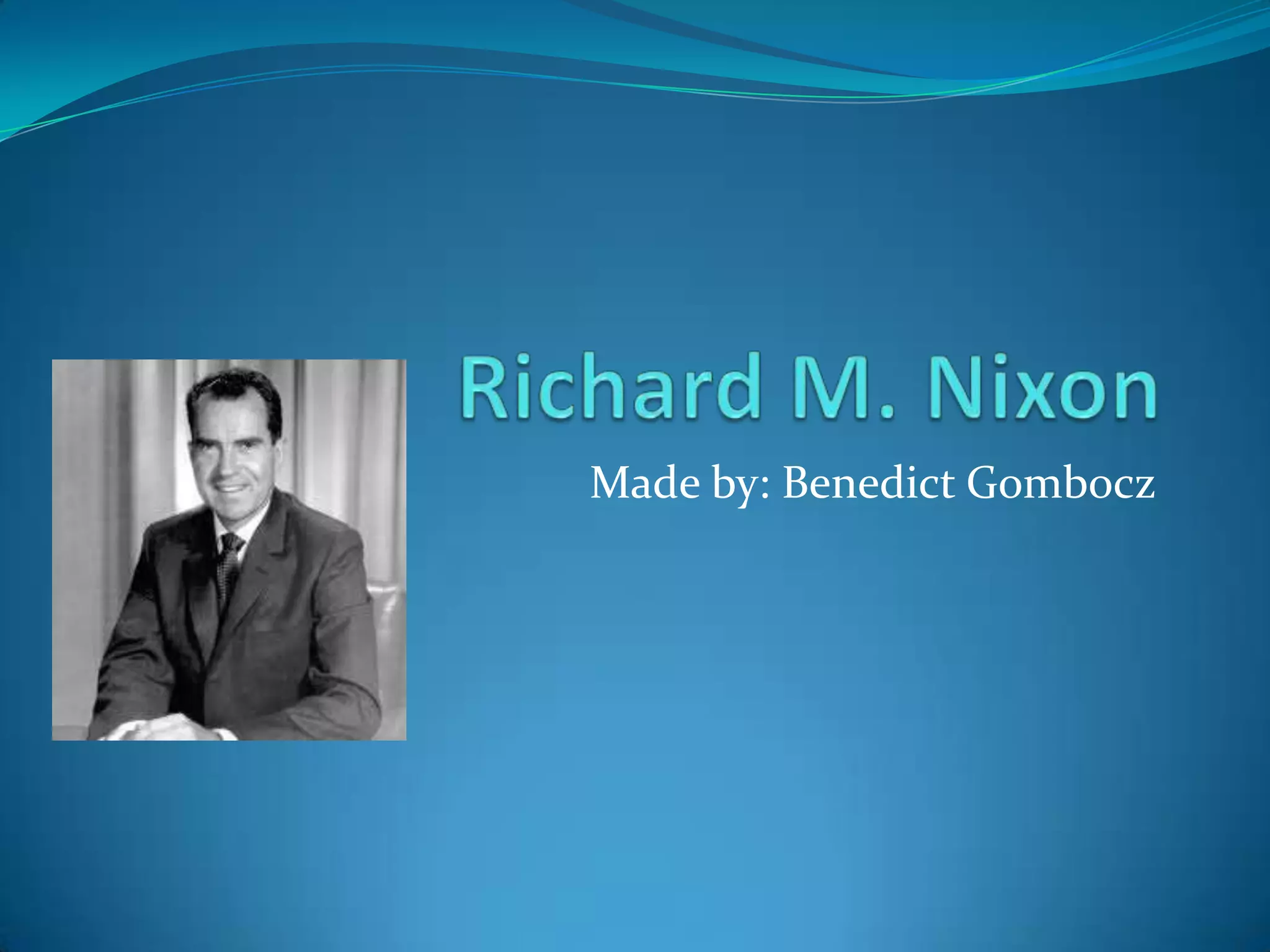
Richard M. Nixon

  • 1.
  • 2.
    Family  Father: Francis“Frank” Anthony Nixon – owner and grocer of gas station.  Mother: Hannah Milhous Nixon – committed Quaker.  Siblings: Four brothers.  Wife: Thelma Catherine “Pat” Ryan – Business Teacher.  Children: Two daughters – Patricia and Julie.
  • 3.
    Childhood and Education Richard Milhous Nixon was born on January 9, 1913, in Yorba Linda, California.  Grew up in poverty and helped out at his father’s grocery store.  Was raised as Quaker.  Had two brothers who died from tuberculosis.  Attended local public schools; graduated in 1930 at top of his high school class.  Went on to attend Whittier College from 1930-34; graduated with history degree.  Subsequently attended Duke University Law School, graduating in 1937; was then admitted to the bar.
  • 4.
  • 5.
    Career before Presidency Started practicing law in 1937.  Attempted his hand at owning a business, which failed before enlisting in the navy to serve in World War II.  Advanced to lieutenant commander and resigned in March 1946; was elected as U.S. Representative in 1947.  Was elected to U.S. Senate in 1950, serving in that post until 1952, when he was VP- elect on Republican ticket, with Dwight D. Eisenhower; the two were inaugurated in January 1953, re-elected in November 1956, and served until January 1961.  Was Republican nominee for President in 1960, but lost the election to Democratic nominee John F. Kennedy.  Also lost 1962 California gubernatorial election to Democrat Pat Brown; after his loss, he declared “You won’t have Dick Nixon to kick around anymore.”
  • 6.
  • 7.
  • 8.
    “You won’t haveDick Nixon to kick around anymore.”
  • 9.
    Election as President,1968  In spite of his decision to no longer run for public office, Nixon sought Republican nomination for President six years after his defeat in California gubernatorial election; other candidates of 1968 Republican National Convention were Ronald W. Reagan (Governor of California), Jim A. Rhodes (Governor of Ohio), Nelson A. Rockefeller (Governor of New York), Harold Stassen (ex-Governor of Minnesota), and John Volpe (Governor of Massachusetts).  Won Republican nomination and chose Maryland Governor Spiro T. Agnew to be his running mate.  Nixon and Agnew defeated Democrat Hubert H. Humphrey (Lyndon B. Johnson’s VP and ex- Senator from Minnesota) and Humphrey’s running mate Edmund Muskie, and American Independent George C. Wallace (former Governor of Alabama) and Wallace’s running mate Curtis LeMay; they obtained 43% of popular vote and 301 electoral votes.
  • 10.
  • 11.
  • 12.
    Re-election and Agnew’sresignation, 1972-1973  Was re-nominated by Republican party for re- election in 1972, with Agnew as his running mate again.  Nixon easily defeated his opponent George McGovern (Senator from South Dakota) and McGovern’s running mate Sergeant Shriver (Ambassador to France; replaced Senator from Missouri Thomas Eagleton as running mate), winning with 61% of vote and 520 electoral votes.  In the summer of 1973, Agnew was put under investigation after it was revealed that he accepted bribes of over $100,000, while he served as Baltimore County Executive, Governor of Maryland, and VP; on October 10, 1973, he was permitted to plead no contest (Nolo contendere) to single charge of failure to report $29,500 of income acquired in 1967, provided that he resign as VP.  Following Agnew’s forced resignation, Nixon appointed House Minority Leader Gerald R. Ford to fill Agnew’s post; Agnew became second VP to resign (after John C. Calhoun in 1832), but only VP to resign because of charges of corruption.
  • 13.
  • 14.
  • 15.
    Watergate Scandal, Resignationand Post- Presidential Period, 1972-1994  At the same time Nixon ran for re-election, it was revealed that five men from Committee to Re-elect the President (CREEP) burglarized Democratic National Headquarters at Watergate business complex; two Washington Post reporters, Bob Woodward and Carl Bernstein, unfolded solid cover-up of break-in.  Nixon had set up taping system and when the Senate asked to hand over tapes recorded in Oval Office, he refused to hand them over on the grounds that he had executive privilege.  Supreme Court rejected his claim and forced him to give the tapes up; although the tapes had no evidence that Nixon was directly involved in the break-in, they revealed his involvement in covering it up.  Faced with inevitable impeachment with his role in Watergate, Nixon resigned on August 9, 1974, becoming only president to resign; Vice President Ford succeeded him in private ceremony the same day, granting Nixon pardon in September 1974.  After his resignation, Nixon withdrew to San Clemente, California.  Intervened in dispute between Major League Baseball and Umpire Association in 1985.  Traveled extensively, giving advice to several politicians including Reagan administration; also wrote about his encounters and foreign policy.  Died on April 22, 1994, aged 81, from severe stroke and blood clot.
  • 16.
    Historical Significance  Whereasmany significant events took place during the Nixon Administration, such as end of Vietnam War, his visits to People’s Republic of China and Soviet Union, and going to the moon, his presidency is closely associated with Watergate.  Trust in office of presidency sunk with disclosure of this political scandal; the way the Press dealt with the office forever changed in subsequent administrations.
  • 17.
    Events and Accomplishmentsof Nixon’s Presidency  On July 20, 1969, Apollo 11 reached the moon and first step by man was taken outside of earth: “That’s one small step for man, one giant leap for mankind.” This accomplished Kennedy’s objective of going to the moon before close of decade.  On April 30, 1970, U.S. and South Vietnamese troops attacked Cambodia in effort to seize Communist headquarters, which was met with protests across the country, the most visible of which was at Kent State University on May 4, 1970, where demonstrators at the campus were fired upon by Ohio National Guard; four were killed and nine were wounded.  Acts to protect environment were significant part of Nixon’s time in office; Environmental Protection Agency was established on December 2, 1970.  President Nixon went to China in February 1972 to encourage peace and opening diplomatic relations between United States and China; he was first American president to step foot on Chinese soil.  Nixon also made a visit to the Soviet Union in May 1972, in which he conducted successful détente negotiations with his Soviet counterpart, friend, and ally (leading to signing of subsequent Anti-Ballistic Missile Treaty): the one and only LEONID ILYICH BREZHNEV.  Peace treaty was signed with North Vietnam in January 1973, by which all U.S. forces remaining pulled out and all prisoners of war were freed; despite agreement, fighting resumed and Communists won in April 1975.
  • 18.
  • 19.